If you're planning a trip to Tokyo and love anime, shopping, great food, or just want to experience one of Japan's most electric urban environments — Ikebukuro belongs on your itinerary. Often overshadowed by the louder fame of Shibuya and Shinjuku, Ikebukuro is Tokyo's second-largest entertainment district and the unsung hero of the city's cultural landscape.
Anchored by the colossal Sunshine City complex, a thriving anime and manga scene centered on Otome Road, and department stores so large they've been dubbed rivals in their own war, Ikebukuro delivers an astonishing density of things to see, do, eat, and buy. This Ikebukuro guide covers everything foreign tourists need to know — from the Pokémon Center to hidden ramen gems and a free earthquake simulator you genuinely need to try.
1. Sunshine City: Ikebukuro's Mega-Complex
Rising above the east side of Ikebukuro, Sunshine City (サンシャインシティ) is one of Tokyo's most ambitious multi-purpose complexes — a self-contained city within a city. Built around the former site of Sugamo Prison, the complex comprises four interconnected towers housing shopping malls, offices, a hotel, an aquarium, a planetarium, and much more. The iconic Sunshine 60 tower was once the tallest building in Japan. Today, the whole complex is a must-visit anchor for any things to do in Ikebukuro list.
Getting there is straightforward: exit Ikebukuro Station via the East Exit and walk northeast for about 10 minutes, or take the free shuttle bus. Once inside, you could easily spend a full day without stepping outside.
Pokémon Center Mega Tokyo (4F, World Import Mart)
One of the most visited spots in the entire complex is the Ikebukuro Pokémon Center — officially called Pokémon Center Mega Tokyo. Located on the 4th floor of the World Import Mart building within Sunshine City, it is one of the largest and most well-stocked Pokémon Centers in Japan. Dedicated fans travel here specifically for this store.
The store stocks an enormous range of plush toys, trading cards, stationery, apparel, accessories, and exclusive merchandise you simply cannot find outside Japan. If you're on the hunt for limited-edition items or regional exclusives, this is the place. Expect queues on weekends and during school holidays — arriving when the mall opens is your best strategy.
Sunshine Aquarium
Perched on the rooftop of the World Import Mart building, Sunshine Aquarium is one of Tokyo's most unique aquariums. Its signature feature is the open-sky exhibits — you can watch penguins, fur seals, and other animals in outdoor spaces with the Ikebukuro skyline as a backdrop. The "sky walk" where birds and sea animals seem to float against the open sky is genuinely spectacular.
Inside, a large jellyfish tank, a tropical fish zone, and regular animal performances round out the experience. It's a great option for families and makes for a refreshing contrast after hours of indoor shopping. Tickets can be purchased on-site but pre-booking online during peak seasons is strongly recommended.
Sunshine Planetarium
Also located within Sunshine City, the Sunshine Planetarium runs immersive full-dome digital shows in a state-of-the-art theater. Presentations are primarily in Japanese, but the visual experience alone is worth it — swirling galaxies, recreations of the night sky, and specially produced themed shows make it a relaxing and beautiful way to spend an hour. Pre-booking is strongly recommended, particularly on weekends, as shows frequently sell out. Check the official site for English-friendly showtimes.
2. Anime Shopping in Ikebukuro
For anime and manga fans, Ikebukuro is arguably as important as Akihabara — just with a very different flavor. Where Akihabara leans heavily toward electronics and male-oriented fandom culture, Ikebukuro's anime scene is broader, more fashion-forward, and has a particularly strong presence for female-oriented anime culture. It's a vital distinction, and one that makes Ikebukuro genuinely unique.
Animate Ikebukuro: Japan's Largest Animate Store
The flagship of the national Animate chain, Animate Ikebukuro is a towering 8+ floor shrine to anime, manga, and merchandise. This is the largest Animate store in Japan and a pilgrimage site for fans of virtually every genre. Each floor is dedicated to different categories: manga volumes, anime Blu-rays, character goods, cosplay accessories, doujinshi (self-published fan comics), light novels, and more.
The atmosphere inside is electric — walls covered in posters, staff in cosplay, and dedicated sections for whatever franchise is currently trending. Whether you're hunting for a rare figure, stocking up on manga, or just browsing, a visit to Animate Ikebukuro is one of the most memorable anime shopping experiences in Japan. Budget at least 90 minutes here.
K-Books, Mandarake, and Doujinshi Shops
K-Books has multiple branches in the Ikebukuro area and specializes in used and new doujinshi, anime goods, and cosplay items. For buyers hunting rare or out-of-print materials, K-Books is indispensable. Mandarake also has a presence in Ikebukuro, offering second-hand figures, manga, and vintage anime merchandise — prices are often considerably lower than new retail.
Scattered around the Sunshine 60 Dori street and the streets leading toward Otome Road, you'll find a cluster of smaller independent shops that specialize in figures, trading card games, and imported goods. This is a great area to wander and discover.
Otome Road: The Heart of Female Fandom Culture
Otome Road (乙女ロード, literally "Maiden Road") is one of the most culturally distinct streets in all of Tokyo. This stretch of shops just east of Ikebukuro Station is dedicated to female-oriented anime culture: shoujo manga, Boys' Love (BL) novels and manga, otome games, and idol merchandise for female fans. It stands in deliberate contrast to the male-dominated fandom culture of Akihabara and is celebrated as a pioneering space for women in anime fandom.
Even if you're not specifically a BL or shoujo fan, Otome Road is a fascinating cultural experience — a window into a side of Japanese pop culture that receives far less international coverage than it deserves. For a deeper dive into anime culture across Japan, check out our complete anime in Japan guide.
3. Food in Ikebukuro: Where to Eat
Ikebukuro's food scene is diverse, affordable, and surprisingly underrated. The area attracts a cosmopolitan crowd — students, young office workers, tourists from across Asia and beyond — which has fostered one of Tokyo's best concentrations of international cuisine alongside excellent traditional Japanese food.
Ramen
Ikebukuro has a strong ramen culture. The streets around the East Exit and especially the area known as Ramen Street (inside the station building) host some seriously well-regarded shops. Look for rich tonkotsu broths, delicate shio (salt) ramen, and Ikebukuro's own style of thick-noodle miso ramen. Many shops operate on a ticket vending machine system — just point at pictures if you can't read Japanese, and staff are generally accustomed to assisting foreign customers.
West Exit Izakaya
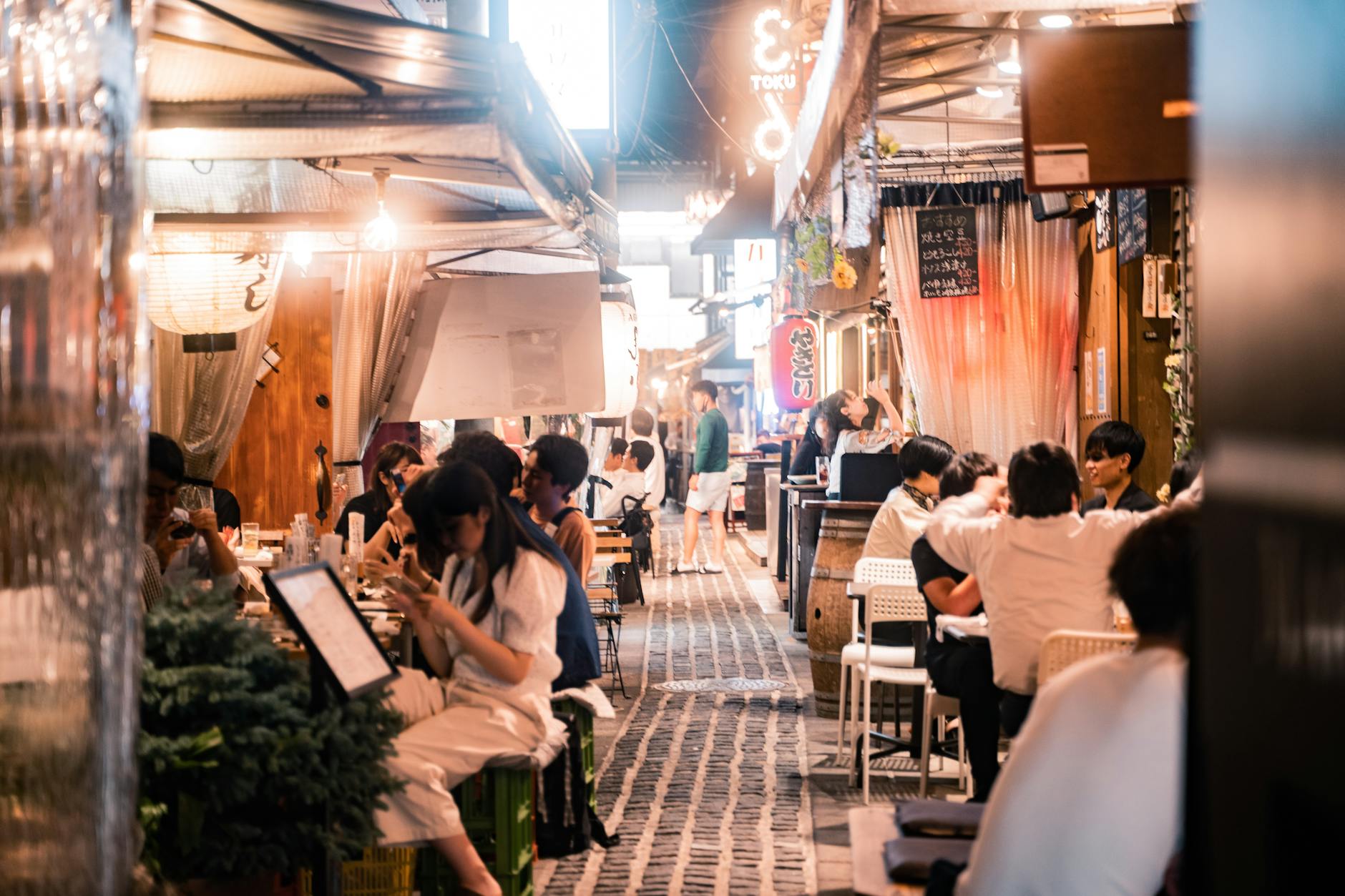
The West Exit area is densely packed with izakaya (Japanese pub-style restaurants) across every price range. This is the go-to spot for an evening of shared plates, cold beer, yakitori skewers, and the kind of casual Japanese dining experience that turns first-time visitors into lifelong fans. The maze of narrow streets and alleyways west of the station feels authentically local and is much less touristy than equivalent areas in Shinjuku.
Ethnic Food and Halal Options
Ikebukuro has a significant South and Central Asian community, particularly around the western and northern areas of the station. This means you'll find excellent Indian, Pakistani, Nepalese, Chinese, and Korean restaurants in abundance. Several restaurants in the area also offer halal-certified options, making Ikebukuro one of the more Muslim-friendly districts in Tokyo for dining.
Depachika: Department Store Food Halls
Don't leave Ikebukuro without visiting the basement food halls (depachika) of the Tobu Department Store and Seibu Department Store. These underground floors are a foodie paradise — fresh sushi, wagashi (Japanese confectionery), premium bentō boxes, international gourmet foods, artisan pastries, and more. They're ideal for assembling a picnic or simply sampling Japan's extraordinary food culture in one concentrated space.
Cat Cafes and Themed Cafes
Ikebukuro has a healthy concentration of cat cafes and animal cafes — a popular Tokyo experience where you pay an hourly fee to spend time with resident cats (or hedgehogs, rabbits, or owls, depending on the venue) while enjoying a drink. These are particularly popular with solo travelers. There are also several anime-themed and character cafes in the area that run seasonal collaborations with popular series.
4. Shopping in Ikebukuro
Beyond anime, Ikebukuro is a serious general shopping destination. It hosts two of Japan's largest department store chains facing off across the station in a retail rivalry that has become part of the district's identity.
The Ikebukuro Department Store War: Tobu vs. Seibu
On the west side of Ikebukuro Station sits the massive Tobu Department Store Ikebukuro, consistently ranked as one of the largest department stores in Japan by floor space. On the east side, almost directly opposite, stands the equally formidable Seibu Department Store Ikebukuro. The two chains have been competing for shoppers in this district for decades — a phenomenon so well-known in Japan that it became the basis for a popular novel and TV drama.
For tourists, the rivalry is an excellent problem to have: both stores stock premium Japanese and international brands, excellent souvenirs, designer goods, and the aforementioned food halls. The upper floors often feature rotating art exhibitions and cultural displays.
Bic Camera, Don Quijote, and Book Off
Bic Camera Ikebukuro is one of the largest electronics and camera stores in Tokyo — a good spot for tax-free electronics, cameras, headphones, and gadgets. Don Quijote (Donki) runs a 24-hour location near the station stocked with everything from snacks and cosmetics to clothing and kitchen gadgets — a great place for affordable souvenirs at any hour. Book Off near Ikebukuro offers used books, manga volumes, DVDs, and games at very affordable prices — a perfect last-stop for budget-conscious anime fans.
5. Ikebukuro Life Safety Learning Center (防災館)
This is one of Ikebukuro's most underrated and genuinely fascinating attractions: the Ikebukuro Life Safety Learning Center (池袋防災館, Ikebukuro Bōsaikan). This free facility, operated by the Tokyo Fire Department, lets visitors experience and learn about natural disaster preparedness in a hands-on, surprisingly entertaining way.
The center features full simulations of:
- Earthquake simulation rooms — feel tremors rated up to magnitude 7 on the Japanese scale
- Fire and smoke evacuation corridors — navigate through simulated smoky hallways
- Typhoon simulation — experience strong wind and rain conditions
- First aid training stations — learn CPR and basic emergency response
The experience is educational, safe, and surprisingly fun — a perfect activity for families, curious travelers, and anyone who wants to understand why Japan has such a strong culture of disaster preparedness. The facility is located a 7-minute walk from Ikebukuro Station's East Exit 7 (exit toward Higashi-Ikebukuro). Admission is free, but advance reservations are required. Book online through the Tokyo Fire Department website before your visit.
6. Nightlife in Ikebukuro
When the sun goes down, Ikebukuro shifts gear. The district has a lively and accessible nightlife scene that caters to a broad range of interests — from students and young professionals looking for a cheap night out to tourists seeking something memorable.
Bars and Clubs
The area around the West Exit and the streets running north and south from the station host numerous bars — craft beer spots, standing bars, cocktail bars, and dive bars. The vibe is generally more relaxed and less touristy than Roppongi, which makes Ikebukuro a great choice if you prefer drinking alongside locals rather than a predominantly tourist crowd. For club nights, the Ikebukuro area has a small but dedicated club scene that tends to focus on R&B, hip-hop, and EDM, with several venues open until dawn on weekends.
Karaoke
No trip to Ikebukuro's nightlife is complete without karaoke. There are multiple large karaoke chains in the immediate station area, several of which operate 24 hours. Singing in a private room with friends or solo is a quintessential Japanese experience, and Ikebukuro's options include rooms of all sizes with extensive English song libraries. Rates are usually hourly per person, with cheap drink plans available.
7. Getting Around Ikebukuro
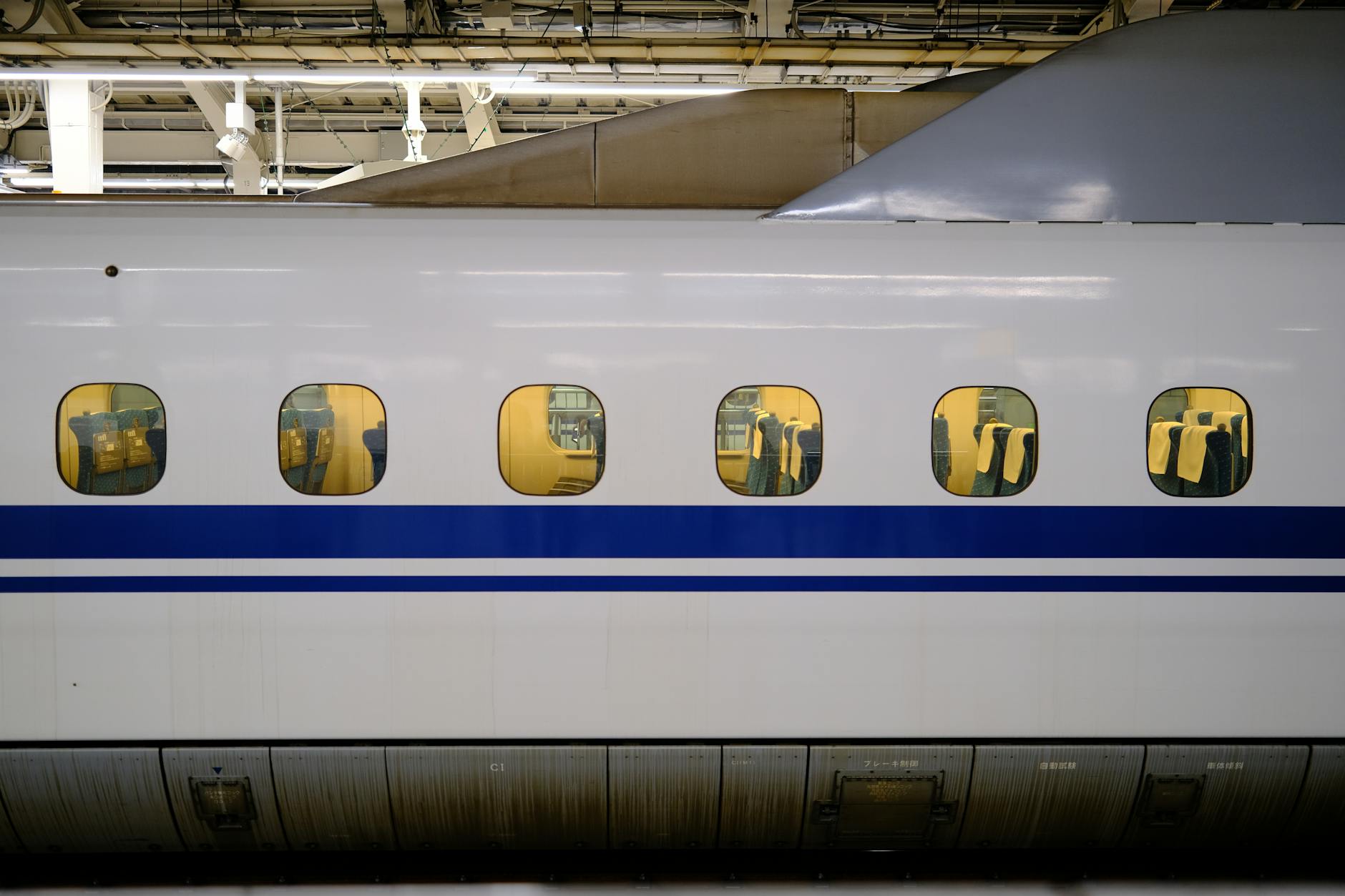
Ikebukuro Station is the 4th busiest railway station in Japan, processing millions of passengers daily. The labyrinthine underground corridors connect the following lines:
- JR Yamanote Line — connects directly to Shinjuku (10 min), Shibuya (20 min), and all major Tokyo hubs
- Tobu Tojo Line — runs north to Kawagoe (30–40 min) and Chichibu
- Seibu Ikebukuro Line — runs west toward Haneda-adjacent areas and Chichibu
- Tokyo Metro Marunouchi, Fukutoshin, and Yurakucho Lines — connect to central Tokyo, Shibuya, and further destinations
The key orientation rule for visitors: East Exit leads to Sunshine City, the Pokémon Center, Animate, Otome Road, and the anime/entertainment zone. West Exit leads to Tobu Department Store, Seibu Department Store, izakaya alleys, and the broader shopping district. The station has numerous other exits — when in doubt, look for signs to Sunshine City (east) or Tobu/Seibu (west) as landmarks.
8. Day Trips and Combinations from Ikebukuro
Ikebukuro's position on the JR Yamanote Line makes it easy to combine with other major Tokyo neighborhoods. A classic full-day Tokyo loop starts in Harajuku (Takeshita Street, Meiji Shrine), continues through Shinjuku (Kabukicho, Golden Gai, department stores), and finishes in Ikebukuro for anime shopping and dinner — all on the same Yamanote Line without transfers.
Kawagoe Day Trip via Tobu Tojo Line
One of the best day trips from Ikebukuro is Kawagoe (川越), a well-preserved Edo-period castle town nicknamed "Little Edo." The Kawagoe day trip takes just 30–40 minutes from Ikebukuro on the Tobu Tojo Line, making it among the most accessible traditional Japanese town experiences from central Tokyo. The preserved warehouse district, temple grounds, and local sweet potato snacks make it a wonderful half-day excursion.
For broader day trip inspiration from the Tokyo area, see our complete day trips from Tokyo guide.
Exploring Beyond the Train Network
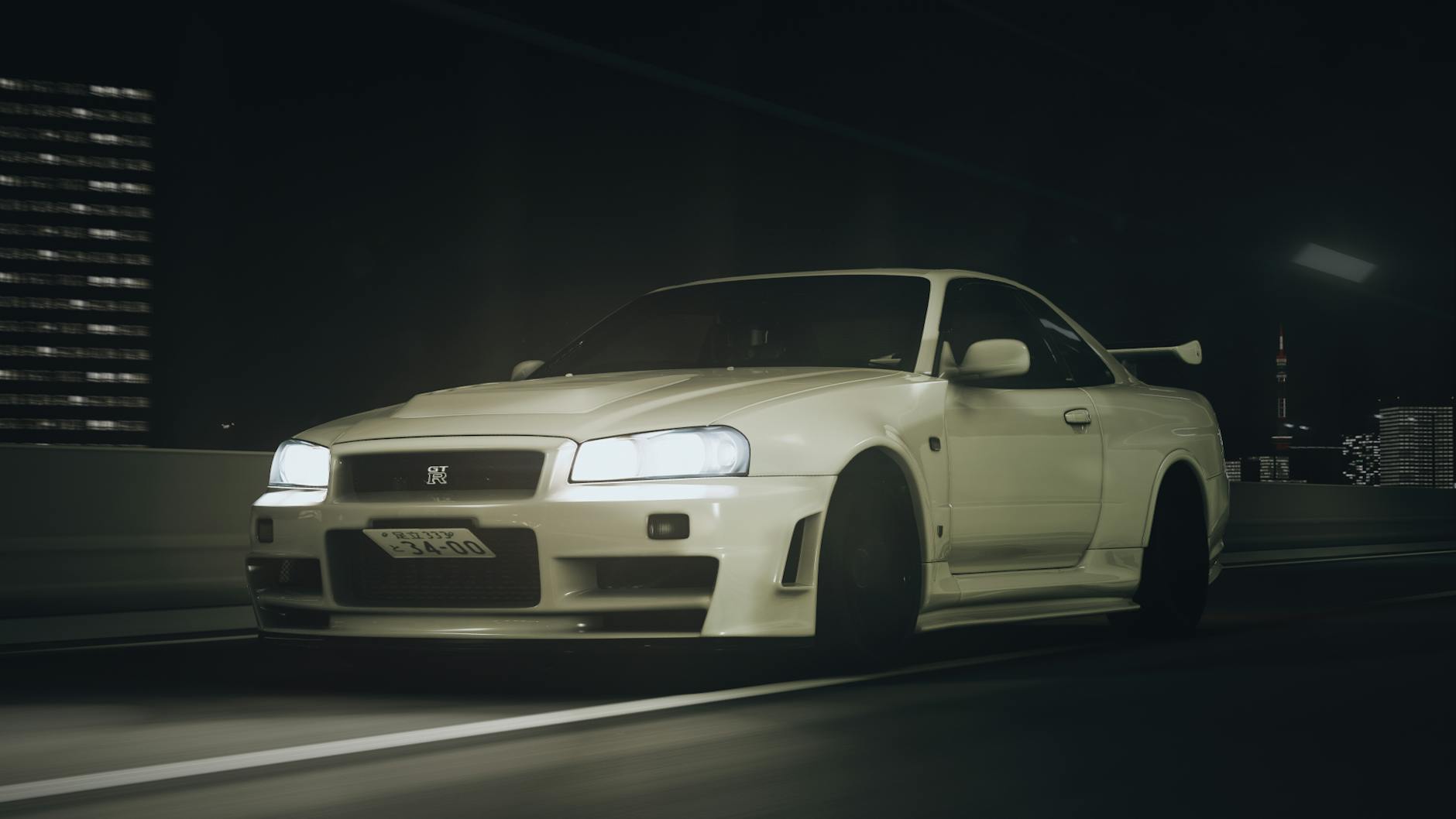
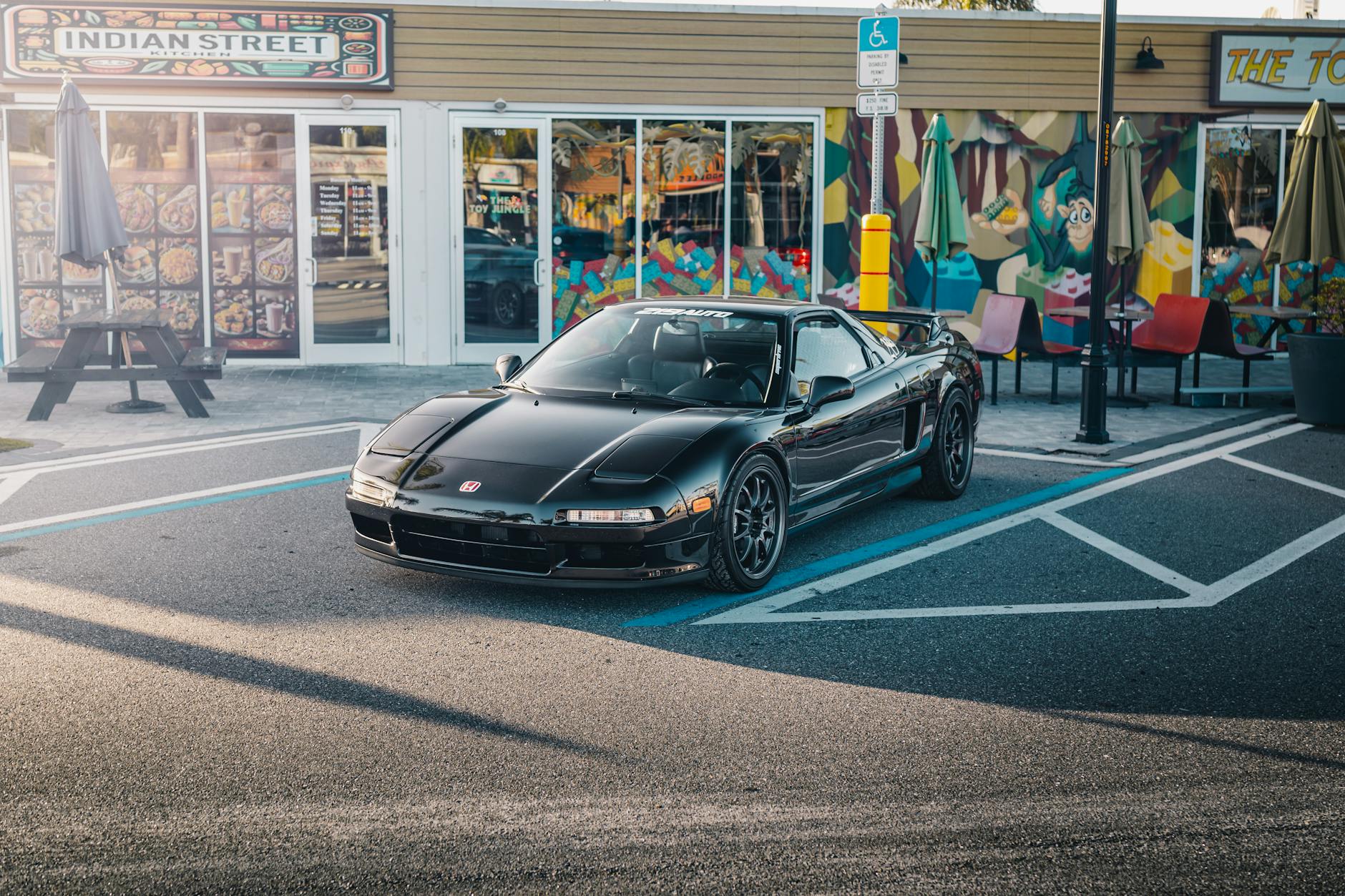
Tokyo's train network is exceptional, but some experiences — the winding mountain roads of Hakone, the coastal routes of the Shonan shore, or simply driving through the city at your own pace — are best explored by car. Samurai Car Japan in nearby Shibuya offers JDM sports car rentals for visitors who want to explore beyond the train network. Renting a JDM performance car for a day drive on the routes that made these vehicles famous is a uniquely memorable Japan experience.
Ikebukuro vs. Shinjuku vs. Akihabara: Which Is Right for You?
Understanding how Ikebukuro fits into Tokyo's neighborhood ecosystem helps you plan smarter:
- Ikebukuro: Best for anime fans (especially female-oriented culture), Pokémon Center, Sunshine City, affordable food, department store shopping, and a genuinely local vibe.
- Shinjuku: Best for nightlife (Kabukicho), the atmospheric Golden Gai bar scene, Shinjuku Gyoen garden, and as a travel hub.
- Akihabara: Best for electronics, retro games, maid cafes, and male-oriented anime/manga merchandise culture.
If your schedule allows for all three, a day in each is very manageable from central Tokyo. If you have to choose one primarily for anime, your decision hinges on whether Akihabara's electronics/male-fandom culture or Ikebukuro's Otome Road/Animate experience speaks more to your interests.
Related Guides
- Complete Anime in Japan Guide — Beyond Ikebukuro: Akihabara, Nakano Broadway, Comiket, and more
- Akihabara Guide — Tokyo's legendary electronics and anime district
- Things to Do in Shinjuku — Kabukicho, Golden Gai, and beyond
- Kawagoe Day Trip Guide — Little Edo, 30 min from Ikebukuro
- Day Trips from Tokyo — The best escapes beyond the city
- JDM Car Rental Japan — Explore Japan in a sports car
Frequently Asked Questions
What are the best things to do in Ikebukuro?
The top things to do in Ikebukuro include visiting the Pokémon Center Mega Tokyo and Sunshine City complex, exploring Animate Ikebukuro and Otome Road for anime shopping, experiencing the free earthquake simulator at the Life Safety Learning Center (防災館), eating in the West Exit izakaya alleys, and browsing the basement food halls of Tobu and Seibu department stores.
Is Ikebukuro worth visiting for tourists?
Absolutely. Ikebukuro is one of Tokyo's most rewarding districts precisely because it tends to be slightly less overwhelmed by tourists than Shibuya or Shinjuku. It offers an authentic urban Tokyo experience with world-class anime shopping, one of the best aquariums in the city, excellent food, and the fascinating Sunshine City complex — all in a compact, walkable area around the station.
How is Ikebukuro different from Shinjuku?
Both are major Tokyo entertainment hubs served by the Yamanote Line, but their character differs significantly. Shinjuku is more famous for nightlife (Kabukicho red-light district, Golden Gai, Omoide Yokocho), while Ikebukuro is stronger on anime culture (Otome Road, Animate), family-friendly attractions (Sunshine Aquarium, Planetarium, Pokémon Center), and everyday shopping. Ikebukuro also feels slightly less frenetic and more navigable than Shinjuku's often-chaotic station area.
What are tips for anime shopping in Ikebukuro?
Start at Animate Ikebukuro first thing in the morning before crowds build. Check in advance for any collaboration events or limited pop-ups. Visit K-Books and Mandarake for used/second-hand items at lower prices. Walk Otome Road even if you're not specifically into female-oriented anime — the atmosphere is unique. If you're shipping items home, many shops offer tax-free shopping for tourists spending over ¥5,000; bring your passport.
How far is Ikebukuro from Shinjuku?
Ikebukuro is approximately 10 minutes from Shinjuku by JR Yamanote Line — one of the shortest links between major Tokyo entertainment districts. This makes combining both in a single day very easy. From Shibuya, the journey is about 20 minutes by Yamanote Line with a stop at Shinjuku.
Is the Life Safety Learning Center (防災館) worth visiting?
Yes — it's one of the most underrated free attractions in Tokyo. The earthquake, fire, and typhoon simulations are genuinely impressive, educational, and entertaining. It requires a reservation and takes about 90 minutes, but it provides a fascinating insight into Japan's disaster preparedness culture that most tourists never encounter. Highly recommended for curious travelers of any age.