Travel Guide

Japan Golden Week 2026: Dates, Crowds, and How to Plan Around It

Golden Week is Japan's biggest national holiday period — a cluster of four public holidays in late April and early May that creates a 7–10 day break for most Japanese workers and students. For foreign tourists, it's a genuine double-edged sword: the country is in full spring glory, cherry blossoms are transitioning to fresh green, and the energy of a nation on holiday is tangible. But so are the crowds, the prices, and the logistics challenges that come with 100 million people moving at once. This guide gives you the honest picture — the dates, the realities, and exactly how to plan your trip to make it work for you.

Whether you're locked into Golden Week dates because of your own schedule, or trying to decide whether to visit Japan during this period at all, you'll find everything you need here: what actually happens, how bad the crowds get, how to book, and what the best strategy is depending on what you want from your Japan trip.

Japan Golden Week 2026: Exact Dates

Golden Week is defined by four national public holidays that fall in close proximity. In 2026, the specific dates are:

  • Wednesday, April 29 — Showa Day (昭和の日, Shōwa no Hi)
  • Sunday, May 3 — Constitution Memorial Day (憲法記念日, Kenpō Kinenbi)
  • Monday, May 4 — Greenery Day (みどりの日, Midori no Hi)
  • Tuesday, May 5 — Children's Day (こどもの日, Kodomo no Hi)

When the holidays cluster with weekends, Japanese workers frequently take additional annual leave days between them to create a continuous block of time off. In 2026, with April 29 falling on a Wednesday, many companies give or encourage employees to take April 30 through May 2 off as well, creating a full 7-day stretch from April 29 to May 5. Some workers with flexible scheduling or additional leave create breaks extending to 9 or 10 days.

⚠️ Important
2026 Golden Week core dates: April 29 to May 5. The absolute peak travel days are April 29 (first day), May 3–4 (mid-week cluster), and May 5 (final holiday). Transport bookings open approximately 1–3 months in advance depending on the method. If your travel dates fall within this window: assume trains are fully booked and accommodation is at peak pricing unless you've planned ahead.

What Is Golden Week? History and Meaning

Golden Week earned its name because Japanese film studios noticed that attendance spiked dramatically during this holiday cluster in the late 1940s — more than any other time of year. The name stuck and expanded to describe the entire holiday period.

The four holidays that comprise Golden Week each have distinct origins:

Showa Day (April 29)

The birthday of Emperor Hirohito (Emperor Showa), who reigned from 1926 to 1989 — the longest reign in Japanese imperial history, spanning Japan's military expansion, World War II defeat, and postwar economic miracle. The holiday was renamed from "Greenery Day" to "Showa Day" in 2007 to encourage reflection on Japan's wartime era and postwar recovery. Despite the serious historical context, April 29 functions primarily as the starting gate of the holiday period.

Constitution Memorial Day (May 3)

Japan's postwar constitution came into effect on May 3, 1947. Drafted under US occupation, it remains one of the world's most significant pacifist constitutions — particularly its Article 9, which renounces war as a means of settling international disputes. The day is observed with civic reflection rather than celebration, though politically it remains a subject of ongoing debate in Japan.

Greenery Day (May 4)

Originally Emperor Hirohito's birthday (which became a holiday during his reign), Greenery Day was relocated to May 4 when Showa Day took April 29 in 2007. It celebrates nature and the environment, and practically fills the gap between Constitution Day and Children's Day to create the three-day holiday cluster at the end of Golden Week.

Children's Day (May 5)

The oldest of the four holidays, Children's Day celebrates the wellbeing and happiness of children and honors their mothers. Visually, it's one of Japan's most distinctive holidays: koinobori (鯉のぼり) — large, colorful carp-shaped streamers mounted on poles — fly from homes, parks, bridges, and public spaces throughout Japan. The carp symbolizes strength and perseverance, qualities parents wish for their children. Families gather, children's events fill parks, and the streamers create a festive visual atmosphere across the country.

What Actually Happens in Japan During Golden Week

Understanding the scale of Golden Week movement is important for planning. Nearly 100 million domestic trips are taken during the Golden Week period — meaning roughly 80% of Japan's population is traveling at the same time. This is Japan's equivalent of Christmas, Thanksgiving, and a national vacation period combined into one week.

Shinkansen and Transport

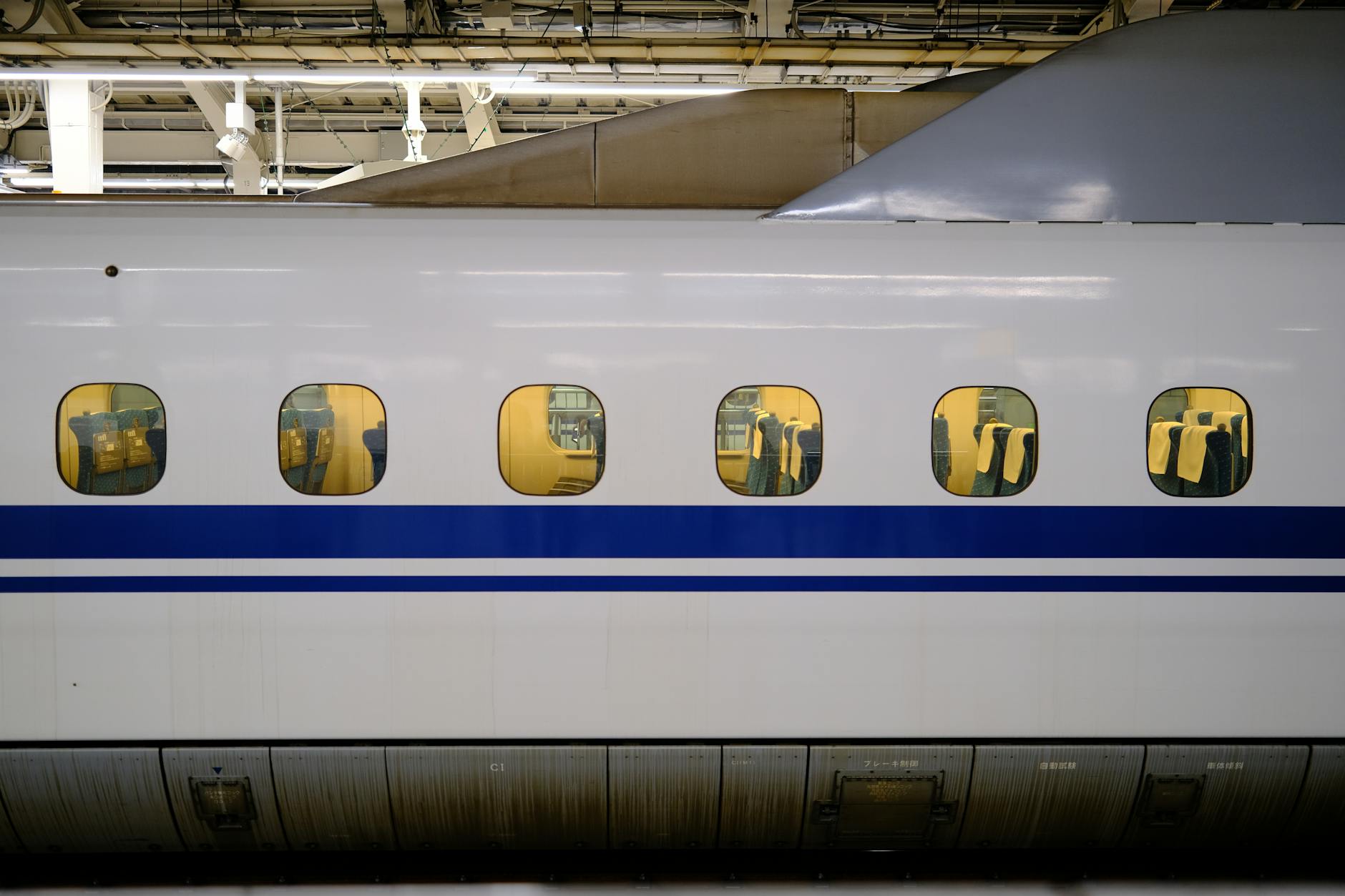
The Shinkansen network operates at maximum capacity during Golden Week. Reserved seats on popular routes (Tokyo → Kyoto/Osaka, Tokyo → Sendai/Sapporo) sell out weeks to months in advance. Unreserved cars exist but mean standing for a 2+ hour journey. Domestic airlines see the same pattern — prices triple and seats vanish. Expressways experience some of the year's worst traffic, with the Tomei (Tokyo–Nagoya) and Chuo (Tokyo–Nagano) highways regularly recording 30–50 km traffic jams on peak days.

Accommodation

Hotels in Kyoto, Tokyo, Osaka, Hakone, and Nikko see prices surge 30–100% compared to normal rates. Major ryokan and boutique hotels sell out months in advance. Capsule hotels and hostels fill quickly, though they generally have slightly more availability than mainstream hotels.

Tourist Attractions

Japan's famous tourist attractions hit their annual maximum crowd levels during Golden Week. The lines at Kyoto's Fushimi Inari Taisha, Tokyo's teamLab, Hakone's Owakudani, and Tokyo Disneyland are genuinely extreme. Ticket-based attractions like teamLab and Universal Studios Japan often require advance online booking that sells out before the period begins.

💡 Pro Tip
Kyoto during Golden Week is the most overcrowded major destination in Japan. The Arashiyama bamboo grove, Fushimi Inari torii gates, and Gion district will be at maximum capacity throughout the week — photos are near-impossible without crowds in the background, walking speeds slow dramatically, and restaurant waits double. If Kyoto's temples are the primary reason for your Japan trip, strongly consider visiting in March (before spring crowds peak), early April (cherry blossom season, less packed than GW), or November (autumn foliage, the other peak season but shorter and more manageable).

Should You Visit Japan During Golden Week? The Honest Answer

This is the question most foreign travelers are really asking. The answer depends entirely on your travel priorities and flexibility. Here's the honest case for both sides:

Reasons TO Visit Japan During Golden Week

  • Spring weather is genuinely excellent: Late April to early May is one of Japan's most beautiful seasons. Temperatures in Tokyo are 18–24°C (64–75°F), comfortable and warm without summer humidity. Cherry blossoms have passed in Tokyo but may still be finishing in Tohoku and Hokkaido.
  • Koinobori are everywhere: The colorful carp streamers that fly for Children's Day are one of Japan's most visually distinctive cultural displays. They're only out during this period — bridges draped with dozens of carp streamers over rivers is a uniquely Golden Week sight.
  • Festival atmosphere: Several major festivals happen specifically during Golden Week (covered below). The energy of a country on holiday is palpable and genuinely enjoyable — parks full of families, streets alive with people, food stalls setting up in public spaces.
  • Cherry blossoms in northern Japan: If late cherry blossoms are part of your itinerary, Golden Week timing is perfect for Tohoku and Hokkaido, where blossoms typically peak in late April to early May.
  • Your schedule requires it: If Golden Week dates align with your available vacation time, it's entirely possible to have a great Japan trip — it just requires more planning and realistic expectations about crowds at famous sites.

Reasons NOT to Visit Japan During Golden Week

  • Accommodation prices surge significantly: Expect 30–100% price increases compared to shoulder season rates for the same properties. Budget options book out entirely.
  • Transport must be booked months ahead: Shinkansen reservations open approximately 1 month in advance (JR online booking) and sell out within days for peak travel dates. If you're trying to book transport 2 weeks before your trip, you'll struggle.
  • Famous sights are genuinely overwhelmed: This isn't mild inconvenience — it's a significant degradation of the experience at Japan's most celebrated destinations. Lines of 60–90 minutes for temples that normally have none. Shoulder-to-shoulder crowds in spaces that are meant to be serene.
  • Some restaurants and shops close: A portion of family-run restaurants, izakayas, and specialty shops close for the holiday period for family time — this is more noticeable in residential neighborhoods than tourist areas.
⚠️ Important
If you have flexibility: the single best Japan travel decision you can make if your trip overlaps with Golden Week is to shift your dates by 1–2 weeks in either direction. The period immediately before Golden Week (mid-April) has spring weather and cherry blossoms. The period immediately after (mid to late May) is one of Japan's least crowded and most pleasant travel windows. The difference in experience, price, and logistical ease between Golden Week and the surrounding weeks is substantial.

How to Plan a Japan Trip Around Golden Week: Three Strategies

Option A: Avoid Golden Week Entirely

The simplest solution and the one that results in the best bang-for-yen experience. The windows immediately surrounding Golden Week are both excellent:

  • Mid-April (roughly April 10–25): This is prime cherry blossom season in Tokyo and Kyoto — arguably the most beautiful time to visit Japan, period. Crowds exist but are more manageable than Golden Week proper. Book accommodation at least 2–3 months ahead for cherry blossom season.
  • May 8–31 (post-Golden Week): Genuinely one of Japan's best travel windows and significantly underrated. Holiday crowds have dispersed, fresh green foliage is everywhere, temperatures are comfortable, accommodation prices drop back to normal, and Shinkansen seats are available with reasonable advance notice. The Japanese call this period "Green Season" and it's lovely.

Option B: Visit During Golden Week Strategically

If Golden Week is your only option, smart planning minimizes the downsides:

  • Stay in secondary cities: Kanazawa (the "Little Kyoto" of the Japan Sea coast), Sendai (gateway to Tohoku's mountains), Matsumoto (Japanese Alps, historic castle), and Nagasaki receive a fraction of Golden Week traffic compared to Kyoto and Tokyo. They're beautiful, interesting cities with full tourist infrastructure and far more manageable crowds.
  • Arrive at attractions at opening time: Major temples and gardens open at 8–9am. The difference between arriving at 8am and 10am is the difference between a serene experience and a crowded one. Set your alarm, eat a convenience store breakfast, and be there when the gates open.
  • Skip the most famous spots: Instead of Fushimi Inari (crowded all day, every day during GW), visit Daigo-ji Temple (fewer tourists, spectacular spring greenery), Nishiki Market for morning food, or Fushimi district's less-photographed sake breweries. In Tokyo: Yanaka neighborhood instead of Sensoji, Shinjuku Gyoen (entry fee keeps it manageable) instead of Ueno Park.
  • Take day trips outward: The Golden Week crowd flow moves INTO Japan's major cities from the suburbs. Going outward — to Hakone's back trails, Nikko's waterfall valleys, or the beaches of the Izu Peninsula — means you're moving against the flow.

Option C: Fully Embrace the Holiday Atmosphere

Some travelers come to Japan specifically because of Golden Week — for the festivals, the family atmosphere, and the experience of Japan as it exists when Japanese people are celebrating together rather than working. This is a completely valid choice:

  • Join hanami (cherry blossom viewing) parties in public parks — families spread picnic mats, bring food and drinks, and spend hours under the last cherry blossoms or fresh green leaves.
  • Watch Children's Day koinobori at local shrines and rivers — the visuals are stunning, especially where dozens of carp streamers fly together over water.
  • Attend Golden Week festivals (detailed below) — some of Japan's largest celebrations happen during this period.
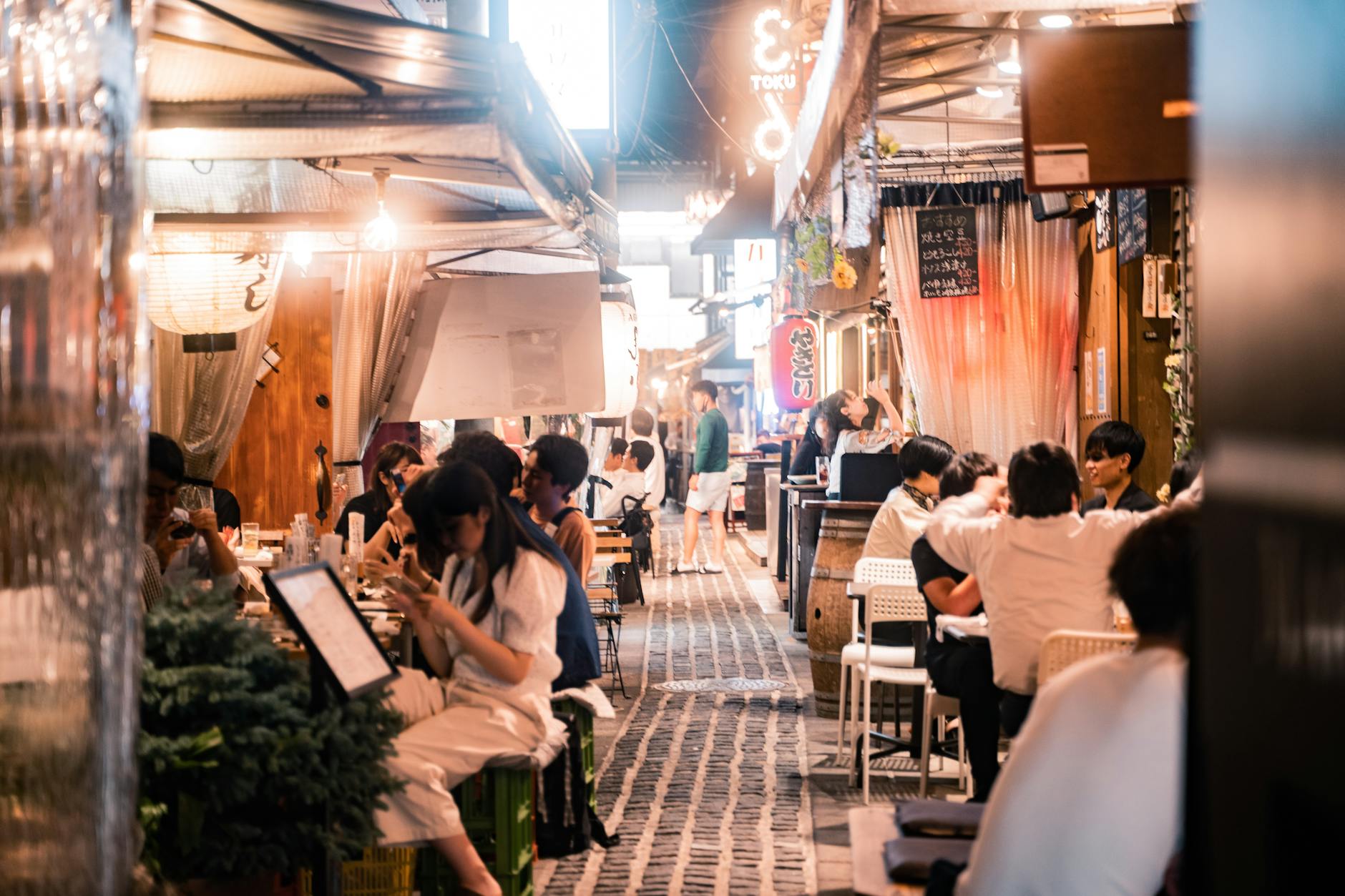
  • Experience the sheer spectacle of Shibuya Crossing, Dotonbori, and Japan's famous spaces at maximum energy — there's something to be said for seeing Japan at its most alive.

Golden Week Transport: How to Book and What to Expect

Transport planning is where Golden Week trips succeed or fail. This is not an area to figure out on the fly.

Shinkansen

Reserved seats on popular Shinkansen routes open for booking approximately 1 month in advance. For Golden Week 2026, that means reservations open in late March 2026. The most popular routes (Tokyo → Kyoto/Osaka on the Tokaido Shinkansen; Tokyo → Sendai/Sapporo connections) sell out reserved seating within days of opening. Unreserved (Jiyuseki) cars exist but mean standing for 2+ hours on a peak-day train.

Options for booking Shinkansen: JR-East's online booking system (en.japanrail.com), in-person at any JR ticket office, or through your travel agent if booking a package. If you hold a JR Pass, reserved seats are included at no extra charge — but you still need to make the reservation, which is the critical step.

Domestic Flights

Low-cost carriers like Peach Aviation, Jetstar Japan, and Spring Japan see prices triple for Golden Week departure dates compared to normal pricing. ANA and JAL premium cabin prices reflect the same surge. Book domestic flights 2–3 months ahead for reasonable prices. Routes between Tokyo and Hokkaido/Sapporo, and Tokyo to Okinawa, are particularly price-sensitive.

⚠️ Important
For travel on Golden Week's peak days — particularly April 29, May 3, and May 5 — reserve your transport before you finalize your accommodation bookings. If transport is unavailable or prohibitively expensive for your planned movement, no amount of accommodation flexibility will help. Transport first, then accommodation. If Shinkansen reservations are sold out, your Plan B options include: overnight bus (cheap but slow), domestic flight (if available), or restructuring your itinerary to avoid the route entirely.

Accommodation During Golden Week: Booking Strategy

Book accommodation for Golden Week 2026 by January 2026 at the latest. For Kyoto specifically, consider booking when you purchase your flights — that early. Here's the landscape by accommodation type:

Hotels in Major Cities

Budget business hotels (APA, Toyoko Inn, Dormy Inn) in Kyoto and Tokyo sell out 2–4 months ahead for core Golden Week dates. Mid-range and boutique hotels may have availability slightly longer but at significantly elevated prices. Booking platforms to use: Booking.com (wide selection, clear cancellation policies), Jalan.net (Japanese platform with more domestic inventory), or directly via hotel websites for better rates.

Capsule Hotels and Hostels

Better availability than mainstream hotels but still book out for premium central-location options. Female-only dorms and capsule floors are particularly competitive. Book 6–8 weeks ahead minimum for Kyoto and Tokyo options.

Ryokan

Traditional inns impose minimum 2-night stays during Golden Week, often with strict cancellation policies (50–100% cancellation fee within 7–14 days of stay). Book 3–6 months ahead. Prices include dinner and breakfast, which at least normalizes the surge pricing slightly — you're paying for multiple meals and experiences, not just a room.

Vacation Rentals and Airbnb

May have more availability than hotel inventory, particularly for groups or travelers wanting residential-neighborhood locations. Note that Japan's 2018 minpaku law requires all licensed short-term rentals to display a registration number — verify before booking. Quality and location vary more than hotels; check reviews carefully.

💡 Pro Tip
Consider a mountain or resort-area base instead of a city center. A ryokan in Nikko, a guesthouse in Hakone's Gora area, or a hotel in Kawaguchiko (Mt. Fuji area) may have availability even when Tokyo and Kyoto are packed — and these locations offer easy day-trip access to both cities. The tradeoff is a 60–90 minute commute into the city; the upside is accommodation in a genuinely beautiful setting at more reasonable prices.

Golden Week Festivals and Events Worth Planning Around

Several of Japan's best festivals happen during or immediately around Golden Week. These can be reasons to visit, not just reasons to manage logistics:

Hakata Dontaku (May 3–4, Fukuoka)

One of Japan's largest festivals by attendance — regularly drawing over 2 million visitors over two days. Parades, performances, and street stalls transform Fukuoka's city center. The festival has roots in a New Year's merchant procession tradition from the 16th century and now includes dozens of performance groups in costume. Fukuoka is also a world-class food city (ramen, tonkotsu, yatai street food stalls), so the combination of festival energy and excellent eating makes it a surprisingly strong Golden Week destination.

Koinobori Displays Nationwide

While not a festival per se, the koinobori carp streamers visible throughout Japan during the lead-up to Children's Day are one of the most visually distinctive things about visiting Japan during this period. Particularly spectacular displays include: Kazo City in Saitama Prefecture (known for enormous koinobori), the Sagamigawa riverbank in Kanagawa, and numerous city parks throughout Japan where dozens of streamers fly from temporary poles over water.

Odaiba Golden Week Events (Tokyo)

Tokyo's waterfront Odaiba district typically hosts outdoor stages, food festivals, and entertainment events during Golden Week. The open-air areas around DiverCity and Palette Town (now under redevelopment) have historically been Golden Week gathering spaces. Check the Tokyo tourism board for 2026-specific programming.

Nikko Grand Festival / Yayoi Festival (Mid-May)

Technically just after Golden Week (May 17–18), the Nikko Yayoi Festival features a procession of over 1,000 people in Edo-period costume through Nikko's UNESCO World Heritage shrine complex. It's one of the most spectacular traditional festivals in the Kanto region and well worth timing a Nikko day trip around. Being slightly after Golden Week, it has more manageable crowds than peak-week events.

💡 Pro Tip
Fukuoka is an underrated Golden Week destination. The Hakata Dontaku festival brings energy and spectacle, but Fukuoka handles it better than Tokyo or Kyoto handle their crowds — the city is flat, walkable, and has excellent food at every corner. Accommodation in Fukuoka is more available and cheaper during Golden Week than in the Kansai or Kanto regions. Fukuoka also has direct international flights from across Asia, making it a viable entry point that bypasses Tokyo entirely.

Driving in Japan During Golden Week

Driving in Japan during Golden Week requires honest expectations. Japan's expressway network is excellent, but Golden Week traffic is among the worst of the year.

The most congested routes during Golden Week peak travel days:

  • Tomei Expressway (E1): Tokyo → Shizuoka → Nagoya direction — regularly sees 50+ km jams on April 29 and May 4–5
  • Kan-etsu Expressway: Tokyo → Nikko/Gunma direction — heavy on April 29 and May 3
  • Chuo Expressway: Tokyo → Yamanashi (Fuji area) → Nagano — congested throughout Golden Week
  • Meishin Expressway: Osaka → Kyoto → Nagoya — heavily used for return traffic on May 5–6
⚠️ Important
The Tomei Expressway between Tokyo and Shizuoka typically experiences 30–50 km traffic jams on Golden Week peak outbound days (April 29, May 2–3) and return days (May 4–5). A journey that normally takes 3 hours can take 6–8 hours. If you're driving during Golden Week, depart before 6am (before traffic builds significantly), check real-time traffic via Japan's JARTIC traffic information service, and plan your route with an alternative in mind. Night drives on the Wangan (Tokyo Bay Aqua-Line route) are significantly clearer.

For car enthusiasts, however, Golden Week driving has its own appeal. Mountain roads in the Nikko area, the Izu Peninsula coastal route, and rural highways in Tohoku and Hokkaido are relatively clear of traffic while expressways are jammed — Japanese drivers are predictably channeled onto major routes, leaving scenic secondary roads open. Starting drives at 5–6am before traffic builds gives you mountain passes and coastal routes largely to yourself.

For those wanting to experience Japan's legendary JDM sports car culture during Golden Week, Samurai Car Japan in Shibuya handles foreign tourist bookings for proper JDM sports cars. Golden Week availability is limited — book well ahead. Night drives on the Wangan and C1 loop during Golden Week carry a specific late-night atmosphere that car enthusiasts seek out. Note that police presence on expressways typically increases during holiday periods — speed camera awareness applies.

What's Open and Closed During Golden Week

One of the practical questions for trip planning: what actually operates normally during Golden Week?

Open During Golden Week

  • Convenience stores (konbini): Always open, 24 hours. 7-Eleven, Lawson, and FamilyMart are your unconditional lifeline throughout Japan at all times.
  • Tourist attractions: Temples, shrines, museums, theme parks, and most major attractions operate normally or with extended hours during Golden Week.
  • Restaurants in tourist areas: Open, often with longer hours and increased staffing to handle holiday volume.
  • Department stores and shopping centers: Open, often running Golden Week sales.
  • Trains, buses, and Shinkansen: Operating normally on published schedules — just fully booked.
  • Supermarkets: Generally open throughout.

Closed During Golden Week

  • Government offices and municipal services: Closed on the actual public holiday days (April 29, May 3–5). This includes post office window services, ward offices, and most administrative services.
  • Banks: Branch window services closed on public holidays. ATMs at bank branches and konbinis remain accessible.
  • Some family-run restaurants and specialty shops: Small businesses may close for 2–5 days during Golden Week for family holiday. This is most common in residential neighborhoods; tourist-area businesses typically stay open.
  • Some businesses in office districts: Marunouchi, Otemachi, and similar business districts become quieter as corporate workers take leave, and some restaurants targeting the office crowd reduce hours or close temporarily.

JDM tour guide!

Step into the world of "Fast & Furious" with our exclusive Daikoku Tour!
Experience the legendary car meet atmosphere for yourself. Make it the ultimate highlight of your Tokyo trip!

click here

Frequently Asked Questions: Japan Golden Week 2026

When is Golden Week in Japan 2026?

Japan Golden Week 2026 runs from Wednesday, April 29 (Showa Day) through Tuesday, May 5 (Children's Day). The four official public holidays are April 29, May 3 (Constitution Memorial Day), May 4 (Greenery Day), and May 5 (Children's Day). Many Japanese workers take additional annual leave days to bridge gaps, creating breaks of 7–10 consecutive days. The peak travel days within Golden Week are April 29, May 3, and May 5.

Should I avoid Japan during Golden Week?

If you have flexibility, shifting your Japan trip by 1–2 weeks to avoid Golden Week will improve your experience at famous sights, reduce accommodation costs by 30–100%, and eliminate the need to book transport months in advance. Mid-April (cherry blossoms) and mid-May (post-holiday quiet, spring weather) are both excellent alternatives. That said, if Golden Week dates are fixed for you, a Japan trip is absolutely possible with advance planning — it just requires booking everything 2–4 months ahead.

How crowded is Japan during Golden Week?

Extremely crowded at famous tourist sites. Japan's domestic tourism peaks with approximately 100 million trips taken during the period. Kyoto's Arashiyama bamboo grove and Fushimi Inari, Hakone's Owakudani, Tokyo's major theme parks and teamLab experiences, and popular day-trip destinations like Kamakura and Nikko all reach their annual maximum crowd levels. Shinkansen trains run at capacity, and expressways experience some of the year's worst traffic. Less-touristy cities (Kanazawa, Sendai, Matsumoto) are significantly less affected.

Is Golden Week a good time to visit Japan?

Golden Week has genuine appeal: excellent spring weather, cultural events specific to this period (koinobori for Children's Day, festivals), and the energy of a country celebrating together. If your priorities are festival atmosphere, spring activities, or timing to see late cherry blossoms in northern Japan — Golden Week can be a great time to visit. If your priorities are uncrowded temples, affordable accommodation, and flexible transport booking — avoid it. The right answer depends on what you're optimizing for.

Can I still visit Kyoto during Golden Week?

Yes, Kyoto is open and operational during Golden Week — but expect maximum crowds at every famous attraction. The practical strategies that work: arrive at temples and major sites at opening time (8–9am) before day-tripper crowds from Osaka and Tokyo arrive; seek out less-photographed temples and neighborhoods (Fushimi district sake breweries, Daigo-ji, Kurama, or the northwest Sagano area outside peak hours); and manage expectations that photos without crowds in the background will require either very early mornings or luck. Accommodation in Kyoto should be booked 3–6 months in advance for Golden Week.

How much more expensive is Japan during Golden Week?

Budget for accommodation 30–100% higher than normal rates in major cities. Shinkansen pricing itself doesn't surge (JR operates at fixed prices), but availability disappears — the cost impact is forced into alternatives (domestic flights, which do surge in price). Restaurants in tourist areas typically maintain normal pricing, though waits increase. Budget an additional 20–40% on your total accommodation and transport budget for Golden Week versus a shoulder-season trip.

What is the best area to visit in Japan during Golden Week?

For foreign tourists wanting to experience Japan during Golden Week while avoiding the worst crowds: Fukuoka (Hakata Dontaku festival, excellent food, less crowded than Kansai/Kanto), Kanazawa (beautiful historical city, fraction of Kyoto's Golden Week traffic), Tohoku region (late cherry blossoms, traditional culture, minimal foreign tourist crowds), and Hokkaido (spring in Sapporo, Furano flower fields beginning). All are accessible by Shinkansen or direct flight and have excellent accommodation and dining.

What are the Golden Week public holidays in Japan?

The four official Golden Week public holidays in Japan are: Showa Day (April 29) — commemorating Emperor Hirohito's birthday; Constitution Memorial Day (May 3) — marking the 1947 constitution coming into effect; Greenery Day (May 4) — celebrating nature and the environment; and Children's Day (May 5) — celebrating children's wellbeing and happiness, marked visually by koinobori carp streamers. These four holidays, combined with surrounding weekends and workers taking additional annual leave, create Japan's longest annual holiday period.

-Travel Guide