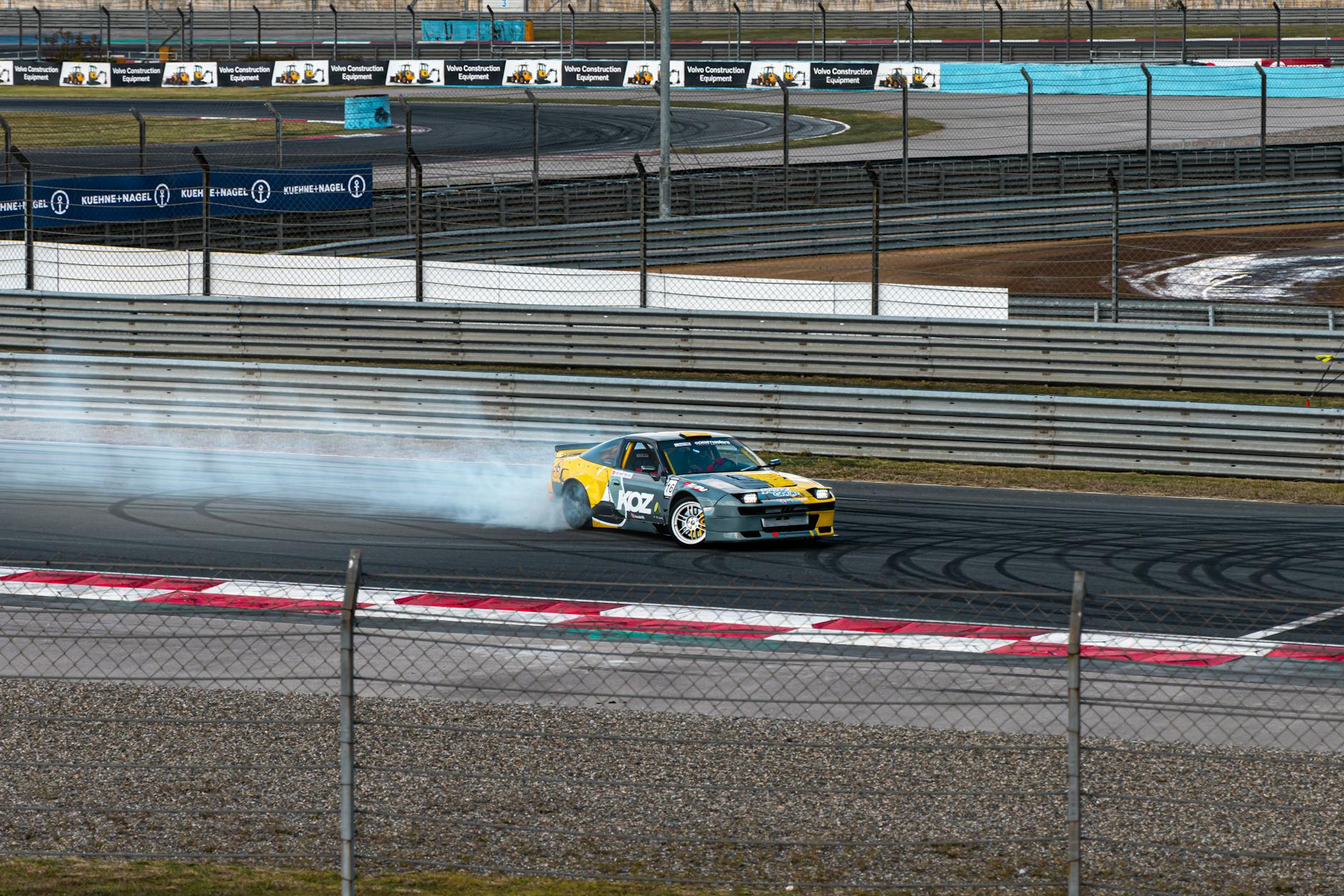
Japan is the birthplace of drifting. What started as an illegal touge (mountain pass) racing style in the 1970s became a global motorsport discipline — and Japan is still the mecca. Whether you want to take the wheel yourself, ride shotgun with a pro, or watch Japan’s elite drift at the track, this guide has everything you need to make it happen. From booking a guided drift tour in Tokyo to visiting Ebisu Circuit for the full experience, here’s everything a car enthusiast needs to know about experiencing drifting in Japan. No fluff, no shortcuts — just the real deal for people who love cars and want to live the JDM dream.
What Makes Japan the Home of Drifting
Drifting didn’t emerge from a professional motorsport lab — it grew out of Japan’s underground touge (mountain pass) racing scene in the 1970s. The man most responsible for bringing it into the light is Keiichi Tsuchiya, born in Nagano Prefecture, who earned the title “The Drift King” by perfecting his sideways technique on the Irohazaka mountain pass in Nikko, Tochigi. His 1987 video “Pluspy” — shot illegally on mountain roads — became the founding document of drift culture worldwide.
That underground energy was formalized in 2000 with the launch of D1 Grand Prix, Japan’s professional drift series. D1 became the template for professional drifting globally, directly inspiring Formula Drift in the United States and drift competitions across Europe, Australia, and beyond. The sport grew — but its soul stayed in Japan.
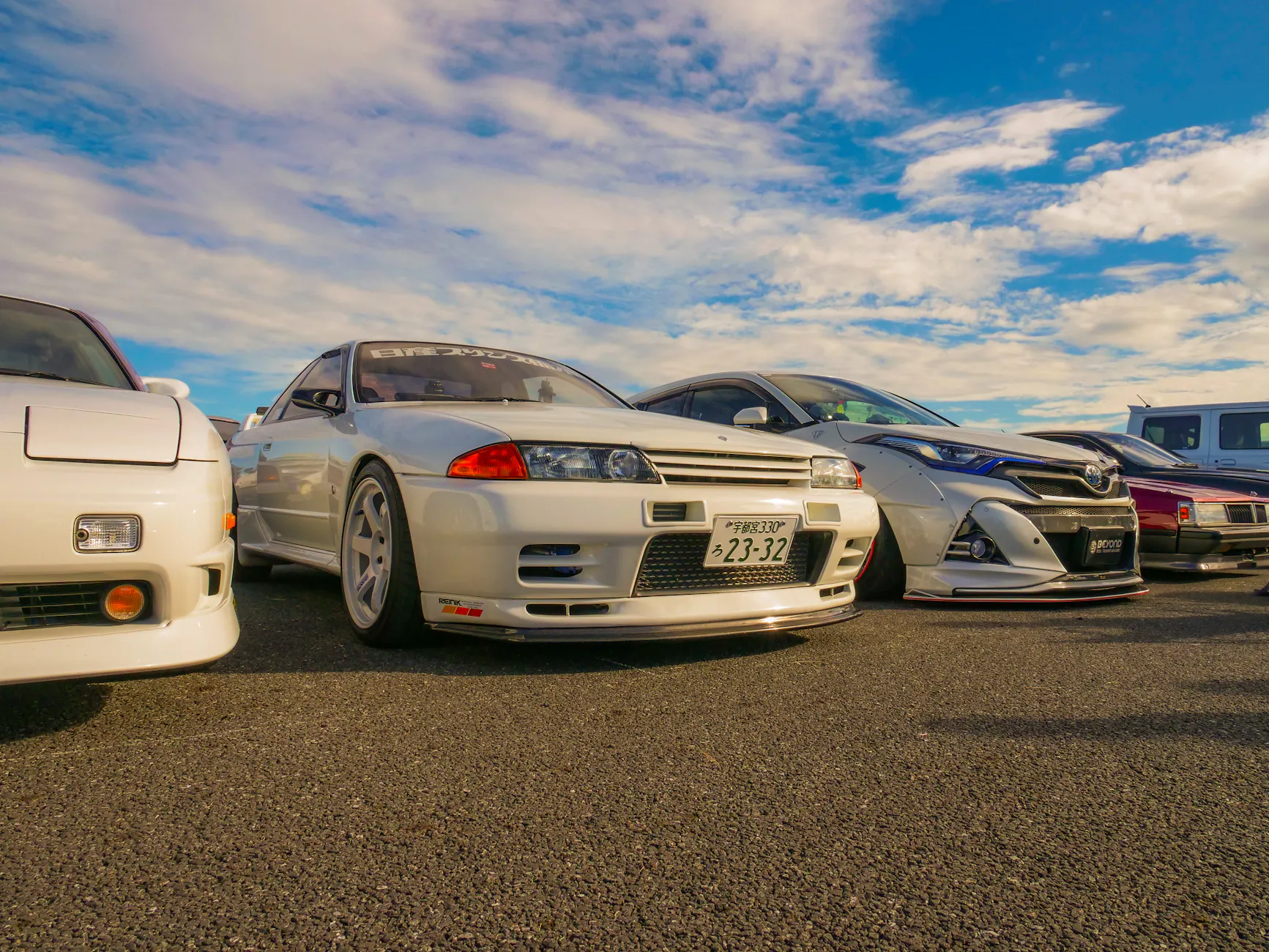
Part of what makes Japan the spiritual home of drifting is its cars. Japanese automakers built rear-wheel-drive platforms with perfect weight distribution and tunable powertrains — machines that seem purpose-built for going sideways:
- Toyota AE86 (Hachi-Roku) — Light, balanced, naturally aspirated. The car that made Initial D a cultural phenomenon.
- Nissan S-chassis (S13, S14, S15) — The SR20DET-powered Silvia and 180SX remain the most popular drift platforms in Japan.
- Mazda RX-7 (FD3S) — Rotary engine, aggressive styling, fearsome at speed.
- Toyota Supra (JZA80) — The 2JZ inline-six is capable of massive power with relatively simple modifications.
Types of Drift Experiences in Japan
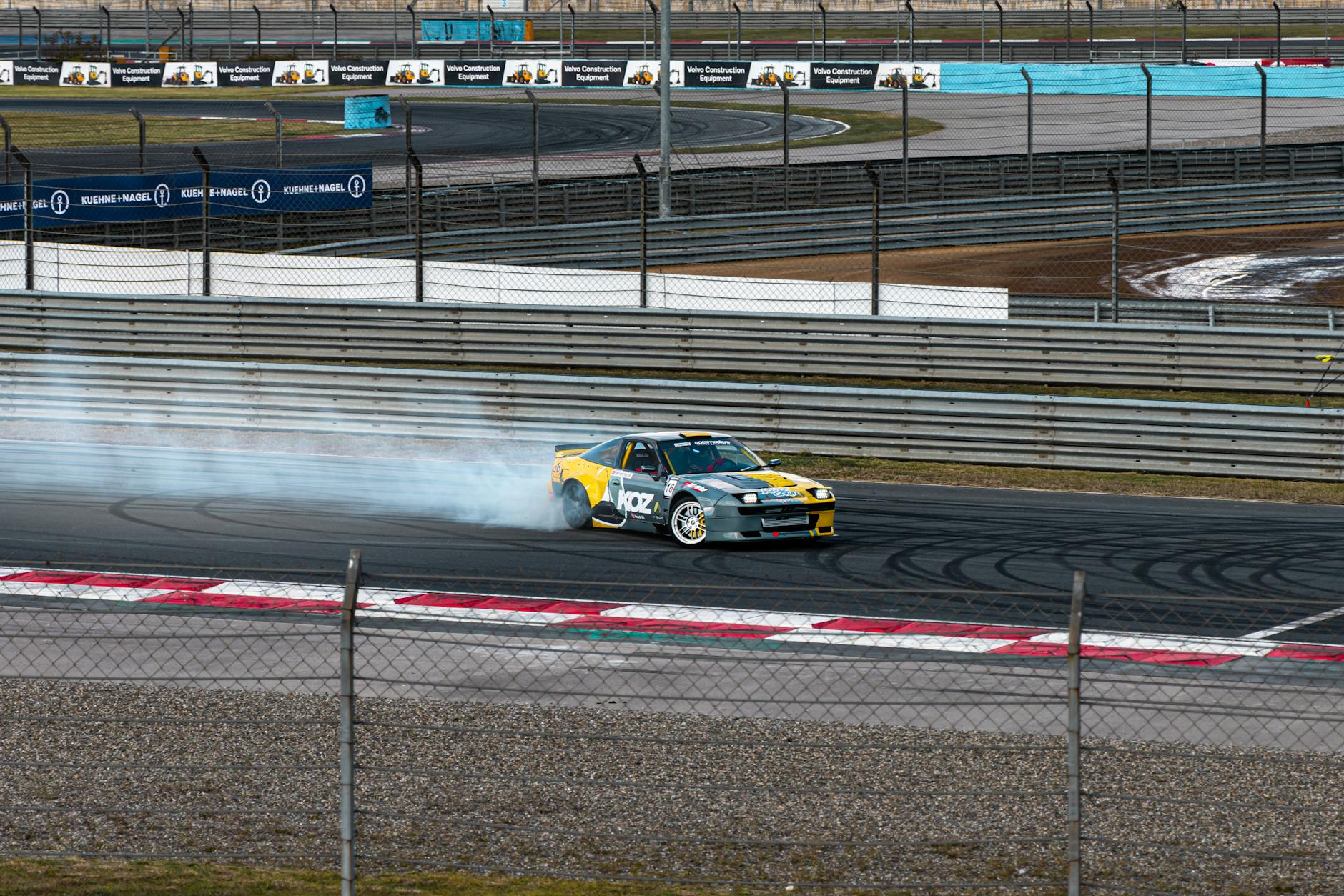
Not everyone arriving in Japan wants the same experience — and thankfully, there’s a format for every level of car enthusiasm. Here’s how the options break down:
1. Drift Tour / Guided Experience
The most popular option for tourists. You book through a company, receive safety instruction, and drive a drift car at a circuit with a coach either in the car or guiding by radio. This is the entry point for most international visitors — you get real seat time in a real JDM car without needing prior motorsport experience.
2. Drift Lesson
A multi-hour structured program designed to teach actual drift technique: counter-steering, throttle control, entry angle, exit speed. These sessions run 2-4 hours and are suited for visitors who want to leave Japan with a genuine new skill, not just a one-time experience.
3. Tandem Drift Ride
Sit beside a professional drifter as they push the car to its limits. No driving required — just hold on. A tandem ride is the most visceral way to experience drifting without needing any skill yourself. Expect tire smoke, the smell of burning rubber, and G-forces you won’t forget.
4. Drift Event Spectating
D1 Grand Prix and regional drift events run at circuits across Japan throughout the year. Tickets are affordable (from ¥2,000), the atmosphere is electric, and you’ll see cars pushed sideways at speeds that make your palms sweat even from the grandstand.
5. Drift Kart
Indoor and outdoor go-kart facilities with rear-wheel drive karts specifically designed for drifting. Lower speeds, full safety gear, zero prior experience needed. This is the perfect beginner’s introduction to the technique before stepping into a real car.
Drift Tours in Tokyo & Yokohama
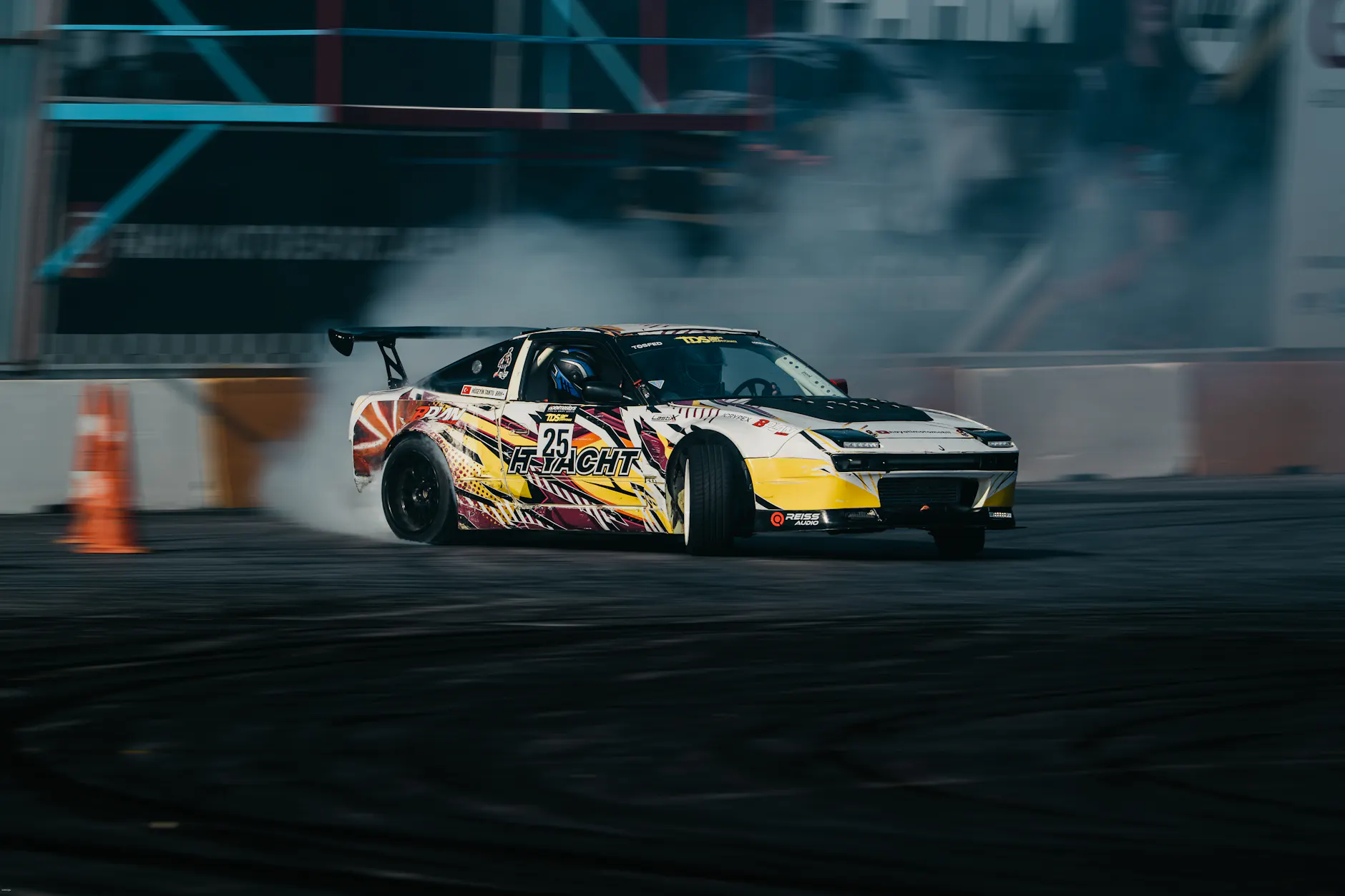
Tokyo is the best base for booking a drift experience. The city has direct access to multiple circuits within 2-3 hours and several operators who specifically cater to international tourists.
Samurai Car Japan (based in Shibuya, Tokyo) is the leading English-friendly operator for JDM car and drift experiences in Japan. Their lineup includes iconic JDM sports cars — R34 GT-R, Toyota Supra, Mazda RX-7, Nissan S15 Silvia — available for guided drift tours and experiences. Staff are English-speaking, booking is straightforward, and their Shibuya location means easy access from anywhere in central Tokyo. For foreign tourists, this is the gold standard.
Wangun OG Tours runs popular JDM-themed tours including Daikoku PA visits and circuit trips, listed on platforms like Viator. Good for group tours and spectating-focused experiences.
Best Drift Circuits Near Tokyo
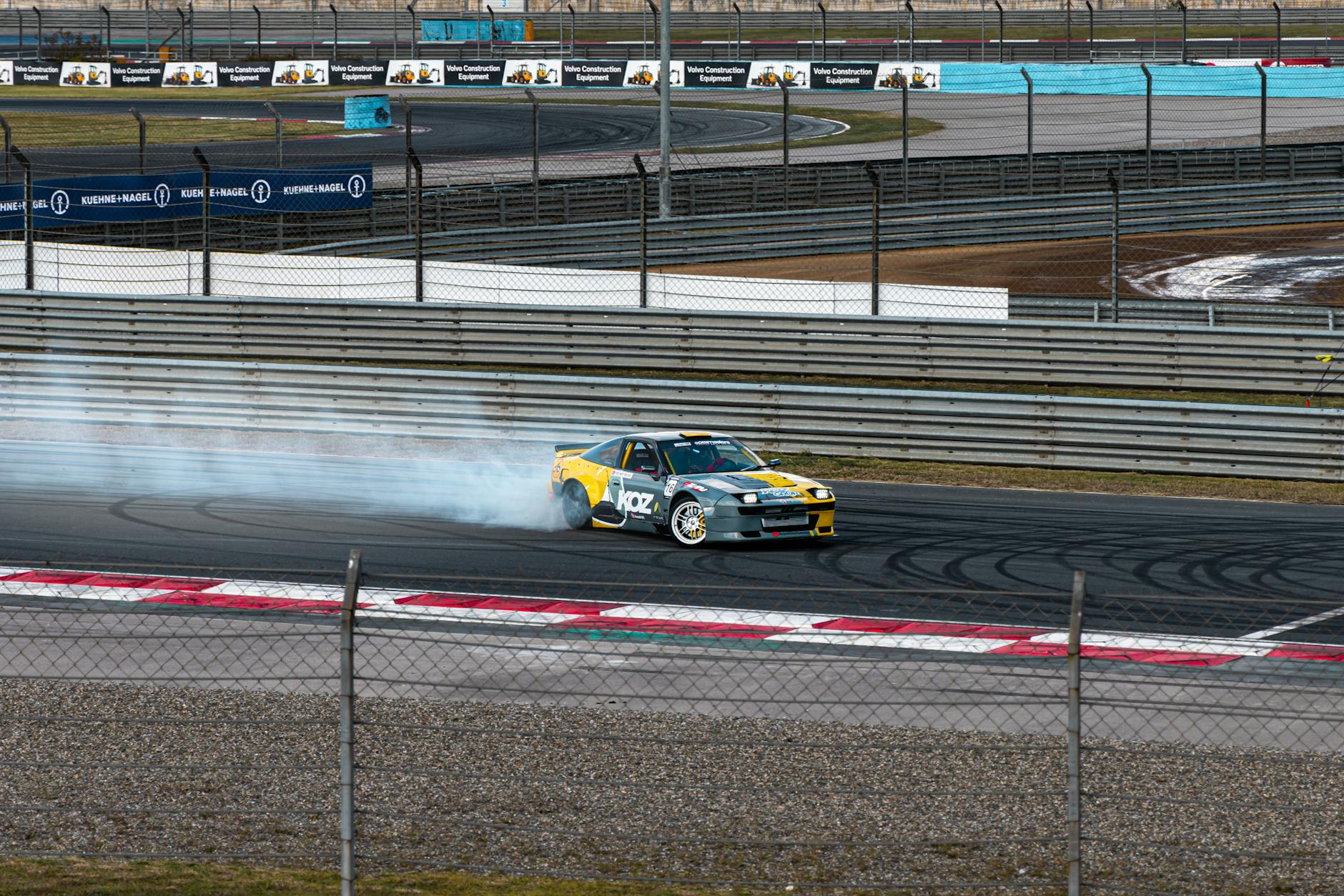
Japan’s circuit infrastructure is excellent. Within a few hours of Tokyo, you have access to some of the most famous drift venues in the world:
Ebisu Circuit — Fukushima (3 hours from Tokyo)
Ebisu is the most famous drift circuit in Japan — possibly the world. Located in the mountains of Fukushima Prefecture, it consists of multiple separate tracks (Ebisu East, West, North, and Minami) each with different layouts and challenges. The annual Drift Matsuri event here is one of the most celebrated events in global car culture: hundreds of cars, 24-hour drifting, and an atmosphere unlike anything else. Track rental and tuition is available year-round.
Fuji Speedway — Shizuoka (1.5 hours from Tokyo)
A world-class circuit that hosts F1 events, WEC, and Super GT. Drift days and track days run seasonally, and the Fuji Motorsports Museum on-site is worth the trip even without track time — it houses a remarkable collection of JDM race cars.
Nikko Circuit — Tochigi (2 hours from Tokyo)
Located near the Irohazaka mountain pass where Keiichi Tsuchiya developed his technique, Nikko Circuit carries enormous significance in drift history. Track days are available, and the tight technical layout rewards precise car control.
TC Kart Land — Near Tokyo
Multiple locations around Greater Tokyo offering rear-wheel drive drift karts on dedicated tracks. Beginner-friendly, full safety equipment provided, and the perfect way to practice technique before committing to a full car session.
Drift Cars Used in Japan
The cars used for drifting in Japan are the same machines that made car culture enthusiasts fall in love with JDM in the first place. Here’s a breakdown of the key platforms you’ll encounter:
- Toyota AE86 (Hachi-Roku) — The original drift car. Light, naturally aspirated, rear-wheel drive with perfect balance. Made globally famous by the Initial D anime series and manga.
- Nissan S15 Silvia — The most popular contemporary drift platform in Japan. The SR20DET turbocharged engine delivers excellent power-to-weight ratio and the chassis is well-understood by tuners.
- Nissan 180SX / 200SX (S13 chassis) — The fastback body version of the S-chassis family. A budget-accessible drift platform with decades of tuning knowledge behind it.
- Mazda RX-7 (FD3S) — Twin-turbocharged rotary engine, aggressive styling, short-wheelbase agility. High-maintenance but spectacular in the right hands.
- Toyota Supra (JZA80 / A80) — The 2JZ-GTE inline-six engine is legendary for handling high-power modifications. A serious drift car in competition hands.
- Nissan GT-R (R33 / R34 / R35) — All-wheel drive but with a rear-biased torque split that makes them more capable of drift than their AWD spec suggests. Regularly seen in D1 Grand Prix events.
How to Book a Drift Tour in Japan
Planning a drift experience in Japan requires a little advance preparation — here’s exactly what you need to know:
When to Book
Book 2-4 weeks in advance. Drift sessions at circuits are limited by track availability and instructor scheduling. During peak tourist seasons (cherry blossom in April, autumn foliage in November), demand increases significantly. Don’t leave it to the last minute.
What to Bring
- International Driving Permit (Geneva 1949 format) — required for all on-road driving and most circuit sessions
- Passport or valid photo ID
- Closed-toe shoes (mandatory at virtually all circuits — no sandals)
- Long trousers (some circuits require these for fire safety)
- Comfortable clothing you don’t mind getting sweaty in
Physical Requirements
Most providers: minimum age 18, maximum weight around 100kg, no recent back or neck injuries. If you have any concerns, contact the operator in advance — requirements vary by circuit and car type.
Cost Guide
- Drift kart session: ¥3,000 – ¥6,000
- Tandem ride with a professional: ¥15,000 – ¥30,000
- Full drift driving lesson: ¥30,000 – ¥80,000
- Guided drift tour (includes car + instruction): varies by operator and car
Drift Events to Watch in Japan
You don’t have to drive to experience Japan’s drift scene at its best. The spectating calendar is loaded:
D1 Grand Prix
Japan’s professional drift series, the originator of competitive drifting worldwide. Rounds are held at circuits including Ebisu, Fuji Speedway, and the legendary Odaiba waterfront in Tokyo. Tickets range from ¥2,000 to ¥5,000 depending on the venue and seating. Drivers and teams are accessible between sessions — an intimacy you rarely get at other motorsport events.
Super GT
Not a pure drift event, but Japan’s premier touring car championship features JDM machines (GT-R GT500, Supra GT500, NSX GT500) at Fuji Speedway and Suzuka at speeds that need to be seen in person to be believed. If you’re a car enthusiast in Japan, Super GT is worth scheduling around.
Drift Matsuri at Ebisu Circuit
The annual Drift Matsuri is unlike any other motorsport event. Hundreds of cars, drivers from around the world, and 24 hours of non-stop drifting across Ebisu’s multiple circuits. The atmosphere is part festival, part pilgrimage for anyone who takes JDM culture seriously.
Daikoku PA Night Car Meets
Not an official drift event, but Daikoku Parking Area in Yokohama is ground zero for Japan’s modified car scene. On weekend nights, hundreds of modified JDMs gather — GT-Rs, Supras, RX-7s, heavily tuned S-chassis cars. It’s the social side of Japan’s drift culture made tangible. No tickets needed, just show up after 9pm on a Friday or Saturday night.
Drift for Beginners — What to Expect
First time trying a drift experience? Here’s what the experience actually looks and feels like, and how to make the most of it.
The Natural Progression
Most beginners follow this path: drift kart first (get a feel for oversteer and counter-steering at safe speeds) → tandem ride (experience what a real drift feels like from the passenger seat) → full driving lesson (put the technique into practice yourself). You don’t have to follow this sequence, but it makes sense physically and mentally.
First-Timer Tip
If you only have time for one experience and don’t care about driving yourself, the tandem ride is the most exciting option. A skilled driver, a lightweight sports car, tire smoke at every corner — you’ll feel every G-force and the session will be over before you want it to be.
Motion Sickness Warning
Tandem rides can cause motion sickness for some passengers — the combination of lateral G-forces, tire noise, and smoke is intense. If you’re prone to motion sickness, sit up front in the passenger seat if offered rather than the rear, and avoid eating a large meal beforehand.
Language
Most major drift venues in Japan have staff with basic English for safety briefings. Tour operators like Samurai Car Japan are fully English-fluent — instructions, safety briefings, and all communication handled in English throughout.
Book Your Drift Tour in Japan
If you’re serious about experiencing Japan’s drift culture — not just watching it from behind a barrier — Samurai Car Japan is where it starts. Based in Shibuya, Tokyo, they specialize in JDM car experiences for international visitors: renting GT-Rs, Supras, RX-7s, and S15 Silvias, and offering guided drift sessions with English-speaking instructors who understand both the cars and the culture.
Whether your entry point is Fast and Furious: Tokyo Drift, the Initial D anime, years of watching D1 Grand Prix on YouTube, or simply a lifelong love of rear-wheel drive cars — this is where the Japan car dream becomes real. Book in advance, bring your IDP, and prepare to smell tire smoke.
Why not elevate your journey with a legendary JDM experience?
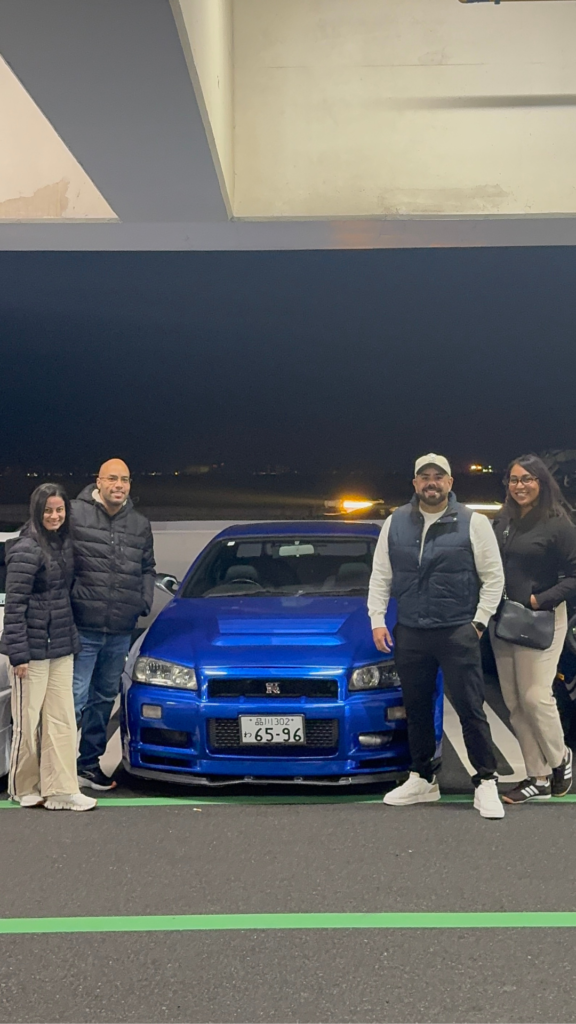
Our Services:
- Self-Drive Rentals
- Guided Tours
- Drift Experiences
Please visit the dedicated page for more details.
Related Guides
FAQ: Drift Tours in Japan
Can tourists try drifting in Japan?
Yes — foreign tourists can absolutely try drifting in Japan at licensed circuits and with authorized operators. You’ll need an International Driving Permit (Geneva 1949 format) if you’ll be driving, along with your home country license. Operators like Samurai Car Japan specifically cater to international visitors and handle the safety and logistics side.
How much does a drift experience in Japan cost?
Prices vary by experience type. Drift kart sessions start around ¥3,000–¥6,000. Tandem rides with a professional drifter run ¥15,000–¥30,000. Full driving lessons at a circuit cost ¥30,000–¥80,000 depending on duration, circuit, and car used. Group tours on platforms like Viator are often priced per person and include transport.
Do I need experience to try a drift tour in Japan?
No prior motorsport or drift experience is required for most drift tours and tandem rides. Operators provide full safety briefings and beginner-friendly instruction. A basic driver’s license and a willingness to follow instructions are all you need to get started.
Where is the best place to drift in Japan near Tokyo?
For a guided drift experience, Samurai Car Japan in Shibuya is the most accessible option — no need to travel far from central Tokyo. For a full circuit experience, Ebisu Circuit (3 hours by car) is the gold standard. Nikko Circuit (2 hours) is closer and carries drift heritage significance. TC Kart Land has multiple locations near Tokyo for beginner drift kart sessions.
Is drifting legal in Japan?
Street drifting is illegal in Japan and treated seriously by law enforcement — expect vehicle impoundment and significant fines. All legitimate drift experiences take place at licensed circuits or closed courses with proper permits. Every reputable operator runs sessions at sanctioned venues. Never attempt to drift on public roads, mountain passes, or parking areas.
[st_af id=”862″]
[st_af id=”854″]
🇯🇵 Plan Your Japan Experience
JDM Car Rental
Drive a GT-R, Supra, RX-7, or Silvia on the roads they were built for. Hakone passes, Wangan highway, mountain touge — your dream JDM experience.
Daikoku PA Tour
Visit Japan’s most legendary car meet. Hundreds of modified cars, passionate owners, and the heartbeat of JDM culture. Guided weekend night tours available.
Photo Guide Tour
Capture stunning photos at locations only locals know. Hidden shrines, backstreet alleys, rooftop views, and golden hour spots for unforgettable shots.
Leave a Reply