Travel Guide

Things to Do in Asakusa: The Complete Tokyo District Guide (2026)

If you only visit one traditional neighbourhood in Tokyo, make it Asakusa. This ancient district on the eastern bank of the Sumida River is where old Edo lives on — where wooden shopfronts sell hand-painted fans alongside matcha ice cream, where rickshaw pullers trot past thunder-rumbling gates, and where incense smoke drifts over one of Japan's most beloved temples. While Shibuya offers neon and Shinjuku offers nightlife, Asakusa offers something rarer: a genuine window into the Tokyo that existed long before the skyscrapers.

Whether you're spending a few hours or an entire day here, this complete 2026 guide covers every must-see attraction, hidden gem, street food stop, and practical tip to make the most of things to do in Asakusa.

Senso-ji Temple & Kaminarimon Gate

No visit to Asakusa is complete without stepping through the iconic Kaminarimon — the Thunder Gate — into the grounds of Senso-ji Temple, Tokyo's oldest and most visited temple. Founded in 628 AD according to legend, Senso-ji is dedicated to Kannon, the Buddhist goddess of mercy, and draws over 30 million visitors a year. Yet even with those numbers, arriving early enough feels like stepping into another era entirely.

The Kaminarimon marks the grand entrance to the temple precinct. Its enormous red lantern — 3.9 metres tall and weighing 670 kg — is one of the most photographed objects in all of Japan. Flanking the gate are statues of Fujin (the god of wind) and Raijin (the god of thunder). Pass through it, and you step onto Nakamise-dori, the 250-metre approach lined with souvenir stalls leading to the inner Hozomon Gate and the main hall beyond.

The temple complex itself is stunning: the five-storey pagoda rising against the sky, the giant incense burner where worshippers fan smoke over themselves for good health, and the beautifully ornate main hall (Hondo) painted in deep red and gold. Try your luck with omikuji fortune strips — Senso-ji is famously known for having the highest proportion of bad luck fortunes in Japan, which visitors tie to designated racks to leave their misfortune behind.

Important

Temple Etiquette at Senso-ji: Bow slightly as you pass through the Kaminarimon gate. At the temizuya (purification fountain), use the ladle to pour water over your left hand, then right hand, then rinse your mouth (or just your hands if you prefer). When approaching the main hall, toss a coin into the offering box, bow twice, clap twice, make your prayer, then bow once more. Avoid pointing your feet at the altar, and speak quietly within the inner precincts.

Best time to visit: Arrive before 7:30am. The temple grounds are open 24 hours, and in the early morning you'll find monks performing rituals, local elderly residents doing their morning prayers, and almost no tourists. The Nakamise shops don't open until around 10am — but the temple itself is at its most peaceful at dawn.

Nakamise Shopping Street — What to Buy

Nakamise-dori is one of Japan's oldest and most famous shopping streets, stretching roughly 250 metres from Kaminarimon to the inner Hozomon Gate. The 89 stalls lining both sides have been selling traditional crafts and snacks since the 18th century, when the local community was granted the right to set up shops along the temple approach in exchange for keeping the grounds clean.

Today, it's a wonderland of traditional Japanese goods and edible souvenirs. Here's what to look out for:

  • Ningyo-yaki — small golden cakes shaped like Senso-ji landmarks (pigeons, lanterns, pagodas), filled with sweet red bean paste. Best eaten warm, straight from the shop.
  • Senbei (rice crackers) — available in dozens of flavours, from soy sauce to wasabi to sesame. Many shops grill them fresh in front of you.
  • Traditional crafts — hand-painted fans, lacquerware boxes, tenugui (decorative hand towels), Japanese dolls, and woodblock prints.
  • Ninja and samurai goods — shuriken (throwing stars), wooden swords, and samurai accessories are everywhere. Great fun for kids and adults alike.
  • Chopsticks — Asakusa has several specialist chopstick shops just off Nakamise where you can find hand-carved or lacquered chopstick sets as beautiful keepsakes.

A note on bargaining: don't try it. Prices in Japan are fixed. Attempting to haggle will cause awkwardness and is considered rude. However, do take your time browsing — shopkeepers are friendly and happy to let you look without pressure.

Asakusa Hanayashiki — Japan's Oldest Amusement Park

Tucked just behind Senso-ji temple is one of Tokyo's most charming and underrated attractions: Hanayashiki, Japan's oldest amusement park. It opened in 1853 — originally as a flower garden and then gradually adding attractions over the decades — making it significantly older than Disneyland and most Western theme parks.

Hanayashiki is not a large-scale theme park. It's compact, wonderfully retro, and full of character. The roller coaster, built in 1953, is one of Japan's oldest and clatters along at a modest speed through the park's tight layout — but the nostalgia value is unmatched. Other attractions include a haunted house, a tea-cup ride, shooting galleries, and carnival-style games.

What makes Hanayashiki genuinely special is its atmosphere. The park grounds are decorated with seasonal flowers, the staff are dressed in vintage-inspired uniforms, and the whole place feels like stepping into a 1950s fairground that has been lovingly maintained. On weekends, the park hosts live performances and seasonal events.

  • Entry: approximately 1,200 yen for adults (children less)
  • Rides: individual ride tickets or an all-day pass available
  • Best for: families, couples, anyone who loves retro Showa-era Japan
  • Opening hours: generally 10am to 6pm (check ahead as hours vary seasonally)

Because it's situated right next to Senso-ji, Hanayashiki is easy to combine with your temple visit — especially if you're traveling with children who need a break from sightseeing.

Hoppy Street (Hoppydori) — Tokyo's Best Drinking Alley

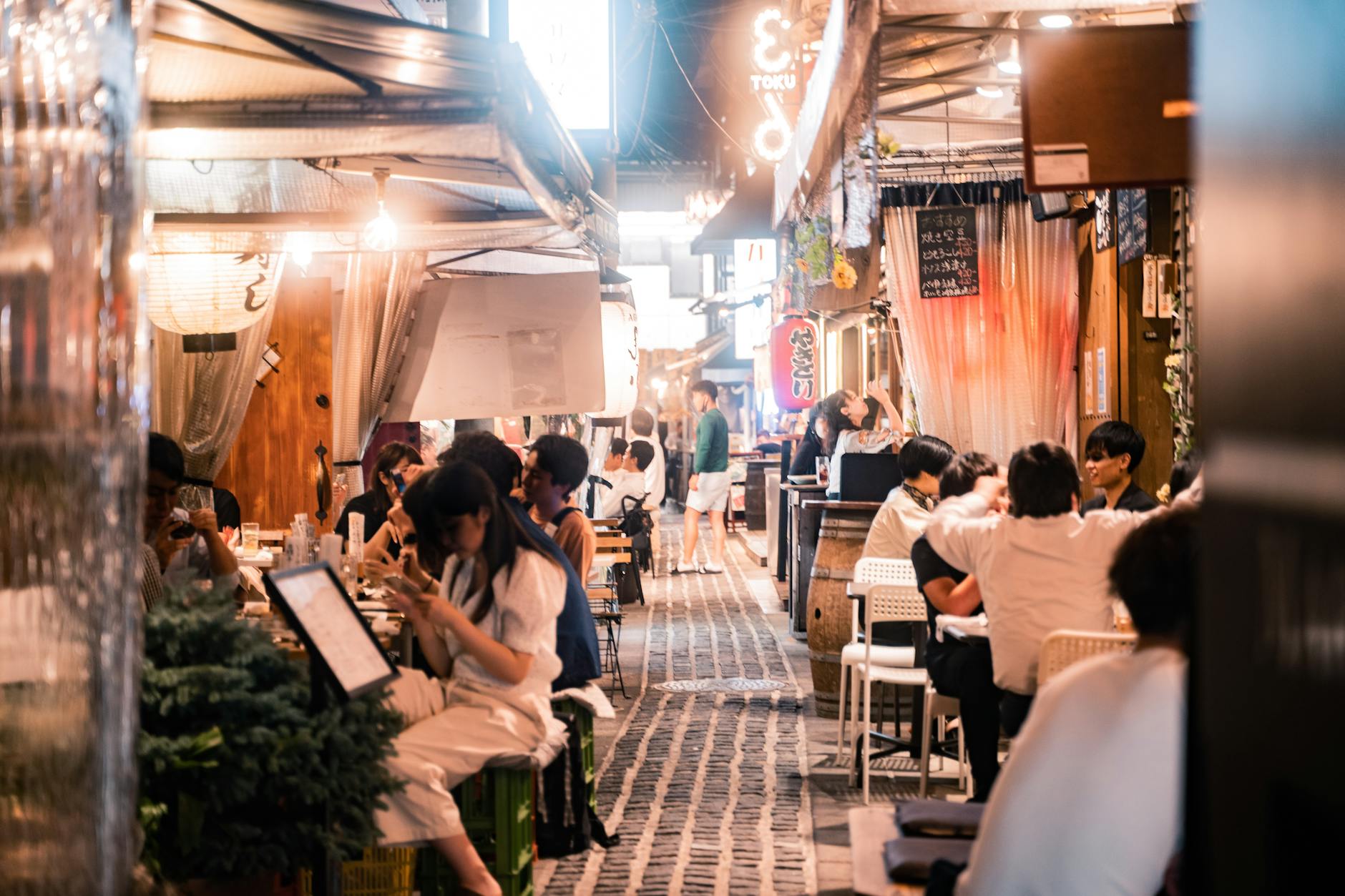
When evening falls over Asakusa, make your way to Hoppy Street — the undisputed best izakaya alley in all of Tokyo. Running parallel to the back of Senso-ji, this narrow lane is packed with decades-old outdoor drinking establishments, their red plastic chairs spilling onto the pavement, their paper lanterns glowing orange in the dusk.

The street takes its name from Hoppy, a near-beer malt beverage with almost no alcohol that became enormously popular in Tokyo's working-class neighbourhoods after World War II, when real beer was too expensive for most people. The traditional way to drink it here: Hoppy mixed with shochu (a Japanese spirit), served in an ice-cold mug alongside cheap, hearty food.

The food on Hoppy Street is quintessential Tokyo shitamachi (downtown) cooking:

  • Yakitori — skewered chicken grilled over charcoal, smoky and perfect with beer
  • Motsu-ni — slow-braised offal stew, deeply savoury and warming
  • Oden — simmered fish cakes, radish, tofu, and eggs in dashi broth
  • Kushiyaki — various skewered and grilled meats and vegetables

Hoppy Street is best experienced in the evening, from around 5pm onward. The atmosphere builds as the night progresses — salarymen loosening their ties, tourists wide-eyed at the scene, elderly regulars who've been drinking here for decades. It's one of the most authentic and atmospheric streets in Tokyo. Prices are extremely reasonable — you can eat and drink well for 1,500 to 2,500 yen per person.

Asakusa Street Food — Must-Try Eats

Asakusa is one of Tokyo's great street food destinations. Between the Nakamise stalls, the backstreets behind the temple, and the surrounding shopping areas, there is an abundance of snacks and treats to try as you explore.

Melon Pan from Kagetsudo

The single most talked-about street food in Asakusa is the giant melon pan from Kagetsudo. These enormous, freshly baked sweet buns — with their distinctive crisp, sugar-cookie exterior and soft, fluffy interior — draw long queues of visitors every day. They are not melon-flavoured; the name comes from the melon-like pattern scored on the top of the bun. Kagetsudo's version is roughly twice the size of a standard melon pan and is best eaten warm, straight out of the bag. If you see a queue outside a bakery near Nakamise, it's almost certainly this place. Wait time is usually 15 to 30 minutes but absolutely worth it.

Ningyo-yaki

These small, golden-brown cakes moulded into the shapes of Senso-ji's famous symbols — pigeons, lanterns, the five-storey pagoda — are one of Asakusa's signature treats. The classic filling is sweet anko (red bean paste), though modern versions include custard and chocolate. Several shops along Nakamise and the surrounding streets sell them, and many make them fresh in front of customers using traditional iron moulds.

Agemanju (Fried Manju)

Agemanju — deep-fried steamed buns — are another Asakusa speciality. The outside is a thin, crispy fried shell; the inside is sweet red bean paste or other fillings. They're a simple, deeply satisfying snack. Look for the stalls with the bubbling oil near the Nakamise area.

Menchi Katsu

Menchi katsu is a deep-fried minced-meat patty — similar to a croquette but with a juicy meat centre. A beloved staple at Asakusa's deli-style butcher shops, particularly around the backstreets near Hoppy Street. Crispy on the outside, juicy and savoury within — it's one of the most satisfying walking snacks in Tokyo.

Asakusa Underground Street — The 1950s Time Capsule

Most visitors to Asakusa entirely miss one of its most atmospheric hidden gems: the Asakusa Underground Street (Asakusa Chika Shotengai). Located beneath the Azumabashi intersection near Asakusa Station, this underground arcade was built in the 1950s during Japan's postwar reconstruction era and has changed remarkably little since.

The ceilings are low, the lighting is warm and yellow, and the narrow corridor is lined with tiny shops selling everything from retro snacks and cheap jewellery to obscure stationery and old-fashioned sweets. Several small cafes and drinking spots are tucked in too, their interiors unchanged since the Showa era.

It's not a polished tourist experience — it's genuinely old, slightly worn at the edges, and wonderfully authentic. For anyone interested in the archaeology of everyday Tokyo life, it's a fascinating detour. The contrast with the slick underground malls of Shibuya or Shinjuku couldn't be more stark. Enter from near Exit 1 of Asakusa Station on the Tokyo Metro Ginza Line.

Kimono Rental in Asakusa

Of everything you can do in Asakusa, renting a kimono and strolling through its traditional streets is arguably the most memorable. There is something about wearing Japan's national garment while walking through incense-scented temple grounds and past 300-year-old shopfronts that transforms a sightseeing trip into something genuinely immersive.

Asakusa has one of the highest concentrations of kimono rental shops in Tokyo. Most offer full packages that include:

  • Selection from a wide range of kimono designs and colours
  • Professional dressing assistance (putting on a kimono correctly requires help)
  • Hair styling to complement the outfit
  • Accessories (obi sash, bag, sandals)
  • Return at the end of the day

Prices typically range from 3,000 to 6,000 yen for a half-day or full-day rental depending on the kimono style and shop. Popular shops include Vasara (multiple locations, English-friendly, good mid-range option) and Yumeyakata (higher-end kimonos, premium hair styling).

Book in advance for busy weekends and public holidays, as the most popular designs sell out. After dressing, head straight to Senso-ji — photos in front of Kaminarimon in full kimono are, without question, the most iconic shots available in Tokyo.

Asakusa at Night

Asakusa undergoes a subtle but beautiful transformation after dark. The lanterns along Nakamise-dori glow amber, the Kaminarimon gate is lit dramatically, and the crowds thin considerably from their daytime peaks. While most of the Nakamise shops close by 6 to 7pm, the temple grounds themselves are illuminated until midnight, and the atmosphere is remarkably peaceful.

The best evening sequence in Asakusa:

  1. 6pm: Walk through a quieter Nakamise towards the temple. The shops are closing but the lanterns are lit — ideal for photos without the daytime crush.
  2. 6:30pm: Spend time in the Senso-ji grounds. Evening prayers, lit incense, the pagoda against a darkening sky.
  3. 7pm onwards: Head to Hoppy Street for dinner and drinks. This is the prime time — the street fills with locals and atmosphere builds steadily.

If you're visiting during a festival period, night-time Asakusa is even more dramatic. The Sanja Matsuri (held in May) is Tokyo's largest and most energetic festival, centred entirely on Senso-ji, with portable shrines (mikoshi) carried through the streets by thousands of participants. The Sumida River Fireworks Festival in late July turns the entire area into a spectacle.

Getting to Asakusa

Asakusa is well connected to the rest of Tokyo by multiple rail lines.

  • Tokyo Metro Ginza Line — direct from Shibuya (approx. 25 minutes), Omotesando, and Akasaka-mitsuke. Get off at Asakusa Station.
  • Toei Asakusa Line — connections from Shinagawa, Oshiage (Tokyo Skytree), and Haneda Airport.
  • Tobu Skytree Line — direct access from Tokyo Skytree (Oshiage Station is effectively the same station complex as Asakusa).
  • From Shibuya: Tokyo Metro Ginza Line direct, approximately 25 minutes, 210 yen. One of the most convenient connections in the city.

Once in Asakusa, everything is walkable. The main sights are clustered within a 15-minute walk of the station exit.

Combine Asakusa With Nearby Areas

Asakusa sits at the heart of Tokyo's eastern cultural corridor, making it easy to combine with neighbouring districts:

  • Tokyo Skytree — just a 10-minute walk across Azumabashi bridge. Japan's tallest structure offers observation decks at 350m and 450m. Great to pair with a morning Senso-ji visit.
  • Ueno — approximately 15 to 20 minutes on foot or one stop by train. Japan's best museums, the famous zoo, Ameyoko market, and Ueno Park's cherry blossoms.
  • Sumida River Cruise — board a water bus from Asakusa pier and cruise south along the river to Hamarikyu Gardens or east to Odaiba. One of the most scenic ways to travel between Tokyo landmarks.

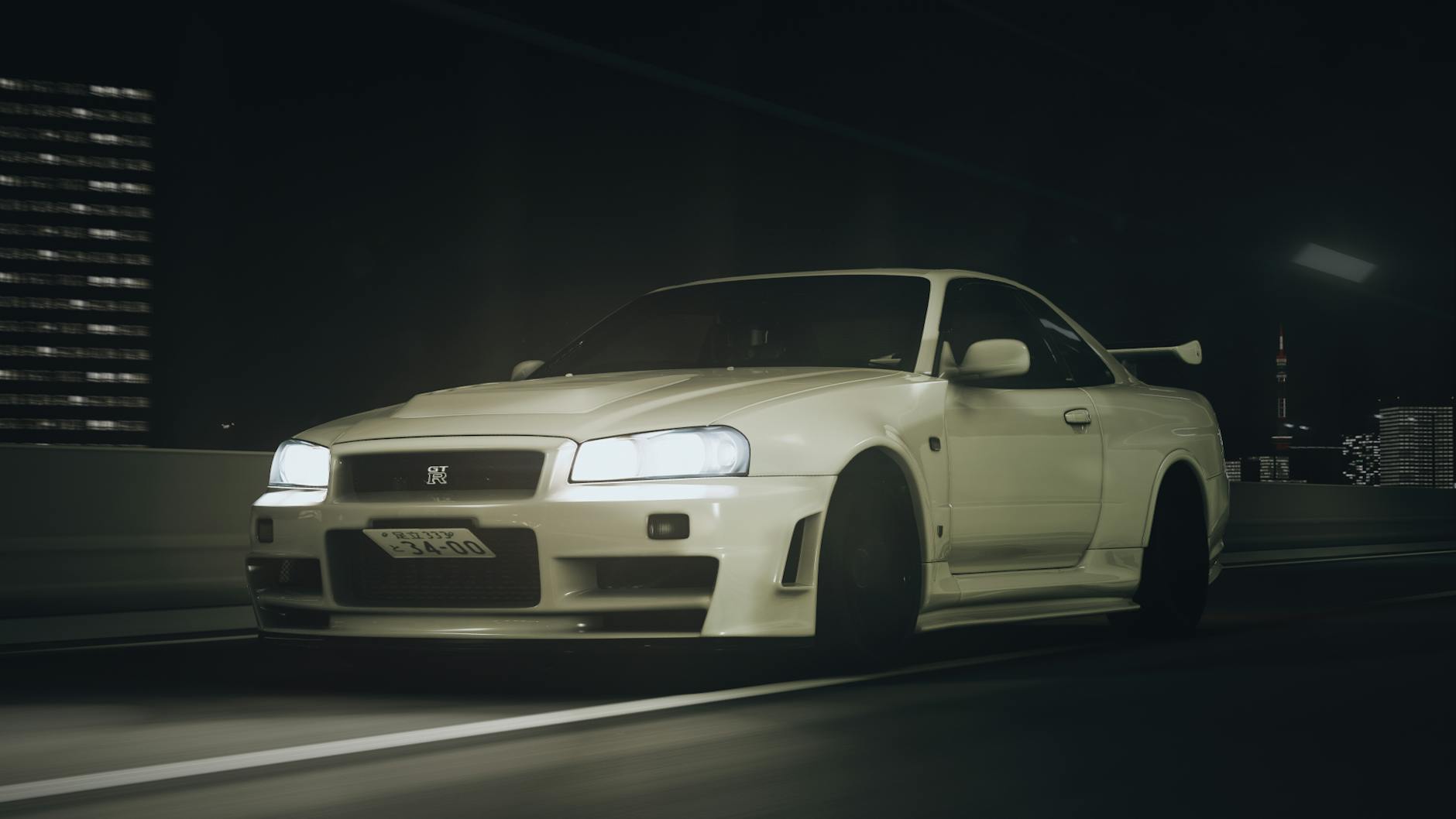
Or drive across in a JDM sports car from our Shibuya base — Asakusa to Odaiba via Rainbow Bridge is a legendary Tokyo drive, one of the most cinematic urban routes in the world. Check out our JDM car rental Japan page for the full experience.

JDM tour guide!

Step into the world of "Fast & Furious" with our exclusive Daikoku Tour!
Experience the legendary car meet atmosphere for yourself. Make it the ultimate highlight of your Tokyo trip!

click here

Frequently Asked Questions About Asakusa

Is Asakusa worth visiting?

Absolutely. Asakusa is consistently ranked as the top must-visit neighbourhood in Tokyo by international travellers. It offers a rare combination of ancient history, vibrant street food culture, traditional shopping, and genuine local atmosphere. Whether you're visiting for a morning or a full day, Asakusa delivers more concentrated cultural experience per square metre than almost anywhere else in Japan's capital.

How long should I spend in Asakusa?

A minimum of 3 to 4 hours is needed to cover Senso-ji, walk Nakamise, try a few street foods, and take in the main atmosphere. A full day allows you to also explore Hanayashiki, browse the Underground Street, do a kimono rental, and finish with dinner on Hoppy Street. If you're combining with Tokyo Skytree or a Sumida River cruise, allow 6 to 8 hours for the whole cluster.

Is Asakusa good at night?

Yes — particularly from 6 to 9pm. The temple gates are illuminated, the lanterns glow beautifully along Nakamise, and Hoppy Street fills with local energy and atmosphere. Asakusa at night is quieter and more serene than during the daytime rush, which many visitors prefer. The main hall of Senso-ji is accessible 24 hours.

What is the famous food in Asakusa?

The standout famous food is the giant melon pan from Kagetsudo bakery — it draws queues daily and is a Tokyo icon. Other Asakusa specialities include ningyo-yaki (red bean cakes shaped like temple symbols), agemanju (deep-fried sweet buns), menchi katsu (crispy fried meat patties), and the izakaya food and Hoppy drink on Hoppy Street.

Is Asakusa close to Shibuya?

Yes — surprisingly close for two districts that feel worlds apart. The Tokyo Metro Ginza Line runs direct between Shibuya and Asakusa stations in approximately 25 minutes with no changes. This makes Asakusa an excellent half-day addition to any Shibuya-based itinerary, and the contrast between the two neighbourhoods is one of Tokyo's greatest travel experiences.

-Travel Guide