Travel Guide

Where to Stay in Shibuya: Best Hotels & Areas for Every Budget (2026)

Choosing where to stay in Tokyo is one of the most important decisions of your trip. The city is enormous, and the neighborhood you pick as your base will shape what you can do, how easily you can get around, and what kind of Tokyo experience you have.

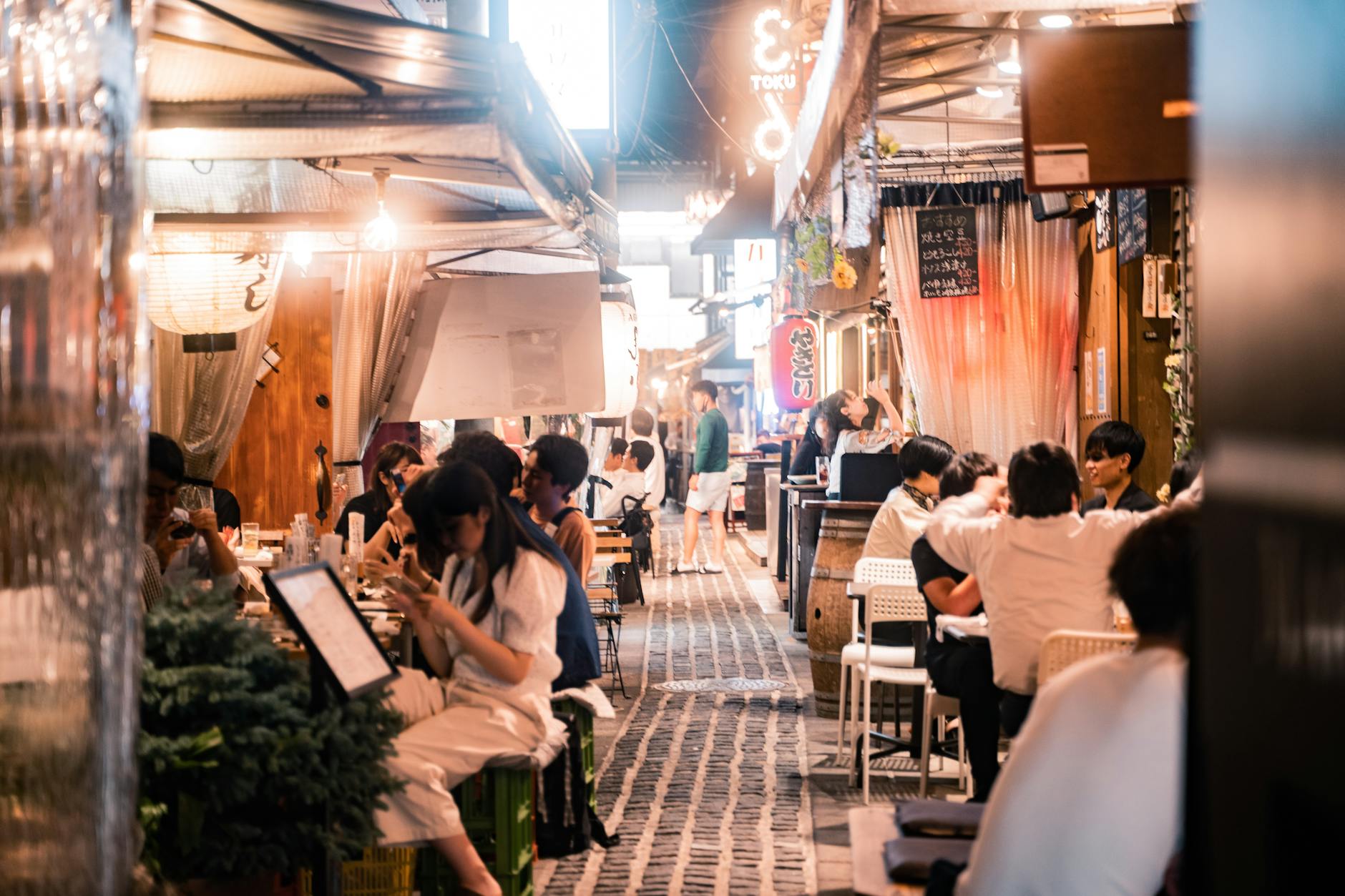
Shibuya is one of the top choices for international tourists — and for good reason. It sits at the convergence of multiple major train lines, putting almost every corner of Tokyo within 20–30 minutes. It's walking distance from Harajuku, Omotesando, Daikanyama, and Nakameguro. The food scene is excellent at every price point. The nightlife is legendary. And the energy of the neighborhood — particularly around the famous Scramble Crossing — gives you an immediate, visceral sense of being in Tokyo.

This guide covers the best places to stay in Shibuya for every budget, which sub-area to choose based on your priorities, and what to look for when booking.

Areas Within Shibuya to Consider

Important

Shibuya is not a single monolithic neighborhood — it encompasses several distinct sub-areas, each with a different character. Understanding these will help you choose the right location for your stay.

Around Shibuya Station (Center)
The most convenient location in the entire neighborhood. You are directly on top of one of Tokyo's most important transport hubs, within walking distance of dozens of restaurants, shopping centers, and entertainment venues. The downside: it's busy and noisy 24/7. Hotels here are excellent if you're a night owl who wants maximum access, but lighter sleepers should look for rooms on higher floors or in buildings set back from the main streets.

Daikanyama / Nakameguro (15 min walk or 2 stops by train)
A completely different atmosphere. These adjacent neighborhoods are known for their tree-lined streets, independent boutiques, specialty coffee shops, and calm, almost European character. Staying here gives you easy Shibuya access without the constant stimulation of the station area. Particularly popular with travelers who prioritize design, food, and a relaxed pace. Great for couples and solo travelers who want somewhere to decompress at the end of the day.

Ebisu (10 min walk from Shibuya)
Upscale and quieter than central Shibuya. Ebisu has excellent restaurants and bars, a more residential feel, and a slightly older, more polished crowd. The area around Yebisu Garden Place is particularly pleasant. A good choice if you want Shibuya access without Shibuya's volume.

Luxury Hotels in Shibuya (¥30,000+ per night)

Cerulean Tower Tokyu Hotel

Cerulean Tower is the most iconic luxury hotel in Shibuya. The 40-story tower rises directly above the neighborhood, offering stunning panoramic views of Tokyo from the upper floors. The rooms are spacious by Tokyo standards, the service is impeccable, and the facilities include a jazz bar, multiple dining venues, and a tea ceremony room.

The location is excellent — a few minutes' walk from Shibuya Station's south exit, close enough to reach everything easily but slightly removed from the most chaotic street-level activity. If you want the definitive luxury Shibuya experience, Cerulean Tower delivers it. Book the higher floors for views over the city; on clear days you can see Mount Fuji from the upper levels.

  • Price: ~¥35,000–60,000+ per night
  • Best for: Special occasions, travelers who want iconic Tokyo views, business travelers
  • Highlight: The Bellustar Tokyo on the top floors and the rooftop jazz bar

Hotel Indigo Tokyo Shibuya (IHG)

Hotel Indigo brings its signature boutique-luxury approach to Shibuya with an interior design that draws on Japanese aesthetics — clean lines, natural materials, and thoughtful local references throughout. The location is excellent for exploring on foot: the famous Shibuya Scramble Crossing is nearby, and the hotel is well positioned for both sightseeing and restaurant access.

As part of IHG, loyalty members can earn and redeem points here. The service is attentive and the rooms are stylish without being flashy. A good choice for design-conscious travelers who want luxury without the formality of a traditional hotel.

  • Price: ~¥30,000–50,000 per night
  • Best for: Design-focused travelers, IHG loyalty members, couples

Shibuya Stream Excel Hotel Tokyu

One of Shibuya's newer luxury additions, this hotel sits directly above Shibuya Stream — the riverside development that transformed the area south of the station into a vibrant mix of offices, restaurants, and public space along the Shibuya River. The hotel is modern, well-designed, and connected directly to the station complex.

The riverside setting gives it a slightly different character from other Shibuya hotels — there's actual greenery and a river walk just outside, which is unusual in this neighborhood. Great for travelers who want contemporary design and easy station access in equal measure.

  • Price: ~¥28,000–45,000 per night
  • Best for: Contemporary design lovers, travelers wanting station connectivity

Mid-Range Hotels in Shibuya (¥15,000–30,000 per night)

Shibuya Excel Hotel Tokyu

For pure location, it's very hard to beat Shibuya Excel Hotel Tokyu. The hotel sits directly above Shibuya Mark City, which is itself directly connected to Shibuya Station. This means you can step out of the elevator and be on a train platform within minutes — without ever going outside in the rain or crowds.

The rooms are comfortable if not lavishly appointed, the views from higher floors are impressive, and the station connectivity is unmatched. This is the right choice if you're planning to travel a lot by train during your Tokyo trip and want to minimize transit friction. Extremely popular — book early.

  • Price: ~¥18,000–28,000 per night
  • Best for: Rail travelers, those visiting multiple Tokyo neighborhoods, anyone who values convenience above all
  • Note: Books out quickly during peak seasons — reserve at least 2–3 months ahead

Dormy Inn Premium Shibuya Jingumae

Dormy Inn is one of Japan's most loved mid-range hotel chains, and the Shibuya Jingumae branch is particularly special for one reason: it has a natural hot spring onsen in the building. Soaking in a genuine onsen after a day of walking around Tokyo is an experience that most visitors staying at luxury hotels nearby won't get to have.

Beyond the onsen, Dormy Inn offers comfortable, well-designed rooms at prices that are reasonable for the location. The free late-night ramen service (available to guests until around midnight at many branches) is a beloved feature. This property fills up extremely fast — it's considered one of the best-value hotels in Shibuya and regulars book it far in advance.

  • Price: ~¥16,000–25,000 per night
  • Best for: Travelers who want onsen access without a ryokan trip, value seekers, repeat Tokyo visitors
  • Note: Book as early as possible — this property sells out well ahead of peak periods

all day place shibuya

One of the newer design-forward hotel options in Shibuya, all day place shibuya offers a stylish, contemporary experience at a mid-range price point. The interior design is clean and modern, the public spaces (including a ground-floor cafe and restaurant) are well done, and the central location makes it easy to reach all the key sights on foot.

This is a good option for travelers who want something that feels current and aesthetically considered without paying luxury prices. The property attracts a younger, design-conscious crowd and has a lively atmosphere particularly in the evenings.

  • Price: ~¥18,000–26,000 per night
  • Best for: Younger travelers, design-conscious visitors, those who like hotel common spaces with character

Budget Options in Shibuya (Under ¥15,000)

Capsule Hotels and Hostels

Capsule hotels have come a long way from their original utilitarian design. Modern capsule hotels like Millennials Shibuya offer smart, pod-style accommodation with comfortable beds, privacy curtains, individual power outlets, reading lights, and often high-quality shared facilities including lounges, co-working spaces, and sometimes a sauna.

Millennials Shibuya is particularly well-regarded in this category — the pods are thoughtfully designed, the common areas are genuinely pleasant to spend time in, and the location near Shibuya Station is excellent. Primarily aimed at solo travelers and young backpackers, but used by plenty of regular tourists as well. Expect to pay ¥4,000–8,000 per person per night.

There are also several guesthouses and traditional hostels in the wider Shibuya area offering dormitory beds from around ¥3,000–5,000 per night and private rooms from ¥8,000–12,000.

Business Hotels

Chains like Toyoko Inn and APA Hotel have branches near Shibuya and offer functional, clean, small-but-adequate rooms in the ¥8,000–14,000 range. These hotels prioritize practicality over style: comfortable beds, decent Wi-Fi, easy check-in, and no frills. They're a sensible choice if your priority is sleeping well in a good location without spending much, and you don't plan to spend significant time in your room.

Look specifically for branches with "Shibuya" in the name rather than ones listed as "near Shibuya" — location accuracy matters significantly in Tokyo, where a 15-minute walk to the station can feel much longer after a full day of tourism.

Alternative: Stay Near Shibuya and Save Money

If Shibuya hotel prices are beyond your budget, two nearby neighborhoods offer substantially cheaper accommodation with only minor tradeoffs in access.

Sangenjaya (2 stops from Shibuya on the Tokyu Denentoshi Line)

Sangenjaya is a beloved hipster and local neighborhood that many long-term Tokyo residents consider one of the city's best places to live. It has excellent cafes, independent bars, a relaxed izakaya scene, and accommodation prices that are noticeably lower than Shibuya proper. Getting back to Shibuya takes about 5 minutes by train. This is a genuinely appealing option if you want a more authentic neighborhood experience alongside easy Shibuya access.

Shimokitazawa (10 minutes from Shibuya by train)

Shimokitazawa is Tokyo's bohemian heartland — vintage clothing stores, live music venues, theater cafes, and an indie atmosphere that feels completely different from central Shibuya. It's very affordable and extremely charming. The trade-off is slightly more travel time, but for the right traveler — particularly those interested in Tokyo's music and arts scene — Shimokitazawa is worth the extra few minutes on the train.

What to Look For When Booking

Pro Tip

When booking accommodation in Shibuya, keep these factors in mind:

Which station exit? Shibuya Station is enormous and confusing. Check which exit your hotel is closest to, and factor in walking time across the station itself. "Near Shibuya Station" can mean anywhere from a 3-minute walk to a 12-minute walk depending on which part of the station you exit from.

Noise level reviews. Hotels near Shibuya Crossing or on the main Dogenzaka street can be noisy on weekend nights until well past midnight. Check recent guest reviews specifically for noise if you're a light sleeper. Higher floors generally help significantly.

Check-in and check-out times. Standard Japanese hotel check-in is 3pm–4pm. If you're arriving from a long-haul flight in the morning, ask about early check-in availability when you book — many hotels will hold your luggage for free even if your room isn't ready.

English-speaking staff. Most Shibuya hotels catering to tourists will have at least some English-speaking staff, but it's worth confirming if this is important to you. Chain hotels (Tokyu, IHG, Dormy Inn) generally have reliable English service.

Breakfast included? Many mid-range Japanese hotels offer optional breakfast sets for ¥1,500–2,500. These can be excellent — Japanese breakfast sets (rice, miso soup, pickles, fish, egg) are worth trying at least once. But Shibuya also has extraordinary options for breakfast and brunch nearby, so don't feel obligated to eat at the hotel every morning.

Booking Tips: When and How to Reserve

Important

Timing matters enormously for Shibuya accommodation. Here's when to book:

Cherry Blossom Season (late March – mid April): Arguably the busiest time for tourists in Japan. Book at least 3–4 months in advance for mid-range and luxury hotels. Budget options fill up even earlier.

Golden Week (late April – early May): Japan's biggest domestic holiday period. Hotels throughout Tokyo fill rapidly. If your travel dates include Golden Week, book as early as possible — ideally 4–6 months out.

Autumn Foliage (mid-November – early December): Another peak period, particularly popular with international visitors. Book 3 months in advance.

Standard periods: Outside these peak windows, Shibuya hotels are generally bookable 4–8 weeks in advance, though popular properties like Dormy Inn sell out faster.

Use a combination of Booking.com (widest selection), IHG/Tokyu direct booking (better rates for chain loyalty members), and Rakuten Travel (sometimes has exclusive deals for Japan-based bookings). Always check if free cancellation is available — Tokyo plans can sometimes need adjustment.

Use Shibuya as Your Base for Day Trips

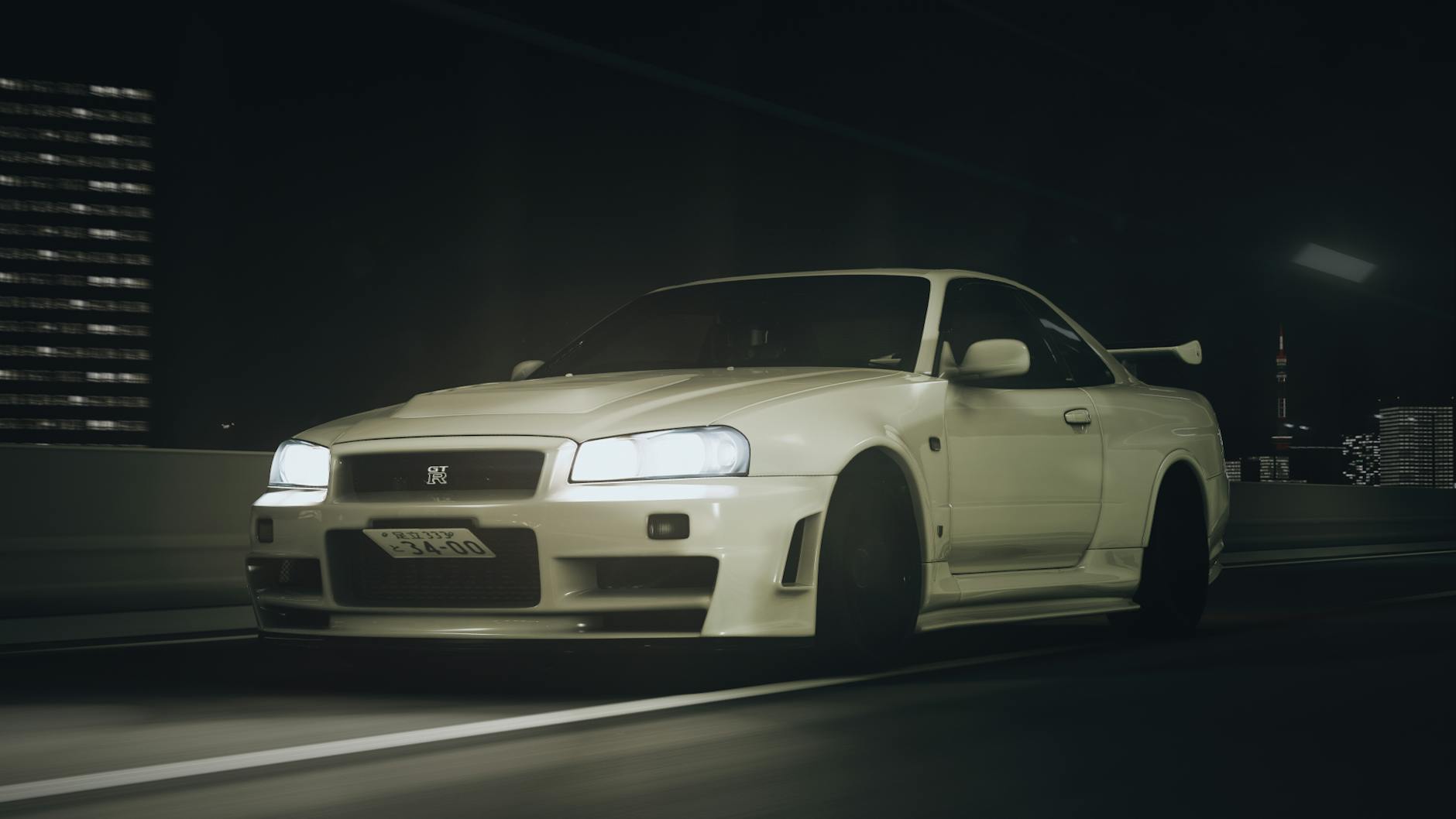
Staying in Shibuya puts you in the perfect position for a JDM car rental adventure. Pick up a GT-R or other iconic Japanese sports car from our Shibuya showroom and use it as your base to explore Hakone, Nikko, or Tokyo's famous mountain roads — then return for Shibuya's incredible restaurant and bar scene at night. The combination of a world-class urban base and access to some of Japan's most spectacular driving roads within 90 minutes is something very few cities in the world can offer. Shibuya is ground zero for that experience.

JDM tour guide!

Step into the world of "Fast & Furious" with our exclusive Daikoku Tour!
Experience the legendary car meet atmosphere for yourself. Make it the ultimate highlight of your Tokyo trip!

click here

Frequently Asked Questions

Is Shibuya a good place to stay in Tokyo?

Yes — Shibuya is consistently one of the top two or three neighborhoods recommended for first-time Tokyo visitors (alongside Shinjuku and Asakusa). The combination of transport connectivity, food options, proximity to major sights, and sheer energy makes it an excellent base. The only travelers who might prefer a different neighborhood are those seeking a quieter, more traditional atmosphere (Asakusa or Yanaka might suit them better) or those on very tight budgets (where areas further from the center offer better value).

Is Shibuya safe at night?

Tokyo is consistently ranked among the safest major cities in the world, and Shibuya is no exception. You can walk around the neighborhood at any hour without concern. The only practical considerations are that Shibuya can get very crowded on Friday and Saturday nights around the major crossing and entertainment areas, and some streets become lively with people who have been drinking heavily. Use common sense as you would anywhere in the world, but genuine safety concerns are minimal.

How far is Shibuya from major Tokyo attractions?

Shibuya's transport links are exceptional. Harajuku and Omotesando are a 10–15 minute walk. Shinjuku is 5 minutes by train. Roppongi is 10–15 minutes by train or taxi. Akihabara is about 25–30 minutes by train. Asakusa is about 30–40 minutes. Tokyo Disneyland is around 40–50 minutes by train. Virtually every major attraction in Tokyo is under 45 minutes from Shibuya Station.

Is staying near Shibuya Station noisy?

It can be, particularly on weekend evenings. The area around Shibuya Crossing and Dogenzaka stays active until well past midnight, and street-level rooms in this zone will notice it. Hotels on higher floors (above the 8th or 10th floor) are significantly quieter. If noise sensitivity is a concern, look for hotels slightly removed from the main crossing area — Ebisu side, the south exit area, or properties in Daikanyama — and read recent guest reviews specifically mentioning noise.

What is the best area in Shibuya to stay?

It depends on your priorities. For maximum convenience and access to everything: stay directly at Shibuya Station (Shibuya Excel Hotel Tokyu, Cerulean Tower, or similar). For a combination of access and atmosphere: Daikanyama or Ebisu offer far more pleasant surroundings while remaining very close to Shibuya's transport hub. For budget travelers who still want Shibuya access: Sangenjaya or Shimokitazawa offer cheaper rates and authentic local neighborhoods, just 2–3 stops away by train.

-Travel Guide