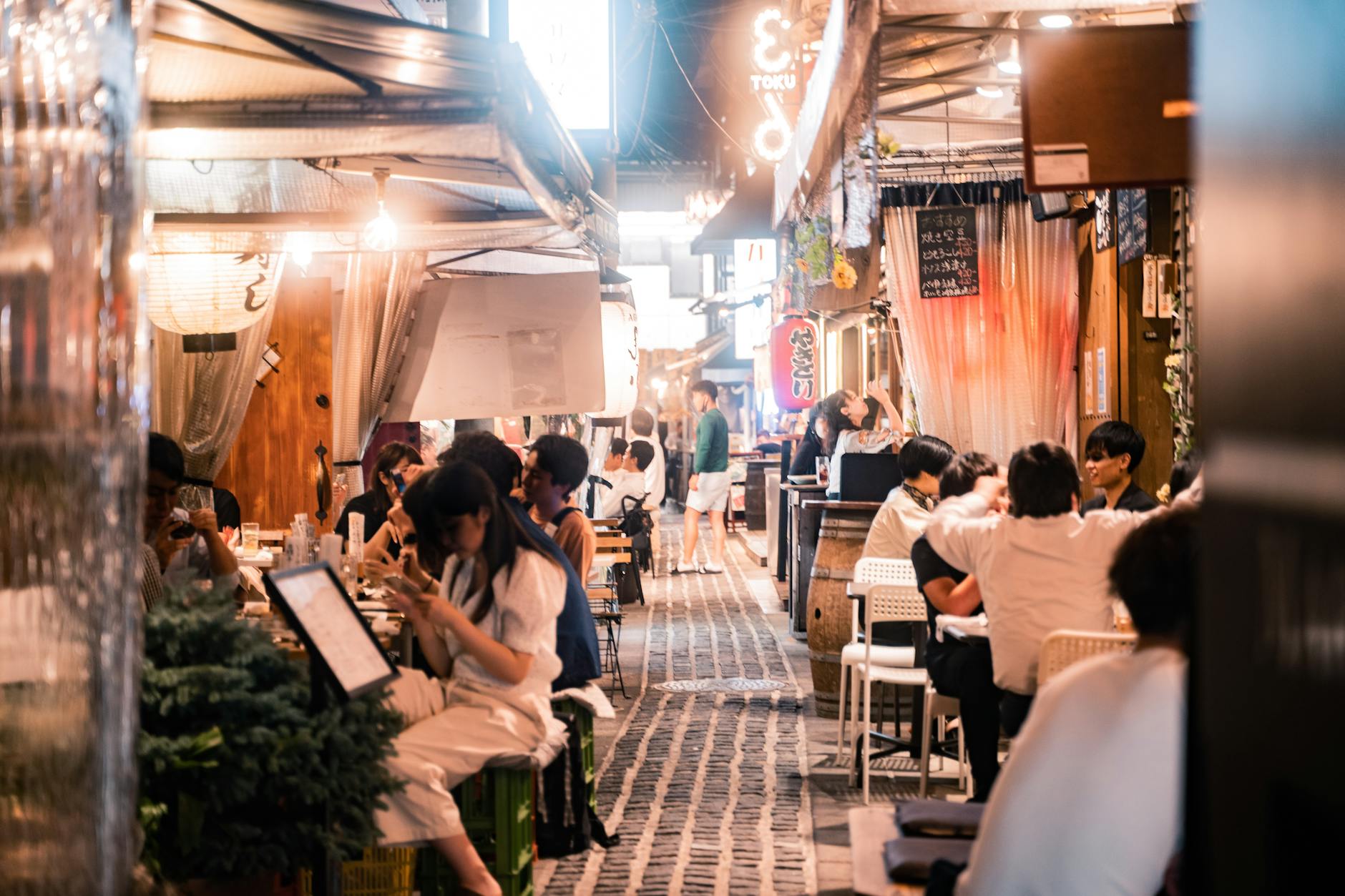
Shibuya is many things — a fashion hub, a nightlife destination, a cultural crossroads. But it's also one of the best neighborhoods in Tokyo to eat ramen. Whether you're craving a rich, creamy tonkotsu after a night out, a refreshing yuzu shio on a warm afternoon, or a brothless bowl of mazesoba for something completely different, Shibuya and its immediate surroundings deliver.
The concentration of ramen options here is impressive. Unlike quieter residential neighborhoods where you might find one or two local shops, Shibuya packs dozens of excellent ramen restaurants into a walkable area, spanning every style and price range. Most are foreigner-friendly — many have picture menus or English menus, and the ticket machine system at many spots means you can order without speaking a word of Japanese.
This guide covers the best ramen in Shibuya, what to order, how the ordering system works, and everything else you need to know before slurping your first bowl.
Types of Ramen Explained
Pro Tip
Tonkotsu — Rich, milky pork bone broth simmered for hours. The flavor is deep, fatty, and intensely savory. Originally from Kyushu (southern Japan), this is one of the most popular styles for international visitors. Expect thick, straight noodles.
Shoyu (Soy Sauce) — Clear to brown broth with a soy-based tare (seasoning). More delicate than tonkotsu, with a good balance of savory and slightly sweet notes. The classic Tokyo ramen style — light yet full of umami.
Shio (Salt) — The lightest of all ramen broths. Pale, clear, and often made with chicken, seafood, or pork. The flavors are subtle and clean — perfect if you want something refreshing.
Miso — Fermented soybean paste-based broth. Hearty and complex, often paired with corn, butter, and thick wavy noodles. Originally from Hokkaido (northern Japan).
Tsukemen (Dipping Ramen) — Cold or room-temperature noodles served separately from a concentrated, intensely flavored dipping broth. You dip the noodles in the broth and eat them together. At the end, many shops will thin the dipping broth with hot water so you can drink it as soup.
Mazesoba / Abura Soba (Brothless Ramen) — No soup at all. Thick noodles are tossed with a rich sauce, fat, soy tare, and toppings. You mix everything together before eating. It's denser, more filling, and a completely different experience from regular ramen.
Best Ramen Restaurants in Shibuya
Ichiran Shibuya — Best for Solo Travelers and First-Timers
Ichiran is arguably the most foreigner-friendly ramen chain in Japan, and the Shibuya branch is one of the most accessible options in the entire city. The concept is brilliant: you order via a paper form (available in English), sit in a private individual booth separated by partitions, and your bowl appears through a small window in front of you. There is zero social pressure, no language barrier, and no rush.
The ramen itself is tonkotsu-based — a rich, creamy pork bone broth with thin straight noodles and their signature red sauce (Ichiran's secret spice blend). You can customize everything: noodle firmness, broth richness, garlic amount, green onion quantity, and spice level. If you've never tried ramen in Japan before, Ichiran is an excellent starting point.
- Style: Tonkotsu
- Price: ~¥1,000–1,200 per bowl
- Good for: Solo travelers, first-time visitors, anyone intimidated by the Japanese ordering process
- Note: The private booth seating is iconic and worth experiencing at least once
Fuunji — Best Tsukemen in the Area
Fuunji is a tsukemen specialist with a serious following among ramen enthusiasts. The dipping broth here is thick, deeply flavored, and complex — a blend of chicken, fish, and pork that coats every strand of noodle. The noodles are firm, chewy, and substantial.
There is usually a queue outside, especially at lunch. This is a sign you're in the right place. Bring cash (they are cash-only), be prepared to wait 20–30 minutes on busy days, and know that it's completely worth it. Located in Yoyogi, just a few minutes from Shibuya Station on foot.
- Style: Tsukemen
- Price: ~¥1,000–1,300
- Good for: Ramen enthusiasts, anyone wanting to try tsukemen at its best
- Note: Cash only — stop at a convenience store ATM before you go
Ramen Nagi — Customizable Pork Bone Broth
Ramen Nagi (also known as "Butao" at some locations) is a popular chain that serves rich, thick pork bone broth with a high degree of customization. You can adjust broth richness, noodle texture, and choose from different flavor profiles including black garlic oil, red spicy, and green herb variations. English menus are available, making this an easy choice for international visitors.
Nagi has multiple branches throughout Tokyo, but the Shibuya-area locations are consistently good and often less crowded than the flagship spots in other neighborhoods. It's a reliable choice for a hearty, satisfying bowl any time of day.
- Style: Tonkotsu (various flavor profiles)
- Price: ~¥1,000–1,400
- Good for: Groups with different preferences, visitors who want English menu options
Afuri Shibuya — Yuzu Shio Perfection
Afuri is one of the most distinctive ramen experiences in Tokyo. Their signature bowl is the yuzu shio — a light, clear chicken-based broth infused with yuzu citrus, finished with a thin slice of yuzu peel floating on top. The result is something genuinely elegant: clean, bright, slightly citrusy, with a depth that only comes from extremely high-quality ingredients.
This is the ramen to order if you want something lighter and more refined. The presentation is beautiful, the flavors are precise, and the overall experience feels a step above a typical ramen shop. Afuri is popular with both locals and tourists, and it has garnered international attention over the years. There's also a tsukemen version of the yuzu broth if you want to try both styles.
- Style: Yuzu shio (light salt-based), also tsukemen
- Price: ~¥1,200–1,500
- Good for: Anyone who prefers lighter flavors, those who want a more refined ramen experience
Kyushu Jangara Ramen — Hearty Tonkotsu Classic
Kyushu Jangara has been serving authentic Kyushu-style tonkotsu in Tokyo for decades. The broth is rich, fatty, and intensely porky in the way only a true Hakata-style tonkotsu can be. The noodles are thin and straight, the chashu is tender, and the entire bowl is warming and deeply satisfying.
Located in Harajuku, just a 5-minute walk from Shibuya Station (or one stop on the Yamanote Line), this is a long-standing institution rather than a trendy newcomer. If you want honest, unfussy, excellent tonkotsu — this is where to go.
- Style: Tonkotsu (Kyushu/Hakata style)
- Price: ~¥900–1,200
- Good for: Tonkotsu lovers who want the real thing, budget-conscious travelers
Abura Soba / Mazesoba — A Brothless Experience
If you find traditional ramen broth too rich or filling, or if you simply want to try something completely different, seek out an abura soba or mazesoba restaurant in the Shibuya area. There are several dedicated shops within a short walk of the station.
The concept is simple: thick noodles are served in a bowl with a flavorful sauce (usually soy-based), lard or other fat, and various toppings — chashu, green onion, nori, a soft egg, and sometimes tuna. You mix everything together vigorously before eating. The result is intensely savory and surprisingly satisfying. Many people find it less heavy than broth-based ramen despite the richness of the sauce.
- Style: Brothless (abura soba / mazesoba)
- Price: ~¥800–1,100
- Good for: Adventurous eaters, those avoiding large amounts of liquid, hot summer days
Budget Pick: Shibuya's Underground Food Courts
Both Shibuya Mark City and Shibuya Hikarie have basement-level food courts and restaurant floors with ramen options at competitive prices. These are excellent for grabbing a quick bowl between activities, especially if you're already in or near the station. The quality varies by vendor, but you can generally find solid bowls for ¥800–1,000 — a bit cheaper than dedicated ramen shops.
How to Order Ramen in Japan
Important
1. When you arrive, look for the vending machine near the entrance (usually right inside the door).
2. Find the button or picture for the bowl you want. Many machines have photos, making it easier.
3. Insert cash (most machines don't accept cards), press your selection, and collect your ticket(s).
4. Hand the ticket(s) to the staff when you sit down.
Customization options at most shops include:
- Noodle firmness: katame (firm), futsuu (normal), yawarakame (soft)
- Broth richness: kotteri (rich/heavy), futsuu (normal), assari (light)
- Garlic/spice: usually asked by staff at the counter
Popular add-ons:
- Chashu (braised pork slices) — ¥100–300 extra
- Ajitsuke tamago (marinated soft-boiled egg) — ¥100–150 extra
- Extra noodles (kaedama) — at tonkotsu shops, you can often order an extra serving of noodles to finish your remaining broth, usually for ¥100–200
At Ichiran specifically, the ordering process uses a paper form in multiple languages — just circle your preferences and slide it through the window.
Ramen Etiquette
Pro Tip
Slurping is encouraged. Making noise while eating ramen is not rude in Japan — it's actually considered a sign of appreciation. Slurping also helps cool the noodles as you eat them. Don't be shy.
Leaving broth is fine. Not everyone wants to drink the full bowl of soup, especially with heavy tonkotsu. It's perfectly acceptable to leave some broth behind.
No tipping. Japan does not have a tipping culture. Leave nothing beyond the price of your meal. Attempting to tip can cause confusion.
Counter seating is normal. Most ramen shops are small and use counter seating. It's not unusual to be sitting very close to strangers. This is completely normal.
Eat quickly. Ramen is designed to be eaten promptly before the noodles overcook in the broth. Most locals finish a bowl in 10–15 minutes. There's no need to rush, but lingering over a finished bowl for 30+ minutes at a busy shop is considered poor form.
Late Night Ramen in Shibuya
One of Shibuya's great strengths as a ramen destination is its late-night hours. Unlike many Tokyo neighborhoods that quiet down after midnight, Shibuya operates well into the early hours — and several ramen shops match that schedule.
Ichiran Shibuya is famously open 24 hours, making it one of the most convenient options for a post-clubbing bowl at 3am. Several other shops in the area stay open until 2am or 3am, particularly those near the entertainment and nightlife clusters around Dogenzaka and the backstreets south of the station.
If you're planning a big night out in Shibuya — and Shibuya absolutely deserves at least one big night out — ending it with a steaming bowl of tonkotsu at Ichiran is a near-perfect way to close the evening. The private booths are also a surprisingly comfortable place to sit quietly and decompress before heading back to your hotel.
Budget Guide: What to Expect to Pay
Ramen in Shibuya is one of Tokyo's genuinely affordable food experiences. Here's what you should expect to pay:
- Standard bowl: ¥900–1,300
- Premium or specialty bowls: ¥1,300–1,600
- Add-on toppings: ¥100–300 each
- Extra noodles (kaedama): ¥100–200
- Soft drinks / beer: usually ¥200–400 extra (many shops don't serve alcohol)
Total cost for a full meal including one or two toppings: typically ¥1,200–1,600. This makes ramen one of the best value-for-money meals you can have anywhere in Tokyo, especially given the quality.
Avoid the common tourist mistake of adding everything at once — start with a standard bowl and add one topping (the soft-boiled egg is almost universally recommended). If you want more after, you can always order kaedama (extra noodles) to finish your broth.
After Your Ramen: What's Next in Shibuya
Fuel up on a bowl of tonkotsu, then fuel up a GT-R. Our JDM car rentals depart from right here in Shibuya — perfect for a post-meal night drive through Tokyo's expressways. There is something genuinely special about cruising the elevated highways of central Tokyo at night in a Japanese sports car: the city lights below you, the engine note echoing off concrete walls, the skyline stretching in every direction. Pair that with the best ramen in Shibuya beforehand and you have a Tokyo experience that very few visitors ever get to have.
Frequently Asked Questions
What is the most popular ramen in Shibuya?
Ichiran Shibuya is consistently the most popular option for both locals and tourists due to its 24-hour availability, private booth seating, and foreigner-friendly ordering system. For ramen enthusiasts, Fuunji's tsukemen and Afuri's yuzu shio are widely considered the highest-quality options in the area.
Is Ichiran Shibuya good for solo travelers?
Ichiran is arguably the single best restaurant in Tokyo for solo travelers. The individual booth seating eliminates any social awkwardness of eating alone, the English paper order form removes any language barrier, and the 24-hour availability means it works at any point during your trip. It's a must-visit even if you eat there alone at midnight.
How much does ramen cost in Tokyo?
Most ramen in Tokyo costs between ¥900 and ¥1,500 for a standard bowl. Adding toppings (chashu pork, soft-boiled egg) typically adds ¥100–300 per item. At current exchange rates (as of 2026), a full ramen meal with one topping generally costs around ¥1,200–1,400 — making it one of Tokyo's most affordable proper meals.
Is there vegetarian ramen in Shibuya?
Vegetarian and vegan ramen options in Shibuya are limited compared to meat-based options, but they do exist. Some shops offer a vegetable or light broth option — Afuri has experimented with vegan broth at some locations, and a few smaller shops in the wider Shibuya area specialize in plant-based ramen. It's worth searching specifically for "vegan ramen Shibuya" if this is a priority. Most mainstream shops like Ichiran and Fuunji are not vegetarian-friendly.
Do ramen restaurants in Shibuya have English menus?
Many do, or at least have picture menus. Ichiran provides order forms in multiple languages. Ramen Nagi has English menus available. Afuri has enough English signage that ordering is straightforward. Fuunji is primarily Japanese-language but the menu is simple enough (choose your noodle size and add a topping) that most visitors manage without translation. The vending machine ticket system at many shops uses pictures, making it navigable even without any Japanese.