Hakone Freepass 2026: What to Know
If you're planning a trip to Japan in 2026, one of the most cost-effective and convenient ways to explore the scenic Hakone region is with the Hakone Freepass. The hakone freepass price 2026 is around 4,000 to 5,000 JPY for a 2-day pass, depending on the season and the type of pass you choose. This pass grants you unlimited access to public transportation, including buses, trains, and cruise ships, as well as discounts or free admission to many attractions in the area.
Hakone is a popular destination for both domestic and international tourists, known for its stunning natural beauty, rich cultural heritage, and relaxing hot springs. The region is located about 100 kilometers west of Tokyo, making it an ideal day trip or weekend getaway from the bustling city. With the Hakone Freepass, you can easily navigate the area and enjoy all that it has to offer without worrying about the cost of transportation or attraction fees.
Whether you're interested in hiking, sightseeing, or simply soaking in the hot springs, Hakone has something for everyone. In this guide, we'll cover everything you need to know about the Hakone Freepass, including the different types of passes available, how to purchase them, and what to expect from your trip to Hakone.
Overview and Why Visit Hakone with the Hakone Freepass 2026
The Hakone Freepass is a special ticket that allows you to ride on various transportation systems in the Hakone area, including the Hakone Tozan Railway, Hakone Tozan Bus, and the Hakone Ropeway. The pass also includes discounts or free admission to many popular attractions, such as the Owakudani Valley, the Hakone Open-Air Museum, and the Pola Museum of Art. With the hakone freepass price 2026 being relatively affordable, it's an excellent way to experience all that Hakone has to offer without breaking the bank.
Top Things to See and Do in Hakone

There are countless things to see and do in Hakone, but some of the top attractions include:
- -taking a ride on the Hakone Ropeway for stunning views of Mt. Fuji and Lake Ashi
- visiting the Owakudani Valley for hot springs, volcanic activity, and black eggs
- exploring the Hakone Open-Air Museum for an impressive collection of modern and contemporary art
- relaxing in the hot springs at one of the many onsen (hot spring) resorts in the area
Tickets for these attractions can range from 500 to 2,000 JPY per person, but with the Hakone Freepass, you can enjoy many of them for free or at a discounted rate. For example, the hakone freepass price 2026 includes free admission to the Hakone Open-Air Museum, which normally costs around 1,600 JPY per person.
Food and Dining Recommendations in Hakone
Hakone is renowned for its delicious black eggs, which are boiled in the hot springs of Owakudani Valley and said to prolong one's life by seven years. You can try these eggs at one of the many food stalls or restaurants in the area, with prices starting from around 500 JPY per egg. Other popular dishes in Hakone include:
- houtou (a hot pot dish made with miso soup and local ingredients)
- torisashi (raw chicken sashimi)
- manju (steamed buns filled with sweet bean paste or other fillings)
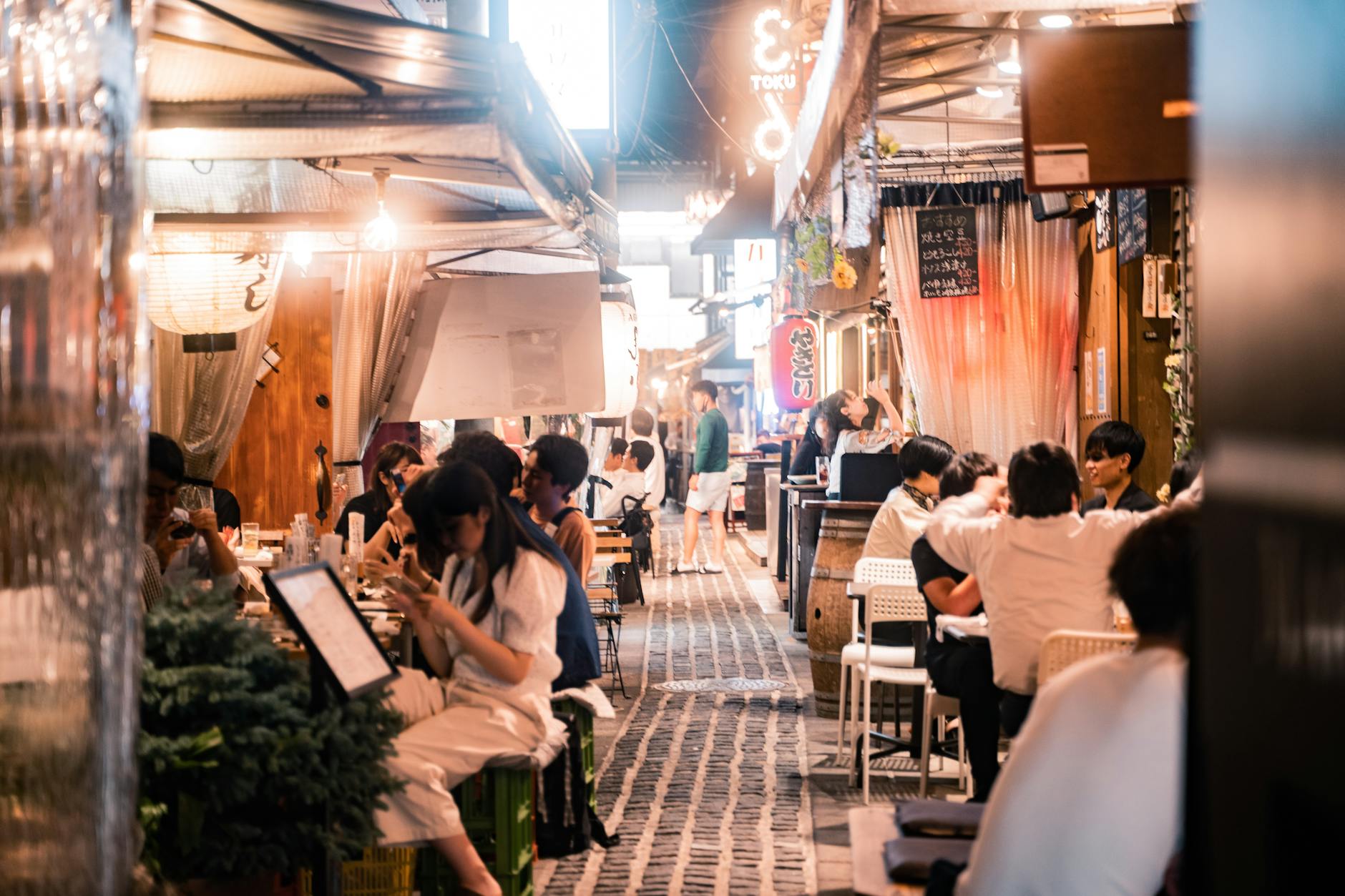
For a unique dining experience, be sure to try some of the local specialties at one of the many restaurants in the Hakone-Yumoto or Gora areas, with prices ranging from 1,000 to 5,000 JPY per person for a meal.
Getting to Hakone
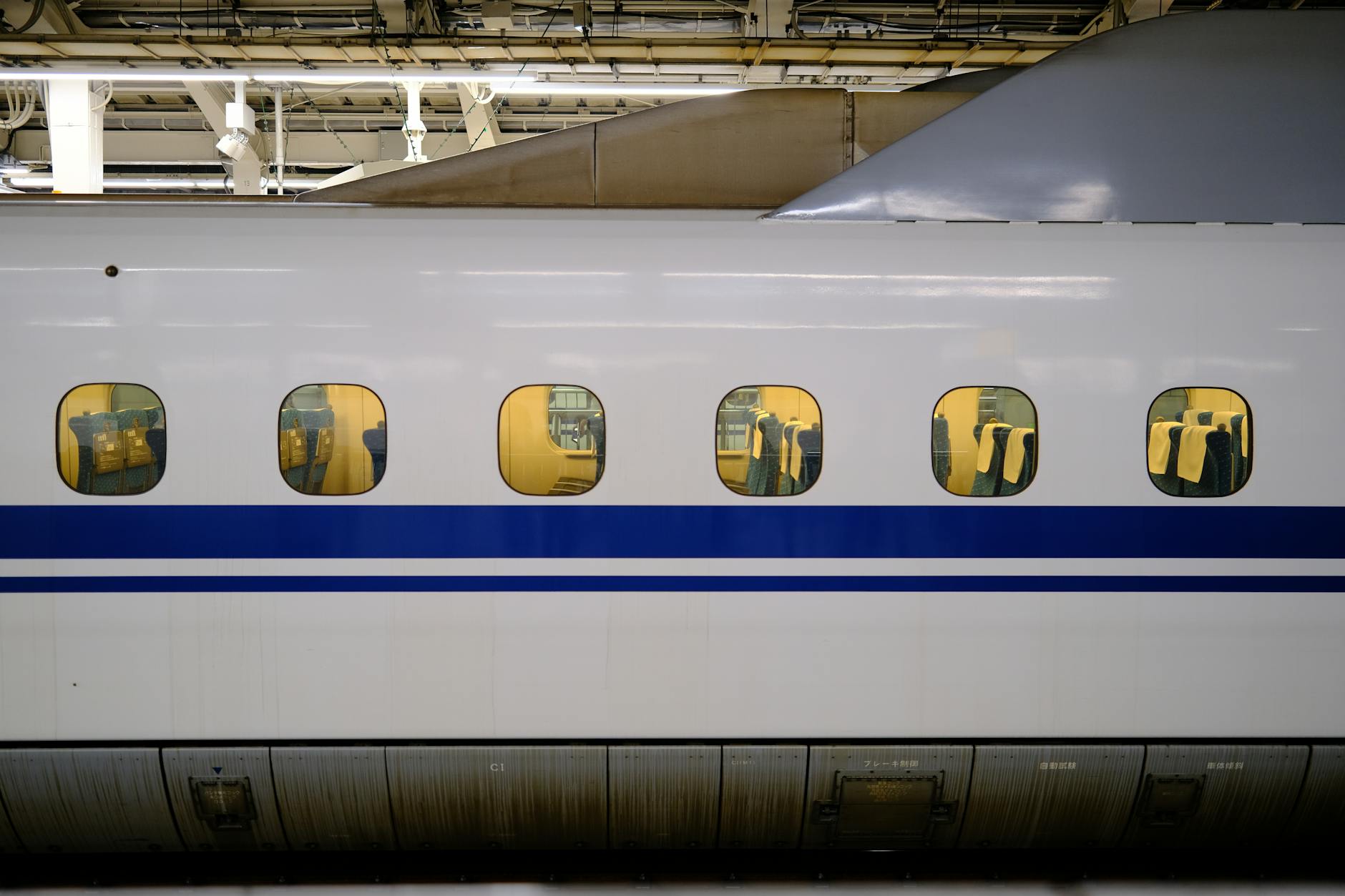
The nearest station to Hakone is Odawara Station, which is accessible by JR Tokaido Shinkansen from Tokyo Station (around 30 minutes, 3,000 JPY) or by JR Tokaido Main Line from Shinjuku Station (around 2 hours, 1,000 JPY). From Odawara Station, you can take the Hakone Tozan Railway to Hakone-Yumoto Station (around 45 minutes, 300 JPY), which is the main hub for the Hakone Freepass.
Alternatively, you can take a bus or taxi from Odawara Station to Hakone-Yumoto, with prices starting from around 700 JPY per person for a one-way ticket.
Best Time to Visit Hakone
The best time to visit Hakone depends on your preferences and what you want to experience. The area is beautiful during all four seasons, with:
- cherry blossoms in the spring (late March to early April)
- greenery and hiking in the summer (June to August)
- autumn leaves in the fall (November to December)
- snow and hot springs in the winter (January to February)
Keep in mind that the hakone freepass price 2026 may vary depending on the season, with higher prices during peak travel periods.
Pro Tips for Visiting Hakone
In addition to purchasing the Hakone Freepass, here are some insider tips to help you make the most of your trip to Hakone:
- be sure to check the weather forecast before heading out, as the weather in Hakone can be unpredictable
- wear comfortable shoes, as you'll likely be doing a lot of walking and hiking
- don't forget to try some of the local specialties, such as black eggs and houtou
Frequently Asked Questions
Q: What is the Hakone Freepass and how does it work?
The Hakone Freepass is a special ticket that allows you to ride on various transportation systems in the Hakone area, including the Hakone Tozan Railway, Hakone Tozan Bus, and the Hakone Ropeway. The pass also includes discounts or free admission to many popular attractions in the area.
Q: How much does the Hakone Freepass cost and where can I buy it?
The hakone freepass price 2026 is around 4,000 to 5,000 JPY for a 2-day pass, depending on the season and the type of pass you choose. You can purchase the pass at various locations, including Odawara Station, Hakone-Yumoto Station, and many hotels and ryokans in the area.
Q: What are some of the top attractions and activities in Hakone?
Some of the top attractions and activities in Hakone include taking a ride on the Hakone Ropeway, visiting the Owakudani Valley, exploring the Hakone Open-Air Museum, and relaxing in the hot springs at one of the many onsen resorts in the area.
Q: How do I get to Hakone from Tokyo and what are the transportation options?
The nearest station to Hakone is Odawara Station, which is accessible by JR Tokaido Shinkansen from Tokyo Station (around 30 minutes, 3,000 JPY) or by JR Tokaido Main Line from Shinjuku Station (around 2 hours, 1,000 JPY). From Odawara Station, you can take the Hakone Tozan Railway to Hakone-Yumoto Station (around 45 minutes, 300 JPY), which is the main hub for the Hakone Freepass.
Q: What is the best time to visit Hakone and what are the peak travel seasons?
The best time to visit Hakone depends on your preferences and what you want to experience. The area is beautiful during all four seasons, with cherry blossoms in the spring, greenery and hiking in the summer, autumn leaves in the fall, and snow and hot springs in the winter. The peak travel seasons are typically during the spring (late March to early April) and autumn (November to December), when the hakone freepass price 2026 may be higher.
🚗 Experience Japan's Car Culture
While you're exploring Japan, don't miss the chance to experience the legendary JDM car scene. Our Daikoku PA Night Tour takes you to Japan's most famous car meet — see Nissan GT-Rs, Toyota Supras, and hundreds of modified cars in their natural habitat.
Book a Mt. Fuji & Hakone Day Trip
See Mt. Fuji up close on a full-day tour from Tokyo. Includes Lake Ashi cruise, Hakone Ropeway, and stunning views. Free cancellation.