Best Japanese Souvenirs: 25 Things Worth Buying in Japan (2026)
Japan is a shopper’s paradise, and choosing the right souvenirs can feel overwhelming when every store, train station, and even convenience store is packed with beautifully packaged gifts. From region-exclusive snacks you literally cannot find anywhere else on Earth to centuries-old crafts that double as functional art, Japanese souvenirs are in a league of their own.
After years of traveling across Japan and way too many overweight luggage fees, I’ve narrowed it down to the 25 best Japanese souvenirs that are actually worth buying. Whether you want affordable gifts for coworkers, something meaningful for family, or a special treat for yourself, this guide covers exactly what to buy in Japan, where to find it, and how to get it home without any customs headaches.
Let’s dive into the ultimate Japan shopping guide for 2026.
Food & Drink Souvenirs
Edible souvenirs are far and away the most popular Japanese souvenirs for good reason: they’re affordable, beautifully packaged, easy to share, and they give people back home a genuine taste of Japan. These ten picks range from iconic classics to hidden gems that seasoned travelers swear by.
1. KitKat Japan (Regional & Limited Edition Flavors)
Japan has turned the humble KitKat into an art form. With over 300 flavors produced since 2000 and dozens available at any given time, Japanese KitKats are consistently the number-one souvenir that visitors bring home. The name “KitKat” sounds like the Japanese phrase kitto katsu (“you will surely win”), making them a popular good-luck gift, especially for students before exams.
Must-try flavors:
- Matcha Green Tea – The iconic flavor, available everywhere but best from Kyoto-area shops where they use Uji matcha
- Strawberry Cheesecake – A sweet, tangy favorite
- Sake – Contains actual sake powder (not enough alcohol to notice, but the flavor is unmistakable)
- Sweet Potato (Satsumaimo) – A seasonal fall flavor that people go wild for
- Regional exclusives – Hokkaido Melon, Shinshu Apple (Nagano), Yubari Melon, Kyoto Hojicha, and Tokyo Banana-flavored KitKats
Where to buy: Convenience stores carry standard flavors (around 200-400 yen per box). For the best selection and regional exclusives, visit the KitKat Chocolatory stores in Ginza, Shibuya, and other major cities, where you can also get premium handmade KitKats. Airport souvenir shops and Don Quijote stores also stock a wide variety.
2. Tokyo Banana
Tokyo Banana (Tokyo ばな奈) is the quintessential Tokyo souvenir and has held that title since 1991. These soft, banana-shaped sponge cakes filled with banana custard cream are light, sweet, and supremely giftable. They come in a signature yellow box that’s instantly recognizable across Japan.
Beyond the original, look for seasonal and limited-edition flavors like Caramel Banana, Chocolate Banana, and character collaborations (they’ve done versions with leopard-print patterns and Pikachu designs). The Tokyo Banana “Mitsuketa” (I Found It!) line is the classic.
Where to buy: Tokyo Station (the massive underground souvenir area called “Gransta” has the widest selection), Haneda Airport, Narita Airport, and major department stores throughout Tokyo. A standard box of 8 costs around 1,100 yen.
3. Yoku Moku Cookies
If you want to bring home something that feels upscale without breaking the bank, Yoku Moku is your answer. Their signature Cigare – a thin, rolled butter cookie – is pure elegance. Founded in Tokyo in 1969, Yoku Moku is a brand that Japanese people themselves buy as formal gifts, which tells you everything about the quality.
The cookies come in beautiful tins that people reuse for storage, making the packaging part of the gift. Beyond the original Cigare, try the Chocolat Cigare (chocolate-dipped) and the assorted cookie collections that include several varieties.
Where to buy: Department store basement floors (depachika) like Isetan Shinjuku, Mitsukoshi Ginza, and Takashimaya. Also available at airports. Expect to pay 1,000-3,000 yen depending on the tin size.
4. Matcha Products (Powder, Sweets & More)
Matcha is synonymous with Japan, and bringing home matcha products is one of the best souvenir moves you can make. The quality of matcha available in Japan far exceeds what you’ll find abroad, and the prices are significantly lower.
Best matcha souvenirs to buy:
- Ceremonial-grade matcha powder – From Uji (Kyoto) or Nishio (Aichi). Brands like Marukyu Koyamaen or Ippodo are exceptional. A 20g tin runs 1,000-3,000 yen
- Matcha sweets – Matcha chocolate, matcha mochi, matcha langue de chat cookies. Tsujiri and Itoh Kyuemon make excellent ones
- Matcha KitKats – Yes, they deserve a double mention. The rich matcha version is notably better than the standard one
- Matcha latte powder – Instant matcha latte mix from brands like Kataoka Tsujiri or Nitto Kocha. Incredible value and convenience
5. Japanese Whisky
Japanese whisky has exploded in global popularity, and buying it in Japan is often the only way to find certain bottles at reasonable prices (or at all). Suntory (Yamazaki, Hakushu, Hibiki) and Nikka (From The Barrel, Yoichi, Miyagikyo) are the two giants, but smaller craft distilleries are producing outstanding bottles too.
What to look for:
- Nikka From The Barrel – Widely considered the best value in Japanese whisky. Around 2,500-3,500 yen in Japan versus triple that abroad
- Suntory Toki – An approachable, affordable blend perfect for highballs. Around 1,500-2,500 yen
- Hibiki Japanese Harmony – Beautiful bottle, beautiful whisky. Around 5,000-8,000 yen
- Yamazaki 12 – If you can find it (often sold out), it’s a trophy bottle at 8,000-15,000 yen
Where to buy: Duty-free shops at Narita and Haneda airports are your best bet, as they often have stock that’s sold out elsewhere and you save on tax. Liquor stores like Liquors Hasegawa in Tokyo Station also carry a good selection. Don Quijote occasionally has deals, but premium bottles sell out fast.
6. Sake
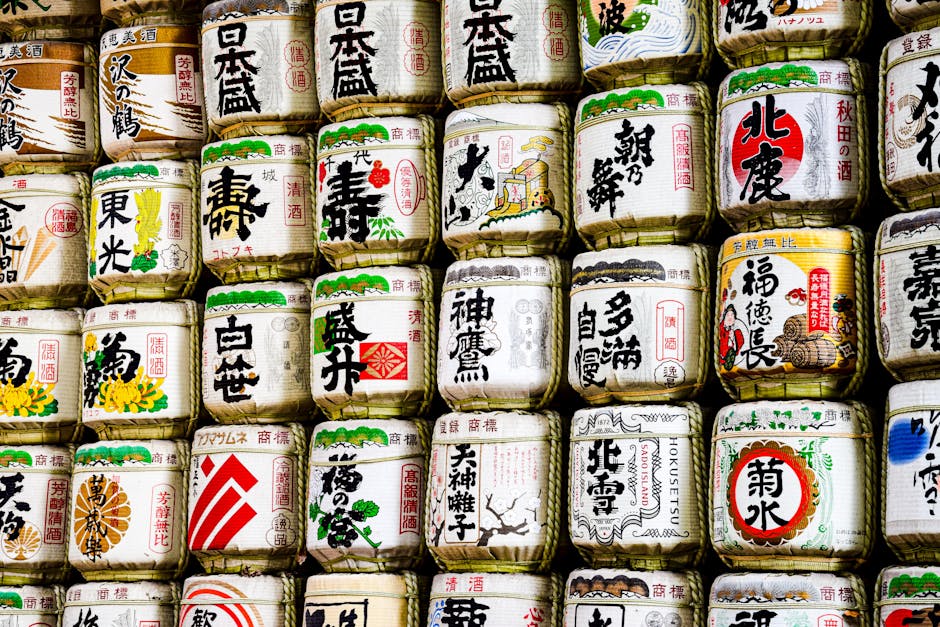
Japan produces thousands of varieties of sake, and the quality and price of what’s available domestically absolutely dwarfs what reaches international markets. Even a 1,000-yen bottle from a Japanese convenience store can outclass expensive imports back home.
Sake buying tips for souvenirs:
- Look for Junmai Daiginjo – The premium grade, with at least 50% of the rice polished away. Smooth, fragrant, and impressive as a gift
- Try regional sake – Niigata, Akita, Hiroshima, and Yamagata are renowned sake regions. Train station shops often carry local-only bottles
- Small bottles are your friend – 300ml and 180ml bottles are easy to pack, affordable (300-800 yen), and let you bring home several varieties
- Sparkling sake – Brands like Suzune and Mio are light, fizzy, and appeal to people who don’t normally drink sake
Where to buy: Department store basement floors often have sake sections with knowledgeable staff. In Tokyo, visit IMADEYA in Ginza or Hasegawa Saketen in Tokyo Station. Narita and Haneda duty-free shops also stock a curated selection.
7. Japanese Snack Boxes & Dagashi
Dagashi are Japan’s beloved cheap snacks and candies, the kind you’d find in old-school neighborhood candy shops. They’re colorful, fun, wildly varied, and cost as little as 10-50 yen each. Building a custom snack box from dagashi is one of the most enjoyable and budget-friendly souvenir ideas.
Must-include dagashi:
- Umaibo – Puffed corn sticks in flavors like corn potage, takoyaki, and mentaiko (about 12 yen each)
- Hi-Chew – Japan’s superior version, with grape, muscat, and peach flavors unavailable abroad
- Ramune candy – Fizzy, nostalgic Japanese soda-flavored tablets
- Baby Star Ramen – Crunchy noodle snack that’s absurdly addictive
- Country Ma’am cookies – Soft-baked cookies in matcha, vanilla, and limited flavors
Where to buy: Don Quijote has entire aisles of snacks. For a traditional dagashi experience, seek out old-school dagashi-ya shops. Convenience stores (especially Lawson and 7-Eleven) carry Japan-exclusive flavors of popular brands.
8. Wagashi (Traditional Japanese Sweets)
Wagashi are traditional Japanese confections that are as much visual art as they are food. Made from ingredients like red bean paste (anko), mochi rice, and agar, they’re designed to complement green tea and change with the seasons. Giving wagashi as a souvenir shows real cultural appreciation.
Best wagashi souvenirs:
- Yokan – Dense, sweet red bean jelly. Toraya is the most prestigious brand (served to the Imperial family). Blocks keep for weeks and travel well
- Monaka – Crispy wafer shells filled with anko. Light and easy to pack
- Manju – Steamed buns with sweet filling. Many regional varieties exist, like Hiroshima’s momiji manju (maple leaf-shaped)
- Senbei – Rice crackers, technically not wagashi but in the traditional category. Varieties range from soy sauce-glazed to nori-wrapped
Where to buy: Department store depachika floors have stunning wagashi selections. Toraya (multiple Tokyo locations), Higashiya (Ginza), and Tsuruya Yoshinobu (Kyoto) are top-tier choices.
9. Japanese Curry Roux
This might be the most underrated Japan souvenir on this list. Japanese curry is nothing like Indian or Thai curry – it’s thick, mild, sweet-savory, and incredibly comforting. The secret weapon is the curry roux blocks sold in every Japanese supermarket, and they make restaurant-quality curry at home in about 30 minutes.
Top picks:
- S&B Golden Curry – The classic. Available in mild, medium, and hot. Around 200-300 yen per box (makes 8-12 servings)
- House Java Curry – A spicier, more complex option favored by curry enthusiasts
- House Vermont Curry – Mild and apple-sweetened, popular with families and kids
- Premium/gourmet roux – Department store brands with wagyu or specialty spice blends, 500-1,500 yen
Where to buy: Any supermarket (Aeon, Life, Seiyu) or Don Quijote. They’re lightweight, flat, and practically indestructible, making them perfect for packing.
10. Instant Ramen (Regional Varieties)
Japanese instant ramen is on a completely different level than what you find internationally. We’re talking restaurant-collaboration packs that genuinely taste like the real thing, with separate sachets for soup base, oil, and toppings.
Best instant ramen souvenirs:
- Ichiran Ramen – The famous Hakata tonkotsu chain sells take-home packs (5 servings, around 2,000 yen). Worth every yen
- Ippudo Ramen – Another beloved tonkotsu chain with excellent instant versions
- Sapporo Ichiban – Hokkaido miso ramen varieties that hit differently in Japan
- Nissin Raoh – Premium instant ramen with a non-fried noodle that tastes remarkably fresh
- Regional packs – Look for local ramen gift boxes at train station souvenir shops. Hokkaido miso, Hakata tonkotsu, Kitakata shoyu, and Onomichi ramen are all available in instant form
Where to buy: Supermarkets have the best everyday prices. Train station souvenir shops carry regional gift packs. Don Quijote and airport shops also stock popular brands.
Traditional & Cultural Souvenirs
These souvenirs connect you to Japan’s rich cultural heritage. Many of them are handcrafted, steeped in centuries of tradition, and tell a story that goes far beyond the object itself. They also make the most meaningful gifts for people who appreciate craftsmanship and history.
11. Tenugui (Traditional Hand Towels)
A tenugui is a thin cotton towel, typically about 35 x 90 cm, dyed with traditional patterns. They’ve been used in Japan for centuries and remain genuinely useful – as hand towels, headbands, wrapping cloth, wall decoration, or even framed art. They’re thin, light, and fold flat, making them the perfect packable souvenir.
What makes a good tenugui:
- Traditional patterns – Waves (seigaiha), cherry blossoms, Mt. Fuji, koi fish, and geometric patterns (asanoha)
- Modern designs – Cats, food, pop culture references, seasonal themes
- Quality check – Look for chusen (pour-dye) or tegata (hand-printed) techniques. The pattern should show clearly on both sides of the fabric
Where to buy: Kamawanu (stores in Daikanyama and other Tokyo locations) is the most famous tenugui brand. Nugoo in Kamakura is excellent. Temple and shrine gift shops also carry unique designs. Price: 800-2,000 yen for quality tenugui.
12. Furoshiki (Wrapping Cloth)
Furoshiki is the Japanese art of wrapping objects in cloth, and the cloths themselves are beautiful souvenirs. Traditionally used to carry belongings and wrap gifts, furoshiki are seeing a global revival as a sustainable, reusable alternative to wrapping paper and shopping bags.
They come in cotton, silk, and synthetic fabrics, ranging from simple solid colors to intricate traditional prints and contemporary artist collaborations. A large furoshiki can double as a tablecloth, scarf, or wall hanging.
Where to buy: Musubi (multiple Tokyo locations) specializes in furoshiki and offers wrapping demonstrations. Department stores, Tokyu Hands, and Loft also carry good selections. Price: 500-5,000 yen depending on size and material.
13. Chopsticks (Gift Sets)
Japanese chopsticks (hashi) make elegant, practical souvenirs. Unlike the disposable variety, quality Japanese chopsticks are crafted from wood or bamboo, often lacquered, and can last for years. Couples’ chopstick sets (meoto-bashi) are a particularly popular gift, featuring a pair in two complementary styles.
What to look for:
- Wajima-nuri – Lacquered chopsticks from Ishikawa Prefecture, considered the finest in Japan
- Wakasa-nuri – From Fukui Prefecture, featuring embedded shell and egg patterns under layers of lacquer
- Chopstick rests (hashioki) – Small ceramic or wooden rests that make charming add-on gifts, often shaped like animals, vegetables, or seasonal items
Where to buy: Hyozaemon in Harajuku/Omotesando is a legendary chopstick shop with hundreds of varieties. Department stores, kitchen specialty shops, and craft stores like Tokyu Hands also carry excellent selections. Price: 500-5,000 yen for a nice pair, 200-1,000 yen for rests.
14. Maneki-neko (Lucky Cat)
The maneki-neko (beckoning cat) is one of Japan’s most recognizable cultural symbols. These cat figurines with one paw raised are believed to bring good luck and fortune. You’ll see them in the windows of shops and restaurants across Japan.
What the different types mean:
- Right paw raised – Attracts money and good fortune
- Left paw raised – Attracts customers and people
- White – General good luck
- Gold – Wealth and prosperity
- Black – Wards off evil
- Pink – Love and romance
Where to buy: Souvenir shops in Asakusa (Nakamise-dori), temple gift shops, and Don Quijote all carry maneki-neko. For something truly special, visit Gotokuji Temple in Tokyo, which is considered the birthplace of the maneki-neko and has an incredible display of thousands of lucky cats. The temple shop sells exclusive maneki-neko that you cannot get anywhere else. Price: 300-10,000+ yen depending on size and material.
15. Japanese Ceramics & Pottery
Japan’s ceramic traditions span centuries, and each region produces distinctive styles. A handmade Japanese tea cup, plate, or sake set is a souvenir with soul – something mass production simply cannot replicate. For pottery enthusiasts, this might be the highlight of the entire trip.
Major pottery styles to know:
- Mashiko-yaki (Tochigi) – Earthy, rustic stoneware made famous by Shoji Hamada. The town of Mashiko is about 2 hours north of Tokyo and holds major pottery fairs twice a year
- Arita-yaki / Imari (Saga) – Elegant porcelain with blue, red, and gold designs. Japan’s most famous porcelain tradition
- Bizen-yaki (Okayama) – Unglazed, wood-fired stoneware with natural patterns created by the kiln. Each piece is unique
- Kiyomizu-yaki (Kyoto) – Delicate, colorful pottery from Kyoto’s famous pottery district
- Mino-yaki (Gifu) – The largest producing region, known for versatile everyday ware
Where to buy: Kappabashi Street in Tokyo (the kitchenware district near Asakusa) has numerous ceramics shops. For serious pottery, visiting the production areas is ideal. Samurai Car Japan offers JDM car rentals that make visiting pottery towns like Mashiko or Bizen easy, letting you explore at your own pace and load up the trunk with finds.
16. Sensu (Folding Fans)
The sensu (folding fan) has been part of Japanese culture since the 8th century and remains a practical, beautiful souvenir. From simple designs perfect for summer heat to elaborate hand-painted fans that double as wall art, there’s a sensu for every budget and taste.
Types of sensu:
- Everyday fans – Simple, durable designs for actual use. 500-2,000 yen
- Decorative fans – Hand-painted on silk or washi paper, often featuring nature scenes, calligraphy, or geometric patterns. 2,000-10,000+ yen
- Kyo-sensu – Kyoto-made fans, considered the finest. Many shops along Ninen-zaka and Sannen-zaka sell them
Where to buy: Kyoto is the fan capital of Japan. Miyawaki Baisen-an, operating since 1823, is arguably the most famous fan shop in the country. In Tokyo, look in Asakusa’s Nakamise-dori, department stores, and craft shops.
17. Daruma Dolls
Daruma dolls are round, hollow, weighted paper-mache dolls modeled after Bodhidharma, the founder of Zen Buddhism. They’re a symbol of perseverance and good luck, and they follow one of Japan’s most charming traditions: you paint in one eye when setting a goal, and paint in the second eye when you achieve it.
Most daruma are red (for general luck), but different colors carry different meanings – gold for wealth, white for love, green for health, and so on. They range from tiny keychain-sized versions to massive dolls over a foot tall.
Where to buy: Takasaki in Gunma Prefecture produces about 80% of Japan’s daruma and holds a famous Daruma Market each January. In Tokyo, you can find them at temple gift shops, Asakusa souvenir stores, and places like Nakamise-dori. Price: 300-5,000+ yen.
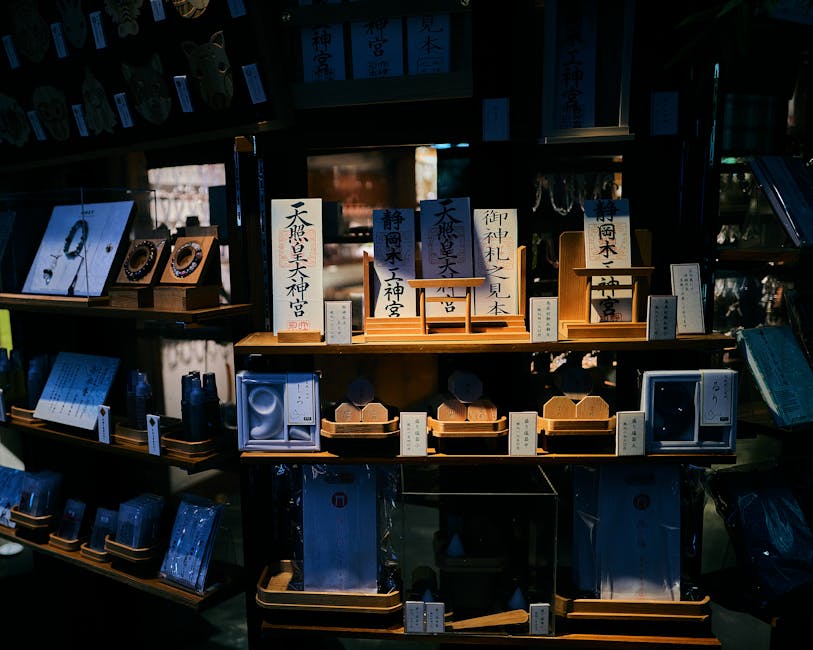
18. Omamori (Shrine & Temple Charms)
Omamori are small fabric pouches sold at Shinto shrines and Buddhist temples throughout Japan. Each one is blessed and dedicated to a specific type of protection or fortune – academic success, safe travel, good health, love, business prosperity, and more. They are among the most culturally meaningful Japan gifts you can bring home.
Popular omamori types:
- Gakugyou-joju – Academic success (great for students)
- En-musubi – Love and romantic relationships
- Kenko – Health and wellness
- Kotsu-anzen – Traffic and travel safety
- Shoubai-hanjou – Business prosperity
Where to buy: At the charm counter of any shrine or temple. Popular spots include Meiji Shrine (Harajuku), Senso-ji (Asakusa), Fushimi Inari (Kyoto), and Dazaifu Tenmangu (Fukuoka, famous for academic omamori). Each shrine’s omamori has a unique design, making them collectible. Price: 500-1,500 yen.
Modern & Pop Culture Souvenirs
Japan’s modern culture is just as compelling as its traditional side. These souvenirs reflect the creative, innovative, and sometimes wonderfully weird aspects of contemporary Japan that you simply cannot replicate anywhere else in the world.
19. Anime & Manga Merchandise
Japan is the global epicenter of anime and manga culture, and the merchandise available here ranges from affordable trinkets to high-end collectible figurines worth thousands of dollars. If you or someone you know is a fan, shopping for anime goods in Japan is an unforgettable experience.
What to buy:
- Figurines – From Banpresto prize figures (1,000-3,000 yen) to premium scale figures from Good Smile Company and Kotobukiya
- Manga in Japanese – Even if you can’t read Japanese, owning original manga volumes of your favorite series is special. Around 500-700 yen per volume
- Acrylic stands and keychains – Affordable (300-800 yen), lightweight, and available for virtually every popular series
- Anime collaboration goods – Limited-edition items from current anime x brand collaborations that are only available in Japan
- Art books and illustration collections – Gorgeous books showcasing the artwork of popular series and artists
Where to buy: Akihabara is ground zero for anime shopping – head to Mandarake, Animate, AmiAmi, and Kotobukiya. In Osaka, Den Den Town (Nipponbashi) is the equivalent. Nakano Broadway in Tokyo is a treasure trove for rare and vintage items. Shibuya also has several anime-focused stores including the massive Tower Records anime floor.
20. Gashapon (Capsule Toys)
Gashapon (also called gachapon) are capsule toy vending machines, and Japan has taken them to an absurd art form. You’ll find walls of these machines in arcades, train stations, and dedicated gashapon shops, dispensing everything from miniature food replicas and animal figurines to tiny working tools and hilariously specific items like “tired businessmen” figures.
At 200-500 yen per capsule, gashapon are cheap, fun, and surprisingly well-made. They’re blind boxes, so you don’t know exactly which variant you’ll get, which adds to the excitement. The collectible nature makes them dangerously addictive.
Where to buy: Gashapon machines are literally everywhere, but for the widest selection visit Gashapon Department Store locations (Tokyo Station, Ikebukuro, Akihabara). These dedicated stores have hundreds of machines in one place. Also check Akihabara shops and major train stations.
21. Japanese Stationery
Japan produces what is arguably the world’s best stationery, and stationery enthusiasts plan entire shopping excursions around Japanese pen and paper stores. The quality of even everyday items like gel pens and notebooks is noticeably superior to their counterparts elsewhere.
Must-buy stationery items:
- Pilot Frixion pens – Erasable gel pens that actually work well. Available in dozens of colors
- Zebra Mildliner highlighters – The double-ended highlighters beloved by students and bullet journal enthusiasts worldwide. Sets of 5 for around 500 yen
- Uni Jetstream pens – Smoothest ballpoint pens you’ll ever use
- Midori Traveler’s Notebook – Beautiful leather cover journal with refillable inserts. A cult favorite
- Washi tape – Decorative masking tape made from traditional washi paper. Hundreds of designs from minimalist to kawaii
- Muji stationery – Minimalist, high-quality, and affordable notebooks, pens, and organizers
- Tombow Fudenosuke brush pens – Perfect for calligraphy, hand lettering, and art
Where to buy: Itoya in Ginza is a 12-floor stationery paradise and worth a trip even if you’re not a stationery person. Loft and Tokyu Hands have excellent stationery sections. Muji flagship stores (Ginza or Shibuya) carry their full stationery range. Even convenience stores stock surprisingly good pens and notebooks.
22. Japanese Beauty Products
Japanese beauty and skincare products are renowned worldwide for their innovation, quality, and value. Many items that cost a premium abroad are everyday drugstore buys in Japan. Sunscreen in particular is a category where Japan dominates – their formulations are years ahead of the rest of the world.
Top beauty souvenirs:
- Biore UV Aqua Rich Watery Essence – Possibly the most beloved sunscreen on the planet. Light, no white cast, high protection. Around 600-900 yen
- Anessa Perfect UV – Another top-tier sunscreen, especially for outdoor activities
- LuLuLun Face Masks – Sheet masks in bulk packs (7 or 32 sheets). Regional limited editions available across Japan
- DHC Lip Cream – A cult favorite lip balm. Around 700 yen
- Canmake & Cezanne – Affordable Japanese cosmetics with quality that rivals luxury brands
- Shiseido & SK-II – Premium brands available at duty-free prices
- Kao Steam Eye Masks – Heated, aromatic eye masks perfect for long flights. Incredibly soothing
Where to buy: Matsumoto Kiyoshi (drug store chain with yellow signage) is the go-to destination, with massive locations in Shibuya, Shinjuku, and throughout Japan. Ainz & Tulpe in Shinjuku is another favorite. Don Quijote also has large beauty sections with tax-free counters.
23. Don Quijote Finds
Don Quijote (often abbreviated as “Donki”) deserves its own entry because it’s less a store and more an experience. This discount chain is a glorious, sensory-overloading maze of products across multiple floors, open until late at night (some locations are 24 hours), and it’s where many travelers find their most unexpected and memorable souvenirs.
What to look for at Donki:
- Japanese snacks and candy – Entire floors dedicated to them, often with tax-free counters for tourists
- Electronics – Japan-spec gadgets, heated eye masks, beauty devices, and quirky tech accessories
- Costume and gag gifts – Party goods, funny items, and things you didn’t know existed
- Japanese cosmetics – Competitive prices on popular brands
- Character goods – Sanrio, Disney, and anime merchandise at discount prices
- Don Quijote originals – Their private-label “Jounetsu Kakaku” line offers solid quality at low prices
Key locations: The flagship Mega Don Quijote in Shibuya is enormous. The Shinjuku Kabukicho location is open 24 hours. Akihabara and Osaka Dotonbori locations are also popular with tourists. Show your passport at the tax-free counter for purchases over 5,000 yen.
24. Japanese Denim (Okayama & Kojima)
Japan produces some of the finest denim in the world, and for denim enthusiasts, buying Japanese jeans in Japan is a pilgrimage. The town of Kojima in Okayama Prefecture is known as the birthplace of Japanese jeans, and its Jeans Street is lined with shops from brands that denim heads obsess over globally.
Brands to know:
- Momotaro Jeans – Based in Kojima, famous for their pink selvedge line and going-to-battle stripes
- Japan Blue Jeans – Momotaro’s sister brand, offering exceptional quality at more accessible prices
- Pure Blue Japan – Known for deep indigo dyes and slubby textures
- Studio D’Artisan – One of the original five Japanese denim brands, with a pig mascot
- Kapital – Creative, artistic denim with patchwork and sashiko stitching
Where to buy: Kojima Jeans Street in Okayama is the ultimate destination. In Tokyo, visit Hinoya in Ueno-Ameyoko for multi-brand selection or brand flagship stores in Harajuku and Daikanyama. If you’re exploring the Okayama area by car, Kojima is about 30 minutes from Kurashiki’s beautiful historic canal district, making for an excellent day trip. Price: 15,000-40,000+ yen for raw selvedge jeans.
25. Character Goods (Sanrio, Studio Ghibli & More)
Japan’s character culture runs deep, and the variety of officially licensed character merchandise available in Japan is staggering. Whether you’re buying for kids or adults who love kawaii culture, character goods are a uniquely Japanese souvenir category.
Top character brands:
- Sanrio – Hello Kitty, My Melody, Cinnamoroll, Kuromi, and Pompompurin. The Sanrio Puroland theme park in Tokyo has exclusive merchandise. Sanrio shops across Japan carry Japan-exclusive items
- Studio Ghibli – Totoro, No-Face, Kiki, Ponyo, and Calcifer goods. The Ghibli Museum in Mitaka and Ghibli Park in Aichi sell exclusive merchandise you cannot buy anywhere else. Donguri Kyowakoku stores carry the wider Ghibli line
- Pokemon – The Pokemon Center stores (multiple Tokyo locations, Osaka, Kyoto, etc.) sell an overwhelming array of Pokemon merchandise, much of it Japan-exclusive
- Sumikko Gurashi – San-X’s adorable “corner-dwelling” characters are huge in Japan. Look for plushies, stationery, and kitchen goods
- Rilakkuma – The relaxing bear and friends. Available in Rilakkuma stores and general character shops
Where to buy: Kiddy Land in Harajuku is a multi-floor character goods wonderland. Dedicated brand stores (Pokemon Center, Sanrio shops, Donguri Kyowakoku for Ghibli) are spread throughout Tokyo and major cities. Akihabara has extensive anime character goods, while Shibuya and Shinjuku department stores carry curated character selections.
Where to Buy Souvenirs in Japan
Knowing where to shop is almost as important as knowing what to buy. Here’s a breakdown of the best souvenir shopping destinations, each with its own strengths.
Don Quijote (Donki)
The all-in-one souvenir powerhouse. Donki stores are massive, chaotic, and open late or 24 hours. They have tax-free counters, competitive prices on snacks and beauty products, and a wild variety of goods. The major tourist-area locations (Shibuya, Shinjuku, Osaka Dotonbori) are geared toward souvenir shoppers with multilingual staff and curated souvenir sections.
Department Store Basements (Depachika)
The basement food floors of Japanese department stores are astonishing. Isetan Shinjuku, Mitsukoshi Ginza, Takashimaya, and Daimaru Tokyo Station have beautifully curated selections of premium food souvenirs, wagashi, and gift-boxed sweets. Expect higher prices but impeccable quality and presentation. These are the places for impressive gifts.
Convenience Stores (Konbini)
Don’t underestimate 7-Eleven, FamilyMart, and Lawson. They stock Japan-exclusive snack flavors, quality beauty products, decent stationery, and seasonal limited-edition items. They’re also everywhere and open 24/7, making them perfect for last-minute grabs. The snack selection rotates frequently, so check back throughout your trip.
Train Station Souvenir Shops
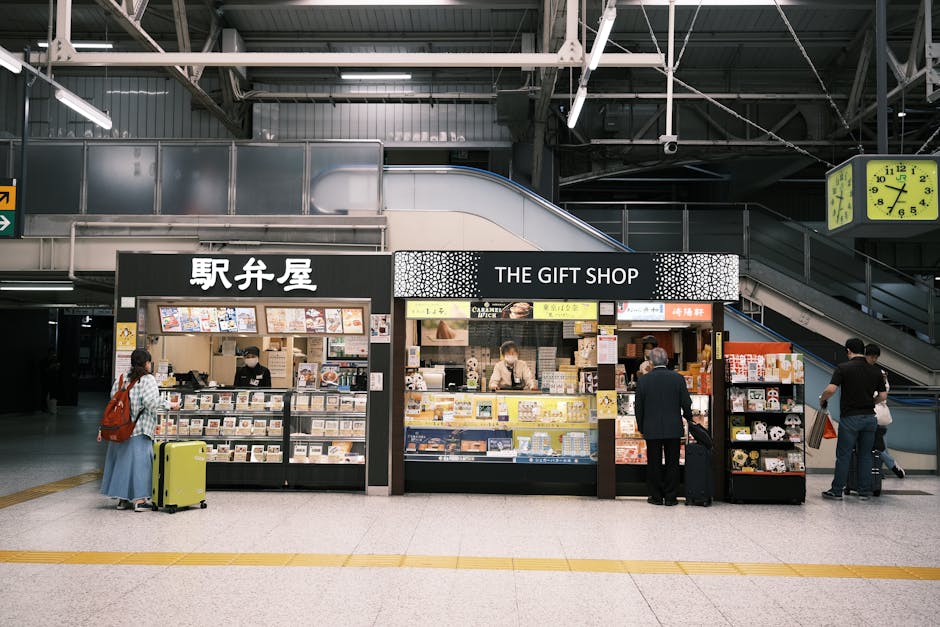
Every major train station has souvenir shops selling regional specialties. Tokyo Station has the most extensive selection, with entire underground shopping areas dedicated to souvenirs (Gransta, Tokyo Character Street, and First Avenue). Station shops are ideal for regional food souvenirs and last-minute shopping.
Airport Duty-Free
Narita and Haneda airports have extensive duty-free shopping areas with tax-free prices on alcohol, tobacco, cosmetics, and electronics. They also have souvenir shops selling popular food items. Prices are slightly higher than in-town for most items, but the tax savings on alcohol and luxury goods can make it worthwhile. Arrive at least 2 hours early to shop comfortably.
100-Yen Shops (Daiso, Seria, Can Do)
These dollar-store equivalents are treasure troves for small, affordable souvenirs. You can find Japanese-style tableware, chopsticks, small fans, bento accessories, cute stationery, and travel items all for 100 yen each. Daiso has the most locations, while Seria tends to have more aesthetically pleasing designs. They’re perfect for bulk souvenir buying on a budget.
Tokyu Hands & Loft
These lifestyle stores carry a curated mix of stationery, beauty products, kitchen goods, travel accessories, and seasonal items. Quality is consistently high, and they often have Japan-exclusive products. The Shibuya Loft and Shinjuku Tokyu Hands are the flagship locations.
Tax-Free Shopping in Japan Explained
Japan offers tax-free shopping for foreign tourists, saving you the 10% consumption tax on eligible purchases. Here’s how it works in 2026:
Eligibility
- You must be a non-resident of Japan (tourist visa or short-stay)
- You need your passport (the physical passport, not a copy)
- Minimum purchase of 5,000 yen (before tax) at a single store in one day
How It Works
- Look for the “Tax-Free” or “Japan Tax-free Shop” signage at participating stores
- At checkout, show your passport and the tax will be deducted from your total
- Consumable items (food, drinks, cosmetics) will be sealed in a bag that you are not supposed to open until you leave Japan
- General items (clothing, electronics, crafts) do not need to be sealed
- Your purchases are electronically recorded via your passport
Best Stores for Tax-Free Shopping
- Don Quijote – Dedicated tax-free counters, easy process, accepts credit cards
- BIC Camera / Yodobashi Camera – Electronics and appliances with an already-discounted price plus tax-free savings
- Department stores – Most major chains participate (Isetan, Takashimaya, Mitsukoshi)
- Matsumoto Kiyoshi – Drug stores with great tax-free beauty sections
- Uniqlo – Tax-free on clothing purchases over 5,000 yen
How to Pack Souvenirs (and Get Them Home Safely)
Buying souvenirs is the fun part. Getting them home intact requires a bit of planning. Here’s how to do it right.
Packing Tips
- Bring an extra foldable bag – Pack a lightweight, foldable duffel bag or tote in your suitcase for the return trip. You will buy more than you planned
- Use clothing as padding – Wrap fragile items (ceramics, bottles) in t-shirts, socks, or scarves. Place them in the center of your checked bag
- Buy bubble wrap – 100-yen shops sell bubble wrap sheets and resealable bags. Grab some early in your trip
- Ship heavy items – Japan Post offers affordable international shipping. Many stores (especially department stores and pottery shops) offer shipping services. EMS is the fastest option
- Use Yamato Transport (Kuroneko) – If you’re moving between cities in Japan, you can ship luggage from hotel to hotel using takkyubin delivery service, freeing up space for more souvenir shopping along the way
Luggage Weight Limits
- Most international airlines allow 23 kg per checked bag (economy class). Weigh your bag at the hotel before heading to the airport
- Consider buying an extra bag in Japan if needed. Don Quijote and Loft sell affordable suitcases
- Some airlines allow you to purchase extra checked baggage online for less than the airport surcharge
What NOT to Bring Home (Customs Restrictions)
Before you load up your suitcase, be aware of these common restrictions that catch travelers off guard.
Items That May Be Restricted or Prohibited
- Fresh fruits and vegetables – Most countries prohibit or heavily restrict importing fresh produce. That beautiful Hokkaido melon probably can’t come home with you
- Meat products – Wagyu beef jerky, canned meat, and meat-filled snacks may be confiscated by customs. Rules vary by country, so check before buying
- Certain plant products – Some dried flowers, seeds, and plant-based items require phytosanitary certificates
- Alcohol limits – Most countries allow 1-2 liters duty-free. Additional bottles may incur duty charges (which are usually modest, but still worth knowing)
- Tobacco – Strict limits apply (usually 200 cigarettes or equivalent)
- Ivory and tortoiseshell – Strictly prohibited under international law. Some antique shops may still sell these items, but do not purchase them
- Counterfeit goods – Fake brand items can be confiscated and result in fines
- Certain medications – Some Japanese cold medicines and stimulants contain ingredients that are restricted in other countries. Research any medicines before purchasing
Frequently Asked Questions
What is the best souvenir from Japan?
For the broadest appeal, Japanese KitKats (regional flavors) and matcha products are consistently the most universally loved souvenirs. They’re affordable, easy to share, and uniquely Japanese. For a more personal or meaningful gift, omamori shrine charms and Japanese ceramics carry deeper cultural significance.
How much should I budget for souvenirs in Japan?
Most travelers spend between 10,000-30,000 yen (roughly $65-$200 USD) on souvenirs. Budget travelers can put together an impressive haul from 100-yen shops, convenience stores, and Don Quijote for under 5,000 yen. If you’re buying premium items like whisky, ceramics, or denim, budget 30,000-50,000+ yen.
When should I buy souvenirs during my trip?
Buy non-perishable and non-fragile items early in your trip when you have time to browse and compare prices. Save fragile items and food souvenirs for the last day or two. Alcohol is best purchased at the airport duty-free to avoid carrying heavy bottles. Regional specialties should be bought in that region, as they may not be available elsewhere.
Are souvenirs cheaper at the airport?
Generally, no. Airport souvenir shops in Japan typically charge 10-30% more than in-city stores for the same items. The exception is duty-free alcohol and cosmetics, where the tax savings can make airport prices competitive or even cheaper. Food souvenirs at the airport are about the same price as department stores but with a smaller selection.
What souvenirs can I buy at Japanese convenience stores?
More than you’d expect. Convenience stores (7-Eleven, FamilyMart, Lawson) carry Japan-exclusive snack flavors, face masks, sheet masks, basic stationery, small cosmetics, and seasonal limited-edition treats. They are also the only place open 24/7, making them lifesavers for last-minute souvenir emergencies.
Can I ship souvenirs home from Japan?
Yes. Japan Post offers several international shipping options: Surface mail (cheapest, 1-3 months), SAL (2-3 weeks), Airmail (1-2 weeks), and EMS (fastest, 2-5 days). Post offices are everywhere and staff are helpful. Many department stores and specialty shops also offer their own international shipping services. Keep in mind that liquids, food, and fragile items have specific packaging requirements for international shipping.
What are the most unique Japanese souvenirs that you can’t find anywhere else?
The most uniquely Japanese souvenirs that are nearly impossible to find abroad include regional KitKat flavors, omamori from specific shrines, gashapon capsule toys, Japanese curry roux blocks, tenugui hand towels, and dagashi snacks. While some Japanese brands have expanded internationally, these items remain Japan-exclusive or vastly better in their domestic versions.
Is it worth buying Japanese electronics as souvenirs?
It depends. Japanese electronics like heated eye masks, compact hair dryers, electronic dictionaries, and beauty devices can be great buys. However, be aware of voltage differences (Japan uses 100V) and plug types. Many modern devices are dual-voltage, but always check. For cameras and major electronics, price differences with international markets have narrowed, so they may not be significantly cheaper.
Plan Your Souvenir Shopping Into Your Itinerary
The best approach to souvenir shopping in Japan is to weave it naturally into your sightseeing. Visit the ceramics district while exploring Asakusa. Duck into Don Quijote after dinner in Shinjuku. Browse the depachika while doing a Tokyo food tour. Hit the gashapon machines while exploring Akihabara.
If you’re planning a longer trip, check out our Tokyo 5-Day Itinerary which builds in shopping time at the best spots. And if you’re heading outside Tokyo to visit pottery towns, denim districts, or sake regions, a JDM car rental gives you the freedom to explore at your own pace and, crucially, trunk space for all your purchases.
Whatever you buy, remember that the best Japanese souvenirs are the ones that remind you of a specific moment, place, or experience from your trip. Happy shopping.