Tokyo to Osaka: Shinkansen vs Driving vs Flying — Best Way to Travel (2026)
The journey from Tokyo to Osaka is the single most common intercity route in Japan — and the one that generates the most questions from foreign visitors. Should you take the Shinkansen bullet train? Drive through the Japanese countryside? Fly on a budget airline? Or save money on an overnight highway bus?
The distance between Tokyo and Osaka is roughly 500 kilometers (310 miles). That is comparable to New York to Washington D.C., London to Edinburgh, or Los Angeles to San Francisco. But unlike those routes, the options in Japan range from a 2-hour-and-15-minute bullet train to a 9-hour overnight bus — and each option has a legitimate case depending on your budget, schedule, group size, and what you want to see along the way.
This guide breaks down every option with real prices, actual travel times (including the parts nobody mentions, like getting to the airport), and honest recommendations for different types of travelers. By the end, you will know exactly how to get from Tokyo to Osaka for your 2026 trip.
Quick Comparison: All 4 Ways to Get from Tokyo to Osaka
Before diving into the details, here is the at-a-glance comparison. Prices shown are per person, one way, as of 2026.
| Method | Travel Time | Cost (per person) | Best For |
|---|---|---|---|
| Shinkansen (Nozomi) | 2 hrs 15 min | ~¥13,870 (~$92) | Most travelers |
| Driving | 5 – 6 hrs | ~¥10,000–14,000 (tolls + gas, split if sharing) | Groups, road trip lovers, sightseeing stops |
| Flying | ~3 hrs total (door to door) | ¥5,000–25,000 | Budget hunters (early booking) or luxury travelers |
| Highway Bus | 8 – 9 hrs | ¥3,000–6,000 | Budget travelers, night bus to save a hotel night |
Option 1: Shinkansen Bullet Train (The Best Way for Most Travelers)
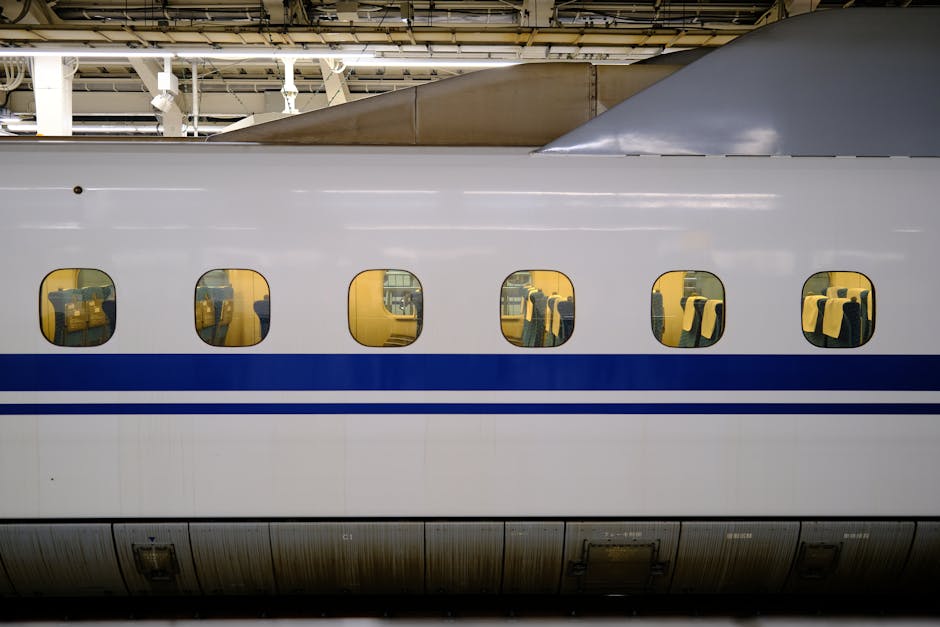
The Shinkansen from Tokyo to Osaka is the gold standard. It is what Japan is famous for — a 300 km/h train that departs from Tokyo Station, glides past Mt Fuji on a clear day, and pulls into Shin-Osaka Station about two hours later. No traffic, no security lines, no baggage restrictions. You show up at the station, board the train, and arrive in Osaka with time to spare for dinner in Dotonbori.
Three Types of Tokaido Shinkansen
All three train types run on the same Tokaido Shinkansen line between Tokyo and Shin-Osaka. The difference is how many stops they make.
| Train | Tokyo → Shin-Osaka Time | Stops | JR Pass Eligible? |
|---|---|---|---|
| Nozomi | 2 hrs 15 min | 3–4 stops (Shinagawa, Nagoya, Kyoto) | No |
| Hikari | 2 hrs 50 min | 6–8 stops | Yes |
| Kodama | 3 hrs 50 min | All 16 stops | Yes |
The Nozomi is the fastest and most frequent, with departures roughly every 10 minutes during peak hours. It is the one most travelers without a JR Pass should take. The Hikari is 35 minutes slower but covered by the Japan Rail Pass, making it the go-to for JR Pass holders. The Kodama stops at every station and is really only useful if you are getting off at a smaller intermediate stop.
How Much Does the Shinkansen Cost?
A one-way ticket on the Nozomi from Tokyo to Shin-Osaka costs approximately:
- Reserved seat (Ordinary car): ¥13,870 (~$92 USD)
- Unreserved seat (Ordinary car): ¥13,320 (~$88 USD)
- Green Car (First class, reserved): ¥19,040 (~$126 USD)
The price is the same for Nozomi, Hikari, and Kodama on reserved ordinary seats. Unreserved seats save you about ¥550, but the savings are minimal and you risk standing for over two hours during peak travel periods (Golden Week, Obon, year-end holidays).
Reserved vs Unreserved: Which Should You Choose?
For most travelers, reserved seats are worth the small premium. You get a guaranteed seat assignment, you can choose your preferred side of the train (the right side heading west offers the best Mt Fuji views on a clear day), and you avoid the stress of racing to queue for unreserved cars.
Unreserved seats make sense if you value flexibility — you can hop on any departure without worrying about a specific train time. Outside of holidays and Friday/Sunday evenings, unreserved cars on the Shinkansen rarely fill completely. Arrive 15 to 20 minutes before departure and you will almost certainly get a seat.
How to Buy Shinkansen Tickets
You have several options for purchasing your Tokyo to Osaka bullet train tickets:
- SmartEX App: The official English-language app from JR Central. You can book and pay with a foreign credit card, choose your seat, and use a QR code or linked IC card to pass through the gates. This is the most convenient option for foreign travelers without a JR Pass. Early-bird discounts of around ¥1,000 are occasionally available.
- JR ticket counters (Midori no Madoguchi): Available at Tokyo Station, Shinagawa, and other major stations. Staff speak enough English for basic transactions. You can pay with cash or credit card.
- Ticket machines: The green ticket vending machines at stations have English language support. They accept credit cards and cash.
- Japan Rail Pass: If you hold a JR Pass, you can reserve Hikari or Kodama seats at any JR ticket counter or through the JR Pass app at no extra cost.
What to Expect on Board
The Shinkansen experience itself is remarkable. Seats are wider than airplane seats, legroom is generous, every seat has a power outlet, and the ride is so smooth you can balance a coin on the armrest without it falling. There is no baggage check — you bring your suitcases onboard and store them in the overhead rack or in the large luggage areas near the doors (reservable for oversized bags on the Nozomi and Hikari since the reservation system was introduced).
A food cart passes through the train selling bento boxes, snacks, coffee, and beer. Many travelers buy an ekiben (train station bento) at Tokyo Station before boarding — the shops inside the ticket gates have dozens of varieties representing different regions of Japan, typically priced between ¥900 and ¥1,500.
Getting from Shin-Osaka to Central Osaka
The Shinkansen arrives at Shin-Osaka Station, which is not in the center of Osaka. Do not worry — it is a quick and easy connection. The Midosuji Subway Line runs directly from Shin-Osaka to Umeda (5 minutes), Namba (15 minutes), and Tennoji (20 minutes). A single subway ride costs ¥230 to ¥280. Alternatively, JR local trains connect Shin-Osaka to Osaka Station (JR Osaka, next to Umeda) in 4 minutes.
Planning your time in Osaka? Our Osaka 3-Day Itinerary covers everything from Dotonbori street food to Osaka Castle and hidden neighborhoods.
Option 2: Driving from Tokyo to Osaka (The Road Trip Route)
Driving from Tokyo to Osaka is not the fastest or cheapest option — but it might be the most memorable. The route takes you through some of Japan’s most dramatic scenery, including views of Mt Fuji, the mountain passes of Hakone, the historic city of Nagoya, and the shores of Lake Biwa. If you enjoy driving and want to see parts of Japan that train passengers miss entirely, a road trip between these two cities is genuinely worth considering.
Route Options
There are two main expressway routes from Tokyo to Osaka:
- Tomei Expressway / Shin-Tomei Expressway → Meishin Expressway: The standard route. Approximately 500 km, taking 5 to 6 hours without stops (longer with traffic). The Shin-Tomei section is modern, wide, and fast. This route passes near Mt Fuji and through Nagoya before reaching Osaka via Kyoto.
- Chuo Expressway → Meishin Expressway: A more scenic alternative through the mountains of central Japan. Takes 6 to 7 hours but passes through Suwa, Matsumoto, and the beautiful Kiso Valley. Better for travelers who want mountain scenery over coastal views.
Most first-time visitors should take the Tomei/Shin-Tomei route for the Mt Fuji views and the ability to stop at Hakone or Nagoya along the way. For a detailed breakdown of driving in Japan, including rules of the road, speed limits, and parking, see our complete Driving in Japan Guide.
How Much Does Driving Cost?
Japan’s expressways are toll roads, and the tolls are not cheap. Here is the full cost breakdown for the Tomei/Shin-Tomei route from Tokyo to Osaka:
| Cost Item | Approximate Cost |
|---|---|
| Expressway tolls (Tomei/Shin-Tomei + Meishin) | ¥10,500 – ¥12,000 |
| Gasoline (approx. 35-40 liters, compact car) | ¥5,500 – ¥7,000 |
| Rental car (if needed, per day) | ¥5,000 – ¥15,000 |
| Total (without rental) | ¥16,000 – ¥19,000 per car |
The key advantage of driving becomes clear with groups: split the cost between 3 or 4 passengers and it becomes competitive with the Shinkansen per person, while giving you the freedom to stop wherever you want.
For everything you need to know about toll roads, ETC cards (Japan’s electronic toll collection system), and expressway rest stops, check out our Japan Toll Road and ETC Card Guide.
Do You Need an International Driving Permit?
Yes. To drive in Japan as a tourist, you need a valid International Driving Permit (IDP) based on the 1949 Geneva Convention, along with your home country driving license. Permits from some countries (such as France, Germany, Switzerland, and others) may use a different process. Our complete Japan International Driving Permit Guide explains exactly what you need based on your nationality.
Renting a Car for the Drive
Standard rental car companies like Toyota Rent a Car, Nippon Rent-A-Car, Times Car Rental, and Budget offer reliable vehicles with English-language GPS navigation at locations throughout Tokyo. Most compact cars come with automatic transmission — manual transmission is rare in Japan unless you specifically request it.
If you want to make the Tokyo-to-Osaka drive truly unforgettable, consider renting a JDM (Japanese Domestic Market) sports car. Japan’s car culture is legendary, and driving a Nissan Skyline GT-R, Toyota Supra, or Mazda RX-7 through the mountains and along the expressway is an experience you simply cannot get anywhere else. Samurai Car Japan offers a curated selection of iconic JDM vehicles available for rental — perfect for turning the Tokyo-to-Osaka drive into the highlight of your entire trip. You can also browse options through our JDM Car Rental Japan guide for more details on what is available and how to book.
Driving Pros and Cons
Pros:
- Complete flexibility to stop at Mt Fuji, Hakone, Nagoya, and other attractions along the way
- Cost-effective for groups of 3 or more
- Access to places trains cannot reach (rural areas, remote onsen, scenic viewpoints)
- Carry as much luggage as you want without worrying about baggage restrictions
- Experience Japan’s highway rest areas (SA/PA), which are attractions in themselves with regional food, omiyage shops, and clean facilities
Cons:
- Longer travel time (5 to 6 hours minimum, longer with stops and traffic)
- Traffic congestion can be severe around Tokyo, Nagoya, and Osaka — especially during holidays and weekend afternoons
- Expressway tolls are expensive
- You need an IDP and must be comfortable driving on the left side of the road
- Parking in central Osaka is scarce and expensive (¥1,500 to ¥3,000 per day)
Option 3: Flying from Tokyo to Osaka
Flying between Tokyo and Osaka sounds like the fastest option — and in the air, it is. The flight itself takes only about 1 hour and 10 minutes. But once you factor in getting to the airport, check-in, security, boarding, landing, baggage claim, and getting from the airport to your destination, the total door-to-door time stretches to around 3 to 4 hours. That is barely faster than the Shinkansen, which runs city center to city center.
So why would anyone fly? Two reasons: budget airline prices (sometimes absurdly cheap if you book early) and connections to other destinations (if Osaka is just a layover).
Airlines and Routes
| Airline | Route | Price Range (one way) | Notes |
|---|---|---|---|
| ANA | Haneda → Itami | ¥10,000 – ¥25,000 | Full service, multiple daily flights |
| JAL | Haneda → Itami | ¥10,000 – ¥25,000 | Full service, frequent schedule |
| Peach Aviation | Narita → Kansai (KIX) | ¥5,000 – ¥12,000 | Budget carrier (ANA subsidiary), no frills |
| Jetstar Japan | Narita → Kansai (KIX) | ¥5,000 – ¥12,000 | Budget carrier (JAL subsidiary), basic fares |
Understanding the Airport Situation
Here is what the airlines do not emphasize in their ads: Tokyo and Osaka each have two airports, and the ones with the cheapest fares are the ones farthest from the city center.
Tokyo side:
- Haneda Airport (HND): 20 to 40 minutes from central Tokyo. ANA and JAL fly to Osaka Itami from here. Convenient but more expensive fares.
- Narita Airport (NRT): 60 to 90 minutes from central Tokyo. Budget carriers Peach and Jetstar operate from here. Cheaper fares but the commute to the airport eats into your savings.
Osaka side:
- Itami Airport (ITM): 30 minutes from central Osaka by monorail + subway. Domestic-only airport, used by ANA and JAL.
- Kansai International Airport (KIX): 50 to 75 minutes from central Osaka. Built on a man-made island in Osaka Bay. Budget carriers land here. The Nankai Rapi:t or JR Haruka Express connects KIX to central Osaka.
When Flying Makes Sense
Flying the Tokyo-Osaka route is worth it in these specific situations:
- You found a sale fare under ¥5,000 and you are already near Narita or Haneda.
- You are connecting to an international flight at Kansai Airport.
- You are using airline miles — domestic awards on ANA and JAL can be a great value.
- You are traveling during peak Shinkansen periods when all trains are sold out (extremely rare but possible during Golden Week and New Year).
For most travelers making a simple point-to-point trip between Tokyo and Osaka, the Shinkansen is superior to flying in nearly every way.
Option 4: Highway Bus (The Budget Option)
The highway bus between Tokyo and Osaka is the cheapest way to travel — and thanks to Japan’s remarkable highway bus industry, it is surprisingly comfortable compared to bus travel in most countries. The trade-off is time: you will spend 8 to 9 hours on the bus. But if you take an overnight bus, you sleep through the journey and save a night of hotel accommodation, effectively making it almost free.
Major Bus Companies
- Willer Express: The most popular option for foreign tourists thanks to a well-designed English website and multiple comfort classes. Seats range from standard (3-row reclining) to premium “Cocoon” seats with privacy shells. Departures from Shinjuku Expressway Bus Terminal (Busta Shinjuku) to various Osaka stations.
- JR Bus (JR Tokai Bus / JR West Bus): The “Dream” night bus service is a classic option. Departing from Tokyo Station, these buses are reliable and covered by some JR Pass types (though the most popular “Premium Dream” is not).
- Orion Bus / VIP Liner: Budget operators with competitive prices, often departing from various pickup points in Shinjuku, Shibuya, and Tokyo.
Cost and Comfort Levels
| Class | Price Range | What You Get |
|---|---|---|
| Standard (4-row) | ¥3,000 – ¥5,000 | Basic reclining seat, curtain, blanket. Like a regular bus but cleaner. |
| Comfort (3-row) | ¥4,500 – ¥7,000 | Wider seats, more recline, power outlets, privacy curtains. |
| Premium / Cocoon | ¥6,000 – ¥10,000 | Individual pods, near-flat recline, amenity kits. Almost like a capsule hotel on wheels. |
Prices fluctuate significantly by season and day of the week. Weekday departures are cheapest; Friday and Saturday night buses command premium prices. Booking 2 to 3 weeks in advance typically secures the best rates.
What to Know About Night Bus Travel
Japanese highway buses make 1 to 2 rest stops at service areas during the night, where you can use the restroom, stretch, and buy drinks or snacks from vending machines. Most buses have an onboard toilet as well. The buses are quiet — no phone calls, no talking after lights out. It is a surprisingly civilized experience.
That said, sleeping on a bus is not for everyone. Tall travelers (over 180 cm / 5’11”) may find even the 3-row seats cramped for sleeping. Light sleepers might struggle with highway noise and occasional stops. If you are a difficult sleeper, bring earplugs, a neck pillow, and an eye mask.
Which Option Is Best for You? Decision Matrix
The “best” way from Tokyo to Osaka depends entirely on your priorities. Use this decision matrix to find your answer quickly.
| Your Priority | Best Option | Why |
|---|---|---|
| Fastest travel time | Shinkansen (Nozomi) | 2 hrs 15 min, city center to city center, no check-in hassle |
| Lowest budget | Night bus | From ¥3,000 + saves a hotel night |
| Group of 3-4 people | Driving | Split tolls and gas = ~¥4,000-5,000 per person, with total freedom |
| Want to sightsee en route | Driving | Stop at Mt Fuji, Hakone, Nagoya, Lake Biwa at your own pace |
| Have a JR Pass | Shinkansen (Hikari) | Covered by the pass — effectively free for this leg |
| Maximum comfort | Shinkansen (Green Car) | First-class seats, quiet car, impeccable service |
| Lots of luggage | Driving or Shinkansen | No baggage limits in a car; Shinkansen has generous luggage space |
| Connecting to international flight | Flying (to Kansai Airport) | Skip the transfer from Osaka to KIX entirely |
| Traveling with children | Shinkansen | Kids love the bullet train, plenty of room, and it is over quickly |
| Car enthusiast / unique experience | Driving (JDM rental) | Drive a legendary Japanese sports car on expressways through incredible scenery |
For the vast majority of travelers, the answer is the Shinkansen. It is not the cheapest, but it delivers the best combination of speed, comfort, convenience, and reliability. The bus is the smart budget pick. Driving is the adventure pick. Flying is the niche pick that makes sense only in specific circumstances.
Stops Along the Way if Driving
One of the biggest advantages of driving from Tokyo to Osaka is the freedom to explore en route. The Tomei/Shin-Tomei corridor passes through — or near — some of Japan’s best destinations. Here are the stops worth building into your road trip.
1. Hakone (1 – 1.5 hours from Tokyo)
Hakone sits in the mountains just 80 km southwest of Tokyo and offers hot springs, volcanic scenery, Lake Ashi, and — on clear days — postcard views of Mt Fuji. It is one of the most popular day trips from Tokyo, and it falls directly on the way to Osaka.
Recommended stops: the Hakone Open-Air Museum, the Owakudani volcanic valley (boil an egg in the sulfurous steam), and a soak at one of the many hot spring facilities. You can spend anywhere from 2 hours to a full day here depending on your interest.
See our complete Hakone Driving Route for the best scenic roads and hot spring stops.
2. Mt Fuji Area (1.5 – 2 hours from Tokyo)
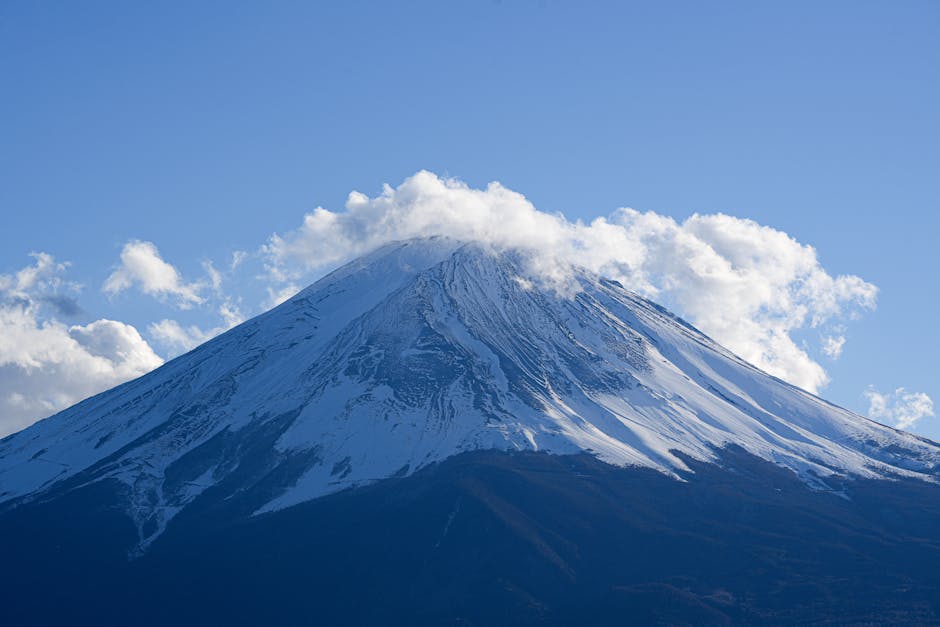
Detour slightly south of the Tomei Expressway to reach the Fuji Five Lakes area or drive up to the Mt Fuji 5th Station (2,300 meters elevation) for views above the clouds. The Subaru Line toll road takes you up the mountain from the north side — it is a dramatic drive with hairpin turns and steadily thinning vegetation.
If you do not want to drive up the mountain, Lake Kawaguchiko offers stunning views of Fuji across the water, along with museums, cafes, and onsen facilities. Budget 2 to 4 hours for the area depending on whether you drive up to the 5th Station.
Full route details in our Mt Fuji Driving Route Guide.
3. Nagoya (3 hours from Tokyo)
Japan’s fourth-largest city sits at the approximate midpoint of the Tokyo-to-Osaka drive. Most people blast through Nagoya on the Shinkansen without a second thought — which is a shame, because Nagoya has world-class food (miso katsu, hitsumabushi eel, Nagoya-style tebasaki chicken wings), the spectacular Nagoya Castle, the Toyota Commemorative Museum of Industry and Technology, and the retro shopping arcades of the Osu district.
A 2 to 3 hour stop in Nagoya for lunch and one attraction breaks up the drive perfectly. Find out if it deserves a longer visit in our guide: Is Nagoya Worth Visiting? 15 Reasons to Go.
4. Lake Biwa (4.5 hours from Tokyo, 1 hour from Osaka)
Japan’s largest freshwater lake sits just northeast of Kyoto. Lake Biwa is a local treasure that rarely appears on tourist itineraries despite its stunning scenery. The eastern shore offers lakeside driving, small fishing villages, and quiet temples without crowds. The Shirahige Shrine, with its floating torii gate in the lake, is particularly photogenic and far less crowded than Miyajima’s famous gate.
Lake Biwa makes an excellent final stop before arriving in Osaka — a peaceful contrast to the urban energy waiting for you.
Highway Rest Areas (SA/PA) — Worth a Stop
Japanese highway service areas are nothing like the rest stops you know from other countries. They are mini destinations with regional food courts, local specialty shops, clean facilities, and sometimes even onsen baths. Notable rest areas on the Tomei route include:
- Ebina SA: One of the busiest and best-stocked service areas, with excellent food options. Great for a breakfast stop if you departed Tokyo early.
- EXPASA Ashigara: Views toward Mt Fuji, local tea products (this is Shizuoka, Japan’s tea capital), and solid restaurant options.
- NEOPASA Hamamatsu: Famous for unagi (eel) offerings from nearby Hamamatsu, one of Japan’s eel capitals.
Practical Tips for Any Option
Luggage Forwarding (Takkyubin)
Regardless of how you travel, consider using Japan’s takkyubin luggage forwarding service. For about ¥2,000 to ¥3,000 per bag, companies like Yamato Transport (Kuroneko) and Sagawa Express will pick up your suitcases from your Tokyo hotel and deliver them to your Osaka hotel by the next day. This is especially useful if you are taking the night bus or want to explore freely en route.
Most hotel front desks can arrange takkyubin shipping for you — just ask the day before you travel. You will find the forms pre-printed at convenience stores (look for the black cat Kuroneko logo at 7-Eleven, Lawson, or FamilyMart).
IC Cards for City Transport
Once you arrive in Osaka, the city’s subway and train network is best navigated with an IC card (Suica, Pasmo, or ICOCA). Tap in, tap out, done. These cards also work in Tokyo, so if you already have one from your time in the capital, it works seamlessly across both cities. IC cards are available from vending machines at major stations with a ¥500 refundable deposit.
Timing Your Journey
The route between Tokyo and Osaka is busy year-round, but certain periods create peak demand across all transport types:
- Golden Week (late April – early May): The busiest travel week in Japan. Shinkansen sells out, highways are gridlocked, and bus prices surge.
- Obon (mid-August): Second busiest period. Heavy traffic, especially on expressways heading out of Tokyo.
- Year-end / New Year (late December – early January): Trains and buses fill up as millions travel to their hometowns.
- Friday evenings and Sunday evenings: Weekly spikes in demand for all transportation, especially Shinkansen unreserved cars.
During these periods, book everything in advance — Shinkansen reserved seats, bus tickets, flights, and rental cars.
Frequently Asked Questions
How long does it take to get from Tokyo to Osaka?
By Shinkansen (Nozomi): 2 hours 15 minutes. By Hikari: 2 hours 50 minutes. By car: 5 to 6 hours without stops. By plane: about 1 hour 10 minutes in the air, but 3 to 4 hours door to door. By highway bus: 8 to 9 hours.
What is the cheapest way to get from Tokyo to Osaka?
The highway bus is the cheapest option at ¥3,000 to ¥6,000 per person. Budget flights on Peach or Jetstar can occasionally match this price at ¥5,000 or less, but airport transport costs often push the total higher. If you have a JR Pass, the Shinkansen Hikari is effectively free (already included in your pass cost).
Is the JR Pass worth it just for Tokyo to Osaka?
For a single round trip, no. A round-trip Hikari ticket costs approximately ¥27,000, while a 7-day JR Pass costs ¥50,000. The pass only makes financial sense if you take additional trips (such as Tokyo to Osaka + day trips to Hiroshima, Kyoto, Nara, or other destinations). See our detailed Japan Rail Pass Guide for the full breakdown.
Can I take luggage on the Shinkansen?
Yes. There are no formal weight or size limits for personal luggage on the Shinkansen. Most travelers bring 1 to 2 suitcases and store them in the overhead rack (similar to an airplane) or the luggage storage areas near the doors. Since 2020, oversized baggage (items exceeding 160 cm in total dimensions) requires a free advance reservation for the last-row seats with dedicated storage space. Make this reservation when you book your ticket.
Which Shinkansen station is in Osaka?
Shin-Osaka Station is where the Tokaido Shinkansen terminates. It is not in the heart of Osaka, but it connects directly to central Osaka via the Midosuji Subway Line (Umeda in 5 minutes, Namba in 15 minutes) and JR lines (Osaka/Umeda Station in 4 minutes).
Can I stop in Kyoto on the way to Osaka?
Absolutely. Kyoto Station is the stop just before Shin-Osaka on the Tokaido Shinkansen — about 15 minutes before arrival. Many travelers spend a few days in Kyoto before continuing to Osaka by regular train (JR or Hankyu, about 15 to 30 minutes). If you have a JR Pass, you can break your journey at Kyoto at no additional cost.
Is it safe to drive in Japan?
Yes, Japan is one of the safest countries in the world for driving. Roads are well-maintained, drivers are disciplined, and signage on expressways includes English. The main adjustments for most foreign visitors are driving on the left side of the road and navigating toll gates. Our Driving in Japan Guide covers everything you need to know.
What is the best time to take the Shinkansen for Mt Fuji views?
Early morning departures (before 10:00 AM) on clear days give you the best chance. Sit on the right side of the train (seats D or E in the Nozomi) heading toward Osaka. Mt Fuji is visible for roughly 2 to 3 minutes between Shin-Yokohama and Shizuoka, appearing about 40 to 50 minutes after leaving Tokyo Station. Winter months (November through February) offer the clearest skies.
Should I book the Shinkansen in advance or buy at the station?
For reserved seats, booking in advance through the SmartEX app is the most convenient option and occasionally offers small discounts. That said, the Shinkansen runs so frequently between Tokyo and Osaka that walk-up purchases at the station are perfectly fine outside of peak holiday periods. Unreserved seats do not require advance booking — you simply buy a ticket and board the next available train.
Final Recommendation
For first-time visitors, the Shinkansen is the answer. It is fast, effortless, and the ride itself — watching Japan blur past your window at 300 km/h — is an experience that belongs on your trip highlights list. The fact that it is also the most practical option is just a bonus.
If you are traveling in a group of 3 or more, love cars, or want to see the countryside, driving transforms the journey into a destination. Stop at Hakone, gaze up at Fuji, eat eel in Nagoya, and arrive in Osaka with stories to tell.
If you are on a tight budget, the night bus is a smart play — you save money on transport and accommodation in one move.
And if you are connecting to an international flight, flying has its place.
However you choose to travel, the real adventure begins when you arrive. Check out our Tokyo 5-Day Itinerary if you are planning your time in the capital, and our Osaka 3-Day Itinerary for exactly what to do once you get there.
- Japan Rail Pass Guide: Is the JR Pass Worth It in 2026?
- Driving in Japan: Complete Guide for Foreign Visitors
- Japan Toll Road and ETC Card Guide
- Osaka 3-Day Itinerary for First-Timers
- Tokyo 5-Day Itinerary
- Hakone Driving Route: Hot Springs and Mt Fuji
- Mt Fuji Driving Route to the 5th Station
- JDM Car Rental Japan Guide
- Japan International Driving Permit Guide
- Is Nagoya Worth Visiting? 15 Reasons to Go