Travel Guide

Best Time to Visit Japan: A Complete Season-by-Season Guide (2026)

Best Time to Visit Japan: A Complete Season-by-Season Guide (2026)

Japan is a country that transforms with every season. Cherry blossoms blanket the country in soft pink during spring. Summer brings thundering fireworks festivals and lush green mountains. Autumn sets entire mountainsides on fire with red and gold foliage. Winter delivers powder snow, steaming hot springs, and glittering illuminations. Each season offers a completely different Japan — and that is exactly what makes planning your trip both exciting and slightly overwhelming.

So when is the best time to visit Japan? The short answer: March through May (spring) and October through November (autumn) are the best overall periods for most travelers. The weather is mild, the scenery is spectacular, and the cultural calendar is packed with festivals and events. But the longer answer depends entirely on what you want to do, where you want to go, and how much you want to spend.

This guide breaks down every season, every month, and every region so you can pick the perfect window for your trip. Whether you are chasing cherry blossoms in Kyoto, skiing fresh powder in Hokkaido, driving through the Japanese countryside, or simply looking for the cheapest flights, you will find your answer here.

🎯 Pro Tip: If this is your first trip to Japan and you have flexibility on dates, aim for the last week of March through mid-April (cherry blossom season) or late October through mid-November (peak fall foliage). These windows offer the best combination of weather, scenery, and cultural experiences.

TL;DR — Quick Answer by Month

Month Weather Highlights Crowds Cost Rating
January Cold, dry (2-7°C) New Year shrines, skiing, sales Low $ Good
February Cold, dry (2-8°C) Snow festivals, plum blossoms, best skiing Low $ Good
March Mild (7-14°C) Early cherry blossoms (south), warming up Medium $$ Great
April Warm (10-19°C) Peak cherry blossoms, perfect weather Very High $$$ Best
May Warm (15-23°C) Fresh green, wisteria, mild weather High (Golden Week) $$ ($$$GW) Great
June Warm, rainy (18-25°C) Rainy season, hydrangeas, fewer tourists Low $ OK
July Hot, humid (23-31°C) Fireworks festivals, Mt. Fuji climbing, Gion Matsuri Medium-High $$ OK
August Hot, humid (24-33°C) Obon, fireworks, Awa Odori, summer festivals High (Obon) $$$ OK
September Warm (20-28°C) Typhoon risk, end of summer heat, fewer crowds Low-Medium $$ OK
October Mild (14-22°C) Early fall foliage, comfortable weather Medium $$ Best
November Cool (8-17°C) Peak fall foliage, stunning scenery High $$ Best
December Cold, dry (3-10°C) Illuminations, onsen, year-end markets Medium (high at NY) $$ Great

Now let’s dig into what each season actually looks and feels like on the ground.

Spring in Japan (March – May): Cherry Blossoms and Perfect Weather

Spring is the most iconic season to visit Japan, and for good reason. The entire country celebrates the arrival of sakura (cherry blossoms), and the combination of mild temperatures, blue skies, and pink-petaled landscapes creates an atmosphere that feels almost impossibly beautiful. If you have ever seen a photo of Japan that made you stop scrolling and start searching for flights, there is a good chance it was taken during spring.

Cherry Blossom Season (Sakura)

The cherry blossom “front” sweeps across Japan from south to north between late March and mid-May. In practical terms, here is when peak bloom typically happens in the most popular cities:

  • Tokyo: Late March to early April
  • Kyoto: Late March to early April (usually a few days after Tokyo)
  • Osaka: Late March to early April
  • Hiroshima: Late March
  • Hokkaido (Sapporo): Early to mid-May

Full bloom lasts roughly one week in any given location, though the trees remain beautiful for about two weeks total — from the first opening buds to the dramatic petal-fall known as hanafubuki (cherry blossom blizzard). The exact timing shifts year to year depending on winter temperatures, so check the Japan Meteorological Corporation’s forecast starting in January for the most accurate predictions.

Hanami Culture

Hanami (flower viewing) is the Japanese tradition of gathering under cherry blossom trees with friends, family, and coworkers to eat, drink, and celebrate the arrival of spring. Parks across the country fill with blue tarps, bento boxes, sake, and laughter. The best hanami spots in Tokyo include Ueno Park, Shinjuku Gyoen, Chidorigafuchi, and Meguro River. In Kyoto, head to the Philosopher’s Path, Maruyama Park, or Arashiyama.

Hanami is not just a tourist activity — it is deeply embedded in Japanese culture. Joining in, even as a visitor, is one of the most authentic and memorable experiences you can have in Japan. Grab a convenience store bento and a can of beer, find a spot under the trees, and enjoy.

Spring Weather

March starts cool (7-14°C / 45-57°F) and gradually warms through April (10-19°C / 50-66°F) and May (15-23°C / 59-73°F). Rain is possible but not dominant — you will get more sunshine than showers. By late May, temperatures in southern Japan start climbing toward summer levels, but it remains comfortable in most areas.

Spring Crowds and Prices

Cherry blossom season is Japan’s peak tourist period, and it shows. Hotels in Kyoto and Tokyo book up months in advance and prices spike significantly, especially during the last week of March and first two weeks of April. Flights from the US, Europe, and Australia are at their most expensive.

If you want spring weather without peak cherry blossom crowds, consider visiting in mid- to late May. The blossoms are gone, but the fresh green leaves (shin-ryoku) are gorgeous, the weather is warm, and prices drop noticeably — except during Golden Week (more on that below).

⚠️ Important: Golden Week (April 29 – May 5) is a cluster of Japanese national holidays. Domestic travel explodes during this period — trains are packed, hotels are fully booked, and prices skyrocket. If your dates are flexible, avoid Golden Week entirely. It is one of the worst times to be a tourist in Japan.

Spring Festivals and Events

  • Takayama Spring Festival (April 14-15): One of Japan’s most beautiful festivals, featuring elaborate floats paraded through the streets of this mountain town in the Japanese Alps.
  • Shibazakura Festival, Fuji Five Lakes (April-May): A carpet of pink moss phlox spread across fields with Mount Fuji as the backdrop.
  • Wisteria at Ashikaga Flower Park (late April – mid-May): Cascading purple, white, and pink wisteria tunnels that look like something out of a fantasy film.
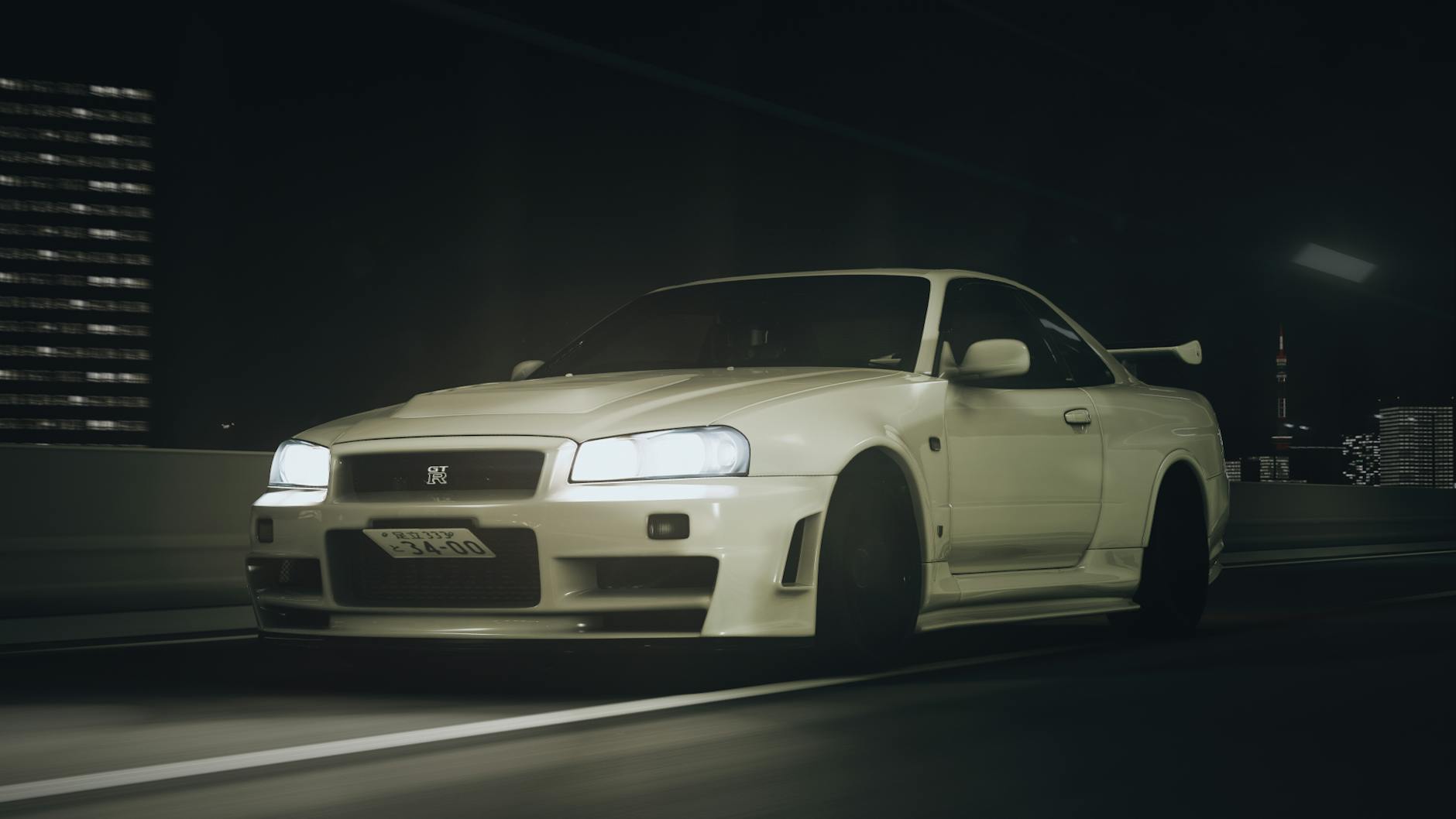
🎯 Pro Tip: Spring is one of the best times for a road trip in Japan. The weather is ideal, the scenery is unmatched, and the countryside is particularly beautiful. Rent a JDM car from Samurai Car Japan and drive through the cherry blossom-lined roads of the Japanese countryside — it is an experience you simply cannot get from a train window.

Summer in Japan (June – August): Heat, Festivals, and Hidden Gems

Summer is the least popular season for international visitors, and for understandable reasons: the heat and humidity in mainland Japan can be brutal. But summer also brings some of Japan’s most spectacular festivals, the Mt. Fuji climbing season, and genuinely low prices. If you can handle the heat — or head north to Hokkaido — summer has real rewards.

Rainy Season (Tsuyu): June to Mid-July

The tsuyu (rainy season) typically hits most of Japan from early June to mid-July. This is not a monsoon — it is more of a persistent drizzle mixed with humid, overcast days. Some days bring heavy downpours, but many are just grey and muggy. The rain moves from south to north: Okinawa’s rainy season starts in May and ends in late June, while Hokkaido largely skips the rainy season altogether.

Despite its reputation, June has some unique charms. Hydrangeas (ajisai) bloom in stunning blues, purples, and pinks across temple gardens, particularly in Kamakura and Kyoto. The crowds thin dramatically, and you will often have major attractions nearly to yourself. Hotel prices drop to their lowest levels of the year.

The Heat: July and August

Once the rainy season ends in mid-July, the real heat arrives. Daytime temperatures in Tokyo, Osaka, and Kyoto regularly hit 33-36°C (91-97°F) with humidity levels above 70%. It is genuinely oppressive. Sightseeing in Kyoto in August feels like walking through a steam room. Air-conditioned department stores, subway stations, and convenience stores become your best friends.

The Japanese have developed an entire culture around surviving summer heat. You will find kakigori (shaved ice) shops everywhere, handheld fans at every convenience store, and cooling towels at every outdoor event. Embrace these habits — they help.

Summer Festivals (Matsuri)

What summer lacks in comfort, it makes up for in spectacle. This is Japan’s festival season, and the energy is electric:

  • Gion Matsuri, Kyoto (July): One of Japan’s three greatest festivals, running the entire month of July with the main procession of massive floats on July 17 and 24.
  • Tenjin Matsuri, Osaka (July 24-25): Features a stunning river procession with illuminated boats and one of Osaka’s largest fireworks displays.
  • Sumida River Fireworks, Tokyo (late July): Nearly 20,000 fireworks launched over the Sumida River, with close to a million spectators.
  • Nebuta Matsuri, Aomori (August 2-7): Enormous illuminated paper floats depicting warriors and mythical figures are paraded through the streets.
  • Awa Odori, Tokushima (August 12-15): Japan’s largest dance festival, where organized dance troupes and spontaneous crowds fill the streets with hypnotic movement.
  • Obon (mid-August): The Buddhist festival honoring ancestors. Bon Odori dances take place across the country, and lanterns are floated on rivers and lakes.
🎯 Pro Tip: If you visit in summer, consider spending most of your time in Hokkaido. Summer temperatures in Sapporo average 20-26°C (68-79°F) — far more comfortable than the mainland. The lavender fields of Furano and Biei are in full bloom in July, and the region offers outstanding road trip opportunities through rolling farmland and coastal scenery.

Summer Pros and Cons

Pros: Lowest hotel prices (outside Obon), spectacular festivals, Mt. Fuji climbing season (July-September), beautiful Hokkaido, long daylight hours, Okinawa beach season.

Cons: Extreme heat and humidity on mainland, rainy season in June, typhoon risk starting in August, Obon period is expensive and crowded (August 10-17).

⚠️ Important: Obon week (approximately August 10-17) is the second-biggest domestic travel period in Japan after New Year. Transportation and accommodation prices surge, and everything from bullet trains to resort hotels books up far in advance. If you must travel during Obon, book at least three months ahead.

Autumn in Japan (September – November): Fall Foliage and Perfect Weather

If spring is Japan’s most famous season, autumn is its most rewarding. The crowds are slightly thinner than cherry blossom season (though November in Kyoto gives spring a run for its money), the weather is consistently excellent, and the fall foliage — known as koyo — is every bit as stunning as the cherry blossoms. Many repeat visitors to Japan consider autumn the true best time to visit.

September: Transition Month

September is the transition from summer to autumn. Early September still carries the heat and humidity of summer, but temperatures start dropping noticeably by mid-month. The main risk in September is typhoons — this is the peak of typhoon season. Most typhoons pass without major disruption, but they can occasionally cancel flights, stop trains, and close attractions for a day or two. If you travel in September, build flexibility into your itinerary.

On the positive side, September crowds are among the lowest of the year, prices are reasonable, and the light takes on that warm, golden quality that photographers love.

October: The Sweet Spot

October is arguably the single best month to visit Japan. The weather is warm but not hot (14-22°C / 57-72°F), the skies are clear, typhoon risk drops significantly, and early fall colors start appearing in the mountains and northern regions. If you plan a Tokyo itinerary for October, you will enjoy comfortable walking weather, shorter lines at attractions, and moderate prices.

In northern Japan and mountain areas, the fall foliage peaks in October. The Japanese Alps, Nikko, Tohoku, and Hokkaido are ablaze with reds, oranges, and golds against a backdrop of ancient temples and pristine lakes.

November: Peak Koyo

November brings peak fall foliage to Kyoto, Tokyo, and most of central and southern Japan. The iconic images of crimson maple leaves framing golden temples are almost exclusively November shots. This is when Kyoto’s most famous koyo spots — Tofuku-ji, Eikan-do, Kiyomizu-dera, and Arashiyama — light up in breathtaking color.

The weather remains comfortable: crisp mornings, sunny afternoons, and cool evenings perfect for walking. Layers are your friend — a light jacket over a t-shirt works for most of the month.

Kyoto in November is genuinely crowded, particularly on weekends at popular temples. But the crowds are manageable if you visit early in the morning (arrive when temples open at 8:30 or 9:00 AM) or late in the afternoon. Many temples offer special nighttime illumination events (light-up) where the foliage is lit dramatically — these evening sessions are stunning and offer a different experience from daytime visits.

Best Autumn Foliage Spots

  • Kyoto: Tofuku-ji, Eikan-do, Arashiyama, Kiyomizu-dera, Kitano Tenmangu (peak: mid- to late November)
  • Tokyo: Rikugien, Meiji Jingu Gaien, Shinjuku Gyoen, Koishikawa Korakuen (peak: late November to early December)
  • Nikko: Irohazaka curves, Lake Chuzenji, Toshogu Shrine area (peak: mid- to late October)
  • Hakone: Lake Ashi, Sengokuhara pampas grass, Hakone Shrine (peak: early to mid-November)
  • Japanese Alps: Kamikochi, Tateyama Kurobe Alpine Route (peak: October)
  • Hokkaido: Daisetsuzan, Jozankei, Onuma Park (peak: late September to mid-October)
🎯 Pro Tip: Autumn is the ultimate season for driving in Japan. The mountain roads through Nikko, Hakone, and the Japanese Alps are jaw-droppingly beautiful when lined with fall colors. Rent a Japanese sports car from Samurai Car Japan and drive the Irohazaka curves in Nikko or the winding roads around Lake Ashi in Hakone — these are some of the most scenic drives in the world during peak koyo season.

Autumn Festivals and Events

  • Jidai Matsuri, Kyoto (October 22): A grand historical procession featuring costumes from every era of Kyoto’s 1,200-year history.
  • Takayama Autumn Festival (October 9-10): The fall counterpart to the spring festival, with ornate floats and puppet performances.
  • Shichi-Go-San (November 15): Families dress children aged 3, 5, and 7 in traditional kimono and visit shrines — a beautiful sight at any shrine in the country.
  • Autumn illuminations: Many temples and gardens in Kyoto offer special evening light-up events throughout November.

Winter in Japan (December – February): Snow, Onsen, and Serenity

Winter is Japan’s underrated season. The crowds drop, the prices fall (except around New Year), and the country takes on a quiet, atmospheric beauty that the other seasons cannot match. If you love skiing, hot springs, winter illuminations, or simply prefer exploring without fighting through crowds of tourists, winter deserves serious consideration.

December: Illuminations and Year-End Atmosphere

December in Japan is magical in a different way from cherry blossom season. Cities across the country put on spectacular winter illumination displays — millions of LED lights transforming parks, streets, and buildings into glowing wonderlands. Tokyo’s top illuminations include Roppongi Hills, Marunouchi, Caretta Shiodome, and Omotesando. Kobe’s Luminarie and Osaka’s Midosuji are equally impressive.

The weather is cold but manageable: Tokyo averages 3-10°C (37-50°F) in December, with clear skies and low humidity. It rarely snows in Tokyo proper. Kyoto is slightly colder, and the occasional dusting of snow on temple roofs creates scenes of extraordinary beauty.

Early to mid-December is a sweet spot — illuminations are in full swing, crowds are moderate, and prices are reasonable. The atmosphere turns festive as Japan approaches its year-end holiday period.

January – February: Deep Winter

January and February are the coldest months, but they bring unique experiences you cannot find at any other time of year:

  • Skiing and snowboarding: Japan is home to some of the best powder snow on Earth. Niseko, Hakuba, Nozawa Onsen, Myoko Kogen, and Furano receive massive amounts of light, dry Japow (Japanese powder) that attracts skiers from around the world.
  • Sapporo Snow Festival (early February): Enormous ice and snow sculptures, some as tall as five-story buildings, fill Odori Park and the Susukino entertainment district. It is one of Japan’s most spectacular annual events.
  • Onsen (hot springs): There is no better time for onsen than winter. Soaking in a steaming outdoor rotenburo surrounded by snow is an essential Japanese experience. Ginzan Onsen in Yamagata — a tiny hot spring town with wooden ryokan lining a snowy river — looks like it was pulled directly from a Ghibli film.
  • Yokote Kamakura Festival (February): Hundreds of snow dome shelters (kamakura) are built throughout the city and lit with candles, creating a surreal, glowing landscape.

Winter Weather by Region

Japan’s winter weather varies dramatically by region:

  • Tokyo/Kanto: Cold and dry, 2-10°C (36-50°F). Rare snowfall. Clear skies and excellent Mount Fuji visibility.
  • Kyoto/Osaka (Kansai): Cold, 1-9°C (34-48°F). Occasionally snowy. Beautiful on clear days.
  • Hokkaido: Serious winter. -7 to 0°C (19-32°F). Heavy snowfall, especially on the Sea of Japan side. Pack serious winter gear.
  • Japan Sea coast (Niigata, Akita, Yamagata): Heavy snowfall, cold temperatures. Home to Japan’s famous snow country and many ski resorts.
  • Okinawa: Mild, 15-20°C (59-68°F). Not beach weather but pleasant for sightseeing. The only region where you can escape winter entirely.
🎯 Pro Tip: Winter is the best season for clear views of Mount Fuji from Tokyo and surrounding areas. The dry winter air means less haze, and the snow-capped peak against crisp blue skies creates the iconic postcard image. Day trips from Tokyo to Hakone or Kawaguchiko offer the best Fuji viewing conditions of the year from December through February.

Winter Pros and Cons

Pros: Lowest tourist crowds (outside New Year), cheapest flights and hotels, world-class skiing, onsen at their best, stunning illuminations, clear Mount Fuji views, snow festival season.

Cons: Cold temperatures (dress in layers), shorter daylight hours, some rural attractions closed or limited access, New Year period (December 28 – January 4) is expensive and many businesses close.

⚠️ Important: New Year (December 28 – January 4) is the biggest holiday period in Japan. Japanese families travel to hometowns, transportation is packed, and many restaurants and shops close from December 31 through January 3. Hotels in popular areas are fully booked and expensive. However, visiting a shrine for hatsumode (first shrine visit of the year) on January 1-3 is an incredible cultural experience, with millions of people lining up to pray for a good year. Plan carefully if you visit during this period.

Month-by-Month Breakdown: Detailed Guide

January

The year begins quietly after the New Year rush fades. Mid- to late January is one of the emptiest periods at Japan’s major attractions. Skiing is in full swing, and the fukubukuro (lucky bags) sales at department stores and shops are a uniquely Japanese shopping experience. Plum blossoms (ume) begin blooming in warmer parts of southern Japan by late January.

February

Still cold but increasingly exciting. The Sapporo Snow Festival in early February draws visitors from around the world. Plum blossom season reaches central Japan, with beautiful displays at Kairakuen (Mito), Kitano Tenmangu (Kyoto), and Koishikawa Korakuen (Tokyo). Ski conditions are at their peak. Hotel prices remain at their lowest.

March

The anticipation builds. Early cherry blossoms appear in southern Kyushu and Shikoku. The weather warms noticeably, and the entire country watches the sakura forecast like a weather event. By late March, Tokyo and Kyoto are approaching bloom. This is an excellent time to visit — the weather is pleasant, prices are lower than April, and you might catch early blossoms.

April

Peak cherry blossom month. The most popular (and most expensive) time to visit Japan. Everything about Japan feels heightened — the beauty, the crowds, the energy. If you have the budget and have booked well in advance, April in Japan is genuinely unforgettable. Plan your Tokyo itinerary around the sakura for maximum impact.

May

Post-blossom calm (after Golden Week ends on May 5). Fresh green landscapes, comfortable temperatures, and a relaxed atmosphere. Wisteria and azaleas bloom beautifully. Late May cherry blossoms in Hokkaido for those who missed the mainland season. An underrated month that deserves more attention.

June

Rainy season arrives. Bring an umbrella and waterproof shoes. Crowds are thin and prices are low. Hydrangeas are gorgeous. The rain adds atmosphere to temple visits — wet stone paths and misty gardens have their own beauty. Hokkaido skips the rainy season and is pleasant.

July

The rainy season ends and summer heat takes over. Festival season kicks off with Gion Matsuri in Kyoto. Mt. Fuji climbing season opens. Fireworks festivals (hanabi taikai) light up the skies across the country almost every weekend. Hokkaido’s lavender fields peak.

August

The hottest month. Obon in mid-August brings domestic travel chaos. Major festivals continue — Nebuta, Awa Odori, more fireworks. Okinawa beach season is in full swing. Best month for Hokkaido if you want to avoid mainland heat.

September

Summer heat lingers in early September but fades by month’s end. Typhoon risk is highest this month. Crowds are low, prices are moderate. Early fall colors appear in Hokkaido and mountain areas. A good value month if you can tolerate weather uncertainty.

October

Arguably the best overall month. Comfortable weather across the country, beautiful early foliage in mountains and northern regions, reasonable prices, and manageable crowds. Perfect for both cities and countryside exploration.

November

Peak fall foliage in Kyoto, Tokyo, and central Japan. Temperatures are cool and pleasant. Kyoto gets crowded at famous koyo spots but the beauty is undeniable. Temple illumination events run throughout the month. Osaka is a great autumn base — excellent food, good foliage nearby, and fewer crowds than Kyoto.

December

Winter illuminations begin. Early December is excellent — festive atmosphere, moderate crowds, cool but comfortable weather. Late December gets expensive and hectic as New Year approaches. Christmas Eve is celebrated as a romantic holiday in Japan (think fancy dinners and illuminated dates).

Best Time for Specific Activities

Cherry Blossom Viewing

Best time: Late March to mid-April (Tokyo/Kyoto/Osaka), early May (Hokkaido)

Cherry blossom season is all about timing. Full bloom lasts roughly one week per location, and the exact dates vary by year. Book flights three to six months in advance and keep your itinerary flexible enough to chase the blooms if timing shifts slightly.

Fall Foliage (Koyo)

Best time: Late October to early December (varies by location)

Unlike cherry blossoms, fall foliage has a longer viewing window — leaves change gradually over several weeks. Start in Hokkaido and the mountains (late September–October) and follow the colors south to Kyoto and Tokyo (November–early December).

Skiing and Snowboarding

Best time: Mid-January to late February

Japan’s ski season runs from December to April, but the best powder conditions are typically from mid-January through February. Niseko (Hokkaido), Hakuba (Nagano), Nozawa Onsen (Nagano), and Myoko Kogen (Niigata) are the top resorts. Hokkaido resorts offer the lightest, driest powder.

Hiking

Best time: May to June (pre-rainy season) and September to November

Japan’s hiking ranges from casual temple trails to serious mountain trekking. The Kumano Kodo pilgrimage trails, Kamikochi in the Japanese Alps, and the Nakasendo trail between Tokyo and Kyoto are all best in spring or autumn. Mt. Fuji’s official climbing season is July to September.

Driving and Road Trips

Best time: April to May and October to November

The best driving conditions in Japan come with mild spring and autumn weather. Scenic routes like the Shimanami Kaido, Hokkaido’s coastal roads, and the mountain passes of the Japanese Alps are at their most spectacular during these seasons. The Hokkaido road trip is also fantastic in summer (July-August) when the weather is pleasant and lavender fields are blooming. Check samuraicarjapanjdm.jp for JDM rental options if you want to drive a Japanese sports car through these iconic routes.

Festivals

Best time: July to August (summer festival season) or throughout the year for specific events

Every month has notable festivals, but summer is the undisputed festival season. If you want to experience matsuri culture at its peak, plan around Gion Matsuri (July), Tenjin Matsuri (July), Nebuta Matsuri (August), or Awa Odori (August).

Budget Travel

Best time: January to mid-March, June, and September

These shoulder and off-peak periods offer the lowest prices on flights, hotels, and activities. January-February and June are particularly affordable, with hotel rates in Tokyo dropping 30-50% compared to cherry blossom season.

Best Time to Visit by Region

Tokyo

Best months: March-May, October-December

Tokyo is a year-round destination, but it is most pleasant in spring and autumn. Summer heat in Tokyo is punishing — the urban heat island effect makes it worse than rural areas. Winter is cold but clear, with excellent views of Mt. Fuji from the city on crisp days. See our Tokyo 5-Day Itinerary for a complete planning guide.

Kyoto

Best months: March-April, November

Kyoto’s two peak seasons — cherry blossoms and fall foliage — are its main draws, and they live up to the hype. Summer in Kyoto is notoriously hot and humid (the city sits in a basin that traps heat). Winter is quieter and beautiful, especially if you catch a rare snowfall on the temples.

Osaka

Best months: March-May, October-November

Osaka shares Kyoto’s climate but with a more urban, food-focused appeal. It is an excellent base for day trips to Kyoto, Nara, and Kobe during any season. Spring and autumn offer the best weather for exploring Osaka’s street food scenes and cultural sites. Summer nights in Dotonbori have a unique energy, despite the heat.

Hokkaido

Best months: July-August (summer), January-February (winter)

Hokkaido operates on a different seasonal calendar than mainland Japan. Summer (July-August) is the best time for most visitors — pleasant temperatures, lavender fields, stunning natural scenery, and none of the mainland’s oppressive humidity. Winter (January-February) is for skiing, the Sapporo Snow Festival, and onsen experiences. Spring arrives late (May) and autumn peaks early (September-October). See our Hokkaido Road Trip Guide for detailed itineraries.

Okinawa

Best months: March-May (before rainy season), October-November

Okinawa’s subtropical climate makes it a different beast from mainland Japan. The rainy season hits in May-June, and typhoon season runs from July through October. The best beach weather is June through September (outside typhoon events), but the most reliable and pleasant conditions are in March-May and October-November. Water temperatures stay warm enough for swimming through November.

Japanese Holidays to Know About (And When to Avoid)

Japan has several major holiday periods that significantly impact travel. During these times, domestic tourists flood transportation and accommodation, prices spike, and popular attractions become extremely crowded. As a foreign visitor, you need to know these dates and plan accordingly.

Golden Week (April 29 – May 5)

Japan’s longest holiday cluster. Four national holidays fall within this week, and many Japanese take the full week off. Impact: Bullet trains sell out days in advance, domestic flights are packed, hotel prices double or triple, and popular tourist areas — especially Kyoto, Okinawa, and Hokkaido — are overwhelmed. If possible, avoid Japan entirely during Golden Week.

Obon (Approximately August 10 – 17)

The Buddhist festival honoring deceased ancestors. Many Japanese return to their family hometowns for the week. Impact: Similar to Golden Week — packed transportation, high prices, and reduced availability. However, Obon also features beautiful festivals and traditions worth experiencing if you plan carefully and book far in advance.

New Year (Shogatsu, December 28 – January 4)

The most important holiday in Japan. Most businesses close for three to five days. Impact: Trains are packed with families, hotels in popular areas sell out, and many restaurants and shops are closed December 31 through January 2-3. On the positive side, hatsumode (first shrine visit) is a wonderful cultural experience, and department stores hold massive New Year sales starting January 2.

Silver Week (mid-September)

When national holidays in September align favorably, a five-day weekend forms. This does not happen every year, but when it does, it causes a mini Golden Week effect. Check the calendar for your travel year.

Other Notable Holidays

  • Coming of Age Day (second Monday of January): Young adults in kimono visit shrines. Beautiful to observe.
  • Marine Day (third Monday of July): Start of summer holiday period for many families.
  • Mountain Day (August 11): Part of the Obon cluster, encourages people to head outdoors.
  • Sports Day (second Monday of October): Creates a three-day weekend, moderate impact.
🎯 Pro Tip: If your travel dates overlap with a Japanese holiday, book bullet train tickets as early as possible (reservations open one month in advance) and secure hotel rooms at least two to three months ahead. Consider visiting less popular areas during holiday periods — smaller cities and rural regions are far less affected than Tokyo, Kyoto, and Osaka.

Budget Tips by Season

When you visit Japan has a significant impact on your budget. Here is how to maximize your yen in every season.

Cheapest Time to Visit Japan

The most affordable periods are mid-January through February and June. During these months:

  • Flights from the US and Europe drop 25-40% compared to peak seasons
  • Hotels in Tokyo and Kyoto are 30-50% cheaper
  • Major attractions have shorter lines (saving time, which equals money)
  • You can snag last-minute bookings at popular ryokan that would require months of advance planning in spring or autumn

Most Expensive Time to Visit Japan

The priciest periods are late March through mid-April (cherry blossoms), Golden Week (April 29 – May 5), Obon (mid-August), and New Year (late December – early January). During these times, budget travelers should:

  • Book flights six months or more in advance
  • Consider alternative airports (Haneda vs. Narita, Kansai vs. Itami)
  • Stay in business hotels, hostels, or capsule hotels rather than traditional ryokan
  • Look at secondary cities — stay in Osaka instead of Kyoto during cherry blossom season (30 minutes by train, significantly cheaper hotels)
  • Use a Japan Rail Pass for long-distance travel

Season-by-Season Budget Breakdown

Season Avg. Flight (US) Tokyo Hotel/Night Ryokan/Night Overall
Spring (peak) $900-1,400 $150-350 $250-600 Expensive
Summer $700-1,000 $80-200 $150-400 Affordable
Autumn $800-1,200 $120-300 $200-500 Moderate-High
Winter $600-900 $70-180 $150-400 Cheapest

Note: Prices are approximate ranges for 2026 and will vary based on booking timing, accommodation class, and specific dates. Prices rise significantly during holiday periods within any season.

Money-Saving Tips for Any Season

  • Eat at convenience stores: Japanese konbini (7-Eleven, Lawson, FamilyMart) food is shockingly good. Onigiri, bento boxes, and sandwiches cost a fraction of restaurant prices and are genuinely delicious.
  • Use the Japan Rail Pass strategically: A 7-day JR Pass costs about the same as two round-trip Shinkansen tickets between Tokyo and Kyoto. If you are making multiple long-distance trips, it pays for itself quickly.
  • Try capsule hotels: Modern capsule hotels in Tokyo and Osaka are clean, comfortable, and start around $30-40 per night.
  • Drink from vending machines: Hot and cold drinks for 100-160 yen ($0.70-1.10) are everywhere. No need to buy overpriced cafe drinks.
  • Visit free attractions: Many of Tokyo’s best experiences — Meiji Shrine, Senso-ji, Tsukiji Outer Market, Shibuya Crossing, Harajuku, certain day trip destinations — are completely free.

Frequently Asked Questions

What is the absolute best month to visit Japan?

October. The weather is consistently excellent across the entire country — warm days, cool nights, low humidity, and minimal rain. Early fall colors are appearing in the mountains, crowds are moderate, and prices are reasonable. It lacks the single spectacular event of cherry blossom season, but it delivers the most reliable day-after-day pleasant travel conditions of any month.

Is Japan worth visiting in the rain (June)?

Yes, absolutely. June’s rainy season is not a washout — it is more like intermittent drizzle with some genuine rainy days mixed in. The upside is enormous: rock-bottom prices, virtually no crowds, beautiful hydrangeas, and a moody, atmospheric quality to temple visits that is genuinely appealing. Pack a good umbrella and waterproof shoes, and you will be rewarded with a Japan that few tourists experience.

When is the cheapest time to fly to Japan?

January (after New Year) and June typically offer the lowest international airfares. Mid-week flights (Tuesday and Wednesday departures) are generally cheaper than weekend flights. Booking three to five months in advance usually secures the best prices.

How far in advance should I book for cherry blossom season?

Book flights at least four to six months in advance. Hotels in Kyoto should be booked six months or more ahead for the late March to mid-April period. Popular ryokan can sell out a year in advance. The earlier you book, the better your options and prices.

Can I see both cherry blossoms and fall foliage in one trip?

Not really. Cherry blossoms peak from late March to mid-April, while fall foliage peaks from late October to early December. These seasons do not overlap in any region. You would need two separate trips.

Is Golden Week really that bad?

For tourists, yes. It is not dangerous or unpleasant, but it is significantly more expensive, more crowded, and harder to navigate than normal periods. Bullet trains sell out, highways are congested, and hotel prices spike. If Golden Week is your only option, book everything far in advance and focus on less popular destinations. Urban areas like Tokyo are actually less crowded during Golden Week since many Tokyo residents leave the city.

When is the best time to visit Japan for food?

Japan offers incredible food year-round, but certain seasons bring specific culinary highlights. Winter (December-February) is prime season for hot pot (nabe), fresh crab, fugu (pufferfish), and hearty ramen. Spring brings sakura-flavored sweets and fresh bamboo shoots. Summer features cold noodles (somen, zaru soba), shaved ice, and grilled eel (unagi). Autumn delivers matsutake mushrooms, new rice (shinmai), and seasonal fruits like persimmons and Japanese pears.

What should I pack for each season?

  • Spring: Layers — light jacket, sweater, t-shirts. Light rain gear.
  • Summer: Light, breathable clothing. Sunscreen, hat, umbrella (for rain and sun). Portable fan.
  • Autumn: Similar to spring — layers with a medium-weight jacket for November.
  • Winter: Warm coat, scarf, gloves, thermal underlayers. Heavier gear if visiting Hokkaido or skiing.

Is Japan safe to visit during typhoon season?

Japan is well-prepared for typhoons, and they rarely pose safety risks to tourists. Most typhoons pass through quickly (one to two days), and Japan’s transportation and emergency systems are world-class. The main inconvenience is travel disruption — flights may be cancelled and trains suspended temporarily. If you travel during typhoon season (August-October), have travel insurance and keep one or two flexible days in your itinerary.

When should I visit if I want to avoid crowds entirely?

Mid-January through February and mid-June through early July are the quietest periods at most major attractions. You will still encounter other tourists at iconic sites like Fushimi Inari and Senso-ji, but the difference compared to cherry blossom season or fall foliage is dramatic. Early morning visits (before 9:00 AM) at any time of year also help significantly.

Final Verdict: When Should You Visit Japan?

There is no wrong time to visit Japan — every season delivers unique experiences that you cannot find anywhere else in the world. But here is the honest summary:

  • Best overall experience: October or April
  • Best weather: October-November or late April-May
  • Best for first-timers: April (cherry blossoms) or November (fall foliage)
  • Best for budget travelers: January-February or June
  • Best for adventure seekers: July-August (festivals, hiking, Hokkaido) or January-February (skiing, snow festivals)
  • Best for photographers: Late March-April or November
  • Best for driving: May or October-November (check JDM car rental options for the ultimate Japanese driving experience)
  • Avoid if possible: Golden Week (April 29 – May 5), Obon (mid-August), New Year (December 28 – January 4) — unless you specifically want those cultural experiences and have booked well in advance

The best advice is simple: pick the season that matches what you care about most, book early, and go. Japan will not disappoint you regardless of when you arrive.

-Travel Guide