Kanto Travel Guide

Tokyo Go-Kart Experience: The Real-Life Mario Kart Guide (2026)

Tokyo Go-Kart Experience: The Real-Life Mario Kart Guide (2026)

Picture this: you’re sitting inches from the asphalt in a tiny go-kart, dressed head-to-toe as Mario, weaving through the neon-lit streets of Shibuya while tourists on the sidewalk point and wave. Behind you, your friends — Luigi, Princess Peach, and Pikachu — are laughing so hard they can barely steer. The iconic Shibuya Crossing towers above you, Tokyo Tower glows orange in the distance, and somehow, impossibly, this is all completely legal.

Welcome to the Tokyo go-kart experience — widely known as “Mario Kart Tokyo” or “real-life Mario Kart” — one of the most viral, bucket-list-worthy activities in Japan. Since exploding on social media around 2015, street go-karting in Tokyo has become one of the city’s most sought-after tourist experiences, drawing hundreds of thousands of visitors who want to see the capital from an entirely different perspective: about six inches off the ground, in costume, on actual public roads.

This guide covers everything you need to know before you book — from licensing requirements and costs to route breakdowns, safety tips, and what to do after the ride if you’re craving an even bigger driving thrill in Tokyo.

What Exactly Is the Tokyo Go-Kart Experience?

The concept is surprisingly simple. Operators rent out small, street-legal go-karts that you drive on real Tokyo public roads, following a lead guide through some of the city’s most famous neighborhoods. You wear costumes — think Mario, Luigi, Yoshi, Pikachu, Spider-Man, or whatever character suits your mood — and you cruise through places like Shibuya, Roppongi, Aoyama, and past Tokyo Tower at speeds of around 30-60 km/h, right alongside regular cars, buses, and taxis.

The karts themselves are small, open-air vehicles with no roof and no doors. They sit extremely low to the ground, which makes even moderate speeds feel exhilarating. Each kart has a small gasoline engine (typically 50cc-125cc), headlights, turn signals, mirrors, and a seatbelt — everything required to be classified as a road-legal vehicle under Japanese traffic law.

The Nintendo Lawsuit: Why It’s No Longer Called “MariCar”

For years, the most famous operator marketed itself as “MariCar” — an obvious play on Mario Kart — and rented out Nintendo character costumes to riders. In 2017, Nintendo filed a lawsuit alleging trademark infringement and unfair competition. After a lengthy legal battle that went through multiple appeals, Japanese courts sided with Nintendo, awarding damages and ordering the operator to stop using Nintendo-related branding and costumes.

As a result, today’s operators have rebranded. The most well-known company now operates under names like “Street Kart” or “Tokyo Kart.” You can still wear costumes, but officially licensed Nintendo character outfits are no longer provided by the operators. Many riders bring their own costumes, and operators offer generic superhero, anime, or animal outfits instead. Despite the rebranding, the experience itself is virtually unchanged, and most people still refer to it as the “Mario Kart experience” or “real-life Mario Kart.”

⚠️ Important: If you want to wear a specific costume, check with your operator in advance about what they provide. Many visitors buy their own Mario or Luigi costumes from Don Quijote (the famous discount store) before their ride — there’s a huge branch right in Shibuya.

Where to Book: Shibuya Is the Go-Kart Capital

While go-kart operators exist in several Tokyo neighborhoods (and even in Osaka and Okinawa), Shibuya is by far the most popular starting point. The concentration of famous landmarks, photogenic streets, and vibrant energy makes it the ideal launch pad for a Tokyo go-kart tour.

Most Shibuya-based operators are located within a 5-10 minute walk of Shibuya Station, typically in the backstreet areas south or west of the main crossing. When you book, you’ll receive the exact address and meeting point by email.

How to Book

  • Online booking platforms: Klook, Viator, GetYourGuide, and Veltra all list Tokyo go-kart experiences. These platforms often offer competitive prices and the convenience of English-language booking with free cancellation.
  • Direct from operators: Companies like Street Kart and Tokyo Kart have their own English-language websites where you can book directly. This sometimes gets you a slightly lower price.
  • Hotel concierge: Most major hotels in Tokyo can arrange a booking for you, though you may pay a small premium.
🎯 Pro Tip: Book at least 3-5 days in advance, especially for weekend and evening time slots. The sunset and night courses are the most popular and sell out fastest. During peak tourist seasons (cherry blossom in late March/April, autumn foliage in November), book a week or more ahead.

Routes and What You’ll See

Operators typically offer several route options ranging from one to three hours. Here are the most common courses available from Shibuya-based operators:

Shibuya Highlights Course (1 hour)

The starter course and the most popular option. You’ll cruise through central Shibuya, pass by Omotesando and the upscale Aoyama district, loop around Meiji Jingu-mae (Harajuku area), and return via some of Shibuya’s busiest streets. This route gives you the classic Tokyo street-level experience with plenty of pedestrians waving and snapping photos of you.

Tokyo Tower and Roppongi Course (1.5–2 hours)

This extended route takes you from Shibuya through Roppongi, past the Roppongi Hills complex, and right up to the base of Tokyo Tower. Driving past Tokyo Tower in a go-kart while dressed as a video game character is one of those surreal, only-in-Japan moments that makes the whole trip worth it. The return route typically winds through Azabu-Juban, one of Tokyo’s most charming neighborhoods.

Rainbow Bridge and Odaiba Course (2–3 hours)

The ultimate route for those who want the full experience. After passing Tokyo Tower, you’ll cross the iconic Rainbow Bridge — yes, in a go-kart — and arrive in Odaiba, the futuristic waterfront district with views of the Tokyo skyline across the bay. The return trip often takes a different route, looping through Ginza and back to Shibuya. This course is physically more demanding (your body will feel the vibrations after two-plus hours), but the variety of scenery is unmatched.

Night Courses

Several operators offer evening and night departures, and if you can only do one course, make it the night ride. Tokyo’s streets transform after dark — the neon signs of Shibuya, the illuminated Tokyo Tower, the glow of Rainbow Bridge reflecting on the water — it’s an entirely different experience from a daytime run. The reduced traffic in the evening hours also makes for a smoother, more enjoyable ride.

Requirements: What You Need Before You Go

International Driving Permit (IDP)

This is the single most important requirement, and the one that catches some visitors off guard. To drive a go-kart on Japanese public roads, you must have a valid International Driving Permit based on the 1949 Geneva Convention on Road Traffic. You also need to carry your original domestic driver’s license alongside the IDP.

Countries whose IDPs are accepted in Japan include the United States, United Kingdom, Canada, Australia, France, Germany, and most other Geneva Convention signatory nations. Notably, some countries’ IDPs are NOT accepted — for example, permits issued under the 1968 Vienna Convention (used by some European and Asian countries) are not valid in Japan.

⚠️ Important: You must obtain your IDP before arriving in Japan. You cannot get one at the airport or at the go-kart operator. In most countries, you can get an IDP from your national automobile association (AAA in the US, AA/RAC in the UK, CAA in Canada) for around $20-$30. It takes about 15 minutes in person or a few weeks by mail. Do this well before your trip.

Other Requirements

  • License type: A standard car driver’s license is sufficient. You do not need a motorcycle license or any special vehicle class.
  • Minimum age: Most operators require riders to be at least 18 years old with a valid license. Some set the minimum at 21.
  • Passengers: There are no passenger karts — each person drives their own vehicle. Non-drivers can sometimes follow in a support vehicle (ask your operator).
  • Language: Safety briefings are conducted in English (and sometimes other languages). Basic understanding of English is expected.

How Much Does It Cost?

Pricing varies by operator, course length, and season, but here are the typical ranges as of 2026:

Course Duration Price (per person)
Shibuya Short Course 1 hour ¥8,000–¥10,000 (~$53–$67 USD)
Tokyo Tower Course 1.5–2 hours ¥10,000–¥12,000 (~$67–$80 USD)
Rainbow Bridge / Odaiba Course 2–3 hours ¥12,000–¥16,000 (~$80–$107 USD)
Night Course (any route) 1–2 hours ¥9,000–¥13,000 (~$60–$87 USD)

What’s Included

  • Costumes: Most operators include a selection of costumes in the price. Some premium or specialty costumes may cost an extra ¥500–¥1,000.
  • Helmet: Provided and included in the price.
  • Insurance: Basic insurance is typically included, though coverage varies. Ask about supplemental insurance options when you book.
  • GoPro / camera mount: Some operators offer GoPro rental for an additional ¥1,000–¥2,000. Smartphone mounts for the kart are sometimes available for free.
🎯 Pro Tip: Groups of 4 or more can sometimes negotiate a small discount when booking directly with operators. It never hurts to ask. Also check Klook and Viator for platform-specific promo codes — these can shave 5-10% off the price.

What to Expect on the Day

Here’s a step-by-step breakdown of how a typical go-kart session plays out:

1. Arrival and Registration (15 minutes)

Arrive at the operator’s garage or shop at least 15 minutes before your scheduled departure time. You’ll need to present your International Driving Permit and original domestic license. Staff will photocopy these documents, have you sign a waiver and rental agreement, and process your payment if you haven’t paid online.

2. Safety Briefing (15–20 minutes)

A guide will walk you through the rules of the road, hand signals used during the ride (since you can’t hear each other over engine noise), and basic kart operation: accelerator, brake, steering, turn signals. Even experienced drivers should pay close attention — driving a go-kart on public roads is very different from a go-kart track.

3. Costume Selection and Fitting

Choose your character. The available selection varies by operator and what’s left that day, but you’ll typically have 20-30 options ranging from anime characters to superheroes to animal onesies. Staff will help you get suited up over your regular clothes.

4. The Drive

You’ll follow a lead guide in a single-file line through the streets. The guide sets the pace and navigates the route. A second staff member usually brings up the rear of the group to keep everyone together. The guide will signal stops, turns, and lane changes. At major landmarks and photo spots, the group will pull over briefly so everyone can take photos.

5. Return and Photos

Back at the garage, you’ll return your kart, helmet, and costume. Many operators have a TV screen showing GoPro footage from the ride. Some operators will email you photos and video clips within 24-48 hours.

Safety and Rules

Let’s be clear: this is not a closed-course amusement park ride. You are driving a small vehicle on real public roads with real traffic — cars, trucks, buses, motorcycles, pedestrians, and cyclists. The experience is thrilling precisely because it’s real, but that reality demands respect.

Key Safety Rules

  • Follow the leader: Always stay behind the lead guide and maintain your position in the convoy. Do not overtake other karts or the guide.
  • Obey traffic laws: All standard Japanese traffic rules apply. Stop at red lights, yield to pedestrians, use turn signals, stay in your lane.
  • Helmets are required: As of recent regulatory changes, helmets are now mandatory for go-kart riders on public roads. Your operator will provide one.
  • Seatbelts must be worn: All karts are equipped with seatbelts. Keep yours fastened for the entire ride.
  • No alcohol: Japan has an absolute zero-tolerance policy for drink-driving. Do not consume any alcohol before your ride.
  • Speed limits: The guide controls the pace, but general Tokyo speed limits of 30-40 km/h on local streets and 50-60 km/h on larger roads apply.
  • Stay alert: Watch for car doors opening, pedestrians stepping off curbs, and vehicles making sudden turns. Your low seating position means you’re harder for other drivers to see.

Rain Policy

Most operators will run tours in light rain — they’ll provide rain ponchos and the karts handle wet roads fine at low speeds. However, tours are typically cancelled in heavy rain, typhoons, or when road conditions are deemed unsafe. Cancellation policies vary: most operators offer a full refund or free rescheduling for weather cancellations. Check the specific cancellation policy when you book.

⚠️ Important: If you are involved in any traffic incident — even a minor one — you must stop and wait for police. Leaving the scene of an accident is a serious criminal offense in Japan. Your operator and guide will handle the situation, but cooperate fully with authorities.

Tips for the Best Experience

After years of riders sharing their experiences, here are the top strategies for making the most of your Tokyo go-kart adventure:

Timing Is Everything

  • Sunset and evening slots are the gold standard. You get the transition from daylight to neon-lit streets, which is visually spectacular and makes for the best photos and videos.
  • Weekday rides mean less traffic, which translates to a smoother ride with fewer stops. Saturday afternoons in Shibuya can be extremely congested.
  • Avoid national holidays and Golden Week (late April to early May) unless you book well in advance.

What to Wear

  • Layers: The karts are completely open-air. Even in summer, the wind chill at speed can be noticeable. In winter (December-February), bring serious warm layers — gloves, a neck gaiter, and thermal underwear under your costume.
  • Closed-toe shoes: Required by most operators. Sneakers or boots work best.
  • Secure loose items: Anything not fastened down — hats, scarves, phone — can fly off at speed. Use zipped pockets or leave valuables in a locker at the shop.

Capture the Moment

  • Bring a GoPro or action camera with a chest or head mount. This gives you the best first-person footage.
  • Smartphone mounts: If you don’t have a GoPro, ask the operator for a phone mount for the kart. Some provide them free of charge.
  • Selfie sticks are not allowed while driving (for obvious safety reasons), but you can use them during photo stops.
🎯 Pro Tip: If you’re visiting Tokyo for several days, consider doing the go-kart experience early in your trip. It gives you an incredible street-level orientation of the city’s geography — you’ll be surprised how much better you understand Tokyo’s layout after navigating it at ground level in a kart.

Ready for the Next Level? From Go-Kart to GT-R

The Tokyo go-kart experience is an incredible way to see the city, and for many visitors it sparks something unexpected — a genuine love for driving Tokyo’s streets. The tight corners of Roppongi, the sweeping arc of Rainbow Bridge, the buzz of Shibuya’s back streets at night — once you’ve tasted it from a go-kart, you may find yourself wanting more.

If that sounds like you, there’s a natural next step that most visitors don’t know about.

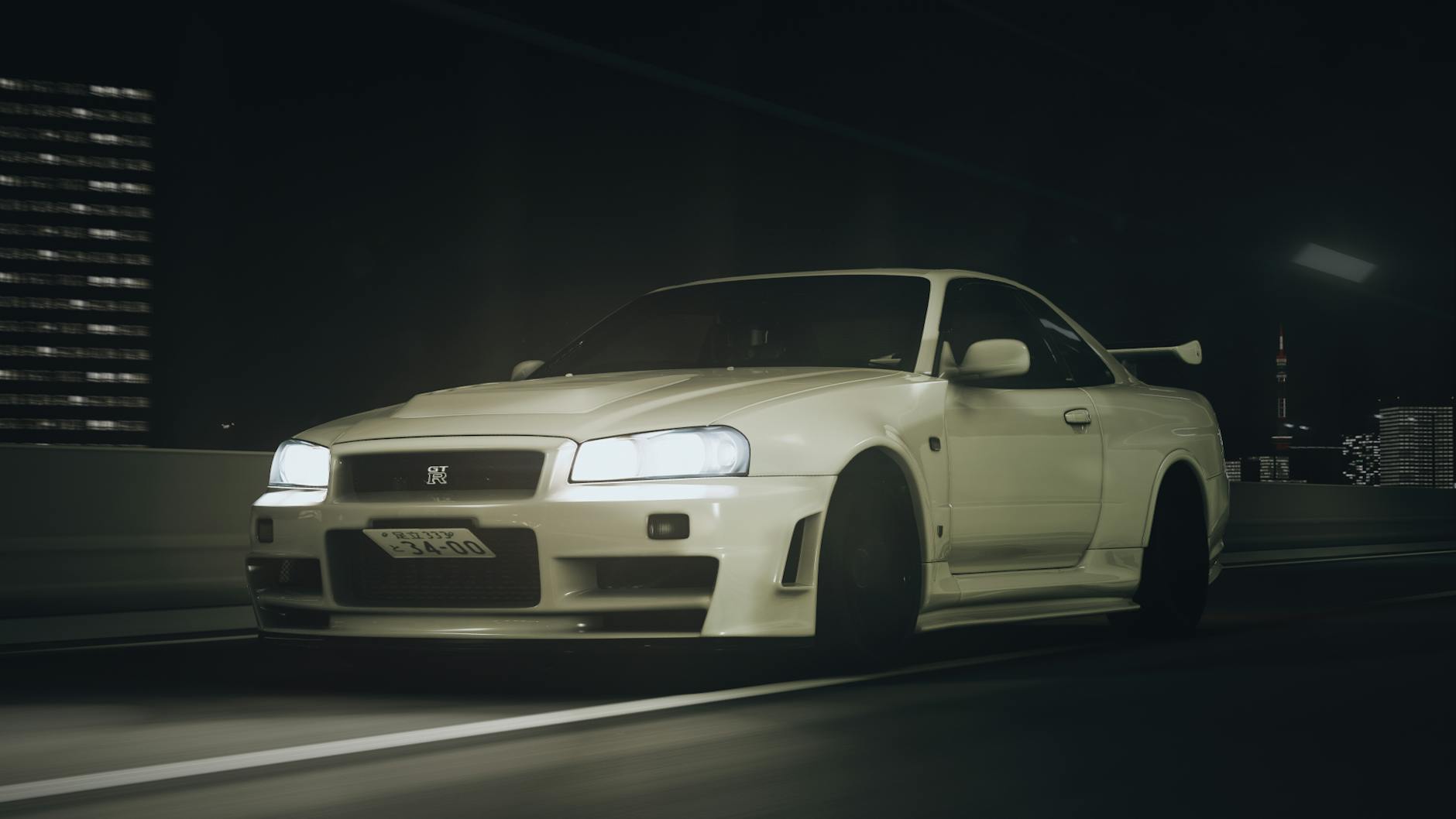
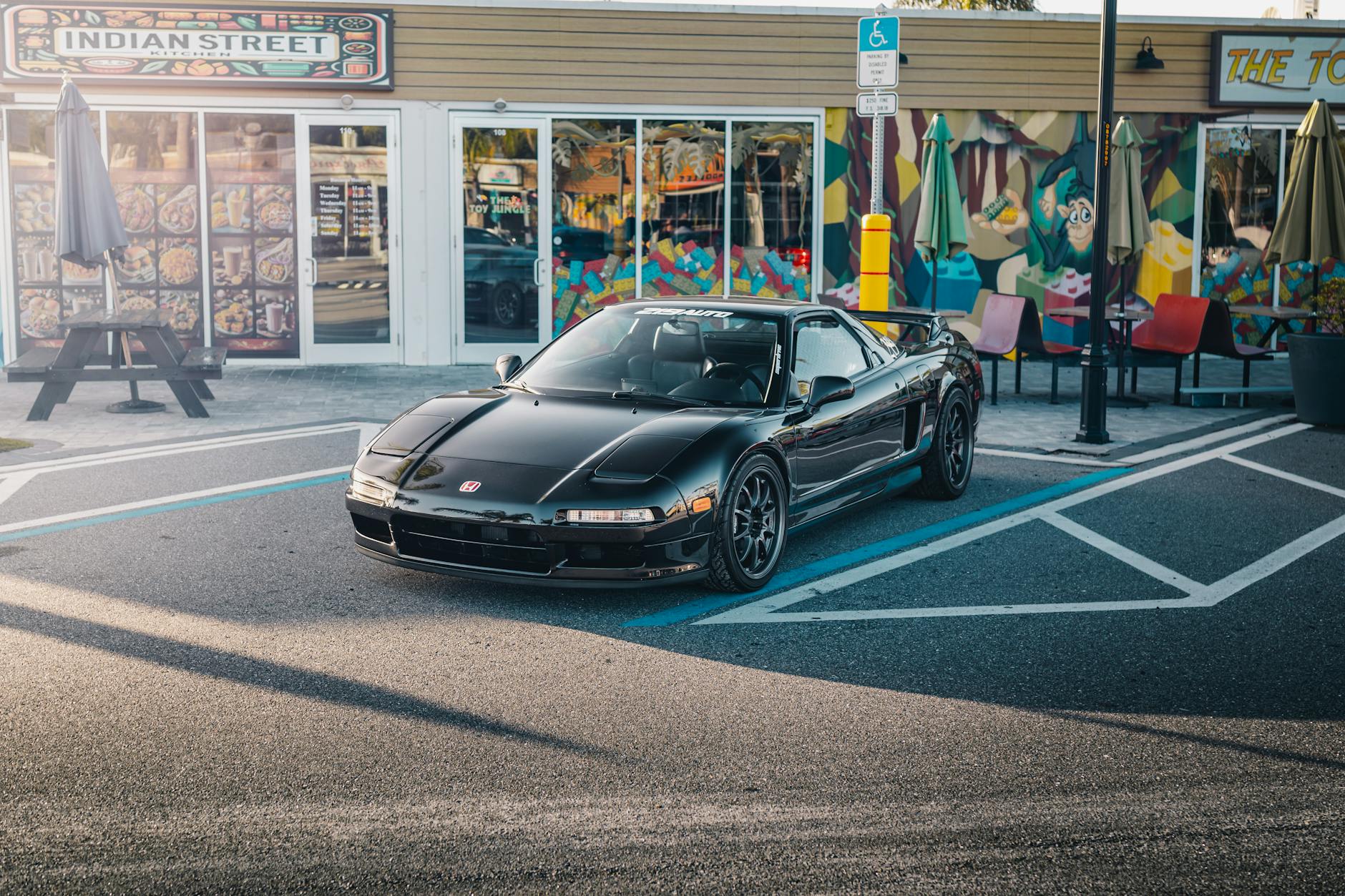
Samurai Car Japan, based right in Shibuya — the same neighborhood where most go-kart tours depart — offers self-drive rentals of iconic Japanese sports cars. We’re talking Nissan Skyline GT-R R34, Toyota Supra MK4, Mazda RX-7, Honda NSX — the legendary JDM machines that most car enthusiasts have only ever seen in Fast & Furious movies or Gran Turismo. You drive them on the very same Tokyo streets you just go-karted through, but now you’re behind the wheel of 300+ horsepower with a twin-turbo soundtrack.

The comparison is striking: where the go-kart gives you spectacle and laughs, a JDM sports car gives you raw, visceral driving engagement. Both experiences put you on real Tokyo roads. Both are unforgettable. But they scratch very different itches.

Samurai Car Japan also runs Daikoku PA night tours — guided drives to Daikoku Parking Area in Yokohama, Japan’s most famous car meet spot, where hundreds of modified JDM cars gather on weekend nights. If you’ve seen photos of rows of GT-Rs, Supras, and itasha-wrapped cars parked under highway overpasses, this is where those photos were taken. Combining a daytime go-kart experience with an evening Daikoku PA run makes for one of the most memorable days you can have in Tokyo.

Take It to the Next Level with Samurai Car Japan

Loved the go-kart experience? Samurai Car Japan in Shibuya offers JDM sports car rentals — drive a real GT-R, Supra, or RX-7 through the same Tokyo streets. They also run Daikoku PA night tours and drift experiences for the ultimate driving adventure.

Frequently Asked Questions

Is the Tokyo go-kart experience safe?

Yes, with an important caveat: it is as safe as you make it. You are driving on real public roads with real traffic, so the same risks that apply to driving any vehicle in Tokyo apply here. The karts are street-legal, you receive a thorough safety briefing, and experienced guides lead the convoy. Helmets and seatbelts are mandatory. Serious accidents are rare, but minor scrapes and bumps do happen, usually when riders fail to follow the guide or drive too aggressively. If you follow the rules, stay behind the guide, and drive defensively, the experience has an excellent safety record.

Can I do it without a driver’s license?

No. You must hold a valid driver’s license from your home country and a valid International Driving Permit (IDP) issued under the 1949 Geneva Convention. There are no exceptions — operators are legally required to check both documents before letting you drive. If you don’t have a license or IDP, you cannot participate, though some operators allow non-drivers to ride along in a support vehicle as spectators.

Is it really on public roads? Not a closed track?

Yes, 100% on public roads. This is what makes the experience so unique — and what shocks most first-timers. You are driving alongside regular Tokyo traffic, stopping at real traffic lights, and navigating real intersections. There are no barriers, cones, or closed-off sections. You share the road with taxis, delivery trucks, buses, and every other vehicle in one of the world’s busiest cities.

What happens if it rains?

Light rain usually doesn’t stop the tour — operators provide rain gear and the karts handle wet roads adequately at the low speeds you’ll be traveling. Heavy rain, thunderstorms, or typhoon warnings will result in cancellation. Most operators offer a full refund or free rescheduling for weather-related cancellations. If the forecast looks iffy, contact your operator the morning of your ride to check the status.

How does the go-kart experience compare to driving a real sports car in Tokyo?

They’re complementary experiences rather than competing ones. The go-kart is playful, social, and visually spectacular — it’s about the costumes, the reactions from pedestrians, and the novelty of cruising Shibuya at ground level. Driving a JDM sports car like a GT-R or Supra through Tokyo is about the driving itself — the engine note, the gear changes, the feeling of piloting an icon of automotive culture through the streets where these cars were born. Many visitors do both: the go-kart for the fun factor, and a Samurai Car Japan rental for the pure driving experience. Together, they make for an unforgettable Tokyo driving itinerary.

-Kanto, Travel Guide