Daikoku PA Car Meet Guide: Japan’s Most Famous Car Gathering
If you’ve ever scrolled through car content on YouTube or Instagram, chances are you’ve seen footage from Daikoku Parking Area (大黒パーキングエリア) — a highway rest stop in Yokohama that transforms into one of the most electrifying car gatherings on the planet every weekend night. Rows of Nissan Skyline GT-Rs, Toyota Supras, modified vans, bosozoku-style builds, and the occasional Lamborghini fill the lot while hundreds of enthusiasts walk between them, cameras in hand, soaking in an atmosphere you simply cannot find anywhere else in the world.
This is not an organized car show. There are no entry fees, no registration, and no schedule posted on a website. Daikoku PA is a spontaneous, organic gathering that has been happening for decades — a living, breathing expression of Japan’s car culture that draws visitors from every corner of the globe. Whether you are a lifelong JDM fanatic or someone who just appreciates beautiful machines, a visit to Daikoku is one of the most memorable experiences you can have in Japan.
This guide covers everything you need to know: when to go, how to get there, what to expect, how to behave, and how to make the most of your visit.
What Is Daikoku Parking Area?
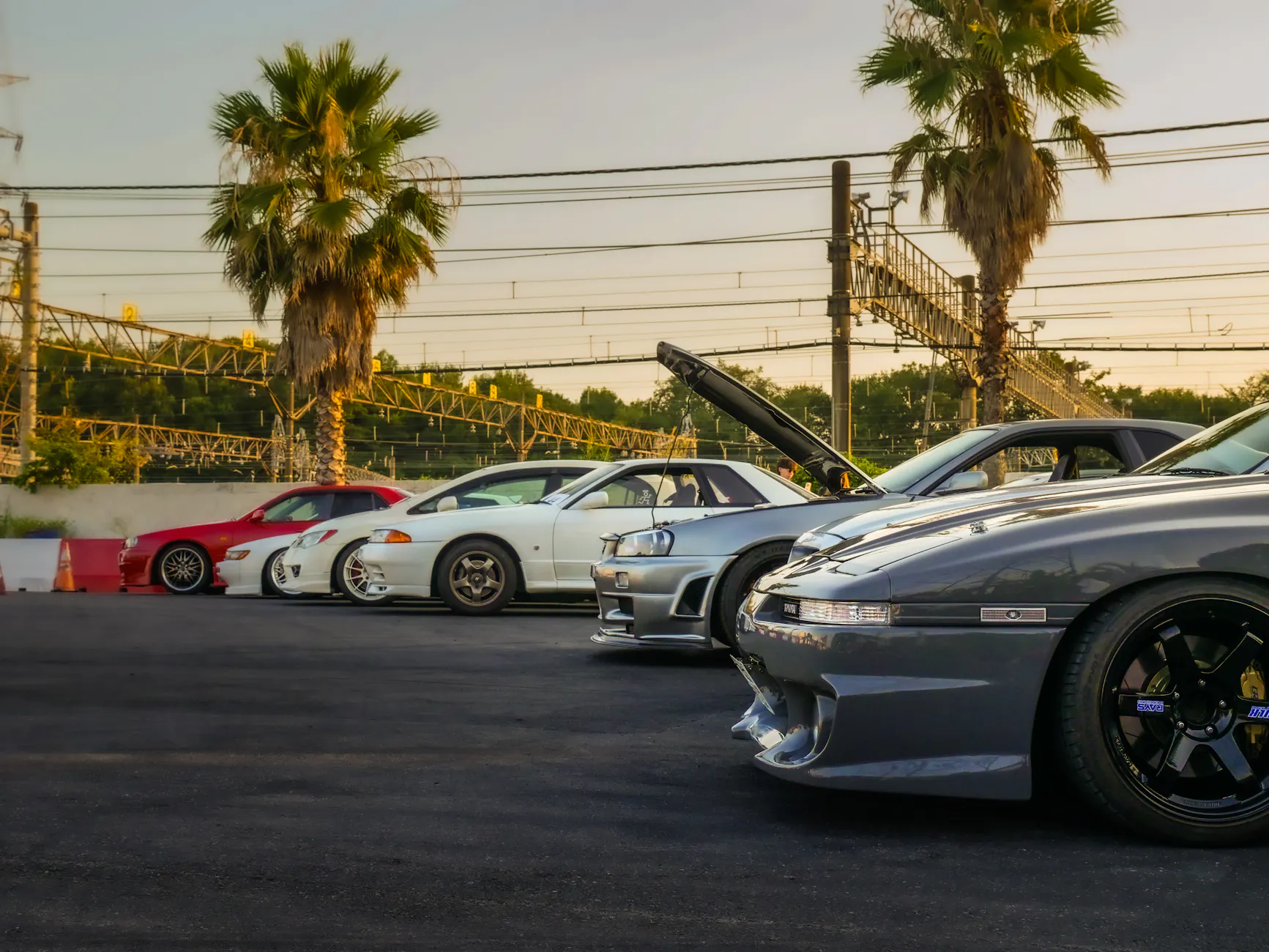
Daikoku Parking Area is a rest stop (パーキングエリア / PA) located on the Daikoku Route of the Shuto Expressway (首都高速神奈川5号大黒線) in Tsurumi Ward, Yokohama. It sits on a man-made island in Yokohama’s harbor area, connected to the mainland by bridges. During the day, it functions as a standard highway rest area with vending machines, restrooms, and a small food court serving ramen, curry, and other quick meals.
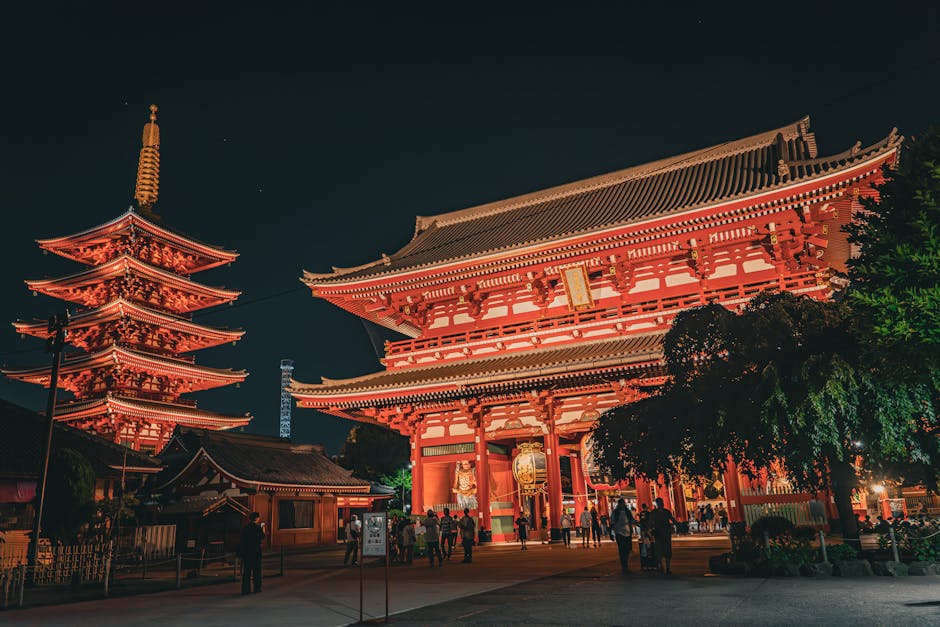
But at night — particularly on Friday and Saturday nights from around 10 PM onward — Daikoku transforms. Car enthusiasts from across the Kanto region (and increasingly from around the world) converge on this parking lot with their prized machines. The gathering is entirely informal. People simply drive in, park, and hang out. There is no organizing body, no official event page, and no one in charge.
How Daikoku Became a Car Meet Spot
The history of Daikoku PA as a car meet destination goes back to the 1990s, during the golden age of Japan’s street racing and hashiriya (走り屋) culture. The Shuto Expressway — Tokyo and Yokohama’s network of elevated urban highways — was the stage for the real-life Wangan Midnight and Mid Night Club stories. Drivers would race on the Bayshore Route (湾岸線), and Daikoku PA became a natural meeting point before and after runs because of its location directly on the expressway, its large parking lot, and its 24-hour facilities.
While the dangerous street racing era has largely ended, the gathering tradition stuck. Today’s Daikoku meets are about showing, socializing, and celebrating cars — not racing. The police do monitor the area and will shut things down if behavior gets out of hand, but as long as people are respectful, the meets are generally tolerated.
When to Go to Daikoku PA
Timing is everything when visiting Daikoku. Show up at the wrong time and you’ll find an empty parking lot with a few trucks. Show up at the right time and you’ll walk into a scene straight out of a car movie.
Best Nights
- Friday night (late) — Cars start arriving from around 10:00 PM and the peak is typically between midnight and 2:00 AM.
- Saturday night (late) — Generally the busiest night of the week. Same timing, but expect even more cars and people.
- National holidays and long weekends — Golden Week (late April/early May), Obon (mid-August), and Silver Week (September) tend to bring out larger crowds.
Special Events and Dates
- New Year’s Eve / January 1st — The legendary Hatsumode (初詣) car meet. This is arguably the single biggest Daikoku gathering of the year. Hundreds of cars pack the lot from late evening on December 31st into the early hours of January 1st. If you are in Japan over New Year, this is a must-see.
- Rainy nights — Turnout drops significantly in the rain. Check the weather forecast before making the trip.
- Weekday nights — Occasionally you’ll find a small gathering on a Tuesday or Wednesday, but it’s not reliable. Stick to weekends for the best experience.
Seasonal Considerations
Summer (June-August): Hot and humid, but the meets tend to be large. Many people stay out late because the temperature is more comfortable after dark. Watch out for the rainy season (tsuyu) in June and early July — meets are unreliable during this period.
Winter (December-February): Cold but often clear skies. The New Year meet is the highlight. Dress warmly — you’ll be standing outside in a parking lot for hours.
Spring and Fall: The most comfortable weather for standing around outdoors. March through May and October through November are excellent months to visit.
How to Get to Daikoku PA by Car
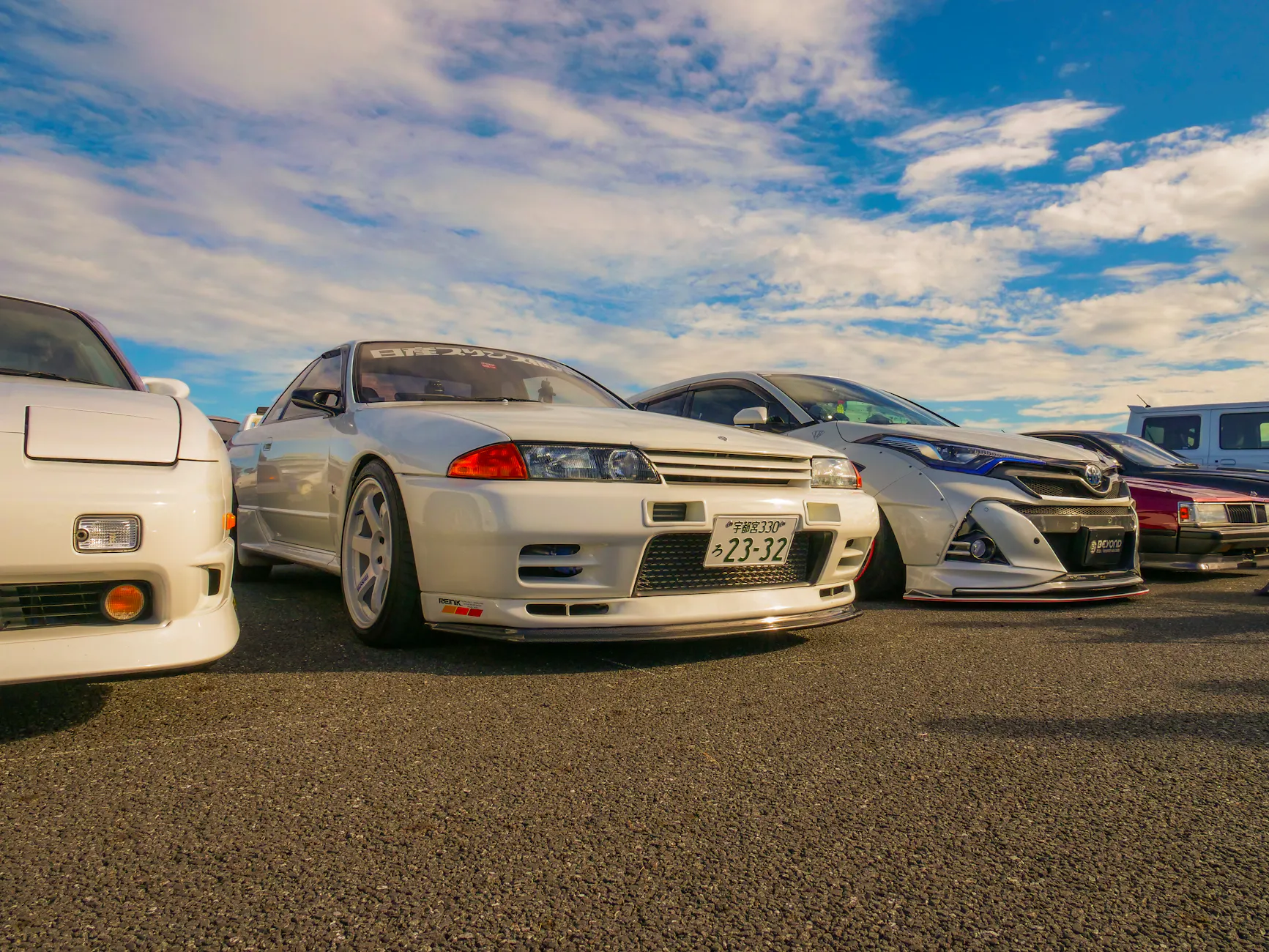
Daikoku PA is located on the expressway itself, which is the single most important thing to understand. You cannot walk in from a regular street. You must be traveling on the Shuto Expressway to access it.
Route from Central Tokyo
- Enter the Shuto Expressway (首都高速) from any on-ramp in central Tokyo. Common entry points include Shibuya, Roppongi, or Ginza.
- Head toward Yokohama via the Bayshore Route (湾岸線 / Wangan-sen) — Route K1 or the Route B depending on where you enter.
- Follow signs for 大黒PA or Daikoku PA. The parking area is on the Kanagawa Route 5 (K5) Daikoku Line.
- The drive from central Tokyo takes approximately 30 to 50 minutes depending on traffic and your starting point.
Navigating the Expressway
The Shuto Expressway can be confusing even for locals. The system consists of dozens of interconnected routes with frequent lane splits that require quick decisions. If you’re driving yourself, use Google Maps or a car navigation system set to Japanese highways. Enter “大黒パーキングエリア” or “Daikoku PA” as your destination, and the navigation will guide you through the correct interchanges.
Note that Daikoku PA is accessible from both directions of the expressway, but the entrances are separate. The main car meet area is the larger lot on the Yokohama-bound side. Make sure your navigation takes you to the correct side.
Parking
Parking at Daikoku PA is free — it’s a public rest area. However, on busy nights the lot fills up quickly. If the main lot is full, you may need to circle around on the expressway and try again (which means paying another toll segment). Arriving by 11:00 PM helps ensure you get a spot.
How to Get to Daikoku PA Without a Car
This is where things get difficult. Because Daikoku PA is located on the expressway, there is no pedestrian access. You cannot walk, cycle, or take a bus directly to the parking area. This is the single biggest barrier for tourists who want to visit.
Your Options
- Rent a car — The most straightforward option. You’ll need an International Driving Permit (IDP) or a Japanese driver’s license. JDM car rental shops in Tokyo offer everything from Nissan GT-Rs to Honda S2000s, which means you can arrive at Daikoku in style rather than in a generic economy rental.
- Taxi from the nearest station — The closest train station is JR Tsurumi Station (鶴見駅) or Keikyu Seiba Station (花月総持寺駅). However, getting a taxi to take you onto the expressway to a parking area is unusual and most taxi drivers may be confused or reluctant. This is not a reliable option.
- Guided car tours — Several companies offer Daikoku PA night tours where they pick you up in Tokyo, drive you to Daikoku in a JDM car, and bring you back. This is increasingly the most popular option for international visitors (more on this below).
What to Expect at a Daikoku PA Car Meet
Walking into a busy Daikoku meet for the first time is genuinely overwhelming. Here’s what you’ll encounter.
The Cars
The variety at Daikoku is staggering. On any given weekend night, you might see:
- JDM legends — Nissan Skyline GT-R (R32, R33, R34), Toyota Supra (A80 and A90), Mazda RX-7 (FD3S), Honda NSX, Mitsubishi Lancer Evolution, Subaru WRX STI
- Drift cars — Nissan Silvia S13/S14/S15, Toyota AE86, heavily modified 180SX builds with mismatched panels and zip-tied bumpers
- VIP style — Slammed Toyota Celsiors and Crowns, Nissan Cimas, and Lexus LS builds with negative camber and chrome wheels
- Bosozoku and Kaido Racer — Wild, theatrical builds with extended body kits, towering exhaust pipes, and paint jobs that look like they belong in an anime. These are increasingly rare and incredibly photogenic.
- Kei cars and kei trucks — Modified Honda N-Ones, Suzuki Jimnys, Daihatsu Copens, and kei trucks with custom beds
- Exotics and supercars — Lamborghinis, Ferraris, and Porsches are not uncommon, sometimes in wild Liberty Walk or RWB configurations
- Itasha — Cars wrapped in anime character liveries, a uniquely Japanese phenomenon
- Classic cars — Hakosuka Skylines, Datsun 240Zs, Toyota 2000GTs, and other vintage Japanese metal
The Atmosphere
Daikoku at night has a unique energy. The overhead highway lights cast a harsh glow over the lot. Exhaust fumes hang in the air. The sound of anti-lag systems popping, turbos spooling, and the occasional rev of a rotary engine punctuate the conversations. Groups cluster around standout cars. Photographers weave between rows with tripods and flash setups. Some people sit on their car hoods and eat convenience store onigiri. Others lean against the guardrails overlooking the harbor.
It is simultaneously a parking lot and a cultural event. The energy is relaxed but electric. People are generally friendly and happy to talk about their cars, though many speak limited English. A few basic Japanese phrases go a long way.
Photography
Daikoku PA is a photographer’s paradise. The industrial setting, dramatic lighting, and incredible subject matter make for stunning images. Most people are fine with you photographing their cars, but always be respectful. If someone seems uncomfortable, stop. Don’t use flash without asking. And never climb on or lean against someone’s car to get a shot.
Car Meet Etiquette at Daikoku PA
Daikoku PA continues to exist as a car meet spot because people generally respect unwritten rules. If visitors behave badly, police crack down and the meets die off for weeks or months. Here are the rules you need to follow:
The Essential Rules
- Do not touch anyone’s car. This is the golden rule. Do not lean on cars, do not open doors, do not sit on hoods. Keep a respectful distance. Many of these builds represent years of work and tens of thousands of dollars.
- Do not rev your engine excessively. A small blip when starting up is normal. Sitting in the lot revving to redline is not. Excessive noise brings police attention and annoys everyone.
- Do not do burnouts or donuts. This should be obvious, but every few months someone tries it and ruins things for everyone. The lot is surrounded by security cameras.
- Do not litter. Clean up after yourself. Use the trash cans and recycling bins provided at the rest area. Japan has a deeply ingrained culture of cleanliness — leaving garbage is deeply disrespectful.
- Do not block cars in. When you park, make sure the cars around you can leave. People come and go throughout the night.
- Respect the facilities. The restrooms, vending machines, and food court serve regular highway travelers too, not just car meet attendees. Don’t monopolize the restroom sinks for washing your hands after touching tires.
- Ask before photographing people. Cars are generally fair game (though discretion is appreciated), but photographing people — especially their faces — without permission is considered rude in Japan. A quick “shashin ii desu ka?” (写真いいですか? / “May I take a photo?”) goes a long way.
- Don’t race on the expressway. The meets are about cars, community, and culture — not speed. Dangerous driving on the way to or from Daikoku endangers lives and puts the entire meet scene at risk.
Other Famous Car Meet Spots in Japan
While Daikoku PA is the most famous, it is not the only car gathering spot in Japan. Here are other notable locations:
Tatsumi PA (辰巳パーキングエリア) — Tokyo
Located on the Shuto Expressway’s Route 9 (Fukagawa Line) in Koto Ward, Tokyo, Tatsumi PA is smaller and more intimate than Daikoku. It has a reputation for attracting serious builds and a more hardcore crowd. The lot is compact, which creates a concentrated atmosphere. Tatsumi is best known for attracting drift cars and time attack builds. Meets here are less predictable than Daikoku — check social media before making the trip.
Umihotaru PA (海ほたる) — Tokyo Bay Aqua-Line
Umihotaru (“Sea Firefly”) is a massive rest area built on an artificial island in the middle of Tokyo Bay, on the Aqua-Line connecting Kawasaki and Kisarazu. While not as consistently active as Daikoku for car meets, Umihotaru occasionally hosts impressive gatherings, especially during holidays. The setting — surrounded by ocean with views of Tokyo’s skyline — is spectacular. The drive through the Aqua-Line tunnel is an experience in itself.
Mikuni PA (三国パーキングエリア) — Osaka Area
For those visiting the Kansai region, Mikuni PA on the Meishin Expressway near Osaka serves a similar function to Daikoku in the east. The car culture in Osaka has its own flavor — expect more VIP-style builds, Osaka’s distinct bosozoku aesthetic, and a slightly different atmosphere. Meets are most common on Saturday nights.
Moriya PA (守谷パーキングエリア) — Ibaraki
Located on the Joban Expressway north of Tokyo, Moriya PA draws car enthusiasts from the northern Kanto region. The meets here tend to be smaller but feature an interesting mix of rural and urban car culture. Worth visiting if you’re heading north from Tokyo.
Combining Daikoku PA with a JDM Car Rental Experience
For international visitors, one of the biggest challenges of visiting Daikoku PA is simply getting there. You need to be on the expressway, which means you need a car, which means you need an International Driving Permit and a rental. And even with those logistics sorted, navigating the Shuto Expressway at night — a maze of tight elevated curves, sudden merges, and Japanese-only signage — can be intimidating if you’ve never driven in Japan before.
This is where a guided JDM car tour becomes genuinely valuable.
Samurai Car Japan, a JDM car rental shop based in Shibuya, Tokyo, offers Daikoku PA night tours that solve every logistical problem at once. They pick you up at their Shibuya location in a real JDM car — think R34 Skyline, RX-7, Supra, or Silvia — and guide you through the expressway to Daikoku PA. You get the full experience: driving (or riding in) an iconic Japanese car, navigating the Shuto Expressway at night, and arriving at Daikoku in a car that fits right in with the local scene rather than a generic white Toyota compact.
For those who want to drive themselves, Samurai Car Japan also offers self-drive JDM rentals — you can rent the car and head to Daikoku on your own with navigation guidance. Either way, arriving at a legendary car meet in a legendary car makes the experience significantly more immersive and memorable.
Practical Tips for Your Visit
What to Bring
- Cash — Vending machines and the food court at Daikoku accept cash. Some accept IC cards (Suica/Pasmo) but don’t rely on it.
- Warm clothing — Even in summer, standing in an open parking lot for hours can get chilly. In winter, bring serious layers.
- Camera / phone charger — You will take hundreds of photos. Bring a portable battery.
- Snacks and drinks — The food court has limited options late at night. Grab onigiri and drinks from a convenience store before heading to the expressway.
- Comfortable shoes — You’ll be on your feet walking around the lot for hours. Leave the dress shoes at the hotel.
Safety
Daikoku PA is generally very safe. Violent crime is essentially unheard of at car meets. However, use common sense: don’t leave valuables visible in your car, be aware of moving vehicles in the lot (especially modified cars with limited visibility), and stay alert near the expressway entry/exit ramps where cars are accelerating or decelerating.
Frequently Asked Questions
Is Daikoku PA open to the public?
Yes. Daikoku PA is a public rest area on the Shuto Expressway. Anyone traveling on the expressway can pull in at any time, 24 hours a day. There is no entry fee for the parking area itself (though you do pay expressway tolls to use the highway). The car meets are informal and not officially organized — people simply gather there.
Do I need to bring a modified car to attend?
Absolutely not. You can show up in any car — or arrive as a passenger with someone else. The majority of people at Daikoku on any given night are spectators, not showpieces. Nobody will judge you for arriving in a rental Prius. That said, arriving in a cool car is more fun, which is why JDM car rental tours have become so popular with international visitors.
Is it legal?
Parking at a public rest area is perfectly legal. The car meets exist in a gray area — they’re not officially sanctioned, but they’re generally tolerated as long as people behave. What is not legal: racing on the expressway, excessive noise violations, blocking traffic, or any form of dangerous driving. Stick to the unwritten rules of etiquette and you’ll be fine.
Can I visit Daikoku PA during the day?
You can, but there won’t be a car meet. During the day, Daikoku PA is just a regular highway rest stop with trucks, families on road trips, and salespeople grabbing coffee. The car scene is strictly a late-night phenomenon. If you’re interested in the location itself — the harbor views, the food court — a daytime visit is pleasant enough, but you won’t see the car culture that makes it famous.
[st_af id=”862″]
🇯🇵 Plan Your Japan Experience
JDM Car Rental
Drive a GT-R, Supra, RX-7, or Silvia on the roads they were built for. Hakone passes, Wangan highway, mountain touge — your dream JDM experience.
Daikoku PA Tour
Visit Japan’s most legendary car meet. Hundreds of modified cars, passionate owners, and the heartbeat of JDM culture. Guided weekend night tours available.
Photo Guide Tour
Capture stunning photos at locations only locals know. Hidden shrines, backstreet alleys, rooftop views, and golden hour spots for unforgettable shots.
Leave a Reply