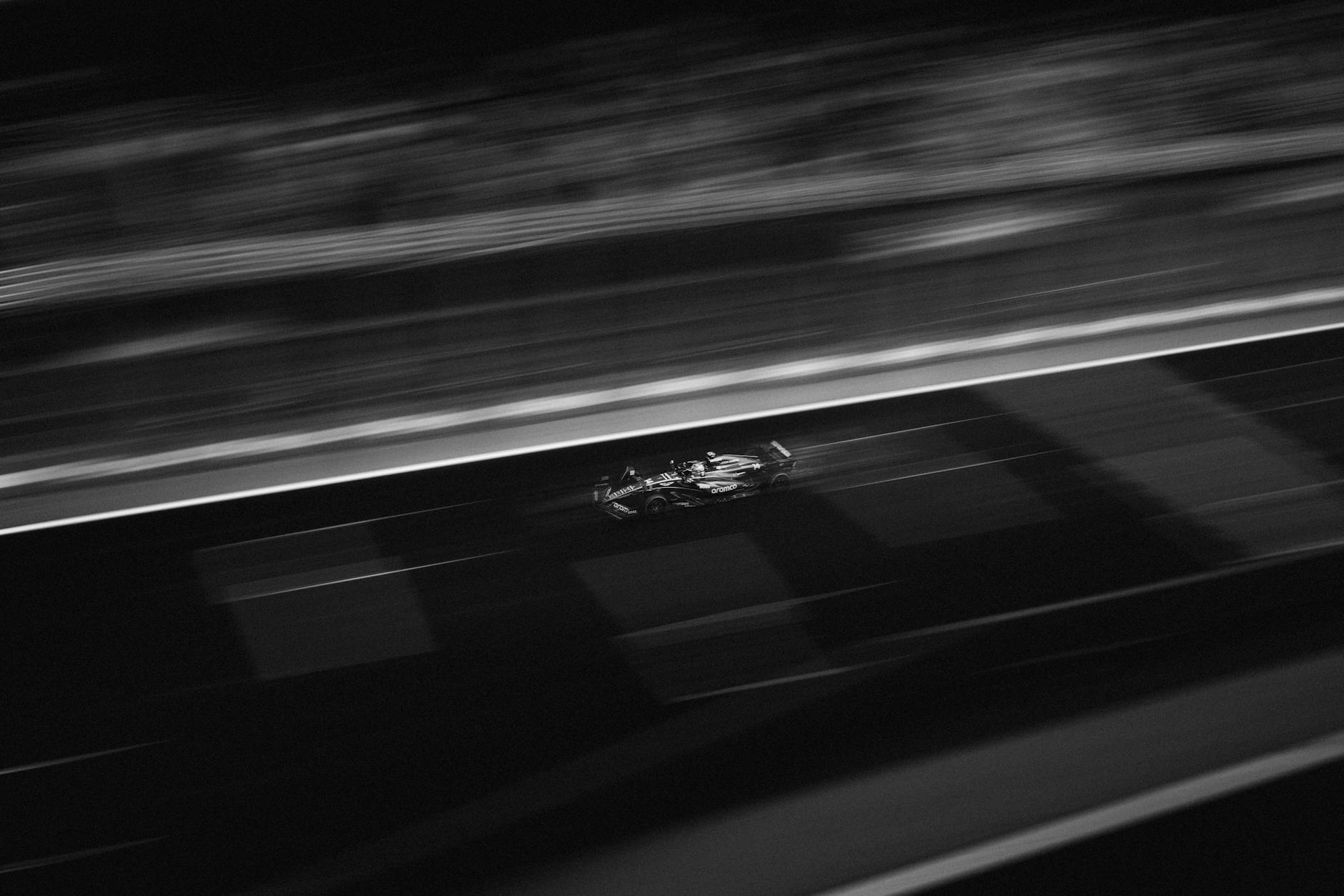
Why Suzuka Is a Pilgrimage for Car Enthusiasts
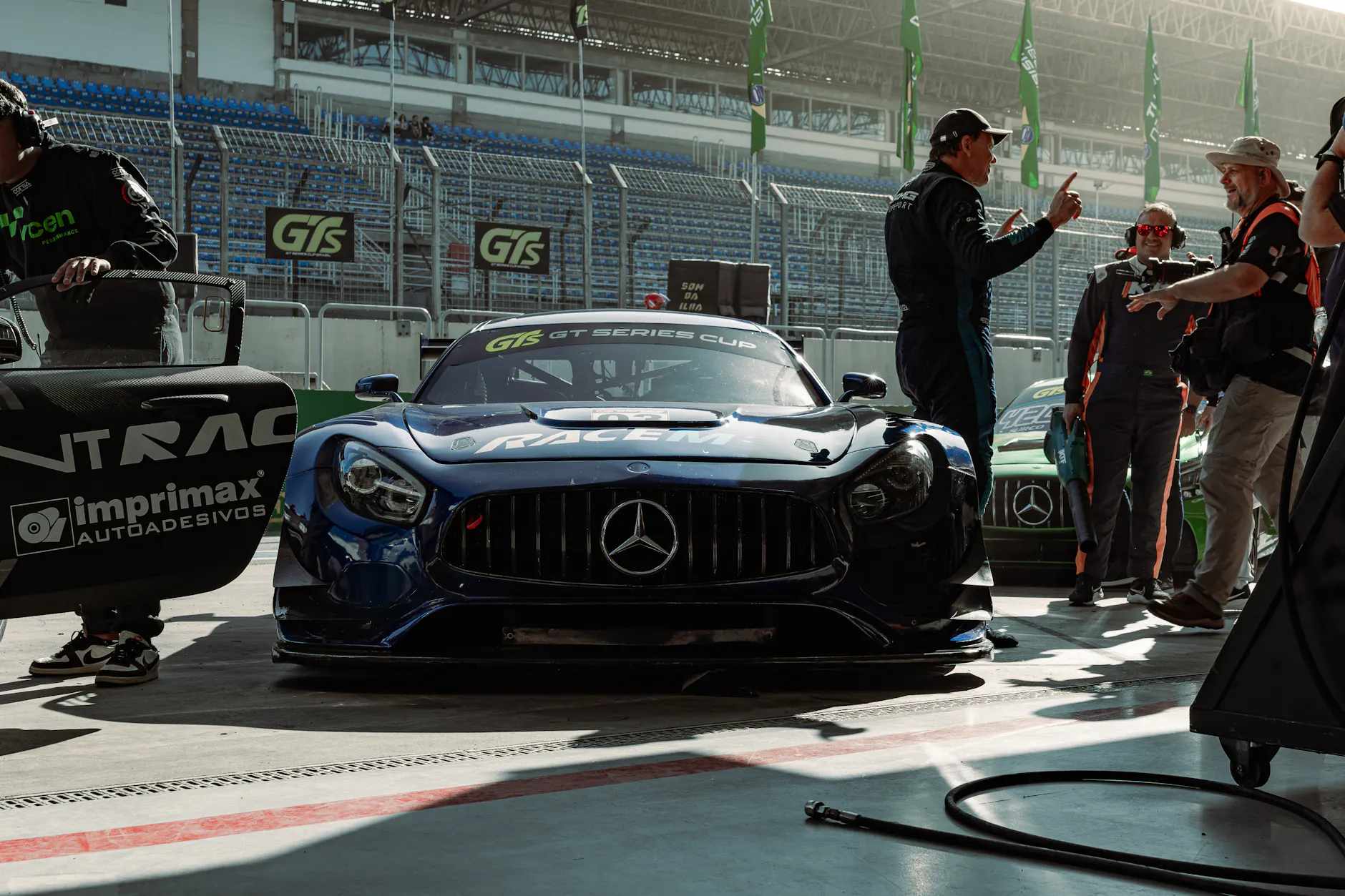
Suzuka Circuit is Japan’s most legendary motorsport venue — and for global racing fans, it ranks alongside Monza, Spa, and Monaco as one of the sport’s sacred circuits. The track’s unique figure-eight layout (the only one in Formula 1), its high-speed Esses and Spoon Curve, and its decades of dramatic championship moments make it unlike any other circuit in the world.
Built by Honda in 1962 and owned by the company ever since, Suzuka is more than a racetrack — it’s a motorsport complex with a hotel, theme park, camping areas, and year-round access even when no race is scheduled. For any car enthusiast visiting Japan, it’s an essential stop.
Suzuka Race Calendar 2026
Suzuka hosts multiple major motorsport events throughout the year:
- Formula 1 Japanese Grand Prix — Typically held in April (2026 date TBC — check FIA official calendar). The F1 Japan GP has been one of the championship’s most dramatic rounds, with multiple title-deciding races. Tickets sell out extremely quickly — book as soon as they go on sale, usually 6+ months in advance.
- Super GT — Japan’s premier domestic touring car series. Suzuka rounds typically in May and August. More accessible than F1, with excellent paddock access on some days.
- Super Formula — Japan’s premier single-seater series. Very fast, technically demanding cars. Good value tickets.
- Suzuka 1000km / 8 Hours Endurance — Summer endurance race combining Super GT and GT World Challenge. Day and evening racing.
- Honda Racing Thanks Day — Annual Honda fan event (usually November/December) with demonstrations of current and historic Honda racing machinery. Free or low-cost admission.
F1 Japanese Grand Prix: Tickets and Tips
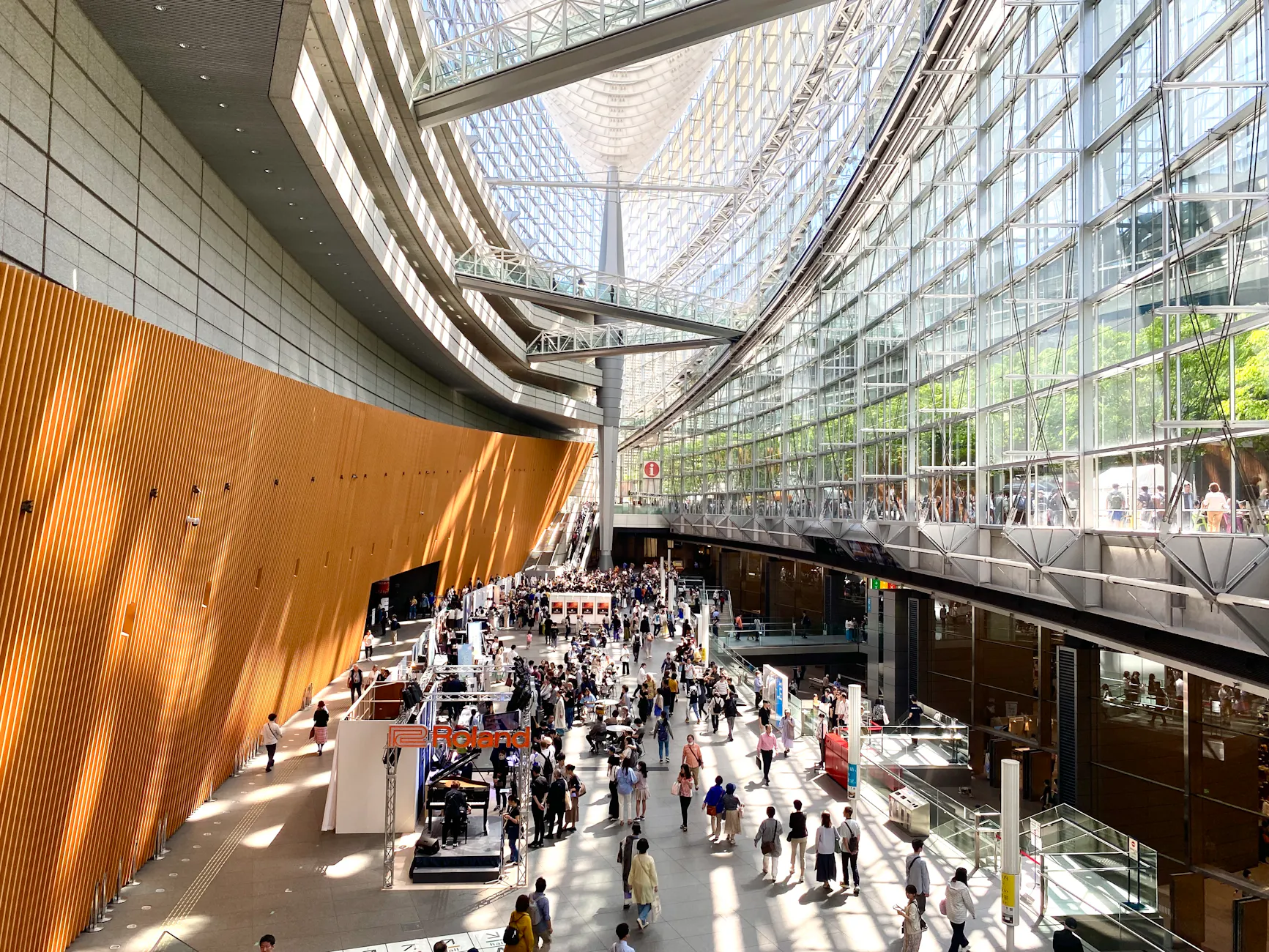
F1 tickets at Suzuka are among the most sought-after in the championship. The Japanese fanbase is exceptionally dedicated — the stands are consistently among the loudest and most colourful of the season.
- Grandstand tickets: ¥30,000–¥80,000 per day (practice, qualifying, race days priced separately). V1 and V2 grandstands offer the best views of the starting grid and pit lane. Degner, Hairpin, and Spoon grandstands offer tight corner action.
- General admission: ¥10,000–¥15,000 per day. Walk around the infield and access multiple vantage points, but no guaranteed seating.
- Where to buy: Honda’s official Suzuka ticket site (en.suzukacircuit.jp). Resellers on Viagogo/StubHub if official tickets are sold out — expect significant premiums.
- Camping: On-site camping (bring your own tent) is hugely popular for the F1 weekend. Book the Suzuka camping area at the same time as your tickets. The atmosphere overnight is remarkable.
Why not elevate your journey with a legendary JDM experience?

Our Services:
- Self-Drive Rentals
- Guided Tours
- Drift Experiences
Please visit the dedicated page for more details.
Visiting Suzuka Without a Race: The Circuit Museum & Motopia
You don’t need a race weekend to visit Suzuka. The circuit complex is open year-round and includes:
- Suzuka Circuit Museum — Displays of Honda’s racing heritage including Formula 1 cars, motorcycles, and the history of the circuit. Admission around ¥500. Worth an hour for any motorsport fan.
- Motopia (Circuit Walk) — On non-race days, visitors can walk sections of the actual circuit on foot or rent bicycles to cycle the track layout. An extraordinary experience for racing fans — you can stand at the apex of 130R or walk the Esses where Senna and Schumacher had their historic battles.
- Suzuka Circuit Park — An adjacent amusement park (Nagashima Spa Land) with roller coasters, a water park, and go-kart tracks. Good for families combining the circuit visit with general entertainment.
- Driving experiences: On selected dates, track experiences are available where you can drive your own car on the circuit under supervision. Check the official website for “Circuit Safari” and similar events.
How to Get to Suzuka Circuit
Suzuka is located in Mie Prefecture, between Nagoya and Osaka:
- From Nagoya: Kintetsu Nagoya Line to Shirako or Suzuka Station, then bus (about 1h 20min total). Or drive — Suzuka is 45 minutes by expressway from Nagoya.
- From Osaka: Kintetsu from Osaka-Namba to Shirako (1h 30min). Or drive — 1h 20min by expressway from central Osaka.
- From Tokyo: Shinkansen to Nagoya (1h 40min), then by car or train to Suzuka. Flying to Nagoya (Chubu Centrair) is also an option.
Driving is strongly recommended for Suzuka visits — especially for F1 race weekends when public transport becomes extremely crowded. If you’re combining Suzuka with a broader Japan driving trip, Samurai Car Japan in Tokyo offers JDM rental for the ultimate motorsport pilgrimage road trip — Tokyo to Hakone to Fuji Speedway to Suzuka is a legendary car enthusiast route.
Where to Stay Near Suzuka
- Suzuka Circuit Hotel — On-site hotel connected to the circuit. Book extremely early for race weekends. Views over the paddock area from some rooms.
- Yokkaichi / Tsu city hotels — Larger selection at lower prices, 20–30 minutes from the circuit by car.
- Nagoya — 45-minute drive. Much wider hotel selection across all price ranges.
Suzuka + Fuji Speedway: The Ultimate JDM Road Trip
For the ultimate Japanese motorsport road trip, combine Suzuka with Fuji Speedway near Mt. Fuji (covered by our Fuji guide) and Tokyo’s car culture hotspots. This route — Shibuya → Hakone → Fuji Speedway → Nagoya → Suzuka — covers the best of Japanese motorsport heritage in one east-to-west sweep across Honshu.
Why not elevate your journey with a legendary JDM experience?
Our Services:
- Self-Drive Rentals
- Guided Tours
- Drift Experiences
Please visit the dedicated page for more details.
Related Guides
🏁 Fuji Speedway Visitor Guide
🚗 JDM Car Rental Japan
🎌 Drift Tracks in Japan
🏎️ Drift Experience Japan
🇯🇵 Plan Your Japan Experience
JDM Car Rental
Drive a GT-R, Supra, RX-7, or Silvia on the roads they were built for. Hakone passes, Wangan highway, mountain touge — your dream JDM experience.
Daikoku PA Tour
Visit Japan’s most legendary car meet. Hundreds of modified cars, passionate owners, and the heartbeat of JDM culture. Guided weekend night tours available.
Photo Guide Tour
Capture stunning photos at locations only locals know. Hidden shrines, backstreet alleys, rooftop views, and golden hour spots for unforgettable shots.
Leave a Reply