[st_af id=”119″]
What Is Touge? Japan’s Mountain Pass Driving Culture Explained
Touge (峠, pronounced “toh-geh”) literally means mountain pass in Japanese. In car culture terms, it refers to the subculture of driving — and racing — on Japan’s narrow, winding mountain roads. It’s the real-world foundation beneath Initial D, the drift scene, JDM sports cars, and much of what the world associates with Japanese car culture.
Unlike circuit racing or drag racing, touge is organic. It evolved naturally on the mountain roads of Gunma, Kanagawa, Nagano, and other prefectures where local drivers discovered that the twisty, technical nature of mountain passes rewarded a very particular skill set: reading the road, balancing the car on the limit, and flowing through blind corners at speed.
For car enthusiasts visiting Japan, understanding touge culture is the key to unlocking the country’s deepest automotive experiences.
A Brief History of Touge in Japan
Touge culture emerged in the 1970s and 1980s, when Japan’s post-war economic boom produced a generation of young men who could suddenly afford performance cars — and who had access to spectacular mountain roads that wound through every prefectural border.
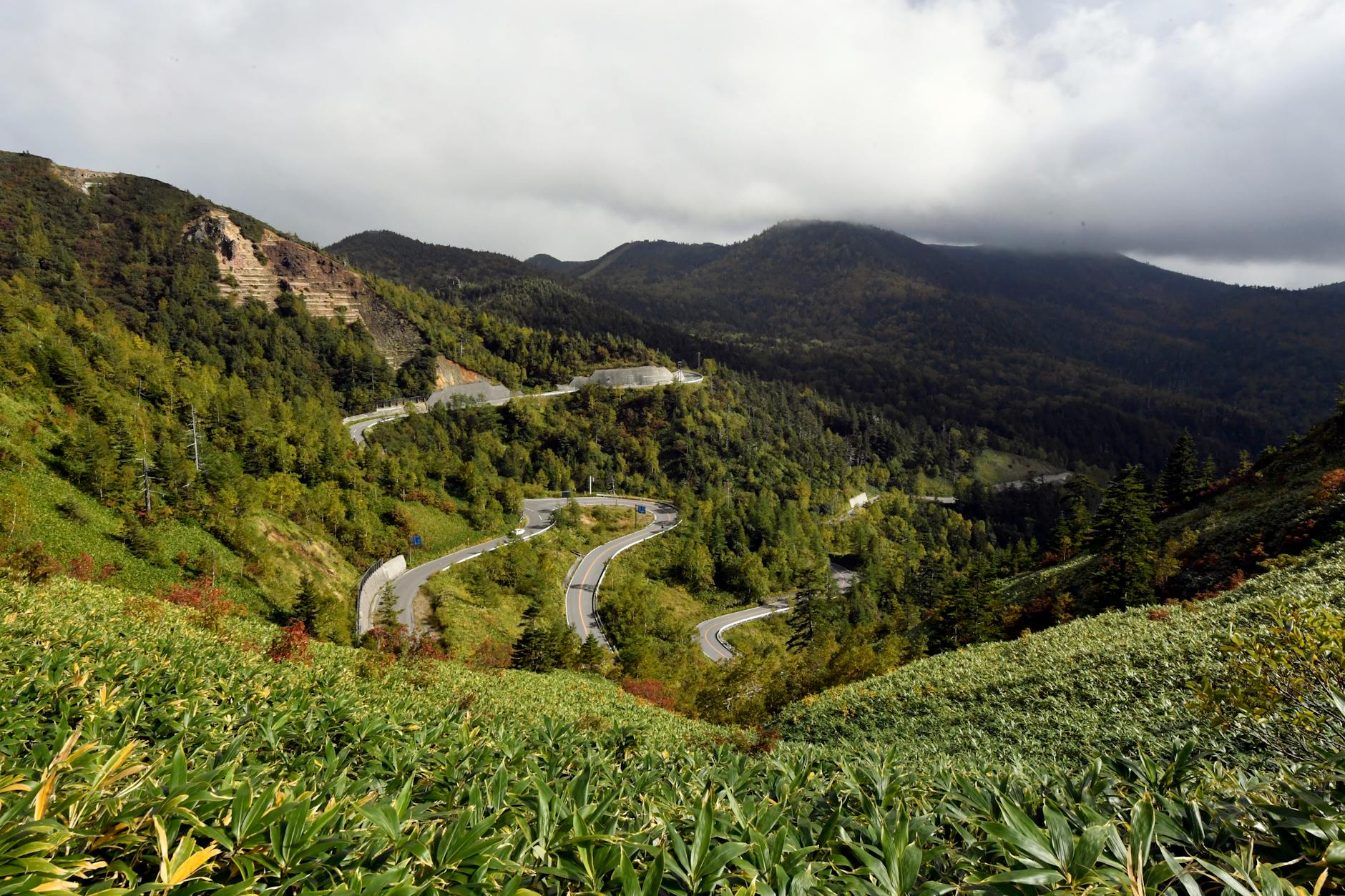
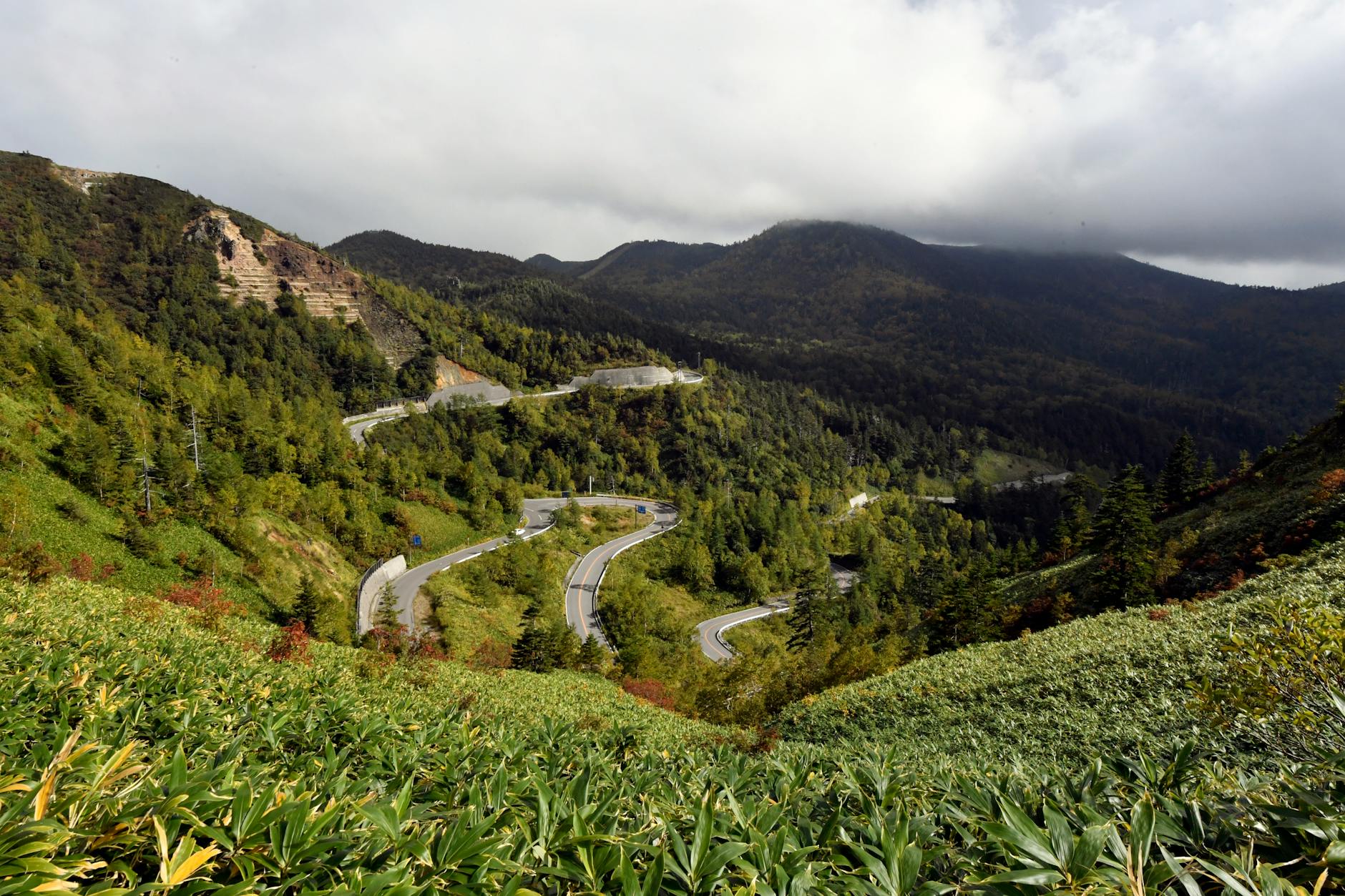
The mountains of Gunma Prefecture — particularly Mt. Haruna, Mt. Myogi, and Mt. Akagi — became legendary proving grounds. Street racers would meet at the bottom of a mountain at night, pair off, and race uphill or downhill, competing for bragging rights and the chance to become the “King of the Mountain.”
This culture was largely underground and undocumented until 1995, when manga artist Shuichi Shigeno published the first chapter of Initial D. The series — set in Gunma, featuring real roads and real cars — exposed touge culture to the entire world and created a global fanbase that still makes pilgrimages to Gunma today.
[st-midasibox myclass=”” title=”Initial D Connection” webicon=”st-svg-lightbulb-o” color=”#03A9F4″ bordercolor=”#03A9F4″ bgcolor=”#E1F5FE” borderwidth=”” borderradius=”5″ titleweight=”bold”]
Every road in Initial D is a real touge course you can drive today. See our complete guide: Initial D Real Locations in Japan →
[/st-midasibox]
The Touge Driving Style: What Makes It Different
Touge is not about straight-line speed. A 600-horsepower supercar would be useless on a narrow mountain pass — there’s simply nowhere to use that power. Instead, touge rewards:
- Late apex cornering — entering wide and hitting the apex late to maximize exit speed
- Trail braking — carrying brake pressure into the corner to rotate the car
- Weight transfer management — using the car’s weight shift to steer through tight sections
- Road reading — knowing the mountain so well you can predict invisible corners
- The Scandinavian flick (or inertia drift) — popularized in Initial D; using a sharp weight transfer to initiate oversteer in a controlled manner
These techniques are directly rooted in professional rally driving — which explains why many famous Japanese rally drivers and motorsport champions started their careers on mountain passes.
The Best Touge Cars: Why JDM Sports Cars Dominate
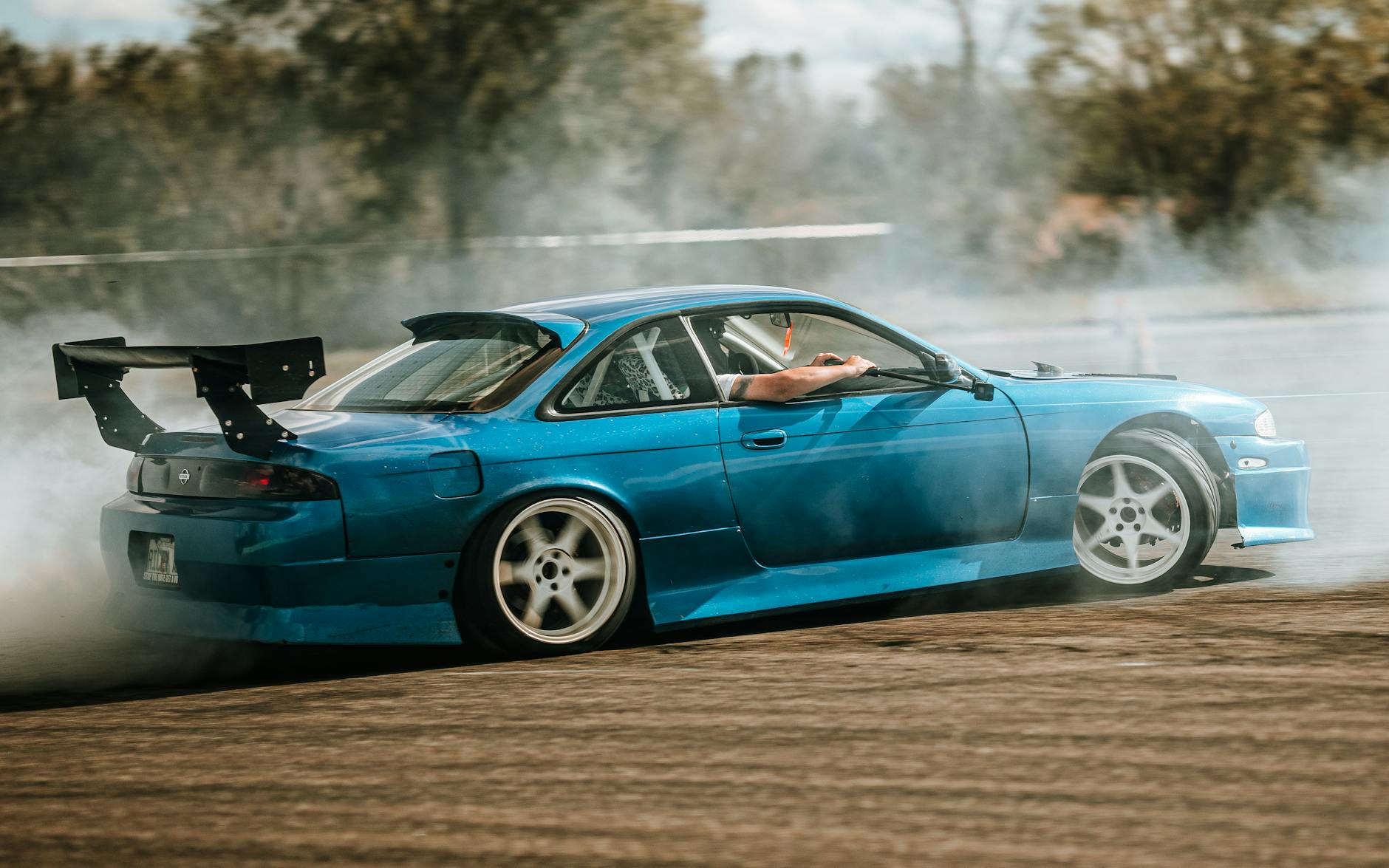
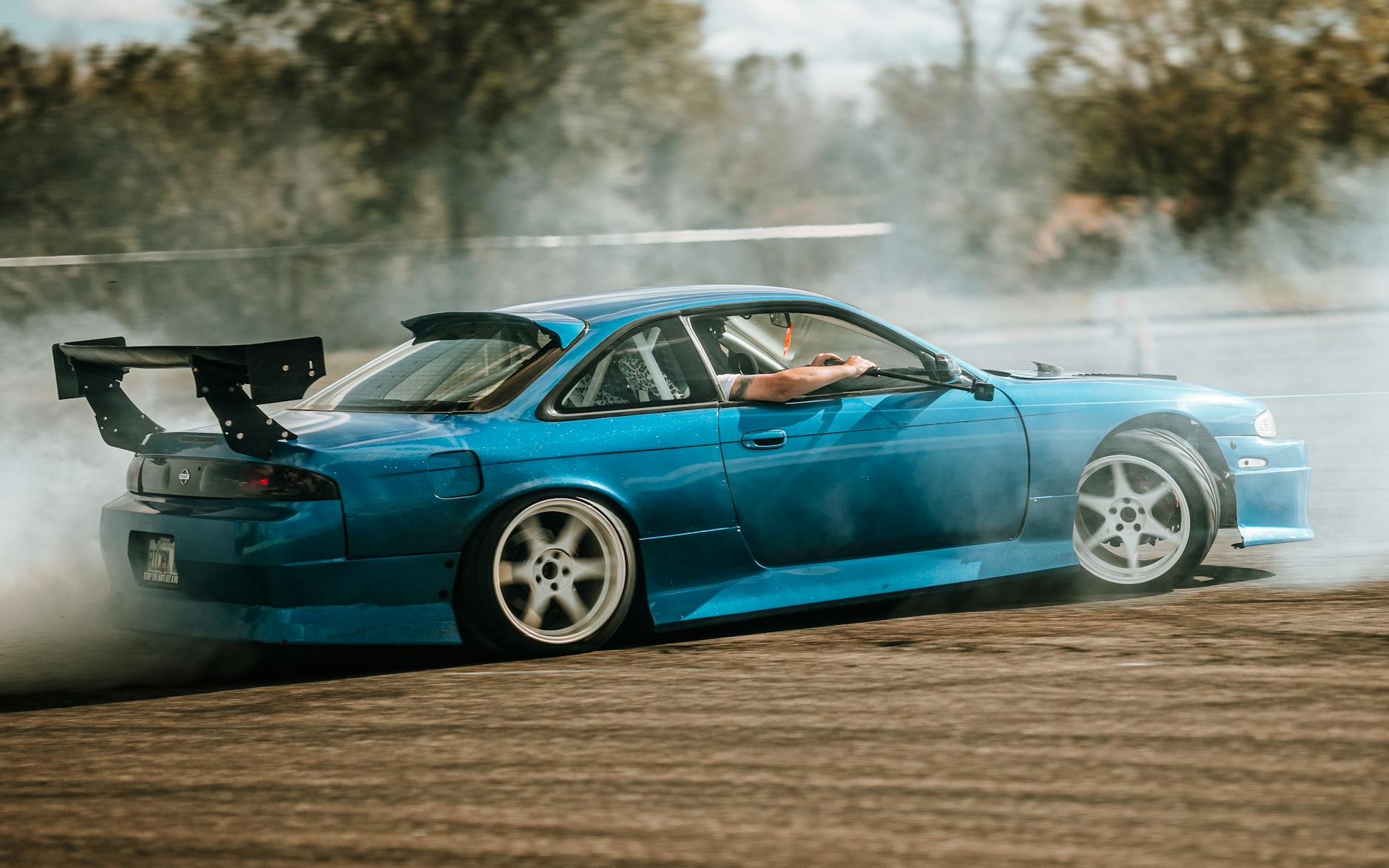
The mountain pass environment favored a specific type of car — not the heaviest, fastest, or most powerful, but the most balanced, lightweight, and responsive. This is exactly why the cars associated with touge culture became global icons:
| Car | Why It Works on Touge | Anime/Culture Connection |
|---|---|---|
| Toyota AE86 Trueno/Levin | Lightweight (800kg), FR balance, sharp steering | Takumi Fujiwara’s car in Initial D |
| Mazda RX-7 (FC3S / FD3S) | Rotary engine, mid-heavy balance, near-perfect 50/50 weight | Multiple Initial D characters; drift culture icon |
| Nissan Skyline GT-R (R32/R33/R34) | ATTESA AWD system, controlled oversteer, relentless grip | “Godzilla” — conquers any road, any condition |
| Honda Civic EG/EK | Light, FF dynamics, rev-happy VTEC engine | Popular entry-level touge weapon |
| Mitsubishi Lancer Evolution | Turbocharged AWD, rally-bred chassis | Initial D’s Seiji Iwaki; real-world rally champion |
| Subaru Impreza WRX STI | Symmetrical AWD, boxer engine, planted feel | Natural rival to the EVO; Gunma legend |
Notice a pattern? Nearly all the great touge cars are Japanese. This wasn’t an accident — Japanese engineers were building cars specifically for the conditions their customers actually drove in. Mountain roads, tight urban streets, varying weather. The result was a generation of lightweight, balanced sports cars that became the envy of the world.
Japan’s Most Famous Touge Locations
Gunma Prefecture — The Touge Capital of Japan
Gunma is to touge what Kentucky is to bourbon. No prefecture in Japan has more iconic mountain passes, and no region has shaped car culture more profoundly. The holy trinity:
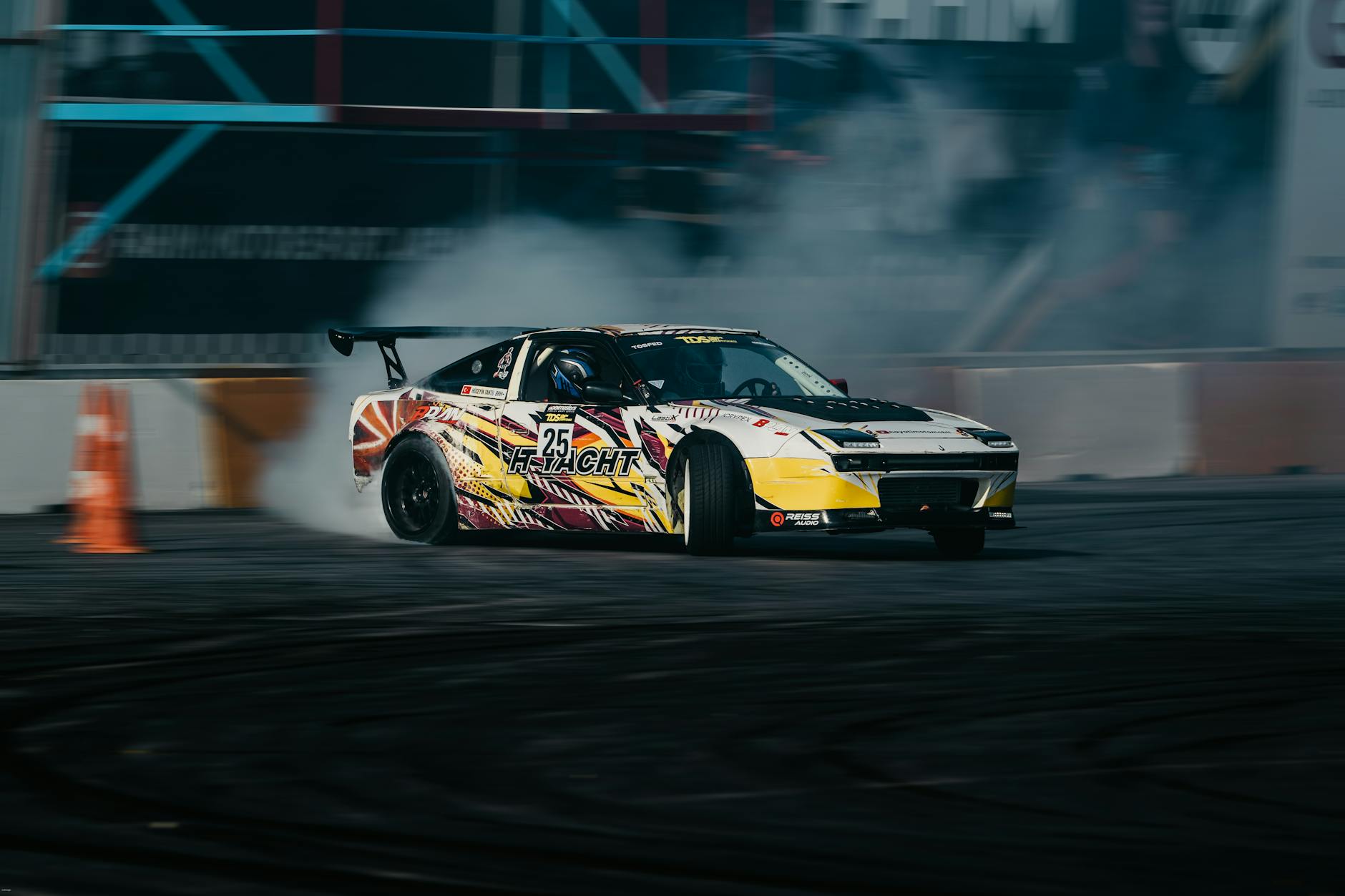
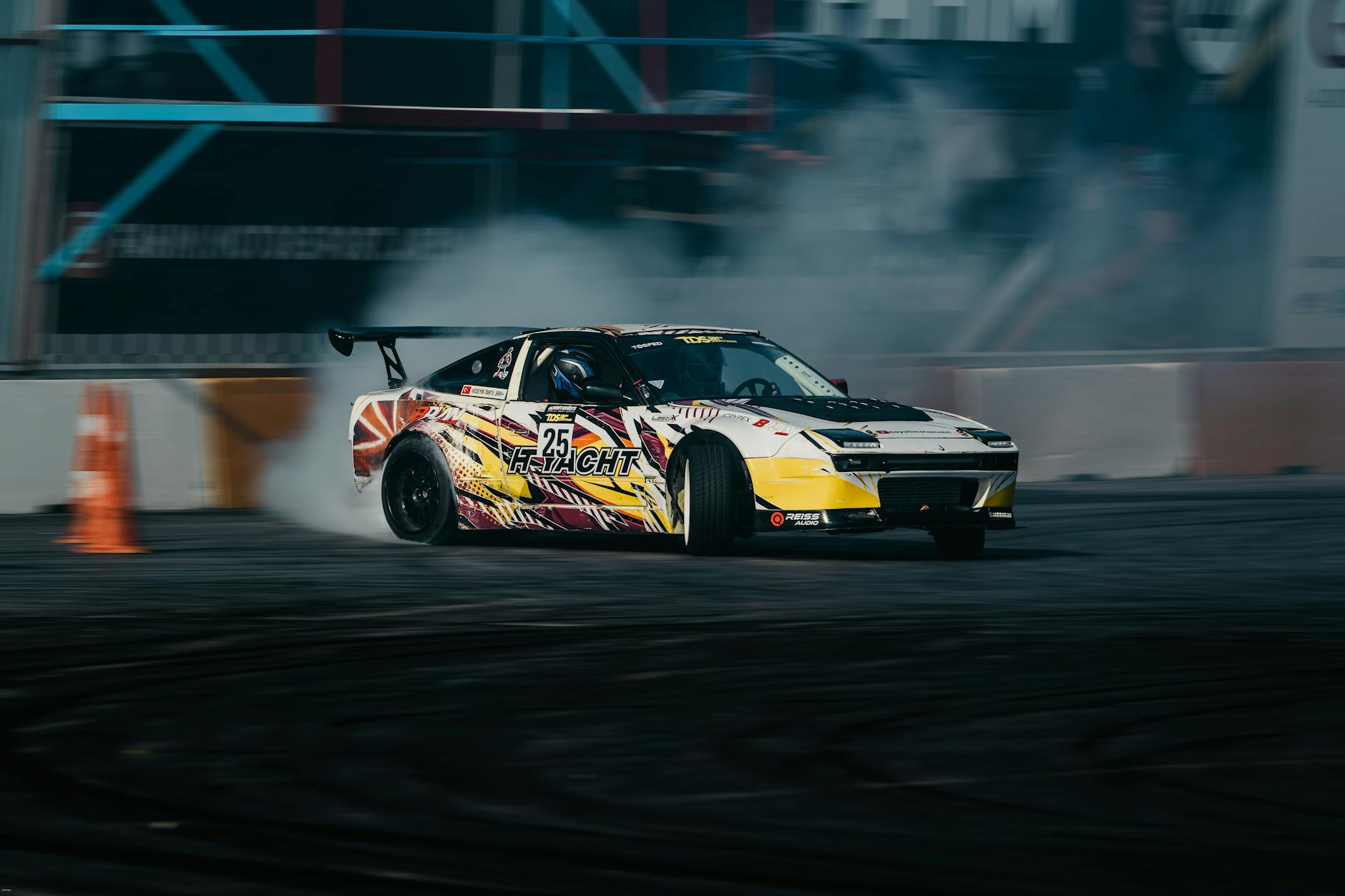
- Mt. Haruna (Harunasan) — the “Akina” of Initial D; technical hairpins, Haruna Lake at the top
- Mt. Myogi — jagged volcanic peaks, home of the Night Kids GT-R
- Mt. Akagi — sweeping high-speed curves, home of the Red Suns RX-7s
All three are within 1–2 hours of each other and can be combined into an epic single-day touge road trip from Tokyo.
Hakone / Ashi-ko, Kanagawa
Hakone’s mountain roads — especially the Hakone Turnpike and the old Hakone Road — are among the most popular touge destinations close to Tokyo. The Hakone Turnpike is a toll road with sweeping curves and stunning views of Mt. Fuji. It regularly attracts enthusiast car meets on weekend mornings.
[st-midasibox myclass=”” title=”Related Guide” webicon=”st-svg-map-marker” color=”#4CAF50″ bordercolor=”#4CAF50″ bgcolor=”#E8F5E9″ borderwidth=”” borderradius=”5″ titleweight=”bold”]
Hakone Driving Route Guide: Turnpike, Hot Springs & Mt. Fuji Views →
[/st-midasibox]
Irohazaka, Tochigi
The Iroha-zaka switchbacks near Nikkō are Japan’s most photogenic mountain road — 48 one-way hairpin turns climbing to Lake Chūzenji. Famous in Initial D and beloved by photographers and drivers alike.
[st-midasibox myclass=”” title=”Related Guide” webicon=”st-svg-map-marker” color=”#4CAF50″ bordercolor=”#4CAF50″ bgcolor=”#E8F5E9″ borderwidth=”” borderradius=”5″ titleweight=”bold”]
Nikkō Driving Route: Irohazaka, Shrines & Waterfalls →
[/st-midasibox]
Rokko Mountain Road, Hyogo
Towering over Kobe and Osaka, Mt. Rokko offers one of Japan’s great urban mountain driving experiences. The Rokko Sanroku Road and the Rokko Mountain Road twist dramatically above the city, with glittering night views of the Kobe-Osaka conurbation below.
Usui Pass / Wada Pass, Nagano
The mountain country along the Gunma-Nagano border is packed with touge-worthy roads. Wada Pass (Wadatōge) on Route 142 is one of Japan’s highest paved passes and remains a popular enthusiast destination.
Touge Car Meets: Where Enthusiasts Gather in Japan
Beyond driving the roads, Japan has a vibrant culture of car meets associated with touge culture:
- Daikoku Parking Area (Yokohama) — not a touge course but the most famous spontaneous car meet in Japan. Any night of the week, exotic JDM machinery appears here. Full Daikoku Guide →
- Hakone Turnpike Sunday Morning Runs — informal gatherings of sports car owners at the Hakone toll road entrance on Sunday mornings
- Mt. Haruna parking area — on weekends, you’ll find AE86s, RX-7s, and GT-Rs parked above the treeline, their owners chatting and enjoying the mountain air
- Fuji Speedway Events — periodic track days and club events that attract the same crowd as the mountain passes
How to Experience Touge as a Visitor to Japan
Here’s the good news: as a foreign visitor, you can experience genuine touge culture with relatively little preparation.
Option 1: Rent a JDM Sports Car and Drive the Courses Yourself
This is the ultimate touge experience. Samurai Car Japan rents authentic JDM sports cars — Nissan Skyline GT-R, Mazda RX-7, Toyota Supra, and more — from Tokyo. You can pick up the car, drive up through Gunma, tackle the Initial D courses at a legal, enjoyable pace, and return the same day.
Requirements: International Driving Permit (IDP) + home license. Japan drives on the left. Speed limits apply — the mountain passes are public roads, not race circuits.
Option 2: Join a Guided JDM Driving Tour
For those who want the experience without the full responsibility of independent driving, guided JDM tours let you ride in (or drive) iconic cars on curated mountain routes with an experienced guide. Check Samurai Car Japan’s tour options for availability.
Option 3: Visit the Car Meets
If you just want to see the cars and soak up the atmosphere, visiting Daikoku PA on a weekend night or parking at the top of Mt. Haruna on a Sunday morning will put you in the middle of Japan’s car culture without needing to rent anything.
Touge Etiquette: The Unwritten Rules
Japanese car culture, like most aspects of Japanese society, has a strong code of conduct. Violate it and you’ll be unwelcome. Respect it and you’ll be welcomed warmly.
- Do not race on public roads. This is illegal, dangerous, and hated by local communities. The culture has shifted dramatically since the 90s — genuine street racing is rare and frowned upon by the enthusiast community itself.
- Keep noise reasonable. Loud exhausts at 2am in residential mountain villages are not welcome. The community is increasingly sensitive to noise complaints.
- Pick up your rubbish. Mountain pass parking areas should be left cleaner than you found them. This is a point of genuine pride in Japanese car culture.
- Greet other enthusiasts. A nod, a wave, or a simple “sugoi kuruma desu ne” (nice car) goes a long way.
- Don’t block the road for photos. If you want to photograph your rental car on the mountain road, pull fully into a pull-off. Never stop in a lane.
Practical Information for Visiting Japan’s Touge
Driving Requirements for Foreign Visitors
Foreign visitors need a valid International Driving Permit (IDP) alongside their home license to legally drive in Japan. Japan drives on the left side of the road. Speed limits on mountain passes typically range from 30–50 km/h. Police are present and do enforce limits.
See our guides: Japan IDP Guide | Japan Traffic Rules for Foreign Drivers
Best Season for Touge Driving
- Spring (April–May): Cherry blossoms on the mountain roads — extraordinary scenery
- Summer (June–August): Green forests, occasional dramatic clouds, fewer tourists mid-week
- Autumn (October–November): Peak foliage — the best season for every mountain road in Japan
- Winter: Many touge courses closed or require snow chains. Not recommended for first-time visitors.
Frequently Asked Questions About Touge in Japan
Is touge racing still happening in Japan?
Formal street racing on touge has largely died out due to increased police enforcement, road improvements, and shifting community attitudes. What remains is a vibrant culture of driving — enthusiasts who enjoy the roads legally, meet at the top of mountains, and share a love of cars. The racing mythology is preserved in events, media, and the thousands of fans who visit Gunma every year.
What is the difference between touge and drifting?
Drifting is a specific technique — intentional oversteer where the car slides through a corner with the rear wheels losing traction. Touge is broader: it includes grip driving, drifting, and everything in between. Many great touge drivers use grip technique; drifting is just one tool in the mountain pass toolkit.
Can beginners experience touge?
Absolutely. Driving a mountain road at a legal, controlled pace in a JDM sports car is a deeply satisfying experience regardless of your driving skill level. You don’t need to be a racing driver to enjoy Mt. Haruna’s hairpins or the sweeping views from Mt. Akagi’s summit road. The roads are beautiful and the cars are spectacular — that’s enough.
Ready to Drive Japan’s Most Legendary Mountain Roads?
Touge culture is the heartbeat of Japanese car enthusiasm. It produced the cars, the driving techniques, the anime, and the global community that makes JDM so special. And every single road that shaped this culture is still there, waiting to be driven.
Whether you’re chasing the spirit of Initial D, hunting perfect autumn foliage, or just want to feel what a properly sorted JDM sports car does on a mountain pass at altitude — Japan has it all.
[st_af id=”87″]
[st_af id=”77″]
🇯🇵 Plan Your Japan Experience
JDM Car Rental
Drive a GT-R, Supra, RX-7, or Silvia on the roads they were built for. Hakone passes, Wangan highway, mountain touge — your dream JDM experience.
Daikoku PA Tour
Visit Japan’s most legendary car meet. Hundreds of modified cars, passionate owners, and the heartbeat of JDM culture. Guided weekend night tours available.
Photo Guide Tour
Capture stunning photos at locations only locals know. Hidden shrines, backstreet alleys, rooftop views, and golden hour spots for unforgettable shots.
Leave a Reply