Tucked away in one of Tokyo's most charming neighborhoods, Akagi Shrine (赤城神社 / Akagi Jinja) is the kind of place that stops you in your tracks. Most visitors to Kagurazaka stumble upon it by accident — and then spend the next ten minutes trying to figure out whether they're looking at a traditional Shinto shrine or an architectural gallery. The answer, remarkably, is both.
Redesigned in 2010 by world-renowned architect Kengo Kuma, Akagi Shrine has become one of Tokyo's most photographed and talked-about sacred spaces. It blends glass, wood, and minimalist geometry with centuries of Shinto tradition, creating a visual contrast that somehow feels completely harmonious. In a city filled with impressive temples and shrines, Akagi Jinja stands apart — and for visitors exploring unique experiences in Tokyo, it delivers something genuinely memorable.
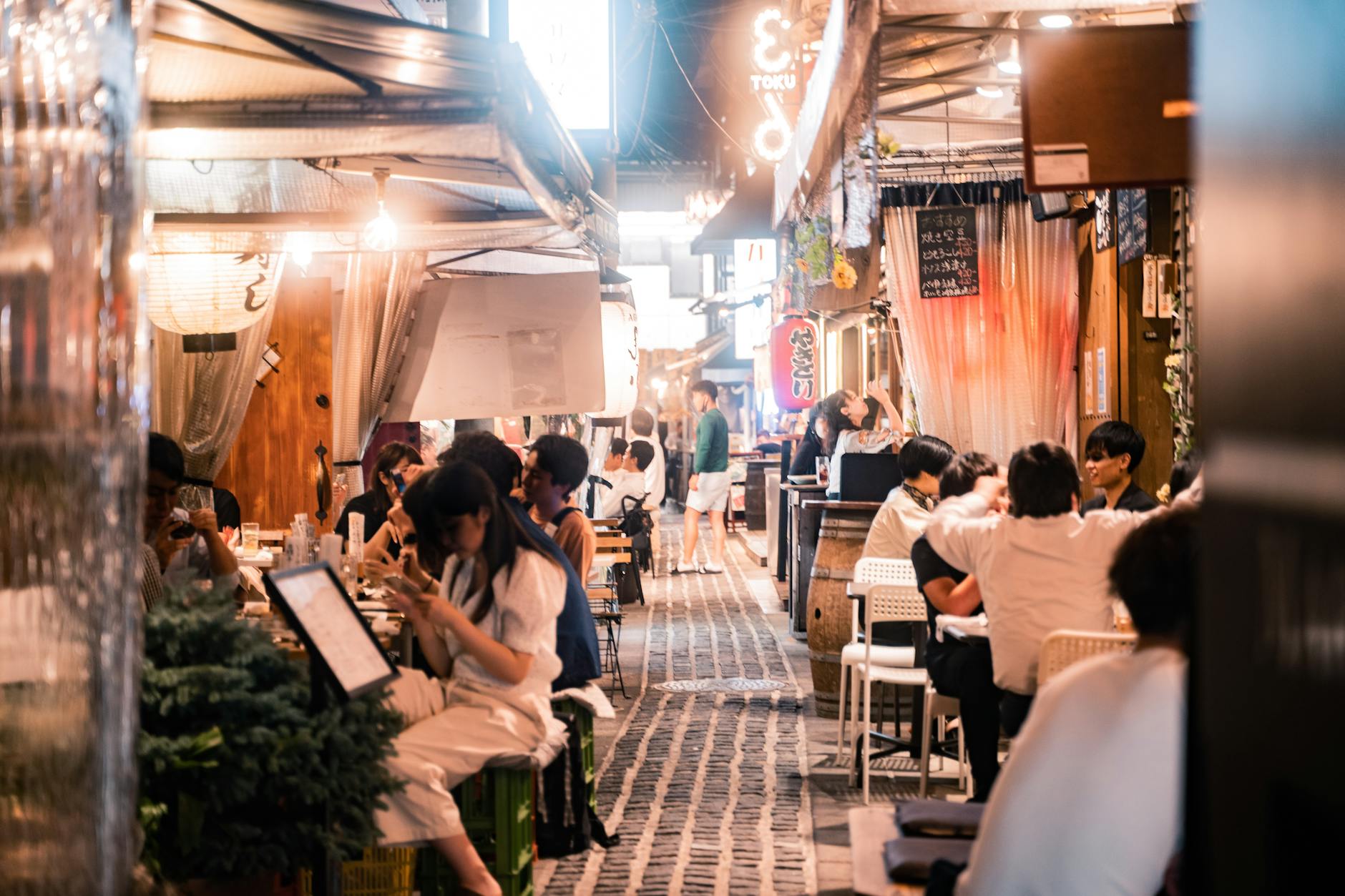
The neighborhood surrounding it — Kagurazaka — adds another layer of appeal. Once home to geisha houses and samurai residences, today it's a sophisticated mix of French bistros, Japanese ryotei restaurants, artisan boutiques, and hidden stone-paved alleys. It's one of the few places in Tokyo where you can eat a croissant in the morning, visit a Shinto shrine at noon, and sip sake in a lantern-lit alley at dusk.
This guide covers everything you need to know: the shrine's history and architecture, what to see and do, the Kagurazaka neighborhood, how to get there, when to visit, and practical tips that will make your trip smooth and rewarding.
About Akagi Shrine: History and the Kengo Kuma Redesign
A Shrine with 700 Years of History
Akagi Shrine's origins trace back to the early 14th century. According to historical records, the shrine was established around 1300 when a warrior from Kozuke Province (present-day Gunma Prefecture, where the volcanic Mount Akagi stands) relocated to Edo — the old name for Tokyo. He brought with him the enshrined deity of Akagi, and the shrine has stood in this area ever since.
The main deity enshrined here is Iwatsutsunosuo no Mikoto, a fire-related deity associated with metalworking and protection. The shrine has long served as a spiritual guardian for the Kagurazaka community, and locals have deep ties to it through generations of festivals, seasonal rituals, and daily prayers.
For most of its history, the shrine occupied a modest but dignified footprint in the neighborhood. By the early 2000s, however, the aging wooden structures needed significant attention. Rather than a straightforward restoration, the shrine's administrative foundation took a bold and controversial step: they invited Kengo Kuma to reimagine the entire complex.
The 2010 Kengo Kuma Redesign
Kengo Kuma is one of Japan's most celebrated contemporary architects, known globally for projects including the Japan National Stadium (used for the 2020 Tokyo Olympics), the V&A Dundee museum in Scotland, and dozens of landmark buildings across Asia, Europe, and North America. His design philosophy centers on harmony between built structures and their natural surroundings — what he describes as "erasing architecture" and allowing materials to breathe.
At Akagi Shrine, Kuma worked within a strict set of constraints. The sacred structure had to maintain its spiritual integrity, respect Shinto architectural conventions, and relate to its urban surroundings. His solution was to use glass, wood louvers, and clean geometric lines to create a shrine complex that feels simultaneously ancient and contemporary.
The completed renovation was unveiled in 2010 and immediately drew both admiration and debate. Traditionalists questioned whether a glass-and-steel aesthetic belonged on a sacred site. Modernists celebrated it as proof that Japanese architecture could honor the past while pushing boldly forward. Today, more than a decade later, the verdict is largely positive: Akagi Shrine has become not just a functioning place of worship but a destination in its own right.
What Makes Akagi Jinja Architecturally Unique?
At most Shinto shrines, you'd expect unpainted cedar wood, sweeping curved rooflines, and weathered stone lanterns. Akagi Shrine has some of these traditional elements — but Kuma's redesign introduces a visual language that feels distinctly 21st century.
- Glass-enclosed main hall: The honden (main sanctuary) features glass walls that allow natural light to filter through, creating an ethereal glow on clear days. The transparent surfaces also reflect the surrounding zelkova trees, blurring the boundary between inside and outside.
- Wooden louver screens: Horizontal timber slats wrap portions of the building, providing privacy and shade while introducing the warmth of natural materials that Kuma favors.
- Clean geometric forms: The overall silhouette is angular and precise — very different from the organic curves of traditional Shinto architecture, yet not at all harsh.
- Condominium integration: In a pragmatic move, the redesign included a modern residential tower adjacent to the shrine grounds. Income from the condominiums helps fund long-term shrine maintenance — a creative financial model for urban religious sites.
- Preserved stone elements: Stone lanterns, torii gate foundations, and portions of the original stone paving remain, grounding the design in centuries of history.
What to See and Do at Akagi Shrine
The Main Shrine Building
The centerpiece of your visit is the main shrine hall itself. Approach slowly and take it in from different angles — the way the glass reflects the surrounding trees changes throughout the day. In the morning, soft light gives the building a luminous quality. In the afternoon, the wooden louvers cast interesting shadow patterns. In autumn, when the zelkova trees turn gold, the contrast with the modern glass is particularly striking.
As with all Shinto shrines, there is a haiden (oratory hall) where visitors can pray. The etiquette here is the same as any shrine: bow twice, clap twice, pray silently, then bow once more. Photography is generally permitted in the grounds, though you should be respectful and avoid photographing worshippers in prayer without permission.
The Sandō Approach and Torii Gate
The approach to Akagi Shrine — the sandō — runs through a quiet, tree-lined path from the main street. Passing through the stone torii gate marks the transition from the secular world to sacred space, a moment worth pausing at and absorbing.
The grounds are compact but carefully designed. Stone lanterns flank the path, and the surrounding zelkova trees create a natural canopy. In spring, the contrast of fresh green leaves against the geometric building is particularly beautiful. In winter, when the trees are bare, the architectural lines of the shrine become even more prominent and photogenic.
Seasonal Events and Festivals
Akagi Shrine maintains an active calendar of Shinto festivals and seasonal events that connect the community to the rhythms of the year. Key events include:
- New Year (Shōgatsu): The shrine is busy with hatsumode — the first shrine visit of the new year. Expect long queues in the first few days of January, but also a festive atmosphere with stalls selling traditional foods and lucky charms.
- Setsubun (early February): The bean-throwing ritual to drive away evil spirits and welcome spring. Akagi Shrine holds ceremonies on this date.
- Akagi Jinja Festival (mid-September): The shrine's main annual festival, featuring mikoshi (portable shrine) processions through the Kagurazaka streets. This is one of the most authentic ways to experience the neighborhood's traditional character.
- Shichi-Go-San (November 15): Families bring children aged 3, 5, and 7 for blessings. The children dressed in formal kimono make for memorable photographs.
- New Year's Eve and Day: Quiet midnight prayers transition to the busy New Year celebrations.
Omamori (Lucky Charms) and Goshuin (Stamp Book)
Like all Shinto shrines, Akagi Shrine offers omamori — small fabric amulets containing sacred prayers. These are available at the shrine office (shamusho) and make meaningful souvenirs. Common types include charms for safety, academic success, love, and good health. Prices typically range from ¥500 to ¥1,000.
If you have a goshuincho (shrine stamp book), Akagi Shrine provides a goshuin — a beautiful handwritten calligraphy stamp that records your visit. These are collected by both Japanese locals and foreign visitors who enjoy the ritual. If you don't have a goshuincho, the shrine office often sells blank ones on-site. The fee for a goshuin is typically ¥300–¥500.
The Akagi Shrine goshuin design incorporates elements unique to this shrine's identity — worth collecting even if you're new to the tradition.
Kagurazaka Neighborhood Guide
No visit to Akagi Shrine is complete without spending time exploring Kagurazaka itself. This neighborhood is one of Tokyo's most distinctive — a rare place where multiple cultural layers coexist without any one of them feeling forced or artificial.
The French Quarter Connection
Kagurazaka's most surprising characteristic for first-time visitors is its deep French influence. The neighborhood has been home to a significant French expatriate community since the French Institute of Japan established itself nearby. Today, Kagurazaka has one of the highest concentrations of French restaurants, patisseries, and bistros anywhere outside France.
Walking along Kagurazaka-dori, you'll pass authentic boulangeries selling fresh croissants beside izakayas offering grilled yakitori. French cheeses sit in shop windows next to display cases of wagashi (Japanese sweets). It's a genuinely unusual cultural fusion, and it works — the French and Japanese aesthetic sensibilities share enough common ground (restraint, quality ingredients, attention to presentation) that the neighborhood feels cohesive rather than chaotic.
Notable French establishments include Café Crêpe and various patisseries along the main street. For a sit-down French meal, the area around Kagurazaka station has numerous well-regarded restaurants, many with French-Japanese fusion menus that are excellent.
Hidden Alleys: Kakuriyo Yokocho and the Geisha Lanes
The soul of Kagurazaka lives not on its main street but in the narrow alleys — yokocho — that branch off it. These stone-paved lanes are lined with traditional machiya townhouses, many converted into restaurants, sake bars, and boutiques. Walking through them feels like stepping into a different era.
The most famous of these is Kakuriyo Yokocho (兵庫横丁), a short but atmospheric lane with traditional wooden buildings. Geisha Lane (芸者新道) is another highlight — Kagurazaka was once one of Tokyo's five major geisha districts, and remnants of that era survive in the architecture and layout of these alleys.
While you won't see geisha performing today (the active geisha culture has largely shifted to Kyoto), the architecture tells the story. The distinctive ochaya (teahouse) buildings with their latticed wooden facades are still intact, and some operate as high-end restaurants that maintain the ryotei dining tradition.
Kagurazaka-dori: The Main Shopping Street
Kagurazaka-dori is the neighborhood's main artery, running from Iidabashi station uphill toward Waseda. The street hosts a mix of traditional shops, modern boutiques, and the French-influenced cafes mentioned above. Specific highlights include:
- Kagurazaka Wakana: A long-established shop selling traditional pickles and preserved foods — excellent souvenirs.
- Mugimaru 2: A beloved small cake shop known for its delicate Japanese confections.
- Antique and craft shops: Several shops along the side streets sell traditional crafts, textiles, and antiques.
- Hyogo-yokocho entrance: Look for the narrow entrance leading into the atmospheric back alleys. It's easy to miss — which is part of the charm.
Best Cafes and Restaurants Near Akagi Shrine
Kagurazaka has a dining scene that punches well above its size. Near Akagi Shrine specifically, options range from casual to exceptional:
- Kagurazaka Saryo: A beautiful Japanese tea salon serving matcha, wagashi, and light meals in an elegant setting — perfect for a post-shrine break.
- Le Bretagne: An authentic Breton crêperie that has been a Kagurazaka institution for years. The galettes are excellent.
- Uotora: A renowned seafood and sake restaurant in one of the converted machiya townhouses. Reservations recommended.
- Akagi Café: Conveniently located adjacent to the shrine grounds (yes, there's a café built into the Kengo Kuma complex), this is the easiest option for a quick drink or light bite before or after visiting the shrine.
For evening drinks in a different but complementary vibe, Golden Gai in Shinjuku is just 10 minutes away by train — a labyrinthine collection of tiny bars that offers a completely different but equally authentic Tokyo experience.
How to Get to Akagi Shrine Kagurazaka
Akagi Shrine is very well connected by Tokyo's extensive train network. The address is 1-10 Akagi Motomachi, Shinjuku City, Tokyo 162-0817.
From Iidabashi Station (Easiest Route)
Iidabashi Station is the closest and most convenient access point, served by four different train lines:
- Toei Oedo Line (E06): Direct from Shinjuku (2 stops, ~4 min)
- Tokyo Metro Tozai Line (T06): Connects to Otemachi, Nihonbashi, and eastern Tokyo
- Tokyo Metro Namboku Line (N10): Connects to Tameike-Sanno, Roppongi-Itchome
- Tokyo Metro Yurakucho Line (Y13): Connects to Ikebukuro, Ginza, Shin-Kiba
From Iidabashi Station, exit at the B3 exit (Kagurazaka exit) for the most direct approach. Walk uphill along Kagurazaka-dori for approximately 5 minutes, then look for the shrine entrance on the left side of the street. The torii gate is visible from the main road.
From Shinjuku
Shinjuku is only 10 minutes by train from Iidabashi. Take the Toei Oedo Line from Shinjuku Station (Tocho-mae is the main Oedo entry point on the west side) directly to Iidabashi (2 stops). This makes Akagi Shrine an easy half-day addition to any Shinjuku itinerary.
From Other Major Areas
- From Shibuya: ~25 minutes via Oedo Line (change at Daimon) or via Tozai Line (change at Nihonbashi)
- From Akihabara: ~15 minutes on the Tozai Line (direct)
- From Tokyo Station: ~20 minutes via Tozai Line (change at Otemachi)
- From Ikebukuro: ~15 minutes via Yurakucho Line (direct)
Getting There by Car
Driving to Kagurazaka is possible but not recommended due to limited parking and narrow streets. However, for visitors exploring Tokyo with a rental car, Samurai Car Japan in nearby Shibuya offers JDM sports car rentals to foreign tourists — a unique way to experience the city if you're comfortable navigating Tokyo's roads. Street parking near the shrine is extremely limited; use nearby paid parking facilities if you drive.
When to Visit Akagi Shrine
Best Seasons
Akagi Shrine is rewarding to visit year-round, but certain seasons offer particularly memorable experiences:
- Spring (late March–April): Cherry blossom season transforms Kagurazaka. While Akagi Shrine doesn't have famous sakura trees itself, the neighborhood's streets and nearby Sotobori Park offer beautiful cherry blossoms within easy walking distance. Visiting during hanami season means pairing the shrine with some of Tokyo's best springtime scenery.
- Summer (June–August): Tokyo summers are hot and humid, but the shrine's tree canopy provides some shade. Summer festivals and evening events make this a lively time, and the contrast of the cool stone path against summer heat feels appropriately meditative.
- Autumn (October–November): The best season for architectural photography. The zelkova trees surrounding the shrine turn brilliant gold and orange in November, creating a stunning backdrop for Kuma's glass-and-wood design. The juxtaposition of modern and natural is at its most visually powerful.
- Winter (December–February): Quieter and uncrowded except around New Year. The bare trees reveal the shrine's architectural lines most clearly, and cold clear days make for excellent photography. The New Year period (January 1–3) is busy but festive.
Best Time of Day
Morning (8–10am) is ideal for visitors who want a quiet, contemplative experience. The shrine opens early, crowds are minimal, and the light is soft and flattering for photography. Weekday mornings are particularly peaceful.
Late afternoon (4–6pm) is excellent for the combination of shrine visit followed by Kagurazaka evening exploration. The streets come alive as restaurants open, and the transition from daylight to lantern light in the alleys is magical.
Avoid weekend afternoons in good weather — the neighborhood gets crowded, and the shrine grounds can feel less contemplative. Festival days are an exception: the crowds are part of the experience.
Nearby Attractions in Kagurazaka
Kagurazaka and the surrounding area offer several other worthwhile stops that pair naturally with an Akagi Shrine visit:
- Zenkokuji Temple (毘沙門天): Just steps from Kagurazaka Station on the main street, this Buddhist temple is dedicated to Bishamonten (one of the Seven Lucky Gods) and is one of the most important temples in the Kagurazaka area. A natural pairing with the shrine visit for those interested in both Shinto and Buddhist sites.
- Natsume Soseki Memorial Museum: Japan's most beloved Meiji-era novelist (author of Kokoro and I Am a Cat) lived in Kagurazaka, and a small memorial museum celebrates his life and work. Worth a quick stop for literature fans.
- Sotobori Park: A narrow green space running along the old outer moat of Edo Castle. Cherry blossoms here in spring are outstanding, and it's a pleasant walking route to or from the shrine.
- Iidabashi Station Area: The area around the station has several cafes and shops worth browsing before or after your shrine visit.
- Ushigome-Kagurazaka Area: Further exploration up the hill reveals more traditional streets and occasional surprising finds — old machiya buildings converted to unexpected uses.
For broader Tokyo planning, our Tokyo 5-day itinerary includes recommendations for structuring a visit to Kagurazaka alongside other key neighborhoods. You can also explore more of the city's fascinating contrasts in our guide to unique Tokyo experiences.
Practical Tips for Visiting Akagi Shrine
Opening Hours and Admission
- Entrance: Free (no admission fee)
- Grounds: Open daily, generally from dawn to dusk (the grounds do not have strict locked gates)
- Shrine office (for omamori and goshuin): Typically open 9:00am–5:00pm daily
- Akagi Café: Check current hours — typically open from morning until early evening on most days
Photography Guidelines
Photography is permitted throughout the shrine grounds, and Akagi Shrine is genuinely one of the most photogenic shrines in Tokyo. Key photography tips:
- The glass facade of the main hall reflects the surrounding trees beautifully — position yourself to capture both the building and its reflections.
- The torii gate framing shots toward the main hall work well in any season.
- Interior photography of the honden (inner sanctuary) is not permitted — respect this boundary.
- Do not photograph people actively engaged in prayer or ritual without clear consent.
- The combination of modern architecture with autumn foliage (late October–November) produces outstanding photographs.
Shrine Etiquette
- Purify your hands at the temizuya (stone water basin) before approaching the main hall — scoop water with the ladle, rinse left hand, then right hand, then optionally rinse your mouth.
- At the offering box, toss a coin (any denomination is fine, ¥5 coins are considered lucky), bow twice, clap twice, pray quietly, then bow once more.
- Speak quietly in the main hall area out of respect for worshippers.
- Don't touch sacred objects, ropes, or ritual implements.
What to Bring and Wear
- Cash: Small bills and coins for omamori, goshuin, and donations. Many shrine shops do not accept cards.
- Goshuincho: If you collect shrine stamps, bring your stamp book.
- Comfortable shoes: The stone paths in Kagurazaka's alleys can be uneven.
- Camera: This is one of the most photogenic shrines in Tokyo — bring your best camera.
Related Guides
- Things to Do in Shinjuku — Explore the vibrant neighborhood just 10 minutes away
- Golden Gai Shinjuku Guide — Tokyo's most famous bar alley for an unforgettable evening
- Unique Experiences in Tokyo — More off-the-beaten-path discoveries across the city
- Tokyo 5-Day Itinerary — Full planning guide including Kagurazaka
Frequently Asked Questions
Is Akagi Shrine free to enter?
Yes, entry to Akagi Shrine is completely free. There is no admission charge to walk through the grounds and visit the shrine. Optional costs include omamori (¥500–¥1,000), goshuin stamp collection (¥300–¥500), and any purchases at Akagi Café.
Who designed Akagi Shrine?
The current Akagi Shrine complex was redesigned by architect Kengo Kuma, one of Japan's most internationally recognized contemporary architects. The redesign was completed in 2010. Kuma is also known for designing the Japan National Stadium (used for the Tokyo 2020 Olympics) and the V&A Dundee museum in Scotland.
What is the best way to get to Akagi Shrine from Shinjuku?
The easiest route is the Toei Oedo Line from Shinjuku (Tocho-mae Station on the west side) to Iidabashi Station — just 2 stops, approximately 4 minutes. From Iidabashi, use the Kagurazaka exit (B3) and walk uphill along Kagurazaka-dori for about 5 minutes. Total journey time from central Shinjuku is approximately 10–12 minutes.
When is Akagi Shrine most crowded?
The shrine is busiest during New Year (January 1–3), the September annual festival, and on weekend afternoons in good weather during cherry blossom season (late March–April). For a quieter visit, weekday mornings are ideal year-round. The autumn foliage period (November) attracts visitors but is generally not overcrowded.
Is Akagi Shrine worth visiting?
Absolutely. Akagi Shrine is one of Tokyo's most visually distinctive sacred sites, combining centuries of Shinto history with one of Japan's most acclaimed contemporary architects' designs. Even visitors with no particular interest in religion or architecture typically find it memorable. Combined with the Kagurazaka neighborhood's exceptional dining, cafes, and hidden alleys, a half-day visit to this area is among the best things to do in Tokyo.
What is Kagurazaka known for?
Kagurazaka is known for its unique blend of French and Japanese culture, its historic geisha district atmosphere (preserved in its stone-paved alleys and traditional wooden architecture), its exceptional restaurant scene, and Akagi Shrine. It's one of Tokyo's most charming and livable neighborhoods — the kind of place where locals actually want to spend time, which gives it an authenticity that more tourist-heavy areas sometimes lack.
Can I get a goshuin (shrine stamp) at Akagi Shrine?
Yes. Akagi Shrine provides goshuin at the shrine office, typically during office hours (approximately 9:00am–5:00pm). The fee is usually ¥300–¥500. You can bring your own goshuincho (stamp book) or purchase one at the shrine. The Akagi Shrine goshuin features beautiful calligraphy and is a meaningful souvenir of your visit.