Two hours north of Tokyo, nestled in the forested mountains of Tochigi Prefecture, Nikko stands as one of Japan's most spectacular destinations. Gilded shrines, thundering waterfalls, a volcanic lake framed by cedar forest, and a theme park that transports you to the Edo period — all within a single day trip. It's no surprise that travelers consistently rank Nikko in japan among the country's most rewarding escapes from the capital.
Whether you have one full day or an overnight stay, this complete guide covers everything you need: the must-see attractions, how to get there, a practical itinerary, where to eat, and the insider tips that make the difference between a rushed visit and a truly memorable one.
Top Attractions in Nikko
Nikko's main sightseeing area clusters around the Shinkyo Bridge and spreads into the hills above. Most of the UNESCO-listed shrines and temples are within a 15-minute walk of each other. Lake Chuzenji and Kegon Falls require a 30-minute bus ride up the winding Irohazaka road, while Edo Wonderland sits slightly northeast of the main shrine complex.
Tosho-gu Shrine (UNESCO World Heritage)
Nikko Toshogu is Japan's most lavishly decorated shrine — a jaw-dropping ensemble of gold leaf, vivid lacquerwork, and intricate carvings that took 15,000 craftsmen nearly two years to complete. Built in 1617 and magnificently expanded in 1636 by the third Tokugawa shogun, the complex serves as the mausoleum of Tokugawa Ieyasu, the warlord who unified Japan and established the Edo shogunate.
The approach leads through towering cryptomeria cedars before you reach the iconic Yomeimon Gate ("Gate of Sunlight"), adorned with over 500 individual carvings — animals, flowers, mythological creatures, and sages. Legend says one pillar was deliberately carved upside-down to avoid perfection angering the gods. Look for the three wise monkeys carving (see no evil, hear no evil, speak no evil) on the Sacred Stable — it's older and more intricate than you might expect.
The Nemuri-neko (Sleeping Cat) relief above one of the gates is nationally famous — a deceptively simple carving that symbolises peace. Behind it, 207 stone steps climb to Ieyasu's actual tomb, set against a forest backdrop that contrasts strikingly with the ornate shrine below.
Admission: ¥1,600 adults (or ¥1,300 with the World Heritage combo ticket). Open daily 9:00–17:00 (until 16:00 November–March).
Rinnoji Temple
Just steps from Tosho-gu, Rinnoji Temple is the major Buddhist institution of the Nikko complex and one of the oldest foundations in the region, established by the monk Shodo Shonin in 766 AD. The centrepiece is the Sanbutsudo Hall — "Three Buddha Hall" — housing three enormous gilded wooden statues standing over 7 metres tall: Amida Nyorai (the Buddha of infinite light), Senju Kannon (the thousand-armed goddess of mercy), and Bato Kannon (the horse-headed deity, protector of animals).
The temple's Shoyoen Garden is a serene Japanese strolling garden that provides a peaceful contrast to the ornate shrines nearby — particularly beautiful in autumn when the maples turn brilliant red and orange. Allow 30–40 minutes here, especially if you want to explore the garden (¥300 additional admission).
Futarasan Shrine
Often overshadowed by Tosho-gu's grandeur, Futarasan Shrine deserves attention as one of Nikko's oldest and most spiritually significant sites. Founded in 782 AD, it predates the Tokugawa shrines by nearly nine centuries and is dedicated to the three sacred mountains of Nikko: Mount Nantai, Mount Nyoho, and Mount Taro.
The main hall (Honden) sits amid ancient cryptomeria trees and has a quiet, genuinely sacred atmosphere that feels very different from the touristic Tosho-gu. The "Gokusui" sacred spring within the precincts is said to ward off evil spirits — visitors can purchase wooden charms here. Admission: ¥300. The shrine is also the starting point for those hiking up Mount Nantai (2,486m) in summer.
Kegon Falls — Japan's Most Famous Waterfall
Nikko Kegon Falls is arguably Japan's most celebrated waterfall, and seeing it in person confirms why. Fed by the outflow of Lake Chuzenji, the water plunges 97 metres in a single unbroken drop into a narrow gorge — the roar is audible from the observation plaza above, and the mist creates rainbows on sunny mornings. Along with Nachi Falls in Wakayama and Fukuroda Falls in Ibaraki, Kegon is considered one of Japan's "Three Great Waterfalls."
The free upper observation platform gives a good view, but the real spectacle is from the lower observation deck, reached by a lift (¥570 adults round trip) that descends 100 metres through the cliff face. From this vantage point you see the full height of the main falls plus a series of smaller cascades flanking it — an impressive and slightly humbling perspective.
The falls are at their most dramatic during the spring snowmelt (late April–May) and after summer typhoon rains. In winter, the falls partially freeze, creating stunning ice formations.
Lake Chuzenji
Nikko Lake Chuzenji sits at 1,269 metres above sea level — Japan's highest lake — formed about 20,000 years ago when lava from Mount Nantai blocked the valley. At roughly 12 km in circumference, it's large enough to feel expansive, with the volcanic cone of Nantai reflecting in its waters on calm mornings.
The lake's western shore is dotted with historic villas once used by foreign diplomats during the Meiji and Taisho eras — the cooler mountain air made it Nikko's premier summer retreat. Today you can take a pleasure boat cruise (¥1,200, approximately 60 minutes) that circles the lake with commentary on its geological history.
The shoreline town of Chuzenji Onsen has several restaurants serving fresh iwana (char) and yamame trout caught from the lake — a perfect lunch stop. In autumn (late October–mid November), the lake's reflection of crimson and gold foliage is one of Nikko's most photographed scenes.
Tamozawa Imperial Villa
Often skipped by day-trippers, the Tamozawa Imperial Villa Memorial Park is a genuine hidden gem. This sprawling 106-room villa was used by the Imperial family from the late Meiji period through the early Showa era, and it's been preserved almost exactly as it was. The building beautifully merges traditional shoin-zukuri palace architecture with Western elements introduced during Japan's rapid modernisation.
Emperor Showa (Hirohito) spent time here as a child, and the children's rooms, study areas, and formal reception halls offer a fascinating window into Imperial family life. The surrounding garden features a 400-year-old black pine that predates the villa itself. Admission: ¥550 adults. Closed Tuesdays.
Edo Wonderland (Nikko Edomura)
Nikko Edo Wonderland — officially Nikko Edomura — is Japan's best living-history theme park, and it offers something genuinely different from shrine and temple visits. The entire park is built as a recreation of a late Edo period (1603–1868) town: cobblestone streets, merchant quarters, ninja training dojos, a ninja mansion with hidden doors and trick floors, and performance stages where period shows run throughout the day.
You can dress up in period costumes (available for rent: samurai, geisha, ninja, townsperson), watch sword-fighting and acrobatics performances, try your hand at shuriken (throwing star) throwing, and tour authentic-looking historical buildings. It's genuinely entertaining for both adults and children. Allow 3–4 hours minimum; enthusiasts easily spend a full day here.
Admission: ¥2,800 adults, ¥1,400 children (6–12), ¥700 small children (3–5). Open 9:30–17:00 (last entry 16:00). Closed Wednesdays in winter. Located about 2.5 km northeast of Nikko Station — taxi recommended (¥800–1,000).
How to Get to Nikko from Tokyo
Getting to Nikko from Tokyo is straightforward with several options depending on your budget and base station.
Tobu Nikko Line (Recommended — Cheapest Option)
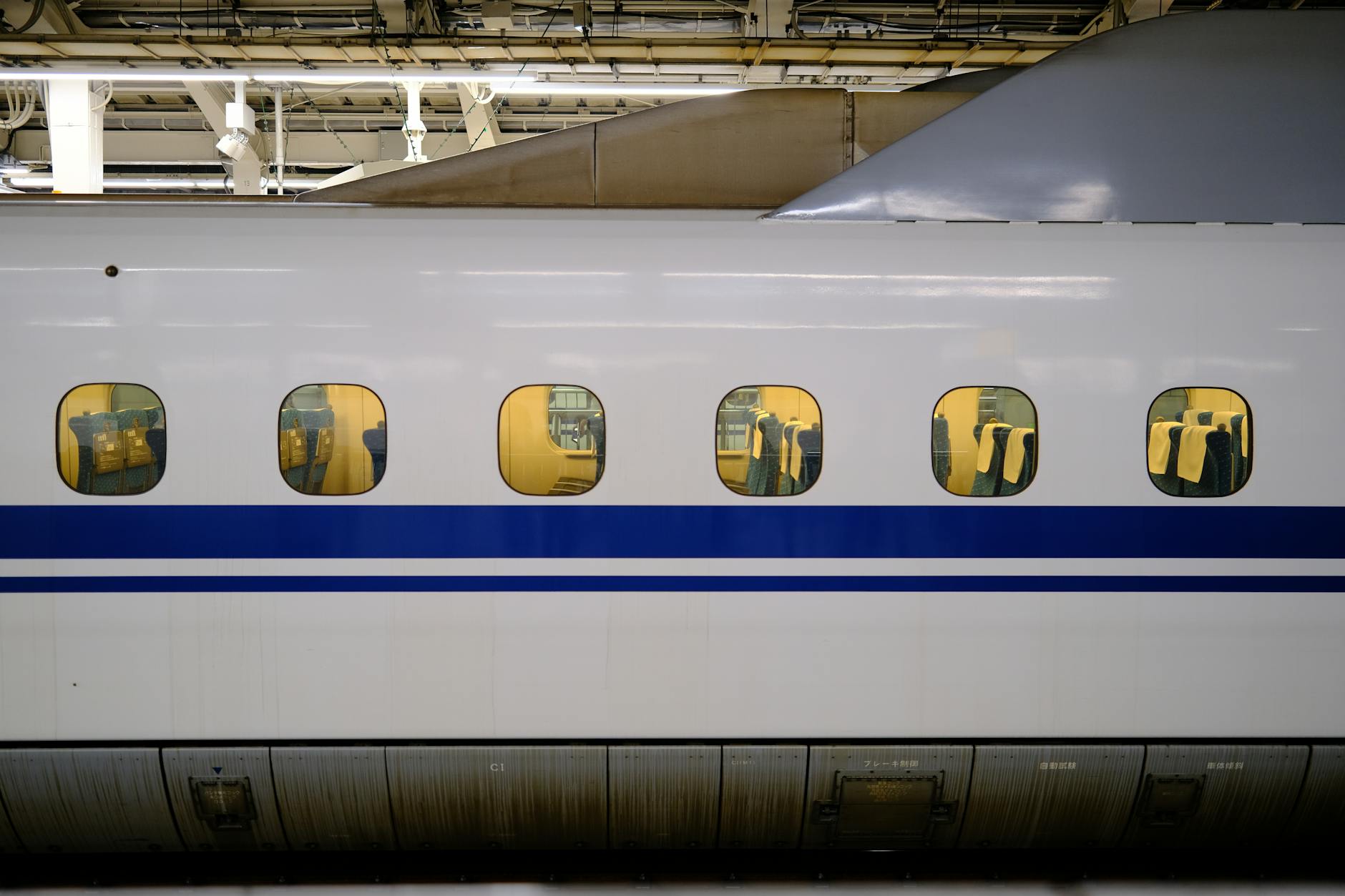
The Tobu Nikko Line from Asakusa Station (or Shinjuku/Ikebukuro with a transfer) is the most popular and affordable option for visiting Nikko. The Tobu Spacia limited express train makes the journey in about 1 hour 45 minutes with no transfers. A one-way ticket costs approximately ¥1,360 (local) or ¥2,720 (limited express with reserved seat).
The big advantage of the Tobu Line is the Nikko Pass — a 2-day or 4-day pass available to foreign tourists that bundles round-trip rail from Asakusa with unlimited local bus rides within Nikko (essential for reaching Chuzenji and Kegon Falls). The 2-day pass costs ¥4,780 (from Asakusa) and pays for itself if you use the buses.
JR + Shinkansen Options
From Ueno or Tokyo Station, you can take the Tohoku Shinkansen to Utsunomiya (approx. 50 minutes, ¥4,510–5,280) and then the JR Nikko Line to Nikko Station (approx. 45 minutes, ¥760). Total time is similar to the Tobu Line but significantly more expensive.
If you hold a Japan Rail Pass, the shinkansen portion is covered — but the JR Nikko Line to Nikko and local buses within Nikko still require separate tickets. Check our Japan Rail Pass guide to determine whether the pass makes sense for your overall trip itinerary before committing.
Driving to Nikko
Driving gives you the most flexibility, especially for reaching Kegon Falls, Lake Chuzenji, and more remote scenic spots on your own schedule. The drive from central Tokyo takes approximately 2–2.5 hours via the Tohoku Expressway and Nikko Utsunomiya Road (Nikko IC exit). Tolls one-way run roughly ¥3,000–3,500.
One of the most exhilarating ways to make this drive is in a JDM sports car. If you want to arrive in style — and tackle the legendary Irohazaka hairpin road in something that can handle it — Samurai Car Japan in Shibuya offers JDM sports car rentals to foreign tourists, including iconic models like the Nissan Skyline GT-R and Toyota Supra. It transforms the journey into an event in itself.
For a detailed driving itinerary covering the Irohazaka switchbacks and scenic routes through the Nikko mountains, see our dedicated Nikko driving route guide.
Nikko 1-Day Itinerary
A single well-planned day in Nikko can cover the shrine complex, Kegon Falls, and Lake Chuzenji — the essential highlights. Here's a practical schedule that works:
7:30 AM — Depart Asakusa on the first limited express Spacia. Grab breakfast at the station (the ekiben — train station bento — at Asakusa are excellent).
9:15 AM — Arrive Nikko Station. Take the Tobu bus (15 min, ¥330 or covered by Nikko Pass) toward Shinkyo. Start at Shinkyo Bridge for photographs — the red lacquered bridge over the Daiya River is one of Nikko's most iconic images.
9:30–11:30 AM — Tosho-gu Shrine complex. With 2 hours you can comfortably see the Yomeimon Gate, the three wise monkeys carving, Nemuri-neko, and hike up to Ieyasu's tomb. Stop at Rinnoji's Sanbutsudo Hall on the way up.
11:30 AM–12:15 PM — Lunch in the shrine town. Try yuba ryori (tofu skin dishes — Nikko's most famous local food) at one of the restaurants along the main approach road. Meiji no Yakata offers yuba kaiseki in a beautiful Meiji-era brick building.
12:30 PM — Board the Tobu bus from Nishisando stop toward Chuzenji Onsen (approx. 45 min, ¥1,150 or Nikko Pass). The bus ascends the dramatic Irohazaka switchback road — 20 hairpin bends climbing 440 metres.
1:15–2:30 PM — Kegon Falls. Take the lift to the lower observation deck (¥570 return) and spend 20–30 minutes at the falls. Walk 5 minutes west along the shore road to reach Lake Chuzenji.
2:30–3:30 PM — Lake Chuzenji — stroll the shoreline, optional boat cruise, coffee at one of the lakeside cafes with mountain views.
3:45 PM — Bus back down Irohazaka to Nikko (note: the descent uses a separate one-way road of equal drama).
4:45 PM — Optional: browse shops along Nikko's main street for souvenirs (yuba crackers, Nikko carved wood items, sake from local breweries). Pick up dinner at the station food hall.
5:35 PM — Board limited express back to Asakusa, arriving ~7:20 PM. A full, satisfying day.
Where to Eat in Nikko
Nikko has a distinctive local food culture built around its Buddhist and Imperial heritage — you won't find elaborate izakaya dining, but the local specialties are worth seeking out.
Yuba (tofu skin) is Nikko's signature dish. Buddhist temples historically prohibited meat, so tofu products became central to the local diet. Yuba — the delicate skin skimmed from simmering soy milk — is served fresh (namayuba) with soy sauce and wasabi, or dried, grilled, deep-fried, and incorporated into multi-course kaiseki meals. Gyoshintei and Suzuya near the shrine complex are reliable choices for yuba set meals (¥1,500–3,000).
Meiji no Yakata occupies a beautifully preserved 1899 Western-style stone building that originally housed the holiday home of an American diplomat. The restaurant serves Western and Japanese fusion at mid-range prices and is atmospheric for lunch. Reservations recommended on weekends.
At Lake Chuzenji, several restaurants near the bus terminal serve fresh mountain trout and char caught from the lake — grilled iwana is a treat you won't easily find back in Tokyo.
For budget eating, the Nikko Station area has a handful of soba and ramen shops. The local kanmuri soba (buckwheat noodles) uses mountain spring water and is particularly good.
Best Time to Visit Nikko
Nikko is worth visiting in any season, but each offers a distinctly different experience. For full seasonal context across Japan, see our guide on the best time to visit Japan.
Autumn (late October–mid November) is peak season and arguably the most spectacular time. The combination of Nikko's dense maple and cedar forests, the reflective surface of Lake Chuzenji, and the backdrop of the ornate shrines creates some of Japan's finest autumn foliage scenery. Crowds are significant — weekends in this period are very busy — but the beauty justifies it. Aim for a weekday visit if possible.
Spring (late April–May) brings azaleas and cherry blossoms to the lower elevations, while higher areas like Chuzenji are still melting snow-fed rivers at their fullest, making Kegon Falls particularly impressive. The weather is mild and the trails are enjoyable.
Summer (July–August) is popular with Japanese families for its cool mountain temperatures — at 1,269m, Chuzenji is 5–7°C cooler than Tokyo on hot days. The hiking season on Mount Nantai opens in late July. Expect crowds during Obon (mid-August).
Winter (December–February) brings snow to the area, which is beautiful against the shrine architecture, and the frozen Kegon Falls is dramatic. It's the quietest season with few crowds, though some facilities at Chuzenji have reduced hours. Temperatures at the lake level can drop below -10°C — dress accordingly.
Tips for Visiting Nikko
Get the Nikko Pass. For foreign tourists using the Tobu Line, the Nikko Pass All Area (¥4,780 for 2 days from Asakusa) covers round-trip limited express rail plus unlimited buses throughout the Nikko area including Chuzenji. It pays for itself on day one if you're visiting Kegon Falls.
Buy the World Heritage combo ticket. The ¥1,300 combo ticket covers admission to Tosho-gu, Rinnoji Sanbutsudo, and Futarasan Shrine. Purchased at the Nikko Visitors Association just before the main gate, it saves you the hassle of buying three separate tickets.
Budget realistically. A comfortable day trip from Tokyo costs approximately ¥8,000–12,000 per person including transport (Nikko Pass), major admissions (shrines + Kegon lift), and lunch. Budget travellers can do it for less by using local trains and skipping the elevator.
Wear comfortable walking shoes. The path up to Ieyasu's tomb involves 207 stone steps, and the full shrine complex requires 2+ km of walking on uneven stone paving. Avoid dress shoes.
Download the Nikko Tourist Map PDF. The official Nikko tourism office provides excellent English-language maps — download before you go as mobile signal can be spotty near the waterfalls.
Consider an overnight stay. If budget allows, staying at one of Nikko's ryokan (traditional inns) dramatically improves the experience. Being in the town after day-trippers leave lets you see the shrine complex in the early morning mist — genuinely magical. The Nikko Kanaya Hotel (Japan's oldest Western hotel, 1873) and several onsen ryokan around Nikko Yumoto are excellent options.
More day trip options from Tokyo? Nikko is one of the best — but check our complete day trips from Tokyo guide for comparisons with Hakone, Kamakura, Kyoto, and more to plan your perfect itinerary.
FAQ: Nikko Day Trip from Tokyo
Is Nikko worth a day trip from Tokyo?
Absolutely. Nikko offers one of the best value-to-effort ratios of any Tokyo day trip. Within 2 hours you have UNESCO World Heritage shrines, Japan's most famous waterfall, a stunning volcanic lake, and a unique theme park — all easily accessible by train and bus. Few destinations within Tokyo's day-trip radius pack in this much variety.
How many hours do you need in Nikko?
For the shrine complex alone, allow 2–3 hours. To add Kegon Falls and Lake Chuzenji, you need a full 8-hour day minimum. If you want to include Edo Wonderland, plan for an overnight stay or a dedicated second day. Most people find one well-planned day covers the top highlights comfortably.
Is Nikko better than Kamakura for a day trip?
They offer very different experiences. Kamakura is more compact and beach-adjacent, with a relaxed coastal vibe and the famous Great Buddha. Nikko is more dramatic — mountain scenery, elaborate shrine architecture, and powerful waterfalls. Nikko takes longer to reach but delivers more sheer visual impact. Kamakura is better for a half-day or casual stroll; Nikko rewards a full day of serious sightseeing.
Is Nikko expensive to visit?
It's moderately priced by Japan standards. The Nikko Pass (¥4,780 from Asakusa) covers transport and buses. Major admissions total roughly ¥2,500–3,000 for the shrines and Kegon lift. A filling lunch runs ¥1,000–2,000. Budget ¥10,000 (approximately US$65–70) for a comfortable full day including all highlights.
Can I visit Nikko without a Japan Rail Pass?
Yes — and it's often better value without one. The Tobu Nikko Line from Asakusa is not covered by JR Pass, and it's the fastest, most direct route. The Nikko Pass sold by Tobu is specifically designed for foreign tourists and is significantly cheaper than the JR shinkansen + Nikko Line combination.
What is Nikko famous for?
Nikko is famous for three things above all: Tosho-gu Shrine (the ornate mausoleum of shogun Tokugawa Ieyasu, a UNESCO World Heritage site), Kegon Falls (a 97-metre waterfall and one of Japan's top three), and its spectacular autumn foliage season. It's also known for yuba cuisine, the historic Irohazaka road, and Edo Wonderland theme park.
How far is Nikko from Tokyo?
Nikko is approximately 150 km north of Tokyo. By limited express train (Tobu Spacia from Asakusa), the journey takes about 1 hour 45 minutes. By car via the Tohoku Expressway, expect 2–2.5 hours depending on traffic.