There is a moment, when you are standing in the grandstand at Fuji Speedway, that most car lovers never forget. In front of you, the track curves away through the trees. Behind you — if the day is clear — Fujisan rises above the circuit, its perfect volcanic cone hanging above the treeline like a backdrop from a Japanese woodblock print.
This is what sets Fuji Speedway apart from every other motorsport venue in the world. It is not just a great racing circuit. It is a great circuit in one of the most beautiful natural settings on earth.
Fuji Speedway has hosted Formula 1 World Championship rounds, the World Endurance Championship, Super GT, and some of the most dramatic races in Japanese motorsport history. It has its own world-class museum. It has a hotel on site. And on the right day, you can drive a car on it yourself.
This guide covers everything you need to know to visit — whether you are coming for a race, a museum day, or the drive of your life.
A Brief History of Fuji Speedway
Important
Key dates in Fuji Speedway history:
- 1966: Fuji Speedway opens in Oyama, Shizuoka Prefecture
- 1976: First Japanese Formula 1 Grand Prix — the circuit of the legendary Niki Lauda vs James Hunt championship showdown
- 1977: Second and final F1 round of the original era, marred by a serious accident
- 2005–2007: Major reconstruction and modernisation project by Toyota, bringing the circuit to full FIA Grade 1 standard
- 2007–2008: Fuji Speedway returns to the F1 calendar as the Japanese Grand Prix venue
- 2012–present: Becomes a permanent home for WEC (World Endurance Championship) — the 6 Hours of Fuji is now one of the most prestigious rounds on the calendar
- 2023: Fuji Motorsports Museum opens on the circuit grounds
The 1976 Japanese Grand Prix is one of the most famous races in Formula 1 history. It was the final round of the season, and the championship was decided between Niki Lauda — who had miraculously returned from near-fatal burns sustained at the Nurburgring — and James Hunt. Lauda withdrew from the race in heavy rain, believing the conditions too dangerous to continue. Hunt finished third, which was enough to take the championship by a single point. The story was dramatised in Ron Howard's 2013 film Rush, and Fuji Speedway is central to its climax.
After Toyota's comprehensive renovation, the circuit became one of the most modern and spectator-friendly venues in Asia. The current layout measures 4.563 kilometres, with the famous long front straight stretching 1.5km — one of the longest in any racing series — and the technical final sector culminating in the iconic 130R corner, a high-speed right-hander that separates the truly fast from the merely quick.
Fuji Motorsports Museum
When it opened in 2023, the Fuji Motorsports Museum immediately became one of the most significant automotive museums in Asia. If you visit Fuji Speedway on a non-race day, the museum is the primary reason to make the trip — and it is well worth the journey from Tokyo on its own merits.
The collection spans the full history of motorsport at Fuji and beyond, with particular depth in Japanese motorsport heritage. Highlights include:
- F1 cars that raced at Fuji — including cars from the original 1976–1977 era and the 2007–2008 period. Seeing a late-1970s Formula 1 car up close, knowing it raced in one of the most consequential championships in F1 history, is genuinely stirring.
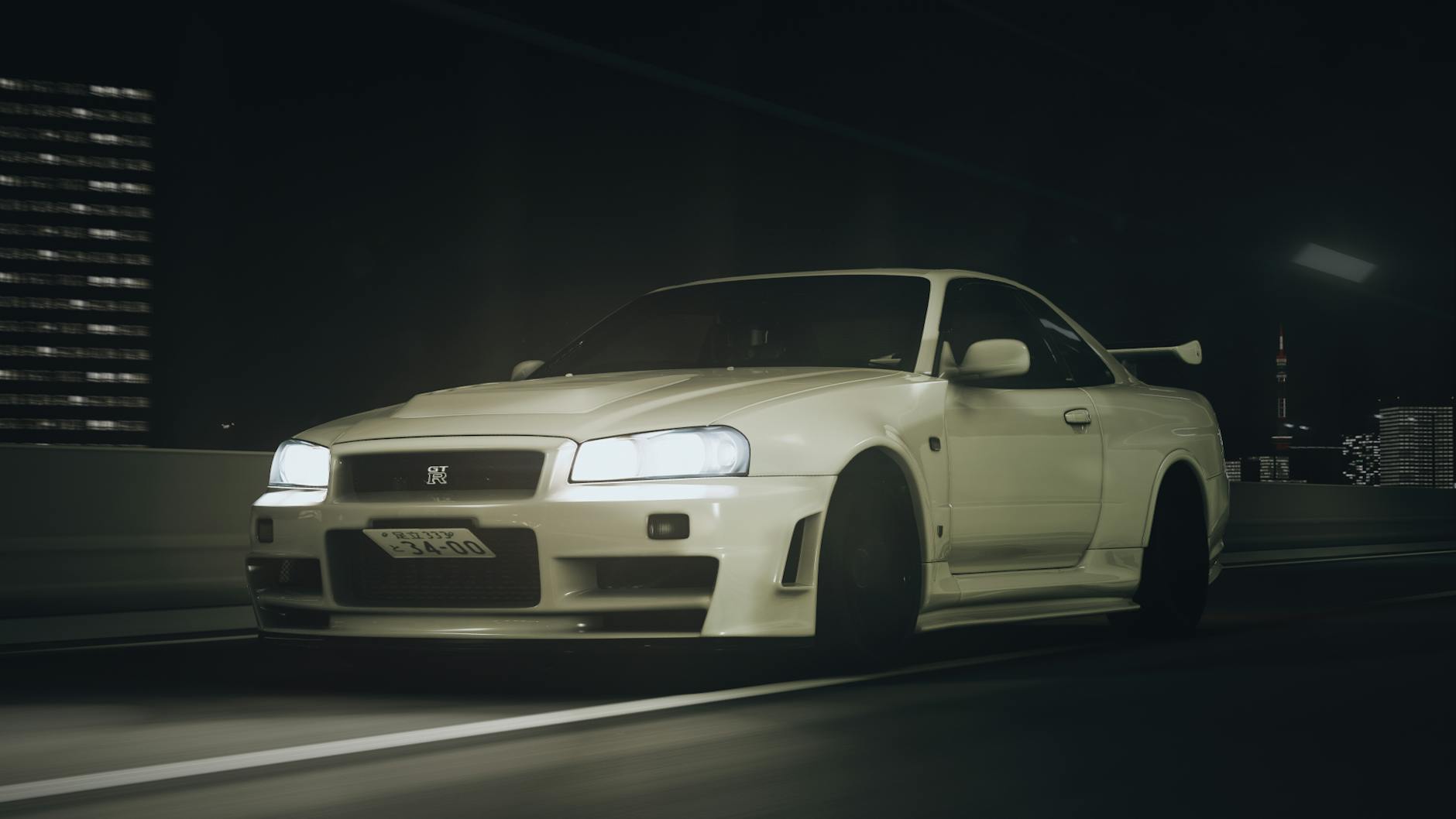
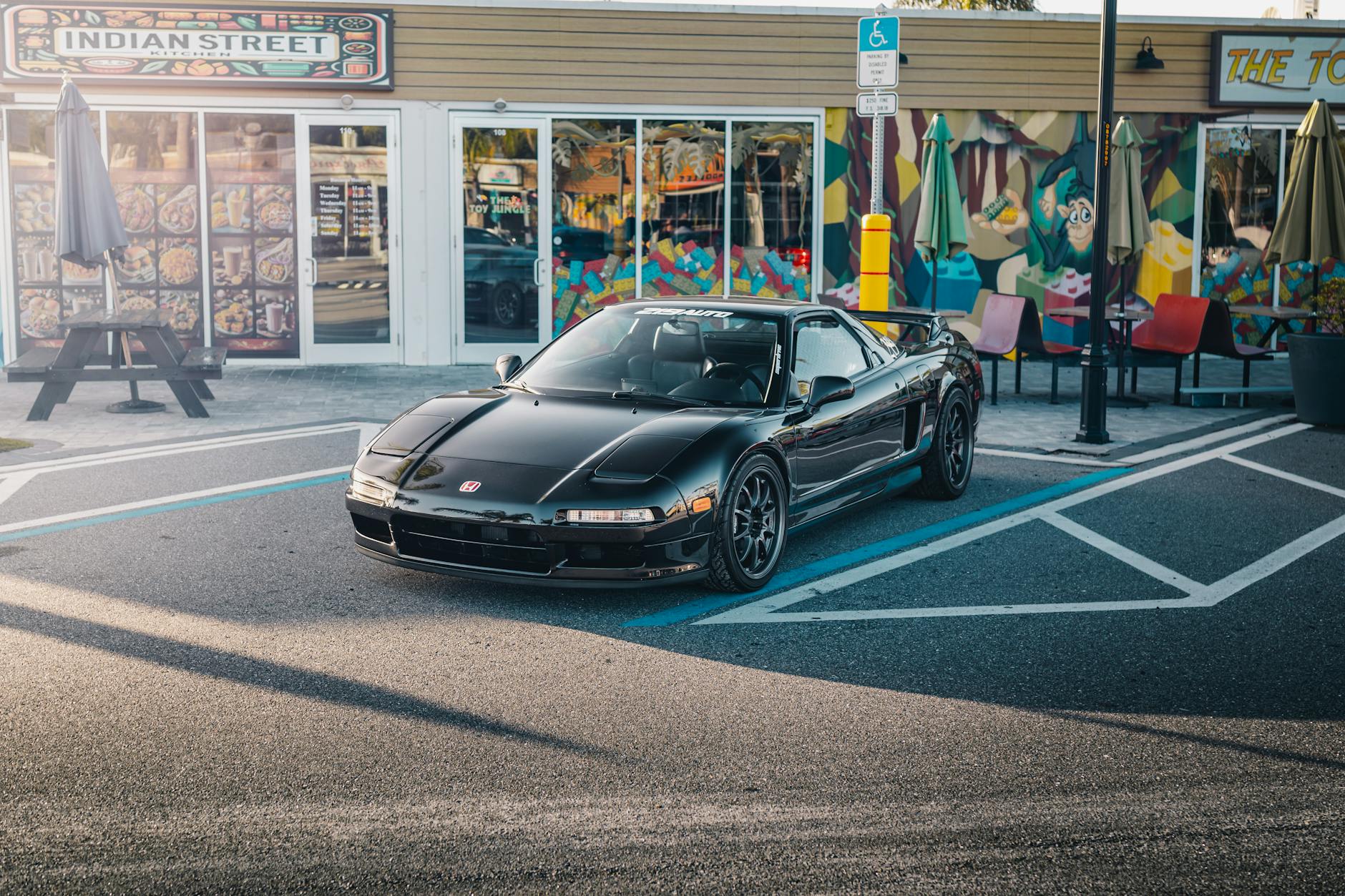
- Classic JDM sports cars — the Nissan Skyline GT-R in various race configurations, Toyota Supra, Honda NSX, Mazda RX-7, and other icons of Japanese performance car culture in motorsport trim
- Toyota and Lexus motorsport history — including Le Mans prototypes, Super GT GT500 machinery, and Toyota's Formula 1 programme from the 2002–2009 era
- Interactive driving simulators — high-quality simulators that let you experience the Fuji Speedway circuit and other famous tracks from the driver's seat
- Rotating special exhibitions — the museum regularly updates its displays with themed exhibitions on specific eras, marques, or race series
Admission: Approximately ¥1,500 for adults (prices may vary for special events — confirm current pricing at the museum website or on arrival).
Opening days: The museum is open on most days throughout the year, including non-race days. It is closed during certain major racing events when the entire facility is dedicated to race operations. Check the Fuji Speedway official website before visiting.
Visiting on a Race Day
Fuji Speedway hosts some of the most prestigious motorsport events on the Japanese calendar. Here are the major events you can attend as a spectator:
WEC 6 Hours of Fuji (World Endurance Championship)
Typically held in September or October, the 6 Hours of Fuji is the marquee event at the circuit and part of the global WEC calendar that includes the 24 Hours of Le Mans. Works factory teams from Toyota, Ferrari, Porsche, and other manufacturers compete in LMP2, GTE, and Hypercar classes. The combination of endurance racing pace, Japanese circuit atmosphere, and the Mt. Fuji backdrop makes this one of the most spectacular sporting events in Asia.
Super GT
Japan's premier touring car series, featuring heavily modified GT500 and GT300 class machines in a racing format that blends high-speed GT racing with mandatory pit stops and driver changes. Super GT has a devoted Japanese fanbase and the Fuji rounds are consistently among the most attended events on the calendar.
Super Formula
Japan's top single-seater series, often described as the fastest formula racing series outside Formula 1. Super Formula cars use spec Honda or Toyota engines producing around 500bhp in a lightweight chassis — the lap times at Fuji are extraordinary. Many F1 drivers have competed in Super Formula, including current Grand Prix racers.
How to Buy Race Tickets
Race tickets are sold through the official Fuji Speedway website and through eTicket Japan, which offers English-language purchasing. Grandstand tickets vary from ¥3,000 for basic admission to ¥15,000+ for premium seats during WEC events. Camping options are available on circuit grounds during major events — camping in the infield at Fuji Speedway is an experience in itself, with many Japanese fans setting up elaborate camp kitchens and spending the entire race weekend on site.
Book tickets well in advance for WEC and Super GT events, which can sell out premium grandstand areas months ahead.
Visiting on a Non-Race Day
You do not need a race to make Fuji Speedway worth the trip. On regular open days, the circuit offers several experiences:
- Museum visit — The Fuji Motorsports Museum is the main draw on non-race days. Allow 2–3 hours for a thorough visit.
- Grandstand access — On many non-race days you can walk into the main grandstand area, look out over the circuit, and contemplate the Mt. Fuji view. This alone is worth the trip if conditions are clear.
- Pit lane tours — On selected dates, guided tours of the pit lane and paddock are available. Check the official schedule in advance.
- Circuit views — The approach road and facility grounds offer excellent views of the circuit. The combination of the banked final sector, the massive pit straight, and Fuji in the background is magnificent from multiple vantage points.
The Mt. Fuji view from the grandstands is genuinely one of the great views in Japanese sport. Even without a single car on track, the sight of the volcanic cone rising above the treeline on a clear autumn or winter day is unforgettable. Clear conditions are most common from October through February.
Track Days and Driving Experiences
Pro Tip
Drive on the actual circuit:
Several operators organise track days at Fuji Speedway where private cars — and in some cases rental vehicles — can be driven on the full racing circuit. These are not tourist experience laps but actual on-track driving sessions where you can build speed across the long front straight and tackle the 130R corner at whatever pace you are comfortable with.
Fuji Speedway itself also runs passenger experience rides in race-prepared vehicles on selected event weekends. Check the official Fuji Speedway event calendar for upcoming track day and passenger ride sessions.
For the complete experience: rent a JDM sports car (GT-R, Supra, RX-7) and drive it to Fuji on the Tomei Expressway — then see if you can book a track day session to take it on the actual circuit. This is the definitive Japanese car experience.
Track day availability and booking processes vary by operator. The Fuji Speedway official website lists circuit rental and track event schedules. For organised track day events with instruction, several Japanese track day operators run dedicated Fuji Speedway events throughout the year, including events specifically designed for visiting international drivers.
Getting to Fuji Speedway
By Car from Tokyo (Recommended)
The drive from central Tokyo to Fuji Speedway takes approximately 1.5 hours under normal traffic conditions via the Tomei Expressway. Exit at Gotemba Interchange (御殿場IC) and the circuit is well signposted from there.
This is by far the best way to get to Fuji Speedway. The Tomei Expressway is one of Japan's great drives — a smooth, wide expressway that climbs through Kanagawa Prefecture into the foothills of the Fuji-Hakone region, with increasingly spectacular views as you approach the circuit. In a proper sports car, this 100km stretch of highway is an experience in itself.
Parking at Fuji Speedway is plentiful. On race days, directed parking areas handle tens of thousands of cars — follow the parking staff instructions. On non-race days, parking is easy and typically free or very low cost.
By Train and Bus
If you prefer public transport:
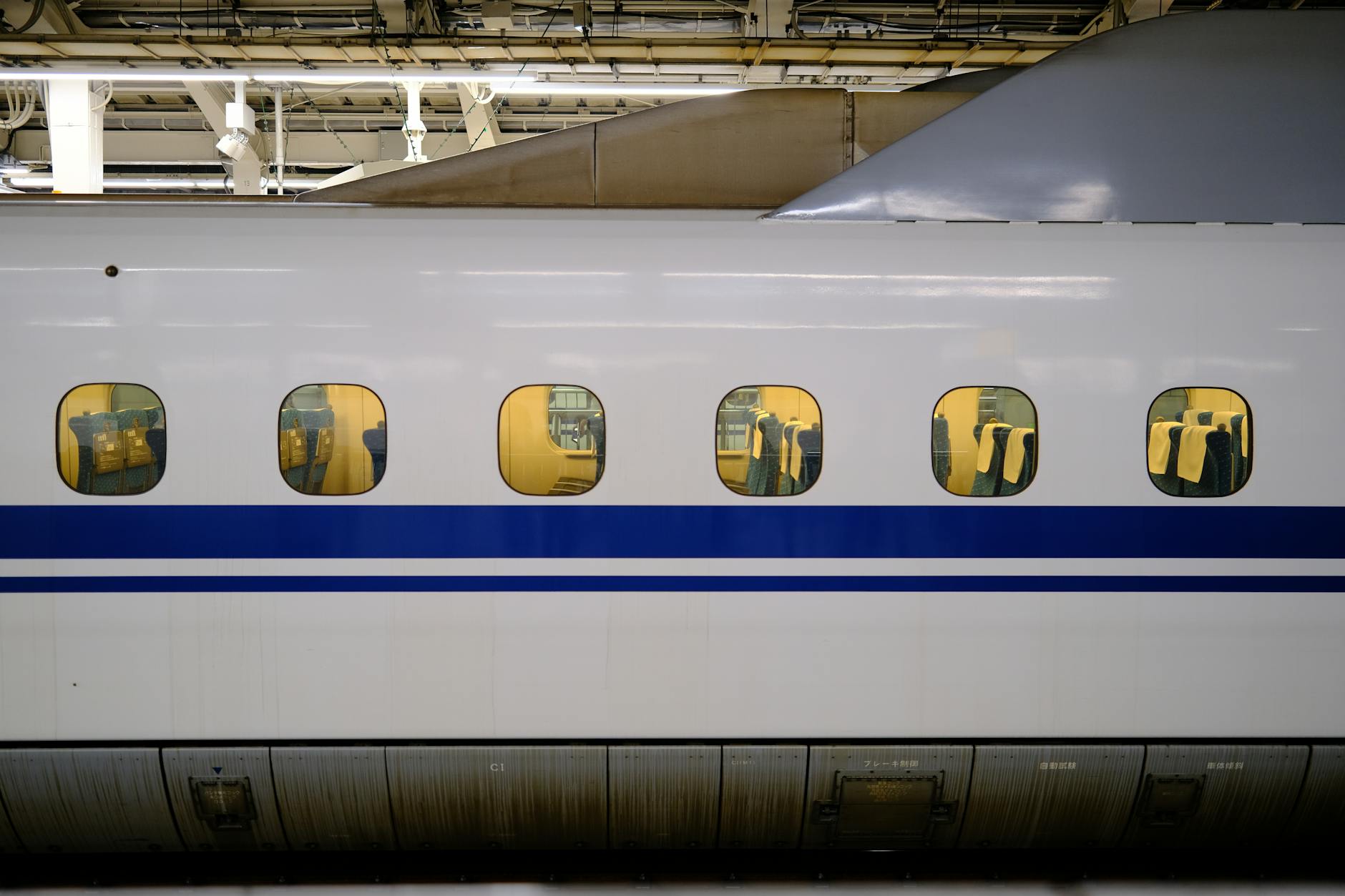
- Option 1: JR Tokaido Shinkansen to Mishima Station, then bus to Fuji Speedway (service frequency varies by season and race schedule)
- Option 2: JR Gotemba Line from Matsuda or Numazu to Gotemba Station, then bus or taxi to the circuit (approximately 15 minutes by taxi)
- Option 3: Highway bus from Shinjuku to Gotemba, then taxi or bus to circuit
During major race events, dedicated shuttle buses typically operate from Gotemba and nearby Shinkansen stations. These are announced on the official Fuji Speedway website ahead of each event.
The Case for Driving
For car enthusiasts, taking public transport to Fuji Speedway is a missed opportunity. The Tomei Expressway approach, the mountain views on the final stretch to Gotemba, and the ability to combine Fuji Speedway with Hakone, Mt. Fuji's 5th Station, and the Fuji Five Lakes area in a single day — none of this is possible by train.
Combining Fuji Speedway With Mt. Fuji
Fuji Speedway sits at the base of Mt. Fuji. This geographic proximity makes it easy to combine a circuit visit with some of Japan's most iconic natural scenery. Here are the obvious combinations:
Mt. Fuji 5th Station (Subaru Line)
Approximately 30 minutes by car from Fuji Speedway. The 5th Station sits at 2,305 metres elevation and is the highest point accessible by road on Mt. Fuji. The views from the 5th Station are extraordinary — on clear days you can see across the Kanto plain to Tokyo, 100km away. The road is one of the great mountain drives in Japan. Note: the Subaru Line road is seasonal (typically closed from late November through late April due to snow).
Fuji Five Lakes (Fujigoko)
Approximately 20 minutes north of Fuji Speedway, the Fuji Five Lakes — Kawaguchiko, Yamankako, Saiko, Motosu, and Shojiko — offer the iconic postcard views of Mt. Fuji reflected in still water. Kawaguchiko is the most accessible with the best infrastructure for visitors, including multiple viewpoints, onsen, and the excellent Itchiku Kubota Art Museum.
Hakone
Approximately 30 minutes south of Fuji Speedway, Hakone is Japan's most popular mountain resort destination — famous for its hot spring ryokan, open-air museum, ropeway over volcanic terrain, and views of Fuji from the shores of Lake Ashi. Combining Fuji Speedway with a Hakone overnight stay makes for one of the best two-day itineraries available from Tokyo.
JDM Sports Car Rental and Fuji Speedway
There is one version of this day that exceeds every other: rent a GT-R, Supra, or RX-7 from Samurai Car Japan in Shibuya, drive the Tomei Expressway to Fuji Speedway, tour the Motorsports Museum and see the actual race cars up close, then walk up to the grandstand and look out at Mt. Fuji from the same spot that tens of thousands of motorsport fans have stood over six decades. This is a day you will not forget.
The circuit is approximately 100km from Shibuya on the Tomei Expressway — 1.5 hours each way in light traffic, about 2 hours in normal conditions. A full day gives you time for the museum (2-3 hours), the grandstand views, a meal at the circuit, and the drive back through Hakone or directly on the expressway. If you add Mt. Fuji's 5th Station, make it an overnight trip.
Driving to Fuji Speedway in a Nissan GT-R — a car whose racing descendants have competed at this very venue — through the foothills of the Fuji-Hakone region is the kind of experience that Japanese car culture was built for. Very few foreign tourists discover it. You should be one of them.
Book a JDM sports car at Samurai Car Japan — Tokyo's premier JDM rental, based in Shibuya
Related Guides
Frequently Asked Questions
Can tourists visit Fuji Speedway?
Yes. Fuji Speedway is open to the public on most days of the year. The Fuji Motorsports Museum is accessible on non-race days without any advance booking — simply pay the admission fee at the gate. On race days, tickets are sold in advance through the official website. The facility is thoroughly international-visitor-friendly, with English signage throughout.
Is the Fuji Motorsports Museum worth it?
For car enthusiasts, unquestionably yes. The collection includes F1 machinery from Fuji's Grand Prix era, legendary JDM race cars, Toyota and Lexus motorsport history, and interactive simulators. The curation and presentation quality is exceptional. Allow 2–3 hours for a full visit. Even for visitors with moderate interest in motorsport, the combination of the museum and the circuit views — especially with Mt. Fuji as a backdrop — makes this a compelling day trip from Tokyo.
How do I get to Fuji Speedway from Tokyo?
The easiest and most enjoyable way is by car on the Tomei Expressway, exiting at Gotemba IC. Journey time is approximately 1.5 hours from central Tokyo under normal conditions. By public transport, the most practical route is the JR Gotemba Line to Gotemba Station followed by a 15-minute taxi ride to the circuit. During major race events, shuttle buses typically operate from Gotemba Station.
Can I drive on Fuji Speedway?
Yes, through track day events. Fuji Speedway regularly hosts track days and circuit driving sessions where private and rental vehicles can be driven on the full race circuit. The facility's official website lists upcoming track day schedules. Some passenger ride experiences with professional drivers are also available on certain event weekends. This is a legal, organised activity — not a public road.
When is the next race at Fuji Speedway?
Fuji Speedway hosts multiple major events each year. The WEC 6 Hours of Fuji is typically in September or October. Super GT and Super Formula rounds are spread throughout the April–November racing season. Check the official Fuji Speedway website (fsw.tv) for the current year's event calendar with precise dates, ticket information, and event-specific details.