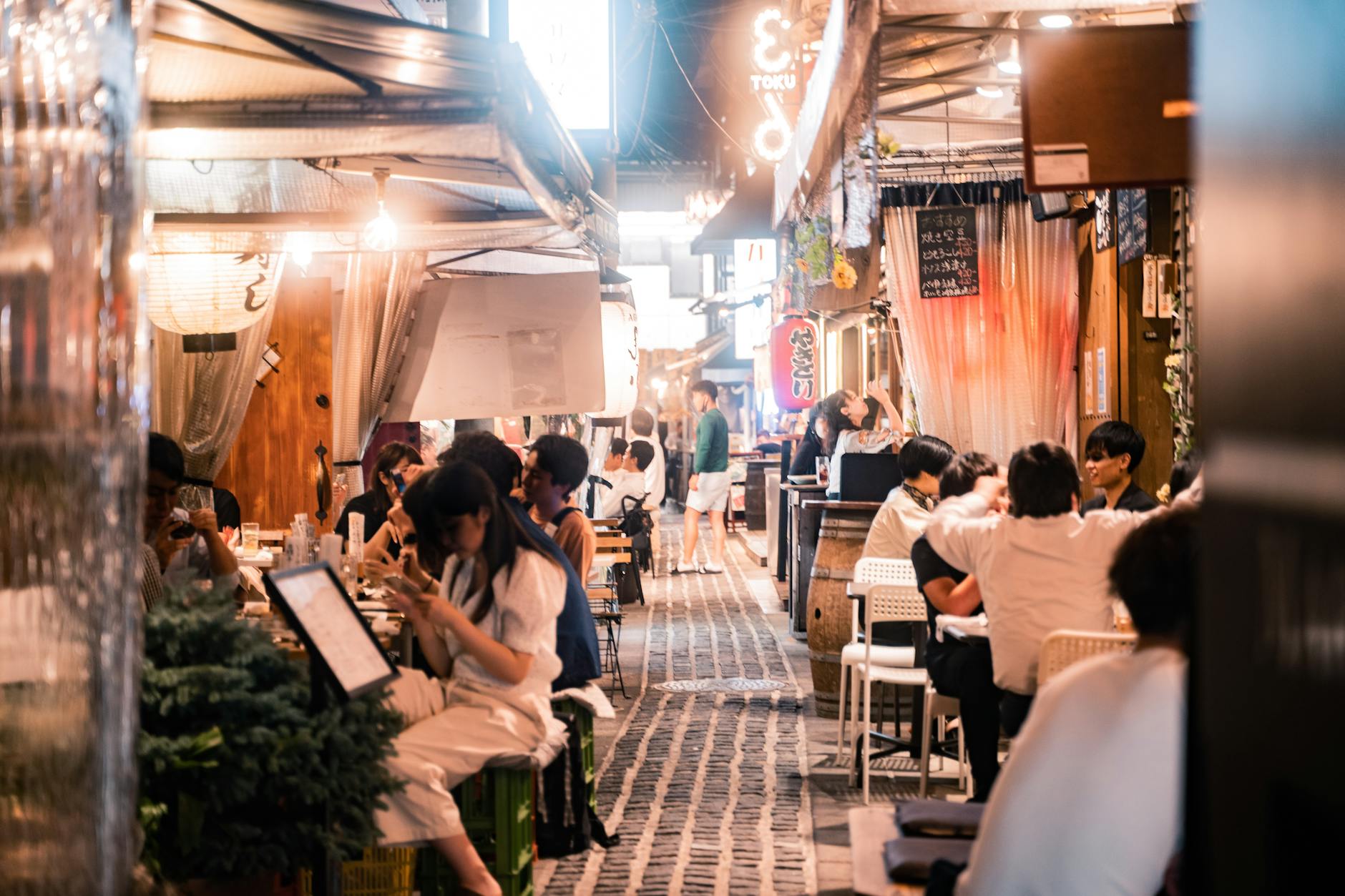
There are thousands of ramen restaurants in Tokyo. But there is only one street where the most celebrated ramen shops in Japan stand side by side in a single underground corridor beneath the busiest railway station on earth.
Tokyo Ramen Street (東京ラーメンストリート) is one of the most searched food destinations in Japan — over 27,100 people search for it every month. It draws first-time visitors and seasoned ramen devotees alike, all hunting for the same thing: a perfect bowl in the heart of the city.
Eight restaurants. Eight distinct styles. One legendary alley beneath Tokyo Station. This guide tells you everything you need to know before you go.
Where Is Tokyo Ramen Street?
Important
- Location: B1 floor, First Avenue Tokyo Station (Yaesu South Exit side), underground shopping area
- Nearest exit: Follow signs for "Tokyo Ramen Street" or "ラーメンストリート" from inside Tokyo Station
- Hours: Generally 11:00–23:00 daily (individual shops vary — confirm before visiting)
- Address: 1-9-1 Marunouchi, Chiyoda-ku, Tokyo (inside Tokyo Station, B1F)
- Closest JR exits: Yaesu Central Exit or Yaesu South Exit
Tokyo Ramen Street sits in the basement of First Avenue Tokyo Station, the underground shopping complex connected directly to Tokyo Station. The Yaesu side (east side) of the station is where you want to be. Once you descend to B1F, the ramen corridor is clearly signposted — the warm glow of neon signs and the smell of slow-cooked broth will guide you the rest of the way.
Getting there from anywhere in Tokyo is straightforward. Tokyo Station is served by nearly every major JR line including the Yamanote Line, Keihin-Tohoku Line, Chuo Line, and Sobu Line, as well as the Shinkansen bullet train and the Tokyo Metro Marunouchi Line.
The 8 Ramen Shops on Tokyo Ramen Street
The lineup at Tokyo Ramen Street has evolved over the years, but the concept has remained the same since the street opened in 2009: only the most respected, most distinctive ramen shops earn a spot. Here is the current lineup of shops and what makes each one worth the queue.
1. Rokurinsha (六厘舎)
The shop that made Tokyo Ramen Street famous. Rokurinsha is arguably the most celebrated tsukemen (dipping ramen) restaurant in Japan. The original Osaki location regularly had queues stretching around the block — opening a branch here was a major event.
Signature dish: Tsukemen — thick, chewy noodles served separately from a rich, dark, tantan-style dipping broth made from pork bones and dried fish. You dip the cold noodles into the hot broth with each bite. The intensity of the broth is remarkable.
Queue warning: Rokurinsha consistently has the longest queue on the street. Arrive before 11:30am or after 2:30pm on weekdays. Avoid Saturday and Sunday lunch entirely if you can.
2. Hirugao (ひるがお)
If Rokurinsha represents the bold, heavy end of the ramen spectrum, Hirugao is its elegant opposite. This shop specialises in shio (salt) ramen — a style that requires exceptional technique because the broth has nowhere to hide.
Signature dish: Scallop-based shio ramen. The clear, golden broth is built from scallops, clams, and chicken, creating a clean, refined flavour profile that serious ramen lovers consider the purest expression of the craft.
Best for: Those who want to understand Japanese ramen at its most delicate. Also excellent for anyone who finds tonkotsu too heavy.
3. Junk Garage (ジャンクガレッジ)
The wildcard on the street. Junk Garage made its name in Tachikawa with a brothless style called mazesoba — a rich, intensely flavoured "mixed noodle" dish that predates the current mazesoba craze by years.
Signature dish: Mazesoba — thick noodles tossed with pork mince, dried fish powder, seasoned oil, soft-boiled egg, and a range of toppings. No broth, but enormous depth of flavour. Stir thoroughly before eating.
Best for: Adventurous eaters. Regulars know to request extra toppings and to mix the bowl vigorously before the first bite.
4. Keisuke Tokyo (けいすけ東京)
Chef Keisuke Takeda is one of the most creative minds in modern ramen, known for unusual flavour combinations that shouldn't work but absolutely do. The Tokyo Station branch leans into his most theatrical concept.
Signature dish: Lobster bisque-based tonkotsu ramen. The rich pork bone broth is elevated with lobster bisque, creating a deep, umami-saturated orange broth that is unmistakable and highly photogenic.
Best for: Anyone who wants the most Instagram-worthy bowl on the street and is happy to pay slightly more for it. Also a great choice for those who appreciate French culinary technique applied to Japanese food.
5. Soranoiro Nippon (そらのいろ NIPPON)
One of the most important ramen shops in Tokyo for international visitors with dietary restrictions. Soranoiro pioneered plant-based ramen in Japan at a time when almost no serious ramen shop offered a vegan option.
Signature dish: Vege soba — a stunning vegetable-based ramen made from peppers, tomatoes, and plant ingredients. It is colourful, vibrant, and genuinely delicious rather than a compromise option.
Best for: Vegetarians and vegans, or anyone curious about what creative Japanese chefs can do without animal products. Note: confirm current menu as offerings may have evolved.
6. Bankara (ばんから)
Bankara brings the Tokushima ramen style to Tokyo — a regional speciality that is far less well known outside Japan than tonkotsu or shoyu but that many ramen lovers consider underrated.
Signature dish: Tokushima-style ramen featuring a soy-based pork bone broth topped with braised kakuni pork belly and a raw egg that cooks partially in the hot broth. Rich, comforting, and slightly sweet.
Best for: Those who want to experience a regional ramen style they would be unlikely to find outside Tokushima Prefecture without visiting Tokyo Ramen Street.
7. Futaba (双葉)
A shio ramen specialist representing the clean, light end of the flavour spectrum. Futaba uses a carefully balanced chicken and seafood broth with premium ingredients and restrained seasoning.
Signature dish: Signature shio ramen with thin straight noodles, menma bamboo shoots, chashu pork, and a clear broth that rewards slow, attentive eating.
8. Konjiki Hototogisu (金色不如帰)
Perhaps the most decorated shop currently on the street. Konjiki Hototogisu has received a Michelin Bib Gourmand rating — a rare distinction for a ramen restaurant — and is known for its extraordinary attention to broth construction.
Signature dish: Shoyu (soy sauce) ramen with a complex double broth of clams and pork, finished with truffle oil. The combination sounds extravagant and it is — this is ramen at the level of serious fine dining.
Best for: The most demanding ramen lovers and anyone willing to queue for what may be the best bowl on the entire street.
Which Ramen Should You Try?
Pro Tip
Match your bowl to your taste:
- You love rich, powerful flavours: Rokurinsha tsukemen (thick dipping broth, intense)
- You prefer light, clean, seafood-forward: Hirugao shio ramen or Konjiki Hototogisu shoyu
- You want something totally unique: Keisuke Tokyo lobster tonkotsu or Konjiki truffle shoyu
- You are vegetarian or vegan: Soranoiro Nippon vege soba — the only serious plant-based option
- You want the regional experience: Bankara Tokushima-style with raw egg
- You want to try something other than soup: Junk Garage mazesoba — brothless, bold, addictive
If you genuinely cannot decide, go to Rokurinsha for your first visit. The tsukemen there is the single dish that defined Tokyo Ramen Street's reputation and remains the experience that most visitors come specifically for.
How to Avoid the Queue at Tokyo Ramen Street
Tokyo Ramen Street is genuinely popular and queues are a reality, especially at the most famous shops. Here is how to minimise your wait:
- Arrive before 11:30am — Most shops open around 11:00am. Arriving in the first 30 minutes means you walk straight in at most places.
- The 2pm–5pm window — After the lunch rush clears and before the post-work dinner crowd, this is often the quietest period of the day.
- Avoid Saturday and Sunday 12pm–2pm — Weekend lunchtime is peak hour. Queues at Rokurinsha and Konjiki Hototogisu can exceed 45 minutes during this window.
- Weekday evenings — Surprisingly manageable. The corporate crowd tends to eat early and the tourist flow is lower on Tuesday and Wednesday evenings.
- Check queue length before committing — Walk the whole street first. The shop with a shorter queue may be serving a style you would enjoy equally.
- Use the ticket machine efficiently — Most of the delay in queue movement comes from customers who have not decided their order when they reach the machine. Decide in advance.
How to Order at Tokyo Ramen Street
Important
The vending machine ticket system (食券 / Shokken):
- Join the queue outside the restaurant. Wait to be admitted to the machine area.
- At the vending machine, insert cash (most accept ¥1,000 and ¥500 coins; some now accept cards).
- Press the button for your chosen dish. The machine dispenses a paper ticket.
- Hand your ticket to the counter staff when you sit down.
- Most machines have English labels or photographs. Point if you are unsure.
- You can usually customise: noodle firmness (katame = firm, yawarakame = soft), broth richness (koime = rich, usume = light), and garlic level (ninniku ari/nashi).
Staff at most shops will ask these preferences at the counter. A thumbs up and "the same as everyone else" approach works perfectly well if you don't have preferences.
Most shops are counter-only seating with 8–15 seats. Turnover is fast — the expectation is that you eat and leave to make room for the next customer. This is standard Japanese ramen etiquette, not rudeness.
Tips for Visiting with Dietary Restrictions
Ramen is not the most allergy-friendly cuisine. The vast majority of bowls on Tokyo Ramen Street contain pork, wheat (gluten), soy, and eggs. Here is what you need to know:
- Pork-free: Very difficult on this street. Broths that look clear often contain pork-based seasoning. Always ask. The phrase to use is: 「豚肉は入っていますか?」 (Butaniku wa haitte imasu ka? — Does this contain pork?)
- Vegetarian/Vegan: Soranoiro Nippon is the only shop with a dedicated plant-based option. Confirm current availability before queuing.
- Gluten: All standard ramen noodles contain wheat. Rice noodle substitutes are occasionally available but not standard — ask in advance.
- Shellfish: Shio ramen broths (Hirugao, Futaba) are often shellfish-based. Alert staff to any allergies.
Tokyo Ramen Street staff are experienced with international visitors. Google Translate with your phone's camera works well for reading menus if the English labels are insufficient.
Combine With the Tokyo Station Area
Tokyo Ramen Street sits inside one of the largest and most interesting underground shopping complexes in Japan. Build extra time into your visit for these nearby attractions:
Tokyo Character Street
One floor up from Ramen Street, Tokyo Character Street is the official licensed merchandise corridor for Japan's most beloved anime, manga, and character brands. Ghibli, Pokemon, Doraemon, Gundam, Evangelion, Sanrio — all have official shops here. It is the most convenient and reliable place in Tokyo to buy authentic character goods without venturing to Akihabara.
Gransta Tokyo
The underground food souvenir hall of Tokyo Station. Gransta is where Tokyoites stop on the way to catch the Shinkansen to buy premium food gifts (omiyage). The selection is extraordinary: Tokyo Banana, Royce chocolate, Suzette crêpes, Toraya wagashi, and dozens of Tokyo-exclusive food products you cannot buy anywhere else. Budget 30 minutes just to browse.
Imperial Palace East Gardens
A 10-minute walk from the Marunouchi exit of Tokyo Station, the Imperial Palace East Gardens are a rare free public green space in central Tokyo. The combination of the historic stone walls, manicured Japanese gardens, and the skyline backdrop makes this an excellent 45-minute addition to any Tokyo Station visit.
Marunouchi District
The west exit of Tokyo Station opens directly onto Marunouchi, Tokyo's most prestigious business district. The renovated red-brick station building on this side is one of the most photographed buildings in Japan. The underground and street-level shopping arcades extend for hundreds of metres in both directions.
After Ramen, Explore More of Tokyo
Tokyo Station puts you at the geographic and logistical centre of one of the world's great cities. But some of the best experiences in and around Tokyo require wheels rather than trains.
Tokyo Station is perfectly located for a JDM driving adventure — pick up a legendary sports car from our Shibuya base (15 minutes from Tokyo Station by the Yamanote Line) and hit the expressways for a Tokyo night drive, or head out on a day trip to Hakone, Nikko, or the Fuji area. Driving Tokyo's elevated expressways at night in a GT-R or Supra is an experience that most visitors never discover — and one that will outlast any ramen memory.
Learn more: JDM Car Rental Japan — Samurai Car Japan, Shibuya
Frequently Asked Questions
Where exactly is Tokyo Ramen Street?
Tokyo Ramen Street is located on the B1 floor of First Avenue Tokyo Station, on the Yaesu side (east side) of Tokyo Station. Follow the signs for "Tokyo Ramen Street" or "ラーメンストリート" from inside the station. It is connected to the underground shopping complex and accessible from both the Yaesu Central and Yaesu South exits. You do not need to pass through the JR ticket gates — the street is in the public shopping area.
What is the best ramen on Tokyo Ramen Street?
This depends heavily on personal taste. Rokurinsha's tsukemen (dipping ramen) is the most famous and is considered by many to be the definitive bowl on the street. Konjiki Hototogisu's Michelin-recognised shoyu ramen is the most technically accomplished. For light broth lovers, Hirugao's shio ramen is exceptional. There is no single "best" — the variety is the point.
How long is the queue at Tokyo Ramen Street?
Queue times vary dramatically by shop, day, and time. At peak times (weekend lunch, Saturday evening), the most popular shops like Rokurinsha and Konjiki Hototogisu can have 30–60 minute waits. Arriving before 11:30am or visiting between 2pm and 5pm on weekdays will significantly reduce your wait. Less famous shops on the street rarely have queues exceeding 15 minutes.
Is Tokyo Ramen Street expensive?
By Tokyo standards, ramen is an affordable meal. Most bowls on Tokyo Ramen Street range from ¥900 to ¥1,500 (roughly $6–$10 USD). Some premium offerings — particularly Keisuke Tokyo's lobster ramen and Konjiki Hototogisu — may reach ¥1,500–¥1,800. Additional toppings (extra chashu, soft-boiled egg, etc.) typically cost ¥100–¥300 each. This is considered mid-range dining by Japanese standards.
Is Tokyo Ramen Street open every day?
Yes, Tokyo Ramen Street is open daily. The corridor itself has no closing day. Individual restaurants generally operate 7 days a week with hours roughly 11:00–23:00, though last orders are typically 30 minutes before closing. Some shops may have occasional maintenance closures — checking the restaurant's official social media before a dedicated visit is advisable if you have a specific shop in mind.