Osaka 3-Day Itinerary: The Perfect Schedule for First-Timers (2026)
Three days in Osaka is the sweet spot for a first visit. While Tokyo gets the headlines and Kyoto gets the postcard shots, Osaka is where Japan lets its hair down — a city built on food, humor, and a fiercely independent spirit. Locals are louder, funnier, and more welcoming than anywhere else in the country. The food is cheaper and arguably better. And the energy on the streets at night rivals anything in Shibuya or Shinjuku.
This Osaka 3-day itinerary is designed for first-time visitors who want to cover the highlights without wasting time on inefficient routes. Each day focuses on a geographic cluster of neighborhoods, so you spend more time eating and exploring and less time on subway maps. Whether you are visiting Osaka as a standalone trip or as part of a larger Japan itinerary that includes Tokyo, this guide gives you a practical framework you can follow or adapt to your own pace.
Quick Overview: Your 3 Days in Osaka at a Glance
| Day | Areas | Theme | Highlights |
|---|---|---|---|
| Day 1 | Dotonbori, Shinsekai, Namba, Shinsaibashi | Minami (South Osaka) — Food & Energy | Glico sign, Tsutenkaku Tower, takoyaki, kushikatsu |
| Day 2 | Osaka Castle, Umeda, Kuromon Market, Tenjinbashisuji | Kita (North) & Culture | Castle & park, Sky Building, longest shopping street |
| Day 3 | USJ, Nara, or Hidden Osaka | Day Trip or Deeper Exploration | Universal Studios, Nara deer park, Nakazakicho, Sumiyoshi Taisha |
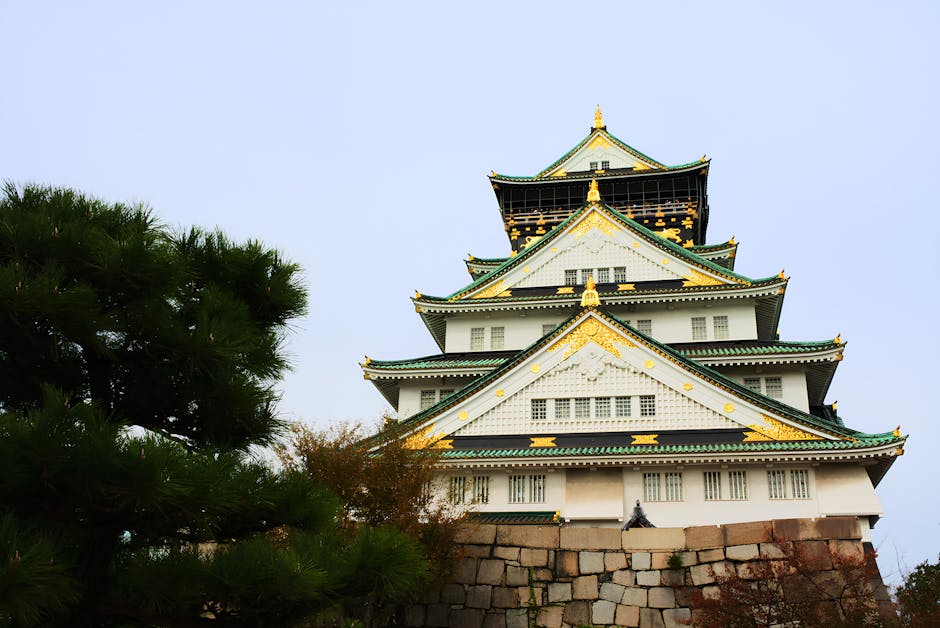
Day 1: Minami (South Osaka) — The Heart of Osaka’s Food and Nightlife
Your first day covers Minami, the southern entertainment district that defines Osaka’s personality. This is where the iconic images come from — Dotonbori’s neon signs, the retro towers of Shinsekai, the packed shopping arcades of Shinsaibashi. It is also where you will eat some of the best street food of your entire trip. Minami is walkable from end to end, and the energy peaks after dark.
Morning: Dotonbori & the Glico Sign (9:00 AM – 11:30 AM)
Start at Dotonbori, Osaka’s most famous entertainment district. Take the Metro to Namba Station and walk north toward the canal — you will know you are close when you spot the giant mechanical crab, oversized gyoza sculpture, and dozens of three-dimensional restaurant signs jutting over the street.
The star attraction is the Glico Running Man sign, a neon billboard of a sprinting athlete that has been an Osaka landmark since 1935. Stand on Ebisu Bridge for the classic shot with the sign behind you and the canal stretching out below. Get here in the morning before the crowds build up.
Walk along the Dotonbori canal on the Tombori River Walk, or take a short Tombori River Cruise (20 minutes, roughly 1,000 yen) for a unique perspective on the flashy restaurant facades. Then grab your first Osaka breakfast — takoyaki (octopus balls) from Takoyaki Doraku Wanaka near the bridge. Yes, takoyaki for breakfast is perfectly acceptable here.
Estimated cost: Free (canal walk) / 1,000 yen (river cruise) / 500-800 yen (takoyaki breakfast)
Midday: Shinsekai & Tsutenkaku Tower (11:30 AM – 2:00 PM)
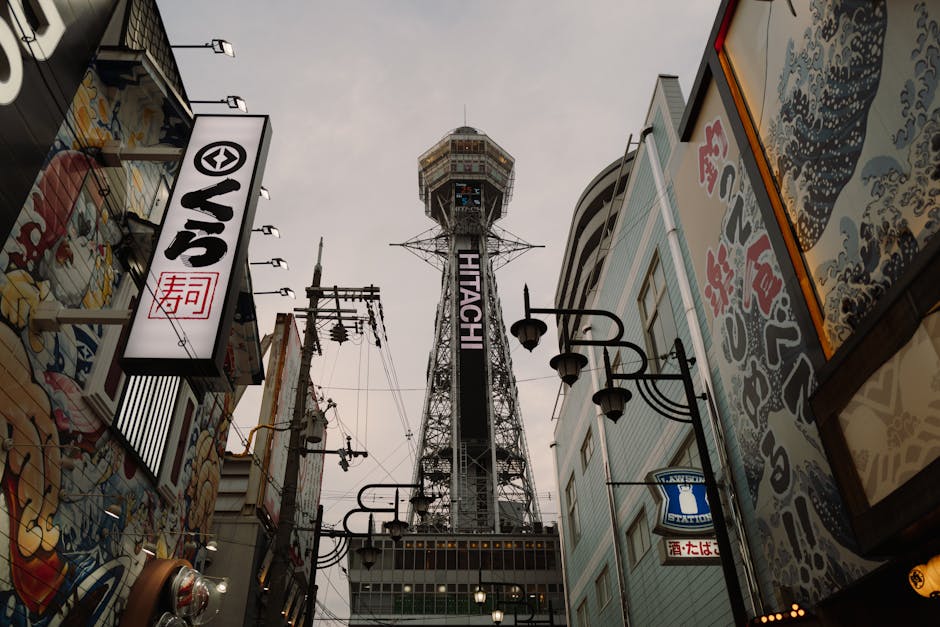
Take the Osaka Metro two stops south to Ebisucho Station and walk into Shinsekai — one of the most distinctive neighborhoods in Japan. Built in 1912 as a model district inspired by New York and Paris, Shinsekai has evolved into a retro wonderland of neon-lit kushikatsu restaurants, old-school game arcades, and rough-around-the-edges charm.
The centerpiece is Tsutenkaku Tower, a 103-meter steel structure that has been the symbol of Shinsekai since 1956. The observation deck offers 360-degree views, and there is a small shrine at the top where you can rub the feet of Billiken — a quirky good-luck deity. Admission is 900 yen.
Lunch here means kushikatsu — deep-fried skewers of meat, vegetables, and seafood served with a communal dipping sauce. The golden rule: no double dipping. Daruma is the most famous chain (look for the angry-looking chef statue), but smaller independent shops often match the quality at lower prices. For a deeper dive into Shinsekai’s best restaurants, hidden bars, and retro game centers, check out our dedicated Shinsekai Osaka guide.
Estimated cost: 900 yen (Tsutenkaku) / 800-1,500 yen (kushikatsu lunch)
Afternoon: Namba & Shinsaibashi Shopping (2:00 PM – 5:30 PM)
Walk north from Shinsekai to the Namba area (20 minutes on foot or one subway stop). Start at Namba Parks, a shopping complex with a remarkable rooftop garden of terraced greenery rising eight stories. Then walk north along Shinsaibashi-suji, a 600-meter covered shopping arcade packed with fashion brands, drugstores (excellent for affordable skincare), vintage shops, and local boutiques.
Key stops in the area:
- Don Quijote (Donki) — The legendary discount store for snacks, souvenirs, electronics, and costumes. The Dotonbori branch has a small Ferris wheel on the building.
- Amerika-mura (American Village) — Osaka’s youth fashion hub, covered in murals and packed with vintage shops and independent cafes.
- Den Den Town — Osaka’s answer to Akihabara, filled with anime shops, retro game dealers, and electronics retailers.
Estimated cost: Free to browse / budget varies for shopping
Evening: Osaka Street Food Tour (5:30 PM – 9:00 PM)
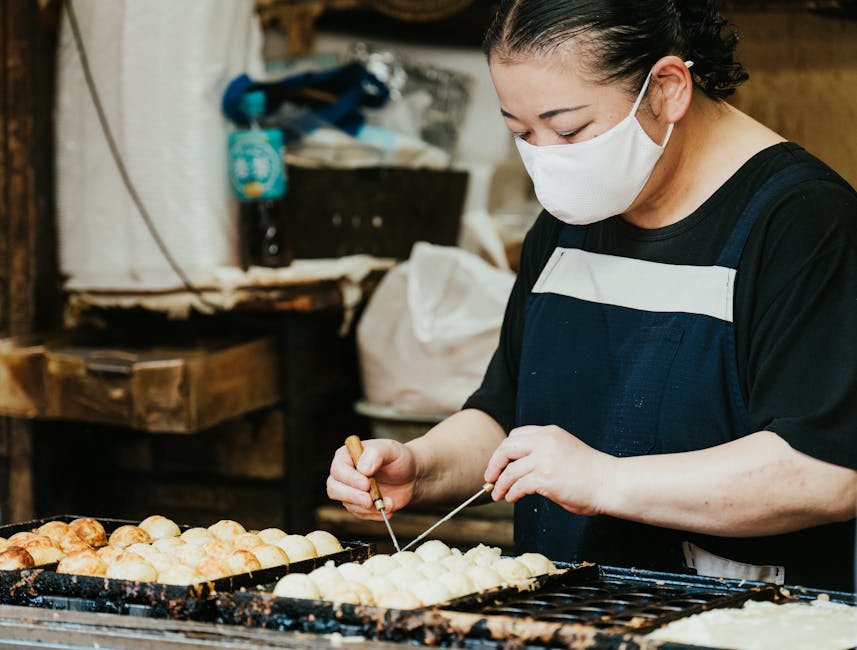
Return to Dotonbori for the evening — this is when the neighborhood truly comes alive. Osaka is called tenka no daidokoro (the nation’s kitchen), and the local philosophy is kuidaore — to eat yourself into ruin. Honor that tradition by eating your way from stall to stall.
Your essential street food checklist:
- Takoyaki: Try Aizuya in Americamura — many locals consider it the best in the city.
- Okonomiyaki: A thick savory pancake with cabbage, meat, sauce, and mayo. Mizuno has been serving it since 1945 — expect a 30-minute line, but it is worth the wait.
- Kushikatsu: If you want a second round after Shinsekai, Dotonbori has plenty of options too.
- Kani Doraku crab: Skip the expensive sit-down restaurant and grab grilled crab legs from the takeaway counter (1,000-1,500 yen).
- 551 Horai nikuman: Steamed pork buns from this Osaka institution since 1945. Look for the distinctive yellow bags.
Estimated cost: 2,000-4,000 yen (for a full evening of street food sampling)
Day 2: Kita (North Osaka) & Culture — History, Views, and Markets
Day 2 shifts north to the Kita district and central Osaka — more polished than Minami, and home to Osaka’s most impressive landmarks. Today covers Osaka Castle, a stunning observation deck, a legendary food market, and Japan’s longest shopping street.
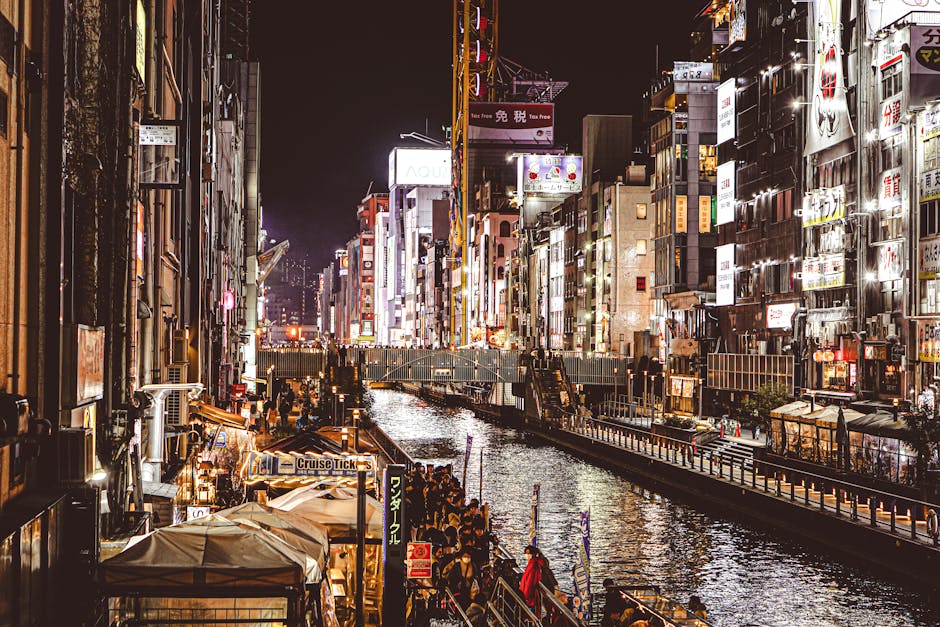
Morning: Osaka Castle & Park (9:00 AM – 12:00 PM)
Osaka Castle (Osaka-jo) is the city’s most important historical landmark. Originally built in 1583 by Toyotomi Hideyoshi — the feudal lord who unified Japan — the current structure dates to 1931 and houses an eight-floor museum with exhibits, dioramas, and a top-floor observation deck with sweeping city views. Admission is 600 yen.
The surrounding Osaka Castle Park covers over 100 hectares and is particularly stunning during cherry blossom season (late March to early April) and autumn foliage (mid-November to early December). The original stone walls and moats are impressive — some stones weigh over 100 tons. Miraiza Osaka-jo, a converted military building near the castle, offers restaurants with castle views and is a good spot for mid-morning coffee.
Estimated cost: 600 yen (castle admission) / Free (park and grounds)
Midday: Umeda Sky Building (12:00 PM – 2:00 PM)
Take the JR Loop Line to Osaka Station (10 minutes), then walk 10 minutes northwest to the Umeda Sky Building. This 173-meter twin tower is connected at the top by a futuristic Floating Garden Observatory with 360-degree open-air views. You ride an escalator through a glass tube suspended between the towers — which alone is worth the visit. Admission is 1,500 yen.
The basement houses Takimi-koji Alley, a recreation of a 1920s Osaka street scene with small restaurants serving comfort food. Try the tonkatsu or curry rice for a solid lunch.
Estimated cost: 1,500 yen (observatory) / 800-1,500 yen (lunch)
Afternoon: Kuromon Market & Tenjinbashisuji Shopping Street (2:00 PM – 5:30 PM)
Take the Metro south to Nippombashi and walk to Kuromon Market, often called “Osaka’s Kitchen.” This 600-meter covered market has roughly 170 stalls selling fresh seafood, fruit, and prepared foods. Must-try items include fresh sashimi (uni and otoro are popular), grilled king crab legs (500-2,000 yen), seasonal fruit, and tamago-yaki (Japanese rolled omelet).
After Kuromon, take the Metro north to Tenjinbashisuji Shopping Street — the longest shopping street in Japan at 2.6 kilometers. Unlike Shinsaibashi, this arcade serves mostly locals, with genuinely affordable prices on clothing, food, and household goods. Focus on the southern section near Tenjinbashisuji Rokuchome Station for the most interesting stretch.
Estimated cost: 1,500-3,000 yen (Kuromon Market snacking) / Free to browse (Tenjinbashisuji)
Evening: Nightlife in Kitashinchi or Americamura (6:00 PM – Late)
Two excellent nightlife options depending on your style:
Kitashinchi — Osaka’s upscale bar district just south of Osaka Station. Intimate bars, whisky lounges, and high-end izakaya with meticulous cocktails. Many bars hold fewer than 10 seats. Budget 2,000-5,000 yen per person.
Americamura — For a younger, louder vibe. Osaka’s counterculture hub packed with live music venues, craft beer bars, and cheap standing bars. Triangle Park at the center is a popular gathering spot.
Estimated cost: 2,000-5,000 yen (Kitashinchi) / 1,500-3,000 yen (Americamura)
Day 3: Day Trip or Deeper Osaka — Choose Your Adventure
You have covered the essential Osaka highlights in two days. Now choose: leave the city for a day trip, or dig deeper into hidden Osaka. All three options below are excellent.
Option A: Universal Studios Japan (Full Day)
Universal Studios Japan (USJ) is one of the most popular theme parks in Asia, located 15 minutes by train from Osaka Station on the JR Yumesaki Line.
Top attractions: The Wizarding World of Harry Potter (Hogsmeade village, Butterbeer, the Forbidden Journey ride), Super Nintendo World (an immersive Mario area with AR Mario Kart), and classic rides like Jurassic Park and Spider-Man.
A one-day pass costs 8,600-9,800 yen (prices vary by date). During peak season, add an Express Pass (from 7,800 yen) to skip lines that can exceed 2-3 hours for the popular areas.
Estimated cost: 8,600-9,800 yen (admission) / 7,800+ yen (optional Express Pass) / 2,000-4,000 yen (food inside the park)
Option B: Day Trip to Nara (Full Day)
Nara is the easiest and most rewarding day trip from Osaka — the option we recommend most for first-timers. The ancient capital is famous for over 1,000 free-roaming deer and some of Japan’s most impressive temples.
Take the Kintetsu Nara Line from Osaka-Namba Station (40 minutes, 680 yen each way). A perfect Nara day:
- Nara Park: Meet the deer. Buy shika senbei (deer crackers, 200 yen) — bow to them and they bow back before accepting your offering.
- Todaiji Temple: Home of the Great Buddha (Daibutsu) — a 15-meter bronze statue inside Daibutsuden, the largest wooden building in the world. Admission 600 yen.
- Kasuga Taisha: A stunning Shinto shrine famous for thousands of stone and bronze lanterns.
- Naramachi: Old merchant district with traditional townhouses, cafes, and craft shops — great for lunch.
For the full breakdown including hidden spots, check out our Nara Park guide.
Estimated cost: 1,360 yen (round-trip train) / 600 yen (Todaiji) / 200 yen (deer crackers) / 1,000-2,000 yen (lunch)
Option C: Explore Hidden Osaka (Full Day)
For the Osaka that most tourists never see, this option covers three off-the-beaten-path destinations.
Morning: Nakazakicho Vintage District (9:00 AM – 12:00 PM)
Nakazakicho, a short walk from Umeda Station, is a creative district where old wooden townhouses (nagaya) have been converted into indie cafes, vintage shops, art galleries, and craft workshops. The whole neighborhood is the attraction — wander the narrow streets, poke into shops, and settle into a cafe like Salon de AManTo or Irabaki Coffee for a slow morning.
Afternoon: Sumiyoshi Taisha (1:00 PM – 3:30 PM)
Sumiyoshi Taisha is one of the oldest Shinto shrines in Japan, founded in the 3rd century. Its Sumiyoshi-zukuri architecture predates Buddhist influence on Japanese building design. The iconic Sorihashi (arched bridge) — steeper than it looks in photos — crosses a pond at the entrance. Free admission, 10 minutes by train from Namba.
Late Afternoon: Abeno Harukas & Tennoji (3:30 PM – 6:00 PM)
Finish at Abeno Harukas, Japan’s tallest building at 300 meters. The Harukas 300 observation deck (1,500 yen) offers panoramic views from mountains to bay — the sunset is exceptional. Nearby, Shitennoji Temple (founded 593 AD, 300 yen) offers a peaceful wind-down.
Estimated cost: 500-1,500 yen (cafes in Nakazakicho) / Free (Sumiyoshi Taisha) / 1,500 yen (Abeno Harukas) / 300 yen (Shitennoji)
Getting Around Osaka: Transportation Guide
Osaka’s public transportation is excellent and easy to use, even without Japanese. Here are the essentials.
Osaka Metro & IC Cards
The Osaka Metro covers virtually every destination in this itinerary. The most useful lines: Midosuji Line (red, north-south through Umeda, Shinsaibashi, Namba) and Chuo Line (green, east-west). Fares are 190-390 yen per trip.
Buy an ICOCA card (2,000 yen: 500 deposit + 1,500 balance) at any station machine. It works on all trains, buses, convenience stores, and vending machines across Japan — a worthwhile investment for your entire trip.
JR Lines & Walking
The JR Osaka Loop Line circles the city and connects Osaka (Umeda), Tennoji, and the transfer point for USJ. If you have a Japan Rail Pass, JR rides are included. Do not underestimate walking — the Minami area is very walkable, and Day 1 destinations are within 15-20 minutes of each other on foot. Google Maps is highly accurate for pedestrian routes in Japan.
Renting a Car for Day Trips
For exploring beyond central Osaka — the Kii Peninsula, rural Nara Prefecture, or coastal Wakayama — renting a car gives you freedom that public transit cannot match. For JDM car rentals in the Kansai region, check out Samurai Car Japan, and read our guide to driving in Japan for everything on licenses, tolls, and road rules.
Where to Stay in Osaka: Area Comparison
Your choice of neighborhood makes a real difference. Here is a quick comparison.
| Area | Best For | Budget Range (per night) | Vibe |
|---|---|---|---|
| Namba / Dotonbori | First-timers, nightlife lovers, foodies | 5,000-20,000 yen | Lively, central, walkable to everything in Day 1 |
| Shinsaibashi | Shopping fans, couples | 6,000-25,000 yen | Stylish, walkable to Namba and Dotonbori |
| Umeda / Osaka Station | Business travelers, day trippers | 7,000-30,000 yen | Modern, convenient for JR and day trips |
| Tennoji | Budget travelers, Shinsekai fans | 3,000-12,000 yen | Local, affordable, close to Shinsekai |
| Shin-Osaka | Shinkansen travelers passing through | 5,000-15,000 yen | Quiet, convenient for bullet train departures |
Our recommendation: Stay in Namba / Dotonbori. Walking distance to Day 1 attractions, central subway access, and you can walk home from the restaurants and bars at any hour.
Osaka Budget Breakdown: How Much Does 3 Days Cost?
Osaka is one of Japan’s more affordable major cities — the street food culture means you can eat extremely well on a budget.
| Category | Budget Traveler | Mid-Range Traveler | Comfort Traveler |
|---|---|---|---|
| Accommodation (3 nights) | 9,000-15,000 yen | 18,000-36,000 yen | 45,000-90,000 yen |
| Food (3 days) | 6,000-9,000 yen | 12,000-18,000 yen | 24,000-36,000 yen |
| Transportation (3 days) | 2,000-3,000 yen | 3,000-5,000 yen | 5,000-8,000 yen |
| Attractions (3 days) | 2,000-3,000 yen | 4,000-6,000 yen | 10,000-20,000 yen |
| 3-Day Total | 19,000-30,000 yen (~$125-200 USD) | 37,000-65,000 yen (~$250-430 USD) | 84,000-154,000 yen (~$560-1,030 USD) |
These estimates exclude international flights. From Tokyo, the Shinkansen costs approximately 14,720 yen one way (2.5 hours on the Nozomi, or 3 hours on the Hikari if you have a Japan Rail Pass).
Best Time to Visit Osaka
Osaka is a year-round destination, but some seasons are significantly better than others for first-time visitors.
| Season | Months | Weather | Verdict |
|---|---|---|---|
| Spring | March-May | 10-22°C, mild, cherry blossoms | Best time overall — pleasant weather, cherry blossoms in late March/early April |
| Summer | June-August | 25-35°C, hot and humid, rainy season in June | Challenging — extremely hot and humid, but summer festivals (Tenjin Matsuri in July) are spectacular |
| Autumn | September-November | 12-25°C, clear skies, fall foliage | Excellent — comfortable temperatures, beautiful autumn colors, fewer crowds than spring |
| Winter | December-February | 2-10°C, cold but rarely snowy | Good for budget travelers — lower hotel prices, smaller crowds, festive illuminations |
Our pick: Late March to mid-April (cherry blossom season) or late October to November (autumn foliage season). Both offer comfortable walking weather and stunning natural scenery at Osaka Castle Park and throughout the city.
Frequently Asked Questions: 3 Days in Osaka
Is 3 days enough for Osaka?
Yes. Two full days cover the essentials, and the third day gives flexibility for a day trip or deeper exploration. You could easily spend 4-5 days, but 3 days hits all the highlights without feeling rushed.
Should I visit Osaka or Kyoto first?
Start with Osaka. The food and nightlife ease you into the Kansai region, and Kyoto’s temples are best appreciated after you have settled into Japan’s pace. Many travelers base themselves in Osaka and day-trip to Kyoto (30 minutes by train).
Is Osaka safe for solo travelers?
Extremely safe. Walking alone at night in Dotonbori, Namba, and Umeda is perfectly safe. Violent crime targeting tourists is essentially nonexistent.
How do I get from Kansai Airport (KIX) to Osaka?
The fastest option is the Nankai Rapi:t express from KIX to Namba (38 minutes, 1,450 yen). Alternatively, the JR Haruka express reaches Shin-Osaka in about 50 minutes (3,110 yen without a JR Pass). Airport limousine buses cost around 1,600 yen.
Do I need to speak Japanese?
No. Major areas have English signage and menus. Google Translate’s camera function handles the rest. Learning sumimasen (excuse me), arigatou gozaimasu (thank you), and oishii (delicious) goes a long way with locals.
Is there tipping in Osaka?
No tipping anywhere in Japan. The price on the menu is the price you pay (some izakaya add a small otoshi table charge). Attempting to tip may result in staff chasing you down the street to return your money.
Final Tips for Your 3-Day Osaka Trip
- Eat everything. Osaka’s identity revolves around food. Skip the chains and eat local.
- Carry cash. Many street food stalls and small restaurants are cash-only. 7-Eleven ATMs accept international cards.
- Bring a portable battery. You will use your phone constantly for maps, translation, and photos.
- Try the local dialect. Osaka-ben is famously different — instead of arigatou, locals say ookini. Using even one Osaka-ben word earns instant goodwill.
- Consider extending your trip. Kyoto is 30 minutes away, Kobe is 25 minutes, and a JDM car rental can take you into Wakayama’s mountains or along the coast. Kyushu is 2.5 hours by Shinkansen from Shin-Osaka.
- Shinsekai Osaka: The Complete Guide to Osaka’s Retro Street Food Paradise
- Nara Park Guide: Deer, Temples & Hidden Spots
- Tokyo 5-Day Itinerary: The Perfect First-Timer’s Guide
- Kyushu Travel Guide: Fukuoka & Beyond
- Driving in Japan: Everything You Need to Know
- JDM Car Rental in Japan: The Ultimate Experience