Why Watching Sumo Should Be on Every Japan Itinerary
Sumo wrestling is Japan's national sport, with a history stretching back 1,500 years. A live tournament (honbasho) is an experience unlike anything else in Japan — watching enormous athletes in topknots and silk belts collide in ancient ritual, surrounded by lanterns, referee fans, and the thunderous thud of a body hitting clay. It's simultaneously athletic, theatrical, and deeply cultural.
The good news: it's easier and more affordable to attend than most visitors expect. This guide covers everything you need to know.
Tokyo Sumo Tournament Schedule 2026

Japan holds six 15-day grand tournaments (honbasho) per year. Tokyo hosts three of them:
- January Tournament (Hatsu Basho) — January 11–25, 2026. Ryogoku Kokugikan.
- May Tournament (Natsu Basho) — May 10–24, 2026. Ryogoku Kokugikan.
- September Tournament (Aki Basho) — September 13–27, 2026. Ryogoku Kokugikan.
The other three tournaments are held in Osaka (March), Nagoya (July), and Fukuoka (November). If your trip dates don't align with a Tokyo tournament, you can still visit the sumo stable district and Sumo Museum even during off-tournament periods.
Ryogoku Kokugikan: The Home of Sumo
All Tokyo tournaments take place at Ryogoku Kokugikan, a 13,000-seat arena in Ryogoku, East Tokyo. The building itself is striking — a distinctive roof modeled on traditional Japanese architecture rises over the busy Edo-era neighbourhood.
Getting there: Ryogoku Station on the JR Sobu Line (6 minutes from Akihabara) or Tokyo Metro Oedo Line. Walk 2 minutes from the station. On tournament days, follow the crowd of spectators and wrestlers in yukatas.

Sumo Tickets: How to Buy and What They Cost

There are three main seating categories:
- Box seats (Masu-seki) — Traditional tatami floor seating for 2 or 4 people. Includes cushions. You sit on the floor surrounded by a wooden frame. Most atmospheric experience. From ¥10,800 per person (4-person box). Book VERY early — these sell out immediately on release day.
- Lower arena chairs (Arena Chair) — Standard padded chairs at ringside level. ¥9,200–¥12,900. Good views, sold out quickly for popular days.
- Upper tier chairs (Isu-B/C) — Regular arena seats in the upper bowl. ¥2,200–¥8,100. Best value for a first-time visit. Wide-angle view of the entire arena and the ceremony below.
Where to buy:
- Official website (ticket.sumo.or.jp) — Opens for each tournament about 2 months in advance. Japanese credit card often required; international cards work inconsistently.
- Lawson Ticket (lawson.co.jp/ticket) — The easiest option for tourists. Buy with credit card online or at any Lawson convenience store kiosk. Print or save e-ticket.
- On the day (Jiyu-seki) — A limited number of unreserved upper seats (¥2,200) are sold on the day at the arena box office. Queue from 7am for best chances on weekdays. Weekend and final days sell out before the arena opens.
What Happens During a Tournament Day
The doors open at 8am. Lower-ranked bouts start at 8:30am, but the arena is nearly empty at this point — this is actually a great time to walk around, take photos, and explore at your own pace. The atmosphere builds gradually through the morning.
- Morning: Lower-division bouts (Jonokuchi, Jonidan, Sandanme). Fast, simple, no ceremony.
- Early afternoon: Makushita and Juryo divisions. Better bouts, moderate atmosphere.
- 3:30–4:00pm: Makuuchi (top division) entrance ceremony. Wrestlers parade in embroidered kesho-mawashi aprons. Extremely photogenic.
- 4pm–6pm: Top division bouts. The arena fills completely. Atmosphere is electric. Each bout is preceded by elaborate ritual — salt throwing, leg stomps, prolonged staring — before an often-explosive few seconds of wrestling.
- 6pm: Yokozuna (grand champion) bout — the final and most anticipated fight. All seats occupied.

What to Bring and Eat
Tournament food is an important part of the sumo experience:
- Chanko nabe bento — The traditional wrestler's stew, served as boxed meals inside the arena. A sumo cultural must-try.
- Beer and sake — Served at the concession stands throughout the arena. Taking a beer to your seat is encouraged.
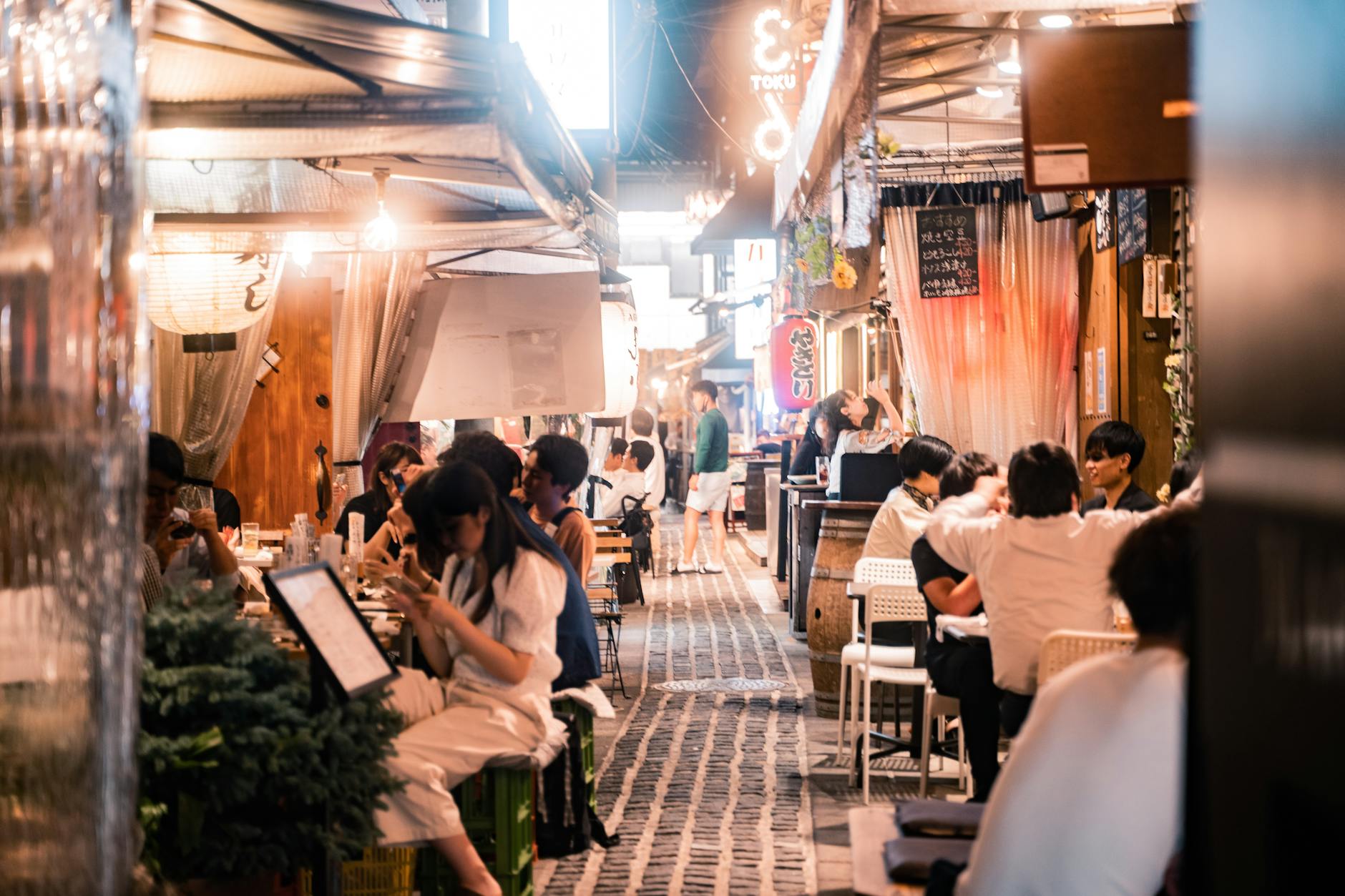
- Outside food — Allowed. Buy convenience store snacks or pick up Ryogoku yakitori from the street stalls outside the arena.
Wear comfortable clothes — especially if you booked masu-seki (box seats), where you'll be sitting cross-legged on the floor for several hours.
The Ryogoku Neighbourhood
Ryogoku is the sumo district of Tokyo. Even outside tournament season, it's worth visiting:
- Japan Sumo Museum (inside Kokugikan, free) — Displays of historical mawashi belts, trophies, old prints, and yokozuna portraits. Small but worthwhile.
- Chankonabe restaurants — Multiple restaurants in the area serve the stew year-round. Chanko Tomoegata and Chanko Kawasaki are operated by former wrestlers.
- Sumo stables (Heya) — Morning training (keiko) at some stables can be observed by tourists, usually by prior arrangement through your hotel concierge. Ask well in advance.
- Edo-Tokyo Museum — Next to Kokugikan. Excellent scale models and exhibits of Edo-period Tokyo. ¥600 admission.
Combining Sumo with a JDM Experience
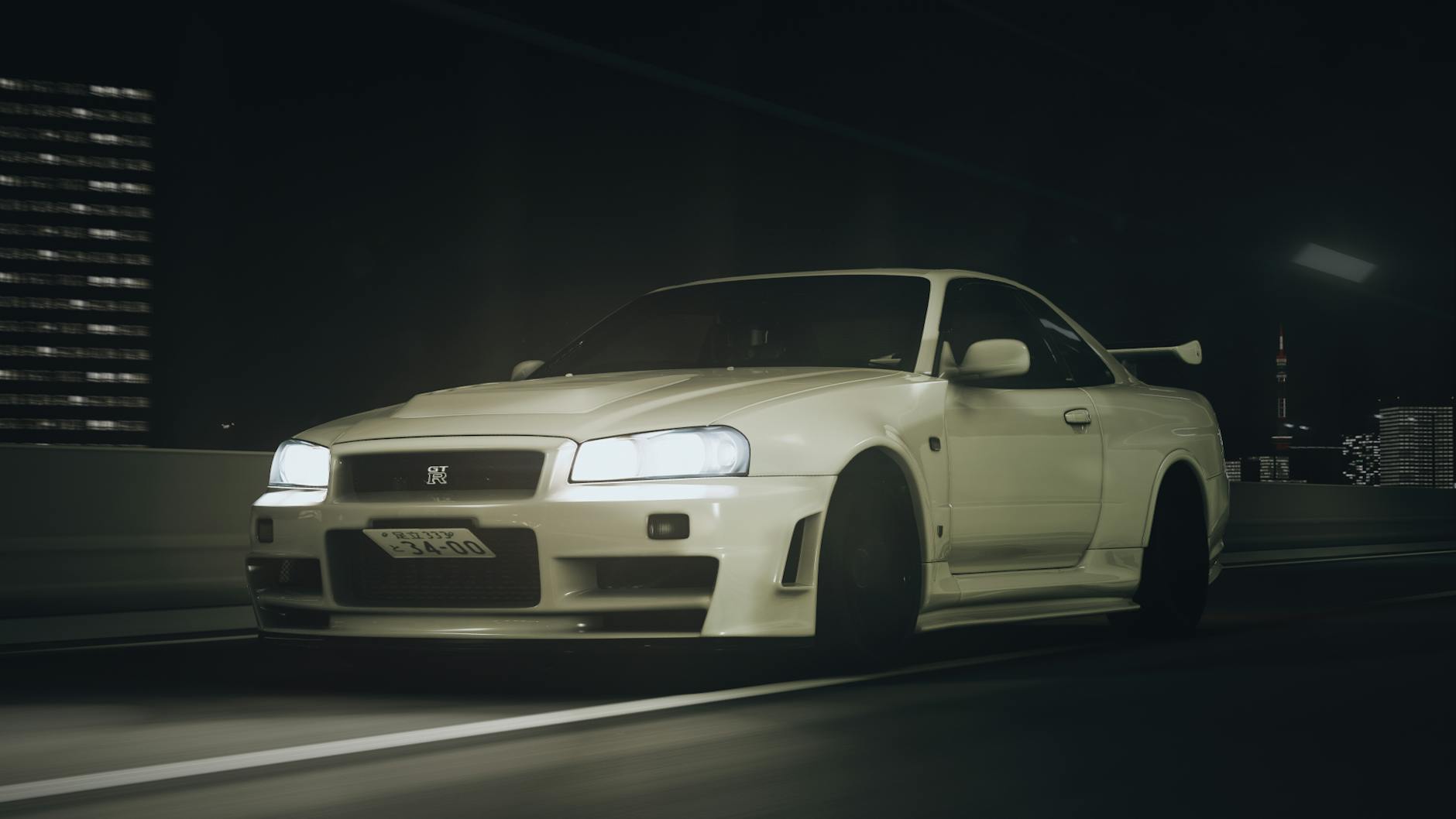
A sumo tournament day in Ryogoku pairs perfectly with a morning JDM driving experience — take your sports car out for a morning drive through East Tokyo, then head to Ryogoku for the afternoon bouts. Samurai Car Japan in Shibuya is 30 minutes from Ryogoku by car or train.
Related Guides
🎯 25 Unique Tokyo Experiences
🎭 Things to Do in Asakusa
🍜 Tokyo Food Guide
🌙 Things to Do in Tokyo at Night
🇯🇵 Plan Your Japan Experience
JDM Car Rental
Drive a GT-R, Supra, RX-7, or Silvia on the roads they were built for. Hakone passes, Wangan highway, mountain touge — your dream JDM experience.
Related Articles
Daikoku PA Tour
Visit Japan's most legendary car meet. Hundreds of modified cars, passionate owners, and the heartbeat of JDM culture. Guided weekend night tours available.
Photo Guide Tour
Capture stunning photos at locations only locals know. Hidden shrines, backstreet alleys, rooftop views, and golden hour spots for unforgettable shots.
Book a Sumo Morning Practice Tour
Want to see sumo morning practice for yourself? This top-rated tour handles everything — stable access, English-speaking guide, and a photo op with real wrestlers. Free cancellation up to 24 hours before.