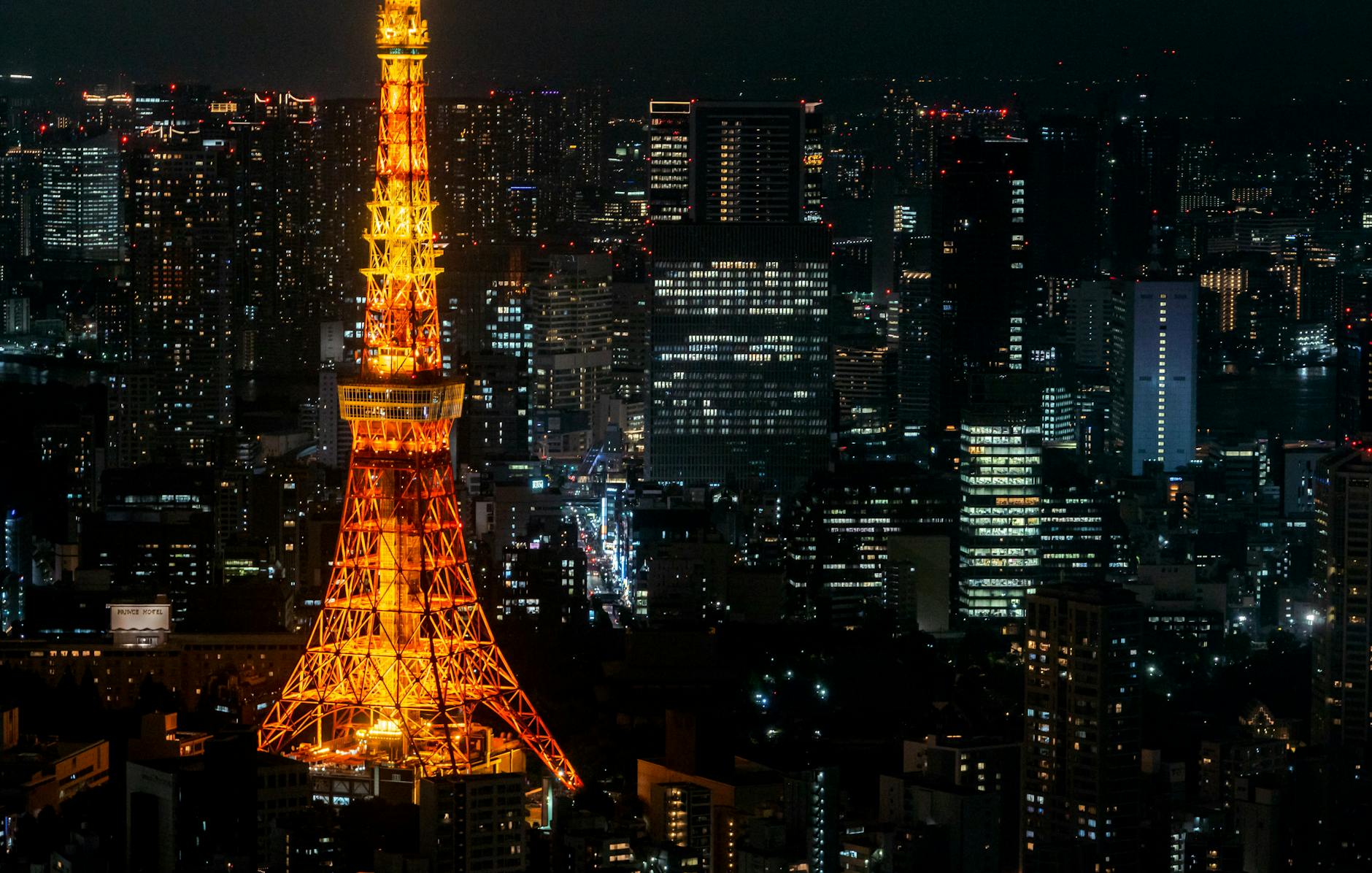
Two Towers, Two Experiences
Tokyo’s skyline is dominated by two iconic structures: the red-and-white Tokyo Tower (333m, built 1958) and the neo-futurist Tokyo Skytree (634m, built 2012, the world’s tallest tower). Both offer observation decks with panoramic city views. Both are genuine Tokyo landmarks. And both charge significant admission fees.
The question most visitors ask: which one should I visit? The honest answer depends on what you’re after — but this guide breaks down every dimension so you can decide.
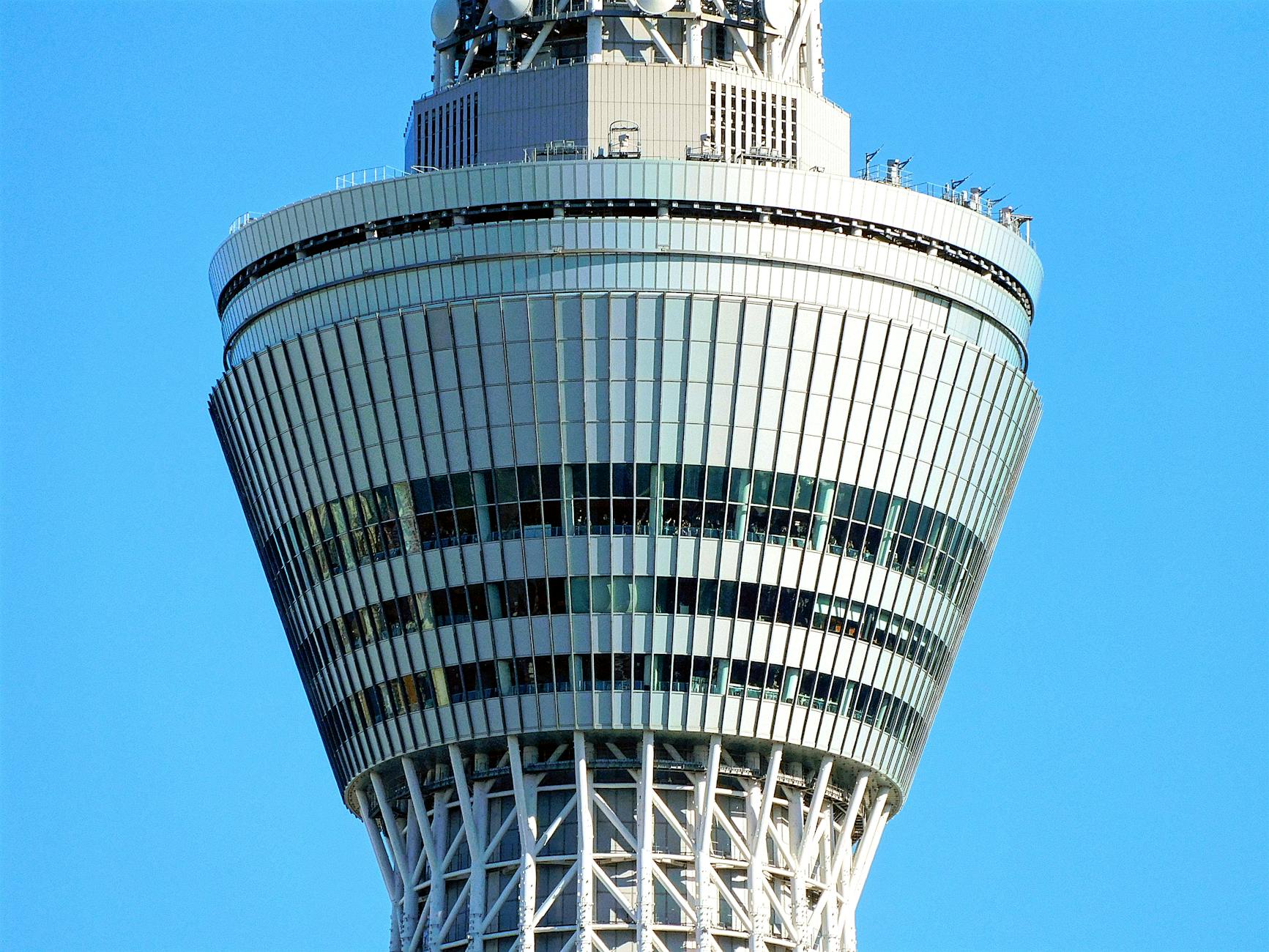
Tokyo Skytree: The Vital Statistics
- Height: 634 metres total. Tembo Deck at 350m, Tembo Galleria at 450m.
- Admission: Tembo Deck ¥2,100 (weekdays) / ¥2,300 (weekends). Adding Galleria: ¥1,000 extra. Children discounted. Online booking recommended.
- Opening hours: 10am–10pm (last entry 9pm). Closed for maintenance occasionally.
- Location: Oshiage, Sumida Ward (near Asakusa). Direct access from Oshiage Station (Tobu Skytree Line, Hanzomon Line).
- Surrounding complex: Tokyo Solamachi — a 312-shop retail complex beneath the tower with restaurants, a planetarium, a Pokémon Center, and an aquarium.
The view from Skytree: Being twice the height of Tokyo Tower, Skytree offers a genuinely dramatic altitude. On clear days (winter mornings are best), Mt. Fuji appears in the far distance to the southwest. The scale of Tokyo’s urban sprawl — 37 million people visible in every direction — is humbling at this height. The glass floor section at the Galleria level is excellent for vertigo-inducers.
Tokyo Tower: The Vital Statistics
- Height: 333 metres total. Main Deck at 150m, Top Deck at 250m.
- Admission: Main Deck ¥1,200. Main + Top Deck combo ¥3,000. Children discounted.
- Opening hours: 9am–10:30pm (Main Deck). Last entry varies.
- Location: Shiba, Minato Ward. 5 min walk from Akabanebashi Station (Oedo Line) or 10 min from Onarimon Station (Mita Line).
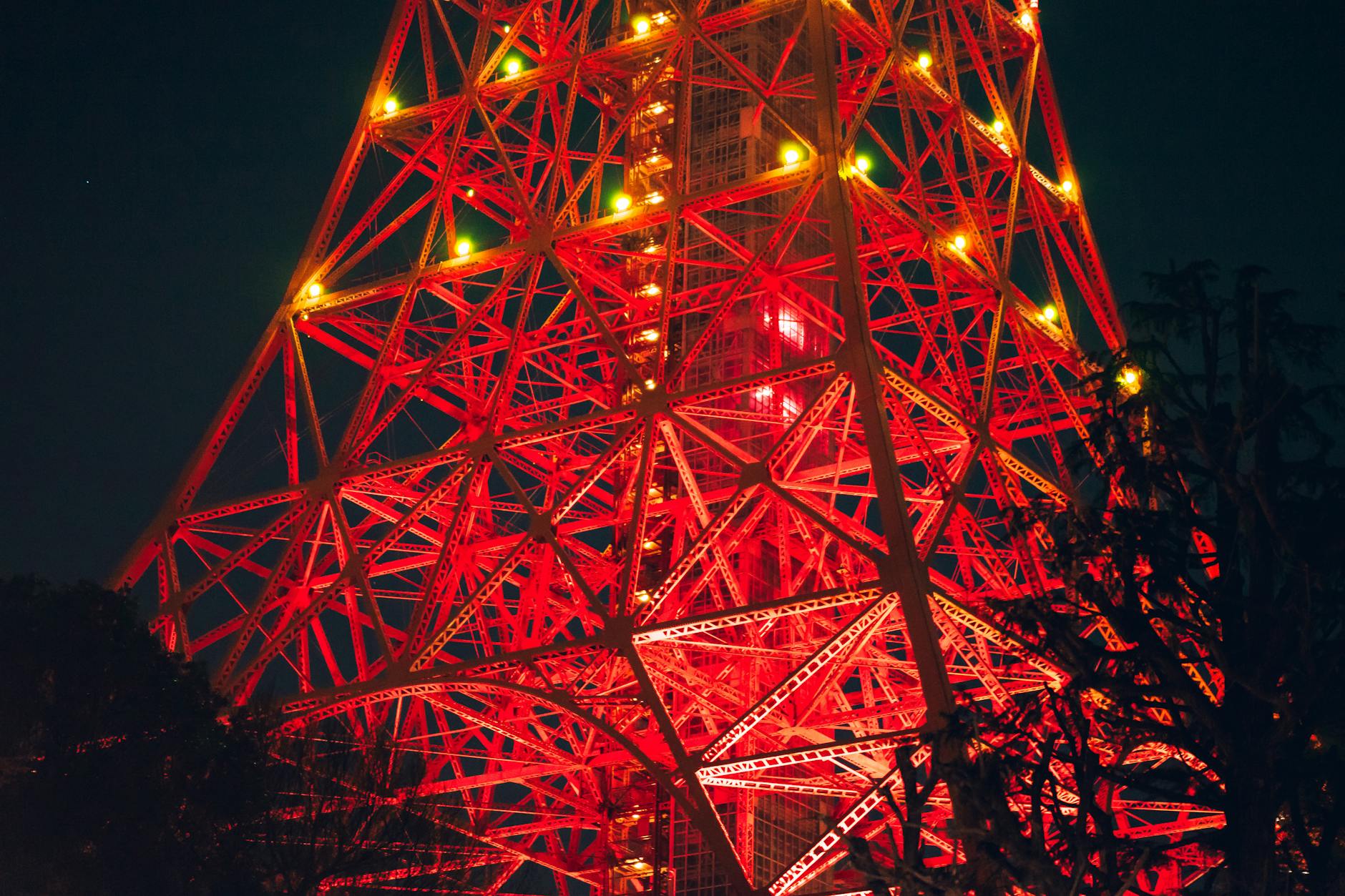
- Surrounding area: Shiba Park, Zojo-ji Buddhist temple (dates to 1393). The red structure and the temple together make an iconic photo.
The view from Tokyo Tower: Lower than Skytree, but the views are actually more intimate — you can make out individual buildings and districts clearly. Tokyo Tower’s red lattice structure visible from within and outside the deck adds character. The Skytree in the distance to the northeast is visible on clear days, which makes for good photos.
JDM tour guide!
Step into the world of “Fast & Furious” with our exclusive Daikoku Tour!
Experience the legendary car meet atmosphere for yourself. Make it the ultimate highlight of your Tokyo trip!
Honest Comparison: Which Is Better?
- View quality: Skytree wins on sheer height and scale. Tower wins on intimacy and character.
- Value for money: Tower is significantly cheaper (¥1,200 vs ¥2,100+). Skytree’s extra cost buys extra height, not necessarily better enjoyment.
- Crowds: Skytree is more popular and has longer queues, especially on weekends. Tokyo Tower is generally less crowded and faster to access.
- Iconic photography: The Tower is more photogenic — its illuminated red structure at night is one of Tokyo’s most recognisable images. The Skytree is modern and striking but feels less “classic Tokyo.”
- Nearby sightseeing: Tower wins — Zojo-ji Temple, Shiba Park, Roppongi (15 min walk), Azabudai Hills, and Hamamatsucho are all close. Skytree is in east Tokyo, further from central tourist areas.
- Sunset and night: Both are spectacular at night. Skytree’s lighting changes seasonally. Tower’s red-orange glow is a Tokyo classic.
The Verdict
Go to Tokyo Tower if: You’re visiting for a classic Tokyo skyline experience, you’re on a budget, you want to combine with Zojo-ji Temple and Roppongi, or you’re visiting at night and want the most atmospheric experience.
Go to Tokyo Skytree if: Maximum height and altitude is your priority, you want to visit the retail complex (Solamachi), you’re combining with Asakusa (a 15-minute walk), or you want the Mt. Fuji view on a clear winter day.
Do both if: You have 4+ days in Tokyo and this is a priority. They’re genuinely different enough to warrant two separate visits — and doing Skytree during the day and Tower at night (or vice versa) is excellent.
Free Alternatives: Tokyo’s Best Free Observation Decks
Before spending ¥2,000+ on a tower ticket, note that Tokyo has several excellent free observation points:
- Tokyo Metropolitan Government Building (Shinjuku) — Two free observation decks at 202m. Open until 10:30pm on clear nights. Best value view in Tokyo. Free.
- Bunkyo Civic Center (Hongo) — 25th floor observation room, 105m. Free. North Tokyo views including Skytree.
- Shibuya Sky (Shibuya Scramble Square) — ¥2,000 but offers uniquely close-up views of Shibuya Crossing. See our Shibuya Sky guide.
Getting Between the Towers by Car
One of Tokyo’s finest night drives connects both towers: start at the Skytree in Oshiage, drive west along the elevated Shuto Expressway inner loop, pass above Akihabara and Ueno, descend near Ginza, and arrive at Tokyo Tower in Shiba. The skyline views from the expressway are spectacular at night.
For this kind of Tokyo night drive experience, Samurai Car Japan in Shibuya offers JDM sports cars for exactly this kind of urban exploration. Read our complete Tokyo night drive guide for the full route.
Why not elevate your journey with a legendary JDM experience?
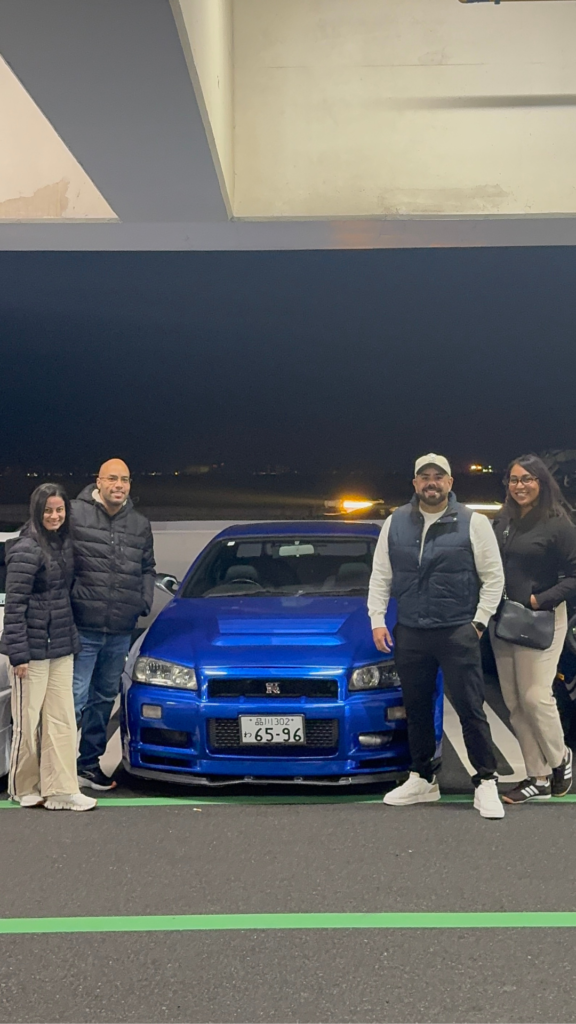
Our Services:
- Self-Drive Rentals
- Guided Tours
- Drift Experiences
Please visit the dedicated page for more details.
Related Guides
🌆 Shibuya Sky Observation Deck
🌙 Tokyo Night Drive Guide
🗼 Things to Do in Shinjuku
🎯 25 Unique Tokyo Experiences
🇯🇵 Plan Your Japan Experience
JDM Car Rental
Drive a GT-R, Supra, RX-7, or Silvia on the roads they were built for. Hakone passes, Wangan highway, mountain touge — your dream JDM experience.
Daikoku PA Tour
Visit Japan’s most legendary car meet. Hundreds of modified cars, passionate owners, and the heartbeat of JDM culture. Guided weekend night tours available.
Photo Guide Tour
Capture stunning photos at locations only locals know. Hidden shrines, backstreet alleys, rooftop views, and golden hour spots for unforgettable shots.
See Tokyo’s Landmarks from Street Level
Race past Tokyo Tower, Shibuya Crossing, and more in a go-kart — the most unforgettable way to see Tokyo’s iconic landmarks. Free cancellation.