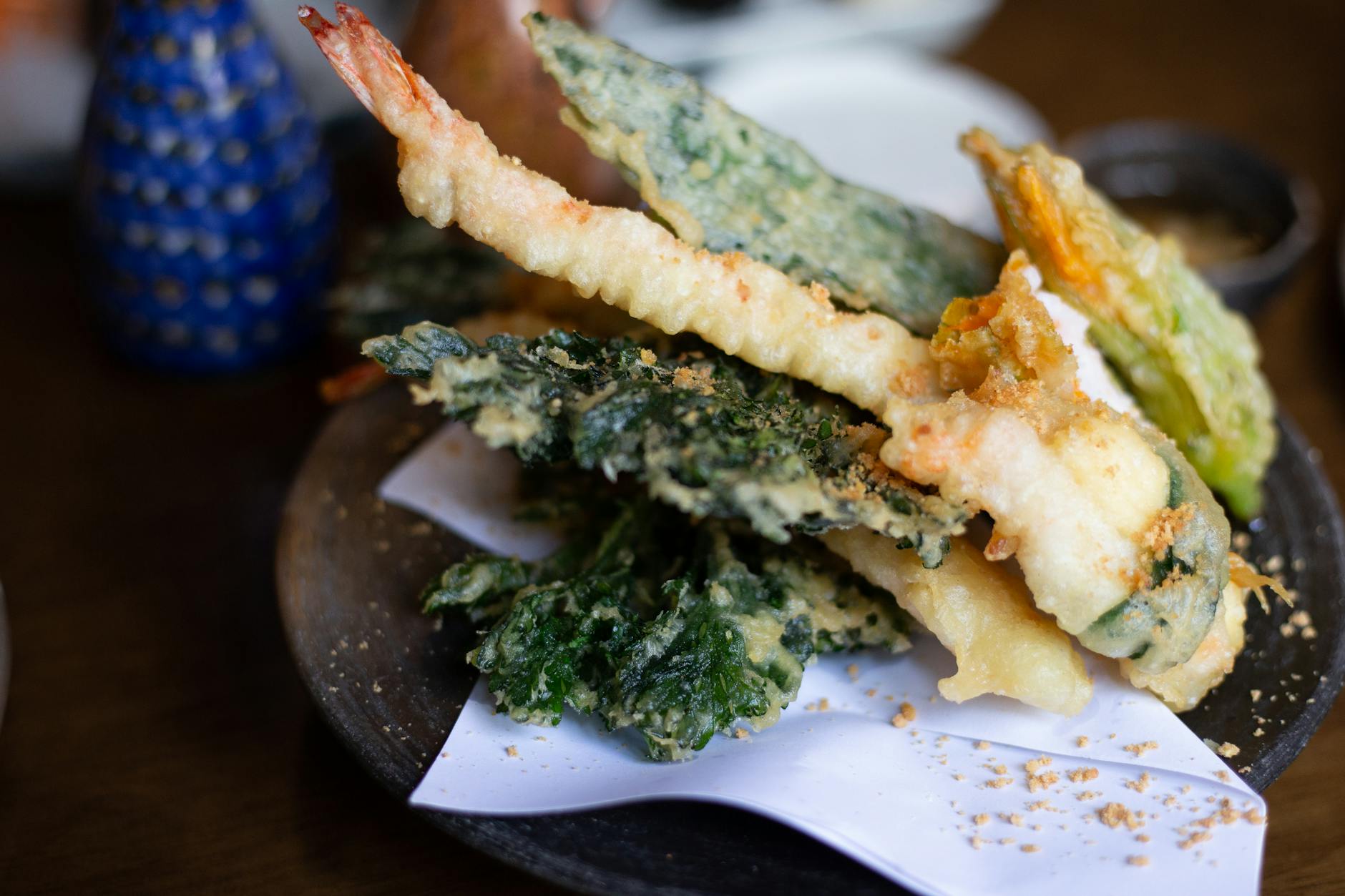
Few culinary experiences capture the essence of Japanese dining quite like tempura. That whisper-thin batter shattering at the first bite, the sweetness of a tiger prawn locked inside, the cloud of steam that escapes when you dip it into a small bowl of dashi broth — it is a dish that looks simple but reveals extraordinary depth the more you explore it. Tokyo, as the world capital of refined Japanese cuisine, is the ultimate destination for anyone who wants to understand, and eat, the very best tempura on the planet.
Whether you are a first-time visitor on a ¥1,000 lunch budget or a seasoned Japan traveler ready to spend ¥30,000 on a Ginza omakase counter, this guide covers every tier. We will walk through the history of tempura, the technique behind the batter, the different ingredients you should try, our top restaurant recommendations across three price brackets, and the etiquette that will make your meal even more enjoyable.
What Is Tempura? A Brief History
Tempura is a Japanese dish of seafood and vegetables coated in a light, airy batter and deep-fried in vegetable oil. Despite feeling quintessentially Japanese, the technique was introduced to Japan by Portuguese Jesuit missionaries in the sixteenth century. The word itself likely derives from the Latin tempora, referring to the Ember Days of the Catholic calendar when Christians abstained from meat and ate fried vegetables or fish instead.
Japanese cooks in Nagasaki adopted the frying method, adapted it with local ingredients, and over the next two centuries refined it into something far more elegant than its European ancestor. By the Edo period (1603–1868) tempura had become a beloved street food in Edo — the city that would later become Tokyo. Vendors operated from portable stalls called yatai near river banks and bridges, serving fried seafood skewers to workers and travelers for just a few coins.
The Meiji era brought new prosperity and a desire to elevate everyday foods into restaurant-worthy dishes. Tempura moved indoors, the oil quality improved, and chefs began to develop the precise temperature control and batter ratios that define the craft today. By the mid-twentieth century Tokyo had established a clear hierarchy: casual tendon (tempura over rice) shops for everyday eating, mid-range teishoku restaurants for family meals, and rarefied omakase counters where a single chef, facing just eight guests, would fry each piece to order and serve it within seconds.
The Art of the Batter: Why It Is Harder Than It Looks
The genius of great tempura lies in what is not in the batter. Most Western-style frying coats food in thick, heavily seasoned doughs. Tempura batter, by contrast, is a study in restraint. A skilled tempura chef mixes cold water — sometimes ice water — with egg and just enough flour to barely bring it together. The batter is always mixed with minimal strokes; lumps are acceptable, over-mixing is fatal. Over-mixing develops gluten, which creates a tough, doughy coating that insulates the ingredient from the hot oil rather than allowing heat to penetrate quickly.
The correct batter is so thin you can almost see through it. When it hits hot oil it puffs immediately, creating a network of tiny air pockets that give tempura its signature crunch. Because there is so little batter acting as insulation, the ingredient inside steams in its own moisture and cooks rapidly. A large prawn is done in ninety seconds. A slice of lotus root in about forty-five. The chef must be present, attentive, and decisive.
Oil temperature is equally critical. High-end restaurants typically use a blend of pure sesame oil and cottonseed oil — sesame for fragrance, cottonseed for its clean, neutral flavor and high smoke point. The temperature is kept between 160°C and 185°C depending on the ingredient. Denser root vegetables like burdock root fry at the lower end; seafood at the higher. Budget restaurants and chains often use refined soybean or canola oil, which is perfectly fine but produces a slightly less aromatic result.
Types of Tempura You Must Try
Tokyo tempura menus can feel overwhelming if you do not know what to look for. Here is a guide to the ingredients you will encounter most often, and why each one matters.
Ebi (Shrimp / Prawn)
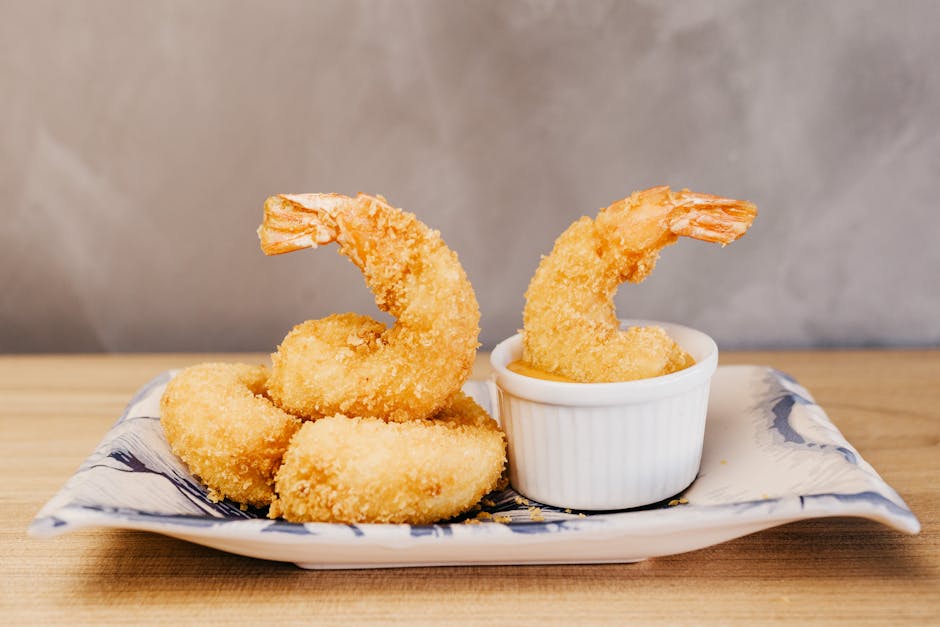
Ebi is the undisputed centerpiece of any tempura meal. High-end restaurants source kuruma ebi (Japanese tiger prawn), a large, sweet, firm-fleshed prawn that turns vivid red-orange after frying. The chef scores the underside of the prawn to prevent it from curling, then fries it until the tail becomes translucent and crisp. Eating the tail is encouraged — it shatters like a cracker and adds texture. At a budget chain you will typically find smaller imported vannamei shrimp, which are still delicious and much more affordable.
Kakiage (Mixed Fritter)
Kakiage is a disc-shaped fritter of mixed ingredients — usually small shrimp, squid rings, onion, mitsuba herb, and sometimes corn — bound loosely by batter and fried as a single unit. It is rustic, intensely flavored, and wildly popular. A thick kakiage placed on top of a bowl of rice (kakiage-don) with a drizzle of tentsuyu sauce is one of Tokyo’s great cheap eats. Many tempura restaurants offer kakiage-don at lunch for ¥900–¥1,200.
Kisu (Japanese Whiting)
Kisu is a slender, delicate white fish that is practically synonymous with traditional Tokyo-style tempura. Chefs butterfly the fillets, coat them in batter, and fry them until they fan out into a graceful shape. The flesh is mild and sweet, the skin becomes gossamer-thin, and the overall texture is much lighter than shrimp. Kisu is often one of the first pieces served at an omakase counter because it trains your palate for the subtleties to come. Do not skip it.
Vegetable Tempura
Japanese vegetable tempura is a revelation for anyone who thinks fried vegetables are merely an afterthought. Seasonal selection drives the menu: spring brings taranome (angelica tree buds) with their pleasantly bitter sap; summer features nasu (eggplant) that turns silky inside its batter shell; autumn offers matsutake mushrooms at premium prices; winter brings sweet satsuma imo (Japanese sweet potato) that caramelizes at the edges. A lotus root slice (renkon) cut to show its lacy pattern is both visually striking and texturally satisfying. Shishito peppers, roughly one in ten of which is fiery, are a fun roulette-style addition to any order.
Anago (Sea Eel)
Often confused with the more famous freshwater eel (unagi), sea eel (anago) has a softer, more delicate texture and a less fatty taste. It is considered a test of a tempura chef’s skill because the flesh is so tender it can overcook in seconds. When done right, anago tempura is buttery, sweet, and almost cloud-like. Look for it at mid-range and high-end establishments.
Best Tempura Restaurants in Tokyo: Our Top Picks
Tokyo has hundreds of tempura restaurants. We have narrowed the list to three that we believe deliver outstanding value and quality at very different price points — ensuring every visitor can find their ideal tempura experience.
Kondo (銀座 近藤) — High-End Omakase in Ginza
Price range: ¥15,000–¥30,000 per person (dinner omakase)
Chef Fumio Kondo is to tempura what Jiro Ono is to sushi — a craftsman who has dedicated his life to a single dish and elevated it to art. Located on the eighth floor of a building steps from Ginza subway station, Restaurant Kondo seats just twenty guests at a time. The counter seats face an open kitchen where Chef Kondo and his small team work in near silence, frying each piece to order in pure sesame oil.
Kondo’s signature dish is fukinotou (butterbur bud) tempura — a wild spring herb with an intensely bitter, medicinal flavor that the chef transforms into something unexpectedly beautiful by encasing it in the lightest possible batter. His vegetable tempura program is widely considered the finest in Japan; the restaurant has famously served a single sweet potato fried whole as the final savory course, split open at the table to reveal a fluffy interior that has been steaming inside its batter shell for twenty minutes.
Reservations must be made at least one month in advance and are typically managed through the restaurant’s Japanese-language phone line. Your hotel concierge or a reservation service like Tableall or Omakase can assist English-speaking guests. Dress code is smart casual to formal. Kondo is located near Ginza Station (Tokyo Metro Ginza, Hibiya, and Marunouchi lines).
What to order: The seasonal omakase course — there is no à la carte option. Trust the chef completely.
Best for: Special occasions, food enthusiasts, travelers who consider dining a primary reason for visiting Japan.
Tsunahachi (つな八) — Mid-Range Classic in Shinjuku
Price range: ¥2,500–¥6,000 per person (lunch or dinner)
Founded in 1924, Tsunahachi is one of the oldest and most beloved tempura restaurants in Tokyo. The main branch in Shinjuku, just a five-minute walk from Shinjuku Station’s East Exit, is a landmark that has survived war, earthquake, and changing food fashions to remain one of the city’s most reliable and satisfying mid-range options. There are now branches throughout Japan, but the Shinjuku original is the one to visit.
Tsunahachi’s strength is consistency. The batter is light and appropriately thin, the oil is clean and hot, and the seasonal menu rotates intelligently. Their set menus (teishoku) are outstanding value: the standard set includes several pieces of prawn, white fish, vegetable, and squid, served alongside rice, miso soup, pickles, and a small salad. Eating at the counter is ideal — you watch your pieces being fried and they arrive individually, each one hot and crackling.
Unlike the ultra-exclusive omakase counters, Tsunahachi welcomes walk-in guests most of the time, especially for lunch. Expect a short queue on weekends. English menus are available, and the staff is accustomed to international guests. For a first-time tempura experience in Tokyo, Tsunahachi is arguably the most accessible high-quality option.
What to order: The Tsunahachi Teishoku set, which includes six to eight pieces plus sides. Add a piece of anago (sea eel) if available.
Best for: First-time visitors, families, travelers who want a genuine traditional experience without breaking the bank.
Tempura Tenya (てんや) — Budget Chain, Exceptional Value
Price range: ¥700–¥1,500 per person (lunch sets from ¥990)
If you want to understand why tempura is Japan’s great democratic food — enjoyed equally by salary workers and students — Tempura Tenya is your answer. This national chain, founded in 1989, has perfected the art of delivering hot, freshly fried tempura at prices that still feel like a bargain even by Tokyo standards. There are dozens of locations across the city; Shibuya, Shinjuku, Akihabara, and Ueno all have branches.
Tenya’s lunch set, available on weekdays for around ¥990, consists of a large tendon bowl — rice topped with four or five pieces of tempura glazed in a sweet-savory sauce — plus miso soup and pickles. The shrimp may not be kuruma ebi from Nagasaki, but it is fresh, properly fried, and genuinely delicious. The batter is slightly thicker than at specialty restaurants, but the oil is clean and the frying technique competent.
Ordering is done via tablet or ticket machine at the entrance. The English interface is available at most tourist-area locations. Turnover is fast — do not linger if the restaurant is full. Tenya is an ideal quick lunch option when you are in the middle of a packed sightseeing day and need something hot, filling, and authentically Japanese without a lengthy sit-down.
What to order: The regular tendon set (天丼セット) or the special tendon if you want extra seafood pieces.
Best for: Budget travelers, solo diners, anyone who wants a fast authentic Japanese lunch.
Budget Guide: What to Expect to Pay
One of the most useful things to understand about eating tempura in Tokyo is the dramatic price range — from affordable to astronomically expensive — and what you get at each tier.
| Tier | Setting | Typical Price | What You Get |
|---|---|---|---|
| Budget | Chain restaurants (Tenya, Hanamaru) | ¥700–¥1,500 | Tendon bowl, miso soup, pickles. Freshly fried, good batter, imported shrimp |
| Mid-range | Traditional teishoku restaurants | ¥2,000–¥5,000 (lunch) / ¥4,000–¥8,000 (dinner) | Multi-piece sets, seasonal vegetables, Japanese shrimp, counter seating available |
| High-end | Specialty omakase restaurants | ¥10,000–¥20,000 (lunch) / ¥18,000–¥35,000 (dinner) | Chef’s counter, premium kuruma ebi, rare vegetables, sesame oil, individual service |
Note that lunch sets at mid-range and even some high-end restaurants can offer remarkable value — Kondo, for example, offers a lunch course around ¥10,000–¥12,000, significantly less than the evening price, with much of the same quality. If your budget is limited, always check the lunch menu first.
How to Eat Tempura Like a Local
Tempura has its own etiquette, and understanding it will make your meal more enjoyable and more respectful of the craft.
Eat It Immediately
Tempura waits for no one. The moment a piece leaves the oil it begins to lose its crunch as the batter re-absorbs steam from the ingredient inside. At a counter restaurant, the chef fries each piece to order and places it directly in front of you. The unspoken rule is to eat it within ten to fifteen seconds. Do not wait for all pieces to arrive before starting. Eat each one as it comes.
Dipping Sauce vs. Salt
You will typically be offered two condiment options: tentsuyu (a warm dipping broth made from dashi, mirin, and soy sauce, served with grated daikon radish) and a small dish of matcha or plain salt. The general rule is that robust, flavorful ingredients like shrimp and squid pair well with tentsuyu; delicate items like white fish and subtle vegetables like asparagus are better appreciated with just a light dip of salt, which does not mask their natural sweetness. At omakase restaurants, the chef will often tell you which condiment to use for each piece. At casual restaurants, follow your instincts.
Grated Daikon
The small mound of grated daikon radish served alongside your tentsuyu is not merely decorative. Daikon contains enzymes that help digest fat, which is particularly useful when eating multiple pieces of fried food. Stir the daikon into the tentsuyu before dipping — it also subtly cools the broth to a temperature that complements rather than cooks the batter further.
Do Not Ask for Everything Spicy
Tempura is designed to highlight the pure flavor of each ingredient. Adding extra chili, heavy sauces, or aggressive seasonings defeats the purpose of eating at a specialist restaurant. If you love bold flavors, Tempura Tenya’s tendon sauce delivers sweetness and umami in abundance. But at Kondo or Tsunahachi, the point is subtlety — lean into it.
Best Neighborhoods to Find Tempura in Tokyo
While great tempura exists throughout Tokyo, certain neighborhoods have particularly strong concentrations of quality restaurants.
Ginza
Tokyo’s most prestigious dining district, Ginza is home to Kondo and several other high-end tempura specialists. If you are planning an omakase dinner and want the full luxury experience, Ginza is where to look. The area is easily reached on the Tokyo Metro Ginza, Hibiya, and Marunouchi lines.
Shinjuku
Shinjuku has tempura options at every price point. Tsunahachi’s flagship is here, alongside dozens of izakayas and casual restaurants that include tempura on their menus. The streets around Kabukicho and the Golden Gai area also have small specialty shops worth exploring if you enjoy wandering and discovering restaurants by serendipity.
Asakusa
The old shitamachi (downtown) district of Asakusa preserves more of Edo-period Tokyo’s spirit than anywhere else in the city. Tempura has deep roots here — this was one of the neighborhoods where street vendors originally sold it. Several traditional restaurants in Asakusa serve tendon and teishoku sets in tatami-floored dining rooms that have been operating for over a century. It is an atmospheric and historically resonant place to eat.
Nihonbashi
Historically the commercial center of Edo, Nihonbashi is home to several refined tempura restaurants that cater to the business lunch crowd. Prices are slightly elevated compared to Shinjuku, but quality is consistently high and many restaurants offer excellent value lunch sets on weekdays.
Planning Your Tokyo Food Tour: Pairing Tempura With Other Experiences
The best way to experience Tokyo is to combine its extraordinary food culture with other memorable experiences. A morning visit to Tsukiji Outer Market, where vendors sell fresh seafood, pickles, and snacks, pairs beautifully with a tempura lunch — you will have seen the raw ingredients that end up in the fryer just hours before they reach your plate.
For visitors who are passionate about cars as well as cuisine, Samurai Car Japan JDM offers curated Tokyo tours that combine visits to legendary JDM car culture spots — dealerships, parking lots full of modified Skylines, and the famous car-scene gathering points — with expertly selected dining stops including tempura lunch. It is an unusual combination on paper, but it makes perfect sense in Tokyo, where world-class car culture and world-class food culture exist side by side in the same city blocks. Their English-speaking guides are deeply knowledgeable about both subjects.
Practical Tips for First-Time Tempura Diners in Tokyo
Here are the most useful practical tips gathered from experienced travelers and food writers who have navigated Tokyo’s tempura scene.
- Make reservations for high-end restaurants early. Kondo and similar Ginza establishments book out weeks or months in advance. If you are planning a special-occasion dinner, reserve as soon as your travel dates are confirmed.
- Go for lunch to save money. Nearly every mid-range and high-end tempura restaurant offers a significantly discounted lunch course. The quality is identical; only the price and portion size differ.
- Counter seating is always preferable. Watching the chef fry your food is part of the experience, and counter seats ensure everything arrives at the optimal temperature.
- Tell the staff about allergies immediately. Shellfish is used in almost all tempura restaurants. If you have a shellfish allergy, inform the restaurant when booking and again when seated. Many places can accommodate, but some cannot — it is essential to check in advance.
- Carry cash. Many traditional tempura restaurants, including some mid-range and high-end establishments, are cash-only or have limited card acceptance. Budget for cash payment, especially outside of tourist-heavy chain restaurants.
- Explore the seasonal menu. Tempura restaurants in Japan change their menus significantly with the seasons. A visit in spring will taste completely different from a visit in autumn, even at the same restaurant. If you visit Japan multiple times, revisiting a favorite tempura restaurant in a different season is a rewarding ritual.
- Try tendon for a quick and satisfying meal. The tempura rice bowl is a beloved workday lunch across Tokyo. Almost every neighborhood has at least one good tendon specialist. It is inexpensive, filling, and deeply satisfying — a perfect quick option when you are busy sightseeing.
Understanding the Tempura Menu: Key Japanese Terms
Even if you do not speak Japanese, knowing a few key menu terms will help you navigate tempura restaurants with confidence.
| Japanese Term | Romaji | Meaning |
|---|---|---|
| 天ぷら | Tempura | The dish itself — battered and fried seafood/vegetables |
| 天丼 | Tendon | Tempura served over a bowl of rice with sweet-savory sauce |
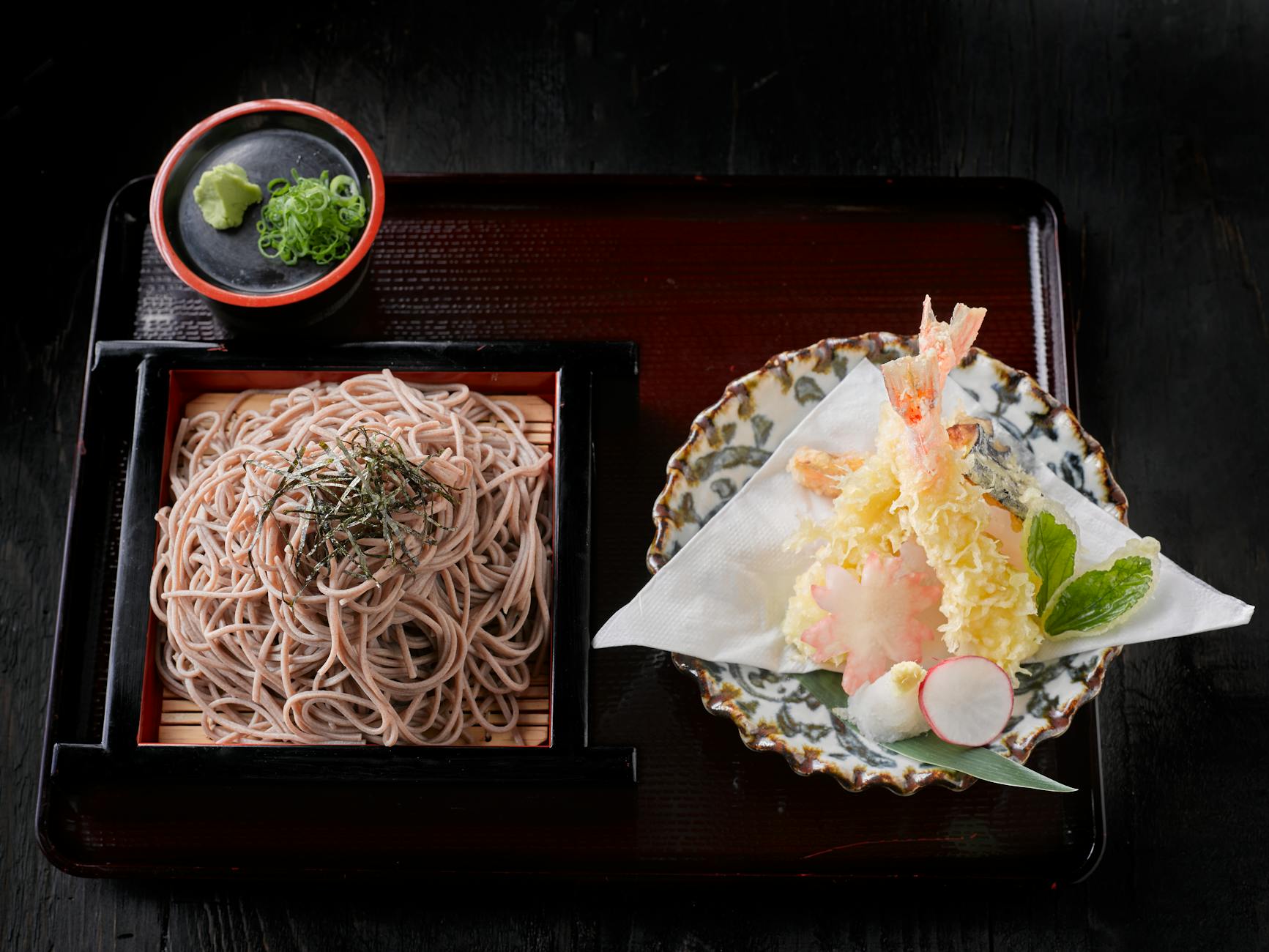
| 天ざる | Tenzaru | Tempura served alongside cold soba noodles |
| 天つゆ | Tentsuyu | The dipping sauce made from dashi, mirin, and soy sauce |
| 海老 | Ebi | Shrimp or prawn — the most popular tempura ingredient |
| かき揚げ | Kakiage | Mixed fritter of small shrimp, vegetables, and herbs |
| きす | Kisu | Japanese whiting — a classic white fish for tempura |
| 穴子 | Anago | Sea eel — delicate and buttery when fried |
| おまかせ | Omakase | “I leave it to you” — the chef selects your meal |
| 旬 | Shun | In season — seasonal ingredients at their peak |
Final Thoughts: Why Tempura in Tokyo Is Worth the Journey
Tempura is proof that the best cooking is often about doing one thing extraordinarily well. The dedication Tokyo’s tempura chefs bring to their craft — the obsessive attention to batter consistency, oil temperature, ingredient sourcing, and the precise seconds spent frying each piece — reflects a broader Japanese cultural philosophy that prizes mastery above novelty.
You do not need to spend ¥30,000 at Kondo to understand this. A properly made tendon bowl at Tenya for ¥990 demonstrates the same principle on a democratic scale: fresh ingredients, hot oil, immediate service, and nothing unnecessary getting in the way of the food itself. That clarity of purpose, across every price bracket, is what makes Tokyo the world’s best city for eating tempura.
Whether your Tokyo itinerary is three days or three weeks, make sure at least one meal involves sitting at a tempura counter, watching a piece of prawn hit the oil, listening for that sharp sizzle that tells you the temperature is right, and eating it — immediately, without ceremony — while it is still at its crackling, steaming, perfect best. You will not forget it.
Taste Tokyo’s Best on a Food Tour
Try 15 different dishes across 4 local eateries in Shinjuku. From ramen to yakitori, experience the flavors that locals love. Free cancellation.
Related Articles
- Nishiki Market Kyoto: The Complete Food and Shopping Guide
- Tsukiji Outer Market Morning Tour: Sushi Breakfast Guide
- Osaka Dotonbori Food Guide: What to Eat and Where
[st_af id=”77″]