Japan is one of the world’s great food destinations — sushi, ramen, yakitori, wagyu. But there are two dishes that locals eat almost every day, that cost a fraction of the price, and that most tourists walk right past without a second glance: soba and udon.
If you spend time in Tokyo, you will notice stand-up noodle counters tucked inside train stations, neighbourhood restaurants with short curtains hanging over the entrance, and long lines at no-frills shops where every table turns in under fifteen minutes. That is the soba and udon world — fast, honest, deeply flavourful, and shockingly good value. A satisfying bowl rarely costs more than ¥1,000 (about USD $7), and many of the best shops charge even less.
This guide covers everything you need to know: what separates soba from udon, the varieties you must try, where to eat them in Tokyo, and the unspoken rules of the noodle counter. By the end, you will be ready to pull aside that entry curtain and order like a regular.
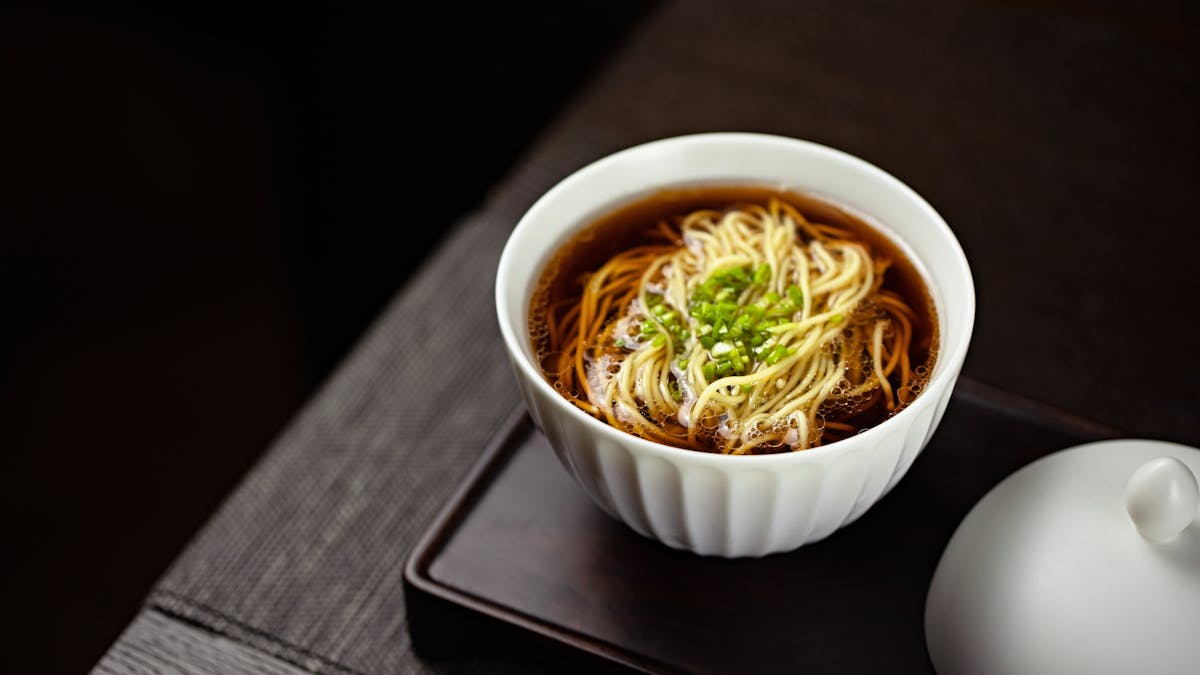
Soba vs Udon: Understanding the Difference
At their core, soba and udon are simply two different styles of Japanese noodle — but the gap between them in flavour, texture, culture, and regional loyalty is enormous.
Soba — The Buckwheat Noodle
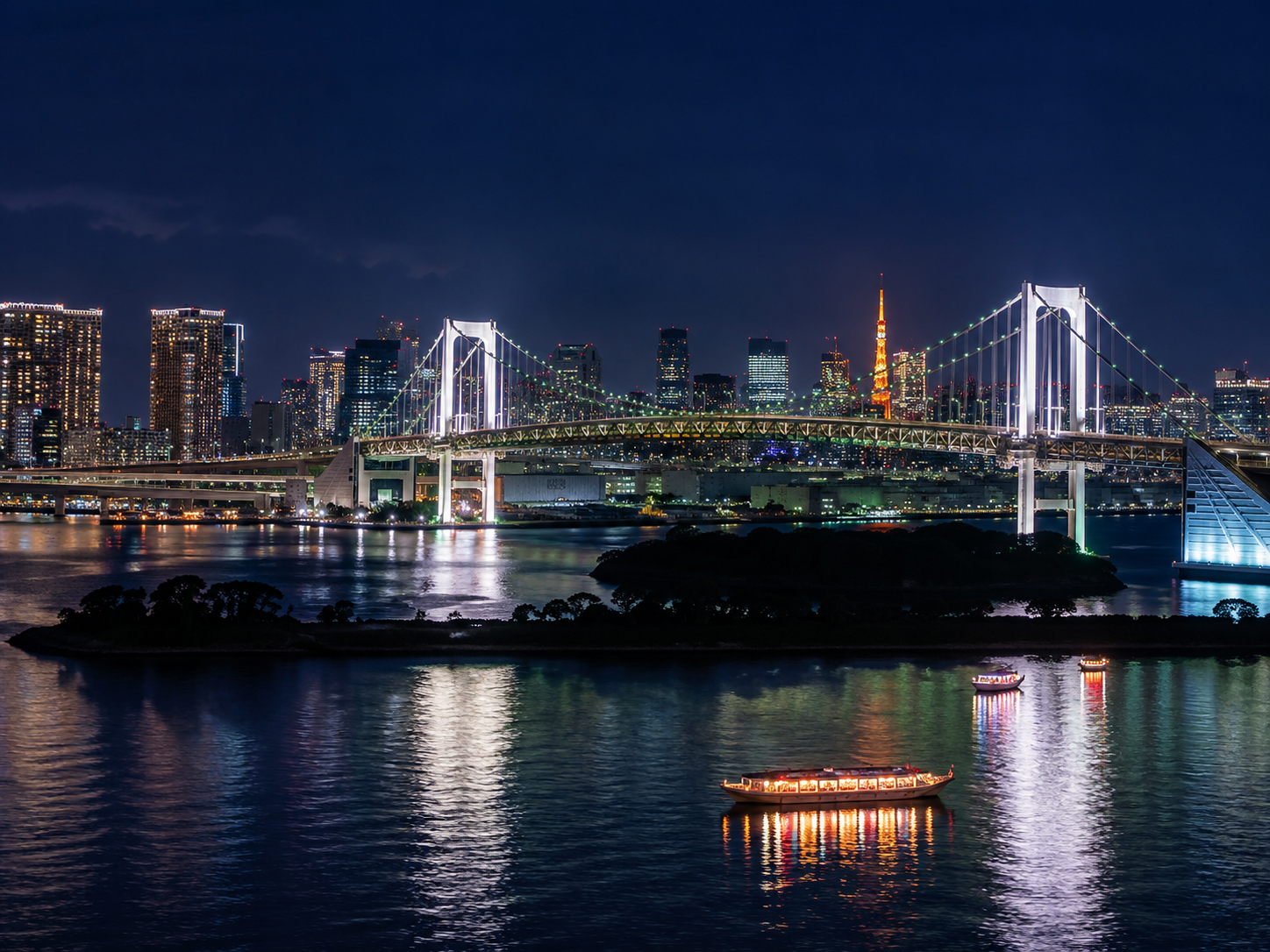
Soba noodles are made from buckwheat flour (soba-ko), sometimes blended with a proportion of regular wheat flour for binding. The resulting noodle is thin — typically 2–3 mm — with a pale grey-brown colour and a nutty, slightly earthy flavour. High-quality soba has a subtle fragrance that connoisseurs take seriously; some premium shops use stone-ground buckwheat harvested from specific Japanese prefectures such as Nagano or Fukui.
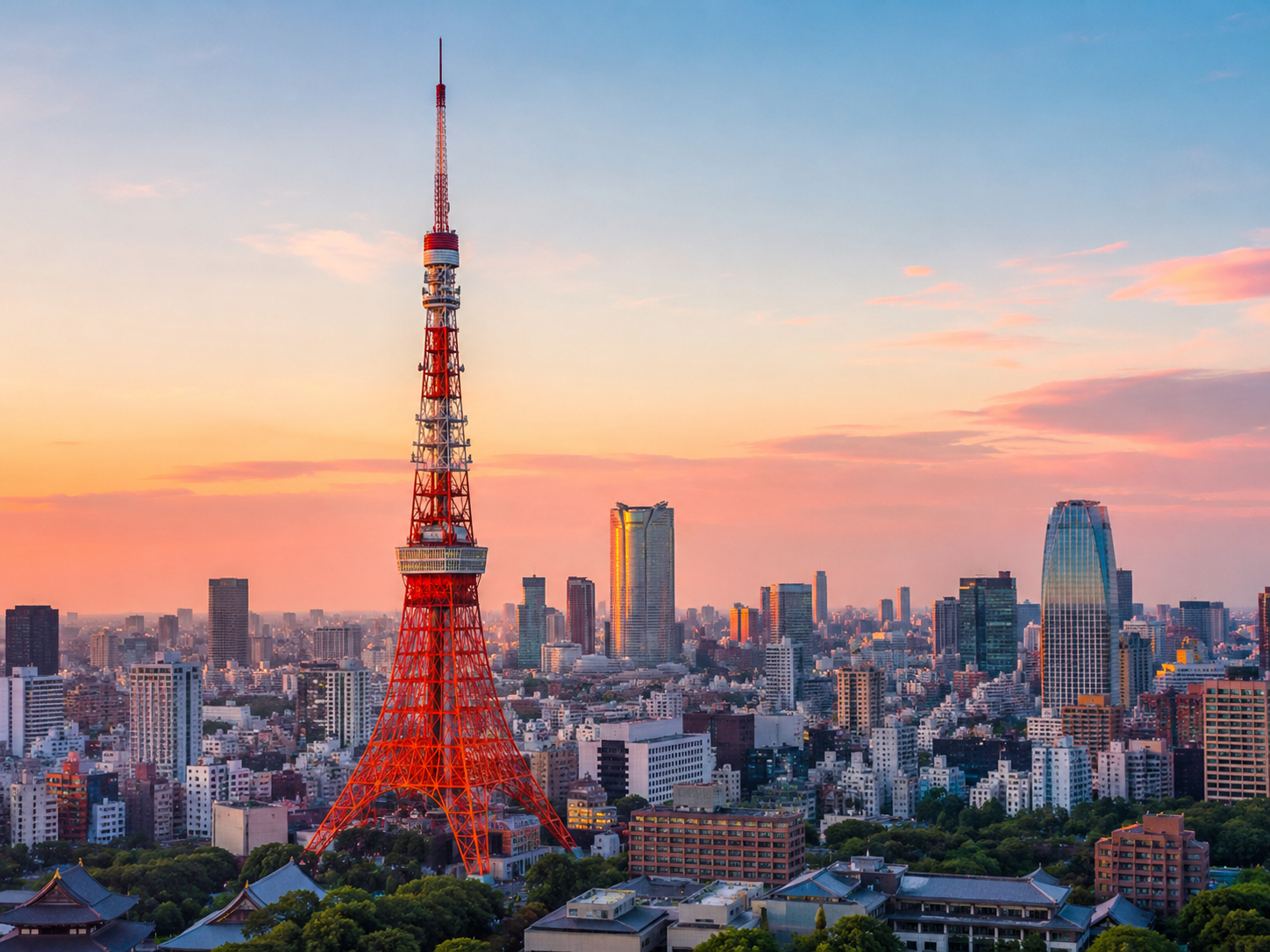
Tokyo has a deep soba culture rooted in the Edo period (1603–1868). When the city was still called Edo, fast and cheap soba stalls lined the streets and canals, feeding the city’s enormous population of craftsmen, merchants, and samurai retainers. Today that heritage lives on in neighbourhood soba shops (soba-ya) found across every district of the capital.
Udon — The Wheat Noodle
Udon noodles are made entirely from wheat flour, water, and salt. They are thick — often 6–8 mm or more — white or creamy in colour, and have a wonderfully chewy, smooth texture that is quite different from soba. The flavour of the noodle itself is mild and slightly sweet, which makes the quality of the broth (dashi) even more important: it needs to carry the whole bowl.
Udon is associated more strongly with western Japan, particularly Kagawa Prefecture (also known as the “Udon Prefecture”) in Shikoku and with the Osaka-Kobe corridor. Nevertheless, excellent udon is now available across Tokyo, and chains like Marugame Seimen have made high-quality udon accessible nationwide.
Quick Comparison at a Glance
| Feature | Soba | Udon |
|---|---|---|
| Main ingredient | Buckwheat (+ some wheat) | Wheat flour |
| Colour | Pale grey-brown | White / creamy |
| Thickness | Thin (2–3 mm) | Thick (6–8 mm+) |
| Texture | Firm, slightly rough | Soft, chewy, smooth |
| Flavour | Nutty, earthy | Mild, neutral |
| Cultural base | Tokyo / Eastern Japan | Osaka / Western Japan |
| Broth style | Darker, soy-forward | Lighter, dashi-forward |
| Typical price | ¥700–¥1,500 | ¥500–¥1,200 |
Types of Soba You Should Know
The soba menu can look intimidating if you have never seen one before. Here are the most important varieties, from the essential classics to the slightly more adventurous options.
Mori Soba and Zaru Soba — Cold, Simple, Perfect
This is where soba appreciation begins. Mori soba is chilled, freshly made soba served on a bamboo draining tray with a small cup of cold tsuyu dipping sauce on the side. Zaru soba is exactly the same, but with a small pile of shredded nori (dried seaweed) on top. The difference is minor; the experience is the same.
To eat, you pick up a small bundle of noodles with chopsticks, dip one-third to one-half of the noodles into the tsuyu, and eat in one swift motion. At the end of the meal, many shops bring a small pot of hot soba-yu — the starchy, warm water used to cook the soba — which you pour into your remaining tsuyu to create a gentle, soothing soup to finish the meal.
Cold soba is best eaten quickly. The noodles absorb moisture and soften if left to sit. Great soba-ya know this and serve the dish only when you are settled and ready to eat.
Kake Soba — Hot Soba in Broth
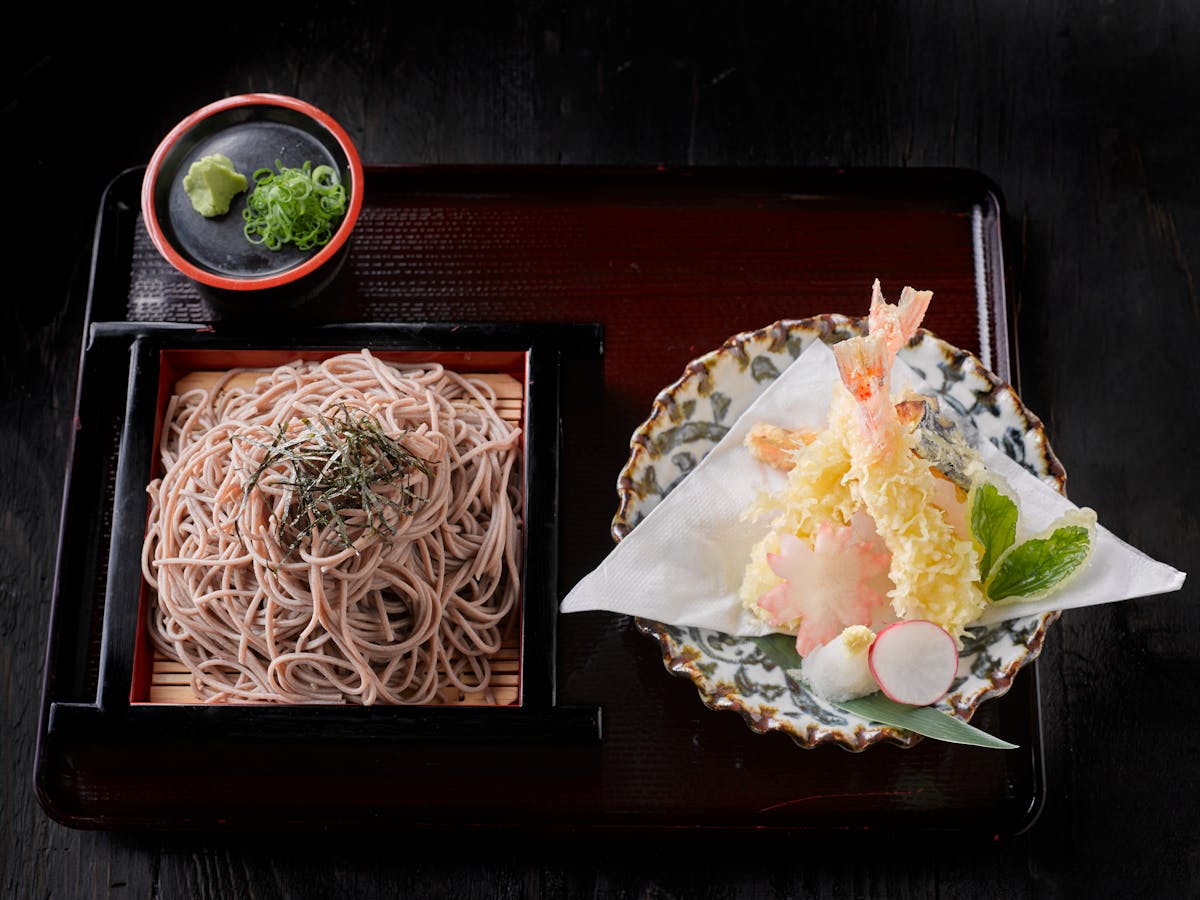
Kake soba is the simplest hot soba dish: noodles in a bowl of hot kakejiru broth made from dashi, soy sauce, and mirin, topped with a few slices of spring onion and perhaps a slice of kamaboko (fish cake). It is deeply comforting on a cold day and is often the cheapest item on the menu — sometimes only ¥500–¥600 at a traditional shop. This is the dish that fuelled Edo-period Tokyo.
Tempura Soba — A Complete Meal
Tempura soba comes either as a hot kake-style bowl with a large prawn tempura resting on top of the broth, or as a cold zaru soba with tempura served on the side for dipping. The contrast of the crisp, golden batter dissolving into the warm savoury broth (for the hot version) or the clean cold noodles paired with crunchy tempura (for the cold version) is one of Japan’s great textural pleasures. Expect to pay ¥1,000–¥1,500 at a quality shop.
Tororo Soba — The Health Classic
Tororo soba features grated mountain yam (yamaimo or nagaimo) poured over either cold or hot soba. The tororo is thick, slightly gelatinous, and has a mild flavour that pairs beautifully with the earthy buckwheat. It is considered one of the healthier soba preparations and is a long-standing favourite among Japanese diners who appreciate subtle flavours. Do not be put off by the texture — it is lighter than it looks.
Seiro Soba — Premium Experience
At upscale soba restaurants, you may encounter seiro soba — hand-cut soba served on a wooden steaming tray. These establishments often use juwari soba (100% buckwheat, no wheat flour), which is fragile and demands skill to make. Seiro soba is a meditative, minimalist experience: the noodle is the star, and the surrounding flavours exist only to support it. Budget ¥1,500–¥3,000 for a full seiro experience.
Types of Udon You Should Know
Udon varieties are diverse and region-specific, but these are the ones you will encounter most frequently in Tokyo and across Japan.
Kitsune Udon — The Osaka Icon
Kitsune udon (“fox udon”) features thick, sweet-simmered aburaage (deep-fried tofu pouches) placed on top of the noodles. The tofu absorbs the dashi broth and becomes a flavour bomb of sweetness and umami. The name comes from an old Japanese folk belief that foxes (kitsune) love fried tofu. This is one of the defining dishes of Osaka’s food culture, though it is available everywhere in Japan. It is a hearty, satisfying, and usually very affordable option (¥600–¥800).
Tanuki Udon — Crispy Tempura Bits
Tanuki udon is topped with tenkasu — the crispy, irregularly shaped bits of fried batter left over from making tempura. These absorb the broth beautifully and add both crunch and a rich, oily depth to the bowl. Tanuki means raccoon dog, and the name references a Japanese folk character known for trickery — just as the tenkasu “tricks” you into thinking it has more substance than it does. Tanuki udon is usually one of the most affordable options on any menu.
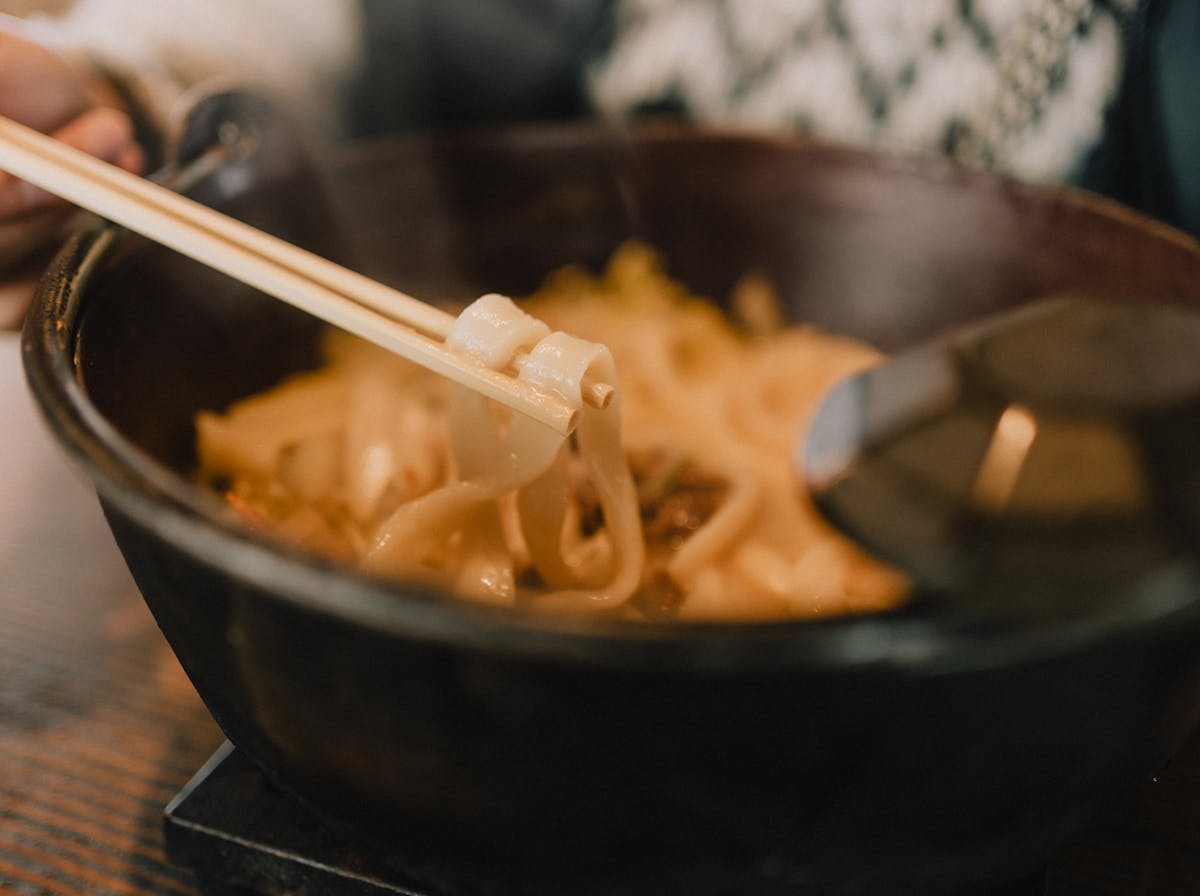
Kamaage Udon — Sanuki Style at Its Purest
Kamaage udon is the dish that defines Kagawa Prefecture (Sanuki). The udon noodles are served hot, directly from the cooking pot, in the starchy water they were cooked in, alongside a small cup of concentrated tsuyu dipping sauce. You dip the noodles into the tsuyu rather than eating them in broth, and the starchy, silky cooking water clings to the noodles in a way that amplifies every flavour. The experience is simple and completely unique — once you try kamaage udon, you will understand why people travel from across Japan to eat it in Kagawa.
Nabeyaki Udon — Winter Comfort in a Clay Pot
Nabeyaki udon is the most substantial udon dish: thick udon noodles cooked and served directly in a small nabe (clay or iron pot), with a rich assortment of toppings including prawns, chicken, fish cake, seasonal vegetables, and a raw egg cracked into the bubbling broth at the table. The pot arrives boiling hot and stays warm throughout the meal. This is cold-weather eating at its finest — a full, restorative meal in a single vessel. Nabeyaki udon typically costs ¥1,200–¥1,800 and is well worth every yen.
Yaki Udon — The Stir-Fried Option
Yaki udon breaks from the soup format entirely. The thick noodles are stir-fried in a pan or on a flat griddle with vegetables, meat or seafood, soy sauce, and mirin. The result is chewy, slightly charred, smoky, and deeply satisfying. While it is not as ubiquitous as soup udon, yaki udon appears on the menus of izakaya (Japanese gastropubs) across Tokyo and is an excellent option if you want something more substantial than a soup bowl.
Regional Differences: Tokyo vs Osaka vs Sanuki
One of the fascinating things about Japanese noodle culture is that the “right” way to make and eat these dishes varies dramatically depending on where you are in the country. Understanding these regional differences will help you appreciate what you are eating and give you a genuine talking point with Japanese locals — who take these debates very seriously.
Tokyo: The Soba Capital
Tokyo’s noodle culture tilts strongly toward soba. The city’s Edo-period history as a fast-paced urban centre created a demand for quick, satisfying, and portable food, and soba filled that role perfectly. Tokyo soba typically uses a stronger, darker soy-based tsuyu than western Japan — it looks almost black compared to the pale broth you find in Kyoto or Osaka. The style is called Kanto style (eastern Japan), and the ratio of dashi to soy is much lower, resulting in a more intense, assertive flavour.
Tokyo also has a thriving culture of tachinomi soba (stand-up soba) inside railway stations. These are fast-food operations where you order from a ticket machine, grab a bowl within two minutes, and eat standing at a narrow counter. The quality varies, but at its best it is remarkably good for the price — typically ¥400–¥600 for a simple bowl. This is a deeply local experience that tourists almost never seek out.
Osaka and Kansai: The Udon Heartland
Travel two and a half hours west by shinkansen and you enter udon territory. Osaka and the Kansai region (which includes Kyoto and Kobe) are famous for a broth style that is the opposite of Tokyo’s: pale, delicate, and built on a foundation of high-quality kombu (kelp) and lightly smoked katsuobushi (bonito flakes). The broth looks almost like water but has a profound depth of flavour that is achieved without the assertiveness of dark soy sauce. To a Tokyo palate, it can taste underseasoned at first. Give it a minute — you will find it.
The udon noodles in Osaka are typically softer and thicker than those in Sanuki, cooked longer to a borderline pillowy consistency. The focus is on comfort and warmth rather than on the textural precision that defines the Sanuki tradition.
Kagawa (Sanuki): Udon Pilgrimage Ground
Kagawa Prefecture on the island of Shikoku is so famous for udon that food tourists make dedicated trips — sometimes called udon pilgrimages — specifically to eat their way through the prefecture’s hundreds of udon shops. Sanuki udon noodles have a characteristic firmness and a slightly rough surface texture that comes from the high-mineral local water and the specific flour varieties used in Kagawa. The noodles have a chew that is genuinely unlike anything you will find anywhere else in Japan.
Many Kagawa udon shops operate on a self-service model: you watch the cook ladle fresh noodles into your bowl from a giant pot, add your own toppings from a counter display, pour your own broth, and pay by the piece. Some of the most legendary shops open only until lunch and close when the day’s noodles run out — sometimes as early as 10am. The dedicated pilgrims get there early.
Where to Eat Soba in Tokyo: Recommended Restaurants
Tokyo has thousands of soba restaurants. Here are the ones that stand out for different reasons — from historic institutions to brilliant neighbourhood shops.
Kanda Yabu Soba — History in Every Bowl
Kanda Yabu Soba is one of the most famous soba restaurants in Japan and one of the oldest in Tokyo. Located in the Kanda district of Chiyoda ward, the restaurant has been serving soba since 1880, and its wooden building — rebuilt after a fire in 2013 — maintains the atmosphere of a traditional Meiji-era dining room. Eating here is not just about the noodles; it is about connecting with 140 years of Tokyo culinary history.
The soba is made fresh daily using carefully sourced buckwheat and is noticeably thin and refined compared to many Tokyo shops. Order the mori soba to start — just cold noodles and tsuyu — so you can appreciate the noodle itself without distraction. Add a small side of seasonal tempura if you are hungry. The tsuyu here is a textbook example of the deep, dark Kanto style. Expect to pay ¥1,000–¥2,500 depending on what you order.
Address: 2-10 Kanda Awaji-cho, Chiyoda-ku, Tokyo. Nearest station: Awajicho (Marunouchi Line) or Ogawamachi (Shinjuku Line).
Sarashina Horii — The Oldest Soba House in Tokyo
Founded in 1789, Sarashina Horii in Azabu is Tokyo’s oldest soba restaurant and one of the oldest in Japan. The restaurant specialises in sarashina soba — an elegant, white variety made from the core of the buckwheat kernel, which produces noodles that are paler and more delicate than standard soba with a subtly sweet flavour. This is soba at its most refined, a world away from the earthy robustness of the standard variety.
Sarashina Horii is an experience rather than just a meal. The traditional interior, the careful service, and the restrained menu all communicate a philosophy of craft and simplicity. Come for the tasting experience: order a flight of different soba types if available, and take your time. The price is higher than average — expect ¥1,500–¥3,000 — but for a restaurant that has been operating for over 230 years, this represents extraordinary value.
Address: 1-8-7 Motoazabu, Minato-ku, Tokyo. Nearest station: Azabu-Juban (Namboku Line / Oedo Line).
Station Soba Shops — The Hidden Gem
Do not overlook the stand-up soba counters inside Tokyo’s major railway stations. Shops like Fuji Soba (found across central Tokyo), Yude Taro, and station-specific operators serve freshly cooked soba in under two minutes for ¥400–¥700. These are not tourist-facing restaurants — they are survival food for busy commuters — but the broth is genuine, the soba is hot, and the experience of eating shoulder-to-shoulder with Tokyo salary workers at 8am is one of the most authentically local things you can do in the city.
Where to Eat Udon in Tokyo: Recommended Restaurants
Marugame Seimen — Great Value, Everywhere
Marugame Seimen is a chain, and it is unapologetically so — but it is a chain that takes quality seriously. The restaurants make their udon noodles fresh in-store every day, and you can watch the kneading and cutting process through a large glass window as you queue. The self-service format (pick up a tray, choose your noodle dish, add toppings, pay at the end) keeps prices remarkably low: a basic kake udon costs around ¥390, while a full tempura udon rarely exceeds ¥700–¥800.
For tourists, Marugame Seimen is ideal because the process is intuitive even without Japanese — you can point at what you want, and the staff will understand immediately. There are branches across every major Tokyo neighbourhood including Shibuya, Shinjuku, Akihabara, and Ueno. This is the place to go for your first udon experience: low stakes, great quality, and genuinely cheap.
Tsurumaru Udon — Shibuya’s Neighbourhood Classic
Tsurumaru Udon in Shibuya offers a more traditional sit-down experience than Marugame’s cafeteria format. The restaurant serves handmade Sanuki-style udon with a broth that manages the difficult task of appealing to both the Kanto preference for stronger flavours and the Kansai love of delicate, kombu-forward dashi. The tempura selection is generous, and the nabi udon (nabeyaki in a smaller format) is particularly good in cooler weather.
The atmosphere is unpretentious and welcoming — this is a neighbourhood restaurant, not a tourist trap — and the prices are fair at ¥800–¥1,500. It is a reliable option after a day of shopping and walking in the Shibuya-Harajuku corridor.
Udon Shin — Craft Udon in Shinjuku
For those who want to see what happens when serious craft attention is applied to udon, Udon Shin in Shinjuku is a revelation. The noodles are made to order with careful attention to hydration and resting time, resulting in a noodle with a springy, snappy chew that is quite different from the softer commercial style. The broth changes seasonally, and the menu includes creative variations alongside the classics. Expect to pay ¥1,000–¥1,800 and expect a queue at peak times — worth every minute of the wait.
Budget Guide: What to Expect to Pay
One of the best things about soba and udon is the price. In a city where a mid-range restaurant dinner can easily run ¥3,000–¥6,000 per person, noodle shops offer extraordinary value.
| Type of Shop | Typical Price Range | What You Get |
|---|---|---|
| Station stand-up counter | ¥400–¥700 | Hot kake soba/udon, basic toppings |
| Standard neighbourhood shop | ¥700–¥1,200 | Wide variety, quality broth, relaxed seating |
| Marugame Seimen (chain) | ¥390–¥800 | Fresh-made udon, self-service toppings |
| Mid-range quality restaurant | ¥1,000–¥1,800 | Artisan noodles, premium broths, full menu |
| Premium soba-ya (e.g. Sarashina) | ¥1,500–¥3,500 | Heritage experience, rare varieties, refined service |
For context, most budget travellers in Tokyo can eat a completely satisfying and genuinely delicious soba or udon lunch for under ¥1,000 — that is roughly the cost of a medium coffee at a Western-style cafe. When people say Japan is expensive, they are usually talking about accommodation and transport, not food. The local food scene, led by dishes like soba and udon, is one of the most affordable in any major city in the world.
How to Order and Eat: Practical Guide for Tourists
First-time visitors to Japanese noodle restaurants sometimes feel intimidated by the process. Here is what to expect and how to handle it smoothly.
The Ticket Machine (Kenken-ki)
Many traditional soba and udon shops use a shokken-ki — a vending machine near the entrance where you buy your meal ticket before sitting down. You select your dish by pressing the button, insert your cash (and sometimes card), collect the ticket, find a seat, and hand the ticket to the staff. If the machine is in Japanese only, look for pictures or simply press the cheapest button for a plain bowl and add gestures for extra toppings.
Slurping Is Not Just Okay — It Is Expected
This is the rule that surprises Western visitors most: in Japan, slurping noodles loudly is considered correct and even polite. It signals to the cook that you are enjoying the food, it cools the hot noodles as they enter your mouth, and it is simply the traditional way of eating noodles efficiently. Attempting to eat soba or udon without slurping looks awkward and can seem standoffish to Japanese observers. Let go of the table manners your parents taught you and slurp freely.
Condiments and Customisation
Most soba and udon restaurants have a small condiment station on each table or counter. Common additions include:
- Shichimi togarashi — a seven-spice chilli blend that adds warmth and complexity
- Sansho pepper — a citrusy, numbing Japanese pepper that works well with fatty broths
- Negi (spring onion) — already in the bowl, but sometimes available in larger portions at the table
- Wasabi — a small amount dipped into the tsuyu, especially for cold soba, adds a bright heat
Start without condiments and taste the bowl as the chef intended. Add adjustments gradually rather than dumping everything in at once — you might be surprised how balanced the baseline flavour already is.
The Pace of a Noodle Meal
Noodle restaurants in Japan — especially busy ones — operate with a quick turnover expectation. This is not rudeness; it is the culture. You will rarely be rushed explicitly, but lingering for 90 minutes over a single bowl of soba at a lunch counter during a weekday rush is not the norm. Eat at a comfortable pace, but be aware that the shop behind you has a queue, and wrap up when you are done. The entire meal — including ordering, eating, and paying — typically takes 20–30 minutes.
Paying and Leaving
If you used a ticket machine, payment is already done. If not, payment is usually made at the register near the exit. There is no tipping in Japan — not in any dining context. Do not leave money on the table; it will create confusion. Simply bow slightly when leaving and say gochisosama deshita (“thank you for the meal”) — this small gesture is genuinely appreciated by restaurant staff everywhere in Japan.
Soba and Udon as Part of Your Tokyo Experience
Eating soba and udon is not just about the food — it is about participating in a way of life that has sustained Tokyo for centuries. These dishes are woven into the rhythm of Japanese daily existence: the salary worker who grabs a ¥500 kake soba before jumping on the Yamanote Line, the grandmother who makes reservations at Kanda Yabu Soba once a month, the college students splitting a portion of kamaage udon between them.
When you visit Japan, particularly Tokyo, the temptation is always to seek out the Instagrammable food experiences: the wagyu beef, the omakase sushi, the picture-perfect matcha desserts. Those experiences are real and worth having. But the soba counter two minutes from your hotel, the one with the hand-written menu and the owner who has been making the same broth for forty years — that is the Japan that most tourists never find.
If you are planning a Japan road trip or exploring the country beyond the obvious tourist routes, a car rental gives you access to the regional noodle cultures that Tokyo cannot offer. Drive the mountain roads of Nagano to find buckwheat country soba made from heritage grain varieties, or take the scenic coastal roads of Shikoku to reach the udon heartland of Kagawa Prefecture. The team at Samurai Car Japan JDM Tours can help you plan driving routes that combine automotive excitement with authentic food discoveries — because the best way to eat your way through Japan is often to explore it on four wheels.
Final Tips Before Your First Bowl
- Go for lunch, not dinner. Most traditional soba shops are at their best between 11:30am and 2pm. Many close by early evening or run out of fresh noodles before dinner service.
- Look for the short curtain (noren). A hanging fabric panel over the entrance means the restaurant is open. No noren means closed — even if the lights are on inside.
- Ask for the seasonal special (kisetsu no osusume). Many traditional shops have off-menu or blackboard items that showcase seasonal ingredients not listed on the main menu.
- Try both cold and hot in the same trip. Cold soba (zaru) and hot udon (kake) give you the widest possible range of the noodle spectrum and are both essential experiences.
- Visit a different style each day. Station soba one morning, a quality neighbourhood shop for lunch, a premium soba-ya for dinner — Tokyo has enough variety to fill an entire trip.
Japan’s food scene is one of the world’s greatest, and within it, soba and udon represent something irreplaceable: the everyday genius of a cuisine that has spent centuries perfecting the simplest things. A bowl of great soba is not complicated. It is just perfect — and in Tokyo, it costs less than a cup of coffee back home.
Go find your bowl.
Join a Tokyo Food Tour
Discover Tokyo’s best hidden food spots with a local guide. Try authentic dishes at secret eateries tourists never find. Free cancellation up to 24 hours before.
[st_af id=”77″]