Japan is a country that rewards those who look beyond the obvious. While millions of visitors flock to cherry blossom festivals, ancient temples, and bullet train rides, a quieter and equally profound experience awaits in the country's sake breweries. Step inside one of Japan's kuramoto — traditional sake breweries — and you enter a world that has been quietly perfecting its craft for over a thousand years.
Sake, known in Japan as nihonshu (日本酒), is more than just a drink. It is a living expression of Japanese culture, agriculture, and craftsmanship. The water that feeds a brewery comes from local mountain springs. The rice is grown in nearby paddies. The toji — the master brewer — may have devoted four decades to learning how to coax the perfect fermentation from the simplest ingredients. A sake brewery tour is not just a tasting experience; it is a window into everything Japan values: patience, precision, and an unwavering pursuit of quality.
This guide covers everything you need to know to experience Japan's sake culture like a true insider — from understanding what sake actually is, to finding the best breweries to visit near Tokyo, Kyoto, Kobe, and Niigata, and how to taste it properly once you arrive.

What Is Sake? Understanding Japan's National Drink
At its most basic, sake is a fermented alcoholic beverage made from four ingredients: rice, water, koji mold, and yeast. But to call it simply "rice wine" is a bit misleading — the fermentation process is actually closer to beer brewing than winemaking, because the starch in the rice must first be converted into sugar before the yeast can ferment it into alcohol.
Here is how it works. Special sake rice — varieties like Yamada Nishiki or Gohyakumangoku — is polished to remove the outer layers of the grain. The more you polish, the more delicate and refined the resulting sake tends to be. The polished rice is then steamed and partially inoculated with koji (Aspergillus oryzae), a beneficial mold that breaks the rice starch down into fermentable sugars. This koji rice is then combined with more steamed rice, water, and yeast in large vats, where a slow, cold fermentation takes place over three to five weeks. The result is pressed, filtered, sometimes pasteurized, and bottled at around 15 to 16 percent alcohol.
The quality of the water is particularly critical. Soft water produces a softer, more delicate sake, while hard water — rich in minerals — produces a drier, more robust style. This is why certain regions of Japan, such as Nada in Kobe and Fushimi in Kyoto, became famous sake-producing areas: their water had ideal characteristics for brewing.
The Major Types of Sake You Will Encounter
One of the most confusing aspects of sake for newcomers is navigating the labels. Here is a quick breakdown of the main categories you will see at breweries and restaurants:
| Type | Rice Polishing Rate | Flavor Profile | Notes |
|---|---|---|---|
| Junmai | No minimum requirement | Full-bodied, rich, earthy | Made with only rice, water, koji, yeast — no added alcohol |
| Honjozo | 70% or less | Light, slightly dry | Small amount of brewer's alcohol added for style |
| Ginjo | 60% or less | Fruity, floral, complex | Slow fermentation at low temperatures |
| Daiginjo | 50% or less | Elegant, aromatic, premium | The pinnacle of sake craftsmanship |
| Nigori | Varies | Creamy, sweet, cloudy | Coarsely filtered — rice solids remain |
| Nama | Varies | Fresh, lively, crisp | Unpasteurized — must be refrigerated |
| Sparkling Sake | Varies | Light, effervescent, sweet | Great entry point for newcomers |
When visiting a brewery, the staff will almost always walk you through these distinctions during a tasting. Do not be afraid to ask questions — brewers are typically passionate about sharing their knowledge, and many are genuinely delighted to meet international visitors who are curious about their craft.

Best Sake Brewery Tours Near Tokyo
You do not need to travel far from Japan's capital to find world-class sake. Several excellent breweries are within easy day-trip distance of Tokyo, and some offer free or low-cost tours that are among the most memorable experiences the city's surrounding region has to offer.
Sawanoi Brewery — Ome, Tokyo (Free Tours)
Sawanoi Brewery, run by Ozawa Shuzo, is one of Tokyo's hidden gems. Located in the Okutama region of western Tokyo — about 90 minutes by train from Shinjuku — it sits along the Tama River surrounded by cedar forests and mountain scenery. The brewery has been operating since 1702, and it is one of the few still producing sake within Tokyo's city limits.
Sawanoi offers free brewery tours that run on weekends and public holidays, no reservation required. You will see the production facility, learn about the local Tama River spring water that defines Sawanoi's clean, crisp style, and enjoy a guided tasting session afterward. The garden adjacent to the brewery is a popular spot for cherry blossom viewing in spring and autumn leaf-peeping in October and November. Plan to spend a full day here — hike along the river trail in the morning, tour the brewery in the afternoon, and take the train back as the sun sets over the mountains.
How to get there: Take the JR Ome Line from Shinjuku to Ome Station, then transfer to the JR Ome Line local service to Sawai Station. The brewery is a five-minute walk from the station.
Tour cost: Free
Tasting: Paid tasting sets available from approximately ¥500
Nada District, Kobe — The Sake Capital of Japan
If you are serious about sake, no itinerary is complete without a visit to Nada. Located along the western coast of Kobe in Hyogo Prefecture, the Nada district produces roughly 30 percent of all sake consumed in Japan — more than any other single region in the country. It earned this title through a combination of premium Yamada Nishiki rice grown in the surrounding foothills, exceptionally hard mineral-rich groundwater known as miyamizu, and centuries of accumulated brewing knowledge.
Several major sake houses have opened public museums and tasting halls in Nada, and you can visit multiple breweries in a single afternoon by taking the local train or renting a bicycle. Some of the standout stops include:
- Hakutsuru Sake Brewery Museum: One of the oldest and most famous sake brands in Japan, Hakutsuru has a free museum that explains the brewing process through exhibits and a restored replica of a traditional brewery interior. The attached tasting room is excellent.
- Kikumasamune Sake Brewery Museum: Another Nada institution, Kikumasamune focuses on the history of the taru sake (barrel sake) tradition. Their museum includes original wooden barrels, toji artifacts, and a sake shop stocked with their full range.
- Hakushika Memorial Museum (Tatsuuma-Honke Brewing): Perhaps the most visually stunning of the Nada museums, Hakushika's facility has beautifully preserved Meiji-era brewery buildings and an outstanding tasting experience. Look for their daiginjo tasting flight, which is exceptional value.
How to get there from Osaka: Take the Hanshin Railway from Osaka-Umeda Station toward Kobe. Get off at Uozaki, Sumiyoshi, or Mikage stations depending on which breweries you plan to visit. All are within easy walking distance.
Niigata: Japan's Sake Prefecture
Ask any sake enthusiast in Japan to name the country's most celebrated sake region, and there is a good chance they will say Niigata. Located on the Sea of Japan coast in central Honshu, Niigata Prefecture is home to over 90 sake breweries — the highest concentration in Japan — producing a style that is distinctively tanrei karakuchi: clean, dry, and supremely elegant.
The reasons are geographical. Niigata's heavy snowfall provides an abundance of pure, soft snowmelt water ideal for sake brewing. The region's cold winters and warm summers produce rice of exceptional quality. And Niigata's long winters forced brewers to master cold-temperature fermentation centuries before it became a premium technique associated with ginjo-style sake.
Ponshukan Sake Museum — Niigata Station
If you only have limited time in Niigata, the Ponshukan sake museum inside Niigata Station's CoCoLo shopping center is an unmissable experience. The centerpiece is a row of over 100 coin-operated sake dispensing machines, each loaded with a different local Niigata sake. For ¥100 per taste (using tokens purchased at the front), you can work your way through a remarkably broad range of styles, from bone-dry junmai to rich nigori, all produced within Niigata Prefecture.
The museum also sells sake accessories, souvenir sake sets, and a curated selection of premium bottles to take home. It is genuinely one of the best sake experiences in Japan — efficient, educational, and fun. Japanese salarymen and tourists crowd the machines shoulder to shoulder on weekend afternoons, which is a spectacle in itself.
If you want to extend your Niigata sake experience beyond Ponshukan, consider visiting Imayo Tsukasa Sake Brewery in downtown Niigata, which offers free tours and has one of the most beautiful historic brewery buildings in the region. The nearby Hakkaisan Brewery in Minami-Uonuma (about 90 minutes from Niigata City) is another pilgrimage site for sake lovers, set against a backdrop of mountains that provides the pristine snowmelt water the brewery uses exclusively.
Fushimi District, Kyoto: Sake Among the Temples
Kyoto's Fushimi district is best known internationally as the home of Fushimi Inari Taisha — the famous shrine with the thousands of vermillion torii gates. But locals know Fushimi equally well as Kyoto's sake neighborhood, a compact district south of central Kyoto where multiple breweries have operated side by side for centuries.
Fushimi's sake owes its distinctive soft, mild character to the area's famous fushimizu — Fushimi Water — a gentle, mineral-light spring water that produces sake with a smooth, almost silky texture. This contrasts sharply with Nada's hard-water, more assertive style, and the two regional approaches are often compared as opposite poles of the Japanese sake world: Nada for power, Fushimi for elegance.
The most accessible brewery for visitors is Gekkeikan Okura Sake Museum, run by one of Japan's largest and most historic sake brands. Located in a preserved Meiji-era warehouse complex along the Horikawa canal, the museum traces over 380 years of Gekkeikan history through tools, artifacts, and educational displays. Admission is a bargain at around ¥600, and includes a tasting of several Gekkeikan products. The surrounding streets along the canal, lined with willow trees and old brewery buildings, make for beautiful walking even if you skip the museum itself.
Other breweries in the Fushimi area worth seeking out include Kizakura, which has a sake museum and restaurant complex, and Tsuki no Katsura, a smaller producer known for pioneering the modern sparkling sake category. Most of these breweries are within 15 minutes' walk of each other, making Fushimi ideal for an afternoon of brewery hopping before heading to the torii gates at Fushimi Inari.
How to get there: From Kyoto Station, take the Kintetsu Kyoto Line two stops to Momoyamagoryomae Station, or the Kintetsu Kintetsu-Kyoto Line to Kintetsu-Tanbabashi. The brewery district is a short walk from either station.

What a Sake Brewery Tour Actually Includes
First-time visitors often wonder what to actually expect when they walk through the doors of a sake brewery. Tours vary considerably by size and formality, but most share a common structure:
The Brewery Walkthrough
Most tours begin with a walk through the active production areas — though access during peak brewing season (October through March) may be limited to preserve the sterile fermentation environment. You will typically see the rice polishing equipment, the steam room where rice is prepared, the koji room where mold is cultivated at precisely controlled temperatures, and the massive open-top vats where fermentation takes place over several weeks.
Expect it to be cold. Traditional sake brewing happens in winter, and the fermentation rooms are kept at temperatures between 5°C and 15°C to produce the slow, clean fermentation that premium sake requires. Experienced brewery visitors bring a light jacket even in summer.
The Pressing and Filtration Rooms
After fermentation, the sake moromi (mash) is pressed to separate the liquid from the rice solids. Traditional breweries may still use the ancient fune pressing method — stacking cloth bags of mash in a wooden press — while modern facilities use pneumatic presses. Some premium sake, called shizuku or "drip sake," is made by hanging mash bags and collecting only the sake that drips naturally under gravity, without any pressing at all. This labor-intensive method produces some of the most delicate and expensive sake in Japan.
The Tasting Session
Every brewery tour ends with a tasting, and this is almost universally the highlight. Depending on the brewery, you may be offered a free cup of a single representative sake, or you may purchase a tasting flight of three to five different grades and styles. The staff will typically guide you through the differences between each sample and explain how the brewing process influenced the flavor profile you are tasting.
Some premium breweries offer extended tasting workshops where you work through a full range of styles with food pairings — these are worth booking in advance if you can find them.
How to Taste Sake Properly
Sake has a different sensory language from wine, and approaching it with wine-tasting habits can actually get in the way of appreciating what makes it special. Here are some guidelines that will help you get more from every sip.
Temperature Guide
One of sake's most distinctive and underappreciated qualities is how dramatically it changes at different serving temperatures. Unlike wine, which is typically served within a narrow temperature range, sake can be enjoyed cold, at room temperature, or warm — and each temperature reveals a different dimension of the drink.
| Temperature | Japanese Name | Celsius | Best For |
|---|---|---|---|
| Chilled | Reishu / Hiyayakko | 5–10°C | Ginjo, Daiginjo, Nama, Sparkling |
| Room temperature | Jouon | 20–25°C | Junmai, Honjozo |
| Slightly warm | Nurukan | 40°C | Full-bodied junmai, aged sake |
| Hot | Atsukan | 50°C | Honjozo with food, winter drinking |
As a general rule, delicate and aromatic sakes — such as ginjo and daiginjo — are best served cold, because heat volatilizes the subtle fruit and flower aromas that make them special. Fuller, earthier junmai sakes often open up beautifully when slightly warmed, revealing layers of umami and richness that are less apparent when chilled.
Food Pairings
Sake is extraordinarily food-friendly, largely because of its high umami content, which harmonizes with a wide range of flavors without clashing. Some classic pairings worth trying during your brewery visits:
- Junmai with grilled fish — the earthy richness complements smoky, savory flavors
- Ginjo with sashimi — the clean, floral notes lift the delicate flavor of raw fish
- Daiginjo with light appetizers — serve chilled before a meal to open the palate
- Nigori with spicy food — the sweetness and creaminess calm heat
- Warm honjozo with tofu or miso soup — a deeply comforting winter combination
Sake Etiquette: What You Need to Know
Drinking sake in Japan, particularly in traditional settings or at brewery events, comes with its own set of customs. Following them is a mark of respect and will earn you warm appreciation from your hosts.
Never Pour Your Own Sake
This is the most important rule. In Japanese drinking culture, you pour for others and they pour for you. Filling your own cup — particularly at formal gatherings — is considered impolite, a sign that your companions are neglecting you. At brewery tasting events, the staff will typically pour for you, but if you find yourself in a group setting, be attentive to others' cups and refill them before they empty.
The Kanpai Toast
Kanpai (乾杯) — which literally means "dry cup" — is Japan's ubiquitous drinking toast. When sake is served at a group event, wait for the host to initiate the kanpai before taking your first sip. Hold your cup or glass slightly lower than that of anyone older or more senior than you — a subtle but deeply appreciated mark of respect. After the initial kanpai, subsequent drinks are generally informal.
The Masu and the Overflow
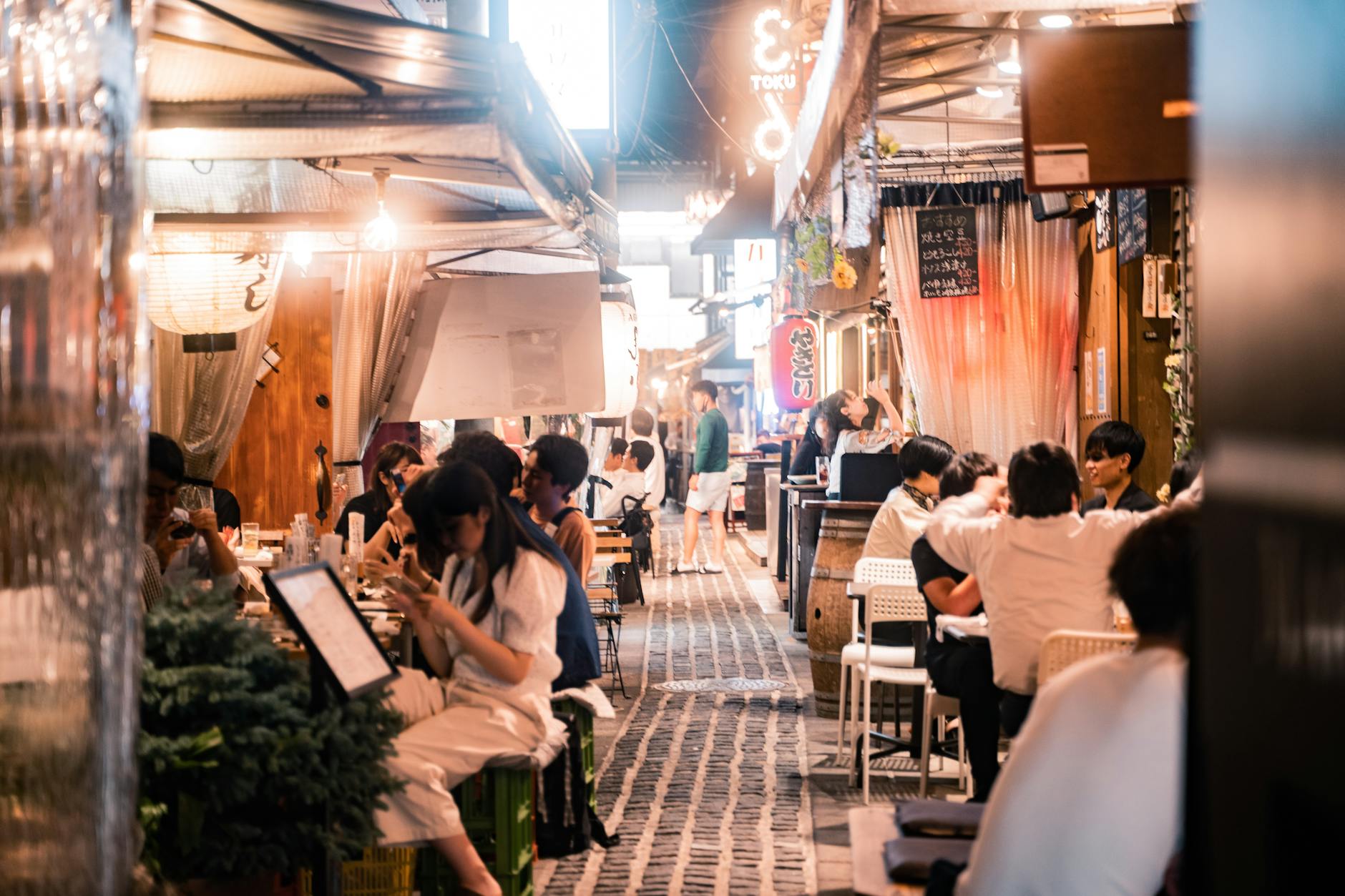
At many izakayas and breweries, sake is served in a small glass placed inside a wooden masu box. The server may fill the glass until it overflows into the masu — this is a deliberate expression of generosity and abundance. Drink directly from the glass first, then tip the remaining sake from the masu back into the glass, or sip from the corner of the masu itself for a distinctly woody flavor note that traditional drinkers love.
Where to Buy Great Sake to Take Home
One of the great joys of visiting a sake brewery is the chance to buy bottles that are unavailable outside the region — or even outside the brewery's own shop. Here is how to approach sake shopping in Japan:
Buy Direct at the Brewery
The brewery shop is almost always your best option. Here you will find the full range of the producer's output, including limited seasonal releases, aged sake, and brewery-exclusive labels that never appear in retail stores. The staff can help you select bottles appropriate for your taste preferences and offer advice on how to store and serve them at home. Many breweries will also package your purchases in protective wrapping for travel.
Specialty Sake Shops
Japan's specialist sake retailers maintain carefully curated selections from breweries across the country, often with refrigerated sections for nama (unpasteurized) sake. In Tokyo, look for Hasegawa Saketen (branches at Tokyo Station's Gransta and Roppongi Hills), Sake no Wa in Ginza, and Shinanoya in multiple locations. These shops typically have knowledgeable English-speaking staff and can advise on export-friendly bottles.
Department Store Basement Food Halls
Japanese department stores — Isetan, Mitsukoshi, Takashimaya — maintain exceptional food halls (known as depachika) in their basement levels. The sake sections are usually well-staffed and carry a good range of premium national and regional brands. Prices are fair and the presentation is impeccable, making department store sake an ideal gift purchase.
When traveling home with sake, be aware that each bottle typically weighs around 1.2 to 1.8kg. Factor this into your luggage planning, and always pack sake in the center of your bag surrounded by soft clothing to protect against breakage.
Sake Brewery Tour Price Guide
| Experience Type | Approximate Cost | Notes |
|---|---|---|
| Free brewery tour (e.g., Sawanoi, museum-style) | Free – ¥600 | Many large brands offer free museum access |
| Guided brewery walkthrough (premium) | ¥1,000 – ¥3,000 | Usually includes tasting; advance booking recommended |
| Standard tasting set (3–4 samples) | ¥500 – ¥1,200 | Available at most brewery shops |
| Ponshukan coin tastings (Niigata) | ¥100 per taste (5-token minimum) | 100+ varieties available |
| Premium tasting workshop with food pairing | ¥3,000 – ¥8,000 | Usually requires advance reservation |
| Souvenir sake bottle (standard) | ¥1,500 – ¥4,000 | 720ml; higher for aged or limited releases |
| Premium daiginjo bottle | ¥5,000 – ¥30,000+ | Special occasion or gift-grade sake |
Combining Your Sake Tour with Other Unique Japan Experiences
Japan's sake culture exists within a broader ecosystem of traditional craftsmanship, regional pride, and sensory pleasure that extends well beyond the brewery walls. Many visitors who discover the sake world also find themselves drawn to other "insider" Japanese experiences that the mass tourism industry rarely highlights.
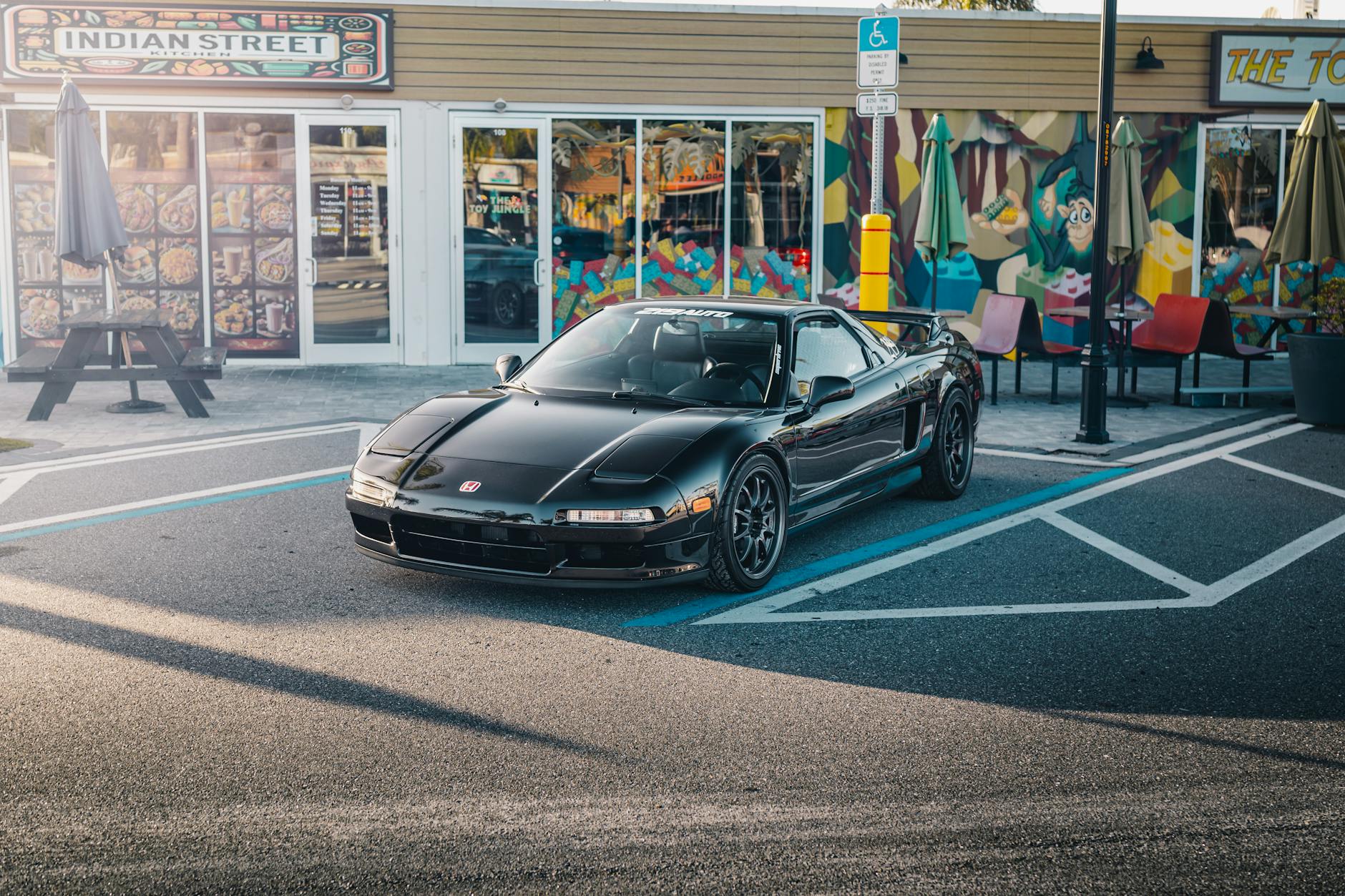
One particularly memorable combination is pairing a sake brewery tour in the Kobe or Kyoto region with a drive through Japan's mountain roads or rural countryside in a classic Japanese sports car. Companies like Samurai Car Japan JDM offer tours centered on Japan's legendary performance car culture — experiences that share the same spirit of craftsmanship and precision that defines great sake. Both are testaments to Japan's extraordinary ability to take something simple and elevate it to an art form.
Whether you pair your sake tour with a temple visit in Fushimi, a mountain hike above Sawanoi, or a winding road through Niigata's snowy backcountry, you will find that Japan rewards those who take the time to go deeper. The sake is always better when you have earned it.
Practical Tips for Your Sake Brewery Visit
- Book in advance for guided tours: Many smaller breweries only offer tours on specific days or require advance reservation. Check official brewery websites before visiting, or contact tourist information centers in each city for up-to-date schedules.
- Visit during brewing season if possible: The main sake brewing season runs from October through March. Visiting during this period means you are more likely to see active production, though some rooms may be off-limits to protect the fermentation process.
- Designate a driver or use public transport: Sake tours involve tasting, and Japan's drink-driving laws are strict and actively enforced. Use trains, buses, or taxis to get between breweries — Japan's public transport makes this straightforward in most regions.
- Bring a small cooler bag for nama sake: Unpasteurized sake must be kept cold and has a much shorter shelf life than pasteurized varieties. If you purchase nama sake to bring home or back to your hotel, a small insulated bag will protect your investment.
- Learn a few sake words in Japanese: Even a minimal vocabulary goes a long way. Try kansha shimasu (thank you kindly) after a tasting, karakuchi (dry) and amakuchi (sweet) to describe your preferences, and oishii (delicious) as a universal expression of appreciation.
- Pace yourself: Sake's alcohol content (typically 15–17%) is higher than beer but lower than spirits. In a multi-brewery day with multiple tastings, the cumulative effect creeps up faster than many visitors expect. Drink water between sessions and eat something before you start.
Final Thoughts: Sake as a Gateway to Understanding Japan
There is a Japanese concept called monozukuri — often translated as "the art of making things" — that captures the deep cultural value Japan places on skilled craftsmanship. Sake brewing is perhaps the oldest and most complete expression of monozukuri you will find in the country. Every step in the process, from the selection of the rice to the temperature of the fermentation room to the decision of when to press the mash, reflects a tradition of care and precision that has been refined over generations.
When you visit a sake brewery in Japan, you are not just tasting a drink. You are tasting a landscape — the rice fields of Niigata, the snowmelt of the Japanese Alps, the mineral-rich springs of Fushimi. You are tasting a season — the cold winter air that makes slow fermentation possible. And you are tasting a life's work — the accumulated knowledge of brewers who may have spent 40 years perfecting a single style of sake made from the same local ingredients.
That is a remarkable thing to hold in a small ceramic cup. And it is waiting for you, in breweries all across Japan, for as little as ¥100 at a coin machine in Niigata Station.
Kanpai.
Book a Tokyo Night Food & Drink Tour
Explore Tokyo's izakaya alleys and hidden bars with a local guide. Sake, street food, and stories you won't find in any guidebook. Free cancellation.