Best Japanese Convenience Store Snacks: 30 Must-Try Konbini Treats (2026)
Japan’s convenience stores are not like convenience stores anywhere else on Earth. Walk into a konbini (コンビニ) at any hour of the day or night, and you will find fresh onigiri made that morning, fried chicken that rivals sit-down restaurants, limited-edition Kit Kats you cannot buy outside Japan, and premium desserts that would not look out of place in a Ginza patisserie. Over 56,000 konbini locations blanket the country, and for many travelers, Japanese convenience store snacks become one of the most memorable parts of the entire trip.
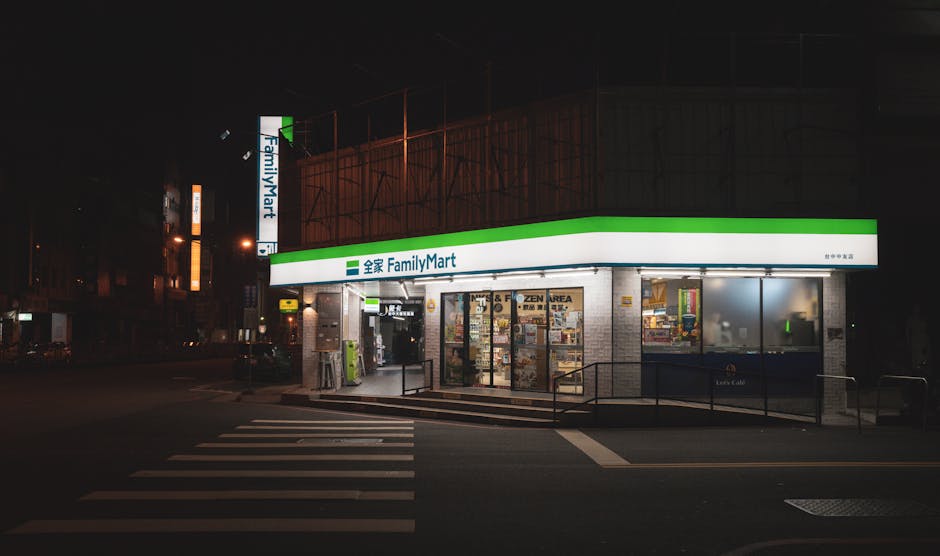
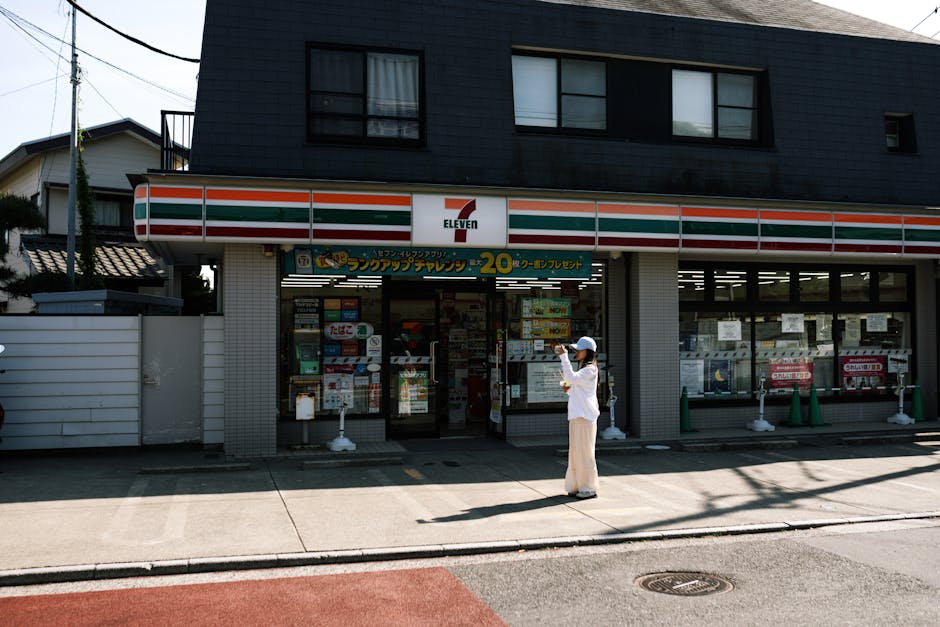
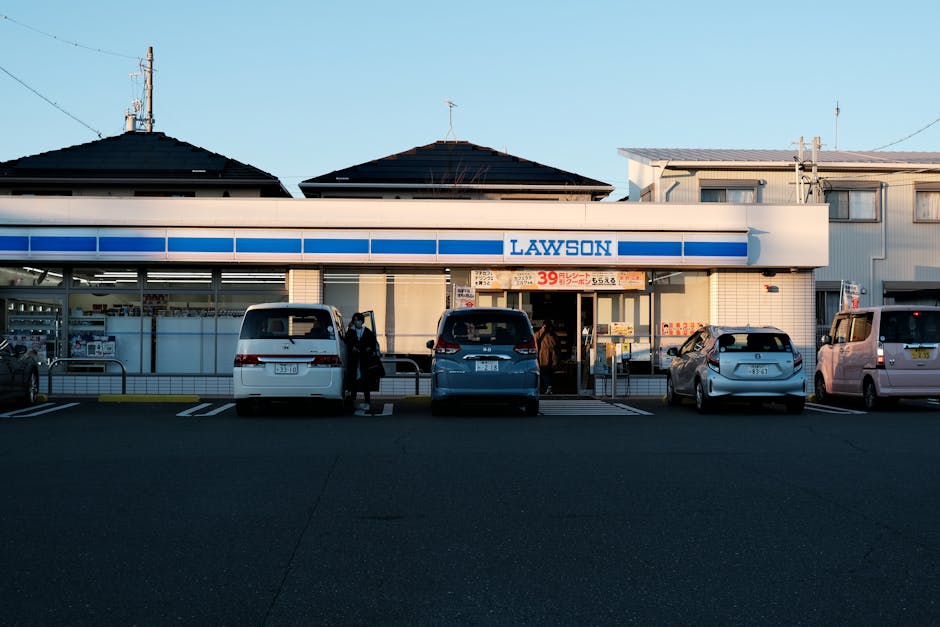
The big three chains — 7-Eleven (セブン-イレブン), Lawson (ローソン), and FamilyMart (ファミリーマート) — each have their own exclusive product lines and fiercely loyal followings. 7-Eleven dominates with its premium onigiri and sandwich game. Lawson draws crowds with its Uchi Cafe dessert line and beloved Karaage-kun fried chicken nuggets. FamilyMart fights back with Famichiki, widely considered the best hot-case fried chicken in all of konbini. Each chain also rotates seasonal items constantly, meaning there is always something new to try.
This guide covers the 30 best konbini snacks in Japan — from chocolate and chips to onigiri and oden — with prices, store availability, and the practical tips that will help you eat your way through Japan’s convenience stores like a local.
Sweet Snacks
Japan takes sweet snacks seriously. From world-famous chocolate brands to convenience store patisserie-level desserts, the sweet snack aisle in a Japanese konbini is a wonderland of carefully crafted treats. Many of these are exclusive to the Japanese market and cannot be purchased abroad.
1. Meiji Chocolate — 明治チョコレート
Price: 100-300 yen | Available at: All konbini
Meiji has been making chocolate in Japan since 1926, and their range remains the gold standard for Japanese grocery chocolate. The classic Meiji Milk Chocolate bar has a smoother, creamier melt than most Western milk chocolates, thanks to a higher cocoa butter ratio. Meiji Black offers a semi-sweet alternative with deeper cocoa flavor. For something more interesting, try Meiji Almond Chocolate — whole roasted almonds coated in that signature smooth chocolate — or Meiji Macadamia, which is dangerously addictive.
The Meiji The Chocolate line (around 250 yen per box) is their premium single-origin range, with each variety labeled by cacao percentage and origin country. The packaging is elegant enough to work as a small gift.
2. KitKat Japan Flavors — キットカット
Price: 200-800 yen | Available at: All konbini (selection varies)
Japan is the undisputed global capital of KitKat flavors. Nestle Japan has released over 400 limited-edition varieties since 2000, and at any given time you will find 10-15 flavors on konbini shelves. The name “KitKat” sounds like “kitto katsu” (きっと勝つ) in Japanese, meaning “you will surely win,” which turned the candy into a good-luck charm for students taking exams — and a cultural phenomenon.
Must-try flavors include Matcha (抹茶) — the green tea flavor that started the craze, Strawberry Cheesecake (ストロベリーチーズケーキ), Sake (日本酒) with actual sake powder, Wasabi for the adventurous, and Tokyo Banana — a collaboration with another famous souvenir. Regional exclusives add to the hunt: Yubari Melon in Hokkaido, Kyoto Uji Matcha (more intense than regular matcha), and Purple Sweet Potato in Okinawa.
3. Pocky — ポッキー
Price: 130-250 yen | Available at: All konbini
Glico’s iconic chocolate-coated biscuit sticks have been a Japanese staple since 1966, and the limited-edition game in Japan is strong. While standard Chocolate Pocky and Strawberry Pocky are available worldwide, Japan-exclusive versions rotate constantly. Look for Pocky Gokuboso (ultra-thin sticks with a higher chocolate-to-biscuit ratio), Almond Crush Pocky, and seasonal flavors like Sakura in spring and Sweet Potato in autumn.
The premium Pocky Midi line features shorter, thicker sticks with more elaborate coatings. The “Adult Milk” (大人のミルク) variant uses higher-quality chocolate and is genuinely a step up from standard Pocky.
4. Country Ma’am Cookies — カントリーマアム
Price: 200-350 yen (bag) | Available at: All konbini
These individually wrapped soft-baked cookies from Fujiya are Japan’s answer to the American soft cookie — except better. Country Ma’am cookies are slightly underbaked by design, giving them a chewy, almost fudgy center. The two core flavors are Vanilla (バニラ) and Cocoa (ココア), but limited-edition flavors appear constantly: strawberry, matcha, caramel, chestnut in autumn, and regional flavors tied to specific prefectures.
Here is a trick the locals know: microwave a Country Ma’am for about 10 seconds. The cookie gets warm and gooey in the center while staying soft on the outside. It genuinely transforms the experience.
5. Tokyo Banana — 東京ばな奈
Price: 200-300 yen (2-pack) | Available at: 7-Eleven, Lawson (Tokyo area primarily)
Tokyo Banana is the most famous omiyage (souvenir) snack from Tokyo — a soft sponge cake shaped like a banana, filled with banana custard cream. While the full gift boxes (8-12 pieces) are sold at train stations and airports for 1,000-2,000 yen, many Tokyo-area konbini carry smaller 2-packs for around 200-300 yen. This lets you try them without committing to a whole box.
Variants include Tokyo Banana Mitsuketa (the leopard-print one with chocolate banana filling), Tokyo Banana Caramel, and seasonal specials. The texture is light and spongy, and the banana custard is mild and sweet without being artificial.
6. Lawson Uchi Cafe Sweets — ローソン うちカフェ
Price: 150-400 yen | Available at: Lawson
Lawson’s Uchi Cafe (うちカフェ) line is the reason many dessert lovers consider Lawson the best konbini chain. These are not “convenience store desserts” in the Western sense — they are legitimate patisserie-quality sweets sold for a fraction of what you would pay at a bakery.
The Premium Roll Cake (プレミアムロールケーキ, around 210 yen) is the star: a delicate sponge wrapped around a thick swirl of fresh whipped cream. It has been a top seller since 2009 and remains genuinely excellent. The Basque Cheesecake (バスチー, around 250 yen) has a caramelized top and dense, creamy center that rivals dedicated cheesecake shops. Other standouts include the Mochi Mochi Crepe, seasonal fruit tarts, and the Raw Chocolate Gateau.
7. Mochi Ice Cream — 雪見だいふく / もちアイス
Price: 150-300 yen | Available at: All konbini
Mochi ice cream wraps ice cream in a thin, chewy layer of mochi (rice cake). Lotte’s Yukimi Daifuku (雪見だいふく, around 170 yen) is the classic — two domes of vanilla ice cream in soft mochi. The texture contrast between cold, creamy ice cream and stretchy, slightly sweet mochi is addictive.
Beyond Yukimi Daifuku, konbini freezers carry multiple mochi ice cream brands with flavors like matcha, strawberry, chocolate, and seasonal varieties such as sakura in spring or chestnut in autumn. Some konbini also stock multipack boxes with assorted flavors.
8. Castella — カステラ
Price: 150-400 yen | Available at: All konbini
Castella is a Japanese sponge cake originally introduced by Portuguese missionaries in Nagasaki during the 16th century. Over four hundred years, Japan made it entirely their own. Konbini castella comes in individually wrapped slices or small loaves and features a dense, moist crumb with a slightly sticky, caramelized bottom crust called “zarame” — a thin layer of crystallized sugar.
The flavor is simple — eggs, sugar, flour, and starch syrup — but the texture is unlike any Western sponge cake. It is heavier, moister, and almost bouncy. Bunmeido (文明堂) is the most famous castella brand, and their products occasionally appear in konbini. Standard konbini castella from store brands is also reliably good and an easy introduction to this Japanese classic.
9. Black Thunder — ブラックサンダー
Price: 30-40 yen (single bar) | Available at: All konbini
At roughly 30 yen per bar, Black Thunder might be the best value snack in any Japanese konbini. Made by Yuraku Confectionery, it is a crunchy bar of cocoa cookie pieces and biscuit held together with chocolate. The texture is shatteringly crispy, the chocolate is rich without being too sweet, and the bar is small enough to eat in three bites.
Black Thunder has a cult following in Japan. It frequently appears in limited-edition collaborations, and the brand’s self-deprecating marketing (“a delicious snack that is not very stylish”) has made it endearing. Variants include White Thunder, Matcha Thunder, Kinako Thunder (roasted soybean flour), and seasonal specials. At this price, buy a handful and try them all.
10. Calbee Jagariko — じゃがりこ
Price: 150-200 yen | Available at: All konbini
Technically a potato snack, Jagariko from Calbee straddles the line between sweet and savory. These cup-shaped containers hold short, crispy potato sticks with a texture that is completely unlike any Western chip or fry — crunchy on the outside with a slightly starchy interior. The standard Salad (サラダ) flavor is the bestseller, featuring a light vegetable seasoning. Cheese (チーズ) and Jagariko Butter (じゃがバター) are also excellent.
The cup format makes Jagariko perfect for eating on trains or while walking. Limited-edition regional flavors appear frequently — look for Takoyaki flavor in Osaka and Mentaiko (spicy cod roe) in Fukuoka.
Savory Snacks
The savory snack section is where Japanese konbini truly separate themselves from convenience stores everywhere else. This is not just packaged chips and nuts — it is hot-case fried chicken that rivals dedicated restaurants, freshly made onigiri with restaurant-quality fillings, and seasonal items like oden that locals genuinely look forward to each year.
11. Onigiri — おにぎり (Rice Balls)
Price: 110-250 yen | Available at: All konbini
If you eat only one thing from a Japanese konbini, make it an onigiri. These triangular rice balls, wrapped in crisp nori seaweed, are the quintessential konbini food item. The rice is seasoned with just the right amount of salt, the fillings are generous, and the ingenious packaging keeps the nori separate from the rice until you open it — ensuring a crisp, satisfying crunch.
Essential fillings to try: Salmon (鮭/しゃけ, sake) is the most popular — flaked grilled salmon with a slightly salty, smoky flavor. Tuna Mayo (ツナマヨネーズ) is the crowd-pleaser — creamy tuna salad that even picky eaters love. Umeboshi (梅干し) is a whole pickled plum with an intense sour-salty punch — an acquired taste but beloved by locals. Mentaiko (明太子) is spicy marinated cod roe, and Kombu (昆布) is seasoned kelp with a savory-sweet flavor.
Each chain has premium lines as well. 7-Eleven’s Onigiri 100 Yen Series rotates affordable options, while their premium onigiri (200-250 yen) use higher-quality rice and more generous fillings.
12. Famichiki — ファミチキ (FamilyMart Fried Chicken)
Price: 220-250 yen | Available at: FamilyMart
Famichiki is the single most popular hot-case item across all of FamilyMart’s roughly 16,000 stores. It is a boneless, juicy chicken thigh piece coated in a crispy, well-seasoned batter and served in a paper sleeve. The standard Famichiki is mildly spiced, but Spicy Famichiki (スパイシーファミチキ) adds a proper kick. Seasonal variants like Cheese Famichiki and Garlic Famichiki rotate in and out.
FamilyMart sells over 300 million Famichiki per year. That is not a typo. The chicken is fried to order throughout the day, so it is almost always fresh and hot. At around 220 yen, it is one of the best cheap eats in Japan, full stop.
13. Lawson Karaage-kun — ローソン からあげクン
Price: 250-280 yen | Available at: Lawson
Karaage-kun is Lawson’s answer to Famichiki, and it has been their signature hot-case item since 1986. Instead of one large piece, you get a box of five small, bite-sized fried chicken nuggets. The texture is lighter and crispier than Famichiki, with a thinner batter that lets the chicken flavor come through. The Regular (レギュラー) flavor is mildly seasoned and family-friendly. Red (レッド) is spicy. Cheese (チーズ) has melted cheese mixed into the chicken.
Lawson regularly releases wild Karaage-kun collaborations and limited-edition flavors — past versions have included takoyaki, mentaiko, garlic butter, and even regional flavors tied to specific prefectures. Check the flavor of the month when you visit.
14. 7-Eleven Nikuman — セブンイレブン 肉まん (Meat Buns)
Price: 150-250 yen | Available at: 7-Eleven (other chains too, but 7-Eleven’s are best)
Nikuman (肉まん) are steamed meat buns — soft, fluffy white bread dough filled with a savory pork mixture. They sit in a steamer case near the register and are available primarily from autumn through spring (roughly September to April). 7-Eleven’s nikuman are widely considered the best among the three major chains, with a thicker, fluffier bun and a well-seasoned pork filling.
Beyond standard nikuman, look for Pizza-man (ピザまん, pizza-flavored filling), Anman (あんまん, sweet red bean paste), and Curry-man (カレーまん, Japanese curry filling). 7-Eleven’s Premium Nikuman at around 230 yen uses higher-quality pork and has noticeably more filling.
15. Calbee Potato Chips — カルビー ポテトチップス
Price: 120-200 yen | Available at: All konbini
Calbee dominates Japan’s chip market with a lineup of flavors that reflects Japanese taste preferences. Forget about just salt and vinegar — the core flavors here are Consomme Punch (コンソメパンチ, a savory soup-seasoned chip), Nori-Shio (のりしお, seaweed and salt), and Usushio (うすしお, light salt). Each is excellent and unlike anything you would find in Western chip aisles.
Calbee also produces Kata-age Potato (堅あげポテト) — kettle-cooked chips with a harder crunch — and the thick-cut Potato Chips Crisp line. Regional and seasonal limited editions are constant: Mentaiko in Kyushu, Wasabi, Soy Sauce and Butter, and Umeboshi all rotate through.
16. Oden — おでん
Price: 80-150 yen per item | Available at: All konbini (winter season, roughly October-March)
Oden is a Japanese hot pot where various ingredients simmer in a light dashi broth. During winter, konbini set up large oden pots near the register, and you pick individual items at about 80-150 yen each. It is one of the most comforting things you can eat on a cold day in Japan.
Must-try oden items: Daikon (大根, Japanese radish) — simmered until it falls apart and absorbs the broth deeply. Tamago (たまご, whole boiled egg) — the broth-infused egg is simple perfection. Chikuwabu (ちくわぶ, wheat gluten tube) — chewy and doughy with absorbed broth flavor. Konnyaku (こんにゃく, konjac jelly) — essentially zero-calorie, slippery, and strange in the best way. Mochi Kinchaku (もち巾着, mochi in a tofu pouch) — a pocket of stretchy mochi in a fried tofu wrapper.
17. Egg Sandwich — たまごサンド (Tamago Sando)
Price: 200-350 yen | Available at: All konbini (7-Eleven’s is the gold standard)
The Japanese tamago sando has become internationally famous, and for good reason. The 7-Eleven version features impossibly fluffy white bread (no crusts) sandwiching a thick, creamy egg salad made with a generous amount of Kewpie mayonnaise. The egg filling is custardy and rich, the bread is soft and slightly sweet, and together they create something that should not be this good from a convenience store.
There are two main styles: the Kanto style (mashed egg salad, the most common) and the Kansai style (thick omelet slabs between the bread). Both are excellent. 7-Eleven’s egg sandwich is consistently rated as the best, but Lawson and FamilyMart’s versions are also worth trying.
18. Spam Musubi — スパムむすび
Price: 150-250 yen | Available at: Lawson (primarily), some FamilyMart locations
A Hawaiian-influenced take on onigiri, spam musubi features a block of seasoned rice topped with a slice of grilled Spam, wrapped in a nori seaweed band. Lawson carries this regularly, and it has a surprisingly devoted following. The Spam is seared until slightly caramelized on the outside, and the rice is seasoned well enough that the whole thing works without any additional sauce.
It is a filling, protein-heavy snack that holds up well if you are carrying it around for a few hours — making it a good option for day trips or long train rides. Some versions include egg or teriyaki sauce for additional flavor.
19. American Dog — アメリカンドッグ (Corn Dogs)
Price: 110-150 yen | Available at: All konbini
Japan’s take on the corn dog is called an American Dog (アメリカンドッグ), and it sits in the hot case alongside Famichiki and karaage. The batter is slightly sweeter and fluffier than American corn dogs, and the hot dog inside is a Japanese-style frank — smoother and milder in flavor. They are served on a stick with ketchup and mustard available by request.
At around 110-150 yen, American Dogs are one of the cheapest hot-case items and make for an easy, filling snack. Some chains offer seasonal variations, including cheese-stuffed versions and sausage upgrades.
20. Cup Yakisoba — カップ焼きそば (Peyoung, UFO)
Price: 180-250 yen | Available at: All konbini
Cup yakisoba (fried noodles) is a konbini staple and one of the most satisfying late-night snacks in Japan. Unlike cup ramen, cup yakisoba is drained after cooking and then tossed with a thick, savory sauce — no soup. The two dominant brands are Peyoung Yakisoba (ペヤング焼きそば) and Nissin UFO (日清U.F.O.).
Peyoung has a simpler, slightly sweeter sauce and is beloved for its nostalgic, no-frills flavor. UFO has a thicker, more complex sauce and comes with a mayo packet. Both are made by pouring hot water in (available free from the konbini’s hot water dispenser), waiting 3 minutes, draining, and mixing in the sauce. Peyoung is also infamous for releasing extreme limited editions, including the Peyoung Gekikara (激辛, extremely spicy) series that is genuinely challenging.
Drinks and Desserts
The beverage and dessert section of a Japanese konbini is where you realize the depth of product development in this country. Canned coffee has its own celebrity endorsements and seasonal roasts. Matcha lattes come in multiple tiers of quality. And the pudding — the pudding in a Japanese konbini is unreasonably, almost offensively good for something that costs 300 yen.
21. Boss Coffee Cans — BOSS コーヒー
Price: 120-180 yen | Available at: All konbini
Suntory’s Boss Coffee is Japan’s iconic canned coffee brand, recognized by the pipe-smoking man logo on every can. The lineup spans dozens of varieties: Boss Rainbow Mountain Blend (sweetened, mild), Boss Black (unsweetened), Boss Cafe Au Lait (sweet and milky), and Boss The Espresso (stronger, less sweet). During winter, konbini sell warm Boss cans from heated display cases — there is something deeply satisfying about pulling a warm can of coffee from the shelf on a cold morning.
Other top canned coffee brands to try include Georgia (by Coca-Cola) and UCC Black Unsweetened. Japan’s canned coffee market is massive and the quality is surprisingly good across the board.
22. Matcha Latte — 抹茶ラテ
Price: 150-250 yen | Available at: All konbini
Japan does matcha lattes at every level, and the konbini versions are a convenient way to get your green tea fix. Ready-to-drink options include Ito En Oi Ocha Matcha Latte in a bottle or carton, Kirin Nama-cha Matcha Latte, and Starbucks Matcha Latte (the bottled konbini version). Most use real matcha powder rather than artificial flavoring, giving them a genuine earthy, slightly bitter tea flavor balanced with milk sweetness.
For a step up, 7-Eleven’s in-store coffee machine in many locations offers a freshly made matcha latte for around 200 yen. It is made with actual matcha powder mixed on demand and is noticeably fresher than the bottled versions.
23. Melon Soda — メロンソーダ
Price: 100-170 yen | Available at: All konbini
Bright, electric green melon soda is a beloved Japanese soft drink that tastes like nostalgia in a bottle. It is intensely sweet, fruity, and refreshing in a way that is completely over-the-top — and you will either love it or find it absurdly sweet. Most kissaten (old-school Japanese coffee shops) serve melon soda with a scoop of vanilla ice cream (called a “cream soda”), but the konbini version is the pure carbonated drink.
Look for Fanta Melon Soda, Mitsuya Cider Melon, or store-brand versions. The flavor does not resemble actual cantaloupe melon — it is its own uniquely Japanese creation. Consider it a must-try cultural experience.
24. Yakult — ヤクルト
Price: 40-170 yen | Available at: All konbini
Yakult is a probiotic fermented milk drink that has been made in Japan since 1935. The tiny 65ml bottle contains billions of Lactobacillus casei Shirota bacteria and has a sweet, slightly tangy yogurt flavor. The original Yakult (around 40 yen per bottle) is the classic, while Yakult 1000 (around 150 yen) is the premium version that became a nationwide sensation for its claimed sleep-quality benefits — it sold out across Japan for months after going viral.
Even if you have tried Yakult in your home country, the Japanese original tastes noticeably different — fresher and less artificially sweet. The tiny bottle format makes it a perfect quick energy boost.
25. Strong Zero — ストロングゼロ
Price: 150-200 yen | Available at: All konbini
Suntory’s Strong Zero (-196 Strong Zero) is Japan’s most popular canned cocktail and has achieved meme-level fame among foreign visitors. It is a shochu-based highball with fruit flavoring, 9% ABV, and it costs less than 200 yen for a 350ml can. The “zero” refers to zero sugar, though it still tastes fruity and deceptively drinkable. Popular flavors include Double Lemon (ダブルレモン), Grapefruit (グレープフルーツ), and Dry.
The danger of Strong Zero is that it goes down like juice but hits like a cocktail. At 9% ABV and 500ml for the tall can, a single Strong Zero contains roughly the same alcohol as two glasses of wine. Proceed accordingly.
26. Premium Pudding — プレミアムプリン
Price: 250-400 yen | Available at: All konbini (Lawson and 7-Eleven especially)
Japanese konbini pudding (purin) is one of the most unexpectedly excellent things you will eat in Japan. These are not Jell-O cups — they are smooth, eggy custards with a layer of bitter caramel sauce, made with real eggs, milk, and vanilla. The texture is impossibly silky, somewhere between custard and panna cotta.
The top picks: Lawson’s Uchi Cafe Premium Pudding (around 300 yen) has a dense, rich egg custard with a perfect caramel ratio. 7-Eleven’s Nanao Premium Pudding is lighter and more delicate. Morozoff Custard Pudding occasionally appears in konbini and is the gold standard of Japanese purin — firm texture with intensely eggy flavor and deep caramel.
27. Soft Serve Ice Cream — ソフトクリーム
Price: 150-250 yen | Available at: 7-Eleven (machine), some FamilyMart
Many 7-Eleven locations in Japan have self-serve soft cream machines where you can dispense your own cone for about 170 yen. The standard vanilla flavor is rich and creamy, with a higher milkfat content than most Western soft serve. Some locations also offer seasonal flavors — matcha, chocolate, and mixed swirl options.
The experience of making your own soft serve cone in a convenience store is distinctly Japanese. The machines are clean, well-maintained, and surprisingly intuitive. Just select your flavor, place the cone under the nozzle, and press the button. Do not worry about the swirl technique — it comes out looking presentable regardless of your ice cream skills.
28. Frozen Fruit Bars — フルーツバー
Price: 100-200 yen | Available at: All konbini
Japan’s frozen fruit bar selection goes far beyond what you find in Western grocery stores. Akagi Gari Gari Kun (ガリガリ君) is the iconic cheap ice pop — the Soda flavor (blue, about 75 yen) is the bestseller and tastes like a frozen ramune. It has a shaved-ice texture that is crunchy rather than smooth. Beyond Gari Gari Kun, look for Haagen-Dazs Japan exclusives (Japan gets flavors like Hojicha, Japanese Strawberry, and Azuki), Lotte Coolish (a squeezable tube of soft-serve-textured ice cream), and fruit bars from Pino (bite-sized chocolate-coated ice cream squares).
In summer, the konbini freezer section expands significantly with seasonal options. The variety is staggering, and prices are uniformly reasonable — rarely more than 200 yen for a single serving.
29. Calpis / Calpico — カルピス
Price: 100-170 yen | Available at: All konbini
Calpis (marketed as “Calpico” outside Japan) is a fermented milk drink that has been a Japanese staple since 1919. It has a sweet, slightly tangy, milky flavor that is unlike anything in Western drink markets. The standard Calpis Water (カルピスウォーター) is the ready-to-drink version — light, refreshing, and mildly sweet. Calpis Soda adds carbonation for a fizzy twist.
Seasonal Calpis flavors appear regularly: Strawberry, Grape, Mango, and Melon are common variations. Calpis is also the base for popular cocktails at izakaya — Calpis Sour (Calpis with shochu and soda) is a classic Japanese bar drink that you can now find in canned form at konbini.
30. Chu-hi Varieties — チューハイ
Price: 130-250 yen | Available at: All konbini
Chu-hi (short for shochu highball) is the broader category that includes Strong Zero and encompasses dozens of canned cocktail brands. If Strong Zero is too intense for you, there are plenty of lower-ABV alternatives. Horoyoi (ほろよい, 3% ABV) by Suntory is the gentle option — light, fruity, and available in flavors like White Grape, Cassis Orange, Peach, and Iced Tea. It is essentially soda with a hint of alcohol.
Kirin Hyoketsu (氷結, 5-7% ABV) sits in the middle ground — more kick than Horoyoi but less aggressive than Strong Zero. Asahi Mogitate uses fresh-squeezed fruit juice for a more natural taste. The range of flavors across all chu-hi brands is enormous — yuzu, ume (plum), peach, lemon, grapefruit, pineapple, lychee, and seasonal options like shikuwasa (Okinawan citrus) and natsumikan (Japanese summer orange).
Which Konbini Is Best? 7-Eleven vs. Lawson vs. FamilyMart
All three major konbini chains are excellent, and you honestly cannot go wrong with any of them. However, each has its strengths, and knowing the differences helps you make the most of your snacking experience.
7-Eleven (セブン-イレブン)
Best for: Onigiri, sandwiches, premium prepared foods, in-store coffee
7-Eleven Japan is widely considered the overall best konbini for food quality. Their Seven Premium private label line covers everything from rice balls to frozen meals, and the quality is consistently high. Their onigiri rice is notably fluffier than competitors, their sandwiches use better bread, and their in-store drip coffee (Seven Cafe) set the standard that other chains followed. 7-Eleven also has the most locations overall, with over 21,000 stores in Japan.
Lawson (ローソン)
Best for: Desserts (Uchi Cafe), Karaage-kun, healthier options (Natural Lawson)
Lawson wins the dessert category hands-down with Uchi Cafe. Their premium roll cake, basque cheesecake, and seasonal sweets are genuinely excellent. Lawson also has a sub-brand called Natural Lawson (ナチュラルローソン) that focuses on healthier, organic options — useful if you are looking for salads, low-calorie snacks, or natural ingredients. Karaage-kun gives them a strong hot-case presence too.
FamilyMart (ファミリーマート)
Best for: Famichiki (fried chicken), bento boxes, Muji products
FamilyMart’s hot-case fried chicken is their crown jewel, and Famichiki alone is reason enough to seek out a FamilyMart. Their bento (boxed lunch) selection is also excellent, with good variety and generous portions. Many FamilyMart locations carry a curated selection of Muji snacks and lifestyle products, which is convenient if you want to pick up Muji items without visiting a full store.
Konbini Exclusive Souvenirs
Many travelers discover that some of their best souvenir finds come from konbini rather than dedicated souvenir shops. Here are the items worth stockpiling before your flight home.
Regional KitKats: While the full regional range is better at airports and train stations, konbini carry rotating limited-edition flavors that often cannot be found anywhere else. The mini bags (around 300-400 yen) are perfect souvenir sizes.
Calbee limited editions: Regional Jagariko and potato chip flavors tied to specific areas. Takoyaki flavor in Osaka, mentaiko in Fukuoka, wasabi in Shizuoka — these rotate and are konbini staples.
Tokyo Banana mini packs: The 2-packs available at Tokyo-area konbini are priced for personal consumption and let you try before committing to a full gift box at the airport.
Black Thunder bags: Cheap, light, individually wrapped, genuinely delicious. One of the best value souvenirs you can bring home.
Japanese KitKat boxes: The “KitKat Mini” bags with assorted flavors (around 400-600 yen) are the easiest souvenir — universally liked, well-packaged, and distinctly Japanese.
Matcha snacks: Matcha-flavored everything — Pocky, KitKat, Country Ma’am, Meiji chocolate — makes for a themed souvenir set. Most tourists associate Japan with matcha, so these gifts always land well.
Tips for Konbini Shopping in Japan
A few practical things to know before you walk into your first Japanese konbini.
Tax-Free Shopping
Some konbini offer tax-free shopping (免税, menzei) for foreign tourists on purchases of consumable goods totaling 5,000 yen or more (before tax) at a single store in one visit. 7-Eleven, Lawson, and FamilyMart all participate, though not every single location does — look for the “Tax Free” sign. You will need your passport, and the items will be sealed in a bag that you are not supposed to open until you leave Japan (though enforcement of this is lax for consumable goods).
Realistically, spending 5,000 yen at a single konbini visit requires buying a lot of snacks. If you are stocking up on souvenirs, it is achievable and the 10% savings adds up.
Self-Checkout and Payment
Many konbini now have self-checkout kiosks (セルフレジ) with English-language options. These accept cash, credit cards, IC cards (Suica/Pasmo), and various mobile payments. If the self-checkout feels intimidating, the staffed registers are always available and cashiers are accustomed to serving foreign tourists.
IC cards (Suica, Pasmo, ICOCA) are the easiest payment method at konbini — just tap and go. Credit cards are accepted at all major chains. Cash is also universally accepted. Mobile payments like PayPay, Line Pay, and Apple Pay work at most locations.
Konbini Etiquette
Japanese konbini run smoothly because of a few unwritten rules:
- Do not open food before paying. This should be obvious, but it bears mentioning.
- Bags are not free. Since 2020, plastic bags cost 3-5 yen. Say “fukuro wa iranai desu” (袋はいらないです) if you do not need one, or just shake your head when asked.
- Hot water is free. The hot water dispenser near the coffee machine is available for cup noodles and instant soup — just ask or help yourself.
- Eat-in corners: Many konbini have a small eat-in area with a counter and stools. If you plan to eat inside, tell the cashier “tennai de” (店内で) so they apply the 10% tax rate instead of the 8% takeout rate.
- Trash cans are inside. Japan has very few public trash cans, but konbini almost always have a waste station near the entrance or eat-in area. Separate your trash into the labeled bins (burnable, plastic, cans/bottles).
- Microwave is available. The staff will heat your bento or onigiri for free if you ask. Say “atatamete kudasai” (温めてください) — “please heat it up.”
Best Times to Visit
Konbini are open 24/7, but timing matters for selection:
- Early morning (6-8 AM): Fresh onigiri, sandwiches, and baked goods are stocked. Best selection of the day for fresh items.
- Lunch (11 AM – 1 PM): Hot-case items (Famichiki, karaage, nikuman) are fully stocked. Bento selection peaks.
- Evening (5-8 PM): Second wave of fresh items. Discount stickers start appearing on items approaching expiration.
- Late night (10 PM – 2 AM): Fresh stock may be limited, but packaged snacks and drinks are always available. Great for post-izakaya snacking.
Konbini Snack Road Trip Strategy
If you are renting a car and driving through Japan — whether it is along the Hokkaido coast, through the mountains of Hakone, or along the Shikoku pilgrimage route — konbini become essential pit stops. Unlike highway service areas, which can be spaced far apart in rural areas, konbini pop up in every town and village.
Planning a JDM car rental road trip? Stock up before you leave: grab onigiri for the road, a Boss Coffee for alertness, Jagariko for snacking, and a cold drink for each passenger. Konbini parking lots are also a good spot to stretch, use the restroom, and check your route. For those driving with Samurai Car Japan, ask the team for their favorite konbini stops along your planned route — they know the best regional exclusives at every highway konbini.
Frequently Asked Questions
Are Japanese convenience store snacks cheaper than regular stores?
Prices at konbini are slightly higher than supermarkets (about 5-15% more for packaged goods). However, for hot-case items, onigiri, and sandwiches, konbini are the primary and often only source — so there is no cheaper alternative. For bulk souvenir buying, discount stores like Don Quijote may be cheaper for packaged snacks.
Can I use credit cards at Japanese convenience stores?
Yes. All major konbini chains accept Visa, Mastercard, and most international credit cards. IC cards (Suica, Pasmo), contactless payments, and cash are also accepted. There is no minimum purchase for card payments.
What time do konbini stock fresh food?
Most konbini receive deliveries 2-3 times per day. Morning deliveries (around 5-7 AM) bring fresh onigiri, sandwiches, and baked goods. Afternoon deliveries restock for the evening rush. The best selection of fresh items is typically in the morning.
Are Japanese convenience store snacks vegetarian/vegan friendly?
Options exist but are limited. Umeboshi and kombu onigiri are typically vegetarian. Some inari sushi (sweetened tofu pouches) and vegetable-based items work. However, many products contain dashi (fish stock), so strict vegetarians and vegans should check labels carefully. Natural Lawson has the best selection of clearly labeled plant-based options.
How do I read Japanese snack labels?
Most major snack brands include some English on their packaging. For allergen information, look for the allergen box on the back — major allergens are listed in Japanese but often with symbols. Google Translate’s camera feature works well for scanning Japanese food labels in real time.
Can I bring Japanese konbini snacks home in my luggage?
Most packaged, shelf-stable snacks (chocolate, chips, cookies, candies) can be brought home in checked or carry-on luggage without issues. Avoid fresh items, anything with meat fillings, and liquids over 100ml in carry-on bags. Check your home country’s customs regulations for food import rules — most allow commercially packaged snacks.
Which konbini has the best food overall?
7-Eleven is generally considered the best for overall food quality, especially onigiri and sandwiches. Lawson leads in desserts. FamilyMart has the best fried chicken. All three are excellent, and the differences are marginal — you cannot go wrong with any of them.
Do konbini have English menus or labels?
There are no formal menus — you simply browse the shelves and pick what you want. Most major brand snacks have some English on the packaging. Hot-case items usually have Japanese-only labels, but pointing works perfectly fine. Staff may not speak much English, but konbini transactions are simple enough that language is rarely an issue.
Plan Your Japan Trip
Konbini snacking is one of the best parts of any Japan trip, but it is just the beginning. Use these guides to plan the rest of your adventure:
- Tokyo Food Guide: 25 Best Things to Eat — Full restaurant and street food recommendations
- Tokyo 5-Day Itinerary — Day-by-day planning with konbini stops built in
- Things to Do in Shibuya — Explore the neighborhood with konbini on every corner
- Akihabara Guide — Anime, electronics, and late-night konbini runs
- JDM Car Rental Japan — Road trip guide with konbini pit stop strategy