Travel Guide

Yokohama Guide: 15 Best Things to Do (2026)

Yokohama Guide: 15 Best Things to Do in Tokyo’s Waterfront Neighbor (2026)

Yokohama sits just 30 minutes south of Tokyo by train, yet it feels like a completely different city. Where Tokyo is dense and vertical, Yokohama is open and horizontal — a sprawling port city built along the waterfront with wide boulevards, harbor views, and a skyline that catches the Pacific breeze. It is Japan’s second-largest city by population, home to nearly 3.8 million people, and it has a history shaped by international trade, immigration, and reinvention that gives it a personality entirely its own.

When Commodore Perry’s Black Ships forced Japan to open its ports in 1859, Yokohama was one of the first cities to receive foreign merchants, diplomats, and settlers. That legacy of international exchange is still visible everywhere — in the largest Chinatown in Japan, in the European-style buildings lining the Motomachi district, in the breweries that trace their roots to early Western residents, and in the port infrastructure that has been reimagined into some of the best public spaces in the country.

Today, Yokohama is one of the most rewarding day trips from Tokyo, but it honestly deserves more than a single day. Between the food, the waterfront, the museums, and the atmosphere, there is easily enough here to fill two or three days without ever feeling like you are stretching for things to do.

This Yokohama guide covers the 15 best things to do in Yokohama in 2026, with practical details on how to get there, what it costs, and how to structure your visit so you actually enjoy it rather than sprinting between landmarks.

How to Get to Yokohama from Tokyo

Getting to Yokohama from Tokyo is straightforward, and you have several options depending on where you are starting and where in Yokohama you want to end up.

JR Tokaido Line: From Tokyo Station or Shinagawa Station, the JR Tokaido Line reaches Yokohama Station in about 25-30 minutes. This is the simplest option and is covered by the Japan Rail Pass. Cost: 490 yen from Tokyo Station.

JR Yokosuka Line / Shonan-Shinjuku Line: If you are starting from Shinjuku, Shibuya, or Ikebukuro, the Shonan-Shinjuku Line runs directly to Yokohama Station in about 30-35 minutes without transfers. Cost: around 580 yen from Shinjuku.

Tokyu Toyoko Line: Runs from Shibuya Station to Yokohama Station in about 28 minutes, then continues onward to Motomachi-Chukagai Station (the station closest to Chinatown and the waterfront). This is the best option if your first stop is Chinatown. Cost: 310 yen from Shibuya to Yokohama.

JR Keihin-Tohoku/Negishi Line: Runs from Tokyo, Shinagawa, or Ueno stations southward through Yokohama, continuing to Kannai and Ishikawacho stations — both of which are closer to the waterfront attractions than Yokohama Station itself. This is a strong choice if you want to skip Yokohama Station entirely and head straight to the action.

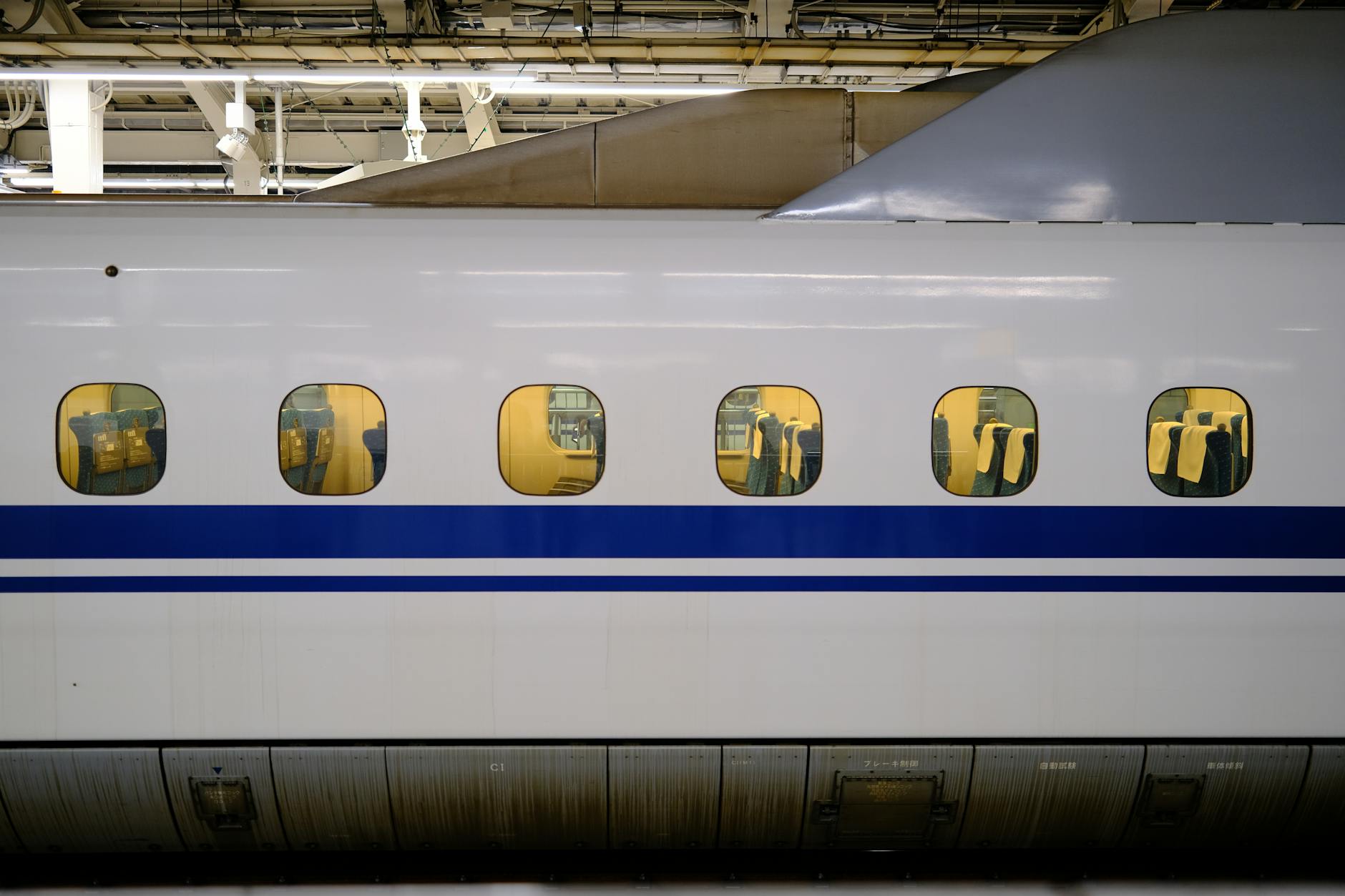
Shinkansen: Shin-Yokohama Station is served by the Tokaido Shinkansen, which is relevant if you are coming from Kyoto, Osaka, or Nagoya. From Shin-Yokohama, the Yokohama Municipal Subway Blue Line reaches Yokohama Station in about 11 minutes.

🎯 Pro Tip: Yokohama Station is enormous and confusing — it serves six different railway companies. If your destination is Chinatown, Yamashita Park, or the Red Brick Warehouse, skip Yokohama Station entirely and ride the Tokyu Toyoko Line / Minatomirai Line all the way to Motomachi-Chukagai Station. You will emerge right at the waterfront with no navigation required.

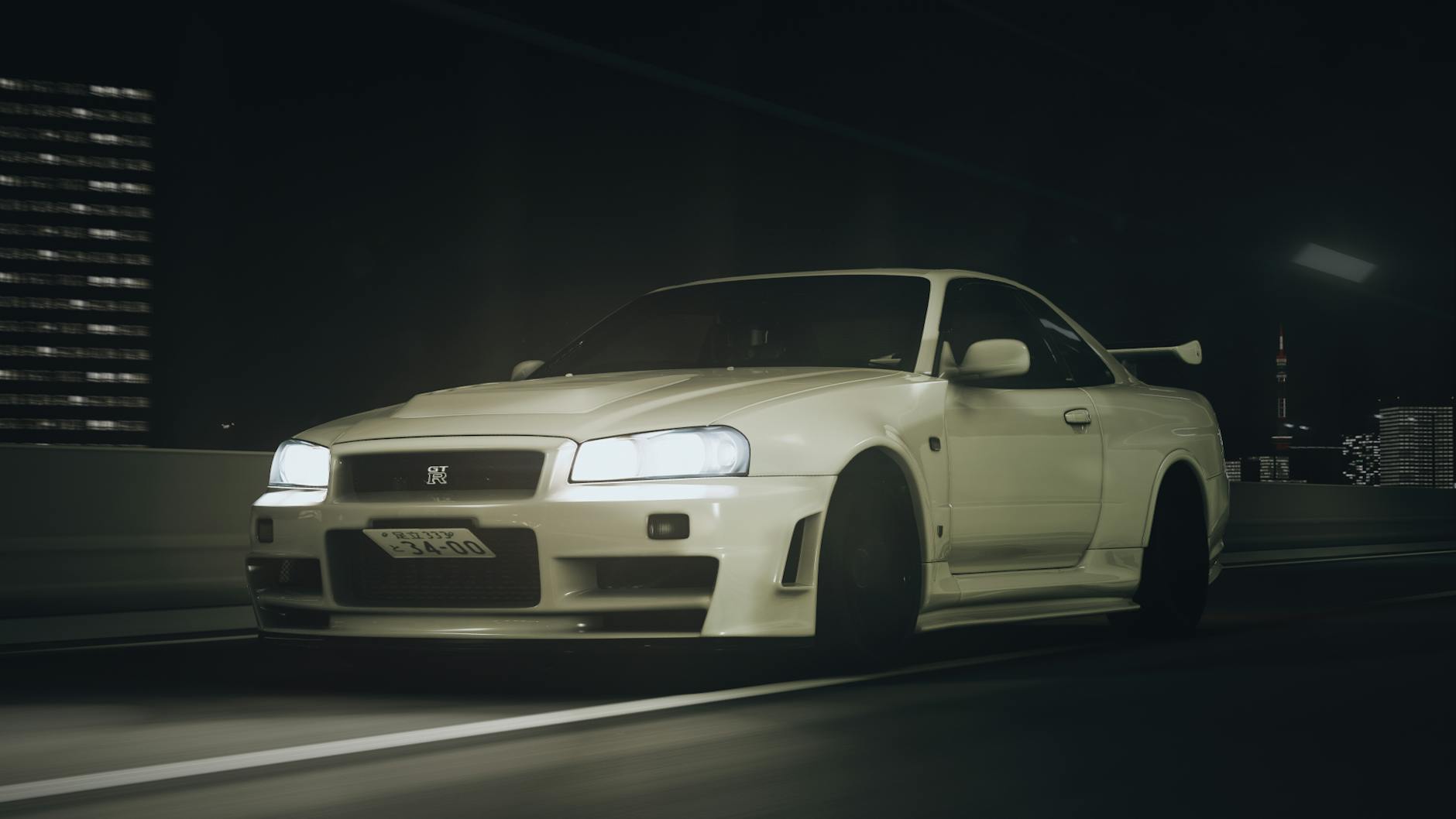
If you prefer to drive to Yokohama, the Bayshore Expressway from central Tokyo takes about 40-60 minutes depending on traffic. The drive along Tokyo Bay is scenic, especially at night, and it connects naturally with some of Yokohama’s car culture spots. If you are renting a JDM car from Samurai Car Japan for a Tokyo-area road trip, a Yokohama run is one of the best routes you can take — the highway hugs the waterfront, and you can combine it with a late-night cruise through the city’s illuminated port district.

1. Yokohama Chinatown — The Largest Chinatown in Japan

Yokohama Chinatown (Yokohama Chukagai) is not just the largest Chinatown in Japan — it is one of the largest in the world, with over 500 shops and restaurants packed into a ten-block grid of narrow, lantern-strung streets. It has existed here since the 1860s, when Chinese merchants arrived alongside Western traders after the port opened, and it has evolved continuously ever since.

The food is the main draw, and it hits differently than Chinese food in most Western countries. The cuisine here is heavily adapted to Japanese tastes — lighter sauces, cleaner flavors, immaculate presentation — while still retaining the variety and boldness of Cantonese, Shanghainese, Sichuanese, and Taiwanese cooking. You will find everything from 500-yen steamed buns (nikuman) sold from street windows to full multicourse Cantonese banquets in gilded dining rooms.

The best way to experience Chinatown is to graze. Walk through the main gate (Zenrinmon), grab a pork bun from one of the street vendors, keep walking, try some xiaolongbao (soup dumplings) at another shop, pick up a sesame ball, sample some almond jelly, and keep going. The streets are designed for this kind of eating — half the shops have takeaway windows facing the sidewalk.

Beyond food, the neighborhood has several ornate Chinese temples worth visiting. Kanteibyo (Guan Di Miao) is the most impressive — a Qing Dynasty-style temple dedicated to Guan Yu, the god of commerce and war, with an elaborately painted interior that glows with incense smoke and candlelight. Entry is free.

Address: Yamashitacho, Naka-ku, Yokohama
Access: Motomachi-Chukagai Station (Minatomirai Line), Exit 1, or JR Ishikawacho Station, North Exit
Hours: Most shops open 10:00 AM – 9:00 PM; some restaurants open until 10:00 PM
Budget: Street food grazing: 1,500 – 3,000 yen; sit-down meal: 2,000 – 8,000 yen per person

🎯 Pro Tip: Visit on a weekday if possible. Weekends — especially Saturday afternoons — are extremely crowded, and the narrow streets become difficult to navigate. If you do visit on a weekend, arrive early (before 11:00 AM) or come in the evening when the crowds thin and the lanterns light up.

2. Cup Noodles Museum — Make Your Own Instant Ramen

The Cup Noodles Museum (officially the CUPNOODLES MUSEUM YOKOHAMA) is one of those places that sounds gimmicky but turns out to be genuinely excellent. It tells the story of Momofuku Ando, the inventor of instant ramen, and how a single idea in 1958 changed global food culture. The museum is modern, beautifully designed, and interactive in ways that work for both adults and children.

The centerpiece experience is the My CUPNOODLES Factory, where you design and create your own custom cup of instant noodles. You draw on a blank cup to create your packaging, then choose from four soup bases and twelve toppings to create your personal flavor combination. The finished product is vacuum-sealed and bagged for you to take home. It costs 500 yen and takes about 45 minutes.

The rest of the museum is surprisingly thoughtful. There is a room displaying every single instant noodle product ever released (thousands of packages lining the walls floor to ceiling), an exhibit on creative thinking that uses Ando’s invention process as a case study, and a recreation of the backyard workshop where Ando spent a year experimenting before getting the recipe right.

Address: 2-3-4 Shinko, Naka-ku, Yokohama
Hours: 10:00 AM – 6:00 PM (last entry 5:00 PM); closed Tuesdays and year-end holidays
Price: 500 yen (adults), free for high school students and younger; My CUPNOODLES Factory: additional 500 yen
Access: 8-minute walk from Minatomirai Station or Bashamichi Station (Minatomirai Line)

⚠️ Important: The My CUPNOODLES Factory is first-come, first-served and can reach capacity by early afternoon on weekends and holidays. Arrive when the museum opens at 10:00 AM to guarantee a spot. Tickets for the factory are distributed inside the museum — you cannot reserve them online separately from museum entry.

3. Minato Mirai Skyline and Landmark Tower

Minato Mirai 21 is the modern waterfront district that defines Yokohama’s skyline. Built on reclaimed land and former shipyard docks, it is a planned urban development that actually turned out well — a rare thing anywhere in the world. The district combines office towers, shopping malls, museums, hotels, and public waterfront spaces into a cohesive neighborhood that feels polished without being sterile.

The Yokohama Landmark Tower anchors the district at 296 meters — it was the tallest building in Japan when it opened in 1993 and remains the tallest in Yokohama. The Sky Garden observation deck on the 69th floor offers panoramic views of the harbor, the Kanto Plain, and on clear days, Mount Fuji to the west. The elevator to the top takes just 40 seconds and holds the record as one of the fastest in the world.

But the real magic of Minato Mirai is at street level. The waterfront promenade connecting the district’s landmarks is one of the best urban walks in Japan. You can stroll from Landmark Tower past the sailing ship Nippon Maru (a preserved 1930s training vessel), through the Cup Noodles Museum area, past the Red Brick Warehouse, and all the way to Yamashita Park — a continuous waterfront path of about 3 kilometers with the harbor on one side and the skyline on the other.

At night, Minato Mirai transforms. The buildings light up in coordinated illumination displays, the Cosmoworld Ferris wheel glows against the dark sky, and the reflections shimmer across the harbor. It is one of the most photogenic nightscapes in the greater Tokyo area.

Landmark Tower Sky Garden:
Address: 2-2-1 Minatomirai, Nishi-ku, Yokohama
Hours: 10:00 AM – 9:00 PM (last entry 8:30 PM); extended to 10:00 PM on Saturdays
Price: 1,000 yen (adults), 800 yen (seniors/high school), 500 yen (elementary/junior high), 200 yen (preschool)
Access: 5-minute walk from Minatomirai Station (Minatomirai Line) or 10 minutes from JR Sakuragicho Station

🎯 Pro Tip: The best time to visit the Sky Garden is about 30 minutes before sunset. You will see the city in golden light, watch the sun drop toward Mount Fuji, and then see the entire waterfront switch on its evening illumination below you. Weekday evenings are significantly less crowded than weekends.

4. Shin-Yokohama Ramen Museum — A Theme Park for Noodle Lovers

The Shin-Yokohama Ramen Museum (Raumen Hakubutsukan) is not a conventional museum — it is a food theme park dedicated entirely to ramen. The building recreates a 1958 Tokyo streetscape in its basement, complete with dimmed lighting, retro signage, cramped alleys, and the general atmosphere of postwar Japan. Scattered throughout this recreated neighborhood are ramen shops serving regional styles from all over the country, so you can taste Hokkaido miso ramen, Kyushu tonkotsu, Tokyo shoyu, and lesser-known regional varieties all in one visit.

The genius of the museum is that each ramen shop is an actual outpost of a famous regional restaurant. These are not museum replicas — they are real ramen joints operating satellite locations inside the building. The quality is legitimate, and the variety means you can sample styles that would otherwise require traveling to completely different parts of Japan.

Most shops offer mini portions (roughly two-thirds of a regular bowl) so you can try multiple styles without overloading. Three mini bowls is a reasonable target for most appetites.

Address: 2-14-21 Shin-Yokohama, Kohoku-ku, Yokohama
Hours: 11:00 AM – 9:00 PM (last entry 8:00 PM); hours vary by day — check the website
Price: 380 yen (adults) museum entry; ramen bowls typically 900 – 1,200 yen each, mini sizes around 600 – 800 yen
Access: 5-minute walk from Shin-Yokohama Station (JR Yokohama Line or Tokaido Shinkansen)

🎯 Pro Tip: The Ramen Museum is in Shin-Yokohama, which is a separate area from central Yokohama and the waterfront. It makes the most sense to visit either at the beginning or end of your Yokohama day, depending on which train line you are using. If you are arriving from Tokyo via Shinkansen, hit the Ramen Museum first, then take the Yokohama Municipal Subway to the waterfront area.

5. Yamashita Park and the Waterfront Walk

Yamashita Park stretches along the Yokohama waterfront for about 750 meters and is one of the most pleasant urban parks in Japan. It was built in 1930 using rubble from the Great Kanto Earthquake of 1923 as landfill — a fact that gives the park’s serene green lawns and harbor views a quiet historical weight. The park faces directly onto Yokohama Bay, with unobstructed views of the harbor, the Bay Bridge, and ships moving in and out of the port.

The park is anchored at one end by the Hikawa Maru, a preserved 1930s ocean liner that once carried passengers between Yokohama and Seattle. You can board the ship and walk through its Art Deco interiors, first-class cabins, and engine room. Charlie Chaplin sailed on this ship three times. Admission is 300 yen.

Along the park’s promenade, you will find rose gardens (spectacular in May and October), the “Guardian of the Water” fountain, a tribute to the Indian merchant community that helped build Yokohama, and benches facing the water that are perfect for doing absolutely nothing. The park connects directly to Chinatown on one side and Osanbashi Pier on the other, making it a natural midpoint in any Yokohama walking route.

Address: 279 Yamashitacho, Naka-ku, Yokohama
Hours: Open 24 hours (Hikawa Maru: 10:00 AM – 5:00 PM, closed Mondays)
Price: Park is free; Hikawa Maru: 300 yen (adults)
Access: 3-minute walk from Motomachi-Chukagai Station (Minatomirai Line)

🎯 Pro Tip: The full waterfront walk from Yamashita Park to Minato Mirai (via Osanbashi Pier and the Red Brick Warehouse) is about 3 kilometers and takes roughly 40 minutes at a relaxed pace. It is the single best way to experience Yokohama’s harbor atmosphere. Do it in the late afternoon so you finish as the sun sets over the Minato Mirai skyline.

6. Red Brick Warehouse (Yokohama Akarenga)

The Yokohama Red Brick Warehouse (Akarenga Soko) consists of two early-20th-century brick customs warehouses that have been converted into a shopping, dining, and event complex. The buildings — Warehouse No. 1 (built in 1911) and Warehouse No. 2 (built in 1907) — sit directly on the waterfront and are among the most photogenic structures in Yokohama.

Warehouse No. 2 (the larger building) contains three floors of shops and restaurants. The retail leans toward curated Japanese brands, local Yokohama goods, and artisan crafts — it is a step above typical tourist souvenir shopping. There are also several good restaurants and cafes, many with harbor-facing terraces. Warehouse No. 1 hosts rotating art exhibitions, performances, and events.

The open plaza between the two warehouses and the waterfront is used for seasonal events throughout the year: a Christmas market in December, an Oktoberfest-style beer festival in autumn, a flower garden in spring, and various food festivals and cultural events in between. Even without an event, the plaza offers one of the best views of the Minato Mirai skyline across the water.

Address: 1-1 Shinko, Naka-ku, Yokohama
Hours: Warehouse No. 1: 10:00 AM – 7:00 PM; Warehouse No. 2: 11:00 AM – 8:00 PM
Price: Free entry (shops and exhibitions may have separate fees)
Access: 6-minute walk from Bashamichi Station (Minatomirai Line) or 15 minutes from JR Sakuragicho Station

7. Yokohama Cosmoworld — The Ferris Wheel on the Harbor

Yokohama Cosmoworld is a compact amusement park in the Minato Mirai district, and its signature attraction is the Cosmo Clock 21 — a 112.5-meter Ferris wheel that has become one of Yokohama’s most recognizable landmarks. The wheel sits right on the edge of the harbor, and a full rotation takes about 15 minutes, offering sweeping views of the Minato Mirai skyline, the Bay Bridge, and the city sprawling inland.

Unlike most amusement parks in Japan, Cosmoworld has no entrance fee — you pay per ride. This makes it easy to drop in for a single Ferris wheel ride without committing to a full theme park experience. Besides the wheel, there are about 30 other rides and attractions, including a diving coaster that plunges through a water tunnel and an indoor haunted house.

The Ferris wheel is at its most spectacular at night, when it lights up with LED displays that cycle through patterns and colors. From a distance, it serves as a glowing beacon of the Minato Mirai skyline. From inside a gondola, the nighttime harbor views are extraordinary.

Address: 2-8-1 Shinko, Naka-ku, Yokohama
Hours: 11:00 AM – 9:00 PM (weekdays), 11:00 AM – 10:00 PM (weekends and holidays); hours vary seasonally
Price: No entrance fee; Cosmo Clock 21 Ferris wheel: 900 yen; other rides: 400 – 900 yen each
Access: 2-minute walk from Minatomirai Station (Minatomirai Line)

🎯 Pro Tip: Ride the Ferris wheel after sunset for the full nighttime Yokohama experience. If you want an unobstructed view for photos, request one of the non-enclosed “see-through” gondolas (same price). They have transparent floors and walls — thrilling if you are comfortable with heights, terrifying if you are not.

8. Sankeien Garden — A Traditional Escape from the City

Sankeien is a 175,000-square-meter Japanese garden on the southern edge of Yokohama that feels transported from the countryside of Kyoto. Built by the silk trader Tomitaro Hara in 1906, the garden contains 17 historic structures — tea houses, pagodas, a farmhouse, and a temple hall — that were collected from Kyoto, Kamakura, and other historic sites around Japan and reassembled here among landscaped ponds, bamboo groves, and carefully sculpted hillsides.

The garden is large enough to absorb crowds without feeling busy. The outer garden (free with admission) wraps around a large central pond with a three-story pagoda reflected in the water — one of the most photographed scenes in Yokohama. The inner garden (included in admission) is more intimate, with tea houses and structures nestled among manicured paths.

Sankeien is beautiful in every season, but it is particularly renowned for its plum blossoms in February, cherry blossoms in late March and early April, irises and water lilies in June, autumn foliage in November, and special nighttime illumination events during peak seasons.

Address: 58-1 Honmokusannotani, Naka-ku, Yokohama
Hours: 9:00 AM – 5:00 PM (last entry 4:30 PM); inner garden closes at 4:30 PM
Price: 700 yen (adults), 200 yen (children)
Access: Bus from JR Negishi Station (bus stop No. 1, take bus #58, 101, or 106 to Honmoku Sankeien-mae, about 10 minutes). Alternatively, taxi from Negishi Station takes about 5 minutes and costs around 1,000 yen

⚠️ Important: Sankeien is not within walking distance of the main Minato Mirai / Chinatown waterfront area — it is located about 5 kilometers southeast. Budget 30-40 minutes to get there from central Yokohama by bus. It is best combined with a visit to the nearby Negishi area or saved for a second day in Yokohama.

9. Yokohama Port and Osanbashi Pier

Osanbashi Pier (Osanbashi International Passenger Terminal) is Yokohama’s main cruise ship terminal, but it is far more than a functional port facility. The terminal building, designed by the London-based firm Foreign Office Architects and completed in 2002, is an architectural landmark — its roof is a continuous undulating wooden surface with no walls or columns, creating a rooftop public deck that flows like a wave over the harbor.

The rooftop deck is freely accessible to the public and offers what many consider the single best panoramic view in Yokohama. Looking left, you see the entire Minato Mirai skyline — the Landmark Tower, the Ferris wheel, the Red Brick Warehouse. Looking right, you see the Bay Bridge stretching across the harbor. Straight ahead is the open water. Behind you, the city rises toward the Bluff district. It is a 360-degree Yokohama experience in one location.

The deck is surfaced in teak wood and grass-covered hills, with no railings blocking the view. People sit on the wooden slopes, spread out picnic blankets, and watch the ships come and go. On days when a large cruise ship is docked, you can stand right next to it — the scale of these vessels seen up close is genuinely impressive.

Address: 1-1-4 Kaigandori, Naka-ku, Yokohama
Hours: Rooftop deck open 24 hours; interior facilities 9:00 AM – 9:00 PM
Price: Free
Access: 7-minute walk from Nihon-Odori Station (Minatomirai Line)

🎯 Pro Tip: Osanbashi Pier is the best spot in Yokohama for sunset and nighttime photography. The rooftop gives you an unobstructed westward view toward Minato Mirai, which means the skyline is backlit at golden hour and fully illuminated after dark. Bring a tripod if you have one — the long-exposure shots from here are stunning.

10. Motomachi Shopping Street

Motomachi is a 600-meter shopping street running parallel to the waterfront, just south of Chinatown. While Chinatown is loud, dense, and crowded, Motomachi is its elegant opposite — a tree-lined boulevard of boutiques, bakeries, jewelry stores, and cafes that reflects Yokohama’s long history of international influence.

The street dates back to the 1860s, when foreign residents living in the nearby Yamate Bluff area created demand for Western-style goods and services. Many of the shops on Motomachi have been operating for generations, and the street has a distinctly European feel — think wrought-iron lamp posts, stone facades, and window displays more reminiscent of a Parisian side street than a typical Japanese shopping arcade.

Motomachi is particularly known for its original brands. Kitamura (handbags), Fukuzo (men’s clothing), and Star Jewelry all started here and remain headquartered on this street. You will also find excellent bakeries — Yokohama has a strong bread culture thanks to its early exposure to Western baking techniques, and Motomachi is where several of the city’s best bakeries are clustered.

Above Motomachi, the Yamate Bluff district preserves several Western-style houses from the Meiji and Taisho eras, when foreign diplomats and merchants lived on the hillside overlooking the port. These houses are now museums (mostly free) and offer a glimpse into Yokohama’s cosmopolitan past.

Address: Motomachi, Naka-ku, Yokohama
Hours: Most shops open 10:30 AM – 7:00 PM
Access: Motomachi-Chukagai Station (Minatomirai Line), Exit 5

11. Yokohama Stadium Area

The Yokohama Stadium (Yokohama Stadium, or “Hama-Sta” in local slang) sits in Yokohama Park, a green space in the heart of the city that was one of the first Western-style public parks in Japan when it opened in 1876. The stadium is the home of the Yokohama DeNA BayStars, a Nippon Professional Baseball (NPB) team, and catching a game here is one of the most fun things you can do in Yokohama.

Japanese baseball games are a spectacle that goes far beyond the sport itself. Each team has organized cheering sections with synchronized chanting, custom songs for every batter, trumpets, drums, and coordinated towel-waving. The BayStars’ home games fill the stadium with blue — blue jerseys, blue towels, blue everything. Fans bring elaborate bento boxes and beer vendors circulate through the stands with kegs strapped to their backs.

Even if there is no game during your visit, the park surrounding the stadium is worth a walk. It connects to the adjacent Nihon Odori (Japan Boulevard), a wide tree-lined avenue that runs from the park to the waterfront and is one of the most pleasant streets in Yokohama for a stroll.

Address: Yokohamakoen, Naka-ku, Yokohama
Season: NPB regular season runs late March through October; games typically start at 6:00 PM on weeknights, 2:00 PM on weekends
Tickets: 1,800 – 7,000 yen depending on seat location; available online or at the stadium box office (popular games sell out — buy in advance)
Access: JR Kannai Station (South Exit), 2-minute walk, or Nihon-Odori Station (Minatomirai Line)

🎯 Pro Tip: If you can attend a BayStars game, sit in the outfield cheering section for the full fan experience. You will be handed a song sheet and expected to participate — it is chaotic, loud, and one of the most uniquely Japanese experiences you can have. Buy a BayStars towel at the merch shop to wave during the team anthem.

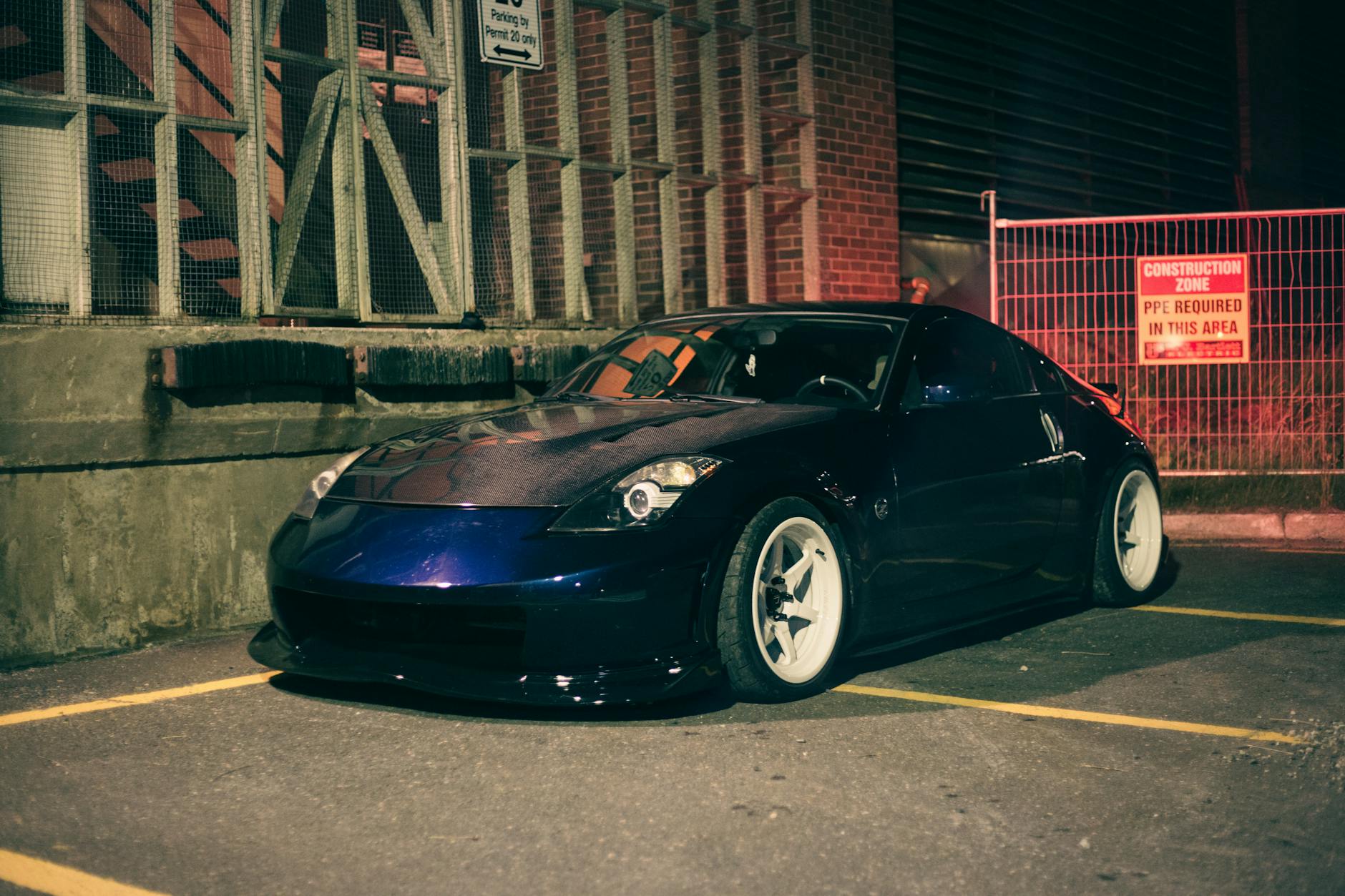
12. Daikoku PA Car Meet

Daikoku Parking Area (Daikoku PA) is a highway rest stop on the Bayshore Route of the Shuto Expressway, and it has become one of the most famous car meet spots in the world. On weekend nights — especially Friday and Saturday after 10:00 PM — the parking area fills with modified Japanese sports cars: Nissan GT-Rs, Toyota Supras, Mazda RX-7s, Subaru WRXs, and everything else that defines Japan’s car culture. It is not organized, not advertised, and not guaranteed — people just show up, park, and admire each other’s cars. That spontaneity is what makes it special.

Daikoku PA is located on the expressway between Yokohama and Kawasaki, making it easy to combine with a Yokohama visit if you are driving. If you are renting a JDM car from Samurai Car Japan, a late-night run to Daikoku is an essential part of the experience — you can also combine it with a Tokyo night drive along the Wangan (bayshore) route.

We have a full detailed guide on this spot: Daikoku Parking Area Car Meet Guide.

⚠️ Important: Daikoku PA is only accessible from the expressway — you cannot walk or cycle there. You need a car to visit. The car meet is an informal gathering and not a scheduled event, so there is no guarantee of what you will see on any given night. Friday and Saturday nights after 10:00 PM are your best bet.

13. Nogeyama Zoo — A Free Zoo in the City

Nogeyama Zoo is a small municipal zoo perched on a hillside between Sakuragicho Station and the Noge entertainment district. The remarkable thing about it is that admission is completely free. Yokohama runs the zoo as a public service, and it has been free since it opened in 1951.

The zoo is compact — you can walk through it in about an hour — but it houses over 90 species, including red pandas, lions, giraffes, penguins, and a variety of primates. There is a petting zoo section where children (and adults) can interact with guinea pigs and other small animals. The hilltop location gives the zoo nice views over the surrounding area, and the grounds are landscaped with gardens and walking paths.

Is this a world-class zoo? No. But it is free, it is charming, it is well-maintained, and it is a nice break from the waterfront tourist circuit — especially if you are traveling with children. The surrounding Noge area is also one of Yokohama’s best neighborhoods for small izakayas and casual drinking spots, making the zoo a natural prelude to an evening out.

Address: 63-10 Oimatsucho, Nishi-ku, Yokohama
Hours: 9:30 AM – 4:30 PM (last entry 4:00 PM); closed Mondays (or Tuesday if Monday is a holiday)
Price: Free
Access: 15-minute walk uphill from JR Sakuragicho Station, or 5 minutes from Hinodecho Station (Keihin Kyuko Line)

14. Yokohama Beer Scene — Craft Breweries and Taprooms

Yokohama has a legitimate claim to being the birthplace of beer in Japan. The country’s first brewery was established here in 1869 by an American named William Copeland, who set up shop in the Yamate Bluff area to serve the foreign community. That brewery eventually evolved into Kirin Beer, one of Japan’s “Big Four” beer companies. Yokohama has been a beer city ever since.

Today, Yokohama has a growing craft beer scene that rewards exploration. Yokohama Beer is the city’s original craft brewery, operating since 1999 with a brewpub near Kannai Station where you can try their flagship pilsner, wheat ale, and seasonal specials paired with food. TDM 1874 Brewery in Motomachi is a newer microbrewery with a rotating tap list and a relaxed atmosphere. Thrash Zone, near Kannai, is a tiny standing-bar brewpub popular with locals that serves aggressive hop-forward beers in a punk-rock atmosphere.

For a more immersive beer history experience, the Kirin Beer Village in the Tsurumi ward of Yokohama offers free brewery tours of their massive production facility, ending with a tasting of freshly brewed beer. Tours need to be reserved in advance online and are available in Japanese (with English pamphlets provided).

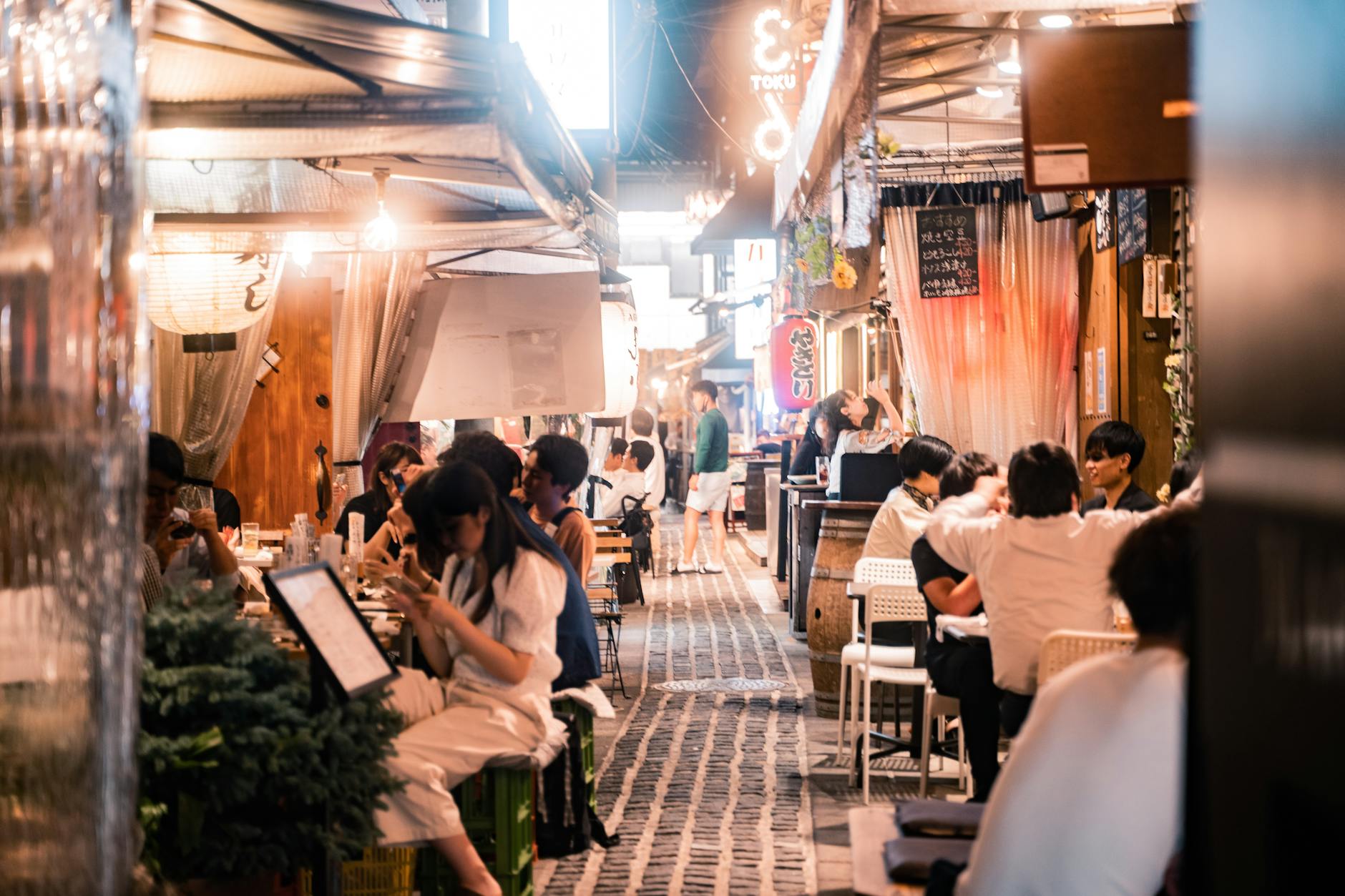
The Noge area, just south of Sakuragicho Station, is another excellent zone for beer exploration. The narrow streets are packed with tiny bars, standing pubs, and izakayas, many of which carry local Yokohama craft beers alongside their food menus.

Key spots:
Yokohama Beer Brewery Restaurant: 6-68-1 Sumiyoshicho, Naka-ku (near Kannai Station)
TDM 1874 Brewery: 5-63-1 Sumiyoshicho, Naka-ku (near Motomachi area)
Thrash Zone: 1-1 Yoshidamachi, Naka-ku (near Kannai Station)
Kirin Beer Village: 1-17-1 Namamugi, Tsurumi-ku (free tours, reservation required)

🎯 Pro Tip: If you are visiting during October, check the schedule for the Yokohama Oktoberfest, held annually at the Red Brick Warehouse plaza. It is one of the largest beer festivals in Japan, featuring both Japanese craft beers and imported German varieties, served in a waterfront setting with live music.

15. Hakkeijima Sea Paradise

Yokohama Hakkeijima Sea Paradise is a large marine-themed amusement complex on an artificial island in the southern part of Yokohama. It combines one of the best aquariums in the Kanto region with amusement park rides, restaurants, shops, and waterfront areas — all on a single island connected to the mainland by a pedestrian bridge.

The main attraction is the Aqua Museum, a multi-story aquarium that houses over 120,000 creatures across 700 species. The highlight is a massive open-ocean tank with whale sharks, manta rays, and schools of fish viewed from a moving escalator that passes through an arched tunnel — an experience that puts you right in the middle of the tank. There is also an interactive touch pool, a dolphin show arena, and a separate facility called Fureai Lagoon where you can get close to dolphins, sea otters, and penguins.

The amusement park rides include roller coasters, a log flume, and a surfing coaster that skims across the water. Entry to the island itself is free — you only pay for the aquarium and individual rides (or buy a combination pass). This makes it easy to visit the island for a walk and lunch even if you do not want to do the full aquarium-and-rides experience.

Address: Hakkeijima, Kanazawa-ku, Yokohama
Hours: 10:00 AM – 5:00 PM on weekdays, 10:00 AM – 6:00 PM on weekends (hours vary seasonally — check the website before visiting)
Price: Island entry: free; Aqua Museum only: 3,300 yen (adults), 2,000 yen (children); One-Day Pass (aquarium + all rides): 5,600 yen (adults), 4,000 yen (children)
Access: Hakkeijima Station on the Seaside Line (about 30 minutes from Yokohama Station via transfer at Shin-Sugita)

⚠️ Important: Hakkeijima is located in the far south of Yokohama, about 40 minutes from the central waterfront area. It is best treated as a half-day excursion rather than a quick stop between other Yokohama sights. If you are traveling with children, this is arguably the single best attraction in Yokohama for them.

How to Plan Your Yokohama Day — Suggested Routes

Yokohama is a big city, and the attractions in this guide are spread across different districts. Trying to see everything in one day will leave you exhausted and unsatisfied. Here are two suggested routes depending on how much time you have.

One-Day Waterfront Route (6-8 Hours)

This route covers the central waterfront and is the best option for a day trip from Tokyo.

Morning: Take the Tokyu Toyoko / Minatomirai Line to Motomachi-Chukagai Station. Start with Yokohama Chinatown for brunch — graze on street food as you walk through the main streets. Then walk to Yamashita Park and stroll along the waterfront to Osanbashi Pier for the panoramic views.

Afternoon: Continue walking along the waterfront to the Red Brick Warehouse for shopping and coffee. Then walk to the Cup Noodles Museum (about 10 minutes from the Red Brick Warehouse) and make your own cup of ramen. From there, explore the Minato Mirai area — Landmark Tower is a 5-minute walk away.

Evening: As the sun sets, ride the Cosmoworld Ferris wheel for nighttime harbor views, then head to the Noge district (one stop on the JR line from Sakuragicho, or a 10-minute walk) for dinner at a local izakaya or craft brewery. Return to Tokyo from Sakuragicho or Yokohama Station.

Two-Day Comprehensive Route

Day 1: Follow the one-day waterfront route above.

Day 2: Start at the Shin-Yokohama Ramen Museum in the morning. After lunch (at the Ramen Museum — that is the whole point), head to Sankeien Garden for a slower-paced afternoon among the historic buildings and gardens. In the evening, explore Motomachi Shopping Street and the Yamate Bluff Western houses, then end with craft beer in the Noge or Kannai area.

Optional add-ons: Hakkeijima Sea Paradise (half day), a BayStars baseball game (evening), or a late-night drive to Daikoku PA for car culture.

🎯 Pro Tip: Buy a Minato Mirai Line one-day pass (460 yen) if you plan to use the Minatomirai Line three or more times during your visit. It covers unlimited rides between Yokohama Station and Motomachi-Chukagai Station, which is the main tourist corridor.

Practical Tips for Visiting Yokohama

Money: Most restaurants and shops in Yokohama accept credit cards and IC cards (Suica/Pasmo), but Chinatown street food vendors often require cash. Carry at least 3,000 – 5,000 yen in cash for food and small purchases.

Language: Yokohama is more tourist-friendly than many Japanese cities. Chinatown, Minato Mirai, and the major museums have English signage and menus. Smaller izakayas and local shops in the Noge and Kannai areas are more Japanese-only — Google Translate’s camera function will help with menus.

Weather: Yokohama’s waterfront exposure means it can be windy, especially on Osanbashi Pier and along the harbor promenade. In winter (December – February), bring an extra layer for the wind chill. In summer (June – August), the sea breeze makes Yokohama slightly more comfortable than central Tokyo, but it is still hot and humid.

Luggage storage: Yokohama Station and Sakuragicho Station both have coin lockers in various sizes (400 – 800 yen per day). If you are visiting Yokohama as a day trip from Tokyo, drop your bags before exploring.

Getting around within Yokohama: The central waterfront area (Chinatown, Yamashita Park, Red Brick Warehouse, Minato Mirai) is compact enough to walk. The Minatomirai Line connects the main stations efficiently. For Sankeien Garden and Hakkeijima, you will need buses or additional train lines.

Is Yokohama Worth Visiting?

Yes. Unequivocally. Yokohama is one of the most underrated destinations in the Tokyo area, overshadowed by Tokyo’s global fame but offering something Tokyo itself cannot — open space, waterfront atmosphere, and a pace that feels just slightly more relaxed than the capital. The combination of incredible food (Chinatown and the Ramen Museum alone justify the trip), world-class waterfront urban design, genuine history, and easy access from Tokyo makes Yokohama one of the best value day trips you can take in Japan.

If you are spending five or more days in the Tokyo area, dedicating one full day to Yokohama is a decision you will not regret. If you are a car enthusiast combining Yokohama with a JDM car rental and a run to Daikoku PA, it becomes one of the most memorable experiences of the entire trip.

And if you have the flexibility, stay overnight. Yokohama after dark — the illuminated skyline, the Ferris wheel glowing over the harbor, the quiet hum of the Noge drinking alleys — is a version of Japan that most visitors never see.

-Travel Guide