Kamakura Day Trip from Tokyo: Complete Guide to Temples, Beach & the Great Buddha (2026)
An hour south of Tokyo, the ancient city of Kamakura sits between forested hills and the Pacific Ocean. For roughly 150 years starting in 1185, it served as Japan’s political capital — and the temples, shrines, and giant bronze Buddha left behind from that era make it one of the most rewarding day trips from Tokyo you can take in 2026.
But Kamakura is not just a history lesson. The narrow lanes of Komachi-dori overflow with shops and street food. The Enoden train rattles along the coast past surfers and beachgoers. Bamboo groves silence the outside world. And the nearby island of Enoshima adds sea caves, ocean-view shrines, and some of the best sunsets near Tokyo. All of it fits comfortably into a single day.
This Kamakura guide covers everything you need to plan a perfect visit: how to get there from Tokyo, the best temples and attractions, where to eat fresh shirasu (whitebait), a realistic sample itinerary, and practical tips on budget, timing, and the seasons that matter most. Whether this is your first trip to Japan or your fifth, Kamakura delivers something no amount of time in Tokyo can.
Table of Contents
Why Kamakura Is the Perfect Day Trip from Tokyo
Between 1185 and 1333, Kamakura was the seat of Japan’s first military government — the Kamakura Shogunate. Minamoto no Yoritomo chose this location precisely because the surrounding hills provided natural fortification, with narrow passes that were easy to defend. When the shogunate fell, the political center moved elsewhere, but the temples, shrines, and cultural landscape remained largely intact.
Today that history translates into a concentration of remarkable sites within a compact, walkable area. There are over 65 Buddhist temples and 19 Shinto shrines within Kamakura’s borders. The Great Buddha alone draws millions of visitors each year. But unlike Kyoto, which can feel overwhelming in its scale, Kamakura is small enough to experience meaningfully in a single day.
The geography is the other reason Kamakura works so well as a day trip. The city faces the ocean on its southern side, giving you beaches and coastal scenery alongside the temples. The forested hills offer hiking trails connecting major sites. And the tiny Enoden railway — one of Japan’s most photogenic train lines — links the town center to the coast and neighboring Enoshima in just 25 minutes.
For travelers building a Tokyo 5-day itinerary, Kamakura is the day trip that gives you the most variety: ancient temples, a giant outdoor Buddha, bamboo forests, ocean views, excellent food, and seaside charm — all within 60 minutes of central Tokyo.
How to Get to Kamakura from Tokyo
Getting to Kamakura by train is straightforward, affordable, and usually the best option. Here are the main routes.
By Train from Tokyo Station
Take the JR Yokosuka Line directly from Tokyo Station to Kamakura Station. The journey takes approximately 55-60 minutes and costs 950 yen one way. No transfers needed — just board the train and ride it to the end of the line (or near it). Trains run roughly every 10-15 minutes throughout the day.
If you have a Japan Rail Pass, this route is fully covered. It is the most convenient option for travelers staying near Tokyo Station, Shinagawa, or along the JR Yamanote Line.
By Train from Shibuya or Shinjuku
From Shibuya or Shinjuku, take the JR Shonan-Shinjuku Line directly to Kamakura Station. The ride from Shinjuku takes about 60 minutes and costs around 950 yen. From Shibuya, it is about 55 minutes. This line is less crowded than the Yokosuka Line during morning rush hours, and it also takes you through some pleasant suburban scenery.
Alternatively, you can take the Odakyu Line from Shinjuku to Fujisawa Station (about 60 minutes on the express, 600 yen), then transfer to the Enoden Line to Kamakura (about 35 minutes, 310 yen). This route costs slightly less and lets you ride the scenic Enoden along the coast, which is an attraction in itself.
By Train from Shinagawa
From Shinagawa, the JR Yokosuka Line reaches Kamakura in about 50 minutes for around 730 yen. This is the fastest train option.
By Car
Driving to Kamakura from central Tokyo takes about 1-1.5 hours via the Yokohama-Yokosuka Expressway, depending on traffic. Highway tolls run approximately 1,500-2,000 yen each way. The main drawback is parking: spaces near popular temples are limited and expensive (typically 600-1,000 yen per hour), and the narrow streets around Kamakura Station get heavily congested on weekends.
That said, driving becomes a strong option if you plan to combine Kamakura with the Shonan coast, continue to Hakone, or want the freedom to explore at your own pace. The coastal Route 134 between Kamakura and Enoshima is a beautiful seaside drive — especially with the windows down on a warm afternoon. If you are renting a JDM car from Samurai Car Japan, the Kamakura-Enoshima-Shonan loop makes for an unforgettable coastal cruise in a classic Japanese sports car.
For a complete overview of renting and driving in Japan, see our driving in Japan guide.
Top Things to Do in Kamakura
Kamakura packs a remarkable number of worthwhile attractions into a small area. Here are the must-visit sites, plus a few hidden gems that most first-time visitors miss.
Kotoku-in: The Great Buddha (Daibutsu)
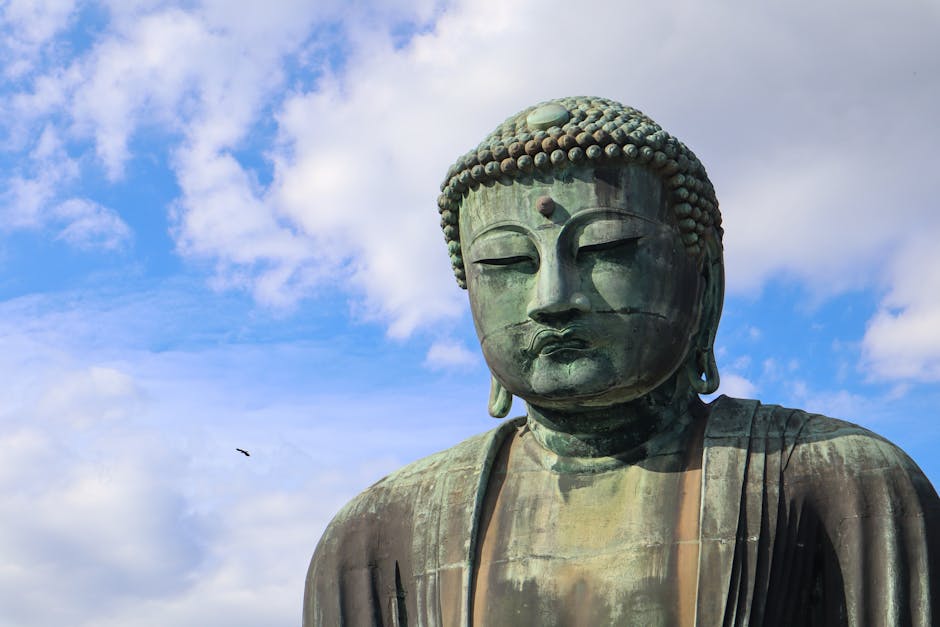
The Great Buddha of Kamakura (Kamakura Daibutsu) is the single most iconic image of the city and one of Japan’s most recognizable landmarks. This 13.35-meter (43.8-foot) bronze statue of Amida Buddha has been sitting in the open air since 1495, when a tsunami washed away the wooden hall that originally enclosed it. The statue itself dates to 1252.
What strikes most visitors first is the sheer scale — and the fact that the Buddha sits outdoors, exposed to the elements, which gives it a weathered green patina that indoor statues lack. You can actually go inside the hollow statue for an additional 50 yen, which is a surprisingly moving experience: you can see the rivets and casting marks from 13th-century bronze work up close.
Admission: 300 yen (plus 50 yen to enter the interior)
Hours: 8:00 AM – 5:30 PM (April-September), 8:00 AM – 5:00 PM (October-March)
Time needed: 30-45 minutes
Access: 10-minute walk from Hase Station (Enoden Line)
Hasedera Temple
Hasedera (Hase-dera) is arguably Kamakura’s most beautiful temple, and it offers something the others do not: a stunning ocean view from its hillside terrace. The main attraction is the 9.18-meter gilded wooden statue of the eleven-headed Kannon (goddess of mercy), said to be the largest wooden sculpture in Japan.
But the grounds themselves are the real draw. The temple is terraced into a hillside with meticulously maintained gardens that change dramatically with the seasons. In June, over 2,500 hydrangea bushes erupt in blue, purple, pink, and white along the sloped walking paths — it is one of the most photographed scenes in all of Kamakura. In autumn, the maple trees turn brilliant red. Even in winter, the Jizo statues (small stone figures wearing red bibs) create a contemplative atmosphere.
The observation terrace provides panoramic views over Yuigahama Beach and the Shonan coastline. On clear days, you can see all the way to the Miura Peninsula.
Admission: 400 yen
Hours: 8:00 AM – 5:00 PM (closes 4:30 PM October-February)
Time needed: 45-60 minutes
Access: 5-minute walk from Hase Station (Enoden Line)
Tsurugaoka Hachimangu Shrine
Tsurugaoka Hachimangu is Kamakura’s most important Shinto shrine and the spiritual heart of the city. Founded in 1063 and moved to its current location by Minamoto no Yoritomo in 1180, the shrine is dedicated to Hachiman, the god of war and protector of samurai.
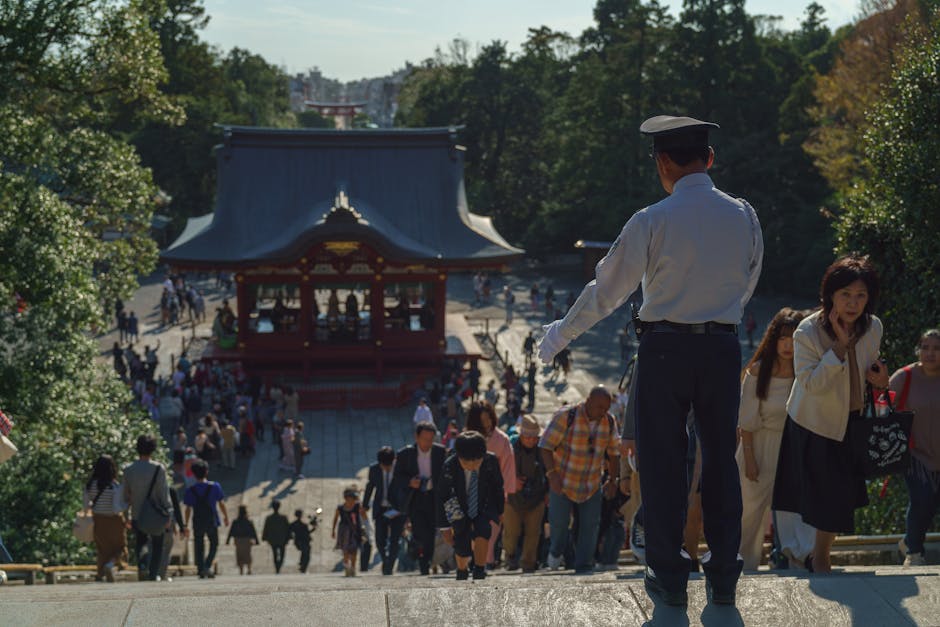
The approach is part of the experience. The broad tree-lined boulevard (Wakamiya Oji) stretches from the beach all the way to the shrine, with the raised central walkway (Dankazura) flanked by cherry trees that create a spectacular tunnel of blossoms in late March and early April. At the shrine itself, a wide stone staircase leads up to the vermillion main hall, with views back down the boulevard to the ocean.
The shrine grounds include two lotus ponds (Genpei Ponds), a garden, the Kamakura National Treasure Museum (separate admission), and often weekend events including traditional Yabusame (mounted archery) in April and September.
Admission: Free (museum and garden have separate fees)
Hours: 6:00 AM – 8:30 PM (grounds); varies for sub-shrines
Time needed: 30-60 minutes
Access: 10-minute walk from Kamakura Station (East Exit)
Hokokuji Temple: The Bamboo Temple
Known as the Bamboo Temple, Hokokuji is home to a grove of over 2,000 moso bamboo stalks that tower above a moss-covered garden. It is one of Kamakura’s most atmospheric sites — step through the entrance and the noise of the outside world simply disappears.
The bamboo garden is compact but deeply beautiful. A small tea house (Kyukouan) inside the grove serves matcha tea and dry sweets for 600 yen (including garden admission). Sitting on the tatami platform, sipping matcha while surrounded by swaying bamboo, with nothing but birdsong and the rustle of leaves — this is one of those moments that defines a trip to Japan.
Hokokuji is slightly off the main tourist circuit, about 2 km east of Kamakura Station. This distance keeps the crowds manageable, even on weekends.
Admission: 300 yen (bamboo garden); 600 yen (garden + matcha set)
Hours: 9:00 AM – 4:00 PM
Time needed: 30-45 minutes
Access: Bus #5 from Kamakura Station East Exit to Jomyoji stop (8 minutes), then 3-minute walk. Or a pleasant 25-minute walk from the station.
Zeniarai Benten Shrine: The Money-Washing Shrine
Zeniarai Benten (Zeniarai Benzaiten Ugafuku Shrine) is one of Kamakura’s most unique experiences. Tucked into a hillside cave, this Shinto shrine is dedicated to the goddess of wealth. According to legend, if you wash your money in the spring water that flows through the cave, your wealth will multiply.
The approach involves passing through a tunnel carved into the rock and emerging in a hidden valley surrounded by cliff walls — it feels almost like discovering a secret shrine. Inside the cave, you place your coins (or bills, if you are feeling bold) in small bamboo baskets and rinse them in the sacred spring water. Most visitors wash a few coins and keep them as lucky charms.
Getting to Zeniarai Benten requires a 20-minute uphill walk from Kamakura Station through residential streets. There are signs, but they are easy to miss — use GPS. The walk itself passes through quiet neighborhoods that most tourists never see.
Admission: Free
Hours: 8:00 AM – 4:30 PM
Time needed: 20-30 minutes (plus 20 minutes walking each way)
Access: 20-minute walk west from Kamakura Station
Komachi-dori Shopping Street
Komachi-dori is Kamakura’s main pedestrian shopping street, running from Kamakura Station directly toward Tsurugaoka Hachimangu Shrine. It is about 360 meters long, lined with over 250 shops, restaurants, cafes, and food stalls.
This is where you eat your way through Kamakura. Key stops include:
- Purple sweet potato (murasaki imo) soft serve — the unofficial snack of Kamakura, available at multiple stalls
- Freshly grilled senbei (rice crackers) — watch them being pressed and grilled at street-side shops
- Warabi mochi — soft, chewy jelly-like sweets dusted with kinako (roasted soybean flour)
- Matcha everything — lattes, ice cream, pastries, even matcha beer
- Shirasu (whitebait) croquettes — the local specialty in deep-fried form
Beyond food, Komachi-dori has shops selling traditional Japanese crafts, Kamakura-bori lacquerware, incense, tenugui (cotton towels), and Studio Ghibli merchandise. There are also several kimono rental shops if you want to explore the temples in traditional dress.
Best time to visit: Weekday mornings for fewer crowds. On weekends, Komachi-dori gets shoulder-to-shoulder packed by noon.
Time needed: 30-60 minutes (more if you are a dedicated snacker)
Enoshima Island
Enoshima is a small tidal island connected to the mainland by a 600-meter bridge, located about 25 minutes west of Kamakura on the Enoden train. It offers a completely different experience from Kamakura’s temples — think sea caves, clifftop shrines, ocean panoramas, and fresh seafood — and it pairs naturally with a Kamakura day trip.
The island’s main attractions include:
- Enoshima Shrine (Enoshima Jinja) — A series of three connected shrines dedicated to the goddess Benzaiten, reached by climbing stone steps through the island’s forested interior
- Enoshima Sea Candle (Samuel Cocking Garden) — An observation lighthouse with 360-degree views; on clear days you can see Mt. Fuji across Sagami Bay
- Iwaya Caves — Natural sea caves at the far end of the island, carved by wave erosion over thousands of years. You explore them with hand-held candles
- Chigogafuchi — A rocky cliff area with dramatic ocean views and tidal pools
We cover Enoshima in more detail in the extension section below.
Yuigahama & Zaimokuza Beach
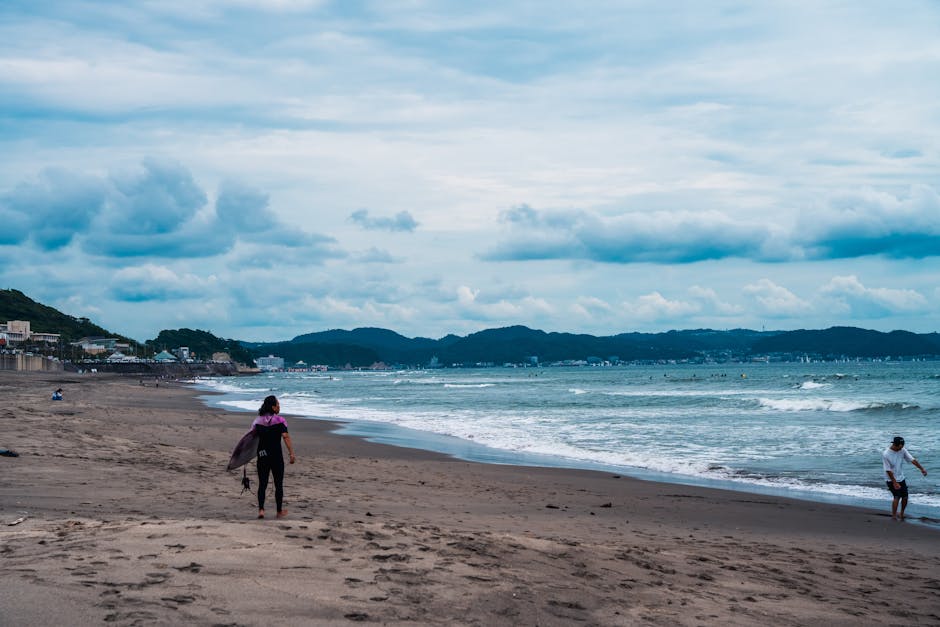
Yuigahama Beach and its neighbor Zaimokuza Beach form Kamakura’s coastline, stretching in a gentle crescent along Sagami Bay. From June through August, beach houses (umi no ie) pop up along the sand, serving food and drinks with beach chairs and umbrellas for rent.
Even outside summer, the beaches are worth visiting for a walk along the water. The view of Enoshima Island from Yuigahama is one of Kamakura’s defining images, especially at sunset. Surfers use the beaches year-round — the Shonan coast is Japan’s most popular surfing area.
Yuigahama is a 15-minute walk from Kamakura Station or a quick Enoden ride to Yuigahama Station or Hase Station. Zaimokuza is further east, reachable on foot or by bus from Kamakura Station.
Hiking Trails: Daibutsu Trail & Ten’en Trail
Kamakura’s hills are laced with hiking trails that connect major sites through forests and over ridgelines. Two trails stand out for day-trippers.
Daibutsu Hiking Trail
The Daibutsu (Great Buddha) Hiking Trail runs from Jochiji Temple in Kita-Kamakura to the Great Buddha at Kotoku-in. It takes about 60-90 minutes one way, passing through dense forest, over exposed tree roots, and past small trailside shrines. The terrain is moderately hilly with some rocky sections, but nothing requiring special equipment — just decent walking shoes.
This trail gives you a completely different perspective on Kamakura. Instead of walking along streets between temples, you are moving through quiet forest with occasional views over the city and ocean. The trail passes near Zeniarai Benten Shrine, making it easy to combine the two.
Ten’en Hiking Trail
The Ten’en Trail (also called the Tenen Hiking Course) connects Kita-Kamakura to the eastern part of the city near Zuisenji Temple, running along the ridgeline of the hills above Kamakura. It takes about 90-120 minutes and is slightly more strenuous than the Daibutsu trail but rewards you with broader views.
The trail starts near Kencho-ji Temple (the top Zen temple in Kamakura) and follows the ridgeline east through forest, eventually descending near Kamakura-gu Shrine and Zuisenji Temple. On clear days, you can catch glimpses of Mt. Fuji from the higher points.
Sample Kamakura Day Trip Itinerary
This itinerary covers the highlights in a logical walking order, starting early to beat the crowds and ending with a beach sunset. Adjust based on your interests — you might swap a temple for more beach time, or skip Enoshima to do a hiking trail instead.
| Time | Activity | Details |
|---|---|---|
| 7:30 AM | Depart Tokyo | JR Yokosuka Line from Tokyo Station or Shonan-Shinjuku Line from Shinjuku |
| 8:30 AM | Arrive Kamakura Station | Take Enoden to Hase Station (5 min) |
| 8:45 AM | Kotoku-in (Great Buddha) | Arrive early for crowd-free photos. Go inside the statue (50 yen extra) |
| 9:30 AM | Hasedera Temple | 5-minute walk from Daibutsu. Explore gardens, see the giant Kannon, enjoy the ocean view |
| 10:30 AM | Zeniarai Benten Shrine | 20-min walk through residential streets. Wash your coins in the cave spring |
| 11:15 AM | Walk to Kamakura Station area | 15-20 min walk downhill back toward the station |
| 11:30 AM | Komachi-dori lunch & shopping | Eat shirasu-don (whitebait rice bowl), snack on street food, browse shops |
| 12:30 PM | Tsurugaoka Hachimangu | Walk straight up from Komachi-dori. Explore the main shrine and lotus ponds |
| 1:30 PM | Hokokuji Temple (Bamboo Temple) | Bus from Kamakura Station (8 min). Matcha in the bamboo grove |
| 2:30 PM | Option A: Enoshima | Enoden from Kamakura to Enoshima (25 min). Shrine, sea caves, lighthouse |
| 2:30 PM | Option B: Beach & Relax | Walk to Yuigahama Beach. Sit at a beach cafe, watch the surfers |
| 5:00-5:30 PM | Sunset at the beach or Enoshima | Sagami Bay sunsets are spectacular, especially with Mt. Fuji silhouetted |
| 6:00-6:30 PM | Return to Tokyo | Enoden to Kamakura Station, then JR back to Tokyo (1 hour) |
Where to Eat in Kamakura
Kamakura’s food scene punches well above its weight for a small city. The proximity to the ocean means exceptional seafood, and the long history of Zen Buddhism means refined vegetarian cuisine too. Here is what to eat and where.
Shirasu (Whitebait): Kamakura’s Signature Dish
Shirasu — tiny, translucent baby sardines/anchovies — is the food Kamakura is most famous for. The Shonan coast is one of Japan’s top shirasu fishing grounds, and from late March through December, you can get them raw (nama shirasu) or lightly boiled (kamaage shirasu). The most popular way to eat them is in a shirasu-don (whitebait over rice), often with both raw and boiled shirasu side by side.
Top shirasu restaurants:
- Shirasu-ya — Near Kamakura Station, always has a line, but the shirasu is exceptionally fresh. Try the “two-color don” (raw + boiled). Budget: 1,200-1,800 yen.
- Akimoto — On Komachi-dori, convenient location with reliable quality. The shirasu pizza is a surprisingly good fusion option.
- Tobiccho — Located in Enoshima, this is widely considered the best shirasu restaurant in the area. Worth the trip if you are heading to the island. Budget: 1,500-2,500 yen.
Soba Noodles
Kamakura has a strong soba (buckwheat noodle) tradition, connected to the Zen temple culture. Several excellent soba shops are clustered around Kita-Kamakura Station and along the roads between temples.
- Rai Tei — A soba restaurant set in a traditional Japanese garden near the Great Buddha. The soba is hand-cut, and the setting — overlooking a mossy garden from a tatami room — is as memorable as the food. Budget: 1,500-2,500 yen.
- Matsubara-an — Tucked in a quiet alley near Yuigahama, serving hand-made soba in a beautifully renovated old house. Try the tempura soba set.
- Kyorai-an — Near Kita-Kamakura Station. Simple, focused on the soba itself. Excellent walnut dipping sauce.
Seafood Beyond Shirasu
Enoshima and the Kamakura coast offer fresh seafood beyond just shirasu. Look for:
- Sazae (turban shell) — grilled in the shell at seaside stalls, especially on Enoshima
- Kaisendon (seafood rice bowls) — mixed sashimi over rice at beachside restaurants
- Fried fish cakes — street food snack available along Enoshima’s main path
Cafe Culture
Kamakura has developed a surprising cafe scene, particularly in converted old Japanese houses. Cafe坂の下 (Sakanoshita) near Hase Station serves excellent pancakes in a Taisho-era (1910s-1920s) building. Iwata Coffee near Kamakura Station has been open since 1948 and is famous for its thick, fluffy hotcakes — be prepared to wait 20-30 minutes for them to cook.
Enoshima Extension: Worth the Extra Time?
Yes, absolutely — if your schedule allows it. Enoshima is one of the most underrated spots near Tokyo, and combining it with Kamakura makes for an incredibly varied day. You get ancient Buddhist temples in the morning and a windswept island with sea caves in the afternoon.
Here is what to expect on Enoshima and how to budget your time.
Getting to Enoshima from Kamakura
Take the Enoden Line from Kamakura Station to Enoshima Station (25 minutes, 260 yen). From the station, it is a 15-minute walk across the bridge to the island. The walk itself is part of the experience — you are crossing over water with views of the island ahead and the Shonan coast behind you.
What to See on Enoshima
Enoshima is surprisingly vertical. The main path leads uphill through a series of torii gates and stone steps to Enoshima Shrine, which is actually three separate shrines connected by pathways through the island’s interior. An escalator system (Enoshima Escar, 360 yen) can take you up if you want to save your legs.
At the top, the Samuel Cocking Garden (200 yen) is a botanical garden built on the ruins of a Victorian-era greenhouse. The adjacent Enoshima Sea Candle (500 yen, or combo ticket) is an observation lighthouse with wrap-around views. On clear days, Mt. Fuji dominates the western horizon — especially dramatic at sunset.
Continuing past the garden, the path descends to the southern coast and the Iwaya Caves (500 yen) — two natural caves carved by centuries of wave action. You explore them with hand-held candles, which creates an atmospheric, almost mystical experience. The caves have been sacred sites since at least the 6th century.
Time Needed
A thorough visit to Enoshima takes 2-3 hours. If you only have 90 minutes, skip the caves and focus on the shrine, garden, and lighthouse views. If you have all afternoon, take your time, eat fresh seafood at one of the island’s restaurants, and stay for sunset.
Practical Tips for Your Kamakura Trip
The Enoden Train
The Enoshima Electric Railway (Enoden) is a charming single-track tram line that runs between Kamakura and Fujisawa, passing through residential neighborhoods, along the beach, and through a tunnel of greenery. The full ride takes 34 minutes and costs 310 yen end to end.
Several Enoden stations are useful for tourists:
- Hase — For the Great Buddha and Hasedera Temple
- Gokurakuji — Quiet temple neighborhood, start of coastal walking paths
- Inamuragasaki — Coastal viewpoint, scenic spot
- Kamakurakoko-mae — The famous train-crossing-by-the-sea photo spot (from the anime Slam Dunk)
- Enoshima — For the island
The Enoden runs every 12 minutes. On weekends and holidays, it gets extremely crowded — especially at Kamakurakoko-mae, where anime fans gather for photos at the railroad crossing overlooking the ocean.
Budget Breakdown
Here is a realistic budget for a Kamakura day trip from Tokyo in 2026:
| Expense | Budget (JPY) | Approx. USD |
|---|---|---|
| Round-trip train (Tokyo-Kamakura) | 1,900 | $13 |
| Enoden day pass or rides | 600-800 | $4-5 |
| Temple admissions (3-4 sites) | 1,000-1,500 | $7-10 |
| Lunch (shirasu-don or soba) | 1,200-2,000 | $8-14 |
| Snacks & drinks | 500-1,000 | $3-7 |
| Enoshima (if visiting) | 700-1,500 | $5-10 |
| Total | 5,900-8,700 | $40-60 |
Kamakura is one of the most affordable day trips from Tokyo. The JR Rail Pass covers the round-trip train cost entirely, and many attractions (Tsurugaoka Hachimangu, Zeniarai Benten, the beaches) are free.
Best Season to Visit Kamakura
Every season in Kamakura has something to offer, but some are significantly better than others:
- Spring (late March – mid April) — Cherry blossom season. The Dankazura approach to Tsurugaoka Hachimangu becomes a pink tunnel. Kamakura’s temples are all beautiful with sakura. Very crowded on weekends.
- Early Summer (June) — Hydrangea season. Hasedera and Meigetsu-in (in Kita-Kamakura) are transformed by thousands of blooming hydrangeas. This is arguably Kamakura’s most photogenic season. Coincides with rainy season (tsuyu), so bring rain gear.
- Summer (July – August) — Beach season. Yuigahama and the Shonan coast come alive with beach houses, surfers, and summer festivals. Temples are hot and humid but less crowded.
- Autumn (late November – early December) — Fall foliage. Kamakura’s maple trees turn red and orange, especially beautiful at Hasedera, Meigetsu-in, and along the hiking trails.
- Winter (December – February) — Fewest tourists. Cold but often clear skies, which means the best Mt. Fuji visibility from Enoshima and the beaches. Some temples have plum blossoms in February.
Getting Around Kamakura
Kamakura is compact enough to explore mostly on foot. The main temple area around Kamakura Station, Komachi-dori, and Tsurugaoka Hachimangu is all walkable within 15 minutes. For sites further out:
- Enoden train — for Hase (Great Buddha), the coast, and Enoshima
- Local buses — for Hokokuji (Bamboo Temple) and eastern Kamakura
- Bicycle rental — Available near Kamakura Station for around 1,500 yen/day. A good option for covering more ground quickly, though some streets are narrow and crowded
- Walking — Most visitors walk 10-15 km throughout the day without realizing it. Wear comfortable shoes.
What to Bring
- Comfortable walking shoes — Essential. Temple grounds have gravel paths and uneven stone steps. Hiking trails require proper shoes.
- Cash — Many smaller temples, food stalls, and shops do not accept credit cards. Bring at least 5,000-10,000 yen in cash. There are ATMs at convenience stores near Kamakura Station.
- Rain gear — Especially in June (hydrangea/rainy season). A compact umbrella is sufficient.
- Sunscreen and water — Especially for beach time and hiking in warmer months.
- A small coin purse — Temple offerings, vending machines, and coin lockers all require coins.
Frequently Asked Questions
Is one day enough for Kamakura?
Yes, one full day is enough to see the main highlights of Kamakura, including the Great Buddha, 2-3 temples, Komachi-dori, and either the beach or Enoshima. If you want to do both a thorough temple tour and spend significant time on Enoshima, consider arriving early (8:00 AM) and staying until evening. An overnight stay is only necessary if you want to hike multiple trails, explore every major temple, and visit Enoshima at a leisurely pace.
Can I visit Kamakura and Enoshima in the same day?
Absolutely. This is the most common way to do it. Spend the morning and early afternoon in Kamakura’s temples and shopping streets, then take the 25-minute Enoden ride to Enoshima for the afternoon. You will have time to see the shrine, lighthouse, and possibly the caves before catching the sunset. Just skip some of the less essential Kamakura temples to make time.
Is the Japan Rail Pass worth it for a Kamakura day trip?
A Japan Rail Pass (JR Pass) covers the round-trip train to Kamakura on JR lines, but at 1,900 yen round trip, it is not worth buying the pass solely for this trip. The JR Pass makes financial sense when you are also taking long-distance shinkansen rides (Tokyo-Kyoto, Tokyo-Hiroshima, etc.). If you already have one, use it. If not, just buy regular tickets.
What is the best month to see hydrangeas in Kamakura?
Hydrangeas peak in mid to late June, typically from about June 10 through June 30. The exact timing varies by a week or so each year depending on the rainy season. Hasedera and Meigetsu-in (in Kita-Kamakura) are the two best spots. During peak bloom, Meigetsu-in can have lines of over an hour on weekends — visit on a weekday if possible.
Is Kamakura good for families with kids?
Very much so. Kids enjoy going inside the Great Buddha, the cave at Zeniarai Benten, the bamboo grove at Hokokuji, and the sea caves on Enoshima. The beaches are family-friendly in summer. The Enoden train itself is exciting for young children. Strollers can be challenging on temple grounds (lots of stairs and gravel), so a baby carrier is better for toddlers.
How crowded is Kamakura on weekends?
Very crowded, especially during cherry blossom season (late March – early April) and hydrangea season (June). Komachi-dori becomes almost impassable, and the Enoden can be standing-room only. If you can visit on a weekday, the experience is dramatically better. If weekends are your only option, arrive before 9:00 AM and start with sites away from the station.
Can I combine Kamakura with Yokohama in one day?
Technically yes, but it makes for a very rushed day. Yokohama is on the train line between Tokyo and Kamakura, so you could stop there on the way back. A quick visit to Yokohama Chinatown and the waterfront is possible in 2-3 hours. However, both destinations deserve a full day — if you have the time, do them separately.
Is Kamakura accessible for people with mobility issues?
Partially. The Great Buddha at Kotoku-in is on flat ground and wheelchair accessible. Tsurugaoka Hachimangu has a large flat area, though the main hall requires stairs. However, most other temples (Hasedera, Hokokuji, Zeniarai Benten) involve significant stairs and uneven paths. Komachi-dori is flat but crowded. The Enoden train has minimal step-free access at some stations. Beaches are not wheelchair-adapted.
Where should I store luggage in Kamakura?
Kamakura Station has coin lockers in various sizes near both the East and West exits. Small lockers (300 yen) fit daypacks, medium lockers (500 yen) fit carry-on suitcases, and large lockers (700 yen) fit full-size suitcases. They fill up quickly on weekends — arrive early or use a luggage storage service at your Tokyo hotel instead.
What if it rains?
Rainy days in Kamakura have their own beauty — the moss-covered temple gardens and bamboo groves look even more atmospheric in the rain. June visitors should expect rain (it is hydrangea and rainy season simultaneously). The sea caves on Enoshima may close during heavy storms, and hiking trails become slippery. Bring waterproof shoes and a good umbrella. Skip the beach and spend more time in covered areas like Komachi-dori shops and temple halls.
- Day Trips from Tokyo: 15 Best Destinations Within 2 Hours
- Tokyo 5-Day Itinerary: Complete Planning Guide
- Hakone Driving Route: Hot Springs & Mt. Fuji Views
- Things to Do in Shibuya: Complete Guide
- JDM Car Rental in Japan: Drive Iconic Japanese Sports Cars
- Driving in Japan: Complete Guide for Foreign Visitors