Japan Traffic Rules for Foreign Drivers: What You Must Know
Planning to get behind the wheel in Japan? Understanding japan traffic rules for foreigners is absolutely essential before you even turn the key. Japan has one of the safest road systems in the world — but that reputation is built on strict enforcement, clear rules, and a driving culture that values precision and courtesy above all else. Get it wrong, and you’re not just risking a fine; you could be looking at license confiscation, deportation, or worse.
This guide covers everything you need to know about navigating Japanese roads as a foreign driver: from which side of the road to drive on, to speed limits, road signs, parking rules, drink driving laws, and exactly what to do if something goes wrong. Whether you’re planning a road trip through the Japanese Alps, a scenic coastal drive in Kyushu, or a weekend escape from Tokyo to Nikko, this article has you covered with real numbers, real rules, and real advice.
This is a detailed companion to our Complete Guide to Driving in Japan — think of it as the rules and regulations deep-dive. If you’re just starting your planning, head to the main guide first, then come back here to get fully road-legal. Let’s get into it.
1. Left-Hand Traffic — Basics for Right-Hand Drivers
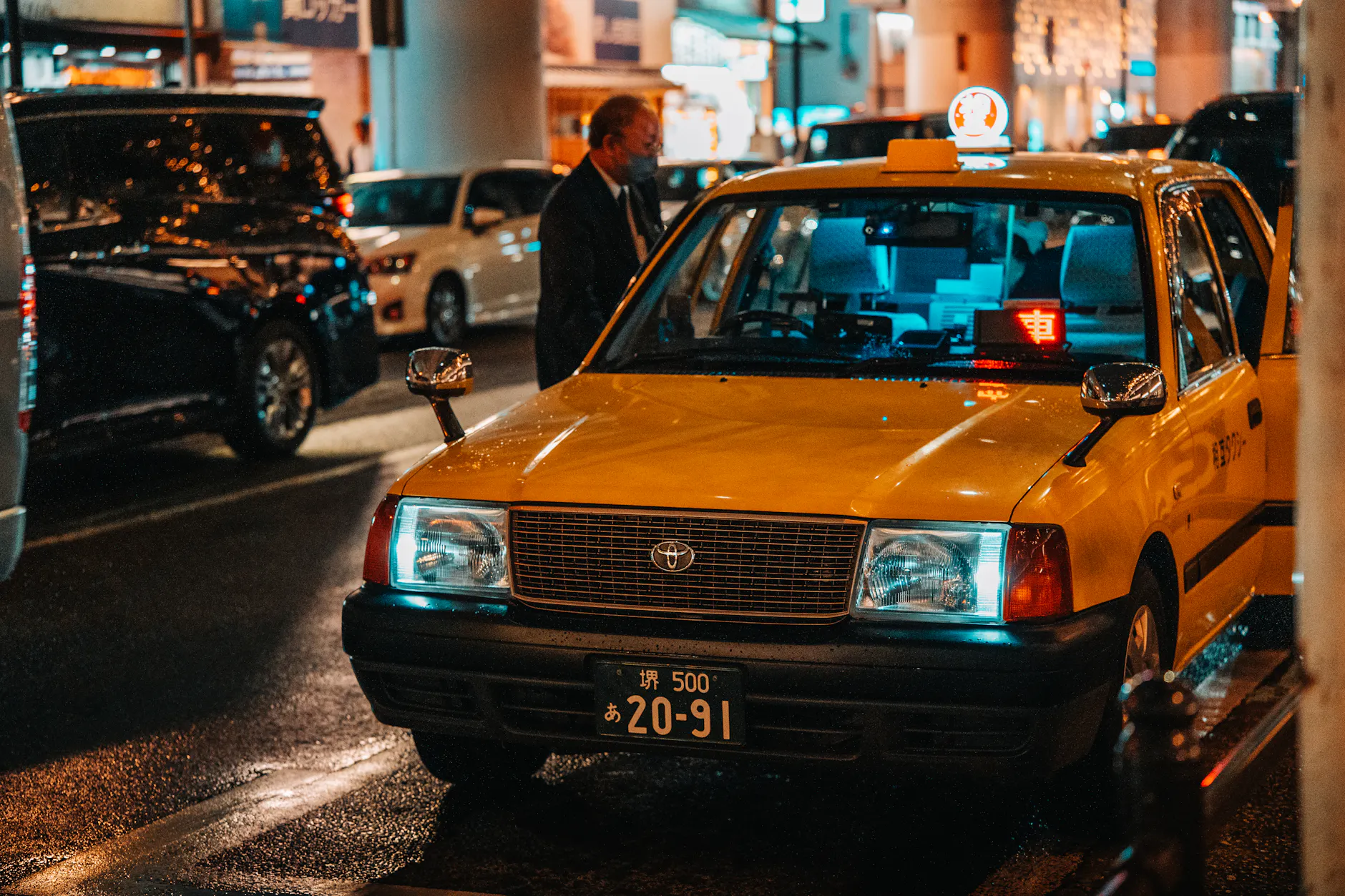
Japan drives on the left side of the road, and the steering wheel is on the right side of the car. If you come from the United States, Canada, Europe, Australia, or most of Asia, this is the single biggest adjustment you’ll need to make. It sounds simple enough until you pull out of a parking lot at 7am on your first morning and your brain defaults to 20 years of muscle memory — and you swing right straight into oncoming traffic.
The First 30 Minutes Are the Most Dangerous
Most accidents involving foreign drivers happen within the first hour of renting a car. Your instincts work against you at intersections, when turning, and especially when pulling out from a stop. Here’s how to stay safe from the moment you leave the rental lot:
- Repeat to yourself: “Keep left, keep left” every time you start moving after a stop.
- When turning left, swing wide. When turning right, cut tight — the opposite of what you’re used to.
- The passenger seat is on your left. Use it as a visual anchor — your passenger should always be closest to the center of the road.
- At roundabouts, traffic flows clockwise in Japan. Enter from the left, yield to cars already in the circle.
- Your windshield wipers and turn signals are often swapped compared to left-hand-drive cars. Expect to accidentally wipe your windshield the first few times you try to signal.
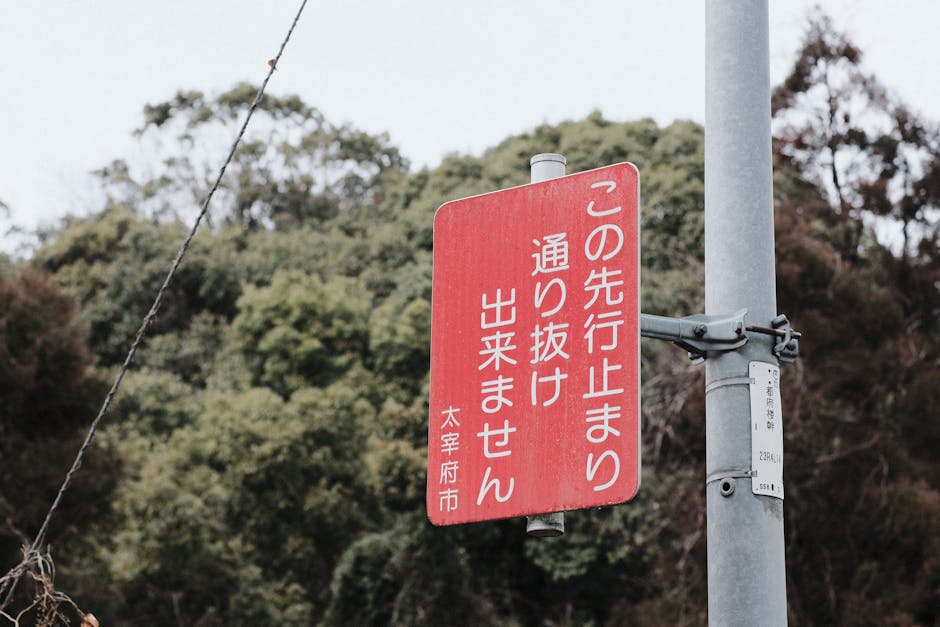
Narrow Roads in Japan Are No Joke
Japan’s rural roads and older urban neighborhoods feature lanes that feel barely wide enough for one car, let alone two. On mountain roads in areas like the Iya Valley in Shikoku or the backroads of Nikko, you’ll regularly encounter oncoming traffic on single-track lanes. The rule is simple: pull left as far as safely possible and reduce speed. One driver will need to reverse to a passing point — generally the one closest to a wider section reverses. Don’t expect the other driver to do it. Be patient, be courteous, and take it slow.
2. Speed Limits — City, Highway, Residential
Japan’s speed limits are strictly enforced, often by fixed and mobile cameras you won’t see until it’s too late. The limits are lower than many foreign drivers expect, especially on expressways. Here’s a clear breakdown:
| Road Type | Speed Limit | Notes |
|---|---|---|
| Urban/City Roads | 40–60 km/h | Most city streets default to 40 km/h unless signed otherwise |
| Residential Streets | 30 km/h | Zone 30 areas are common near schools and housing |
| National Routes | 50–60 km/h | Outside urban areas, may be up to 60 km/h |
| Expressways (highways) | 80–100 km/h | Some sections allow 120 km/h; always check posted signs |
Speed Cameras and Enforcement
Japan uses fixed overhead speed cameras, mobile police units, and unmarked patrol cars. Fines start at around ¥15,000 for minor violations and climb sharply for anything over 30 km/h above the limit. Speeds 30 km/h or more over the limit can result in criminal charges — not just a fine, but a court appearance. On the Tomei Expressway between Tokyo and Nagoya, a very common tourist route, cameras are frequent and well-known to local drivers.
Tolls — What to Budget
Japan’s expressway network is excellent but not free. Most major routes require toll payment, managed through an ETC (Electronic Toll Collection) system. For example, driving from Tokyo to Hakone costs about ¥2,500 in tolls one way via the Tomei Expressway and Odawara-Atsugi Road. A Tokyo to Kyoto round trip on the Tomei/Meishin expressways can run ¥10,000–¥15,000 in tolls alone. Always ask your rental company for an ETC card — without one, you’ll need to use cash lanes, which are slower and less convenient.
3. Road Signs — Japanese Signs You Must Know
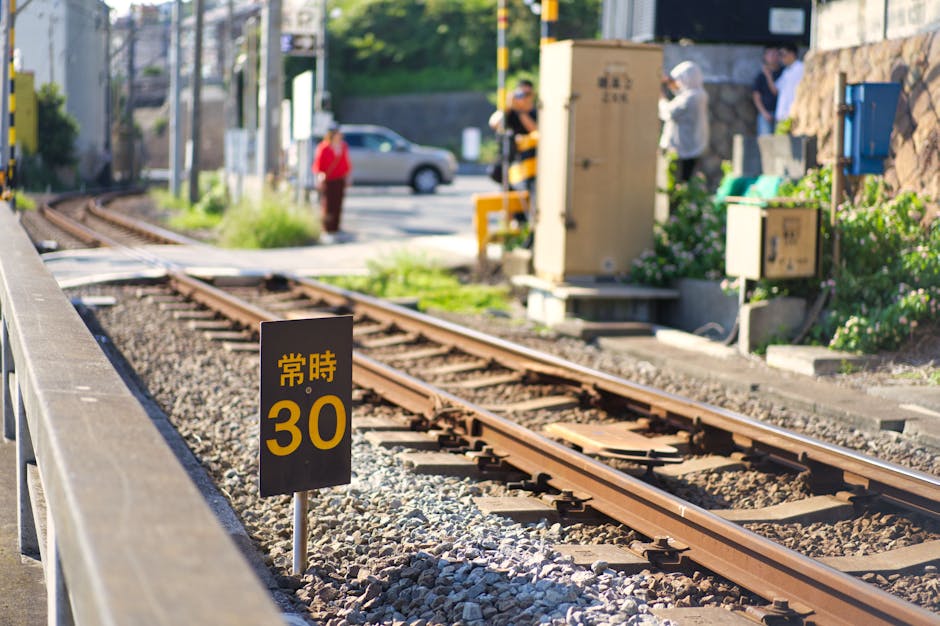
Japan’s road signs follow a mix of international conventions and uniquely Japanese formats. The good news: most regulatory signs use shapes and colors that are intuitive even without reading Japanese. The better news: major expressways and national routes increasingly include English beneath Japanese text. Here are the signs every foreign driver absolutely must recognize:
Critical Regulatory Signs
- Stop (止まれ / Tomare): A red inverted triangle (unlike the octagon used in most countries). This means full stop — rolling through a stop sign is a ticketable offense.
- No Entry: A red circle with a white horizontal bar — same as most countries. You’ll see these at one-way street entrances and restricted areas.
- Speed Limit: A red circle with a number inside. The number is in km/h.
- No Parking / No Stopping: A blue circle with a red diagonal cross. Two lines mean no stopping at all; one line means no parking (brief stopping to pick up passengers may be permitted).
- One Way (一方通行): A blue rectangular sign with a white arrow. Common in city centers like Osaka’s Namba district and central Kyoto.
- Pedestrian Crossing Ahead: A diamond-shaped yellow warning sign with a walking figure. Slow down immediately — Japanese pedestrians have right of way at marked crossings.
Signs Unique to Japan
- Beginner Driver (若葉マーク / Wakaba Mark): A green and yellow leaf symbol. Cars displaying this are driven by newly licensed drivers — give them extra space and patience.
- Senior Driver (もみじマーク / Momiji Mark): An orange and yellow leaf. Drivers aged 75+ are required to display this mark.
- Railroad Crossing Warning: An X-shaped white sign on a red background. Always stop, look both ways, and never cross if the barriers are down or lights are flashing.
4. Parking Rules — Where to Park, Coin Parking, Violations
Parking in Japan is a completely different experience from most countries. Street parking is almost nonexistent in cities, and simply leaving your car on the side of the road — even briefly — is treated as a serious violation. The upside is that Japan has an incredibly well-developed network of private pay-per-use car parks, known as coin parking (コインパーキング).
How Coin Parking Works
Coin parking lots are everywhere in Japan — you’ll find them tucked between buildings, on vacant lots, and beneath shopping centers. They typically operate using one of two systems:
- Flap system: A metal plate rises under your car when you park. When you’re ready to leave, pay at the machine, the flap lowers, and you drive out. Easy.
- Gate system: A barrier at the entry and exit. Take a ticket on entry, pay on exit at a machine.
Rates vary widely by location. In central Tokyo — say, around Shinjuku or Shibuya — expect to pay ¥400–¥600 per 30 minutes. In provincial cities like Matsumoto or Kanazawa, you’ll find rates as low as ¥100 per hour. Overnight caps (typically ¥500–¥1,500) are common and great value if you’re staying overnight at a ryokan or hotel without dedicated parking.
Parking Violations in Japan
Japan deploys parking enforcement officers (called 駐車監視員) who patrol on foot and issue violation notices attached to windshields. The fine for illegal parking is typically ¥15,000. More seriously, your car can be towed — and retrieval involves a tow fee of around ¥30,000 or more plus the fine. As a foreign driver, unpaid fines can be flagged at the airport on departure. Don’t risk it. Japan’s convenience means there is almost always a coin parking lot within 200 meters of wherever you want to go.
5. Drink Driving — Zero Tolerance Policy
This section deserves its own category because Japan’s approach to drink driving is among the strictest in the developed world. It is not just a traffic offense — it is treated as a criminal matter, and the law catches far more people than you might expect.
The Legal Limits
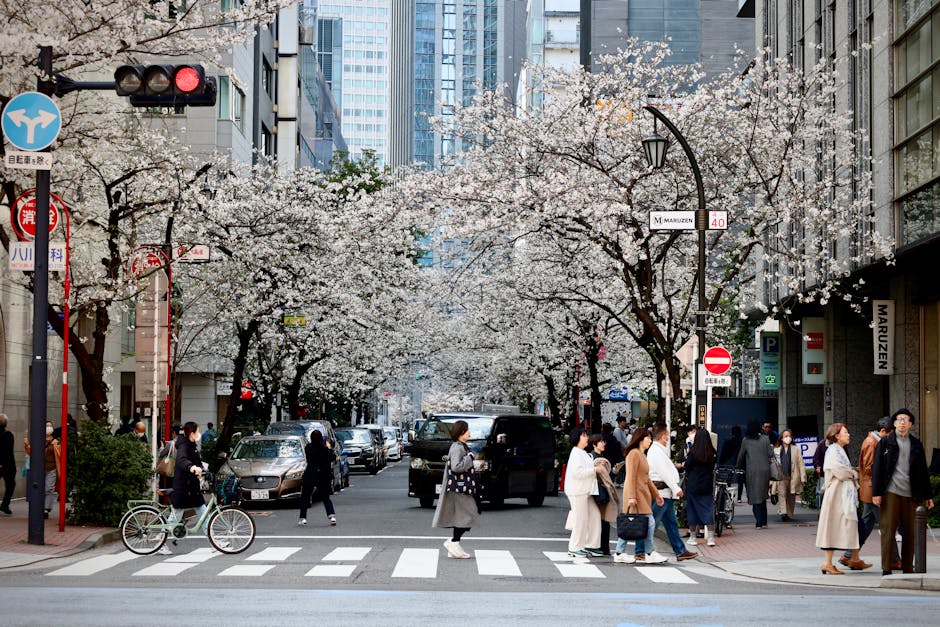
Japan’s blood alcohol limit for drivers is 0.03% BAC (breath alcohol: 0.15mg per liter) — roughly half the limit of the United States (0.08%) and lower than most European countries. In practice, this means that even one standard drink — a single beer, a glass of wine, a measure of sake — can push some people over the limit. The only truly safe approach is zero alcohol if you are driving.
The Penalties Are Severe
| Offense | Penalty |
|---|---|
| Driving under influence (0.03–0.08% BAC) | Up to 3 years imprisonment or fine up to ¥500,000 |
| Driving drunk (over 0.08% BAC) | Up to 5 years imprisonment or fine up to ¥1,000,000 |
| Allowing drunk passenger to drive your car | Same criminal penalties as the driver |
| Serving alcohol to a driver | Criminal liability — up to 3 years or ¥500,000 |
6. Phone Use & Seatbelt Laws
Mobile Phone Rules While Driving
Using a handheld mobile phone while driving in Japan is illegal and carries significant penalties. This includes talking, texting, checking navigation, or any form of manual phone interaction. The rules are as follows:
- Handheld phone use while driving: Fine of up to ¥180,000 and/or up to 6 months imprisonment (as of revised 2019 Road Traffic Act)
- If phone use causes an accident: Up to 1 year imprisonment or fine up to ¥300,000
- Hands-free use (Bluetooth, mounted phone): Legal, but you must not interact with the phone screen while moving
The practical advice is straightforward: mount your phone or GPS before you start driving, set your destination, and don’t touch it again until you’ve parked. If you need to adjust navigation, pull over safely first.
Seatbelt Laws
All occupants of a vehicle in Japan — front and rear — must wear seatbelts at all times. This is a legal requirement, not a recommendation. The driver is legally responsible for ensuring all passengers are buckled, including adults in the back seat. Fines for seatbelt violations are relatively minor (around ¥5,000–¥7,000), but the more important issue is that Japanese traffic police do actively check. Child seat use is mandatory for children under six years old. Rental companies are required to provide child seats if requested in advance — confirm this when booking.
7. What to Do After an Accident
Nobody plans for an accident, but knowing exactly what to do in Japan’s legal framework before you need it could save you from a very complicated situation. The steps are specific and the order matters.
Step-by-Step: Accident Response
- Stop immediately. Leaving the scene of an accident — even a minor one — is a serious criminal offense in Japan, equivalent to a hit-and-run. Do not move the vehicle until police arrive, unless it is blocking traffic and you must move it for safety.
- Call 110 (Police). Any road accident must be reported to police. Call 110 — operators have English support available (ask for an English speaker). They will want your location, the nature of the accident, and whether anyone is injured.
- Call 119 (Ambulance/Fire) if anyone is injured. Even if injuries seem minor, call 119. Japanese emergency services respond quickly and will advise you what to do.
- Do not admit fault or apologize. In Japanese culture, apologizing is natural and instinctive. However, saying sumimasen or “I’m sorry” at an accident scene can be legally construed as admitting liability. Wait for police to make an official determination.
- Exchange information. Get the other driver’s name, contact details, vehicle registration number, and insurance information. Take photos of both vehicles, the scene, and any damage.
- Contact your rental company. Call your rental company’s emergency line immediately. They will guide you through the process and notify the insurance provider. Samurai Car Japan and most reputable rental agencies have 24-hour support lines for exactly this situation.
- Get a police incident report number (事故証明書 / Jiko Shōmeisho). You’ll need this for insurance claims. Police will issue you a reference number at the scene.
8. Common Mistakes Foreign Drivers Make
After reviewing dozens of traveler reports and speaking with rental staff, here are the most frequent — and most avoidable — errors that foreign drivers make when navigating japan traffic rules as foreigners. Learn from other people’s expensive lessons.
1. Not Bringing a Valid International Driving Permit (IDP)
Japan accepts IDPs issued under the 1949 Geneva Convention. This covers drivers from most countries, including the US, UK, Australia, Canada, Germany, France, and many others. However, drivers from Switzerland, France, Germany, Belgium, Monaco, Slovenia, and Taiwan have different arrangements — some can use their home country license with a certified Japanese translation. Check before you travel. An IDP not valid for Japan will result in your rental being refused and any driving you’ve done being technically illegal.
2. Driving Without Understanding ETC
Electronic Toll Collection (ETC) lanes are faster, cheaper (discounts apply), and the default on most expressways. Driving into an ETC lane without an ETC card will trigger alarms and may require you to reverse — which is extremely dangerous. Always confirm your rental includes an ETC card and that it has a positive balance.
3. Ignoring the Left Turn on Red Rule
Unlike in the US where right turns on red are often permitted, Japan does not generally allow turning on red. You must wait for a green light, full stop, in both directions. Some intersections have a dedicated green arrow for left turns, but these are explicitly marked. When in doubt, wait.
4. Parking in Loading Zones or Bus Stops
The no-stopping zones near bus stops and loading areas are aggressively enforced. Even stopping for 30 seconds to drop off a passenger in a prohibited zone can result in a ticket. Look for the blue circle with a red cross before you stop anywhere.
5. Entering Bus-Only or Taxi-Only Lanes
Major cities like Tokyo, Osaka, and Nagoya have dedicated bus lanes that are active during rush hours (typically 7–9am and 5–8pm). These are marked with yellow paint on the road and signs. Driving in them during restricted hours is a violation. Check the road markings carefully in city centers.
6. Underestimating Highway Tolls
Many foreign drivers budget for fuel but forget to account for tolls. A trip from Tokyo to Kyoto via the Tomei and Meishin Expressways costs around ¥5,000–¥8,000 one way in tolls. Round trip, that’s potentially ¥16,000 just in tolls — before fuel. Budget accordingly, especially for multi-day road trips.
7. Assuming Rural Roads Are Safe to Speed On
Japan’s countryside roads are beautifully maintained and often empty — which makes it tempting to push the speed limit. But many rural roads have fixed cameras, and local police patrol them too. Mountain roads like those in the Shizuoka highlands or the roads leading to Shirakawa-go in Gifu are scenic but have sharp bends, wildlife crossings, and narrow sections that demand low speeds regardless of the legal limit.
9. Frequently Asked Questions About Japan Traffic Rules for Foreigners
Do I need an International Driving Permit to rent a car in Japan?
Yes, in most cases. Most foreign nationals driving in Japan need an International Driving Permit (IDP) based on the 1949 Geneva Convention, along with their home country driver’s license. The key exception is drivers from Taiwan, who can use their license with an official Japanese translation. Always confirm your specific country’s requirements with your nearest Japanese embassy or the Japan Automobile Federation (JAF) before traveling.
Can I use my smartphone for navigation while driving in Japan?
You can use your smartphone as a GPS, but it must be mounted in a holder and you must not touch the screen while the car is moving. Set up your route before you start driving. Using a phone handheld in any way while driving is illegal and carries fines of up to ¥180,000. Rental cars from providers like Samurai Car Japan in Shibuya typically come with English GPS units built in, which makes this much simpler.
What happens if I get a parking fine as a tourist?
Parking fines issued to rental cars are typically forwarded to the rental company, who will then charge the amount plus an administrative fee to your credit card after you return home. Rental agreements almost universally include a clause allowing this. Fines range from ¥15,000 for standard violations. Ignoring them is not an option — they will follow you.
Is there a zero-tolerance drink driving law in Japan?
Effectively, yes. Japan’s BAC limit of 0.03% is so low that even one standard drink may put some people over the limit. The safest and smartest policy is absolute zero — do not drink at all on any day you plan to drive. The criminal penalties, including imprisonment and deportation risk for foreign nationals, make this a non-negotiable rule for any sensible traveler.
Can I rent a JDM sports car in Japan as a tourist?
Yes, absolutely — and this is one of the most exciting aspects of driving in Japan. Samurai Car Japan, based in Shibuya, Tokyo, offers an exclusive fleet of authentic JDM vehicles including iconic Japanese sports cars that you simply cannot rent anywhere else in the world. They provide full support for foreign drivers including International Driving Permit guidance, English GPS, and ETC cards. It’s genuinely one of the best ways to experience Japan on four wheels.
What should I do if I don’t speak Japanese and I’m stopped by police?
Stay calm and be polite. Japanese traffic police are professional and accustomed to encountering foreign drivers, especially in tourist areas. Have your IDP, home country license, rental agreement, and passport readily accessible. If there is a language barrier, police can request an interpreter. You can also call your rental company — most have bilingual staff who can assist with communication. Never become agitated or confrontational; Japanese police take demeanor very seriously.
Ready to Hit the Road?
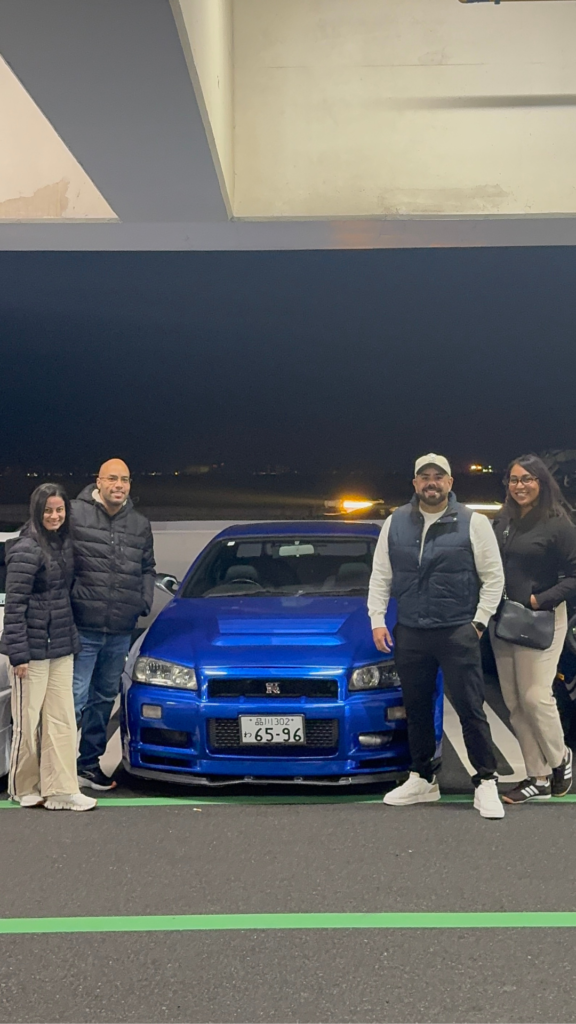
Samurai Car Japan in Shibuya, Tokyo offers:
🇯🇵 Plan Your Japan Experience
JDM Car Rental
Drive a GT-R, Supra, RX-7, or Silvia on the roads they were built for. Hakone passes, Wangan highway, mountain touge — your dream JDM experience.
Daikoku PA Tour
Visit Japan’s most legendary car meet. Hundreds of modified cars, passionate owners, and the heartbeat of JDM culture. Guided weekend night tours available.
Photo Guide Tour
Capture stunning photos at locations only locals know. Hidden shrines, backstreet alleys, rooftop views, and golden hour spots for unforgettable shots.
Leave a Reply