Why Tokyo Is the Sushi Capital of the World
Tokyo has more Michelin-starred restaurants than any other city on earth — and sushi accounts for a huge portion of those stars. But you don't need a reservation months in advance or a ¥50,000 budget to eat world-class sushi here. Tokyo's sushi scene runs from ¥100-per-plate conveyor belts to intimate 8-seat omakase counters where the chef personally selects every piece.
Whether you're a first-time visitor on a backpacker budget or a food-obsessed traveler willing to splurge, this guide covers every tier of the Tokyo sushi experience.

Sushi Styles You'll Find in Tokyo

Before diving in, it helps to understand the different formats:
- Nigiri — Hand-pressed rice with fish on top. The quintessential Tokyo style (Edomae).
- Omakase — "Leave it to the chef." A set multi-course experience where you eat whatever the chef prepares. High-end, reservation required.
- Kaiten-zushi — Conveyor belt sushi. Plates circulate on a belt; you grab what you want. Great for budget dining.
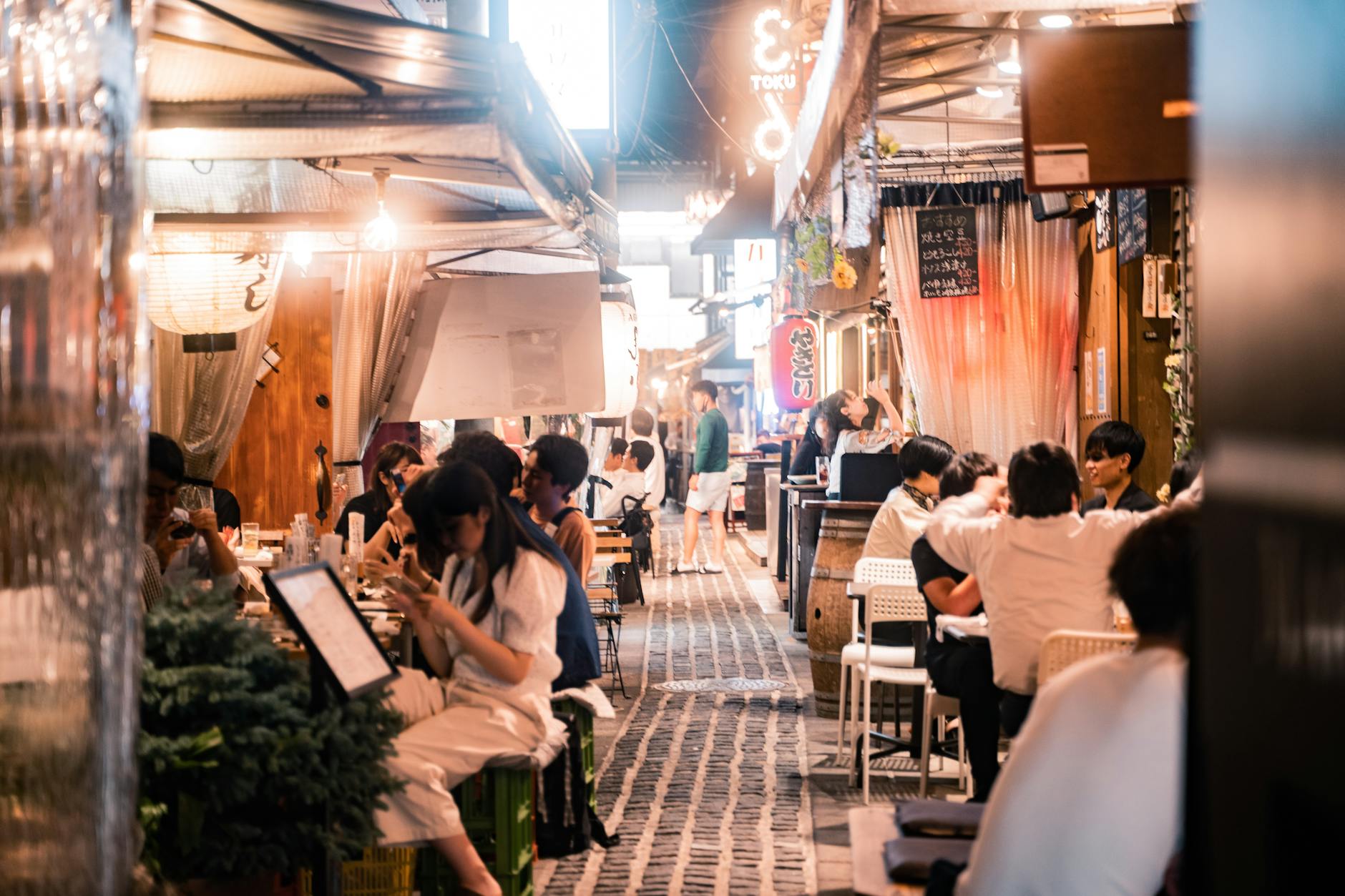
- Standing sushi bar (Tachinomi) — Eat at the counter, no seats. Fast, affordable, often exceptional quality.
- Chirashi — Scattered sushi (assorted fish over rice in a bowl). Popular for lunch sets.
Tsukiji Outer Market: The Classic Sushi Breakfast
Even though the main wholesale market moved to Toyosu, the Tsukiji Outer Market in Chuo ward remains one of the best places in Tokyo to eat sushi in the morning. Dozens of small stalls and restaurants open from around 5–6am, serving ultra-fresh tuna, sea urchin (uni), and fatty salmon to both tourists and restaurant workers.
Top picks in Tsukiji Outer Market:
- Sushi Dai (now at Toyosu Market) — The legendary 2-hour queue experience. Worth it once.
- Daiwa Sushi (Toyosu) — Another Toyosu classic with long queues but exceptional omakase sets around ¥4,500.
- Tsukiji Tamasushi — Outer market favourite with fresh tuna handrolls from ¥600.

Budget Sushi: Kaiten-Zushi Chains Worth Visiting

Japan's conveyor belt sushi chains are not an afterthought — the fish quality at the major chains genuinely surprises many visitors used to Western-style "sushi restaurants."
- Sushiro — Japan's most popular kaiten chain. Uses AI to minimise waste. Plates from ¥110. Order via touchscreen tablet.
- Kura Sushi — Known for the "bikkura-pon" gachapon reward system. Kid-friendly. ¥110 per plate base.
- Hamazushi — Similar price point to Sushiro, reliable quality, nationwide.
- Uobei Shibuya — Unique "bullet train" delivery system sends your order at speed along a track. Plates from ¥110.
Pro tip: Use the touchscreen to order, don't wait for the belt — your food arrives fresh and at the correct temperature.
Mid-Range Sushi: The Sweet Spot (¥3,000–¥8,000)
This is where Tokyo sushi really shines for most visitors. You'll get skilled chefs, fresh fish, and a proper counter experience without a 6-month waitlist.
- Sushi Zanmai (multiple locations) — Open 24 hours. Great value omakase sets from ¥3,500. Tsukiji location is iconic.
- Midori Sushi (Shibuya Hikarie, Umeda) — Famous for enormous portions of high-quality fish at mid-range prices. Expect queues.
- Nemuro Hanamaru (Shibuya, Ginza) — Hokkaido seafood at Tokyo prices. Seasonal specials featuring Hokkaido scallop and ikura.
- Sushi No Midori (Umegaoka) — A Tokyo institution. Huge, generous cuts of fish. Walk-in only; arrive early.
High-End Omakase: Tokyo's Michelin-Starred Counters
If budget isn't a concern, Tokyo's high-end sushi scene is unlike anywhere else in the world. These are intimate 8-12 seat counters where you sit face-to-face with a master chef who has spent decades perfecting each piece of nigiri.
- Sukiyabashi Jiro Honten (Ginza) — The restaurant that put Japanese sushi omakase on the world map. Three Michelin stars. Reservations require a hotel concierge booking, often 2+ months in advance. ¥35,000+.
- Sushi Saito (Roppongi) — Widely considered one of the best sushi restaurants in the world. Near impossible to book without a Japanese-speaking contact. ¥35,000+.
- Harutaka (Ginza) — More accessible than Saito, still exceptional. ¥25,000–¥35,000. Some English spoken.
- Sushi Yoshitake (Ginza) — Three Michelin stars, slightly more tourist-friendly booking process. ¥30,000+.
Important: Most high-end omakase restaurants require a Japanese phone number for reservations. Use your hotel concierge or a service like Tableall or Omakase to book as a tourist.
Toyosu Market: The New Tsukiji
Toyosu wholesale market replaced Tsukiji in 2018 and is now the world's largest fish market. The inner market isn't open to the public for the famous tuna auctions without pre-registration, but the Uogashi Yokocho restaurant floor in Building 6 is open to tourists from 5am and has some of the freshest sushi in the city.
Getting there: Yurikamome Line to Shijo-mae Station (5 minutes from Shin-Kiba on the Rinkai Line). Consider combining with a Palette Town or Odaiba visit.
Sushi Etiquette: What You Need to Know
- Hands or chopsticks? Nigiri was traditionally eaten by hand. Both are acceptable at all levels.
- Soy sauce — Dip the fish, not the rice. Excess soy sauce on rice is considered bad form at high-end places.
- Ginger — It's a palate cleanser between different fish, not a topping.
- Wasabi — At omakase restaurants, the chef applies the right amount. Don't add extra.
- Eat immediately — Nigiri is made to be eaten within 30 seconds. Don't let it sit.
- Photos — At kaiten and casual restaurants, fine. At omakase counters, ask first.
Getting Around Tokyo for Sushi
The best sushi restaurants are spread across Tokyo — Ginza has the highest concentration of high-end omakase, Shibuya and Shinjuku have great mid-range options, and Tsukiji/Toyosu are the go-to for morning fresh fish.
If you're planning to visit multiple food spots across the city, renting a car in Tokyo gives you maximum flexibility — especially for early morning Tsukiji visits before the trains get crowded. Samurai Car Japan offers JDM sports car rentals in Shibuya, perfect for exploring Tokyo in style between food stops.
Related Guides
🍜 Tokyo Ramen Street Guide
🛍️ Tokyo Shopping Guide
🌸 Things to Do in Asakusa
🍶 Best Izakayas in Tokyo
🇯🇵 Plan Your Japan Experience
JDM Car Rental
Drive a GT-R, Supra, RX-7, or Silvia on the roads they were built for. Hakone passes, Wangan highway, mountain touge — your dream JDM experience.
Daikoku PA Tour
Visit Japan's most legendary car meet. Hundreds of modified cars, passionate owners, and the heartbeat of JDM culture. Guided weekend night tours available.
Photo Guide Tour
Capture stunning photos at locations only locals know. Hidden shrines, backstreet alleys, rooftop views, and golden hour spots for unforgettable shots.
Book a Fish Market Tour
Get behind the scenes at Tokyo's famous fish market with an expert guide. See the tuna auction area, taste fresh sushi, and learn the market's history. Free cancellation.