Fujiko F. Fujio Museum (Doraemon Museum): Tickets & Guide
If you’ve ever laughed at Doraemon’s pocket full of gadgets, dreamed of sliding through an “anywhere door,” or grown up with the adventures of Nobita and his blue robotic cat, the Fujiko F. Fujio Museum in Kawasaki is a pilgrimage you won’t want to miss. This charming museum celebrates the life and works of Japan’s most beloved manga artist, offering an enchanting journey through the world of Doraemon and other iconic characters that have captured hearts across generations.
Known to many as the Doraemon Museum, this hidden gem provides an intimate look at the creative genius behind some of the most recognizable manga in Japanese history. Whether you’re a die-hard fan or simply curious about Japanese pop culture, the museum fujiko f fujio created offers an experience that bridges nostalgia with artistic appreciation.
In this comprehensive guide, I’ll walk you through everything you need to know to plan your visit, from securing tickets to exploring the museum’s treasures and enjoying the surrounding area.
Overview: Why Visit the Fujiko F. Fujio Museum
The Fujiko F. Fujio Museum opened in 2011 as a tribute to the legendary manga artist whose real name was Hiroshi Fujimoto. Together with his partner Motoo Abiko, he created the duo name “Fujiko F. Fujio” and produced some of Japan’s most enduring comics, including Doraemon, Ninja for sale, Kaibutsu-kun, and Obake no Q-Taro.
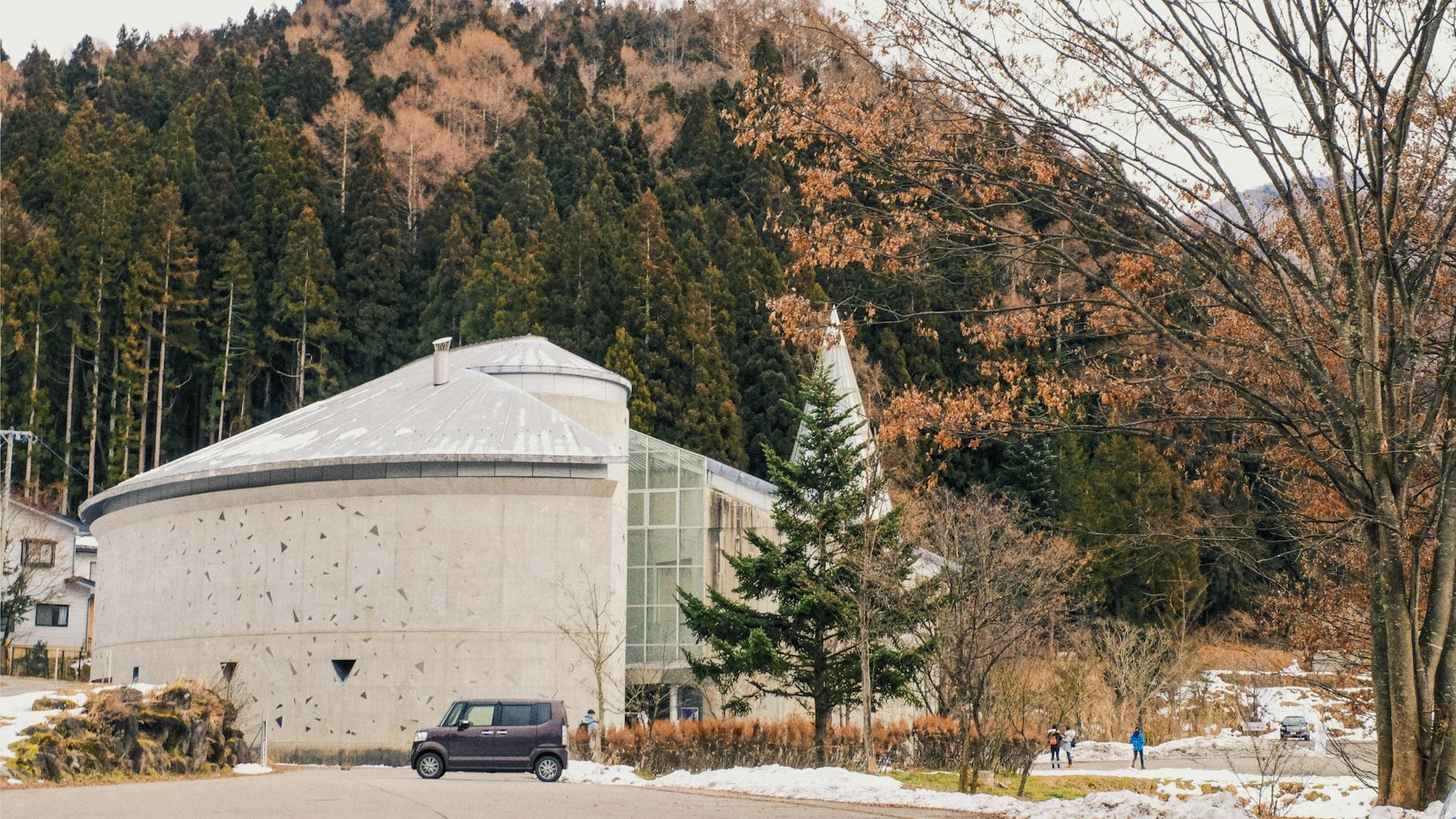
Located in the quiet residential area of Takatsu-ku in Kawasaki City, the museum occupies a three-story building designed to resemble a storybook come to life. The exterior features colorful murals of Doraemon and friends, immediately signaling that you’ve entered a special place where childhood memories come alive.
What makes this museum fujiko f fujio enthusiasts particularly special is its intimate scale. Unlike massive theme parks, this museum allows you to truly connect with the artwork and the artist’s journey. You’ll find original manuscripts, personal belongings, and detailed exhibits that showcase the evolution of Doraemon from a simple concept to the global phenomenon it became today.
The museum also houses a café serving themed dishes, a well-stocked gift shop with exclusive merchandise, and outdoor spaces perfect for photos with life-sized character statues. Plan to spend approximately 2-3 hours here to fully appreciate everything on offer.
Top Things to See and Do
1. Original Manga Manuscripts
The heart of the museum lies in its collection of original manga pages. Seeing the actual hand-drawn panels that defined your childhood is a humbling experience. You’ll witness Fujiko F. Fujio’s artistic progression through the decades, from his early works in the 1960s to the beloved Doraemon stories we know today.
2. The “Anywhere Door” Exhibit
No visit to the museum fujiko f fujio created would be complete without stepping through a life-sized replica of Doraemon’s iconic “anywhere door” (任意門). This bright red door is one of the most photographed spots in the museum, and visitors are encouraged to walk through it to experience that magical moment of stepping into any destination they desire.
3. Character Statues and Murals
The outdoor areas feature colorful statues of Doraemon, Nobita, Shizuka, Gian, and Suneo. The building’s exterior is adorned with elaborate murals depicting famous scenes from the manga. These make perfect backdrops for photos, so bring your camera or smartphone.
4. The Rooftop Garden
Head to the rooftop for a surprise—a charming garden with a giant Doraemon statue and benches shaped like various characters. It’s an excellent spot to relax and enjoy views of the surrounding neighborhood while reflecting on your favorite manga moments.
5. The Museum Café
The on-site café offers themed food and beverages that any Doraemon fan will appreciate. From Doraemon-shaped curry to “anywhere door” desserts, the menu is both delicious and Instagram-worthy. More details on dining are in the section below.
6. The Gift Shop
The museum shop stocks exclusive merchandise you won’t find elsewhere, including limited edition items, Japanese-language manga, and unique souvenirs. Prices range from ¥500 for small items to several thousand yen for premium products.
Food & Dining Recommendations
The Fujiko F. Fujio Museum’s café, appropriately named “Mame Cafe” (豆カフェ), offers a delightful array of themed dishes that make lunch or a snack part of the overall experience.
At the Museum Café
- Doraemon Curry (¥1,200-1,500): The restaurant’s signature dish—curry rice served with a cute Doraemon-shaped piece of cheese on top. It’s as delicious as it is photogenic.
- “Anywhere Door” Pasta (¥1,300): Colorful pasta that mimics the rainbow door’s appearance.
- Character Bento Boxes (¥1,500-2,000): Pre-set meals featuring Doraemon and friends made from rice and ingredients.
- Themed Drinks and Desserts (¥500-800): Look for Doraemon-shaped cakes, puddings, and specialty coffees.
The café operates on a first-come, first-served basis, and there’s often a queue during peak times. Alternatively, you can bring your own food and enjoy it in the designated outdoor eating areas.
Nearby Dining Options
If you want to explore beyond the museum café, the Noborito area has several restaurants and izakaya (Japanese pubs):
- Japanese Curry Houses: Kawasaki is known for its curry scene, and you’ll find several curry shops near the station (¥700-1,200 per dish).
- Ramen Shops: Several local ramen establishments serve regional specialties (¥800-1,200 per bowl).
- Cafés and Bakeries: Small cafés in the residential area offer light meals and coffee (¥500-1,000).
Getting There
Reaching the Fujiko F. Fujio Museum is straightforward, though it requires a bit of walking or a shuttle bus ride from the nearest station.
From Tokyo
The museum is located in Kawasaki City, just south of Tokyo. Here are the most convenient routes:
Via Odakyu Line (Recommended):
- Take the Odakyu Odawara Line from Shinjuku Station to Noborito Station (野百合駅)
- Travel time: approximately 25-30 minutes
- Cost: ¥370 (using Suica/Pasmo IC card) or ¥390 (single ticket)
- From Noborito Station, it’s a 15-minute walk or a free shuttle bus to the museum
Via JR Nambu Line:
- Take the JR Nambu Line from Shinjuku or Tokyo Station to Noborito Station
- Travel time: approximately 30-40 minutes from Shinjuku
- Cost: ¥380-440 depending on your starting point
From Yokohama:
- Take the JR Nambu Line from Yokohama Station to Noborito Station
- Travel time: approximately 20 minutes
- Cost: ¥290
From the Station to the Museum
From Noborito Station’s south exit, you have two options:
- Free Shuttle Bus: Runs every 15-20 minutes. Look for the Doraemon-decorated bus. Journey takes about 10 minutes.
Museum Address: 2-8-1 Kamakura, Takatsu-ku, Kawasaki-shi, Kanagawa-ken 213-0001
Best Time to Visit
Timing your visit strategically can significantly enhance your experience at the museum fujiko f fujio fans travel so far to see.
Seasonal Considerations
Spring (March-May): The weather is mild and pleasant, perfect for exploring the outdoor areas. Cherry blossoms in the Kawasaki area add extra beauty to your photos, though the museum itself doesn’t have prominent sakura trees.
Summer (June-August): Hot and humid, but the museum’s air-conditioned interior provides relief. The summer holidays (mid-July to late August) are extremely crowded. If visiting during this period, book tickets for weekdays and arrive early.
Autumn (September-November): Another excellent time to visit. The weather is comfortable, and the autumn foliage in nearby areas provides beautiful scenery. Late October to mid-November offers the most colorful displays.
Winter (December-February): The least crowded season, making it ideal for a more relaxed visit. The outdoor areas are less appealing in cold weather, but the museum interior is warm and cozy.
Day of the Week
Weekdays (Tuesday-Friday): Significantly less crowded than weekends. These are the best days for a peaceful experience, though note the museum is closed on Tuesdays (or Wednesday if Tuesday falls on a holiday).
Weekends and Holidays: Expect larger crowds, especially during Japanese public holidays, Golden Week (late April to early May), and Obon (mid-August). Tickets sell out much faster for these periods.
Time of Day
The museum opens at 10:00 AM and closes at 6:00 PM (last entry at 5:30 PM). Arriving when the museum opens gives you the best chance of experiencing exhibits with fewer crowds. The café tends to get busiest around lunch hours (12:00-1:30 PM).
Pro Tips for Your Visit
After helping countless travelers plan their Japan trips, here are the insider tips that will make your Fujiko F. Fujio Museum visit smoother and more enjoyable:
- Book tickets early, very early. The museum operates on a timed-entry system, and tickets are released about 2-3 months in advance. Use the official website (in Japanese) or book through convenience store ticket machines (Lawson, 7-Eleven, FamilyMart).
- Bring your camera. Photography is allowed in most areas (no flash). You’ll want to capture the murals, statues, and themed food.
- Learn a few Japanese phrases. While some staff speak English, many signs and explanations are in Japanese. Having a translation app handy helps.
- Combine with other attractions. Kawasaki has more to offer—consider pairing your museum visit with Todoroki Valley, a beautiful urban ravine, or the Kawasaki City Museum.
- Check the calendar. The museum may have special exhibitions or events throughout the year. The official website lists current offerings.
- Bring cash. While some shops accept credit cards, many smaller vendors in the area are cash-only. The museum café and gift shop generally accept cards, but cash is safer for nearby establishments.
Nearby Day Trips and Combinations
Since you’re already in Kawasaki, why not make the most of your trip? Here are some excellent nearby attractions to combine with your museum visit:
Todoroki Valley (等々力渓谷)
A hidden urban oasis just one stop away from Noborito Station (or a 20-minute walk from the museum). This small but beautiful ravine features a stream, walking paths, and a peaceful atmosphere—perfect for escaping the city bustle. Free to visit, open year-round.
Kawasaki City Museum
Learn about the history and culture of Kawasaki, one of Japan’s largest industrial cities. The museum offers interesting exhibits on local history, industry, and daily life. Located near Todoroki Station. Admission: ¥300-500.
Shinjuku or Harajuku
Since you’re coming from central Tokyo, consider making a day of it. Visit the museum in the morning, then head to Shinjuku for shopping and dinner, or Harajuku for youth culture and Takeshita Street.
Kamakura
While technically a separate city, Kamakura is easily accessible from the museum area. This historic beachside town features the famous Great Buddha (大仏), numerous temples, and a charming pedestrian shopping street. Consider visiting Kamakura on a different day for a complete cultural experience.
Frequently Asked Questions
How do I buy tickets for the Fujiko F. Fujio Museum?
Tickets must be purchased in advance and cannot be bought at the door. You can book through the official museum website (in Japanese) or at convenience store ticket machines (Lawson, 7-Eleven, FamilyMart). Tickets are released approximately 2-3 months in advance and sell quickly, especially for weekends and holidays.
What are the museum’s opening hours and admission prices?
The museum is open from 10:00 AM to 6:00 PM (last entry at 5:30 PM). Admission is ¥1,000 for adults, ¥500 for high school students and below, and ¥300 for children ages 3 and up. Children under 3 enter free.
Is the museum suitable for young children?
Absolutely! The museum fujiko f fujio created is family-friendly and features many elements that children will love, including the character statues, themed café, and interactive exhibits. There’s also a small play area. However, note that most exhibit descriptions are in Japanese.
Can I take photos inside the museum?
Yes, photography is permitted in most areas of the museum without flash. However, some special exhibitions may have restrictions. Video recording is generally not allowed. Always check for signage indicating any photography restrictions.
What happens if I miss my scheduled entry time?
Tickets are sold for specific time slots, and entry is strictly enforced. If you arrive significantly late, you may not be allowed to enter. However, if you’re only slightly late (within 15-30 minutes), the staff may be accommodating. It’s best to arrive on time or early to avoid any issues.
🚗 Experience Japan’s Car Culture
While you’re exploring Japan, don’t miss the chance to experience the legendary JDM car scene. Our Daikoku PA Night Tour takes you to Japan’s most famous car meet — see Nissan GT-Rs, Toyota Supras, and hundreds of modified cars in their natural habitat.
[st_af id=”77″]
🇯🇵 Plan Your Japan Experience
JDM Car Rental
Drive a GT-R, Supra, RX-7, or Silvia on the roads they were built for. Hakone passes, Wangan highway, mountain touge — your dream JDM experience.
Related Articles
Daikoku PA Tour
Visit Japan’s most legendary car meet. Hundreds of modified cars, passionate owners, and the heartbeat of JDM culture. Guided weekend night tours available.
Photo Guide Tour
Capture stunning photos at locations only locals know. Hidden shrines, backstreet alleys, rooftop views, and golden hour spots for unforgettable shots.