What Is an Izakaya? Japan's Essential After-Work Institution
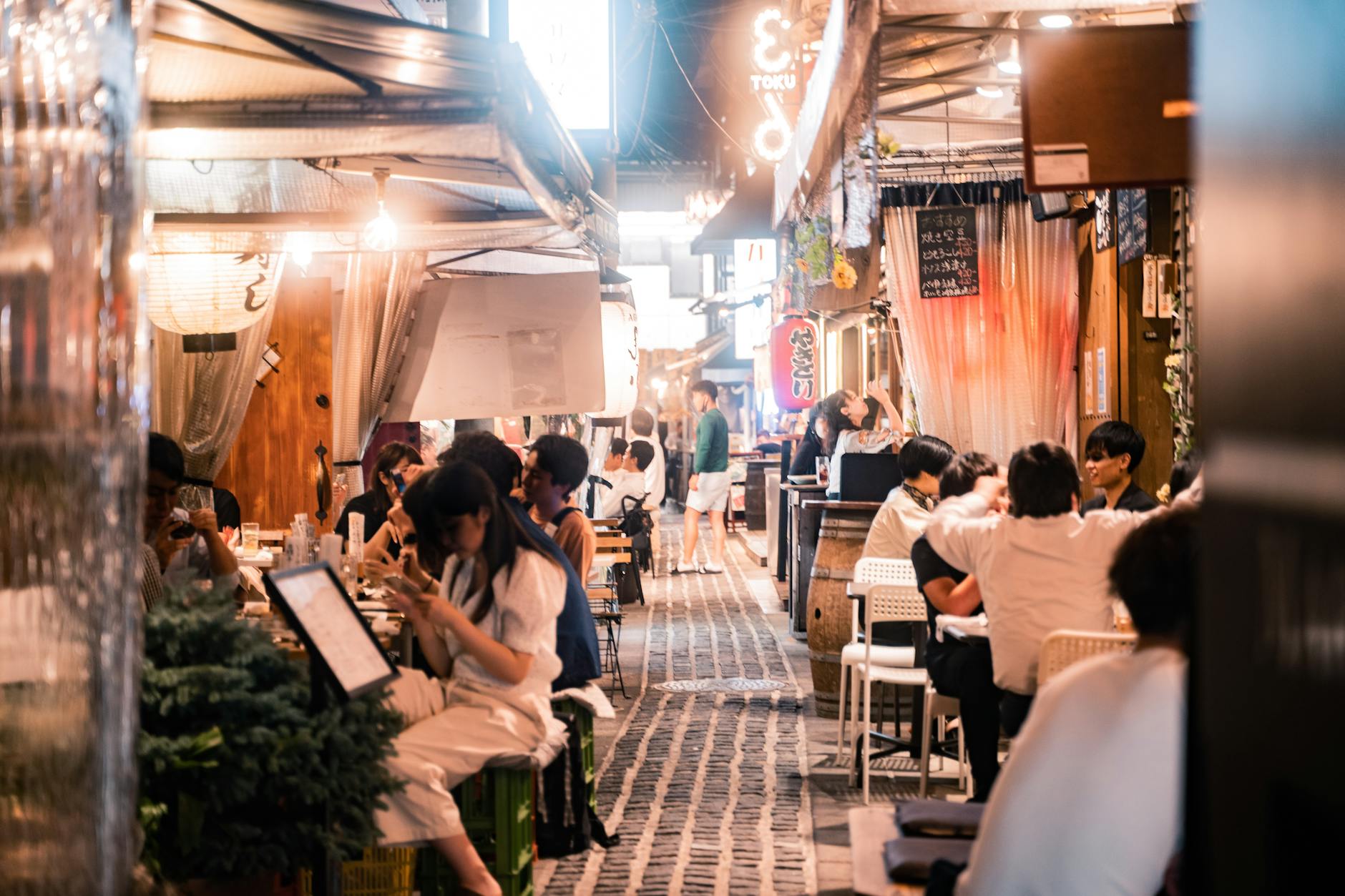
An izakaya (居酒屋) is something between a pub, a tapas bar, and a restaurant — a casual, convivial place where you order drinks alongside an ever-expanding parade of small dishes, stay for two hours minimum, and leave with new friends and a pleasantly fuzzy head.
The word combines i (to stay) and sakaya (sake shop) — so literally, "a sake shop where you can stay." That etymology tells you everything. You're not here for a quick meal. You're here to settle in.
Izakayas are where Japanese salarymen decompress after work, where friend groups celebrate, where first dates get comfortable, and where solo diners get a warm welcome at the counter. Understanding how they work unlocks one of Japan's most authentic and enjoyable social experiences.
How an Izakaya Works

The Otōshi (お通し) — Your Welcome Snack


The moment you sit down, a small dish called otōshi (or tsukidashi) will appear. You didn't order it, you can't refuse it, and it usually costs ¥300–600 per person. Think of it as a cover charge disguised as a snack — a small thing, often quite good, and part of the experience. Don't question it.
Ordering

At most izakayas you'll receive a tablet at the table for ordering — modern chains have these in English or with pictures. At traditional places, there may be handwritten menus on the wall and a server to call over by shouting "sumimasen!" (excuse me).


Order drinks first, then appetizers, then dishes as you go. There's no fixed order and no rush. Good izakaya visits are long izakaya visits.
Drinks
The standard first drink at an izakaya is nama bīru (draft beer) — specifically, "toriaezu nama!" (draft beer for now!) is a culturally embedded phrase meaning "let's start with beer while we figure out the rest." Common options:
- Nama bīru (生ビール) — draft beer; Asahi Super Dry, Sapporo, Kirin Ichiban
- Chūhai (酎ハイ) — shochu mixed with soda and fruit juice; light and refreshing, often lemon
- Highball (ハイボール) — Japanese whisky and soda; Suntory Kakubin is the classic izakaya highball
- Sake (日本酒) — served warm (atsukan) or cold (reishu)
- Shochu (焼酎) — distilled spirit, served on the rocks, with water, or hot water
- Non-alcoholic: oolong tea, juice, and tōhī (iced tea) are all readily available
Food — What to Order
Izakaya menus are vast. Standard dishes across most venues:

| Dish | Japanese | What It Is |
|---|---|---|
| Karaage | 唐揚げ | Juicy fried chicken, usually with lemon and mayo. Order this always. |
| Edamame | 枝豆 | Salted boiled soybeans. Free snack while you drink. |
| Yakitori | 焼き鳥 | Grilled chicken skewers; order "momo" (thigh), "tsukune" (meatball), "negima" (with green onion) |
| Agedashi Tofu | 揚げ出し豆腐 | Lightly battered fried tofu in a delicate dashi broth |
| Gyoza | 餃子 | Pan-fried pork dumplings with dipping sauce |
| Sashimi Moriawase | 刺身盛り合わせ | Assorted fresh sashimi; quality varies widely by venue |
| Takowasa | たこわさ | Raw octopus with wasabi; adventurous but delicious |
| Dashimaki tamago | 出汁巻き卵 | Japanese rolled omelette, sweet and savory |
| Potato Salad | ポテトサラダ | Japanese-style potato salad — creamier and better than you expect |
| 締めのご飯 | 締めのご飯 | "Shime" finishing dish — ramen, rice, or ochazuke to end the meal |
Best Izakaya Areas in Tokyo
Shinjuku — Omoide Yokocho & Golden Gai
The most atmospheric izakaya district in Tokyo. Omoide Yokocho (Memory Lane / Piss Alley) is a narrow alley behind Shinjuku Station west exit, packed with tiny yakitori stands that have been grilling skewers since the 1940s. Smoke, steam, and the hiss of hot coals — completely authentic.
Golden Gai takes the intimacy further — a labyrinth of 200+ bars, most fitting fewer than 10 people, each with a unique personality curated by its owner. Expect a ¥500–1,000 cover charge at most Golden Gai bars. Full Golden Gai Guide →
Yurakucho — Under the Tracks
The stretch of bars and izakayas beneath the JR Yamanote Line elevated tracks at Yurakucho is one of Tokyo's great hidden bar scenes. The low-ceiling brick arches, the rumble of trains overhead, the smell of grilled food, and the salaryman crowd make this feel like Tokyo as it was 40 years ago. Between Ginza and the Imperial Palace — excellent for a post-sightseeing drink.
Shibuya — Nonbei Yokocho
Nonbei Yokocho (Drunkard's Alley) in Shibuya is the quieter, more intimate alternative to Golden Gai. About 30 tiny bars line a single narrow lane just minutes from Shibuya Station. Less touristy, slightly more local, with great variety.
Ikebukuro — Affordable & Local
Ikebukuro has Tokyo's most affordable izakaya scene — slightly off the tourist trail, with a local, unpretentious crowd. The east exit area around Sunshine City and the west exit alleys near the station both have excellent options. Ikebukuro Guide →
Koenji & Nakameguro — Local Vibe
Koenji and Nakameguro both have neighborhood izakaya scenes beloved by Tokyo locals. Nakameguro's canal-side bars are particularly atmospheric — especially in cherry blossom season when the trees over the water are in full bloom.
Best Izakaya Chains (for First-Timers)
If you're nervous about language barriers or want a guaranteed experience, these chains are reliable, often have English menus or tablet ordering with pictures, and are found in most major Tokyo neighborhoods:
- Torikizoku (鳥貴族) — every single item ¥360 (inc. tax). The best budget izakaya chain in Japan. Every yakitori item, every drink. Incredible value.
- Watami (和民) — massive menu, reliable quality, good English tablet ordering, found everywhere
- Shirako (白木屋) — casual, young crowd, very tourist-friendly
- Uotami (魚民) — seafood-focused, good sashimi platters
- Sumibi Yakiniku Nakahara — premium charcoal yakitori, slightly higher price point but exceptional quality
Izakaya Etiquette for Foreign Visitors
- Don't pour your own drink — pour for others and let others pour for you. Refusing a pour is considered slightly rude.
- Itadakimasu before eating — say "itadakimasu" (roughly, "I humbly receive") before your first bite. It's not optional.
- Kanpai for toasts — glasses are clinked and "kanpai!" is shouted. Make eye contact. Not making eye contact on a kanpai is considered bad luck in Japanese superstition.
- Pay at the register, not at the table — at most izakayas, you pay on the way out, not when the check is brought. Ask for the bill with "okaikei onegaishimasu."
- Splitting the bill — "warikan" (split equally) is common. Just say "warikan de" to the staff and they'll split it.
- Last orders — most izakayas do "last order" (ラストオーダー) 30 minutes before closing. Listen for the announcement.
Izakaya Japanese: Key Phrases
| Phrase | Pronunciation | Meaning |
|---|---|---|
| すみません | Sumimasen | Excuse me / calling the server |
| とりあえず生! | Toriaezu nama! | "Draft beer for now!" — the classic izakaya opener |
| おすすめは何ですか? | Osusume wa nan desu ka? | What do you recommend? |
| おかわり | Okawari | Refill / another of the same |
| 乾杯! | Kanpai! | Cheers! |
| おいしい! | Oishii! | Delicious! (Use this often — staff love it) |
| お会計お願いします | Okaikei onegaishimasu | Check please |
Ready to Experience Tokyo's Pub Culture?
The izakaya is where Tokyo lets its hair down. After a day of temples, electronics stores, and observation decks, pulling up a stool at a smoky yakitori counter or cramming into a Golden Gai micro-bar with strangers who become friends over shared highballs — that's when you stop being a tourist and start understanding Japan.
Make a night of it. Order the karaage. Say kanpai. Stay too late. You're supposed to.
🇯🇵 Plan Your Japan Experience
JDM Car Rental
Drive a GT-R, Supra, RX-7, or Silvia on the roads they were built for. Hakone passes, Wangan highway, mountain touge — your dream JDM experience.
Daikoku PA Tour
Visit Japan's most legendary car meet. Hundreds of modified cars, passionate owners, and the heartbeat of JDM culture. Guided weekend night tours available.
Photo Guide Tour
Capture stunning photos at locations only locals know. Hidden shrines, backstreet alleys, rooftop views, and golden hour spots for unforgettable shots.
Explore Tokyo After Dark
Discover Tokyo's vibrant nightlife with a local guide. Hidden izakayas, street food, and the neon-lit back alleys that make Tokyo legendary. Free cancellation.