Shimanami Kaido by Car: The Ultimate Island-Hopping Drive from Tokyo to Imabari
There are road trips, and then there are road trips that fundamentally change the way you see a country. The Shimanami Kaido — Japan’s legendary island-hopping highway stretching across the Seto Inland Sea — firmly belongs in the second category. Six breathtaking bridges. Six islands draped in citrus groves, ancient shrines, and turquoise water views that stretch to every horizon. And unlike the cyclists and pedestrians who share this route, you’re doing it from behind the wheel, windows down, with the kind of freedom that only a car can give you.
This drive begins in the heart of Tokyo — specifically Shibuya, where you can pick up your rental car and point yourself west toward one of Japan’s most extraordinary coastlines. The route takes you from the charming hillside port town of Onomichi — the gateway to the Shimanami Kaido — across Innoshima, Ikuchijima, and Omishima islands, before finishing in Imabari on the island of Shikoku. Along the way you’ll pass through flower villages with a naval past, lemon groves tumbling down to glittering bays, a jaw-droppingly ornate Buddhist temple complex, and a 2,600-year-old shrine that guards 80% of Japan’s national treasure armor. Trust me — this one stays with you.
The total driving distance from Shibuya to Imabari is roughly 750–800 km and can be done as a multi-day road trip at whatever pace suits you. Most travelers spread it across 3–5 days to fully absorb everything the Seto Inland Sea has to offer. However you pace it, the drive itself is the experience — and it starts the moment you grab your rental car in Shibuya and merge onto the expressway heading west.
Route Overview: Tokyo to Imabari via the Shimanami Kaido
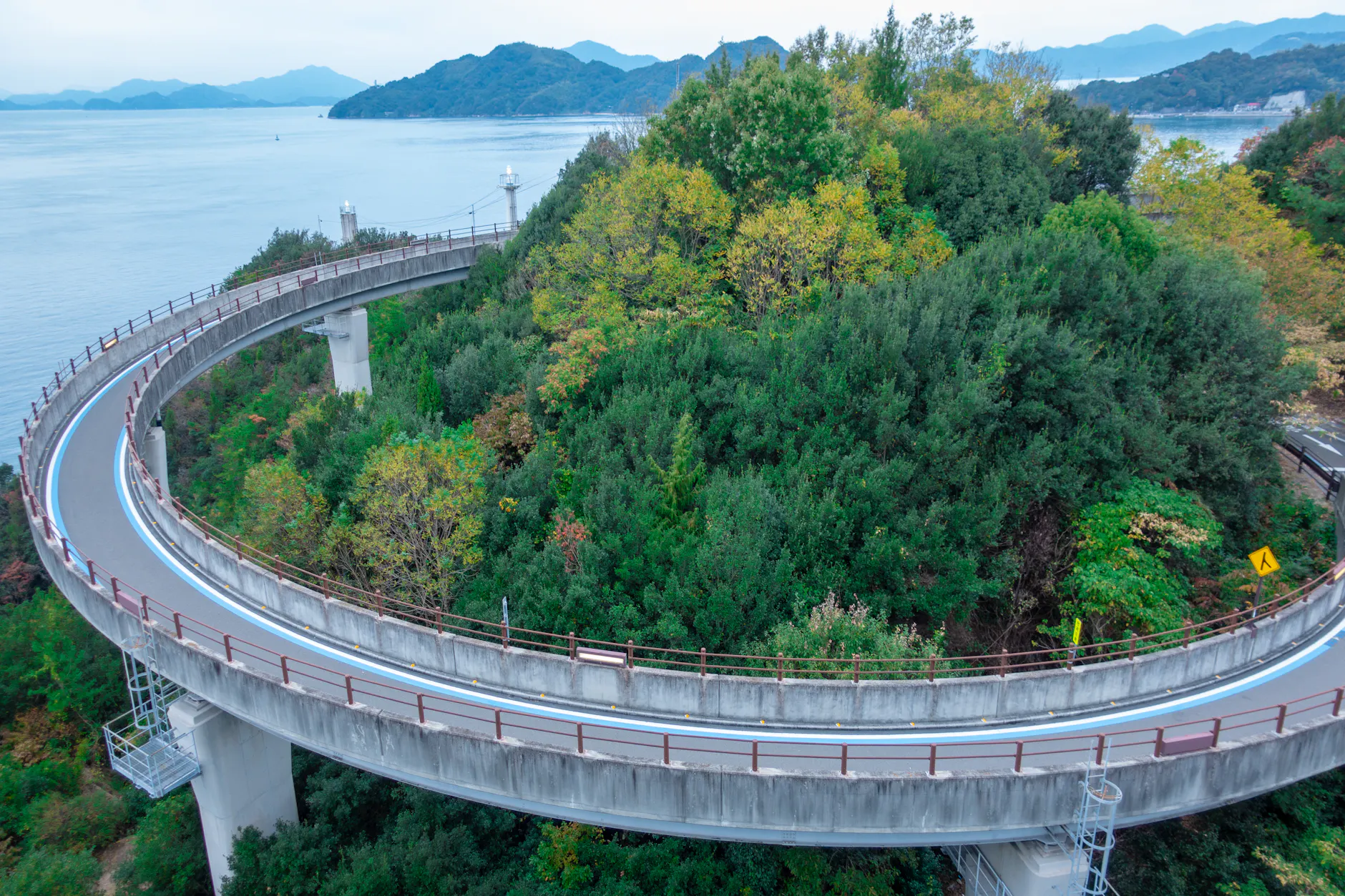
Here’s a bird’s-eye view of the full route, with estimated driving times between each major stop. These are driving times only — add sightseeing, meals, and photo stops on top.
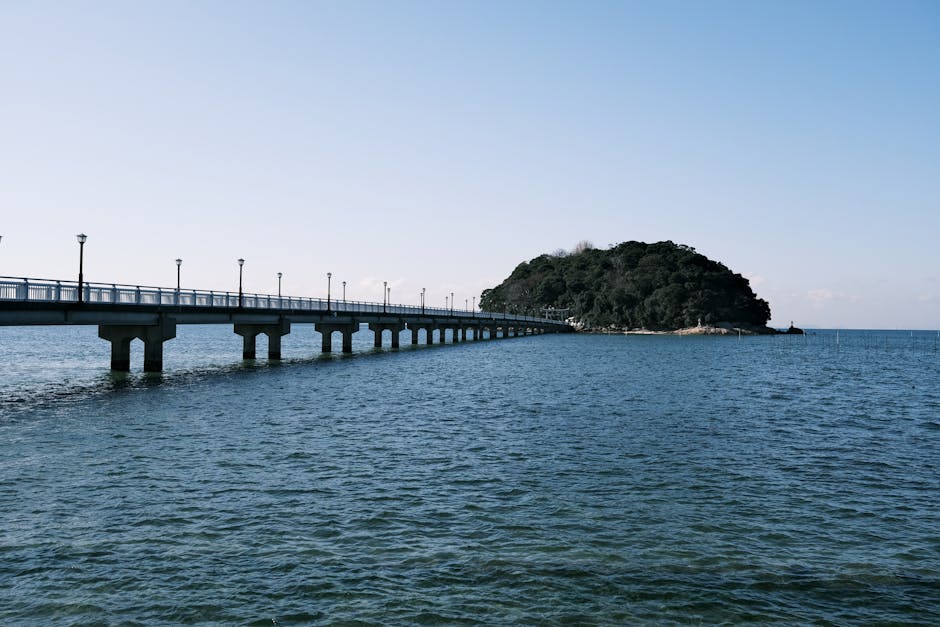
- Pick up your rental car at Samurai Car Japan in Shibuya, Tokyo — your journey begins here
- Shibuya → Onomichi: approx. 4.5–5 hours via the Sanyo Expressway (E2) — around 700 km. Best done as an overnight drive or the first leg of a multi-day trip.
- Onomichi → Innoshima Island: approx. 20–25 minutes via the Shin-Onomichi Bridge and Innoshima Bridge
- Innoshima → Ikuchijima Island: approx. 15 minutes via the Ikuchi Bridge
- Ikuchijima → Omishima Island: approx. 20–25 minutes via the Tatara Bridge
- Omishima → Imabari: approx. 35–40 minutes via the Hakata-Oshima Bridge and Kurushima Kaikyo Bridge
Total Shimanami Kaido driving distance (Onomichi to Imabari): approximately 60 km
Total expressway tolls (Tokyo → Onomichi, approx.): ¥10,000–¥13,000 depending on vehicle class and time of day (ETC rates apply)
Shimanami Kaido bridge tolls (Onomichi → Imabari, car): approximately ¥3,090 total with ETC
Recommended trip length: 3–5 days
🗺️ Open This Route in Google Maps
Opens in Google Maps app on mobile
Stop 1: Onomichi — The Hillside Gateway to the Inland Sea
After peeling off the Sanyo Expressway (E2) at the Onomichi IC, your first real taste of the Seto Inland Sea comes in the form of Onomichi — a compact, atmospheric port town that’s been charming artists, writers, and wanderers for over a century. The moment you drop down from the expressway and catch your first glimpse of the harbor with its islands floating in the distance, you’ll understand exactly why people love this place.
Onomichi sits on a narrow strip of land between a steep hillside and the sea. The streets are wonderfully old-school: temples perched on cliff edges, cats lounging on stone steps, retro shotengai (covered shopping streets) lined with coffee shops and handmade craft stores. It’s the kind of place you could wander for an entire afternoon and not cover the same ground twice.
What to See and Do
- Temple Walk (Onomichi Sando): A 2.5 km hiking path linking 25 temples along the hillside — you don’t need to do the whole thing, but walk enough to reach Senkoji Temple and its panoramic viewpoint over the harbor
- Onomichi Ropeway: If the legs are tired after the drive, take the ropeway to the hilltop for sweeping views of the Inland Sea — a great way to scout the islands you’re about to drive across
- Onomichi Waterfront: A lovely stroll along the harbor, especially at golden hour when the bridges glow in the distance
- Cat Alley (Neko no Hosomichi): A narrow stone path winding behind Tenneiji Temple, famous for its resident feline population
Driving Tips
From the Onomichi IC, follow Route 2 west toward the town center. Parking near the waterfront can be tight on weekends — aim for the Onomichi Port Parking Area near the ferry terminal, which has good capacity and costs around ¥200–¥300 per hour. Street parking is scarce and the lanes in the old town are genuinely narrow, so don’t attempt to drive into the hillside alleys.
How Long to Spend
Half a day minimum, ideally an overnight stay so you can start the Shimanami Kaido fresh in the morning when the light is phenomenal and traffic is minimal.
Stop 2: Innoshima Island — Flowers, Pirates, and Your First Island Bridge
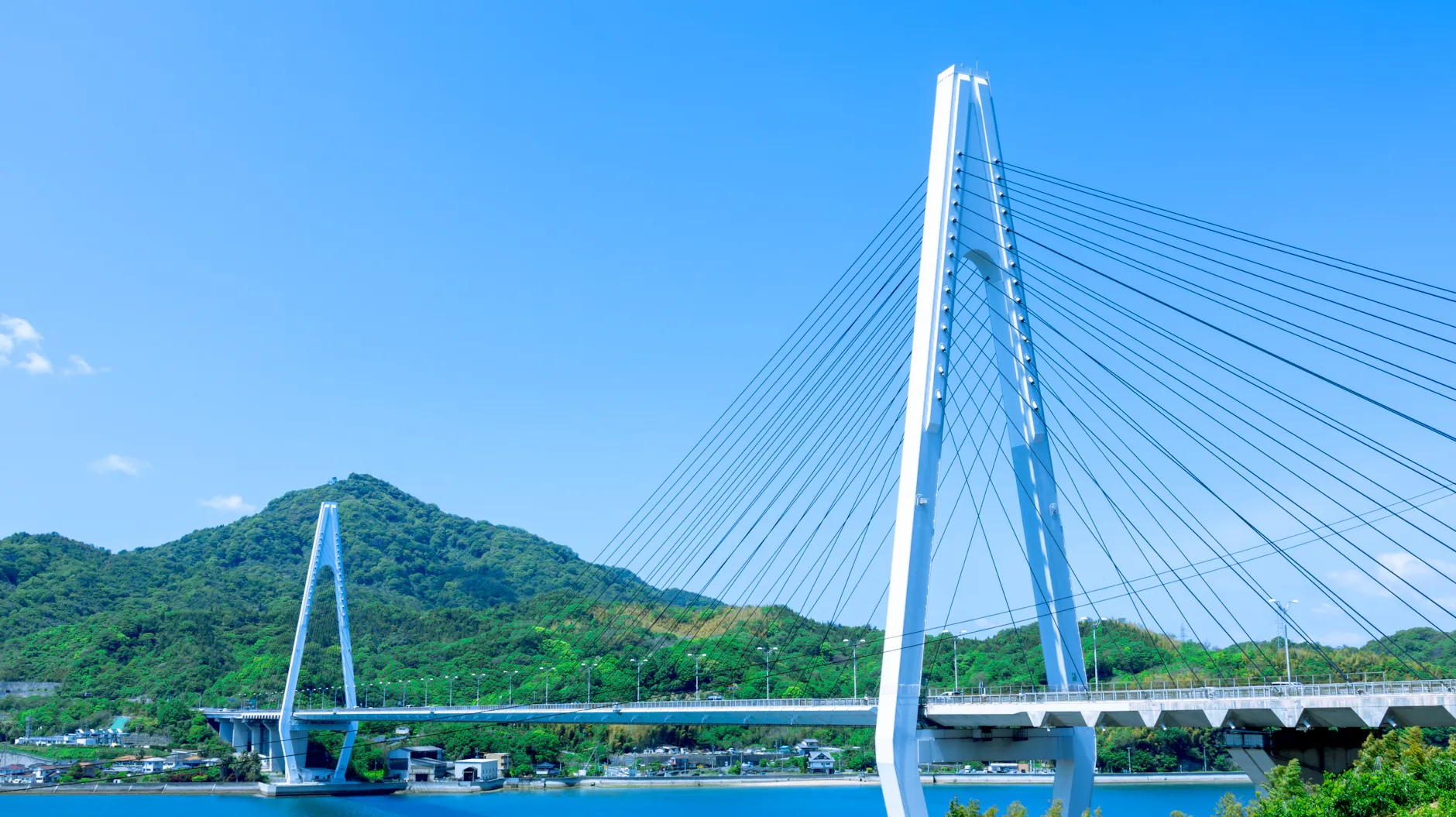
The moment you drive onto the Innoshima Bridge — a graceful suspension bridge completed in 1983 — you’ll feel that unmistakable buzz of driving somewhere genuinely spectacular. Beneath you, fishing boats trace white lines across the sea. Ahead, Innoshima rises green and welcoming. The bridge itself is a double-decker structure: cars use the upper deck while cyclists ride below, giving you an unusual but thrilling perspective from the road level.
Toll at Innoshima Bridge: approximately ¥510 (standard vehicle, without ETC) or included in the Shimanami Kaido cumulative toll with ETC card.
What to See and Do
- Innoshima Suigun Castle (Pirate Castle): A replica castle perched on a hilltop, built in honor of the Murakami Suigun — the naval clan that once controlled the Seto Inland Sea. The museum inside houses weaponry, ship models, and artifacts from the pirate era. Views from the top are well worth the short climb.
- Habu Port Flower Center: Innoshima is famous throughout Japan for its flower cultivation industry. The Flower Center near Habu Port showcases seasonal blooms — particularly stunning in spring when roses are in full display.
- Shimanami Cycling Oasis: Even if you’re not cycling, these rest stops dotted along the route make excellent photo and coffee breaks — the facilities are clean, friendly, and have great views.
Driving Tips
Once on the island, follow the blue cycling route markers — they’re well-signed and effectively double as a scenic car route through the island’s interior. The roads are narrow in places but well-maintained. There are no major roundabout hazards, but watch for cyclists at all times, especially near the bridge approaches.
Parking
Free parking is available at Innoshima Suigun Castle (small lot, arrives first-served). The Habu Port area has a public car park with free or low-cost parking and easy access to the ferry pier and flower center.
How Long to Spend
1.5–2 hours is comfortable for a highlights visit. Pirates and flowers — you really can’t go wrong.
Driving this route? We’ve got you covered.
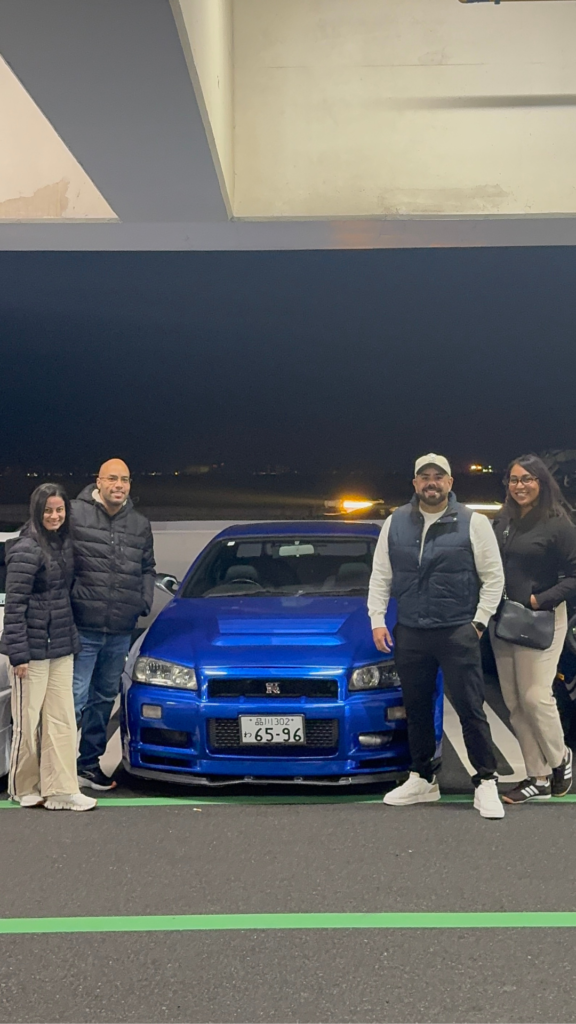
Hundreds of international visitors have driven this route with a car from Samurai Car Japan. Our team will brief you on road conditions, tolls, and the best stops before you set off.
Stop 3: Ikuchijima Island — Lemon Groves and a Temple Like No Other
Cross the Ikuchi Bridge from Innoshima and you arrive on Ikuchijima — arguably the most visually diverse island on the entire Shimanami Kaido. The approach is gorgeous: terraced hillsides covered in lemon, orange, and mandarin trees drop sharply toward a coastline that shimmers in every shade of blue. This is citrus country, and the warm sea air carries a faint sweetness that you’ll notice the moment you step out of the car.
But as enchanting as the lemon groves are, Ikuchijima’s real showstopper is something you absolutely cannot miss: Kosanji Temple.
Kosanji Temple — Japan’s Most Surprising Sacred Site
Kosanji Temple is one of those places that defies easy description. Built by industrialist Kouemon Kousan between 1936 and 1991 as a tribute to his mother, the complex is an extraordinary collage of architectural styles — parts of it are faithful recreations of Nikko Toshogu and Horyuji Temple, while other sections feel entirely otherworldly. Intricate gold and vermillion carvings, dragon-wrapped pillars, pagodas rising above the citrus trees — it’s simultaneously over-the-top and deeply moving.
Adjacent to the temple is the Hill of Hope (Mirai-shin no Oka) — a vast sculpture garden made entirely of brilliant white Carrara marble, designed by sculptor Kazumi Murata. The abstract human figures arranged across the hillside against a backdrop of blue sea and sky create one of the most photogenic scenes in all of western Japan. Come here at any time of day and you’ll want to stay twice as long as planned.
- Kosanji Temple admission: ¥1,400 (includes Hill of Hope)
- Opening hours: 9:00 AM – 5:00 PM
- Parking: Large free car park directly adjacent to the temple entrance
Setoda Town
The small harbor town of Setoda, where Kosanji is located, is also worth a short wander. The covered shopping street has some lovely old-fashioned shops selling preserved lemons, lemon liqueur, and handmade crafts. Stop at one of the small cafes for a lemon tart and an espresso — you’ve earned it.
Driving Tips
From the Ikuchi Bridge toll, follow the blue cycling signs toward Setoda — it’s well-signed and takes about 10 minutes. The road through Ikuchijima’s interior passes some genuinely beautiful citrus grove scenery; resist the urge to look at your phone and just drive slowly and enjoy it. Pull over when you see a good viewpoint — there are several informal layby spots on the hill road above Setoda with spectacular sea views.
How Long to Spend
2–3 hours minimum. Kosanji alone warrants 1.5–2 hours, and you’ll want time in Setoda.
Stop 4: Omishima Island — Ancient Shrine, Ancient Armor
The crossing from Ikuchijima to Omishima takes you over the Tatara Bridge — and this is one of the defining driving moments of the entire Shimanami Kaido. At 1,480 meters long, the Tatara Bridge is one of the longest cable-stayed bridges in the world, and from the driver’s seat, the sheer scale of it is exhilarating. The cables fan out above you like a giant harp, and on either side the Seto Inland Sea stretches to the horizon in that distinctive shade of deep turquoise.
There’s a dedicated Tatara Bridge Viewpoint (Tatara Koen) on the Omishima side where you can pull over and look back at the bridge in all its glory. This is non-negotiable — park here and take at least 15 minutes to fully appreciate where you are. The view of the bridge framed against the islands and the sea is genuinely one of the finest road photography shots in Japan.
Oyamazumi Shrine — Japan’s Most Important Island Shrine
Omishima’s crown jewel is Oyamazumi Shrine, tucked in the island’s interior among a grove of ancient camphor trees, some of which are over 2,600 years old. The shrine itself dates to the same era and is dedicated to the god of mountains, sea, and war — which explains why it became the most important shrine for Japanese warriors for over two millennia.
The National Treasure House attached to the shrine is staggering. It houses approximately 80% of all armor and weapons designated as National Treasures or Important Cultural Properties in Japan — offerings made by samurai and military commanders over the centuries before and after battle. Seeing this concentration of authentic medieval Japanese warrior equipment in one place, in this quiet island setting, is profoundly moving in a way that the big-city museums rarely match.
- Oyamazumi Shrine (grounds): Free entry
- National Treasure House admission: ¥1,000
- Opening hours: 8:30 AM – 5:00 PM
- Parking: Municipal car park near the shrine, approximately ¥300 for up to 2 hours
Driving Tips
After the Tatara Bridge, follow Route 325 toward Miyaura and then signs for Oyamazumi Shrine. The road is straightforward and well-signed — about 10 minutes from the bridge. Omishima is the largest island on the Shimanami Kaido and has more road options than the smaller islands; don’t rush through it.
How Long to Spend
2–2.5 hours. The shrine grounds, treasure house, and the camphor forest alone justify a leisurely visit.
Stop 5: Imabari — The Gateway to Shikoku
The final stretch of the Shimanami Kaido from Omishima to Imabari is nothing short of triumphant. You cross three more bridges — the Hakata-Oshima Bridge, Oshima Bridge, and finally the spectacular Kurushima Kaikyo Bridge, a series of three interconnected suspension bridges spanning the notoriously swift Kurushima Strait. Watch for the tidal currents visible from the bridge — they’re among the fastest in the world, and on a clear day the swirling water patterns far below are mesmerizing.
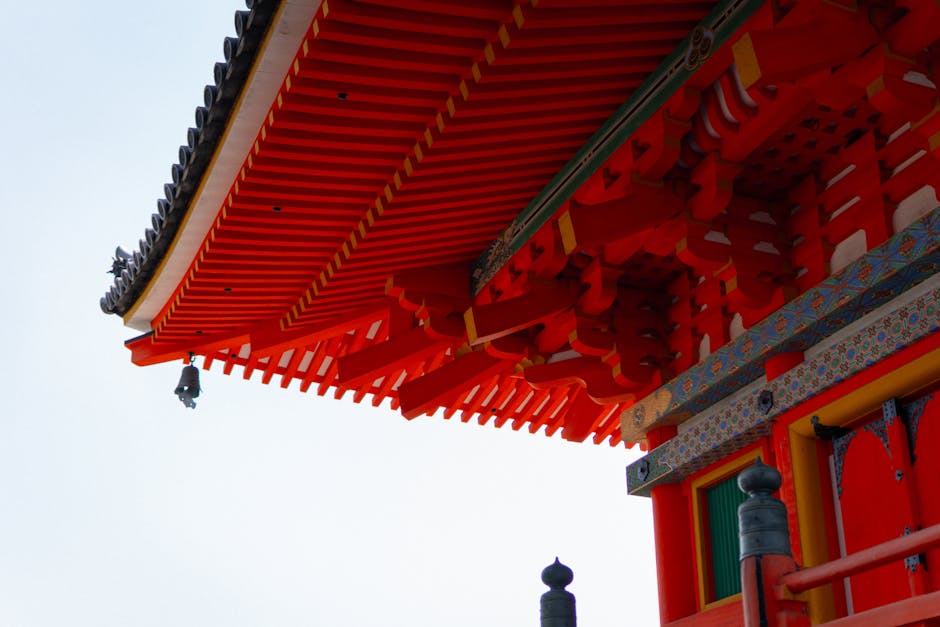
Imabari itself is a mid-sized city on the northeast coast of Shikoku, best known for producing Imabari towels (considered the finest in Japan — a great souvenir) and as the starting point of the famous 88-temple Shikoku Pilgrimage. Many travelers treat it as an endpoint to celebrate with a good meal before heading further into Shikoku or returning via expressway.
What to See and Do
- Imabari Castle: A rare water castle (built directly in the sea) reconstructed in the 1980s — worth a quick visit for the views and the unusual moat
- Kurushima Kaikyo Bridge Viewpoint (Nishiseto Expressway): Look for designated viewpoints on the approach to Imabari for stunning shots of the triple-bridge system
- Imabari Towel Museum (Textile Museum): A surprisingly interesting stop for understanding Japan’s craft textile traditions
Driving Tips
The Nishiseto Expressway (the official name of the Shimanami Kaido) feeds directly into Imabari city. Follow signs for Imabari IC if you’re continuing on expressway, or exit onto Route 196 for the city center. Parking in Imabari city center is plentiful and cheap by Japanese standards — most municipal lots charge ¥100–¥200 per hour.
How Long to Spend
Half a day to a full day, depending on whether you’re staying overnight or continuing your journey.
Practical Driving Tips for the Shimanami Kaido
Road Conditions
The Shimanami Kaido (Nishiseto Expressway) is exceptionally well-maintained. Bridge sections are smooth and wide. Island roads connecting the expressway to sightseeing spots are typically narrow two-lane roads in good condition — just watch your speed on curves and be alert for cyclists, who have legal right to use most of these roads. The bridges themselves have dedicated cycling lanes separated from vehicle traffic, so there’s no conflict on the main crossings.
Best Time of Day to Drive
Early morning (8:00–10:00 AM) is ideal for the bridge crossings — the light is soft and golden, traffic is minimal, and the sea often has a glass-like stillness. Avoid the Onomichi area on weekend mornings between 10:00 AM and 2:00 PM when cycling tour groups tend to create congestion near the on-ramps.
Toll Information
- Tokyo → Onomichi (Sanyo Expressway E2): Approx. ¥10,000–¥13,000 depending on vehicle class. ETC discounts apply (up to 30% off on expressways with nighttime discounts).
- Shimanami Kaido bridges (Onomichi → Imabari, car): Approximately ¥3,090 cumulative with ETC card. Without ETC, individual bridge tolls are slightly higher and must be paid at manual booths.
- Strongly recommended: Use an ETC card. Most rental cars in Japan come ETC-equipped — confirm this when booking. The Samurai Car Japan team can advise on ETC setup before you depart.
License Requirements for Foreign Drivers
Foreign visitors driving in Japan must carry a valid International Driving Permit (IDP) based on the 1949 Geneva Convention, along with their home country license. Note that IDP licenses from some countries (notably Germany, France, Switzerland, Belgium, Monaco, and Taiwan) are treated differently — check with Japan’s National Police Agency guidelines before your trip. Your home country’s automobile association can typically issue an IDP within 1–2 days.
Expressway Driving from Tokyo
From Shibuya, the most efficient route west uses the Tomei Expressway (E1) to Nagoya, then the Meishin (E1) through Osaka and Kobe, connecting to the Sanyo Expressway (E2) toward Onomichi. Total distance is approximately 700 km and takes 4.5–5.5 hours without stops. Splitting this into two days with an overnight in Osaka or Hiroshima is a great option.
Fuel
Fuel stations are plentiful on the expressway. On the islands, fill up in Onomichi before starting the Shimanami Kaido, or in Setoda on Ikuchijima. Regular unleaded (レギュラー, Regura) is the standard fuel for most rental cars. Japan’s fuel is high quality and widely available.
Where to Eat Along the Route
Onomichi
- Onomichi Ramen: The local style features a rich, soy-based broth with flat noodles and a generous topping of back fat — hearty fuel for a day of driving. Try Shukaen near the station or the legendary Ichibankan for a proper local bowl.
- U2 Hotel Cycle Restaurant: A beautifully converted waterfront warehouse complex with a great all-day dining cafe — excellent for breakfast before you hit the bridges.
Innoshima
- Habu Port area restaurants: Simple seafood lunch spots near the port serve fresh-caught Seto Inland Sea fish at very reasonable prices. Look for the small set-lunch signs (定食, teishoku) on weekday mornings.
Ikuchijima (Setoda)
- Dolce (near Kosanji Temple): A beloved local cafe famous for its lemon-infused desserts — the lemon creme brulee is exceptional. Outdoor seating with sea views.
- Seaside Setoda restaurants: The waterfront has a string of small restaurants offering lemon sea bream (tai) dishes — a regional specialty that uses the island’s famous citrus in the marinade.
Omishima
- Restaurants near Oyamazumi Shrine: Several small eateries in the shrine approach street serve fresh seafood teishoku and seasonal dishes. Try the local specialty Takodon — rice bowls topped with tender octopus caught in the surrounding waters.
Imabari
- Yakitori Imabari style: Imabari is quietly famous for its unique grilled chicken dishes — the local yakitori uses a special cutting style and is served in small neighborhood restaurants throughout the city center.
- Imabari Ramen: Different from Onomichi style, the local ramen uses a lighter soy broth and is popular for a quick, satisfying meal.
Best Season for This Drive
Spring (March–May) ⭐ Highly Recommended
Spring is arguably the finest time to drive the Shimanami Kaido. Cherry blossoms frame the bridge approaches in late March and early April, citrus trees are in blossom on Ikuchijima in April, and the sea takes on a particularly vivid blue color in the clear spring air. Crowds are manageable outside of Golden Week (late April to early May), when it’s best to book accommodation months in advance.
Summer (June–August)
Summer is beautiful but hot — temperatures can hit 35°C on the islands, and the bridges offer zero shade. The sea is stunning for photography and the lemon groves are lush and green. Typhoon season (July–September) brings occasional heavy rain and strong winds that can temporarily close the bridges — check forecasts and have a flexible itinerary.
Autumn (September–November) ⭐ Highly Recommended
Autumn brings perfect driving temperatures (18–25°C), clear skies, and beautiful warm light over the sea. The citrus fruits begin to ripen and turn golden on the hillsides of Ikuchijima — the color contrast of orange fruit against blue water is stunning. Autumn is increasingly popular so book accommodation early for October and November.
Winter (December–February)
Winter is quiet, crisp, and surprisingly rewarding. The lack of crowds means you’ll have iconic spots almost entirely to yourself. Clear winter days offer visibility stretching 50+ km across the Seto Inland Sea. Snow is rare at this elevation and on these islands, but dress warmly as the sea wind on the bridges is biting in January and February.
Frequently Asked Questions
Where can I rent a car for this route?
The most convenient place to start this route is Samurai Car Japan in Shibuya, Tokyo. They specialize in serving international visitors and offer International Driving Permit support, ETC cards (essential for expressway and bridge tolls), English GPS navigation, and a range of vehicles from practical compacts to iconic JDM sports cars. You can pick up your car in Shibuya and drive straight onto the expressway — the team will brief you on the route, toll system, and driving tips before you leave. Check availability here.
Do I need an International Driving Permit to drive in Japan?
Yes, in almost all cases. Foreign visitors must carry a valid International Driving Permit (IDP) based on the 1949 Geneva Convention, along with their original home country driver’s license. IDP licenses are issued by your home country’s automobile association, usually within 1–5 business days. Note that EU driving licenses with a certified Japanese translation may be acceptable in some cases — check the latest requirements from the Japan National Police Agency. Make sure your IDP is sorted before you arrive in Japan.
How many days should I allow for this route?
We recommend a minimum of 3 days: one day driving from Tokyo to Onomichi (or via overnight expressway), one full day island-hopping from Onomichi to Imabari, and one day to explore Imabari and Shikoku before returning or continuing your trip. For a more relaxed pace with overnight stays on Ikuchijima or Omishima, allow 4–5 days. The Shimanami Kaido rewards those who slow down.
Are the Shimanami Kaido bridges safe and easy to drive?
Absolutely. The bridges are expressway-standard infrastructure, well-maintained, clearly signed in both Japanese and English, and used daily by regular passenger vehicles including large trucks. The only consideration is wind — on particularly gusty days, slower driving is recommended on the longer bridge spans. Keep both hands on the wheel and maintain steady speed, and you’ll have no issues. The route is genuinely beginner-friendly for international drivers.
Can I drive a JDM sports car on the Shimanami Kaido?
Yes — and honestly, it’s one of the best ways to experience it. The smooth expressway bridges and winding island roads are a genuine driver’s experience, and arriving at Oyamazumi Shrine or the Tatara Bridge viewpoint in something like a Nissan GT-R or Toyota Supra adds an unforgettable dimension to the trip. Samurai Car Japan in Shibuya offers JDM sports car rentals specifically designed for international visitors who want this kind of driving experience. Check their availability online and book ahead — these cars are popular.
Why not elevate your journey with a legendary JDM experience?
Our Services:
- Self-Drive Rentals
- Guided Tours
- Drift Experiences
Please visit the dedicated page for more details.
[st_af id=”862″]
🇯🇵 Plan Your Japan Experience
JDM Car Rental
Drive a GT-R, Supra, RX-7, or Silvia on the roads they were built for. Hakone passes, Wangan highway, mountain touge — your dream JDM experience.
Daikoku PA Tour
Visit Japan’s most legendary car meet. Hundreds of modified cars, passionate owners, and the heartbeat of JDM culture. Guided weekend night tours available.
Photo Guide Tour
Capture stunning photos at locations only locals know. Hidden shrines, backstreet alleys, rooftop views, and golden hour spots for unforgettable shots.
Leave a Reply