Initial D Pilgrimage Drive: Tokyo to Lake Haruna via the Real Akina Touge
If you grew up watching Takumi Fujiwara drift his AE86 down the mountain roads of Akina in Initial D, you already know what this route is about. The winding touge of Mt. Haruna in Gunma Prefecture isn’t just a beautiful mountain drive — it’s the real-life inspiration behind one of anime’s most iconic racing stages. Route 33, the serpentine road that climbs through dense cedar forests toward Lake Haruna, is the actual road that manga artist Shuichi Shigeno used as his model for the Akina Downhill. And yes, it’s every bit as dramatic as it looks in the anime.
But this route offers far more than an anime pilgrimage. You’ll soak your road-weary legs in one of Japan’s oldest hot spring towns, wander up 365 stone steps lined with old-school sweet shops, discover a hidden mountain shrine wrapped in ancient forest, and stand at the edge of a volcanic crater lake that looks like it was painted for a Studio Ghibli film. All of it is reachable in a single day trip from Tokyo — though trust me, once you get here, you’ll wish you’d booked a night at an onsen ryokan. The whole experience starts in Shibuya, where you can grab your rental car and hit the expressway toward Gunma before the morning traffic builds.
This is the kind of drive that reminds you exactly why you came to Japan. Not the convenience of a tour bus or the speed of the Shinkansen — but the freedom of your own steering wheel, your own pace, and a mountain road that opens up in front of you like a promise. Strap in. We’re heading to Akina.
Route Overview
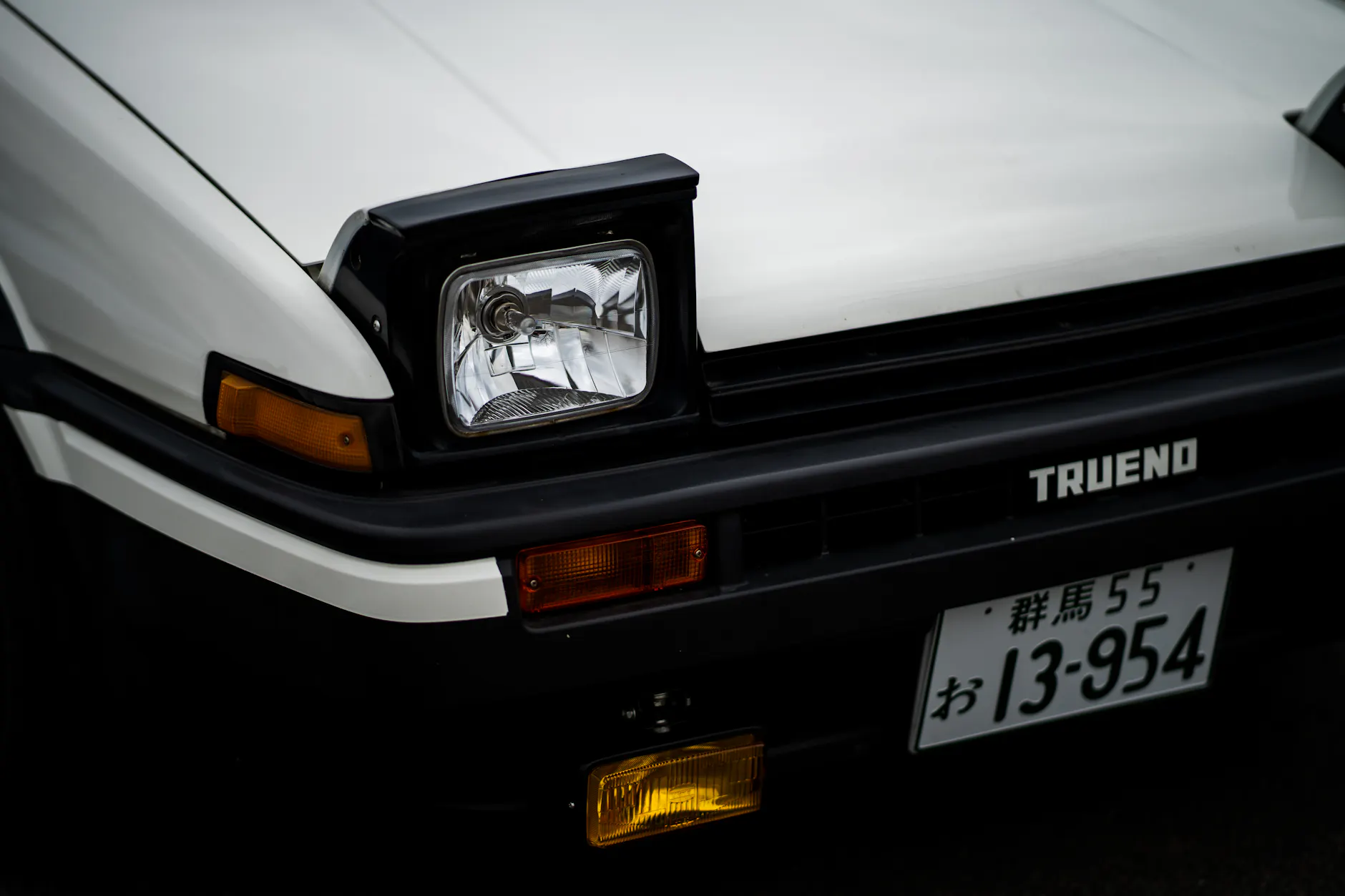
- Pick up your rental car at Samurai Car Japan in Shibuya, Tokyo
- Samurai Car Japan → Ikaho Onsen: ~120 km via the Kan-Etsu Expressway (Route E17) — approximately 1 hour 45 minutes without traffic
- Ikaho Onsen → Ikaho Green Bokujo: ~8 km up the mountain — approximately 20 minutes
- Ikaho Green Bokujo → Haruna Shrine: ~7 km via Route 33 — approximately 15 minutes
- Haruna Shrine → Lake Haruna: ~5 km continuing on Route 33 — approximately 10 minutes
Total driving distance: approximately 140 km one way
Total driving time: approximately 2.5–3 hours (not including stops)
Recommended trip length: Full day trip or overnight stay at Ikaho Onsen
🗺️ Open This Route in Google Maps
Opens in Google Maps app on mobile
Stop 1: Ikaho Onsen — Where the Mountain Welcomes You
What to See and Do
Ikaho Onsen has been drawing weary travelers to its hillside baths for over 1,500 years, and the moment you arrive, you understand why it has endured. The town is built on a steep slope, and its centerpiece is the Ishidan — 365 stone steps climbing through the heart of the resort town, lined on both sides with wooden ryokan, souvenir shops selling local treats, open-air foot baths, and tiny cafes that smell of roasting chestnuts. The number 365 is no accident: local tradition holds that each step represents one day of the year, and climbing all of them brings good health for the year ahead.
The hot springs here come in two distinct varieties. The golden-brown Sha-no-yu waters are rich in iron and said to be beneficial for fatigue recovery — you’ll see the rust-colored staining on the stone channels that carry the water through town. The colorless Shiro-no-yu springs are gentler and sulfur-tinged. Several public bathhouses along the stone steps allow day visitors to soak for just a few hundred yen, making it easy to dip in even if you’re not staying overnight.
Even if you skip the baths entirely, the stone steps themselves are worth an hour of slow exploration. The free foot baths dotted along the route are perfect for resting road-tired legs, and the local specialty snacks — particularly the Ikaho manjū (steamed buns) and freshly made ice cream — are excellent reasons to linger.
How Long to Spend
Budget 1.5 to 2 hours for a leisurely walk up and down the stone steps, a foot bath stop, and some snacking. If you want to include a proper onsen soak at a public bath, add another hour.
Driving Tips: Shibuya to Ikaho Onsen
Leave Shibuya heading north on the Shuto Expressway (C2 or Route 5) to connect with the Kan-Etsu Expressway (E17). Stay on E17 until the Shibukawa-Ikaho Interchange — that’s your exit for Ikaho. From the IC, it’s a winding ~15-minute drive up the mountain on Gunma Prefectural Route 15. The road narrows as you gain altitude, with tight curves that give you your first taste of what’s to come. Nothing extreme yet — think of it as a warm-up for the Haruna touge later in the day.
Expressway tolls: Expect to pay approximately ¥2,500–¥3,000 one way from central Tokyo to Shibukawa-Ikaho IC using a standard ETC rate. Without ETC, the cash rate will be slightly higher. Make sure your rental car has an ETC card or unit — driving Japan’s expressways without one is significantly more expensive and requires stopping at manual toll booths.
Parking at Ikaho Onsen
There are several paid parking lots near the bottom of the stone steps. The most convenient is the Ikaho Ishidan Parking Lot right at the entrance to the steps — expect to pay around ¥500–¥800 for a few hours. On weekends and public holidays, this fills up quickly, so aim to arrive before 10:00 AM. Larger municipal lots a short walk from the steps are usually available even when the main lot is full.
Stop 2: Ikaho Green Bokujo — Pastoral Views Above the Clouds
What to See and Do
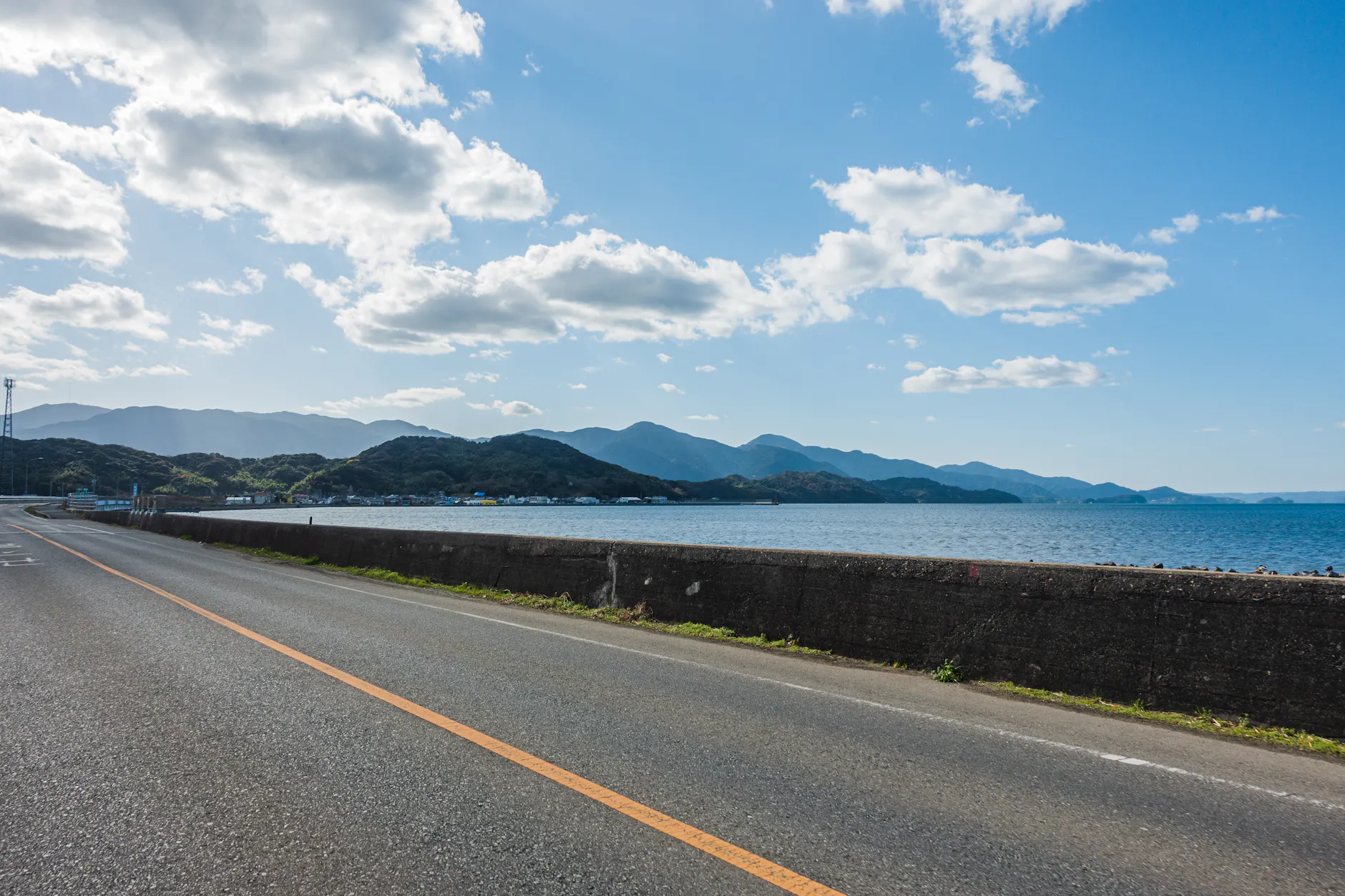
Ikaho Green Bokujo (Ikaho Green Farm) is a working ranch and family-friendly attraction perched high on the slopes of Mt. Haruna, offering some of the most sweeping panoramic views in all of Gunma. On a clear day, you can see across the Kanto Plain all the way to the distant shimmer of Tokyo. The farm is home to horses, sheep, goats, and cows, and you can feed animals, try fresh farm-made soft serve ice cream, and even take horseback riding lessons if you book in advance.
For the non-family traveler, the real draw is the view. The open pasture land framed against the volcanic peak of Mt. Haruna is genuinely stunning, and it makes for excellent photos before you descend into the dense cedar forests of the touge section. The ranch also has a small restaurant and gift shop with local Gunma products — the dairy items here are notably good.
How Long to Spend
Allow 45 minutes to 1.5 hours depending on your interest in farm activities. For drivers just looking at the view and grabbing an ice cream, 30–45 minutes is enough.
Driving Tips: Ikaho Onsen to Ikaho Green Bokujo
From the Ikaho Onsen stone steps parking area, head back down to the main road and follow signs toward Haruna-ko (Lake Haruna). The road climbs steadily through a mix of small hotels and ryokan before opening up into the more rural highland zone. The 8-kilometer drive takes roughly 20 minutes and gives you a pleasant preview of the mountain terrain. Road conditions are generally good, though the road narrows in places to effectively one-and-a-half lanes — use your horn at blind corners as locals do.
Parking at Ikaho Green Bokujo
The farm has a free parking lot with good capacity. An admission fee applies to enter the farm grounds (typically around ¥500–¥700 per adult — check current prices before visiting as seasonal rates may vary). There’s no shortage of space here even on weekends, though arriving before noon keeps the crowds manageable.
Stop 3: Haruna Shrine — Ancient Forest, Sacred Silence
What to See and Do
Haruna Shrine (Haruna-jinja) is one of the most atmospherically powerful Shinto shrines in the entire Kanto region. Founded over 1,400 years ago and tucked deep into a cedar forest at the base of a dramatic volcanic cliff face, it has the feeling of a place that exists slightly outside ordinary time. The approach from the torii gate takes you through a corridor of enormous sugi cedars — some estimated to be over 400 years old — their trunks so thick that two people can barely wrap their arms around them. Mist often hangs between the trees in the morning hours, and the sound of a mountain stream running alongside the path adds to the otherworldly atmosphere.
The shrine buildings themselves are perched against and built into the rocky cliff, with the main hall tucked dramatically beneath an overhanging rock formation. It’s genuinely unlike most shrines you’ll encounter in Japan — wilder, more vertical, more elemental. The walk from the parking area to the main shrine takes about 15–20 minutes each way along a stone-paved path.
How Long to Spend
Allow 1 to 1.5 hours to properly walk the approach, explore the shrine grounds, and soak in the atmosphere. Rushing through Haruna Shrine would be a mistake — this is one of those places that rewards slow movement.
Driving Tips: Ikaho Green Bokujo to Haruna Shrine — The Touge Begins
This is where the drive gets serious. From Ikaho Green Bokujo, you’ll join Gunma Prefectural Route 33 — the road that Initial D fans know as the Akina Downhill. The 7-kilometer stretch between the ranch and Haruna Shrine is a genuine mountain touge: a series of tight hairpin corners interspersed with short straight sections where the road plunges through a tunnel of cedar trees so dense that midday looks like dusk. The road is narrow, the drops are real, and oncoming traffic is a constant consideration. This is not a road to push — but if you’re behind the wheel of a capable car and your wits are about you, it is absolutely, unambiguously thrilling.
For Initial D fans, the déjà vu hits hard here. The hairpin sequence near the top of the pass is almost exactly what Shigeno drew in the manga. Standing at the guardrail looking down the sweep of the curve through the forest, you can practically hear the Eurobeat kicking in. Many pilgrims stop at wider points in the road to take photos — use the designated pull-offs and never stop on the active roadway.
Parking at Haruna Shrine
There is a free parking lot at the base of the shrine approach, with space for approximately 50–60 vehicles. On busy weekends during autumn foliage season, this fills up — arrive before 9:30 AM or after 2:00 PM if you want a guaranteed space. An overflow lot a few hundred meters down the road handles the overflow on peak days.
Initial D Connection
While the shrine itself doesn’t appear prominently in the anime, the road leading to it — Route 33 — is the heart of the series. The hairpin curves on this section are the most photographed and most recognized by fans making the pilgrimage. Look for the distinctive curve geometry that Shigeno replicated so faithfully in his artwork. If you’ve watched the anime recently before visiting, the recognition is instant and genuinely goosebump-inducing.
Stop 4: Lake Haruna — The Real Lake Akina
What to See and Do
Lake Haruna (Haruna-ko) sits in the caldera of the ancient volcano at 1,084 meters above sea level, and it is one of the most serene and scenically perfect spots in all of Gunma. The lake is roughly circular, reflecting the forested slopes and the distinctive peak of Mt. Haruna-Fuji in its still waters. Paddle boats shaped like swans drift quietly across the surface. In winter, the lake freezes solid enough for ice fishing. In autumn, the surrounding maple trees explode in crimson and gold. In spring, cherry blossoms ring the shore. There is no bad season to be here.
For Initial D fans, this is the holy grail of the pilgrimage. Lake Haruna is the direct real-world model for Lake Akina — the lakeside meeting point where the Akagi RedSuns confront Takumi and the AE86 legend begins to grow. The lakeside parking area and the road that circles the lake are unmistakably the setting from the anime. Many fans do a slow lap of the lake road before parking to take it all in. The atmosphere is equal parts peaceful mountain escape and anime heritage site, and somehow both coexist perfectly.
Don’t leave without riding the Haruna Ropeway, a short cable car that departs from the lake’s edge and climbs to the summit of Mt. Haruna-Fuji in just a few minutes. The summit offers unobstructed 360-degree views of the surrounding Gunma highlands, the Kanto Plain to the south, and on clear days, a distant Mt. Fuji on the horizon. The ropeway operates year-round except during maintenance periods — round trip costs approximately ¥700–¥800 per adult.
How Long to Spend
Budget 2 to 3 hours at Lake Haruna — including a lap of the lake road, ropeway ride, and time to properly breathe in the atmosphere. If you’re an Initial D devotee, you’ll want every minute of it.
Driving Tips: Haruna Shrine to Lake Haruna
The final 5-kilometer stretch of Route 33 from the shrine to the lake is the culmination of the touge experience. The road continues its serpentine character before opening dramatically onto the flat lakeside road. This final reveal — forest to crater lake — is genuinely theatrical. Take it slowly and enjoy it. The transition from the dark forest tunnel into the open lake view is one of the finest driving moments on this entire route.
Parking at Lake Haruna
The main lakeside parking area charges approximately ¥500 per vehicle and can accommodate a large number of cars. The ropeway station has its own separate parking area at no additional charge for ropeway customers. The lake road itself is circled by several smaller informal parking areas — most are free and are popular with photographers setting up landscape shots in the early morning.
Driving Tips for This Route
Road Conditions
The Kan-Etsu Expressway from Tokyo to Shibukawa-Ikaho is a well-maintained dual-carriageway motorway with no unusual challenges. The mountain roads above Ikaho — particularly Route 33 — are narrow two-lane prefectural roads with no center line in the tightest sections. Road surfaces are generally good but can be damp and slippery after rain. In winter (December–March), Route 33 may have snow and ice, and winter tires or tire chains are mandatory during snow warnings. Check road conditions via the Gunma Prefecture road authority website before traveling in cold weather.
Best Time of Day
Leave Tokyo by 7:00–8:00 AM on weekdays to beat Tokyo traffic and arrive at the mountain roads before tour buses and day-trip traffic builds. On weekends, consider leaving even earlier. The mountain roads are quietest between 8:00–10:00 AM and after 3:00 PM. Midday weekends can see significant traffic on Route 33, which robs you of the flowing mountain driving experience.
Fuel Stations
Fill up before leaving the Tokyo expressway network or at the service areas on the Kan-Etsu Expressway. There are petrol stations in the Ikaho Onsen area and in the town of Shibukawa at the base of the mountain, but fuel availability becomes sparse once you’re on the upper mountain roads. Don’t rely on finding a pump near Lake Haruna — it’s a long coast back down on an empty tank.
International Driving Permit (IDP)
Foreign visitors must carry a valid International Driving Permit (IDP) based on the 1949 Geneva Convention, along with their original home country driving license. Japanese IDP requirements are strict — EU licenses, Australian licenses, and most international licenses are valid only when accompanied by the IDP. Check with your home country automobile association well before your trip. IDP applications typically require a few days to process.
ETC Card
Expressway tolls in Japan are dramatically cheaper with an ETC (Electronic Toll Collection) card compared to cash payment at manual booths. Most rental cars in Japan are equipped with an ETC unit — confirm this when you pick up your car. Total expressway tolls for this round trip will typically run ¥5,000–¥6,500 depending on your exact route and time of travel.
Where to Eat Along the Route
At Ikaho Onsen
Ikaho Manjū shops on the Ishidan — Multiple small shops line the stone steps selling freshly steamed manjū (sweet buns) filled with red bean paste. These are the must-try snack of Ikaho and cost just ¥100–¥200 per piece. Buy them hot off the steamer. Kogureyama Suisha-en is one of the most established ryokan-restaurants on the steps offering proper set lunch menus (¥1,500–¥2,500) featuring local Gunma mountain cuisine including konnyaku (yam cake) dishes for which the region is famous.
At Ikaho Green Bokujo
The farm restaurant on-site serves lunch sets featuring dairy-focused dishes — think cheesy gratins, fresh milk soft drinks, and ranch-style curry. Portions are generous and prices are reasonable (¥1,000–¥1,800 for a set lunch). The soft serve ice cream stand near the entrance is the true highlight — single cone costs around ¥400–¥500 and is worth every yen.
Near Haruna Shrine
A cluster of small shokudō (casual restaurants) and food stalls operate near the shrine parking lot, particularly on weekends. Haruna Jinja Sando stalls sell grilled corn, yakisoba, and local mountain vegetable dishes. These are informal but reliable and keep the energy up for the rest of the drive.
At Lake Haruna
The lakeside teahouses and restaurants around Haruna-ko serve simple but satisfying meals overlooking the water — tsurimen (lake smelt), freshwater fish dishes, and standard Japanese lunch sets. Haruna-ko Uokatsu is popular with locals for its freshwater fish plates. After the ropeway ride, the small café at the summit sells hot drinks and light snacks — bring cash as card machines can be unreliable at the summit.
Best Season for This Drive
Autumn (October – November) — Peak Season
Without question, autumn is the finest time to drive this route. The forests of Mt. Haruna turn spectacular shades of red, orange, and gold from late October through mid-November, and Route 33 becomes a corridor of color that makes the touge drive almost overwhelming in its beauty. Lake Haruna ringed by autumn maples is one of the most photographed scenes in Gunma. Expect higher crowds and slightly busier roads — midweek visits are strongly preferred during peak foliage weeks.
Spring (April – May)
Cherry blossoms arrive at Lake Haruna around late April, slightly later than Tokyo due to the altitude. The combination of cherry blossom and volcanic lake is stunning. Spring weather on the mountain can be unpredictable — pack a warm layer even on sunny days.
Summer (June – August)
Summer is pleasant at this altitude, noticeably cooler than Tokyo, making it a popular escape from the city heat. The forest is at its deepest green, and the touge driving experience takes on a cooler, more atmospheric quality. July and August bring the most tourist traffic — aim for weekday visits.
Winter (December – March)
Winter driving on Route 33 requires proper winter tires and careful preparation. Snowfall transforms the mountain into a genuinely otherworldly landscape, and the frozen Lake Haruna is a unique sight. However, the ropeway may be suspended during heavy snow, and some facilities close in the off-season. Only attempt the winter drive if you’re comfortable with mountain snow driving and have a winter-equipped vehicle.
Frequently Asked Questions
Where can I rent a car for this route?
The most convenient option for this specific route is Samurai Car Japan in Shibuya, Tokyo — the starting point for this entire drive. They specialize in helping international visitors with car rentals and self-drive tours, and they’re well-versed in what foreign license holders need. From Shibuya, you can jump straight onto the expressway without navigating complicated city driving first. They also offer JDM vehicle options for those who want to make the Haruna touge experience a little more authentic.
Is this drive suitable for a beginner driver in Japan?
The expressway section from Tokyo to Shibukawa is straightforward and suitable for drivers of any experience level. The mountain roads above Ikaho — particularly Route 33 — require some confidence with narrow two-lane roads and tight corners. If you’re new to driving in Japan, we’d recommend getting comfortable on a day of regular urban and expressway driving before tackling the touge section. That said, you don’t need to be a racing driver to enjoy Route 33 safely — just drive at a sensible pace and respect the road conditions.
How accurate is the Initial D connection? Is this really the same road?
Very accurate. Shuichi Shigeno has confirmed that Mt. Haruna and Route 33 were the direct inspiration for Mt. Akina and the Akina Downhill in Initial D. The geography, the specific hairpin sequences, the density of the forest, and Lake Haruna itself as “Lake Akina” all match the anime’s visual references closely. The manga’s corner numbers don’t correspond one-to-one with the real road, but the overall driving character and visual identity are unmistakably Haruna. For dedicated fans, the pilgrimage experience is genuinely rewarding.
Can I do this route in one day from Tokyo?
Yes — this is a very achievable day trip if you leave Tokyo by 7:30 AM. You’ll have a full day on the mountain with time for all four stops and be back in Tokyo by 8:00–9:00 PM. That said, if your budget allows, spending a night at one of the Ikaho Onsen ryokan is highly recommended. Experiencing the stone steps in the quiet of the evening and soaking in the golden-brown hot springs before bed completely transforms the trip. Book ryokan accommodation well in advance, especially for weekends and the autumn foliage season.
Are there parking fees at each stop, and can I pay by card?
Most parking lots along this route accept cash only — Japan’s mountain area parking facilities rarely have card payment infrastructure. Bring plenty of small bills and coins. Ikaho Onsen main lot: ~¥500–¥800. Ikaho Green Bokujo: free with farm admission. Haruna Shrine: free. Lake Haruna main lot: ~¥500. Total parking costs for the full route are likely to be under ¥2,000 even if you pay at every stop. Keep ¥5,000 in small change accessible in the car throughout the trip.
Why not elevate your journey with a legendary JDM experience?
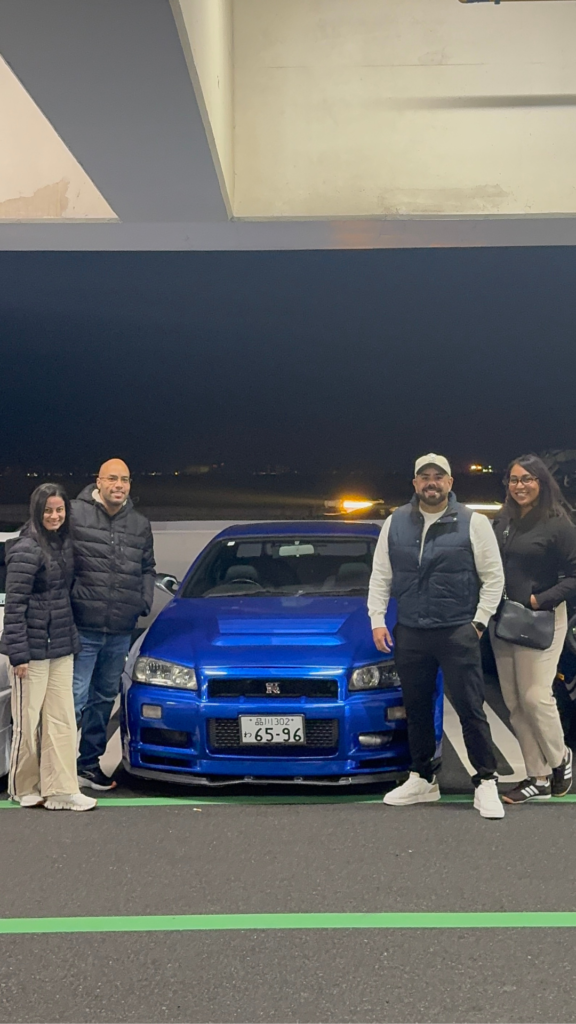
Our Services:
- Self-Drive Rentals
- Guided Tours
- Drift Experiences
Please visit the dedicated page for more details.
fuji tour
The Ultimate JDM Road Trip: 1-Day Mt. Fuji & Fuji Speedway Itinerary
Are you ready to experience Japan's most iconic landscapes from the driver's seat of a legendary sports car like the Nissan Skyline?
This one-day self-drive itinerary offers the perfect blend of traditional Japanese beauty and pure motorsport adrenaline. Starting with the world-famous views around the Fuji Five Lakes and culminating at the holy grail of Japanese motorsports—Fuji Speedway—this route is tailor-made for car enthusiasts.
📍 Tour Overview
- Total Duration: Approx. 8-9 hours
- Starting Point: Tokyo or Gotemba area (heading towards Yamanashi)
- Vehicle of Choice: Nissan Skyline (or your favorite JDM sports car!)
🕒 Recommended Itinerary
08:30 | Arakurayama Sengen Park (1 Hour)
Kick off the day with a postcard-perfect view. Beat the crowds by arriving early. After climbing the 398 steps to the observation deck, you will be rewarded with the world-famous view of the five-story Chureito Pagoda framing Mt. Fuji. The crisp morning air and the soft morning light make this the absolute best time for photography.
- Pro-tip: Wear comfortable walking shoes for the stairs!
09:45 | Lawson Kawaguchiko Station (15 Mins)
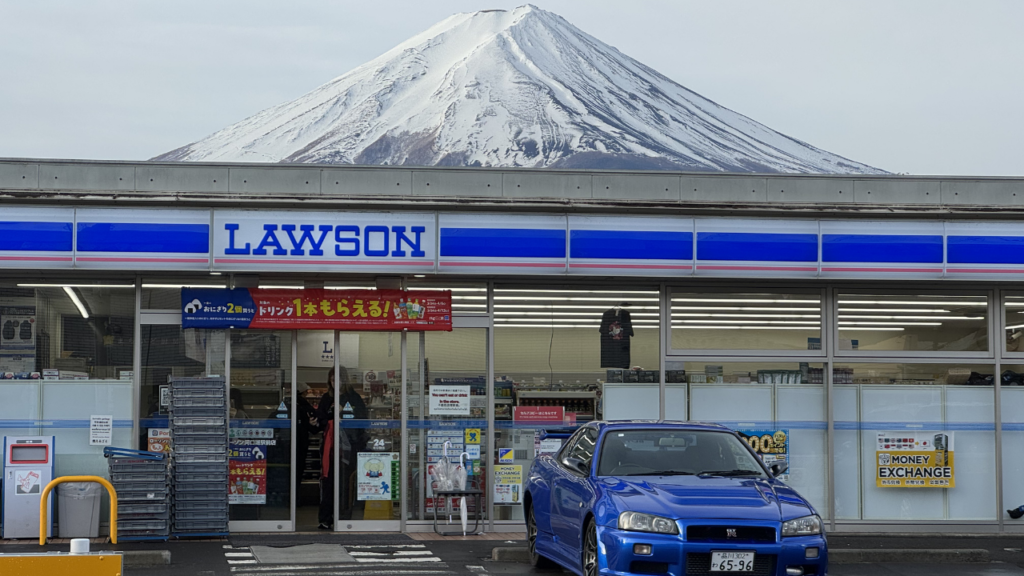
The viral photo spot. Just a short drive away is the famous "Mt. Fuji Lawson." It’s an incredibly popular spot on social media where the massive mountain looms directly over the convenience store roof. Park your Skyline safely in the designated area, grab a canned coffee, and snap a quick photo.
- Driver's Etiquette: This area gets extremely busy. Please respect local traffic rules, avoid parking on the street, and watch out for pedestrians.
10:15 | Lake Kawaguchi & Oishi Park (1 Hour)
Scenic cruising and lakeside photos. Cruise along the northern coast of Lake Kawaguchi. The winding lakeside roads are a joy to drive in a sports car. Stop by Oishi Park, where you can capture stunning photos of your car with the lake and Mt. Fuji in the background, surrounded by seasonal flowers.
11:45 | Oshino Hakkai (1.5 Hours)
Crystal clear springs and local street food. About a 30-minute drive from the lake brings you to Oshino Hakkai, a traditional village famous for its eight sacred ponds fed by Mt. Fuji's melting snow. The water is so clear you can see straight to the bottom. This is the perfect pit stop for lunch. Enjoy freshly made Soba noodles, grilled river fish, or toasted Kusamochi (sweet mugwort rice cakes) from the local vendors.
14:00 | Fuji Speedway / FSW (2 Hours)
The climax for motorsport fans. After a thrilling drive through the scenic mountain passes of Route 138, you will arrive at Fuji Speedway in Shizuoka. Depending on the day’s schedule, there are two epic ways to enjoy this holy ground:
- Experience Run (Drive the track!): On select days, you can actually drive your own Skyline on the international racing circuit behind a pace car (no helmet required!). It's an unforgettable experience to feel the same tarmac as racing legends.
- Fuji Motorsports Museum: Located at the adjacent hotel, this museum showcases about 40 historic racing cars from various global manufacturers. It’s a deep dive into the history of speed.
🇯🇵 Plan Your Japan Experience
JDM Car Rental
Drive a GT-R, Supra, RX-7, or Silvia on the roads they were built for. Hakone passes, Wangan highway, mountain touge — your dream JDM experience.
Related Articles
Daikoku PA Tour
Visit Japan's most legendary car meet. Hundreds of modified cars, passionate owners, and the heartbeat of JDM culture. Guided weekend night tours available.
Photo Guide Tour
Capture stunning photos at locations only locals know. Hidden shrines, backstreet alleys, rooftop views, and golden hour spots for unforgettable shots.