Japan Toll Roads & ETC Card Guide: Save Money on Expressways
Planning a road trip across Japan? Understanding the Japan toll road ETC card system is one of the most important things you can do before getting behind the wheel. Japan’s expressway network is extensive, well-maintained, and genuinely one of the most enjoyable ways to explore the country — but tolls can add up fast if you’re not prepared. Knowing how the system works before you arrive will save you money, stress, and time at the toll gate.
This guide covers everything you need to know about driving on Japanese expressways as a foreign visitor: how the toll system works, what an ETC card is, how to get one as a tourist, realistic cost estimates with real route examples, and how to take advantage of tourist-exclusive discount passes. Whether you’re planning a scenic drive through the Japanese Alps, a coastal cruise along the Izu Peninsula, or a straight shot from Tokyo to Kyoto on the Tomei Expressway, this guide has you covered.
This is a focused deep-dive into tolls and expressways. If you want the full picture of driving in Japan — including licenses, road rules, parking, and navigation — head over to our Complete Guide to Driving in Japan. But if tolls and expressways are your main concern right now, read on.
How Japan’s Toll Road System Works
Japan has one of the most extensive and well-managed expressway networks in the world, stretching over 9,000 kilometers across the main islands. The system is primarily operated by NEXCO (Nippon Expressway Company), which is divided into three regional companies: NEXCO East, NEXCO Central, and NEXCO West. In addition to NEXCO roads, some urban expressways — particularly in Tokyo, Osaka, and Nagoya — are operated by separate companies like the Metropolitan Expressway (Shuto Expressway) and Hanshin Expressway.
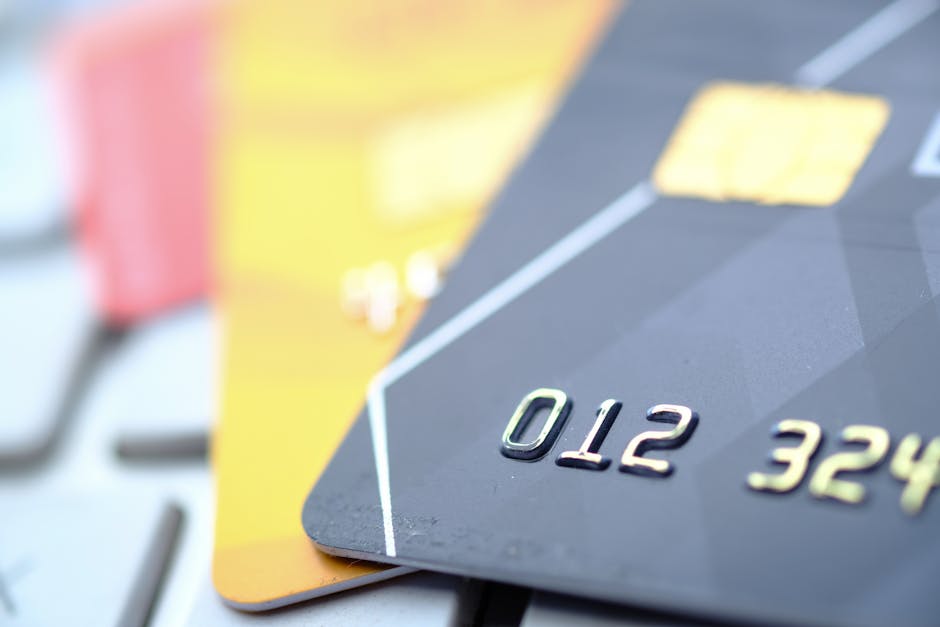
Unlike many countries where you pay a flat fee to enter a highway, Japan uses a distance-based toll system. This means the longer you drive, the more you pay. Tolls are calculated based on the class of vehicle (standard car, mid-size, large, etc.) and the exact distance traveled between your entry and exit points on the expressway. Fees are charged in Japanese Yen (¥) and are collected at toll gates (料金所, ryōkinjo) when you exit.
Types of Toll Gates
When you approach a toll gate in Japan, you’ll typically see several lanes with different markings:
- ETC lane (緑色 / green): For vehicles equipped with an in-car ETC unit. The barrier lifts automatically as you pass through at low speed (around 20 km/h). Do not stop in this lane.
- ETC/General lane (黄色 / yellow): Can be used with either an ETC card or cash. Useful if your ETC doesn’t register.
- General lane (一般 / blue): Cash payment only. You stop, the attendant or machine tells you the fee, and you pay manually.
The key thing to understand is that ETC lanes are everywhere, and they’re designed to keep traffic flowing. If you roll up in a cash-only car during peak hours, you’ll be the slow one holding up the line — and in Japan, that’s genuinely uncomfortable. Getting an ETC card sorted before your trip is simply the right call.
Closed vs. Open Toll Systems
Japan uses both closed and open toll systems depending on the road. In a closed system (most NEXCO expressways), you take a ticket at entry and pay based on distance when you exit. In an open system (common on some urban expressways), you pay a flat fee at fixed points along the route. If you’re using a rental car’s navigation system, it will generally guide you correctly — but it’s good to know the difference so you’re not confused by flat-fee gates.
ETC Card — What It Is and Why You Need One
The japan toll road ETC card (Electronic Toll Collection card) is a small IC card that slots into an in-car ETC reader unit installed in your vehicle. When you pass through an ETC lane at a toll gate, the system automatically reads your card and deducts the toll amount. The charge is later billed to your credit card or settled through a prepaid deposit, depending on the type of card you have.
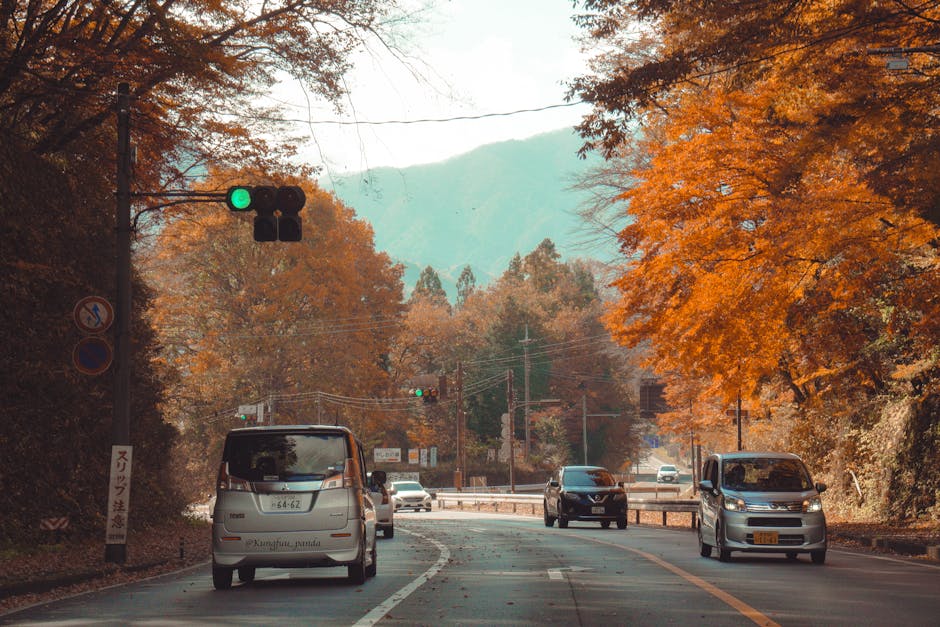
Think of it like a transit IC card (similar to Suica for trains) but specifically for expressways. The ETC unit in the car communicates with the gate’s antenna wirelessly, the barrier lifts, and you drive through without stopping. It’s clean, fast, and frankly, it makes highway driving in Japan genuinely stress-free.
ETC vs. Cash: Why ETC Wins Every Time
| Feature | ETC Card | Cash |
|---|---|---|
| Speed at toll gate | Drive through at ~20 km/h | Stop, wait, pay, get change |
| Discount eligibility | Yes — up to 30% off | No discounts available |
| Tourist passes | Required for most passes | Not eligible |
| Night discount (0:00–4:00) | 30% off automatically | No discount |
| Convenience | Completely hands-free | Need exact change or wait |
Beyond convenience, the financial argument is compelling. ETC users automatically qualify for off-peak discounts: 30% off between midnight and 4:00 AM, and around 30% off on weekday early mornings (6:00–9:00 AM) and evenings (17:00–20:00) on NEXCO roads. On weekends and national holidays, regular passenger cars using ETC enjoy a flat 30% discount across most NEXCO expressways. Over a multi-day road trip, this adds up to real savings — potentially thousands of yen.
How to Get an ETC Card as a Tourist (TEP, Rental Car)
This is the question most foreign visitors get stuck on, and for good reason. The standard Japanese ETC card requires a Japanese credit card and a Japanese address — which automatically rules out most tourists. But don’t worry, there are solid options available specifically for visitors.
Option 1: Rent a Car with ETC Already Included
The simplest and most common solution for tourists is to rent a car that already has an ETC card and unit installed. Most major rental car companies in Japan — including Toyota Rent a Car, Nippon Rent-A-Car, and Times Car Rental — offer ETC card rental as an add-on service, typically for around ¥330–¥550 per day. The in-car ETC unit is usually already installed; you just need to add the ETC card rental option at the desk.
When you return the car, the rental company tallies all the tolls you used and adds the total to your final bill. You pay in one lump sum at the end, which is actually very convenient — no fumbling for coins at each gate.
Boutique rental shops like Samurai Car Japan in Shibuya, Tokyo, take this even further: ETC card is included as standard with their rentals, so you don’t need to worry about adding it as a separate option or being surprised by the process. For tourists renting specialty JDM vehicles, having this sorted from the start makes the expressway experience completely seamless.
Option 2: Tourist ETC Card (TEP — ETC Tourist Pass)
NEXCO, in partnership with several travel services, offers a Tourist ETC Card — sometimes referred to as the TEP (Toll Express Pass for foreign visitors). This prepaid ETC card is designed specifically for foreign tourists and can be picked up at certain locations including some Japan Post branches, selected rental car counters, and tourist information centers at major airports.
The TEP comes preloaded with a set value (typically starting at around ¥3,000–¥5,000) and can be topped up. Unlike the regular ETC rental through a car company, this card is yours to keep and use — though you’ll need to pair it with an ETC in-car unit, which must be provided by your rental car. Availability can vary, so it’s worth checking in advance on the NEXCO website if this option appeals to you.
Option 3: Purchase Through Your Rental Company’s ETC Pass System
Some rental companies offer bundled expressway pass deals that work through ETC — more on these in the Expressway Passes section below. These are often the best value for tourists planning long-distance drives and are worth asking about at the rental counter specifically.
Toll Costs — How Much Does It Cost? Route Examples
Japanese expressway tolls are not cheap by international standards, but they’re also not outrageous when you consider the quality of the roads and the distances involved. Here’s a practical breakdown of what you can expect to pay on popular tourist routes, using a standard-size passenger car.
Popular Route Toll Estimates
| Route | Expressway | Approx. Toll (¥) | Distance |
|---|---|---|---|
| Tokyo → Hakone (Odawara IC) | Tomei Expressway / Odawara-Atsugi Road | ~¥2,500 | ~90 km |
| Tokyo → Kyoto | Tomei + Shin-Tomei + Meishin | ~¥8,000–¥10,000 | ~470 km |
| Tokyo → Nikko | Tohoku Expressway / Nikko Road | ~¥3,500–¥4,000 | ~130 km |
| Osaka → Hiroshima | Sanyo Expressway | ~¥5,500–¥6,500 | ~240 km |
| Tokyo → Nagano (Matsumoto) | Chuo Expressway | ~¥4,500–¥5,500 | ~200 km |
| Kyoto → Hiroshima | Meishin + Sanyo Expressway | ~¥6,000–¥7,000 | ~270 km |
For example, driving from Tokyo to Hakone costs about ¥2,500 in tolls one way — making it one of the more affordable expressway day trips from the capital. By contrast, if you’re doing the full Tokyo to Kyoto drive along the Tomei and Shin-Tomei expressways, budget around ¥8,000–¥10,000 in tolls each way. That’s where tourist discount passes start making serious financial sense.
Urban Expressways: Tokyo & Osaka
The Metropolitan Expressway (Shuto Expressway) within Tokyo uses a distance-based pricing system with a base fare of around ¥310 plus a per-kilometer charge. The maximum cap is ¥1,320 for regular vehicles using ETC, and ¥1,950 if paying cash. In practice, most trips within the Tokyo expressway network cost between ¥500 and ¥1,000 by ETC. Osaka’s Hanshin Expressway similarly charges around ¥250–¥880 for most urban trips.
Note that these urban expressways do not participate in most tourist expressway pass schemes, so plan to pay these separately. Using an ETC card still gets you the price cap benefit, which is worth having.
Expressway Rest Areas (SA/PA) — Food, Fuel, Souvenirs
One of the genuine delights of driving Japan’s expressways is the rest area system. Japanese highway rest areas are not afterthoughts — they are destinations in their own right. If you’ve only ever experienced motorway services in Europe or roadside rest stops in the US, prepare to have your expectations blown away.
SA vs. PA: What’s the Difference?
Rest areas on Japanese expressways come in two types:
- SA (Service Area / サービスエリア): The larger facilities. These typically include full restaurants, fast food options, gift shops selling regional souvenirs, convenience stores (often Lawson or NEXCO-branded), fuel stations, ATMs, and clean restroom facilities. Large SAs like Ebina SA on the Tomei Expressway near Tokyo, or Kameyama SA on the Shin-Meishin Expressway, are genuinely impressive food destinations.
- PA (Parking Area / パーキングエリア): Smaller stops with basic restrooms, vending machines, and sometimes a small snack kiosk. Good for a quick stretch or coffee break, but don’t count on a full meal.
What to Eat at a Service Area
Regional food is the highlight. Each SA tends to feature specialties from the local area, which means the food genuinely changes as you travel across Japan. Some highlights:
- Ebina SA (Tomei Expressway, Kanagawa): Famous for its ramen selection and Kanagawa-style dishes. One of the most visited SAs near Tokyo.
- Ashigara SA (Tomei Expressway, Shizuoka side): Stunning views of Mt. Fuji on clear days. Try the local Fujinomiya yakisoba.
- Neopasa Shimizu (Shin-Tomei Expressway): A premium SA with craft beer, local seafood, and a food hall layout. Practically a shopping destination.
- Yotsuya SA (Chuo Expressway): Good entry point for Yamanashi peach products and local wine souvenirs.
Fuel at Service Areas
Every SA has a gas station (ガソリンスタンド). Expect to pay ¥5–¥15 more per liter than prices at regular roadside stations — this is the trade-off for convenience. Regular gasoline (レギュラー) is usually around ¥170–¥190/liter, premium (ハイオク) slightly more. Most accept credit cards and ETC cards are not used for fuel — that’s a separate payment. Staff will pump the gas for you at most SA stations.
Speed Limits & Rules on Japanese Expressways
Japanese expressway driving is orderly, disciplined, and genuinely enjoyable — as long as you know the rules. The laws are enforced, and foreign visitors are absolutely not exempt. Here’s what you need to know.
Speed Limits
| Road Type | Standard Speed Limit | Notes |
|---|---|---|
| Expressway (standard) | 100 km/h | Most NEXCO expressways |
| Expressway (upgraded sections) | 110–120 km/h | Shin-Tomei, some Tohoku sections |
| Urban expressways (Tokyo, Osaka) | 60–80 km/h | Check posted signs carefully |
| Construction / bad weather zones | 50–80 km/h | Electronic signs will indicate |
| Minimum speed (expressway) | 50 km/h | Do not drive too slowly either |
A few sections of the Shin-Tomei Expressway (between Shizuoka and Aichi) now legally allow speeds of up to 120 km/h in good conditions — a relatively new development in Japan. Posted signs always take precedence, so pay attention to roadside electronic displays.
Lane Discipline
This is important: in Japan, the left lane is the driving lane (remember, Japan drives on the left). Overtaking is done in the right lane. The rightmost lane on a multi-lane expressway is effectively the fast lane, but cruising in the right lane without overtaking is illegal and considered very poor driving etiquette. In practice, Japanese drivers are extremely disciplined about returning to the left lane after passing. Do the same.
Key Rules to Remember
- No stopping on the expressway except in emergencies. If you need to stop, use a PA or SA.
- Seatbelts are mandatory for all passengers, including rear seats.
- Using a phone while driving is illegal and subject to serious penalties.
- Drunk driving laws are severe — the legal limit is 0.03% BAC (blood alcohol content), which is much lower than many Western countries. Zero tolerance is the practical standard.
- Hazard lights are used to warn following vehicles of sudden deceleration — if traffic slows sharply ahead, Japanese drivers activate hazard lights as a warning signal. Follow this practice.
Expressway Passes & Discounts for Tourists
This is where the japan toll road ETC card really earns its keep for visiting drivers. NEXCO operates several tourist-specific expressway passes that offer flat-rate or heavily discounted expressway access for foreign visitors — but the catch is that you must have an ETC card to use them.
NEXCO Tourist Expressway Passes
NEXCO offers regional flat-rate passes for foreign tourists. These are among the best-value options for anyone planning multi-day drives. Here are the main options:
| Pass Name | Coverage Area | Price (Standard Car) | Duration |
|---|---|---|---|
| Hokkaido Expressway Pass (HEP) | All Hokkaido NEXCO roads | From ¥3,700 (2 days) | 2, 3, 5, 7, 14 days |
| Tohoku Expressway Pass (TEP) | Tohoku + Kanto regions | From ¥5,000 (2 days) | 2, 3, 5, 7, 14 days |
| Central Nippon Expressway Pass (CEP) | Chubu, Kanto, Tokai | From ¥4,500 (2 days) | 2, 3, 5, 7, 14 days |
| Sanin Kinki Expressway Pass | Western Honshu / Kinki
|