Why Japan Requires a Different Packing Approach

Japan has a unique combination of factors that affect what to pack: its incredible convenience store and pharmacy networks mean many everyday items are cheaper and more readily available there than at home; its strict customs rules mean some items cannot be brought in; and its culture (shoes on and off constantly, walking distances, onsen visits) requires specific gear that most packing guides overlook.
This guide is organised as: what to definitely bring, what to buy in Japan, what NOT to pack, and seasonal specifics.
Documents and Money: Non-Negotiables
- Passport — Valid for at least 6 months beyond your entry date.
- International Driving Permit (IDP) — Required if you plan to rent a car. Must be obtained in your home country before departure. See our IDP guide.
- Travel insurance documents — Japan’s excellent healthcare is expensive for uninsured foreigners. Comprehensive travel insurance is strongly recommended.
- Japan Rail Pass (if pre-purchased) — Must be exchanged at a JR office on arrival with your exchange order.
- Cash (yen) — Japan remains heavily cash-dependent outside major cities. Budget ¥20,000–¥30,000 in cash on arrival. Use 7-Eleven ATMs (accept international cards most reliably).
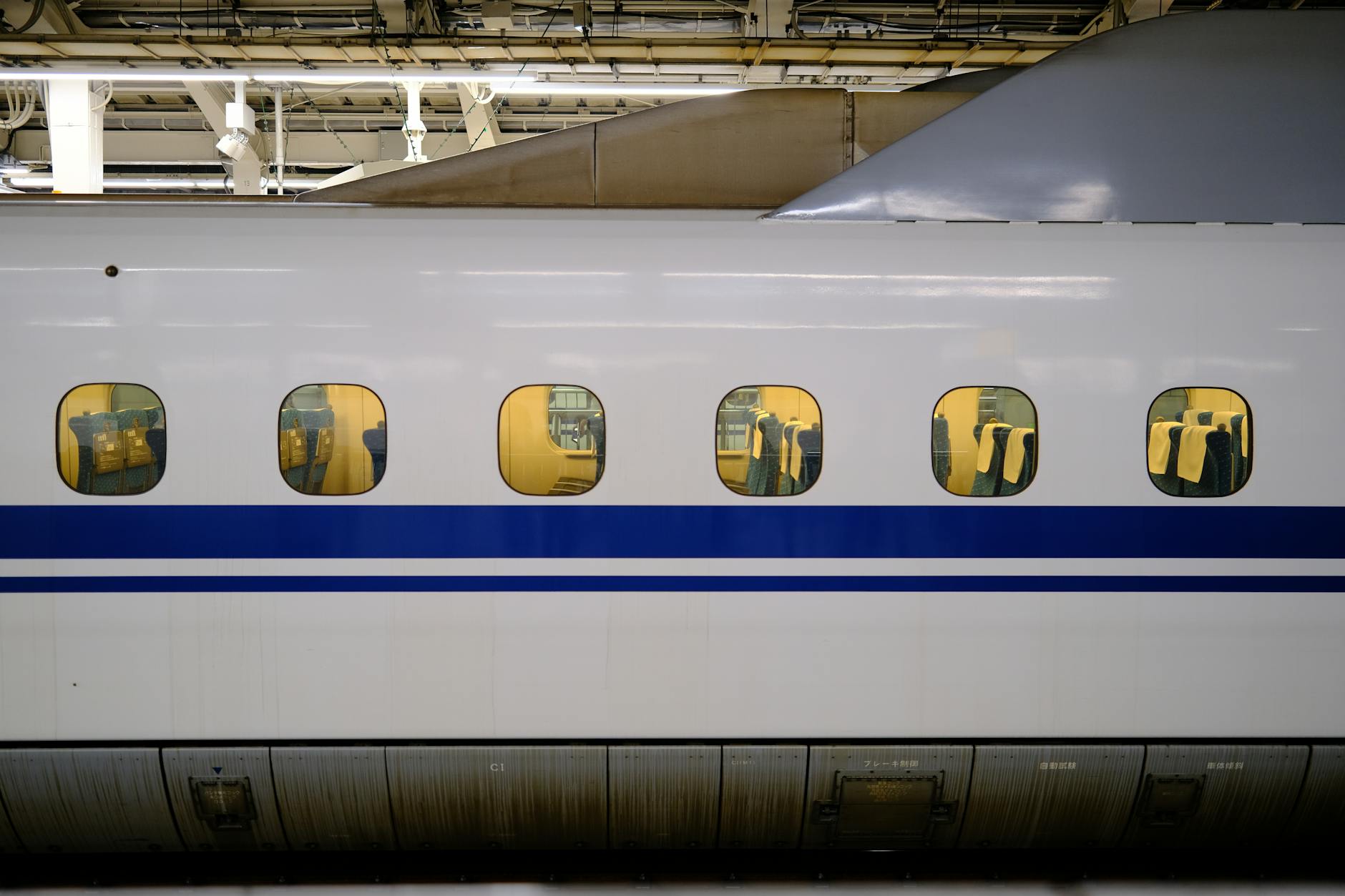
- IC card — Get a Suica or Pasmo at the airport on arrival for seamless subway travel.
Electronics and Connectivity

- eSIM or data SIM — Essential. See our SIM card guide. Pre-activate an eSIM before your flight.
- Universal power adapter — Japan uses Type A plugs (two flat prongs, same as USA/Canada). If you’re from North America, no adapter needed. All others need a Type A adapter. Japan runs on 100V (US/Canada use 120V, Europe uses 220V) — most modern devices (phone chargers, laptops) handle this automatically.
- Portable battery pack (power bank) — A must for full days of navigation. 20,000mAh is the sweet spot.
- Offline Google Maps — Download Tokyo, Kyoto, and Osaka before departure.
- Google Translate app — Download Japanese language pack offline. The camera function reads Japanese text in real time.
Clothing: What to Actually Pack
Japan involves a lot of walking — 15,000–25,000 steps per day is common for active sightseers. Prioritise comfort over fashion.
- Comfortable walking shoes — Bring shoes that slip on and off easily (shoes are removed frequently at temples, ryokan, and some restaurants). No elaborate lacing systems.
- Layers — Japanese buildings are aggressively air-conditioned in summer and sometimes underheated in winter. A light packable jacket covers both extremes.
- Compact umbrella — Japan’s weather is unpredictable. A small folding umbrella fits in any bag. Available everywhere in Japan for ¥500–¥800, but worth packing one to skip the first-day scramble.
- Modest clothing for temples — Shoulders and knees covered for temple/shrine visits. A light scarf or cardigan works.
- Light rain jacket — For hiking or prolonged outdoor sightseeing in wet weather.
What to Buy in Japan (Don’t Pack These)

- Toiletries — Japanese pharmacies (Matsumoto Kiyoshi, Sundrug) have excellent skincare products, sunscreen, and toiletries at low prices. Don’t fill your bag with heavy bottles from home.
- Over-the-counter medication — Available everywhere, but note that some Western OTC medications containing pseudoephedrine (Sudafed, certain cold medicines) are illegal in Japan. Check the Japanese customs prohibited items list before packing any medication.
- Phone charging cables — 100 yen shops (Daiso) sell decent quality cables. Don’t stress if you forget yours.
- Snacks — Convenience store snacks in Japan are genuinely better than anything you’d pack from home. Leave the space.
- Pocket tissues — Japanese marketing often involves free pocket tissue distribution on busy streets. You’ll accumulate more than you need within days.
What NOT to Pack (Japan-Specific Restrictions)
- Codeine-containing medication — Illegal in Japan. Check all medications against the Japan Customs Narcotics/Stimulants prohibited list.
- Poppy seeds — Technically regulated under Japanese drug laws.
- Drone without registration — Bringing a drone requires advance registration with Japan’s Ministry of Land.
- Large amounts of cash (over ¥1,000,000) — Must be declared at customs.
- Counterfeit goods — Strict enforcement at customs.
Seasonal Packing Specifics
Spring (March–May): Layers essential — mornings and evenings are cool even when cherry blossoms are at their peak in late March/early April. Pack a medium-weight jacket alongside t-shirts.
Summer (June–August): Japan’s summer is brutally humid. Lightweight, breathable fabrics only. Pack a hand towel or cooling towel — you’ll use it constantly. Sunscreen (SPF50+) and a portable fan are essentials. Avoid dark colours.
Autumn (September–November): The most comfortable packing season. Light layers for warm days, a medium jacket for evenings. Rain is possible. The most photogenic season — leave space in your luggage for shopping.
Winter (December–February): Pack genuinely warm layers — Japan’s outdoors can be very cold, especially in Kyoto (which has the wind tunnel effect between its mountains) and mountainous areas. Thermal underlayers, a proper coat, gloves, and scarf. Indoor heating in Japan is excellent; dress in removable layers.
Special Packing for Car Renters
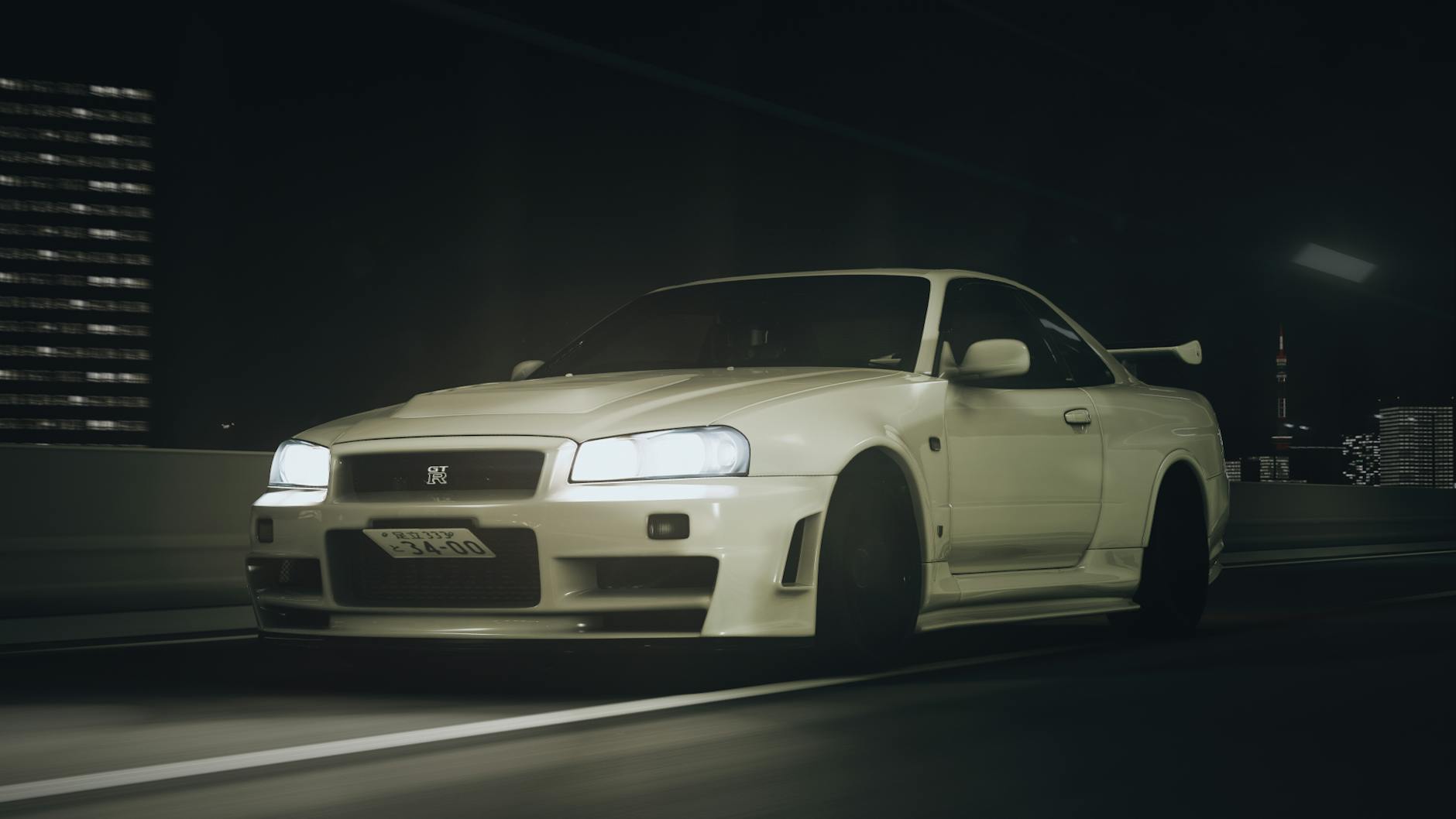
If you’re renting a car — particularly a JDM sports car from Samurai Car Japan — pack your IDP (International Driving Permit) and home country driving licence. Pack a compact camera (dashcam-style, or a GoPro) if you want footage of your mountain pass drives. Most importantly, pack an eSIM or data SIM for navigation.
Related Guides
📱 Japan SIM Card & WiFi Guide
🚗 Japan IDP Guide
💰 Japan Budget Travel Guide
✈️ Japan Travel Tips & Warnings
🇯🇵 Plan Your Japan Experience
JDM Car Rental
Drive a GT-R, Supra, RX-7, or Silvia on the roads they were built for. Hakone passes, Wangan highway, mountain touge — your dream JDM experience.
Daikoku PA Tour
Visit Japan’s most legendary car meet. Hundreds of modified cars, passionate owners, and the heartbeat of JDM culture. Guided weekend night tours available.
Photo Guide Tour
Capture stunning photos at locations only locals know. Hidden shrines, backstreet alleys, rooftop views, and golden hour spots for unforgettable shots.