Discover the Flavors of Japan: A Comprehensive Guide to the Tokyo Cooking Class Experience
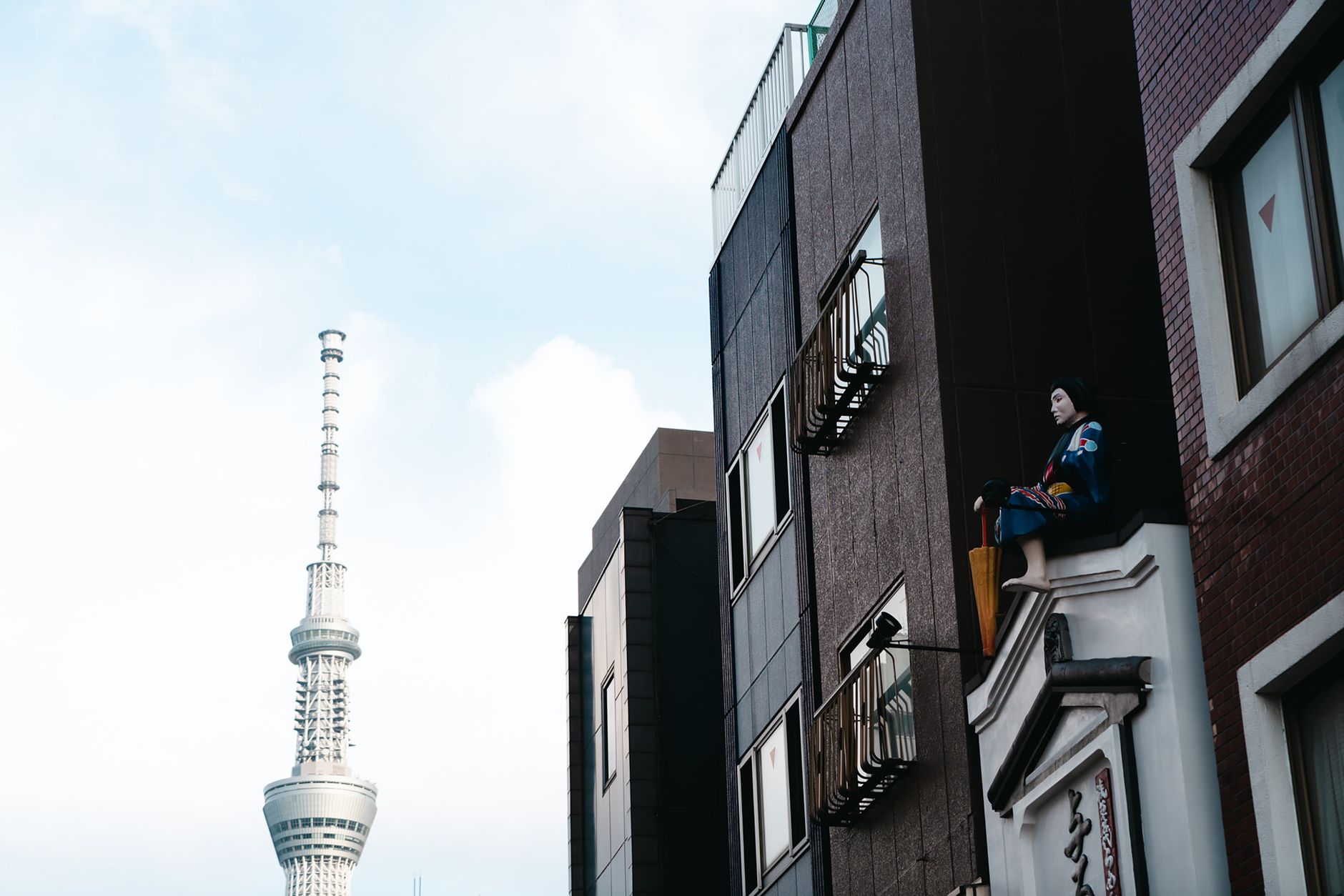
Tokyo, the vibrant capital of Japan, is a city that seamlessly blends traditional and modern culture. One of the best ways to experience the unique heritage of this fascinating city is through its cuisine. Japanese food is renowned worldwide for its simplicity, freshness, and seasonality, reflecting the country’s deep connection with nature and its emphasis on community and hospitality. For tourists visiting Japan, a Tokyo cooking class experience offers an immersive and engaging way to explore the city’s culinary landscape, learn about its customs, and take home unforgettable memories. In this guide, we will delve into the world of Japanese cuisine, explore the benefits of participating in a cooking class, and provide practical tips for making the most out of your Tokyo cooking class experience.

Introduction to Japanese Cuisine

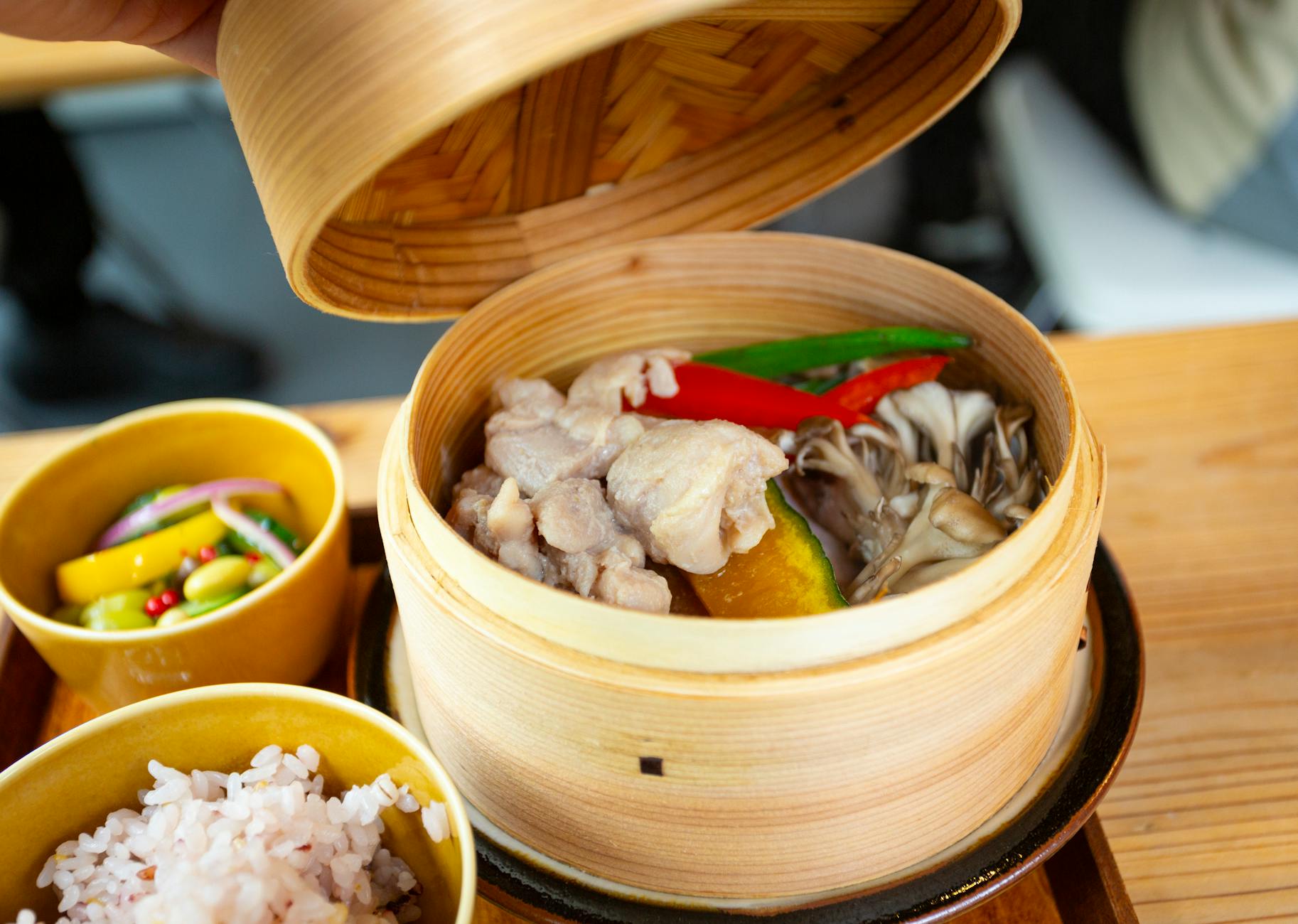
Japanese cuisine, known as “washoku” in Japanese, is more than just a collection of dishes; it is an integral part of the country’s culture and identity. Washoku is characterized by its emphasis on fresh, seasonal ingredients (known as “shun”), simple yet e
Benefits of a Tokyo Cooking Class Experience
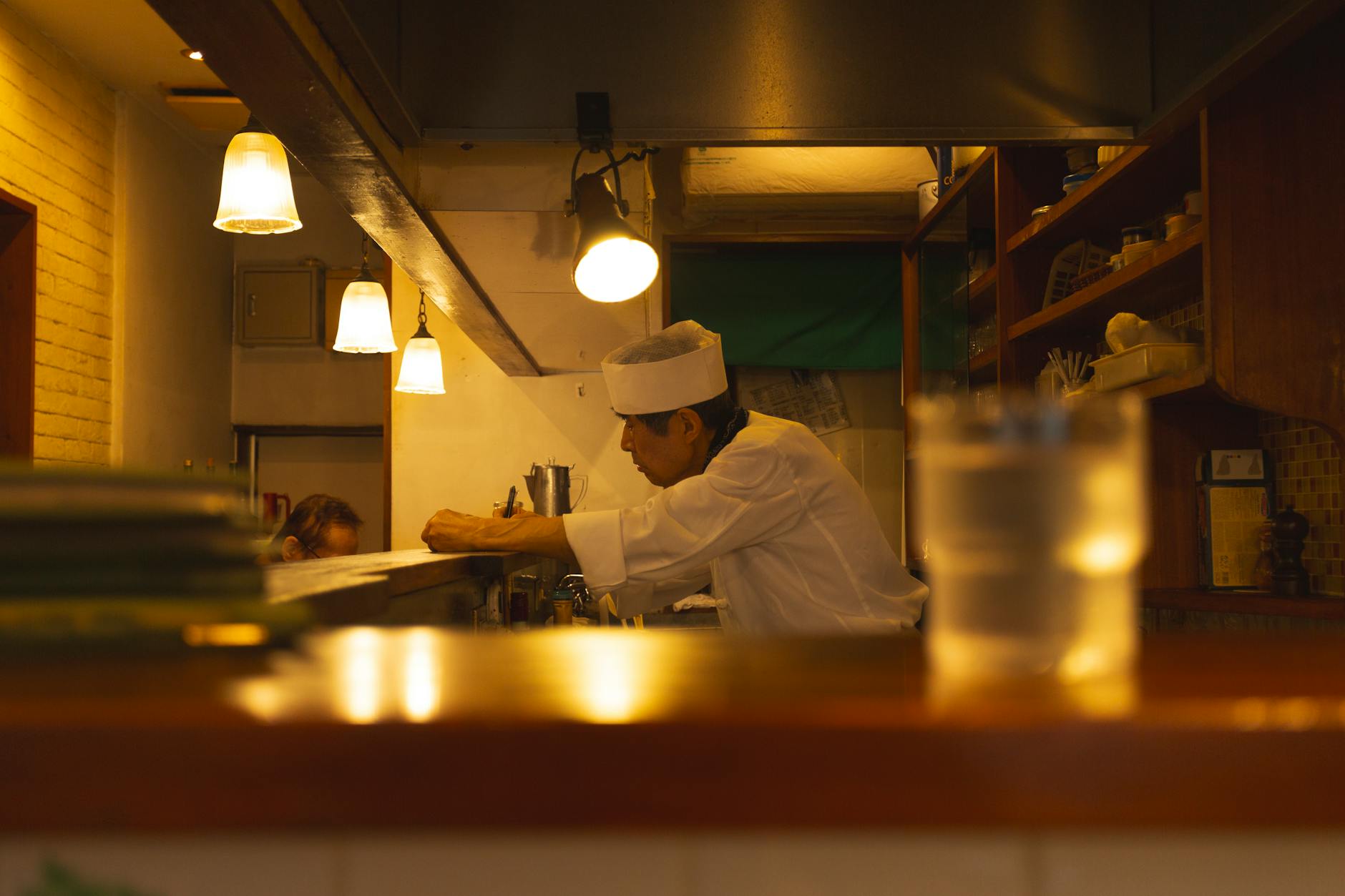
Participating in a Tokyo cooking clas
Practical Tips for Your Tokyo Cooking Class Experience

To ensure that you make the most out of your Tokyo cooking class experience, several practical considerations should be kept in mind. Firstly, choose a class that aligns with your interests and dietary preferences. Many classes cater to vegetarians and vegans, and some focus on specific types of Japanese cuisine, such as sushi or ramen. It is also advisable to book your class in advance, especially during peak travel seasons, to secure a spot. Comfortable clothing and an apron are usually provided, but it’s a good idea to wear closed-toe shoes for safety in the kitchen. Don’t hesitate to ask questions; the classes are designed to be educational, and your instructors are there to guide you through the process. Lastly, be prepared to enjoy the fruits of your labor over a convivial meal with your classmates, a time to relax, share stories, and savor the dishes you’ve collectively prepared.
Cultural Context: Understanding Japanese Dining Etiquette
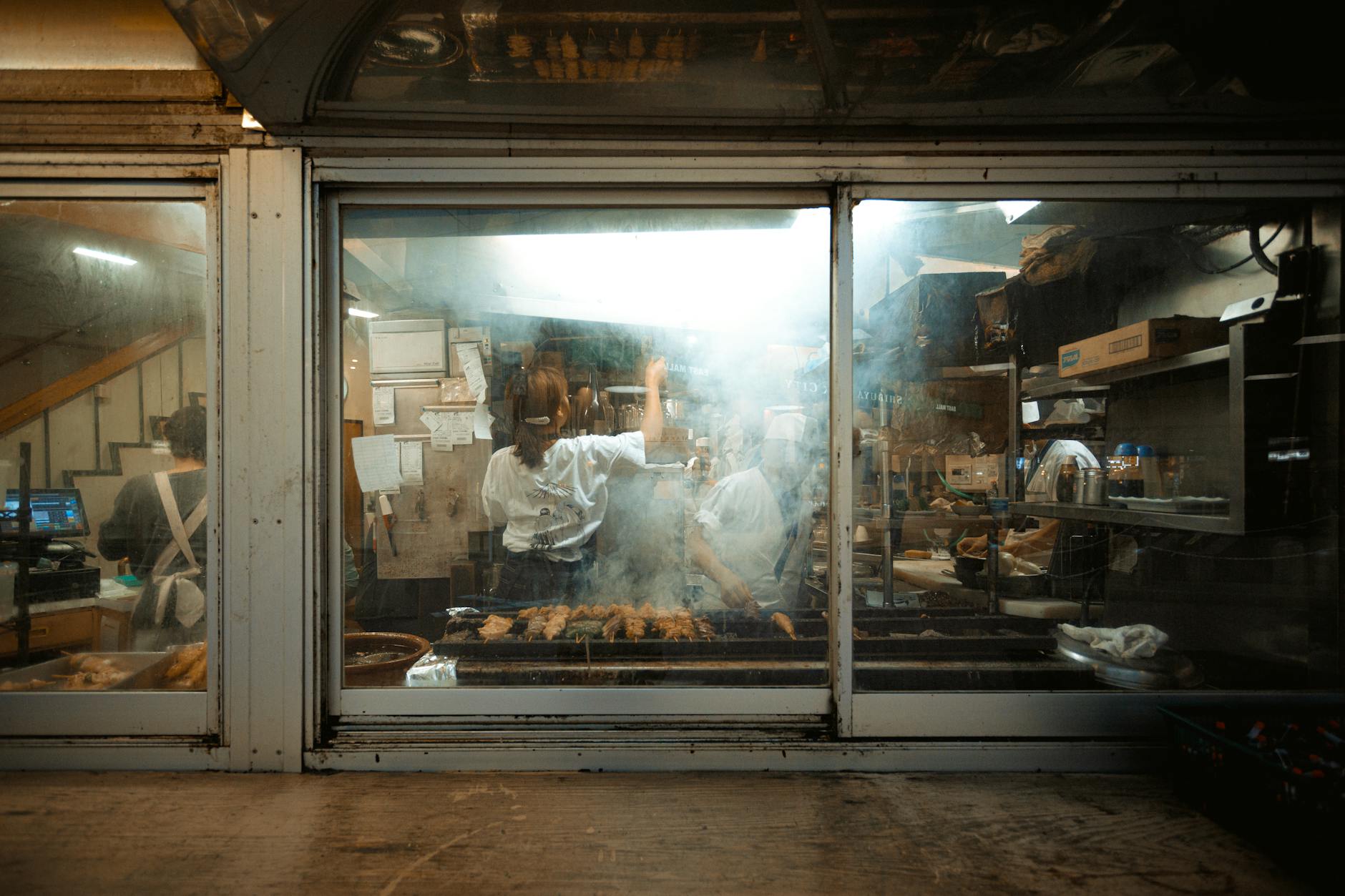
Japanese dining etiquette is steeped in tradition and respect for others. Understanding and respecting these customs can greatly enhance your dining experiences in Japan. Basic etiquette includes waiting for the host to start eating before you begin, using chopsticks correctly (for example, not standing them upright in your rice, as this resembles incense sticks used in Buddhist funeral rites), and trying a little of each dish to show appreciation for the variety of foods prepared. Additionally, the concept of “omotenashi,” or Japanese hospitality, emphasizes the importance of considering the comfort and enjoyment of your dining companions, reflecting the communal and respectful nature of Japanese mealtime.
Booking Your Tokyo Cooking Class Experience
With the plethora of cooking classes available in Tokyo, finding the right one can seem daunting. However, by considering your interests, skill level, and the class’s focus, you can select an experience that suits you perfectly. For a seamless and reliable booking process, consider using platforms like GetYourGuide, which offers a variety of Tokyo cooking classes tailored to different needs and preferences. By booking through , you can secure your spot in a class that will introduce you to the vibrant world of Japanese cuisine and provide you with unforgettable memories of your time in Tokyo.
In conclusion, a Tokyo cooking class experience is a must-try for anyone visiting Japan, offering a unique blend of cultural immersion, culinary education, and fun. By understanding the principles of Japanese cuisine, respecting local customs, and being open to new experiences, you can fully embrace the spirit of washoku and take a piece of Japan back home with you. Whether you’re a food enthusiast, a culture lover, or simply looking for a distinctive experience in Tokyo, a cooking class is sure to delight and inspire, leaving you with a deeper appreciation for the beauty and simplicity of Japanese cuisine.