[st_af id=”119″]
Why Visit Hiroshima?
Hiroshima carries the weight of August 6, 1945 — the day the world’s first atomic bomb used in warfare destroyed the city and killed an estimated 70,000–80,000 people instantly. But modern Hiroshima is not defined by tragedy alone. It’s a vibrant, forward-looking city that has chosen to make its history a message of peace rather than a monument to suffering.
Beyond the Peace Memorial, Hiroshima also offers: the extraordinary Miyajima island (one of Japan’s three officially designated “scenic views”), exceptional local food culture, the Mazda Museum, and some of Honshu’s finest hiking on Miyajima’s Mt. Misen.
Peace Memorial Park & Museum
The Hiroshima Peace Memorial Park occupies the area directly below where the bomb detonated — the hypocenter — at the junction of the Ōta River. It’s a beautifully designed, sobering, and ultimately life-affirming space that is unlike anything else in Japan.
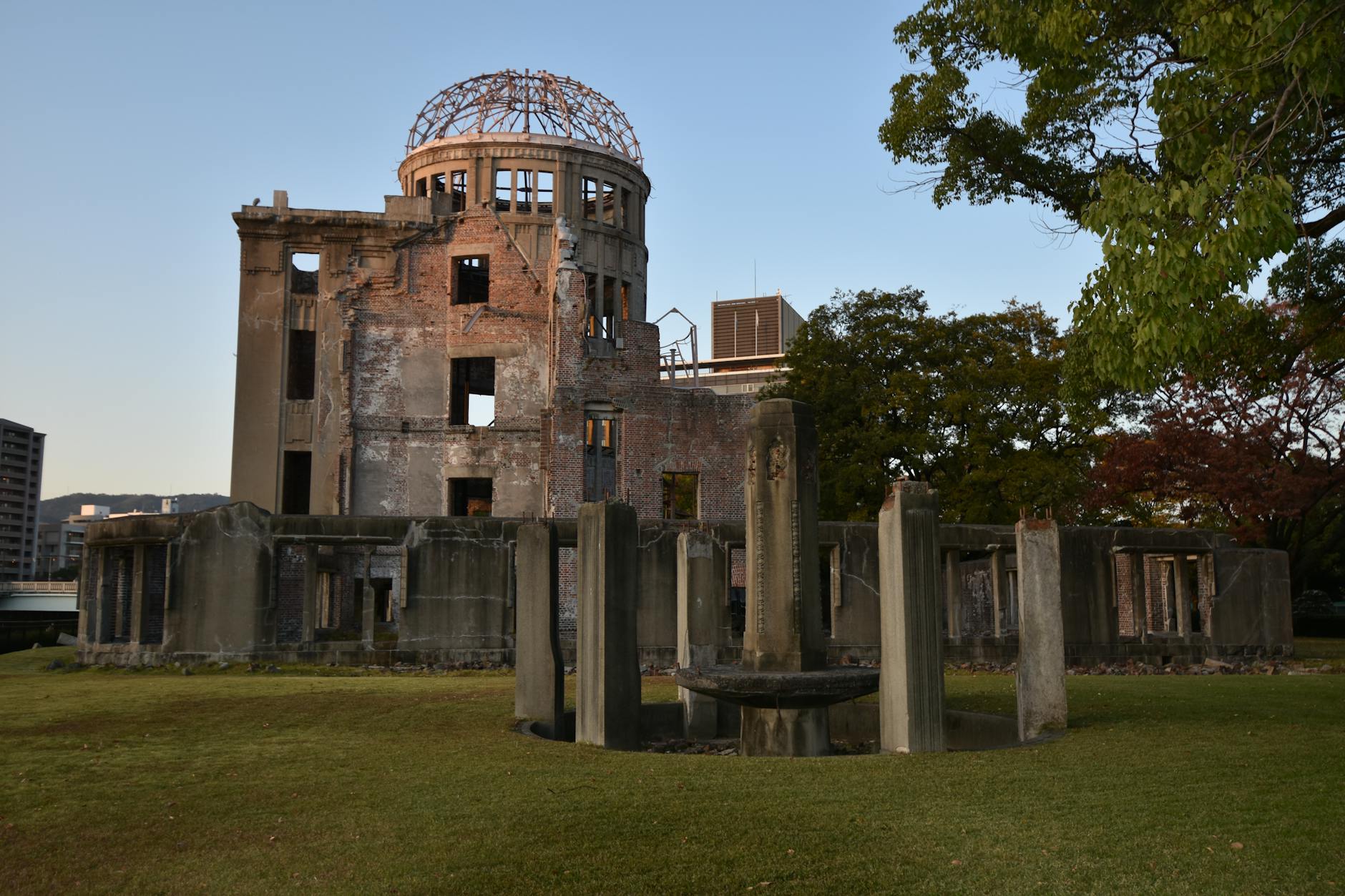
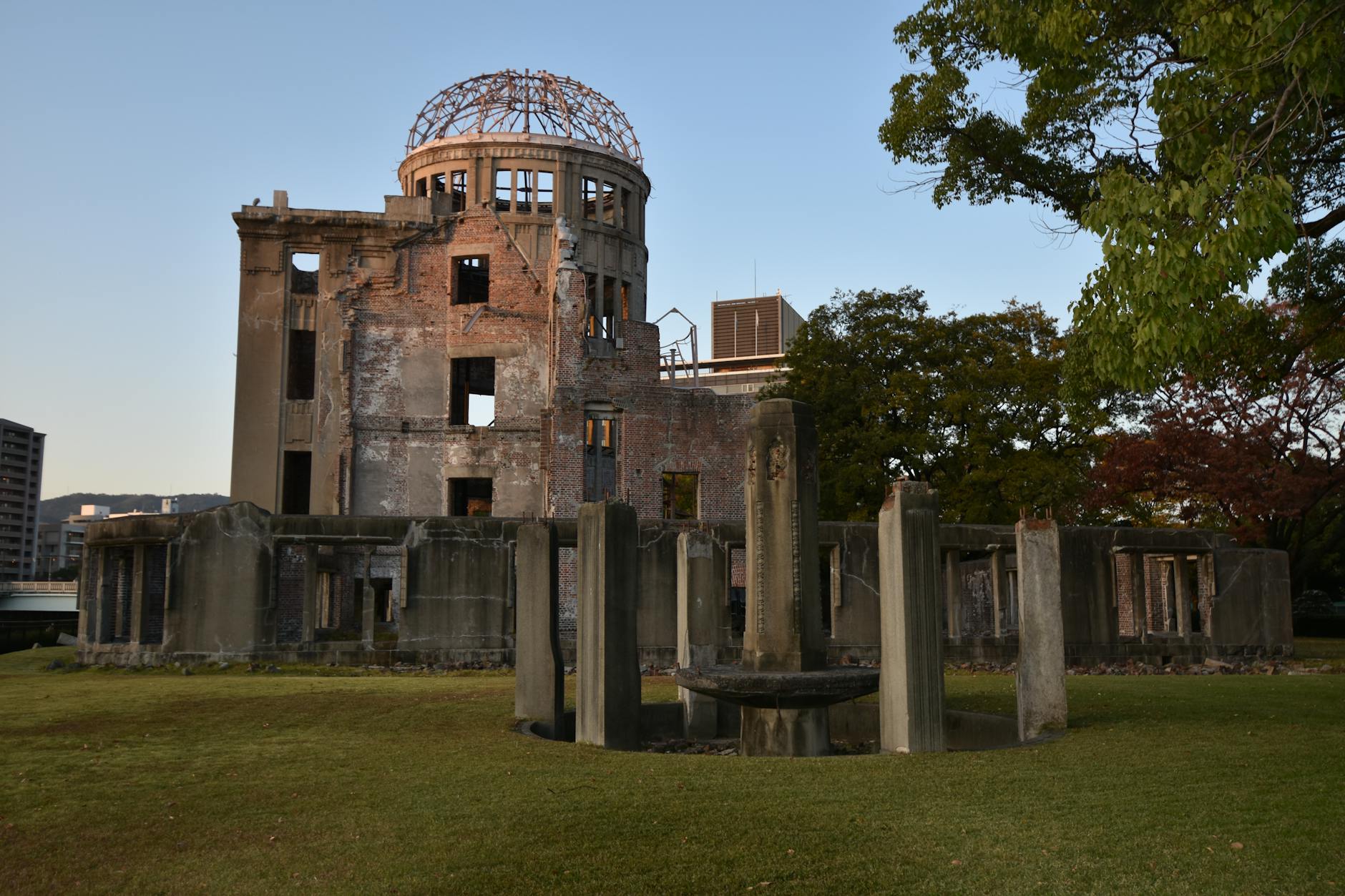
Genbaku Dome (Atomic Bomb Dome)
The skeleton of the Prefectural Industrial Promotion Hall — now known as the Genbaku Dome or Atomic Bomb Dome — was the only structure near the hypocenter left standing after the explosion. Preserved deliberately as it appeared on August 6, 1945, it is a UNESCO World Heritage Site and the most powerful single visual symbol of nuclear warfare in existence. Standing beside it in silence, it is impossible not to feel the weight of what happened here.
Hiroshima Peace Memorial Museum
The Peace Memorial Museum traces the city’s history, the events leading to the bombing, and the immediate aftermath through artifacts, photography, testimonials, and reconstructed scenes. It is not easy viewing — but it is important. Set aside 2–3 hours. The permanent collection includes personal effects of victims, shadows burned into stone, and the watch of a 13-year-old boy stopped at 8:15am on August 6.
- Hours: 8:30–18:00 (May–Nov), 8:30–17:00 (Dec–Apr)
- Admission: ¥200 adults, ¥100 high school students
- Note: The museum is deeply moving. Allow emotional processing time.
Other Peace Park Highlights
- Children’s Peace Monument — surrounded by thousands of origami paper cranes from around the world, inspired by the story of Sadako Sasaki
- Flame of Peace — a flame lit in 1964 that will only be extinguished when all nuclear weapons on Earth are destroyed
- Cenotaph for the A-bomb Victims — an arch framing the Flame and the Dome beyond; the inscription reads “Let all the souls here rest in peace; for we shall not repeat the evil.”
Miyajima Island: The Floating Torii Gate
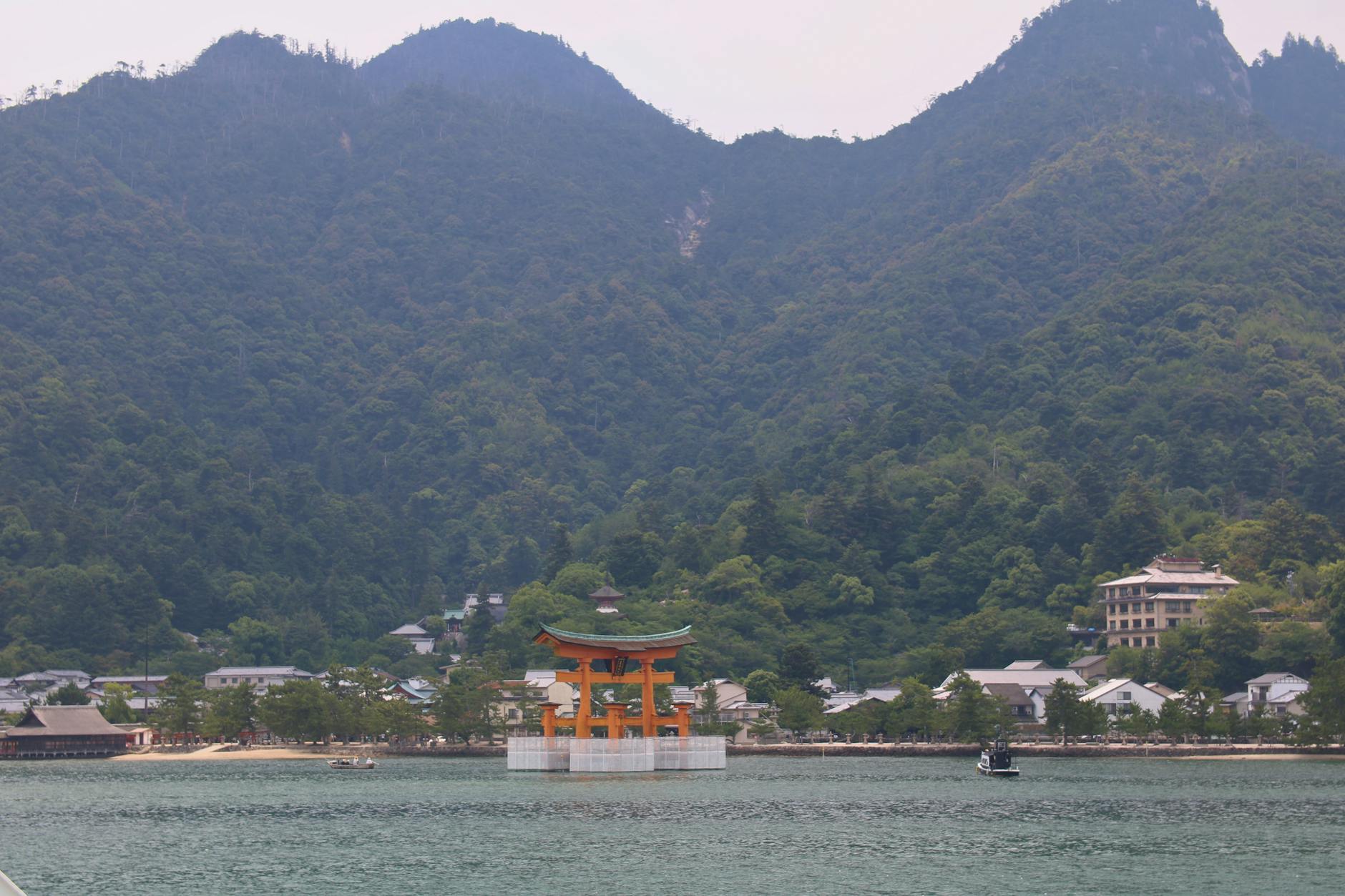
Miyajima (officially Itsukushima Island) is a short ferry ride from the Hiroshima mainland and one of the most photographed places in Japan. The island’s defining image — the giant torii gate of Itsukushima Shrine appearing to float on the water at high tide — is in every Japan travel brochure in existence, and it’s even more beautiful in person.
Itsukushima Shrine
The Itsukushima Shrine is built on stilts over the water of Hiroshima Bay — a UNESCO World Heritage Site constructed to avoid disturbing the sacred ground of the island. At high tide, the entire shrine complex appears to float. At low tide, you can walk out to the torii gate itself across the mudflats. Both versions are worth seeing — try to time your visit to experience both.
Mt. Misen
Miyajima’s forested mountain, Mt. Misen (535m), can be reached by ropeway (15 minutes) or hiking trail (1.5–2.5 hours, depending on route). The summit offers panoramic views across the Seto Inland Sea to Hiroshima city. Free-roaming deer wander the island paths. A sacred flame has been burning at the summit temple, Misen Honsha, for over 1,200 years.
Miyajima Practical Info
- Getting there: JR Sanyo Line to Miyajimaguchi Station (25 min from Hiroshima), then JR ferry (10 min). Covered by Japan Rail Pass.
- Best time: Early morning before the day-trip crowds arrive; or stay overnight and experience the shrine illuminated at dusk
- Deer: Wild sika deer roam freely — they will attempt to eat your map. Keep food in bags.
- Admission: ¥300 per person island entry fee (charged on the ferry from 2023)
Hiroshima Food: Okonomiyaki & More
Hiroshima has its own distinct cuisine — most famously, Hiroshima-style okonomiyaki, which is fundamentally different from Osaka’s version.
Where Osaka okonomiyaki mixes everything together, Hiroshima-style layers the ingredients: batter, bean sprouts, cabbage, pork, then noodles (yakisoba or udon), then egg. It’s cooked flat on a teppan griddle and served with Otafuku okonomiyaki sauce. Denser, heartier, and arguably better.
Okonomi-mura (Okonomiyaki Village) is a three-floor building in central Hiroshima housing over 20 okonomiyaki restaurants. Each has a counter with teppan grill — sit down and watch your food cooked in front of you. Prices ¥800–1,200. This is unmissable in Hiroshima.
- Hiroshima oysters: The city is Japan’s leading oyster producer. Fried, grilled, or raw — a must
- Momiji manju: Maple-leaf-shaped cakes filled with red bean paste; Miyajima’s signature souvenir sweet
- Anago (conger eel): Miyajima specialty — grilled over charcoal and served on rice (anago-meshi)
Mazda Museum — For Car Enthusiasts
Hiroshima is the birthplace of Mazda, and the Mazda Museum at the company’s main factory tells the complete story — from the three-wheeled Mazda-Go trucks to the legendary 787B Le Mans winner (the only Japanese car to win Le Mans outright) and the full rotary engine heritage.
Factory tours are available on weekdays by advance reservation — see the production lines where the CX-5 and MX-5 Roadster are assembled. Essential for any car enthusiast visiting Hiroshima. Full Japan Car Museums Guide →
Getting to Hiroshima
- From Tokyo: Nozomi shinkansen — 4 hours, ¥19,000 one-way. Or Hikari shinkansen — 4.5 hours, covered by Japan Rail Pass.
- From Osaka: Nozomi shinkansen — 1 hour 20 minutes, ¥10,000. Hikari — 1 hour 40 minutes (JR Pass OK).
- By rental car: Hiroshima is accessible via the San’yo Expressway. If you’re driving the Chugoku/Kansai region, it fits naturally into a road trip that includes Osaka, Kyoto, and Kobe.
How Long to Spend in Hiroshima
Minimum: 1 full day. Peace Memorial Museum + Park (morning), Miyajima (afternoon/evening). This is rushed but feasible.
Recommended: 2 days. Day 1: Peace Memorial in depth + central Hiroshima + Okonomi-mura. Day 2: Full Miyajima day including Mt. Misen hike or ropeway. Overnight on Miyajima for the best shrine experience.
[st_af id=”77″]
🇯🇵 Plan Your Japan Experience
JDM Car Rental
Drive a GT-R, Supra, RX-7, or Silvia on the roads they were built for. Hakone passes, Wangan highway, mountain touge — your dream JDM experience.
Daikoku PA Tour
Visit Japan’s most legendary car meet. Hundreds of modified cars, passionate owners, and the heartbeat of JDM culture. Guided weekend night tours available.
Photo Guide Tour
Capture stunning photos at locations only locals know. Hidden shrines, backstreet alleys, rooftop views, and golden hour spots for unforgettable shots.