Travel Guide

Shinjuku Neon Signs: What to Know

Shinjuku Neon Signs: What to Know

When it comes to vibrant cityscapes and dazzling light displays, few places can compare to the stunning shinjuku neon signs that illuminate the streets of Tokyo's Shinjuku district. As one of the city's major entertainment and business hubs, Shinjuku is a must-visit destination for anyone looking to experience the unique blend of traditional and modern Japan. From the famous Shinjuku Gyoen National Garden to the bustling streets of Kabukicho, there's no shortage of exciting sights and experiences to be had in this dynamic neighborhood. And, of course, the shinjuku neon signs that adorn the city's skyscrapers and buildings are a major part of the area's appeal.

For first-time visitors to Japan, navigating the bustling streets of Shinjuku can seem like a daunting task. However, with a little insider knowledge and planning, it's easy to make the most of your time in this incredible neighborhood. In this guide, we'll take a closer look at the shinjuku neon signs and provide you with all the information you need to plan an unforgettable trip to Shinjuku. Whether you're interested in history, culture, food, or entertainment, we've got you covered.

So, what makes Shinjuku's neon signs so special? For starters, the area is home to some of the most impressive and iconic light displays in the world. From the towering skyscrapers of the Shinjuku business district to the colorful billboards and advertisements that line the streets of Kabukicho, there's no shortage of visual spectacle to take in. And, as the sun sets and the lights begin to twinkle, the whole area takes on a magical quality that's sure to leave you mesmerized. So, let's dive in and explore the world of shinjuku neon signs in more detail.

Overview of Shinjuku and its Neon Signs

Shinjuku is a district located in the heart of Tokyo, and it's one of the city's most popular and vibrant areas. The neighborhood is home to a wide range of attractions, including the famous Shinjuku Gyoen National Garden, the Tokyo Metropolitan Government Building, and the bustling streets of Kabukicho. And, of course, the shinjuku neon signs that illuminate the area are a major part of its appeal. From the towering skyscrapers of the business district to the colorful billboards and advertisements that line the streets, the neon signs of Shinjuku are a sight to behold.

🎯 Pro Tip: The best time to see the shinjuku neon signs is at night, when the area is fully illuminated. Try to avoid visiting during peak rush hour times, when the streets can get very crowded.

Top Things to See and Do in Shinjuku

Shinjuku Neon Signs: What to Know

There are plenty of things to see and do in Shinjuku, from visiting famous landmarks like the Tokyo Metropolitan Government Building to exploring the area's many restaurants, bars, and shops. Some top attractions include:

  • Shinjuku Gyoen National Garden: a beautiful park that's especially famous for its cherry blossoms in the spring (entry fee: 500 JPY)
  • Tokyo Metropolitan Government Building: a skyscraper with great views of the city from its observation decks (free entry)
  • Kabukicho: a bustling entertainment district with a wide range of restaurants, bars, and shops
  • Shinjuku Isetan: a large department store with a great selection of food, clothing, and souvenirs

And, of course, no visit to Shinjuku would be complete without taking in the stunning shinjuku neon signs that illuminate the area. Whether you're interested in history, culture, food, or entertainment, there's something for everyone in this incredible neighborhood.

🎯 Pro Tip: Consider purchasing a Suica or Pasmo card, which can be used to ride public transportation in Tokyo, including the subway and buses. This can be a convenient and cost-effective way to get around the city.

Food and Dining Recommendations

Shinjuku is a food lover's paradise, with a wide range of restaurants, bars, and shops serving everything from traditional Japanese cuisine to modern international dishes. Some top recommendations include:

  • Try some delicious tonkatsu at Tonkatsu Maisen Aoyama Honten (price range: 1,000-2,000 JPY per person)
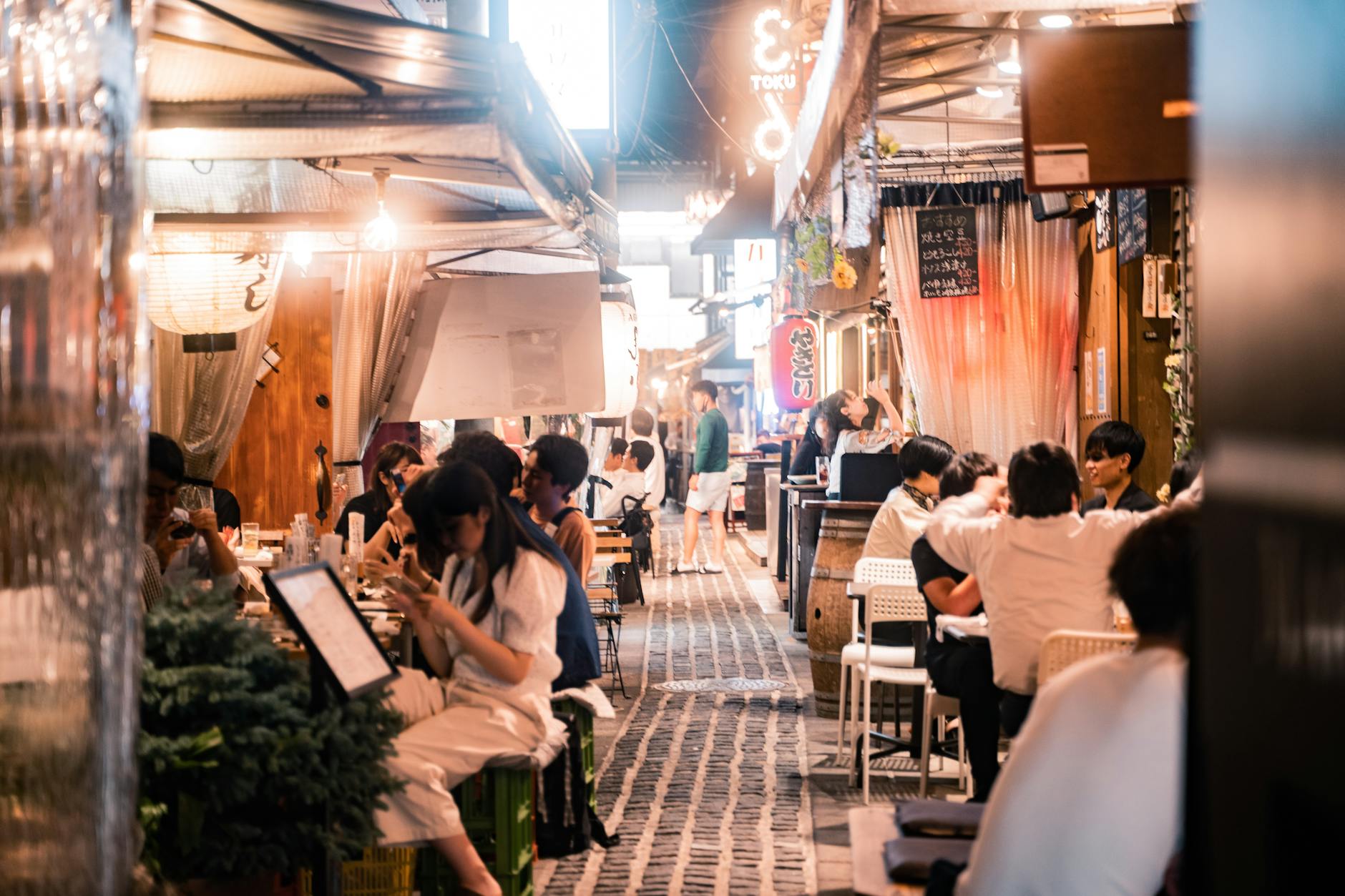
  • Visit the Shinjuku Omoide Yokocho, a small alleyway filled with tiny restaurants and bars (price range: 500-1,000 JPY per person)
  • Sample some fresh sushi at Sushi-no-Midori (price range: 1,000-3,000 JPY per person)
  • Explore the many restaurants and shops of the Shinjuku Mylord department store (price range: 500-2,000 JPY per person)

And, after a long day of exploring, be sure to take in the stunning shinjuku neon signs that illuminate the area. Whether you're in the mood for a romantic dinner or a night out with friends, Shinjuku has something for everyone.

Getting to Shinjuku

Shinjuku Neon Signs: What to Know

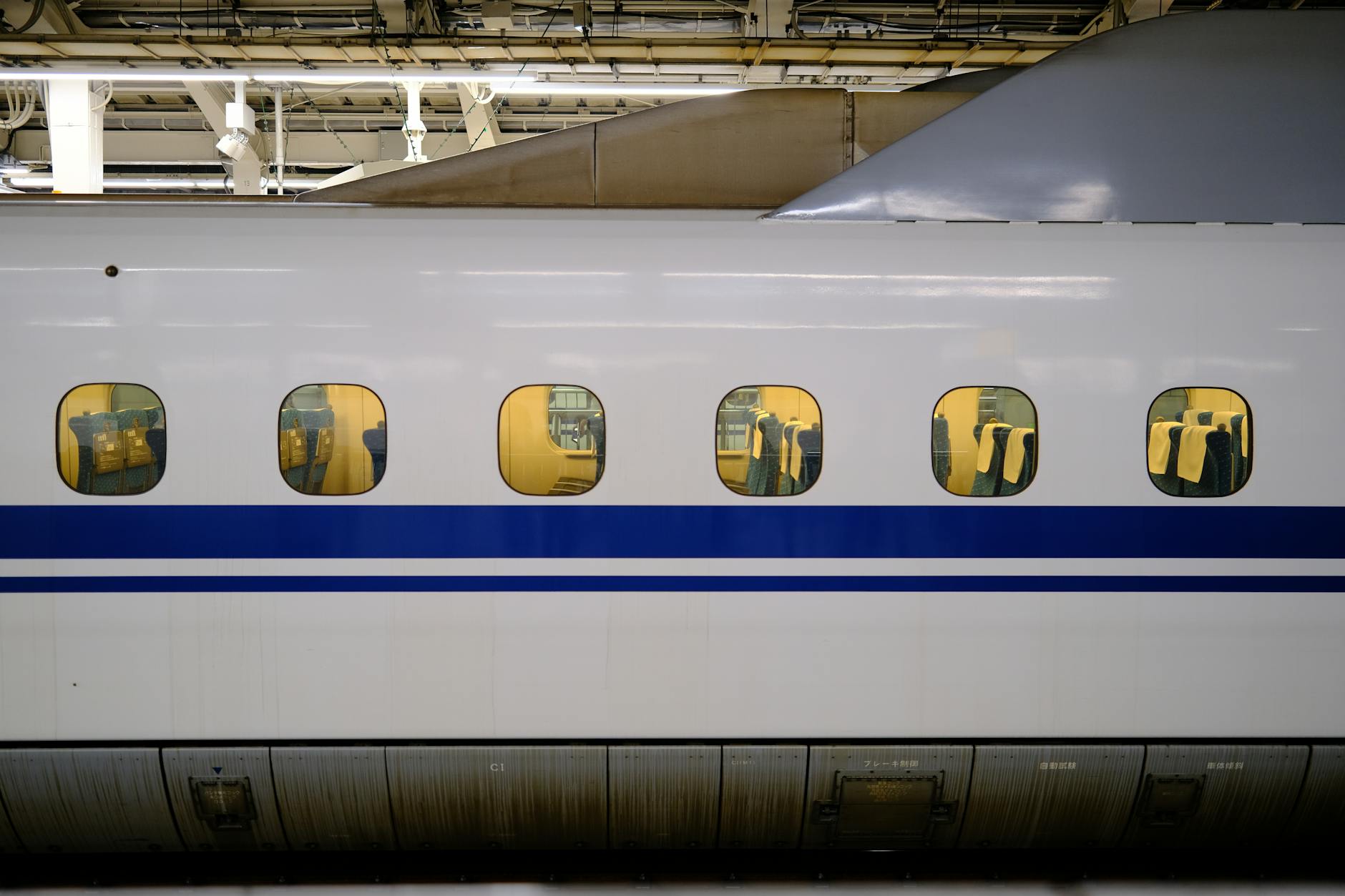
Getting to Shinjuku is easy, with a number of convenient transportation options available. The area is served by several major train stations, including Shinjuku Station, which is a major hub for the JR, Odakyu, and Keio lines. From Shinjuku Station, it's easy to get to other parts of the city, including the famous Shibuya Crossing and the Asakusa district.

The cost of transportation in Tokyo can vary, but here are some approximate prices:

  • Subway ride: 200-400 JPY
  • JR train ride: 200-1,000 JPY
  • Taxi ride: 600-1,000 JPY
🎯 Pro Tip: Consider purchasing a prepaid IC card, such as a Suica or Pasmo card, which can be used to ride public transportation in Tokyo. This can be a convenient and cost-effective way to get around the city.

Best Time to Visit Shinjuku

The best time to visit Shinjuku depends on your interests and preferences. If you're looking to see the famous cherry blossoms, the best time to visit is in the spring, typically from late March to early April. If you're interested in viewing the autumn leaves, the best time to visit is in the fall, typically from late November to mid-December.

Shinjuku also hosts a number of festivals and events throughout the year, including the Shinjuku Matsuri in May and the Shinjuku Autumn Leaves Festival in November. These events can be a great way to experience the local culture and community, and are definitely worth checking out if you're in the area.

🎯 Pro Tip: Be sure to check the weather forecast before heading to Shinjuku, as the area can get very crowded during peak travel seasons. Consider visiting during the week instead of on weekends, when the area is less crowded.

Pro Tips and Insider Advice

Shinjuku Neon Signs: What to Know

Here are a few pro tips and insider advice to keep in mind when visiting Shinjuku:

  • Consider purchasing a guidebook or map to help navigate the area
  • Don't be afraid to ask for help or directions from locals
  • Try to avoid visiting during peak rush hour times, when the streets can get very crowded
  • Be sure to try some of the local cuisine, including tonkatsu and sushi

Nearby Day Trips or Combine With

Shinjuku is a great base for exploring the rest of Tokyo, and there are a number of nearby day trips and destinations that are definitely worth checking out. Some top recommendations include:

  • Asakusa: a historic district with a famous temple and traditional shops (approx. 30 minutes by train)
  • Shibuya: a trendy district with a famous crossing and shopping area (approx. 20 minutes by train)
  • Harajuku: a fashionable district with unique shops and restaurants (approx. 20 minutes by train)

Frequently Asked Questions

What is the best way to get to Shinjuku?

The best way to get to Shinjuku is by train, with several major lines serving the area, including the JR, Odakyu, and Keio lines.

What are the best things to do in Shinjuku?

Some top things to do in Shinjuku include visiting the Shinjuku Gyoen National Garden, exploring the Kabukicho entertainment district, and taking in the stunning shinjuku neon signs that illuminate the area.

What is the best time to visit Shinjuku?

The best time to visit Shinjuku depends on your interests and preferences, but the spring and fall are generally considered to be the best times to visit, with mild weather and beautiful foliage.

How much does it cost to visit Shinjuku?

The cost of visiting Shinjuku can vary, but here are some approximate prices: subway ride (200-400 JPY), JR train ride (200-1,000 JPY), taxi ride (600-1,000 JPY).

Is Shinjuku safe for tourists?

Yes, Shinjuku is generally considered to be a safe area for tourists, with low crime rates and a strong police presence. However, as with any major city, it's always a good idea to take common-sense precautions to stay safe, such as being aware of your surroundings and keeping an eye on your belongings.

🚗 Experience Japan's Car Culture

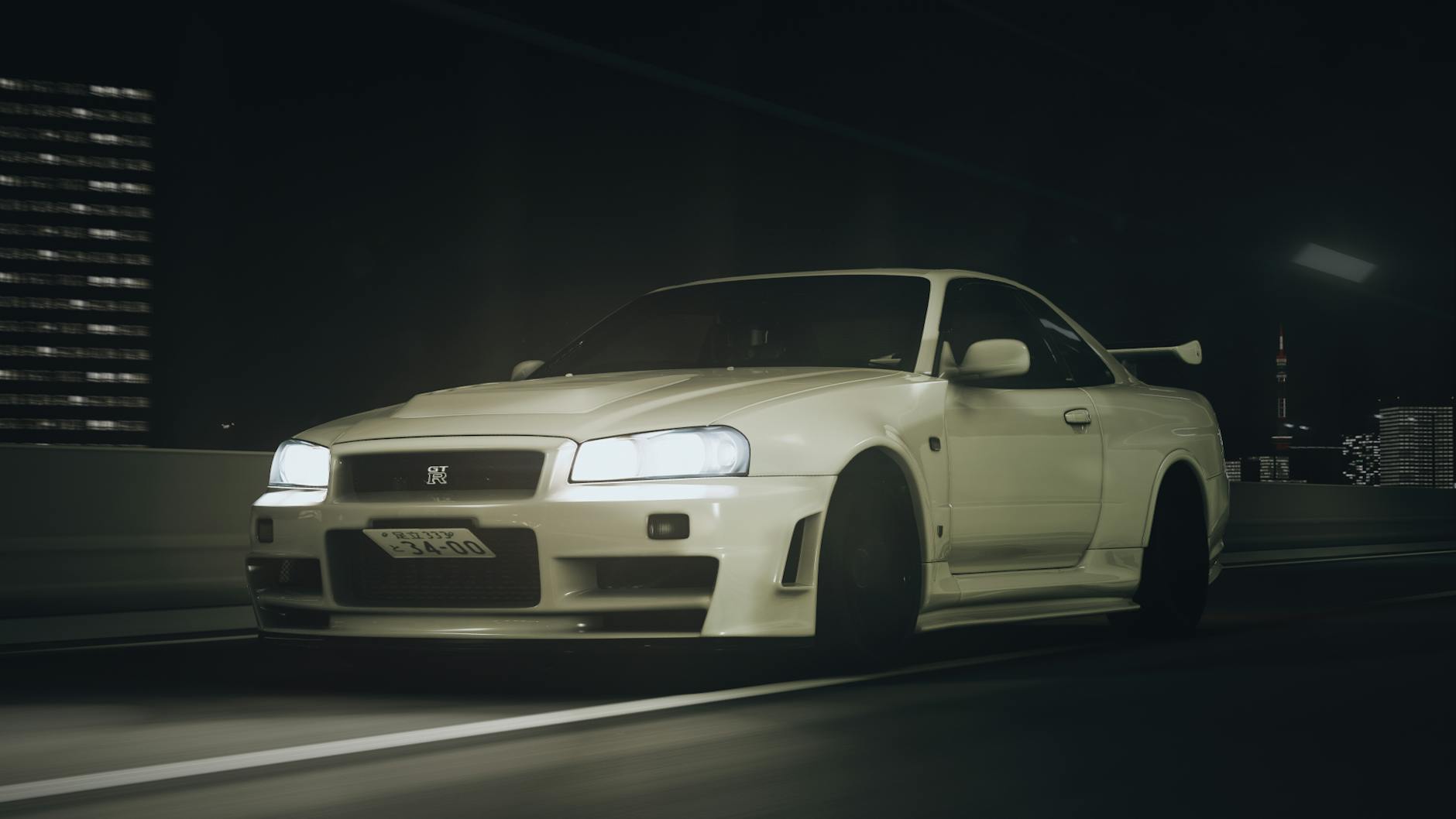
While you're exploring Japan, don't miss the chance to experience the legendary JDM car scene. Our Daikoku PA Night Tour takes you to Japan's most famous car meet — see Nissan GT-Rs, Toyota Supras, and hundreds of modified cars in their natural habitat.

Book Your JDM Night Tour →


🇯🇵 Plan Your Japan Experience

JDM Car Rental

Bustling Japanese street scene

Drive a GT-R, Supra, RX-7, or Silvia on the roads they were built for. Hakone passes, Wangan highway, mountain touge — your dream JDM experience.

Daikoku PA Tour

Visit Japan's most legendary car meet. Hundreds of modified cars, passionate owners, and the heartbeat of JDM culture. Guided weekend night tours available.

Photo Guide Tour

Capture stunning photos at locations only locals know. Hidden shrines, backstreet alleys, rooftop views, and golden hour spots for unforgettable shots.

Explore Tokyo After Dark

Discover Tokyo's vibrant nightlife with a local guide. Hidden izakayas, street food, and the neon-lit back alleys that make Tokyo legendary. Free cancellation.

-Travel Guide
-,