Japan has a reputation for being expensive. That reputation is badly out of date. With the yen at historically weak levels against the US dollar, British pound, Australian dollar, and Euro, Japan in 2026 is genuinely one of the best-value destinations in Asia for Western travelers — and arguably better value than major Western cities like London, New York, Sydney, or Paris.
This guide gives you real numbers. Not vague advice like "Japan can be affordable if you're careful" — actual yen amounts for accommodation, food, transport, and activities, organized into clear daily budget tiers. Whether you're a backpacker on ¥7,000 a day or a mid-range traveler comfortable spending ¥25,000, this is your complete financial roadmap to Japan.
The Quick Answer — Daily Budget by Travel Style (2026)
Here's the honest breakdown at a glance:
| Travel Style | Daily Budget (per person) | USD Equivalent | Who It's For |
|---|---|---|---|
| Budget Backpacker | ¥6,000–10,000/day | ~$40–67 USD | Hostel dorms, konbini meals, free attractions |
| Mid-Range Traveler | ¥15,000–25,000/day | ~$100–167 USD | Business hotels, sit-down restaurants, activities |
| Comfortable | ¥30,000–50,000/day | ~$200–333 USD | Nice hotels, full restaurant meals, bullet trains |
| Luxury | ¥80,000+/day | $530+ USD | Traditional ryokan, fine dining, private experiences |
Accommodation Costs in Japan
Accommodation is the biggest variable in your Japan budget. The range spans from ¥2,500 dorm beds to ¥100,000+ per night at luxury ryokan. Here's what each tier actually looks like:
Budget Accommodation (¥2,500–6,000/night)
- Hostel dormitory: ¥2,500–4,500/night. Japan has excellent hostel culture — many are architecturally beautiful, extremely clean, and have helpful staff. Recommended chains: Khaosan, Nui, Citan (Tokyo), Piece Hostel (Kyoto/Osaka).
- Capsule hotel: ¥3,500–6,000/night in Tokyo/Osaka. Modern capsule hotels (First Cabin, Nine Hours, The Millennials) offer individual sleeping pods with privacy curtains, shared shower facilities, and surprisingly good sleep quality.
- Manga/internet café (overnight): ¥1,500–2,500 for an overnight stay in a private booth. Not a conventional hotel experience, but genuinely used by budget travelers and locals alike.
Mid-Range Accommodation (¥6,000–18,000/night)
- Budget business hotel chains: APA Hotel, Toyoko Inn, Super Hotel — ¥6,000–10,000/night for a single room. Compact but clean, well-located, and include basics. Toyoko Inn often includes free breakfast.
- Dormy Inn: ¥10,000–16,000/night. The sweet spot of Japan accommodation. Typically features an in-house onsen or large bath, late-night ramen service, and free breakfast at some locations. Excellent value.
- Cross Hotel, Vessel Hotel, Rembrandt: ¥12,000–20,000/night. Comfortable mid-range business hotels with more space and amenities than budget chains.
Luxury and Traditional Accommodation (¥18,000–100,000+/night)
- Traditional ryokan (旅館): ¥18,000–40,000/person/night, often including dinner and breakfast (two meals). This is one of Japan's defining travel experiences — sleeping on futon bedding on tatami mats, multi-course kaiseki dinner, private or shared onsen. Hakone, Kinosaki, and Yamanouchi are prime ryokan destinations.
- Luxury hotels: Park Hyatt Tokyo, Aman Tokyo, The Ritz-Carlton Osaka — ¥50,000–120,000/night. World-class facilities with extraordinary Tokyo/Osaka views.
Food Costs in Japan
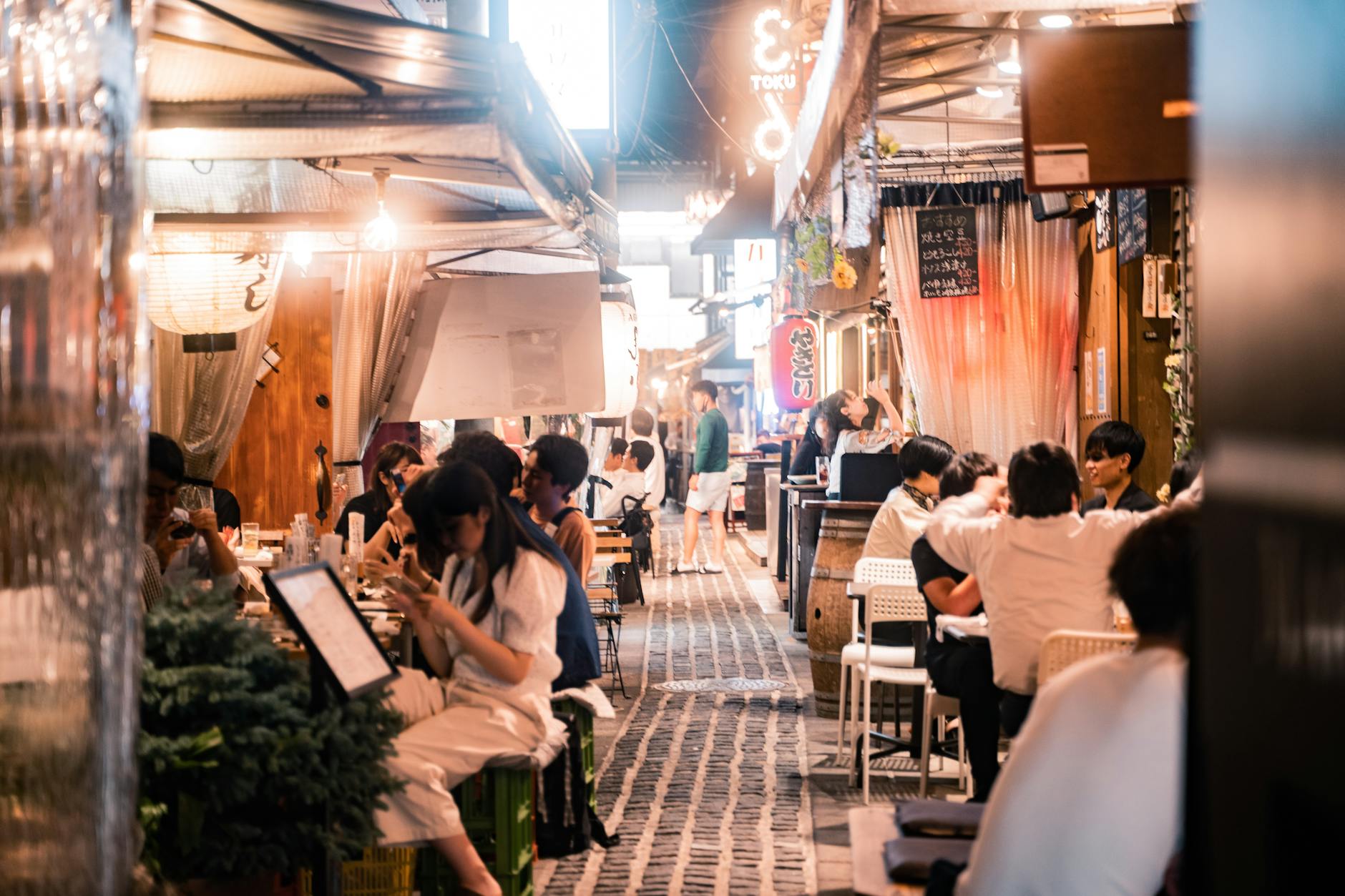
"Japan food is cheap and amazing" — this is actually completely true, particularly at the budget and mid-range levels. Japan has an extraordinary food culture at every price point, from ¥150 convenience store onigiri to ¥50,000 Michelin three-star omakase.
Budget Eating (¥400–1,500 per meal)
- Convenience store meal (7-Eleven, Lawson, FamilyMart): ¥400–800 for a full meal. Onigiri (rice balls): ¥130–200 each. Sandwiches: ¥250–350. Bentos (lunch boxes): ¥350–600. Hot foods at the counter (steamed buns, fried chicken, corn dogs): ¥100–250. Sushi platters: ¥400–800.
- Standing soba and udon restaurants (tachigui): ¥400–600 for a bowl. Found at major train stations. Fast, cheap, and genuinely good.
- Ramen: ¥800–1,200 at most local ramen shops. Tonkotsu, shoyu, miso, shio — every style is available, and Japan's ramen culture produces world-class bowls at modest prices.
- Gyudon (beef rice bowl) chains: Yoshinoya, Sukiya, Matsuya — ¥400–700 per meal. These 24/7 chains are a Japan budget travel staple.
- Set lunch (teishoku, 定食): ¥900–1,800. Many restaurants offer significantly discounted lunch sets (a main dish, rice, miso soup, and side dishes) during lunch hours (11am–2pm). The same dinner costs 30–50% more.
Mid-Range Eating (¥1,500–5,000 per meal)
- Conveyor belt sushi (kaiten-zushi): ¥1,000–2,500 per person. Chains like Sushiro, Hamazushi, and Kura Sushi offer excellent quality sushi at approximately ¥120–250 per plate (2 pieces). Reservations now strongly recommended at popular locations.
- Mid-range restaurant dinner: ¥2,000–5,000 per person for izakaya, yakiniku (Japanese BBQ), tempura restaurants, sushi restaurants, and tonkatsu shops.
- McDonald's Japan: ¥600–900 for a meal. Worth mentioning because Japan McDonald's is legitimately better than in most countries — Teriyaki Burger, Shaka Shaka Chicken, seasonal items.
High-End and Luxury Dining (¥5,000–50,000+ per person)
- Traditional kaiseki: ¥8,000–20,000 per person for a full multi-course kaiseki meal (the pinnacle of Japanese cuisine). These are exceptional value compared to equivalent tasting menus in the US or Europe.
- Omakase sushi: ¥15,000–50,000+ per person. Japan has more Michelin-starred restaurants than any country in the world, and world-class omakase sushi in Tokyo is available at multiple price points.
- Wagyu beef restaurants: ¥5,000–20,000 per person depending on grade and portion.
Transport Costs in Japan
Transport is where Japan trip costs can vary enormously depending on your itinerary. A Tokyo-only trip costs dramatically less in transport than a multi-city trip including Osaka, Hiroshima, and Kyoto.
City Transport
- IC Card (Suica/Pasmo) subway and train rides: ¥180–400 per ride within Tokyo. Most trips are ¥200–300. Load money onto your card at any ticket machine.
- Tokyo 24-hour metro pass: ¥600 for Tokyo Metro lines only, ¥1,000 for a combined Tokyo Metro and Toei Subway pass (valid 24 hours from first use). Worthwhile if taking 4+ subway trips in a day.
- Osaka 1-day pass: ¥820 for Osaka Metro. Various combination passes available with Osaka Amazing Pass.
- City bus: ¥200–250 per ride in most cities. Kyoto bus day pass (¥700) is valuable for Kyoto temple-hopping.
- Taxi: Starting fare ¥500–800, then ¥80–100 per 300m. Japan taxis are metered, honest, and clean — but expensive for longer distances. Good for late-night trips when trains stop.
Intercity Transport
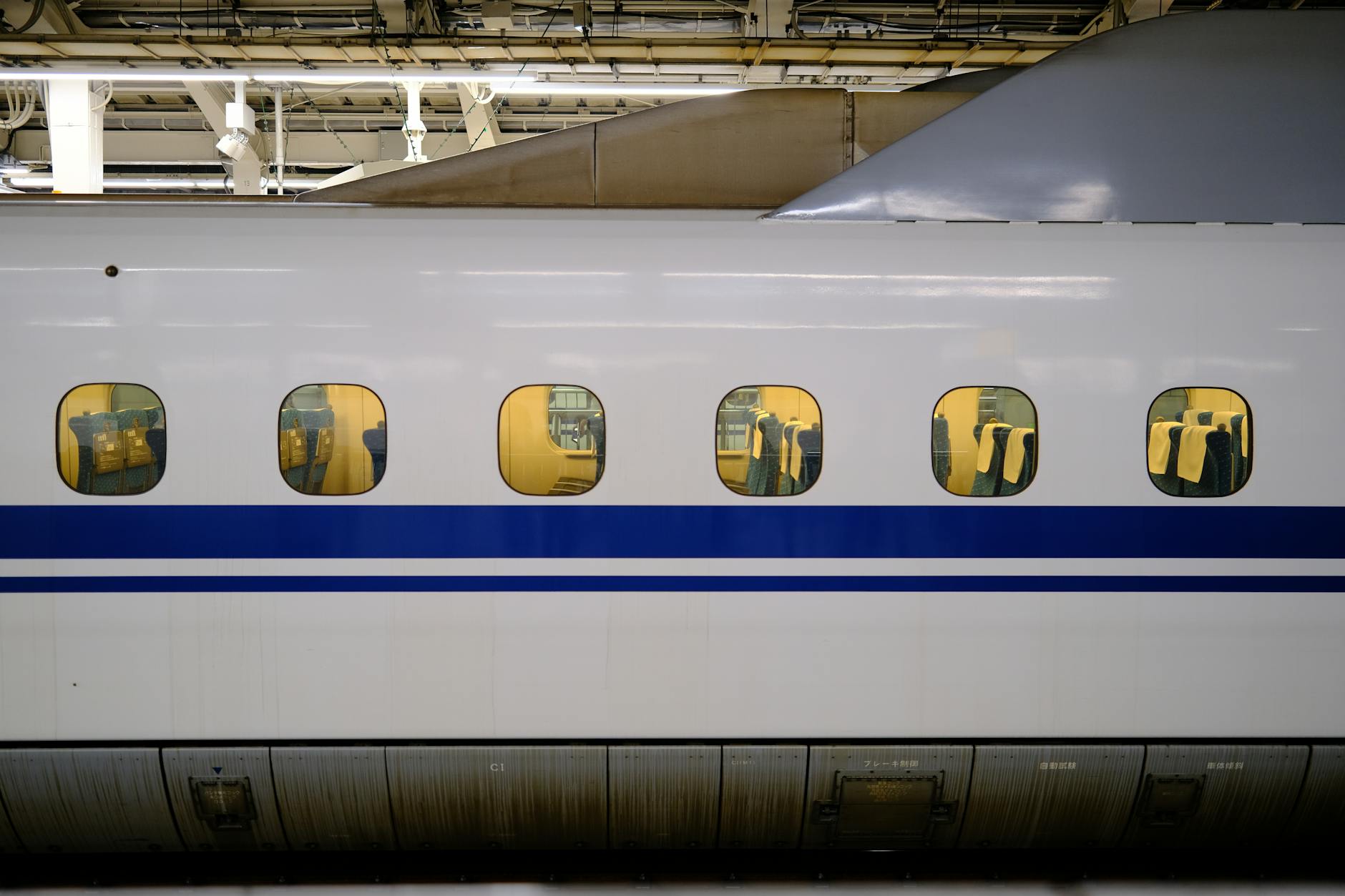
- Shinkansen (bullet train) — individual tickets:
- Tokyo to Kyoto: ¥13,720 (non-reserved), ¥14,170 (reserved)
- Tokyo to Osaka: ¥14,720 one way
- Tokyo to Hiroshima: ¥19,440 one way
- Tokyo to Sapporo (Hokkaido Shinkansen, new): ¥26,750 one way
- Japan Rail Pass (JR Pass): Covers most JR shinkansen and trains nationwide.
- 7-day pass: ¥50,000 (ordinary class)
- 14-day pass: ¥80,000
- 21-day pass: ¥100,000
- Regional passes also available (Kansai, Kyushu, Hokkaido) at lower prices
- Highway bus (高速バス): Budget option for intercity travel. Tokyo to Osaka: ¥3,500–6,000 overnight. Takes 8–9 hours but very affordable and comfortable overnight buses are available.
- Domestic flights:
- Tokyo to Okinawa: ¥8,000–25,000 depending on airline and booking lead time
- Budget airlines (Peach, Jetstar Japan, Spring Japan): Tokyo to Sapporo from ¥3,000–8,000 with advance booking
Rental Car Costs in Japan
Renting a car in Japan opens up destinations that trains simply don't reach — rural Hokkaido, Okinawa's outer islands, mountain valleys, and coastal roads. It can also be cost-effective for groups of 3–4 people splitting transport costs.
- Compact car (kei car or small sedan): ¥4,500–7,000/day. The most practical choice for Japan's narrow roads and tight parking.
- Standard car: ¥5,500–9,000/day
- Expressway tolls: Add ¥2,000–8,000 per day depending on distance traveled. ETC cards (electronic toll collection) can be added for ¥330/day rental fee — significantly faster at toll booths.
- Fuel: Japan gasoline approximately ¥170–185/liter in 2026. A compact car doing 200km/day averages ¥1,700–2,500 in fuel.
- Parking: Coin parking in urban areas ¥200–600/hour. Many hotels charge ¥1,000–2,000/night for parking. Rural areas often have free parking at attractions.
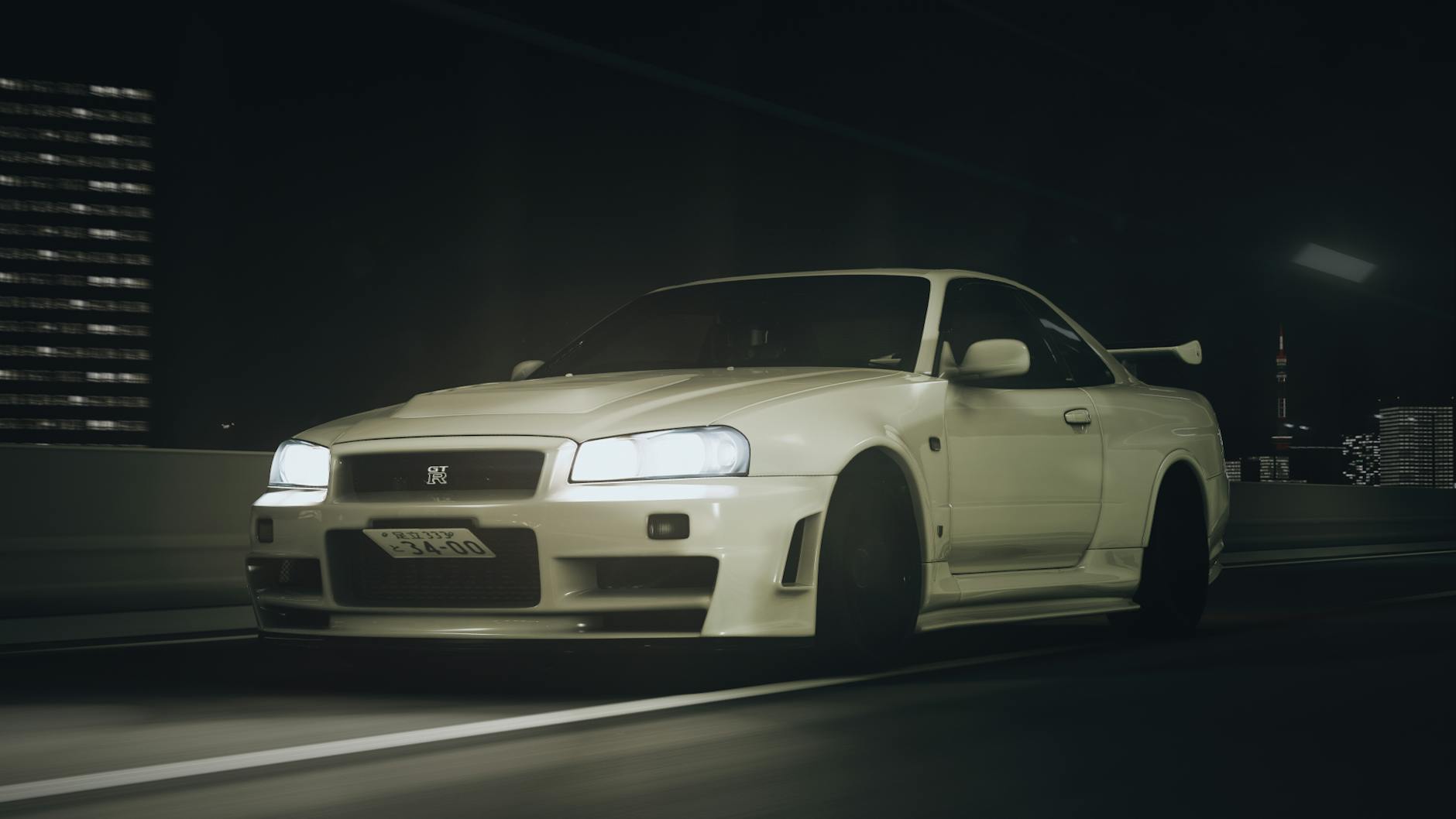
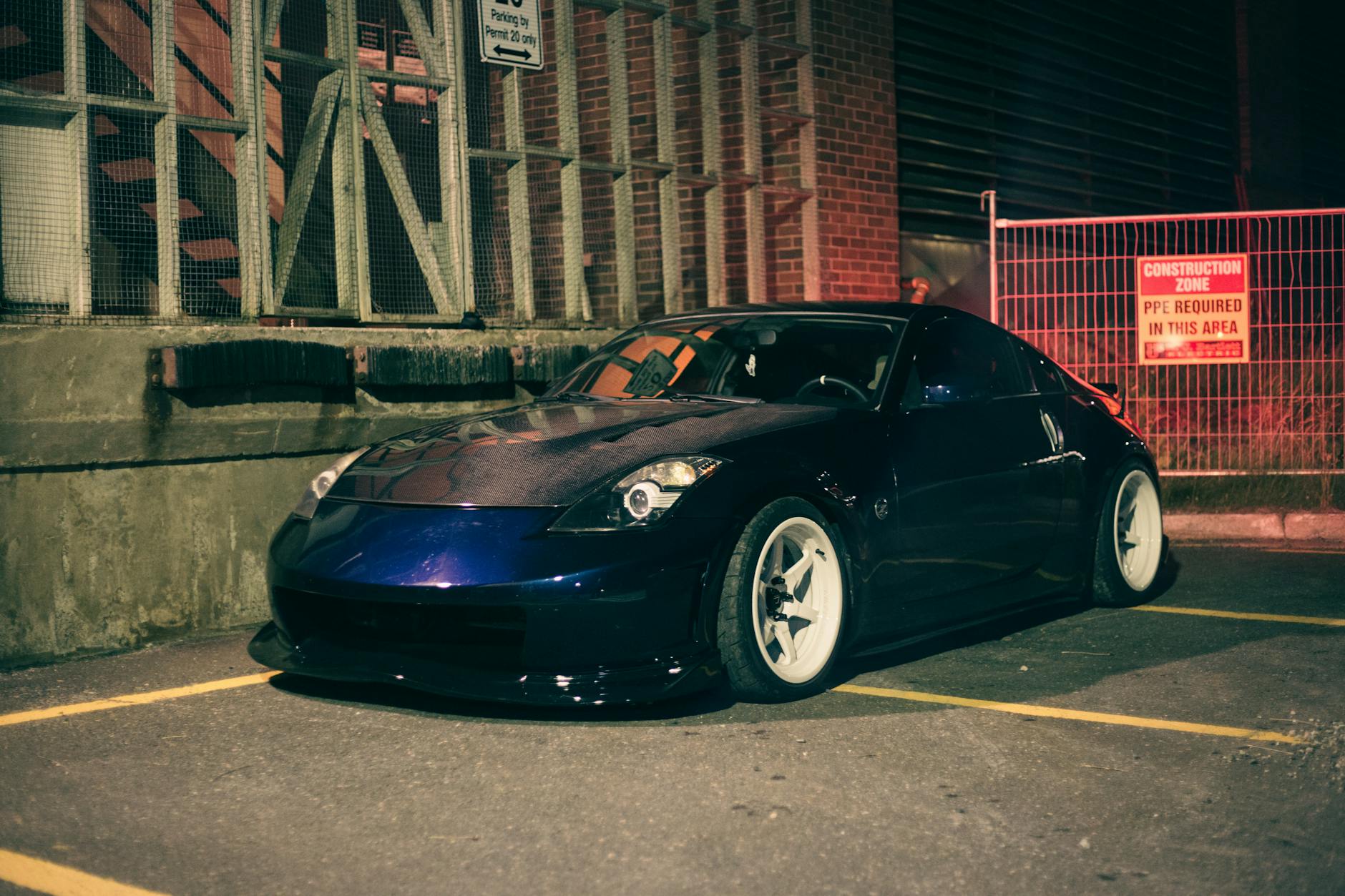
For the ultimate Japan driving experience, Samurai Car Japan in Shibuya offers JDM sports car rentals to foreign tourists — Nissan GT-R, Toyota Supra, Mazda RX-7, and more. This isn't budget travel, but it's the definitive Japan car experience that can't be replicated anywhere else in the world.
Attraction and Activity Costs in Japan
Japan has an extraordinary range of free and low-cost attractions. You can have a full and memorable day in Tokyo, Kyoto, or Osaka spending under ¥2,000 on entry fees if you plan well.
Free Attractions
- Meiji Shrine (Tokyo): FREE to walk through the forested grounds (inner precinct: small fee)
- Senso-ji Temple (Asakusa, Tokyo): FREE — Japan's most visited temple
- Shibuya Crossing: FREE — world's busiest pedestrian crossing
- Harajuku Takeshita Street: FREE to walk through
- Ueno Park (Tokyo): FREE — large park, great during cherry blossom season
- Shinjuku Gyoen: ¥500 (excellent value — beautiful gardens, great for cherry blossom hanami)
- Arashiyama Bamboo Grove (Kyoto): FREE
- Fushimi Inari Taisha (Kyoto): FREE — walk through thousands of torii gates at any hour
- Nara Deer Park: FREE to enter — deer roam freely (deer crackers ¥200)
- Dotonbori (Osaka): FREE to explore
- Philosopher's Path (Kyoto): FREE canal-side walking path, extraordinary during cherry blossom
Paid Attractions — Entry Prices
- Tokyo Skytree: ¥2,100 (Tembo Deck, 350m) or ¥3,100 (both decks including Tembo Galleria, 450m)
- teamLab Planets (Toyosu, Tokyo): ¥3,200. Immersive digital art. Advance booking essential.
- teamLab Borderless (Azabudai, Tokyo): ¥3,800. Reopened at new location.
- Tokyo Tower: ¥1,200 main deck, ¥1,800 top deck
- Tokyo National Museum: ¥1,000 (special exhibitions extra)
- Universal Studios Japan (Osaka): ¥9,400–10,400 standard day ticket (2026)
- Tokyo Disneyland or DisneySea: ¥7,900–10,900 (price now varies by date)
- Hiroshima Peace Memorial Museum: ¥200 — essential, deeply moving
- Onsen day use (higaeri, 日帰り): ¥500–2,000 depending on facility
- Kyoto Kinkaku-ji (Golden Pavilion): ¥500
- Kyoto Ginkaku-ji (Silver Pavilion): ¥500
- Nara's Todai-ji Temple (Great Buddha Hall): ¥600
Sample Budget — 7 Days in Japan
Here's a concrete breakdown showing what a 7-day Japan trip actually costs, at two different budget levels. These are for one person and assume Tokyo-based (possibly with a Kyoto/Osaka day trip by bullet train).
Budget Traveler — ¥70,000 total (~$467 USD)
| Category | Daily | 7-Day Total | Notes |
|---|---|---|---|
| Accommodation | ¥4,000 | ¥28,000 | Hostel dorm (mid-range hostel) |
| Food | ¥3,000 | ¥21,000 | Konbini + budget restaurants, 3 meals |
| Transport | ¥1,500 | ¥10,500 | IC card, day passes, no shinkansen |
| Attractions | ¥1,000 | ¥7,000 | Free attractions + 2–3 paid entries |
| Misc/souvenirs | ¥500 | ¥3,500 | Small purchases, incidentals |
| TOTAL | ¥10,000 | ¥70,000 | ~$467 USD |
Mid-Range Traveler — ¥140,000 total (~$933 USD)
| Category | Daily | 7-Day Total | Notes |
|---|---|---|---|
| Accommodation | ¥9,000 | ¥63,000 | Budget business hotel (Toyoko Inn/APA) |
| Food | ¥5,000 | ¥35,000 | Mix of sit-down restaurants + konbini |
| Transport | ¥3,000 | ¥21,000 | IC card + 1 shinkansen day trip |
| Attractions | ¥2,000 | ¥14,000 | Skytree, teamLab, museum entries |
| Misc/souvenirs | ¥1,000 | ¥7,000 | Moderate souvenir shopping |
| TOTAL | ¥20,000 | ¥140,000 | ~$933 USD |
Note: These totals exclude international flights and travel insurance, which are fixed costs regardless of destination. The in-country daily costs above are realistic for Tokyo-based travel. Adding a multi-city Japan Rail Pass itinerary adds ¥50,000–80,000 to overall trip cost.
Hidden Costs to Budget For
Several expenses catch first-time Japan visitors off guard. Include these in your planning:
- Airport transport:
- Narita Airport to central Tokyo: ¥3,020 (Narita Express) or ¥1,340 (Keikyu/Asakusa limited express) or ¥1,200–1,600 (bus). Avoid taxis — ¥20,000+.
- Haneda Airport to central Tokyo: ¥600–900 by train (much better airport for budget travelers)
- Kansai International to Osaka/Kyoto: ¥1,460–2,470 depending on destination
- Travel insurance: ¥1,500–3,000/week for a standard international policy. Japan's medical care is excellent but fee-based for foreigners without insurance. Strongly recommended.
- eSIM or SIM card: ¥2,000–5,000 for a 7–14 day data-only tourist SIM. Budget this in advance.
- Luggage forwarding (takkyubin, 宅急便): ¥1,200–2,500 per piece. Japan's door-to-door luggage forwarding service (primarily Yamato Transport / "Black Cat") lets you send your suitcase between cities or from your hotel to the airport. Highly recommended for multi-city trips — traveling on the shinkansen without heavy bags is liberating and the cost is modest.
- Coin lockers: ¥300–700 per day at train stations. Useful for day trips when you need to drop your bags.
- Souvenir budget: ¥5,000–30,000 depending on your discipline. Japan has extraordinary souvenir culture — high-quality, unique items that are genuinely worth buying. Budget for it honestly.
How to Save Money in Japan — 8 Practical Tips
- Eat at standing counters (tachigui, 立ち食い): Tachigui soba and udon restaurants, particularly at train stations, are 30–50% cheaper than seated restaurants and the food is identical. Look for them at Shinkansen stations — they're everywhere.
- Use konbini strategically: Plan at least one konbini meal per day. Breakfast from 7-Eleven (onigiri + coffee) costs ¥350–500 vs. ¥800–1,500 at a café. Over 10 days, that's ¥4,500–11,000 in savings.
- Buy metro day passes: If taking 4+ subway rides in a day in Tokyo, a 24-hour Tokyo Metro pass (¥600) or combined metro pass (¥1,000) is cheaper than individual fares.
- Take the highway bus for long distances: The Willer Express and JR Highway Bus overnight buses between Tokyo and Osaka/Kyoto (¥3,500–5,500) cost 60–75% less than the shinkansen. The 8–9 hour overnight trip saves hotel costs too.
- Book restaurants at lunch, not dinner: Japan's teishoku (set lunch) culture means the same restaurant charges ¥900–1,500 for a multi-dish lunch set and ¥2,500–5,000 for the equivalent dinner. Have your main restaurant experience at lunch.
- Use Google Maps for 100-yen vending machines: Japan has ~5 million vending machines. A cold water bottle from a convenience store costs ¥120–150, but some discount vending machines near stations sell drinks for ¥60–100.
- Free observation decks: Skip the Tokyo Skytree (¥2,100–3,100) for your first Tokyo view. Go to Tokyo Metropolitan Government Building's observation deck in Shinjuku — completely free, open until 10:30pm on most nights, equally impressive view.
- Cherry blossom picnic vs. cherry blossom tours: Don't pay ¥5,000–15,000 for a "cherry blossom experience" tour. Ueno Park, Shinjuku Gyoen (¥500), and Yoyogi Park are all accessible by metro and offer equal blossom viewing. Buy konbini snacks and a ¥200 convenience store sake and join the hanami picnic tradition.
Is Japan Expensive for Foreign Visitors in 2026?
Here's the honest 2026 assessment: Japan is not expensive by Western city standards. At current exchange rates (approximately ¥150/USD), Japan compares favorably to other major travel destinations:
| City | Typical Mid-Range Daily Budget | Notes |
|---|---|---|
| Tokyo, Japan | $100–165 USD | Excellent food quality at every price point |
| London, UK | $180–280 USD | Higher accommodation and food costs |
| New York, USA | $200–350 USD | Significant accommodation premium |
| Sydney, Australia | $170–250 USD | High food and accommodation costs |
| Paris, France | $160–250 USD | Restaurant and hotel premiums |
| Bangkok, Thailand | $50–90 USD | Budget Southeast Asia comparison |
The areas where Japan costs are genuinely high: getting there (international flights remain expensive, especially from the US West Coast at $800–1,500 return), and premium experiences (luxury ryokan, omakase sushi, JR Pass for extensive travel). Once you're in Japan, day-to-day costs for a mid-range traveler are lower than London, New York, or Sydney.
The food quality-to-price ratio in Japan is arguably the best in the world. A ¥900 teishoku lunch in Japan — with a main dish, rice, miso soup, pickles, and side salad — is better food than what $15 buys in most American cities. A ¥1,000 bowl of ramen is crafted with the same seriousness as a fine dining dish in the West.
Related Guides
Frequently Asked Questions
How much does a 2-week trip to Japan cost?
A 2-week Japan trip (14 days in-country) costs approximately ¥140,000–350,000 per person depending on travel style, excluding international flights. Budget breakdown: ¥140,000 (backpacker: hostels, konbini, free attractions, highway buses) to ¥350,000 (mid-range: business hotels, restaurants, JR Pass, major attractions). Add ¥80,000–120,000 for a 14-day JR Pass if doing extensive multi-city travel.
Is Japan expensive to visit?
At 2026 exchange rates (approximately ¥150/USD), Japan is NOT expensive by Western standards. Daily costs in Tokyo for mid-range travelers ($100–165 USD/day) are lower than London, New York, Sydney, or Paris. The main high cost is the international flight to get there. Once in Japan, food and accommodation are exceptional value for the quality received.
How much cash should I bring to Japan?
Bring or plan to withdraw ¥10,000–20,000 per day in cash. Japan still has many cash-only establishments, particularly local restaurants, small shops, and traditional venues. Withdraw from 7-Eleven ATMs or Japan Post Bank ATMs, which reliably accept foreign Visa, Mastercard, and Amex cards. A good starting amount after arrival: ¥30,000.
Is Japan cheaper than Europe?
Yes, Japan is cheaper than Western Europe (UK, France, Germany, Netherlands, Scandinavia) for most budget categories at 2026 exchange rates. Food is significantly cheaper in Japan — restaurant meals, convenience store food, and market food all offer better value than equivalent European options. Accommodation at the budget and mid-range level is comparable or cheaper. The exception is if you're comparing Japan to Eastern Europe (Poland, Czech Republic, Hungary), where budget accommodation and food costs are lower.
What is the cheapest way to travel in Japan?
The cheapest intercity transport options: (1) Highway bus — Tokyo to Osaka for ¥3,500–5,500 overnight. (2) Budget domestic flights — Peach, Jetstar Japan, and Spring Japan offer Tokyo-Sapporo or Tokyo-Okinawa from ¥3,000–8,000 with advance booking. (3) For city travel: IC card on subway/metro is cheaper than taxis and individual tickets. Avoid bullet trains if budget is the priority — they're fast and excellent but expensive individually.
How much does food cost per day in Japan?
Food costs per day in Japan by budget level: Budget (konbini + ramen + standing soba): ¥1,500–2,500/day. Mid-range (one sit-down meal + konbini breakfast + izakaya dinner): ¥3,500–6,000/day. Comfortable (full restaurant meals for each): ¥6,000–12,000/day. Luxury (kaiseki, omakase, wagyu): ¥15,000–50,000+/day. Japan's unique advantage: even budget eating is genuinely excellent quality.
Is a Japan Rail Pass worth it for a budget trip?
For pure budget travel, probably not. The 7-day JR Pass costs ¥50,000 — roughly equivalent to 14 nights in a hostel dorm. If your trip is Tokyo-only or uses highway buses for intercity travel, the pass doesn't make sense financially. The JR Pass pays off for travelers doing Tokyo + Kyoto + Hiroshima + Osaka (or adding further destinations like Fukuoka or Sapporo). Calculate your specific route using individual ticket prices before purchasing.
What is the cheapest city to visit in Japan?
Osaka is generally considered the most affordable major city in Japan, with a reputation for excellent cheap food (okonomiyaki, takoyaki, kushikatsu). Fukuoka (Kyushu) and Hiroshima are also notably affordable for accommodation and food. Tokyo is the most expensive city but still manageable on a budget. Kyoto's accommodation costs surge during peak seasons (cherry blossom, autumn leaves) — book well in advance or stay in Osaka (30 minutes by train) and day-trip.