Nishiki Market Kyoto: The Complete Food and Shopping Guide
Nishiki Market Kyoto: A Complete Food and Shopping Guide
Welcome to Nishiki Market, affectionately known as "Kyoto's Kitchen"! This vibrant and bustling marketplace, stretching five blocks in the heart of Kyoto, is a sensory feast for food lovers and a shopper's paradise for unique souvenirs. More than just a tourist attraction, Nishiki Market is a living, breathing testament to Kyoto's culinary heritage, a place where generations of vendors have perfected their crafts and where locals still come to buy the freshest ingredients for their daily meals.
This comprehensive guide will take you through everything you need to know to make the most of your visit to Nishiki Market, from understanding its history and cultural significance to navigating its maze of stalls and sampling its delectable offerings. Get ready to immerse yourself in the sights, sounds, and flavors of Kyoto!
A Brief History: From Fish Market to Culinary Hub
Nishiki Market's roots can be traced back to the early Edo period (1615-1868), when it began as a fish wholesale district. The market's strategic location near the Nishiki River, a vital source of fresh water and transportation, contributed to its early success. Over time, the market expanded beyond seafood to include a wide variety of produce, pickles, sweets, and other specialty foods.
The market's enduring appeal lies in its commitment to quality and tradition. Many of the stalls are family-run businesses that have been operating for generations, passing down their knowledge and skills from one generation to the next. This dedication to craftsmanship is evident in the meticulous presentation of the goods and the pride the vendors take in their products.
Navigating Nishiki Market: A Sensory Overload in the Best Way
Photo by David Peterson / Pexels
Nishiki Market is a covered arcade, making it a pleasant experience to visit rain or shine. The market is generally open from around 9:00 AM to 6:00 PM, with some stalls closing earlier or later. Most stalls are closed on Wednesdays or Sundays, but it varies, so be prepared for some closures. The best time to visit is during the morning or early afternoon to avoid the biggest crowds.
Location: Centrally located in Kyoto, easily accessible by subway or bus. The closest subway station is Shijo Station on the Karasuma Line. Several bus lines also stop near the market.
Hours: Typically 9:00 AM - 6:00 PM, but individual stall hours may vary.
Days Closed: Varies by stall, but generally Wednesdays or Sundays.
Crowds: Expect crowds, especially on weekends and during peak tourist seasons. Be patient and polite.
Language: While some vendors speak English, it's helpful to learn a few basic Japanese phrases. A simple "Konnichiwa" (hello) and "Arigato" (thank you) go a long way.
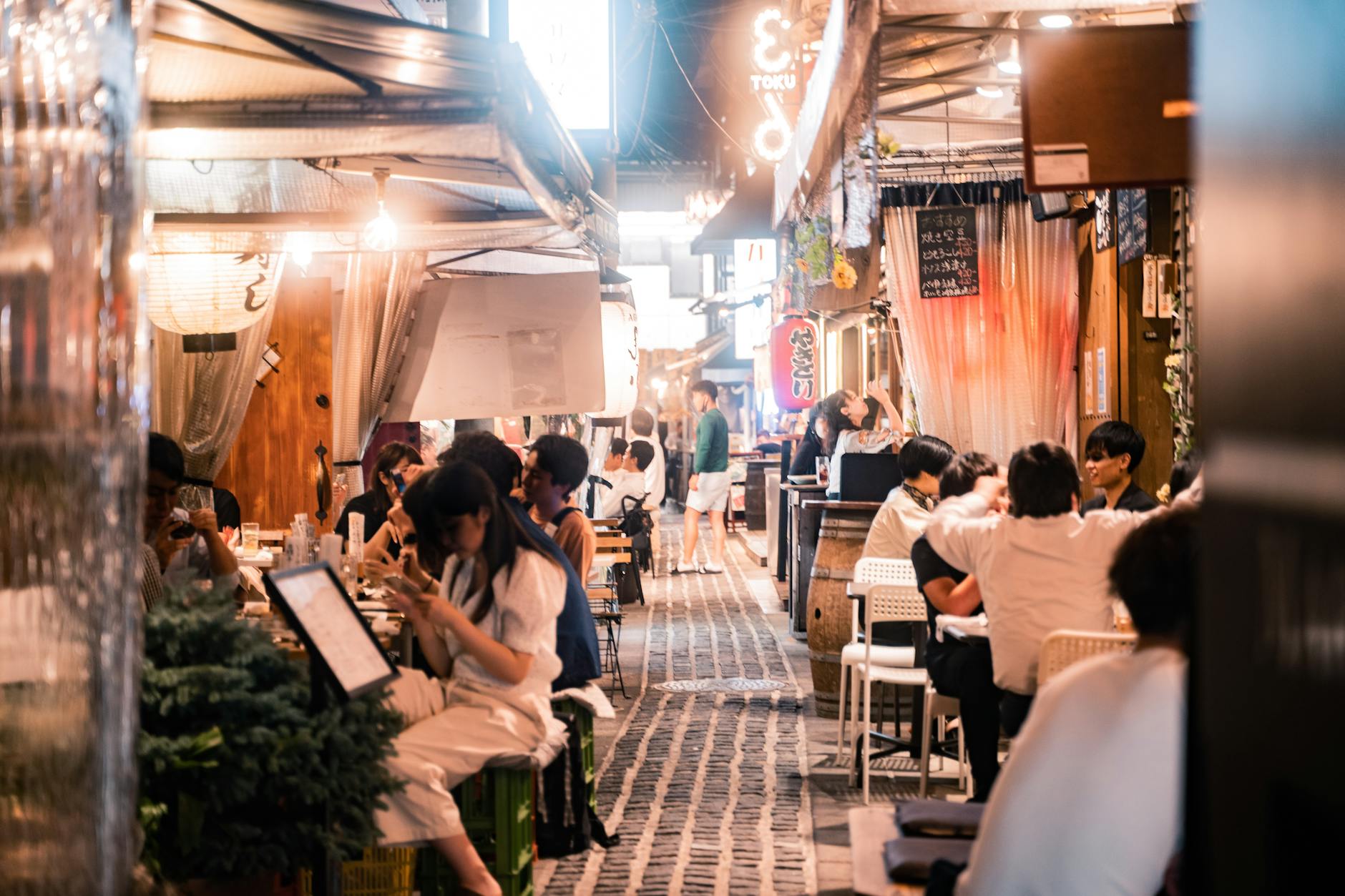
As you stroll through the narrow passageway, prepare to be bombarded by a kaleidoscope of sights, sounds, and smells. Brightly colored pickles and candies are arranged in neat rows, the aroma of grilled seafood fills the air, and the lively chatter of vendors and customers creates a vibrant atmosphere.
Must-Try Foods: A Culinary Adventure
Nishiki Market is a food lover's paradise, offering a seemingly endless array of culinary delights. Be adventurous and try as many different things as you can! Here are some of the must-try foods:
Tsukemono (Japanese Pickles): Kyoto is famous for its pickles, and Nishiki Market is the perfect place to sample a wide variety. From pickled daikon radish to eggplant and cucumber, there's a pickle to suit every palate. Many stalls offer free samples, so don't be shy!
Yuba (Tofu Skin): Yuba is a Kyoto specialty made from the skin that forms on top of heated soy milk. It can be eaten fresh, dried, or fried and is often used in vegetarian dishes.
Takoyaki (Octopus Balls): These savory balls of batter filled with octopus, tempura scraps, pickled ginger, and green onion are a popular street food in Japan. They're typically topped with takoyaki sauce, mayonnaise, and dried bonito flakes.
Oysters and Seafood: Given the market's history, seafood remains a key component. Fresh oysters, grilled squid, and various types of fish are readily available.
Wagashi (Japanese Sweets): Indulge in traditional Japanese sweets like mochi (rice cakes), dango (sweet dumplings), and yokan (adzuki bean jelly). These sweets are often beautifully presented and make for a delightful treat. The matcha ice cream is also a popular choice.
Senbei (Rice Crackers): From savory to sweet, you’ll find a vast selection of senbei. Try different flavors and textures – some are grilled fresh right in front of you.
Tamagoyaki (Japanese Omelet): This sweet and savory rolled omelet is a staple of Japanese cuisine. Nishiki Market offers some of the best tamagoyaki in Kyoto, often served on a stick for easy eating.
Kushikatsu (Deep-Fried Skewers): While originating from Osaka, Kushikatsu are popular throughout Japan. Various meats, vegetables, and seafood are breaded, skewered, and deep-fried.
Tako Tamago (Baby Octopus with Quail Egg): This is a unique and somewhat unusual snack: a baby octopus with a quail egg stuffed into its head. It's surprisingly tasty and a fun conversation starter.
Important Note: Many stalls in Nishiki Market do not have seating. It is customary to eat while standing or walking. Also, be mindful of your surroundings and avoid blocking the narrow passageway.
Shopping for Souvenirs: Unique Treasures to Take Home
Photo by M Adriyawan / Pexels
In addition to its culinary delights, Nishiki Market is also a great place to shop for unique souvenirs and gifts. Here are some ideas:
Japanese Knives: Kyoto is known for its high-quality knives, and Nishiki Market is home to several knife shops. These knives are prized for their sharpness and durability and make a great gift for the aspiring chef in your life.
Pottery and Ceramics: Find beautiful teacups, bowls, and other ceramic items crafted by local artisans. These pieces are often decorated with traditional Japanese designs and make for a lovely reminder of your trip.
Chopsticks: A practical and elegant souvenir, you can find chopsticks in a variety of materials, designs, and price ranges.
Tea: Kyoto is famous for its green tea, and Nishiki Market offers a wide selection of teas, from matcha to sencha. Pick up a bag or two to enjoy back home.
Japanese Spices and Seasonings: Bring home the flavors of Japan with a selection of spices and seasonings like shichimi togarashi (seven-spice blend), sansho pepper, and yuzu kosho (yuzu chili paste).
Traditional Crafts: Look for handcrafted items like fans, paper lanterns, and textiles. These items are often made using traditional techniques and make for a unique and authentic souvenir.
Cultural Etiquette: Respecting the Local Customs
When visiting Nishiki Market, it's important to be mindful of local customs and etiquette. Here are a few tips:
Don't be afraid to try samples: Most stalls offer free samples of their products, so don't hesitate to try them. It's a great way to discover new flavors and decide what you want to buy.
Don't eat while walking: While it's acceptable to eat while standing in front of a stall, avoid eating while walking through the narrow passageway. This can be considered impolite and can block the flow of traffic.
Don't touch the merchandise without permission: Always ask the vendor for permission before touching any of the merchandise.
Be polite and respectful: Treat the vendors and other visitors with respect. A simple "Konnichiwa" (hello) and "Arigato" (thank you) go a long way.
Carry cash: While some stalls may accept credit cards, it's always a good idea to carry cash, especially for smaller purchases.
Dispose of trash properly: Look for designated trash cans or ask the vendor where to dispose of your trash.
Practical Tips for Your Visit
Photo by Julien / Pexels
Wear comfortable shoes: You'll be doing a lot of walking, so wear comfortable shoes.
Bring a reusable bag: This will help you carry your purchases and reduce waste.
Stay hydrated: Bring a water bottle and stay hydrated, especially during hot weather.
Be aware of your surroundings: Nishiki Market can get crowded, so be aware of your surroundings and watch out for pickpockets.
Plan your visit in advance: Research the stalls you want to visit and plan your route accordingly. This will help you make the most of your time.
Check the weather forecast: While the market is covered, it can still get hot and humid inside. Check the weather forecast before you go and dress accordingly.
Learn some basic Japanese phrases: Knowing a few basic Japanese phrases will make your experience more enjoyable and help you communicate with the vendors.
Go early to avoid crowds: The market is most crowded in the afternoon, so try to go in the morning to avoid the biggest crowds.
Beyond the Market: Exploring the Surrounding Area
Nishiki Market is located in the heart of Kyoto, making it a convenient base for exploring the surrounding area. Here are some nearby attractions:
Gion District: Known for its preserved wooden machiya houses and geishas, Gion is a must-see for anyone visiting Kyoto.
Kiyomizu-dera Temple: This iconic temple offers stunning views of Kyoto and is a popular spot for cherry blossom viewing in the spring.
Fushimi Inari Shrine: Famous for its thousands of vibrant red torii gates, Fushimi Inari Shrine is a truly unforgettable sight.
Kyoto Imperial Palace: The former residence of the Emperor of Japan, the Kyoto Imperial Palace is a beautiful example of traditional Japanese architecture.
Pontocho Alley: A narrow alleyway along the Kamogawa River, Pontocho is lined with restaurants and bars offering a variety of cuisines.
Consider combining your visit to Nishiki Market with a stroll through the charming streets of Kyoto.
Conclusion: A Culinary and Cultural Gem
Photo by MB Productions / Pexels
Nishiki Market is more than just a marketplace; it's a cultural institution that offers a glimpse into the heart of Kyoto's culinary traditions. Whether you're a seasoned foodie or simply looking for a unique souvenir, a visit to Nishiki Market is an experience you won't soon forget. So, come hungry, be adventurous, and immerse yourself in the sights, sounds, and flavors of this vibrant marketplace.
Ready to explore Kyoto and immerse yourself in its rich culture? Enhance your trip with a guided tour!
Book Your Kyoto Tour Today!