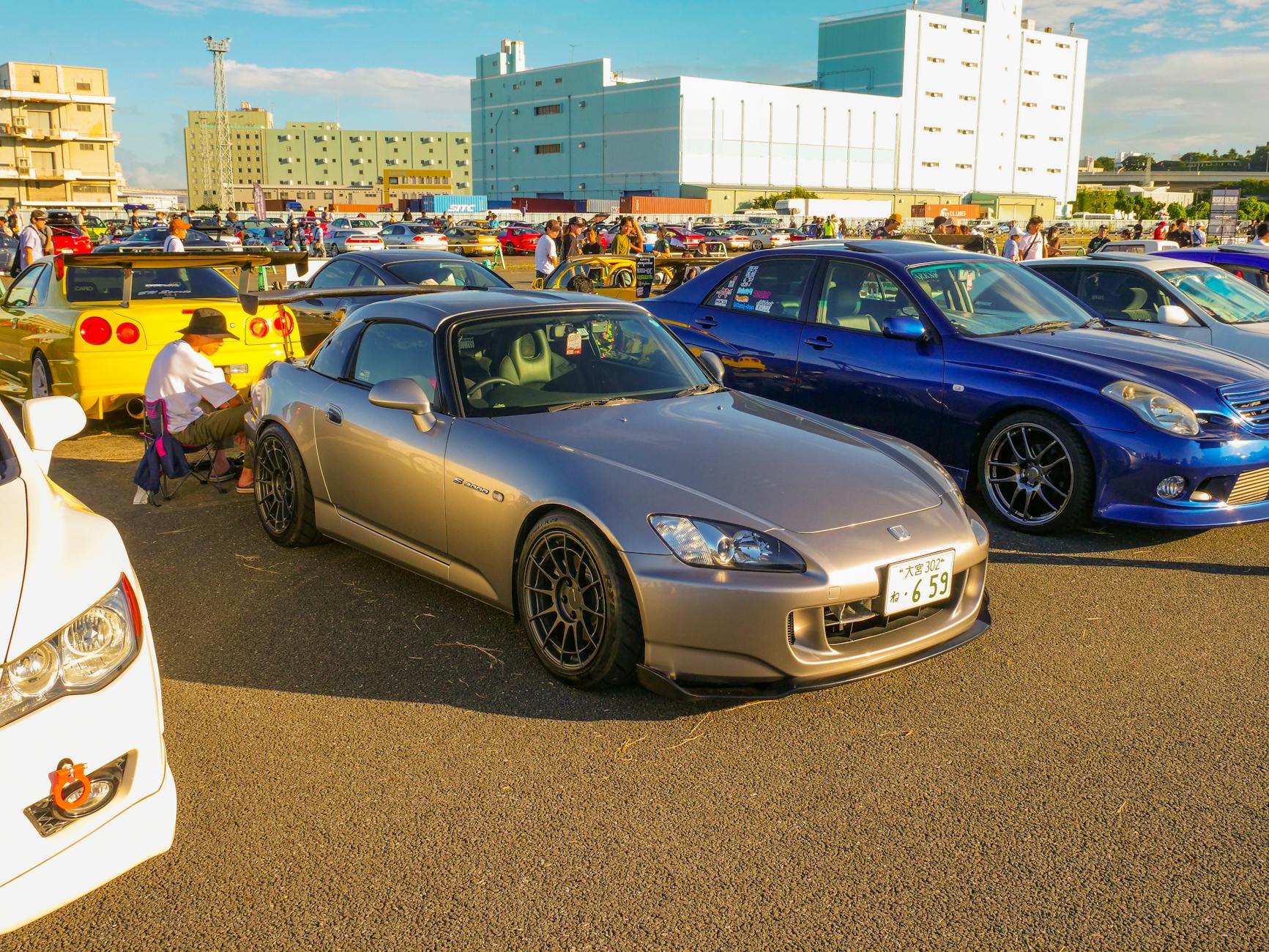
Tokyo for Car Lovers: The Ultimate JDM Travel Itinerary
Japan’s automotive scene has captured the imagination of car enthusiasts worldwide for decades. From legendary sports cars like the Toyota Supra, Nissan GT-R, and Mazda RX-7 to the vibrant underground culture of modified vehicles, Tokyo stands as the beating heart of JDM culture. If you’ve ever dreamed of walking among pristine JDM machines, attending a Japanese car meet, or simply immersing yourself in the automotive heritage that shaped an entire global movement, Tokyo should be at the top of your travel bucket list.
This comprehensive JDM tour Tokyo guide covers everything you need to know for an unforgettable car-themed adventure in Japan’s bustling capital. Whether you’re planning a dedicated JDM pilgrimage or simply want to incorporate automotive experiences into your Japan itinerary, we’ll show you the best places to see incredible cars, where to eat near car culture hotspots, and how to make the most of your time in Tokyo as a car lover.
Let’s dive into the ultimate JDM travel itinerary for Tokyo!
Why Tokyo is the Ultimate Destination for Car Enthusiasts
Tokyo isn’t just Japan’s largest city—it’s the epicenter of the global JDM movement. The term JDM (Japanese Domestic Market) refers to vehicles designed and manufactured for the Japanese market, and Tokyo offers an unparalleled concentration of car culture that you simply won’t find anywhere else in the world.
What makes Tokyo special for car lovers? First, there’s the accessibility. Unlike in many other countries where you need connections or special invitations to see rare cars, Tokyo’s car culture is remarkably open. Famous meeting spots like Daikoku PA are public parking areas where anyone can walk in and admire the displays. Second, the variety is staggering—you might see a vintage Hakosuka Skyline parked next to a latest-generation Lamborghini, all in the same evening.
The city also hosts numerous automotive events throughout the year, from formal exhibitions to informal midnight meets. The passion here is genuine and deeply embedded in the culture. Japanese car enthusiasts treat their vehicles with an almost reverential attention to detail, and witnessing this dedication firsthand is worth the trip alone.
Top JDM Attractions in Tokyo
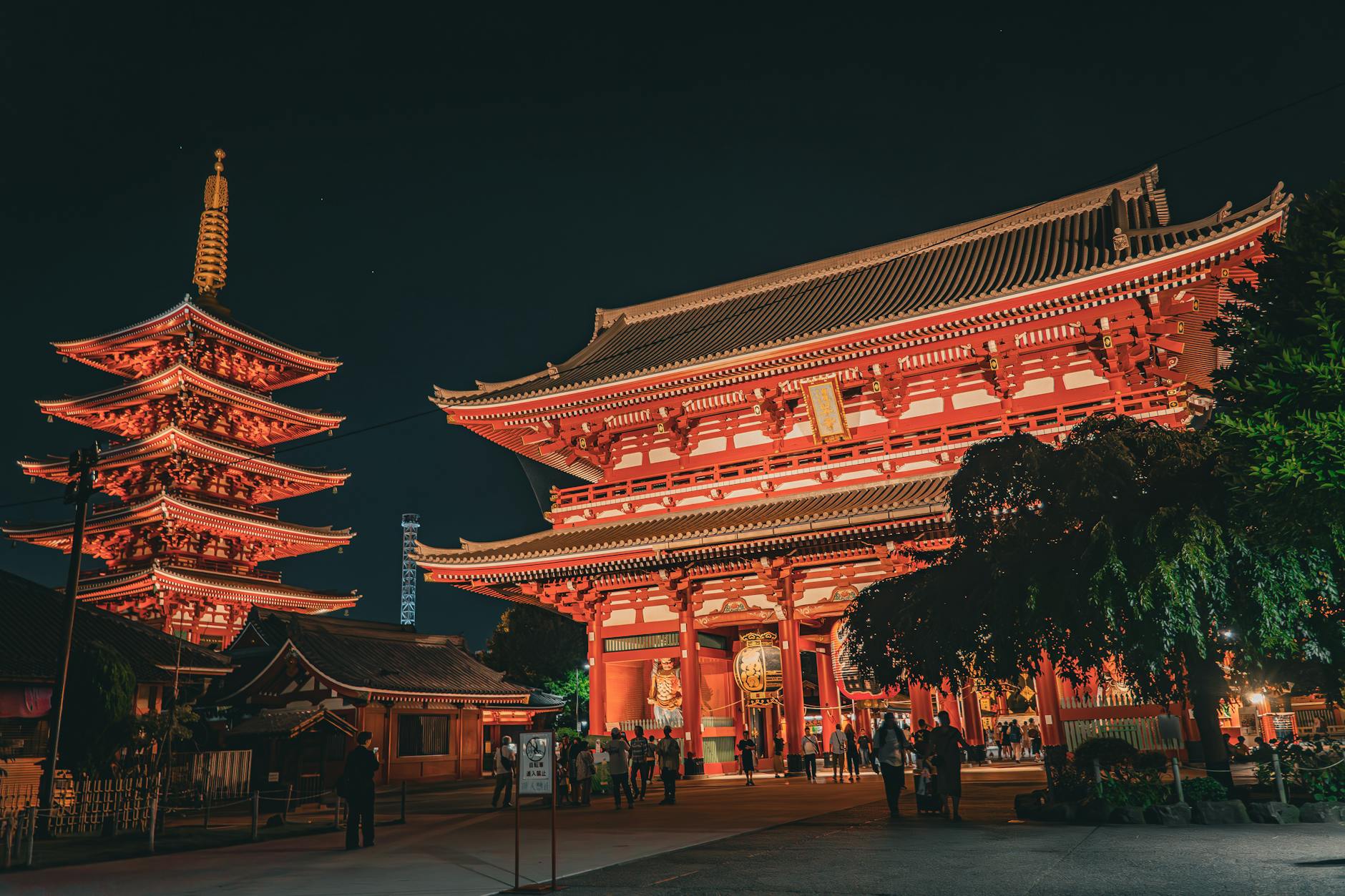
Now let’s get into the specifics of what to see and do on your JDM tour Tokyo adventure. Here are the essential attractions no car enthusiast should miss:
Daikoku PA (Parking Area)
Address: 2-3-1 Daikoku, Tsurumi-ku, Yokohama-shi, Kanagawa (easily accessed from Tokyo)
Nearest Station: Kokudo Station on the Keikyu Line (about 15 minutes from Shinagawa Station)
Cost: Free entry
This is THE legendary spot for any JDM enthusiast. Daikoku PA is a highway rest area that has become world-famous for its Thursday and Saturday night car meets. Hundreds of modified cars—from classic Skylines to modern GT-Rs, Supras, and everything in between—gather here starting around 10 PM. The atmosphere is electric, with car owners happy to chat and show off their builds.
Tokyo Auto Salon (If Timing Aligns)
Venue: Makuhari Messe International Exhibition Hall
Address: 2-1 Nakase, Mihama-ku, Chiba-shi, Chiba Prefecture
Nearest Station: Kaihin-Makuhari Station on the JR Keiyo Line
Typical Date: January (second week)
Cost: ¥2,500-¥3,500 for general admission
If you can time your visit for January, don’t miss the Tokyo Auto Salon—Asia’s largest aftermarket auto parts and customization show. It’s an overwhelming experience with hundreds of booths, concept cars, and celebrity appearances. Book tickets in advance as they sell out.
Toyota Mega Web
Address: 1-chome, Daiba, Minato-ku, Tokyo
Nearest Station: Tokyo Teleport Station on the Rinkai Line (direct connection from Shinjuku)
Cost: Free entry to showroom; test drives available
Located in Odaiba’s palette Town, Toyota Mega Web is Toyota’s massive flagship showroom. You can see (and in some cases test drive) the latest Toyota, Lexus, and GR performance models. The facility includes a driving simulator and often hosts special exhibitions. It’s completely free and an excellent way to experience Japan’s automotive manufacturing prowess.
Honda Welcome Plaza Aoyama
Address: 3-1-1 Kita-Aoyama, Minato-ku, Tokyo
Nearest Station: Gaienmae Station on the Tokyo Metro Ginza/Hanzomon/Fukutoshin Lines
Cost: Free entry
This is Honda’s central showroom in Tokyo, featuring their current lineup including the NSX, Civic Type R, and various motorcycles. The space also includes a small cafe and often displays historical Honda vehicles.
Nissan Crossing / Nissan Gallery Ginza
Address: 5-8-1 Ginza, Chuo-ku, Tokyo
Nearest Station: Ginza Station on multiple lines (Tokyo Metro, JR, etc.)
Cost: Free entry
Nissan’s flagship showroom in the heart of Ginza showcases current models including the GT-R, Z, and Leaf. The building itself is architecturally striking and makes for great photos. It’s an essential stop for any JDM fan, especially given Nissan’s legendary status in the tuning community.
Used Car Lots in Yokohama
Location: Honmoku Sanno area, Naka-ku, Yokohama
Nearest Station: Sakuragicho Station on the JR Negishi Line
Japan’s used car market is incredibly deep, and the lots around Yokohama’s Honmoku area specialize in performance cars. You can actually purchase vehicles here (export services are readily available), but even just browsing is an experience. Expect to find everything from clean stock examples to heavily modified builds at various price points.
Best Car-Themed Dining Experiences
Combining good food with car culture is easy in Tokyo. Here are some great dining options near the major JDM spots:
Near Daikoku PA / Yokohama
Ramen Jusen
Address: 2-12-8 Tsurumi, Tsurumi-ku, Yokohama
Price Range: ¥800-¥1,200 per bowl
Nearest Station: Tsurumi Station on the JR Keihin-Tohoku Line
Located just a short walk from Tsurumi Station (convenient for Daikoku PA visits), this popular ramen shop is a favorite among local car enthusiasts. The rich tonkotsu broth and generous toppings make it perfect for a late-night meal after watching cars at the PA.
Near Odaiba (Toyota Mega Web area)
Palette Town Food Court
Address: 2-1-8 Aomi, Koto-ku, Tokyo
Price Range: ¥600-¥2,000 per person
After browsing Toyota Mega Web, head to the adjacent palette Town complex for various dining options. From Japanese curry to Italian and everything in between, you’ll find plenty to refuel after your automotive exploration.
Near Ginza (Nissan Crossing area)
Gyukatsu Ichi-nichi
Address: 5-5-12 Ginza, Chuo-ku, Tokyo
Price Range: ¥1,500-¥2,500 per person
Nearest Station: Ginza Station
Specializing in gyukatsu (beef cutlet), this restaurant lets you cook your own steak at your table. It’s a unique dining experience and perfect after exploring the Ginza car showrooms.
General Tokyo Car Culture Area – Shibuya
Ichiran Shibuya
Address: Multiple locations in Shibuya
Price Range: ¥800-¥1,200 per bowl
While not specifically car-themed, Shibuya is a hub for young Japanese culture and you’ll often see modified cars cruising the streets around Shibuya Crossing late at night. Grab a famous Ichiran ramen and keep an eye out for interesting vehicles passing by.
Getting to Tokyo’s Car Culture Hotspots
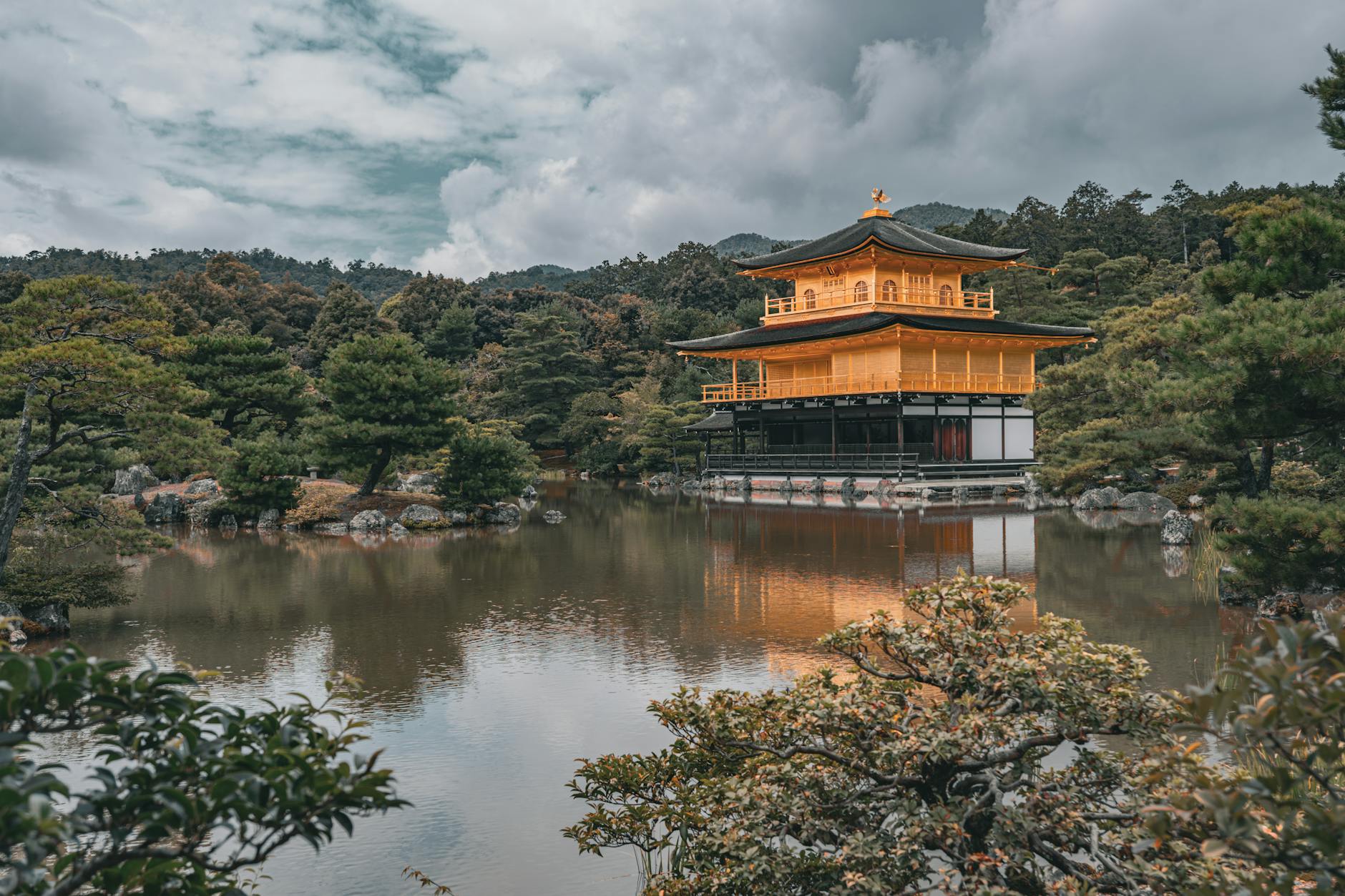
Tokyo’s public transportation system makes accessing most car culture spots straightforward. Here’s how to get to the key locations:
From Narita Airport to Central Tokyo
Narita Express (N’EX)
Cost: ¥3,250 to Tokyo Station (one way)
Travel Time: Approximately 60-90 minutes
Frequency: Every 30-60 minutes
The most comfortable option, with reserved seating and luggage space. Purchase a JR Pass if you’ll be doing extensive travel.
Keisei Skyliner
Cost: ¥2,520 to Ueno Station (one way)
Travel Time: Approximately 40 minutes
From Haneda Airport to Central Tokyo
Tokyo Monorail + JR
Cost: Approximately ¥500-¥600
Travel Time: 20-40 minutes depending on destination
Haneda is much closer to central Tokyo and often more convenient for arrivals.
Getting to Daikoku PA
Option 1: Keikyu Line
Take the Keikyu Line from Shinagawa Station to Kokudo Station (about 15 minutes, ¥290). From there, it’s a 10-minute walk to Daikoku PA.
Option 2: Taxi
A taxi from central Tokyo (Shibuya, Shinjuku) will cost approximately ¥3,000-¥5,000 depending on traffic and exact location.
Getting to Odaiba (Toyota Mega Web)
Rinkai Line
Take the Rinkai Line from Shinjuku Station to Tokyo Teleport Station (about 15 minutes, ¥310). Toyota Mega Web is a 5-minute walk from the station.
Water Bus
For a more scenic option, take the Tokyo Water Bus from Hinode Pier to Odaiba-kaihinkoen (about 35 minutes, ¥1,000-¥1,500).
Getting to Yokohama (Used Car Lots)
JR Negishi Line
From Tokyo Station, take the JR Negishi Line to Sakuragicho Station (about 30 minutes, ¥210). The Honmoku used car area is a short taxi ride from the station.
When to Experience Tokyo’s Car Scene
Timing your visit can significantly impact your JDM experience. Here’s what to consider for each season:
January – Tokyo Auto Salon
This is THE best time to visit if you can make it work. The Tokyo Auto Salon in Makuhari (Chiba) is the world’s third-largest automotive aftermarket show, and the entire car community descends on the Tokyo area. Expect to see manufacturer reveals, celebrity appearances, and the latest trends in automotive customization. Book accommodations early—prices spike significantly during this period.
March-May (Spring)
Spring offers pleasant weather and the famous cherry blossom season. While not specifically car-focused, the combination of beautiful scenery and car culture makes for a memorable trip. The Daikoku PA meets continue year-round, and you’ll have comfortable temperatures for walking between spots.
July-August (Summer)
Summer brings various car events and meets, including the famous Fuji Speedway events. However, be prepared for extreme heat and humidity (often exceeding 35°C). Early morning or late evening activities are strongly recommended. The summer also features various festival meets at PA areas.
September-November (Autumn)
Autumn is another excellent time to visit. The weather cools down, the autumn leaves create beautiful backdrops for car photography, and events continue throughout the season. This is a generally comfortable time for outdoor car spotting activities.
December-February (Winter)
Winter is the quietest season for car events, but you can still visit showrooms and PA areas. The cold temperatures mean fewer people at outdoor meets, which can actually be an advantage for photography. Christmas and New Year bring special illuminations in Tokyo that make for great photo opportunities with cars.
Pro Tips for Your JDM Tokyo Adventure
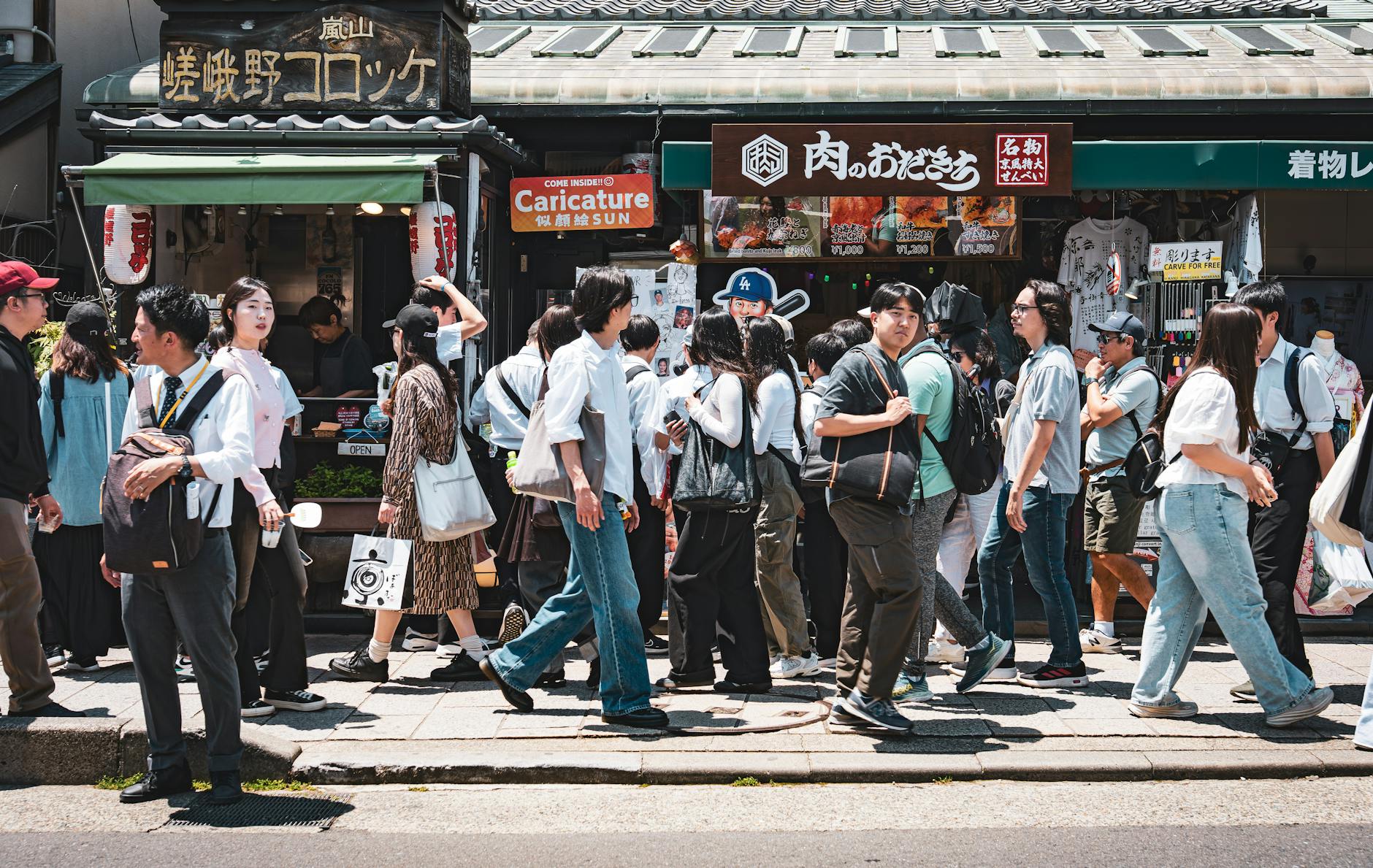
Here’s essential insider advice to make the most of your car-themed Tokyo trip:
- Learn basic Japanese car terminology: Knowing terms like “hoshiki” (normally aspirated), “turbo,” and “kyusha” (classic car) will help you connect with local enthusiasts. Even simple phrases in Japanese are greatly appreciated.
- Bring a pocket WiFi or SIM card: Navigation is essential for finding the best spots, and having reliable internet will help you check real-time information about where cars are gathering.
- Respect the culture: Never touch cars without permission, don’t block traffic while photographing, and always be polite. The Japanese car community is welcoming to genuine enthusiasts but frowns upon disruptive behavior.
- Bring a good camera: Smartphone cameras are fine, but a dedicated camera with good low-light performance will serve you well for night meets at places like Daikoku PA.
- Cash is still king: While Tokyo is increasingly card-friendly, many smaller establishments (including some restaurants near car spots) are cash-only. Carry at least ¥10,000-¥20,000 in cash.
- Don’t skip the motorcycle culture: Japan has an incredible motorcycle scene. You’ll see everything from vintage CB750s to the latest superbikes at the same spots as car meets. Places like Akihabara have excellent motorcycle shops.
Day Trips: Extend Your Car Culture Journey
If you have extra time, consider these day trips from Tokyo to further your automotive adventure:
Tsukuba Circuit
Location: Tsukuba, Ibaraki Prefecture (approximately 60 km northeast of Tokyo)
Getting There: Take the Tsukuba Express from Akihabara to Tsukuba Station (45 minutes, ¥1,990), then a bus or taxi to the circuit.
Cost: Circuit entry varies; spectating from public areas is often free or low-cost
Japan’s most famous racing circuit hosts various events throughout the year, including touring car races, drift events, and manufacturer test days. Check the event calendar before your visit.
Fuji Speedway
Location: Oyama, Shizuoka Prefecture (approximately 100 km southwest of Tokyo)
Getting There: Take the JR Tokaido Shinkansen from Tokyo to Shin-Fuji Station (about 45 minutes, ¥10,000+), then a shuttle bus. Alternatively, highway bus from Shinjuku (2.5 hours, ¥2,000-¥3,000).
One of Japan’s most iconic racing circuits, home to F1 Japanese Grand Prix and numerous other events. The circuit museum is also excellent for automotive enthusiasts.
Showa Kinen Park
Location: Tachikawa, western Tokyo
Getting There: Take the JR Chuo Line from Tokyo Station to Tachikawa Station (30 minutes, ¥450)
Cost: Park entry ¥700-¥1,500 depending on season
While primarily a large park, Showa Kinen Park hosts various automotive events throughout the year, including classic car shows and motorcycle gatherings. Check the event calendar for your visit dates.
Frequently Asked Questions
What is the best time of year for a JDM tour in Tokyo?
The best time depends on your priorities. January offers the Tokyo Auto Salon, which is a must-see for any serious enthusiast. However, spring (March-May) and autumn (September-November) offer the most comfortable weather for exploring outdoor car spots like Daikoku PA. Thursday and Saturday nights are consistently the best nights for car meets regardless of season.
Do I need a car to enjoy Tokyo’s JDM scene?
Not at all. Tokyo’s excellent public transportation system makes it easy to reach most car culture spots without renting a car. Daikoku PA, the major showrooms, and most restaurants are accessible by train. However, having a rental car does provide more flexibility, especially if you want to explore day trip options or visit multiple spots in one night.
Can I buy JDM cars in Tokyo?
Yes, you can purchase vehicles in Japan and export them. Used car dealerships in areas like Yokohama’s Honmoku specialize in performance vehicles. However, the process involves significant paperwork, shipping costs (typically ¥200,000-¥500,000 to major world ports), and compliance with your home country’s import regulations. Many visitors instead purchase merchandise, parts, or scale models.
Is it safe to attend car meets in Tokyo?
Yes, Tokyo is generally very safe, and car meets at places like Daikoku PA are family-friendly events. However, as with any crowded public gathering, keep your belongings secure and be aware of your surroundings. The local enthusiasts are welcoming to genuine fans but may be protective of their vehicles.
How much should I budget for a JDM-focused Tokyo trip?
A typical day in Tokyo costs ¥15,000-¥25,000 ($100-170 USD) for budget to mid-range travelers, including accommodation, food, and transportation. Car-specific expenses (showrooms are mostly free) include ¥3,000-¥5,000 for a taxi to Daikoku PA if needed, ¥2,500-¥3,500 for Tokyo Auto Salon tickets (if visiting in January), and ¥1,000-¥5,000 for merchandise or souvenirs. Accommodations range from ¥5,000/night (hostels) to ¥20,000+ (hotels).
🚗 Experience Japan’s Car Culture
While you’re exploring Japan, don’t miss the chance to experience the legendary JDM car scene.
Our Daikoku PA Night Tour takes you
to Japan’s most famous car meet — see Nissan GT-Rs, Toyota Supras, and hundreds of modified cars in their
natural habitat.
JDM tour guide!
Step into the world of “Fast & Furious” with our exclusive Daikoku Tour!
Experience the legendary car meet atmosphere for yourself. Make it the ultimate highlight of your Tokyo trip!
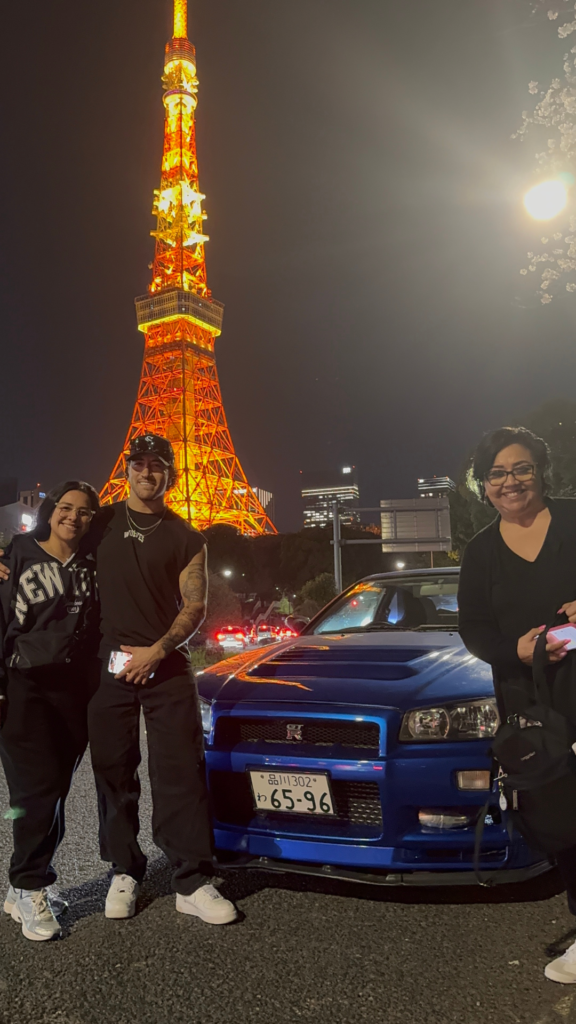
Why not elevate your journey with a legendary JDM experience?
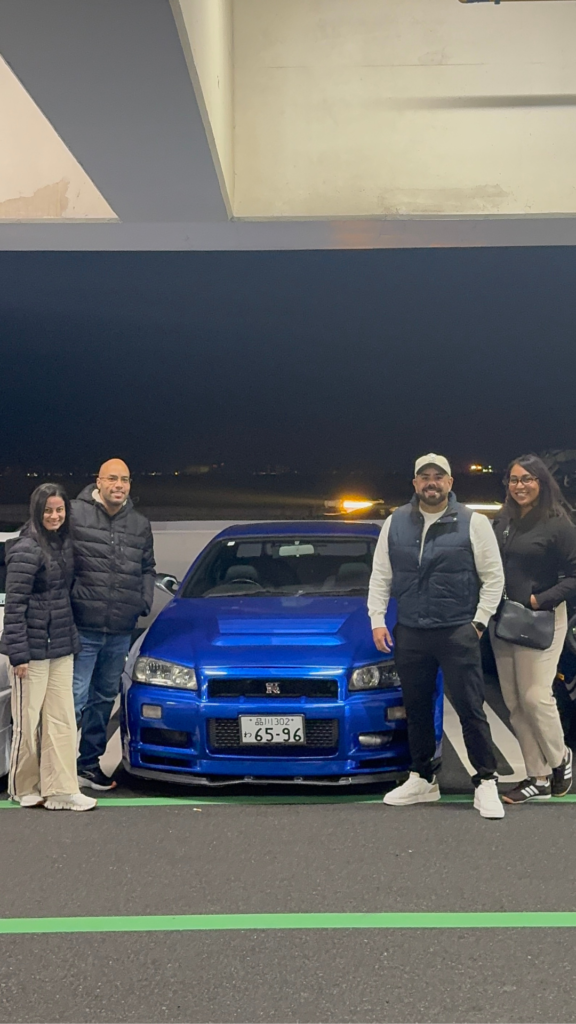
Our Services:
- Self-Drive Rentals
- Guided Tours
- Drift Experiences
Please visit the dedicated page for more details.
🇯🇵 Plan Your Japan Experience
JDM Car Rental
Drive a GT-R, Supra, RX-7, or Silvia on the roads they were built for. Hakone passes, Wangan highway, mountain touge — your dream JDM experience.
Daikoku PA Tour
Visit Japan’s most legendary car meet. Hundreds of modified cars, passionate owners, and the heartbeat of JDM culture. Guided weekend night tours available.
Photo Guide Tour
Capture stunning photos at locations only locals know. Hidden shrines, backstreet alleys, rooftop views, and golden hour spots for unforgettable shots.
Leave a Reply