Travel Guide

Tottori: Sand Dunes & Untouched Countryside

Tottori: Sand Dunes & Untouched Countryside

When most travelers think of Japan, they picture the neon-lit streets of Tokyo, the ancient temples of Kyoto, or the bullet trains connecting it all. But Tottori Japan offers something entirely different — a raw, unhurried corner of the country where wind-sculpted sand dunes meet the Sea of Japan, rural villages have barely changed in decades, and you might spend an entire afternoon exploring a mountain shrine without seeing another tourist. It's the kind of destination that reminds you why you fell in love with travel in the first place.

Tottori Prefecture sits on the San'in Coast along the northern edge of western Honshu, sandwiched between rugged mountains and a dramatic coastline. It is Japan's least populous prefecture, which sounds like a drawback until you realize it means you get the whole place almost entirely to yourself. No elbow-to-elbow crowds at the viewpoints. No hour-long queues for a photo. Just genuine, breathable Japan — the kind that feels like a privilege to witness.

This guide covers everything you need to plan a memorable trip: the iconic dunes, hidden gorges, fresh seafood, getting there on a budget, and the insider tips that will make your visit feel effortless. Whether you're building a dedicated Tottori itinerary or slotting it into a broader San'in Coast adventure, you'll leave wondering why this place isn't on every traveler's radar. (Consider that a good thing.)

Why Visit Tottori Japan? An Underrated Gem Worth the Detour

Tottori offers a uniquely authentic slice of Japan that the country's most popular destinations can no longer provide. This isn't a knock on Kyoto or Tokyo — both are spectacular — but there's something irreplaceable about exploring a region where tourism infrastructure exists to serve visitors without overwhelming the landscape or the locals.

Here's why Tottori deserves a serious place in your itinerary:

  • Japan's only large-scale sand dunes — the Tottori Sand Dunes (鳥取砂丘) stretch 16 km along the coast and rise up to 90 meters. They look like they were lifted from the Sahara and dropped into Japan.
  • Outstanding nature — Sanin Kinosakirogen highland, Daisen mountain, the dramatic Uradome Coast, and the emerald pools of Misasa Onsen are all within reach.
  • World-class seafood — Tottori is famous for its Snow Crab (松葉ガニ, Matsuba Gani) and Tottori Wagyu beef, both available at prices far below what you'd pay in bigger cities.
  • A genuine cultural experience — from a beloved manga museum to centuries-old castle ruins, Tottori's culture runs deep and wide.
  • Manageable scale — the main sights cluster around Tottori City and Kurayoshi, making it easy to pack a lot into a short visit.

If you're the kind of traveler who gets excited about discovering places before the crowds arrive, Tottori is calling your name.

Top Things to See and Do in Tottori

Tottori Sand Dunes (鳥取砂丘)

The centerpiece of any visit, the Tottori Sand Dunes are unlike anything else in Japan. Formed over thousands of years by sand carried by the Sendai River and shaped by Sea of Japan winds, these dunes are a designated Special Natural Monument. Walking to the top of the main ridge rewards you with a sweeping view of both the dune landscape behind you and the crashing blue waves ahead — it's a genuinely stunning combination.

You can explore on foot for free, and most visitors spend between one and two hours here. For a more memorable experience, consider:

  • Camel riding — yes, really. A short camel ride costs around ¥1,000–¥1,500 and is available near the main dune entrance.
  • Paragliding — several operators offer tandem paragliding from the dunes for around ¥5,000–¥8,000.
  • Sand board rental — slide down the dunes on a board for around ¥500.

Entry to the dunes themselves is free. The Sand Museum (砂の美術館) nearby is absolutely worth the ¥800 admission — it houses world-class sand sculptures created by international artists, with themes that change annually.

🎯 Pro Tip: Visit the dunes early in the morning (before 9am) or in the late afternoon for the best light and to avoid the day-trip tour bus crowds. The raking wind patterns on the sand are also most visible before foot traffic disturbs them.

Uradome Coast (浦富海岸)

About 20 km east of Tottori City lies the Uradome Coast, a stretch of dramatic sea cliffs, hidden coves, and brilliantly clear water that the Japanese government has designated a National Scenic Treasure. The coastline is part of San'in Kinosakirogen UNESCO Global Geopark and rivals anything you'd find in the Mediterranean — without the crowds or the price tag.

Sightseeing boats depart from Iwai Port and offer 60-minute tours of the sea caves and rocky formations for around ¥1,300–¥1,800 per person. In summer, the beaches here are popular with Japanese families — the water is remarkably clear and calm in sheltered coves.

Tottori Castle Ruins (久松山鳥取城跡)

Perched on Kyusho-zan hill overlooking Tottori City, the Tottori Castle (Tottori-jo) was once one of the most strategically important castles in the San'in region. While the main keep no longer stands, the stone foundations, turrets, and moat create a hauntingly beautiful landscape — especially when framed by cherry blossoms in spring or autumn foliage in October. Entry to the grounds is free, and the hike to the top takes around 20 minutes.

Kurayoshi White Wall District (倉吉白壁土蔵群)

A short train ride from Tottori City, the town of Kurayoshi preserves one of western Japan's best examples of traditional merchant architecture. The Shira-kabe Dozogun (white wall storehouses) district along the Tamagawa River is extraordinarily photogenic — whitewashed walls, red tile roofs, and weeping willows trailing into the water. It's compact enough to explore in 90 minutes and feels genuinely lived-in rather than staged for tourism. Entry is free to walk the streets.

Misasa Onsen (三朝温泉)

One of Japan's most unique hot spring resorts, Misasa Onsen is famous for its radon-rich waters, which local tradition credits with remarkable health benefits. The village sits in a mountain valley about 30 minutes from Kurayoshi by bus, and the atmosphere is classic old-Japan ryokan country. Many guesthouses have outdoor baths (rotenburo) overlooking the river. Day bathing at public baths starts from around ¥500–¥800.

🎯 Pro Tip: Misasa Onsen has a free outdoor footbath (足湯, ashiyu) right on the main street near the Misasa Bridge. It's the perfect way to soak your feet after a day of sightseeing without paying for a full bath admission.

Tottori Prefectural Museum & Yonago Waterbird Sanctuary

If you have an extra half-day, the Tottori Prefectural Museum in Tottori City offers excellent exhibits on the region's natural and cultural history (¥150 permanent collection admission). Bird enthusiasts should not miss the Yonago Waterbird Sanctuary in the western part of the prefecture, home to tens of thousands of migratory waterfowl between autumn and spring — one of the great birdwatching spots in all of Japan.

Food & Dining in Tottori: What and Where to Eat

Tottori's food scene punches well above its weight. The prefecture's coastline, clean rivers, and mountain farms produce ingredients that chefs in Tokyo pay top prices to import — here, you eat them at the source.

Must-Try Dishes

  • Matsuba Gani (松葉ガニ) — Tottori's Snow Crab is among the most prized in Japan, caught off the Sea of Japan coast from November through March. A single crab can cost ¥5,000–¥30,000 depending on size and grade, but set meals at local restaurants start from ¥3,000–¥5,000. This is the reason many Japanese food lovers make the journey to Tottori in winter.
  • Tottori Wagyu (鳥取和牛) — Voted Japan's top Wagyu three times in national competitions, Tottori beef is exceptional. Look for it as steak, sukiyaki, or yakiniku at local restaurants. Expect to pay ¥2,500–¥5,000 for a quality serving.
  • Gyu-nashi (牛なし) — A Tottori City specialty ramen that combines rich pork and chicken broth with locally grown pears. The pear adds a subtle sweetness that cuts through the richness beautifully. Most bowls cost ¥800–¥1,200.
  • Nijisseiki Pear (二十世紀梨) — Tottori grows the finest Nijisseiki (20th Century) pears in Japan. Available fresh in late summer and early autumn, also found in sweets, juices, and even ramen across the prefecture.

Where to Eat

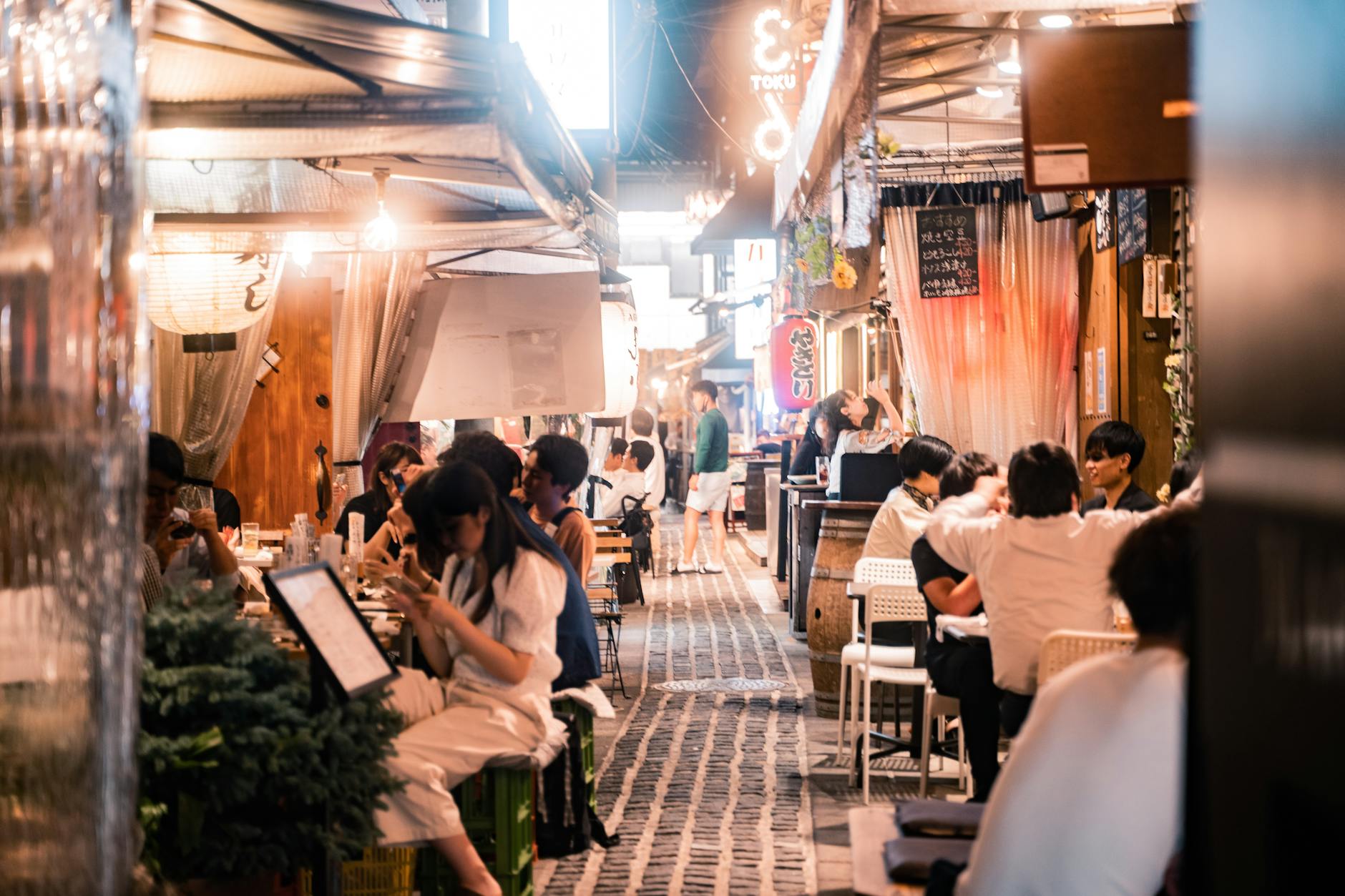
In Tottori City, the area around Karo Market near the station has numerous restaurants and izakayas serving local seafood. The covered shopping arcade (Tottori Ichi-ban-gai) has affordable lunch sets ranging from ¥900–¥1,500. For seafood, the restaurants around Tottori Port offer fresh catches at reasonable prices.

In Yonago (western Tottori), look for restaurants near the Yonago Station area for excellent Matsuba Gani during crab season. Many ryokan in the region also include elaborate multi-course (kaiseki) dinners featuring local ingredients — often the best food value in the prefecture.

🎯 Pro Tip: If you're visiting outside crab season (April–October), focus on Tottori Wagyu and local seafood like squid, yellowtail (hamachi), and abalone. The quality is exceptional year-round — crab season just adds another spectacular layer.

Getting to Tottori Japan: Transport Guide

Tottori's relative remoteness is part of its charm, but it's not difficult to reach — just requires a bit more planning than a quick Shinkansen hop.

From Osaka (Most Common Route)

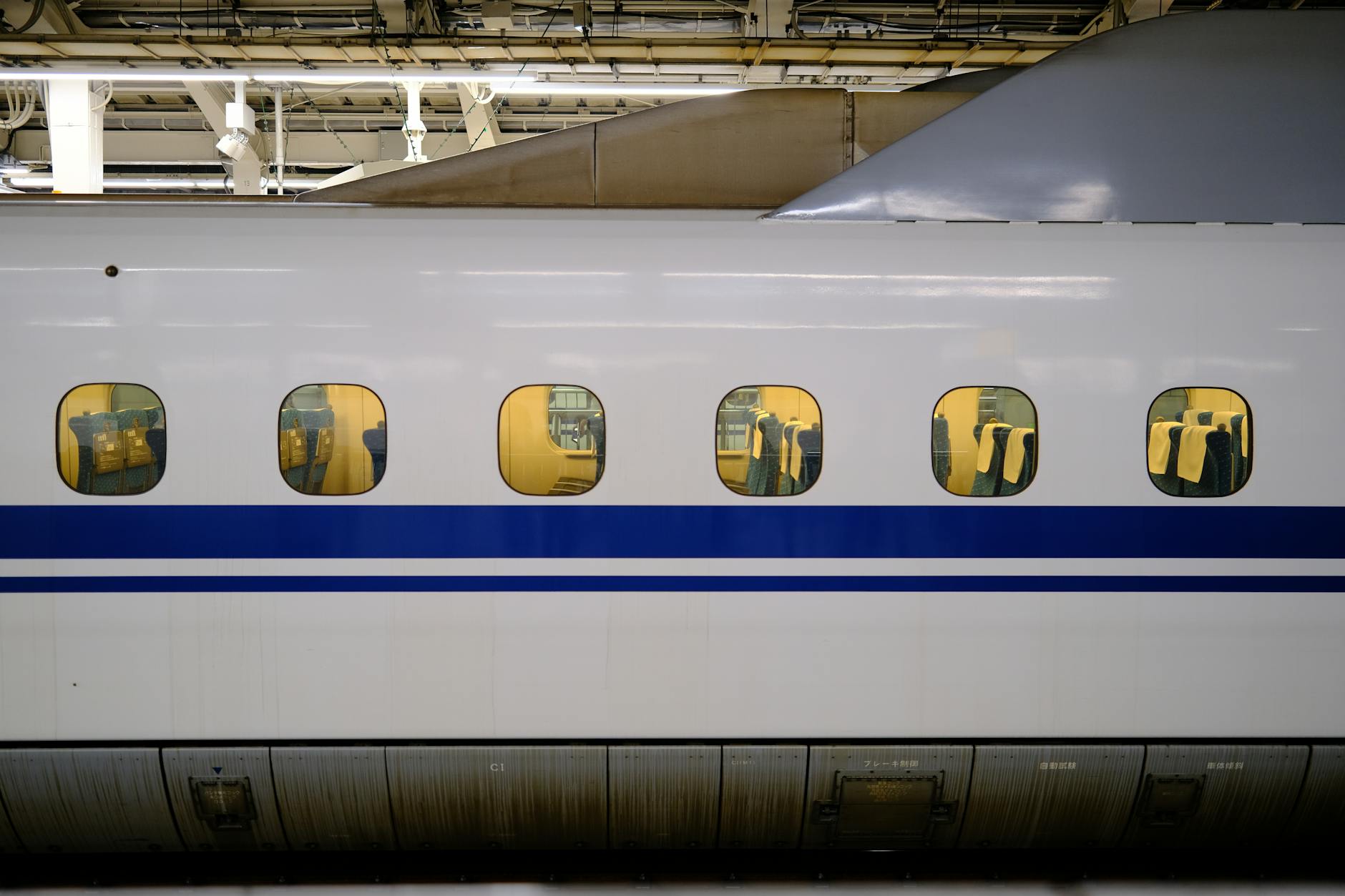
The most popular gateway is Osaka (Shin-Osaka or Osaka Station). Take the Super Hakuto Limited Express directly to Tottori Station — no transfers required. The journey takes approximately 2.5 hours and costs around ¥6,000–¥7,000 one way. This train is included with the JR Pass and the Sanin & Okayama Area Pass (¥5,000 for 4 days), making the regional pass excellent value if you're exploring the broader area.

From Kyoto

Take the Super Hakuto from Kyoto Station directly to Tottori. Journey time is approximately 2 hours 20 minutes, with similar pricing to the Osaka route (around ¥6,000–¥6,500 one way).

From Tokyo

There is no direct Shinkansen to Tottori. The most time-efficient route is to take the Shinkansen to Okayama, then switch to the Super Inaba Limited Express to Tottori (about 1 hour 20 minutes). Total journey time is approximately 4.5–5 hours and costs around ¥20,000–¥22,000 without a JR Pass. Alternatively, overnight buses from Tokyo to Tottori cost ¥5,000–¥8,000 and are a budget-friendly option.

Getting Around Tottori

Within the prefecture, the JR San'in Main Line connects Tottori City to Kurayoshi and Yonago. Buses serve areas not covered by rail, including routes to the Sand Dunes (the 100 Yen Loop Bus in Tottori City is very useful for tourists). Renting a car, however, gives you the most flexibility — several major rental companies operate from Tottori Station, with rates starting around ¥5,000–¥8,000 per day.

Best Time to Visit Tottori

Tottori has a distinct seasonal personality that changes the experience dramatically depending on when you go.

  • Spring (March–May): Cherry blossom season transforms Tottori Castle ruins and Kurayoshi's riverside into postcard-perfect scenes. Temperatures are mild (10–18°C) and crowds remain manageable compared to Kyoto or Tokyo. Best overall time to visit.
  • Summer (June–August): The Uradome Coast beaches come alive, and the dunes are spectacular in dramatic coastal light. Expect hot weather (28–33°C) and school holiday crowds in August. The Tottori Sand Dunes Illumination event in late summer is a highlight.
  • Autumn (September–November): Autumn foliage around Mitoku-san (Mt. Mitoku) and the mountains behind Misasa Onsen is stunning. November also marks the beginning of Matsuba Gani crab season, which alone draws many food-focused travelers.
  • Winter (December–February): Cold and occasionally snowy, but this is peak Matsuba Gani season and the dunes look otherworldly dusted with snow. Ryokan rates are often lower outside the crab-dinner period, and the region feels the most authentically quiet.

The Tottori Flower Festival in late April/early May and the Tottori International Manga Summit (when held) are worth timing your visit around if possible.

Pro Tips for Visiting Tottori

  • Get the Sanin & Okayama Area Pass if you're combining Tottori with Matsue, Izumo Taisha, or Kinosaki Onsen — it covers most JR trains in the region for 4 days at ¥5,000, excellent value.
  • Book ryokan in advance for crab season — November through March sees huge domestic demand for Matsuba Gani dinners at ryokan. The best places sell out months ahead.
  • Download Google Maps offline before you arrive — rural Tottori has some connectivity gaps, particularly around mountain areas and along the coast.
  • Allow at least two full days — one day to cover the dunes, Sand Museum, and Uradome Coast; a second day for Kurayoshi, Misasa Onsen, and lunch at a local restaurant.
  • The Tottori Tourist Information Center at Tottori Station has excellent English-language maps and staff who can help with bus schedules and restaurant recommendations.
🎯 Pro Tip: The Conan (Detective Conan/Case Closed) manga museum is located in Hokuei Town in eastern Tottori — the birthplace of manga artist Gosho Aoyama. Admission is around ¥700 and the town itself is decorated with Conan statues and artwork. If you're even a casual fan, it's well worth the detour. The official name is the Gosho Aoyama Manga Factory.

Nearby Day Trips: Combine Tottori With These Destinations

Tottori sits at the heart of the San'in Coast, one of Japan's most rewarding and undervisited regions. These destinations pair beautifully with a Tottori visit:

  • Matsue (松江) — About 1.5 hours west by JR from Tottori, Matsue is known as the "City of Water" for its canals, well-preserved castle (one of Japan's 12 original surviving castles), and the Adachi Museum of Art with its world-famous garden. A must-do day trip.
  • Izumo Taisha (出雲大社) — One of Japan's oldest and most significant Shinto shrines, Izumo Taisha in Shimane Prefecture is about 2.5 hours from Tottori by train. Particularly atmospheric in autumn during the month when all Japan's gods are said to gather here (October by the lunar calendar).
  • Kinosaki Onsen (城崎温泉) — About 1.5 hours east of Tottori by train in Hyogo Prefecture, Kinosaki is one of Japan's most beloved hot spring towns. The tradition of strolling between the town's seven bathhouses in a yukata is one of Japan's great travel experiences.
  • Daisen (大山) — Tottori's highest mountain and a dormant stratovolcano visible from much of the prefecture. Hiking trails range from family-friendly walks to challenging summit routes. The autumn foliage here is among the best in western Japan.

Frequently Asked Questions About Visiting Tottori

How many days do I need in Tottori?

A minimum of two full days lets you cover the main highlights: Tottori Sand Dunes, Sand Museum, and Uradome Coast on day one; Kurayoshi, Misasa Onsen, and Tottori Castle ruins on day two. If you want to visit Daisen, Hokuei Town's manga museum, or take it at a relaxed pace, three days is ideal.

Is Tottori suitable for first-time visitors to Japan?

Absolutely. While Tottori is less internationally visited than Tokyo or Kyoto, the tourist infrastructure is solid. The Sand Dunes area has excellent English signage, and the Tottori Tourist Information Center at the station has English-speaking staff. Just plan your transport in advance since some rural buses are infrequent.

Is Tottori covered by the Japan Rail Pass?

Yes. The JR Pass (national version) covers the Super Hakuto Limited Express from Osaka/Kyoto to Tottori, the JR San'in Main Line between Tottori City and Yonago, and the Super Inaba from Okayama. Some limited express seat reservations may be required. The regional Sanin & Okayama Area Pass (¥5,000 for 4 days) is a more cost-effective option if you're only exploring western Japan.

What is the best season to eat Matsuba Gani (Snow Crab) in Tottori?

The official Matsuba Gani season runs from early November through the end of March. November and February–March are peak periods for quality and availability. Female crabs (called Oyagani or Koubako-gani) are in season from November through January only. Book ryokan crab dinner packages well in advance — they often sell out months ahead for weekend stays.

Can I visit Tottori as a day trip from Osaka or Kyoto?

Technically yes — the Super Hakuto Express makes it a 2.5-hour journey each way from Osaka. However, a day trip only gives you time for the Sand Dunes and perhaps a quick lunch, and you'll spend nearly as long on the train as at the destination. An overnight stay is strongly recommended to truly appreciate what Tottori offers, particularly if you want to experience a ryokan dinner or visit Kurayoshi and Misasa Onsen.

🚗 Experience Japan's Car Culture

While you're exploring Japan, don't miss the chance to experience the legendary JDM car scene.
Our Daikoku PA Night Tour takes you
to Japan's most famous car meet — see Nissan GT-Rs, Toyota Supras, and hundreds of modified cars in their
natural habitat.

Book Your JDM Night Tour →

-Travel Guide
-, ,