Travel Guide

Naoshima Island: Japan's Art Island Guide

Naoshima Island: Japan's Art Island Guide

Tucked away in the calm waters of the Seto Inland Sea, Naoshima Island is one of Japan's most extraordinary destinations — a tiny island that has transformed itself into a world-class open-air art museum unlike anything else on earth. What was once a sleepy fishing village and industrial site is now home to stunning contemporary art museums, site-specific installations, and architectural masterpieces that draw art lovers, architecture enthusiasts, and curious travelers from across the globe. If you're looking for a truly unique Japan experience beyond the usual temples and neon lights, Naoshima belongs at the top of your list.

The island sits in Kagawa Prefecture, roughly 20 kilometers north of Uno Port in Okayama, and measures just over 14 square kilometers in total. Despite its small size, Naoshima punches far above its weight. Over the past three decades, the Benesse Corporation and architect Tadao Ando have collaborated to turn this island into a living, breathing cultural phenomenon — one that blends cutting-edge art seamlessly with the natural landscape and the everyday lives of local residents. Walking between a converted fisherman's house displaying a Hiroshi Sugimoto photograph and an underground museum carved into a hillside by Ando himself feels genuinely surreal in the best possible way.

This guide covers everything you need to know to plan a smooth, memorable trip to Naoshima — from which museums to prioritize and where to eat, to how to get there from Tokyo or Osaka and the best time to visit. Whether you're a first-time visitor to Japan or a returning traveler looking for something off the beaten path, this art island will leave a lasting impression.

Why Visit Naoshima Island? An Overview

Naoshima Island's transformation into an art destination began in earnest in the 1990s when Benesse Holdings teamed up with the renowned Japanese architect Tadao Ando to develop a series of museums and cultural spaces on the island. The vision was bold: rather than building a white-cube gallery in a major city, they would create immersive art experiences embedded directly into the island's landscape and community. The result is something genuinely singular in the art world.

What makes Naoshima special is the way art, architecture, nature, and everyday island life coexist. You'll find pieces by some of the biggest names in contemporary art — James Turrell, Walter De Maria, Claude Monet, David Hockney — displayed in spaces where the building itself is as much a work of art as the pieces inside. Meanwhile, cats nap on fishing boats in the harbor, elderly locals tend their gardens, and the Seto Inland Sea sparkles in every direction.

  • World-class contemporary art in stunning architectural settings
  • Tadao Ando's signature concrete architecture throughout the island
  • Art House Project — artworks installed in renovated traditional homes
  • Yayoi Kusama's iconic Yellow Pumpkin sculpture on the pier
  • Relaxed, unhurried atmosphere far from busy tourist crowds
  • Beautiful Seto Inland Sea scenery at every turn

The island is genuinely manageable as a day trip from Okayama or Takamatsu, though spending one or two nights lets you experience it more deeply — and gives you time to catch the golden hour light on Ando's concrete facades.

🎯 Pro Tip: Book tickets for the Chichu Art Museum well in advance, especially if visiting on weekends or during school holidays. Tickets often sell out online, and walk-up availability can be limited. Check the official Benesse Art Site Naoshima website before you travel.

Top Things to See and Do on Naoshima Island

The island's main cultural institutions are concentrated primarily around two areas: the Honmura district (the traditional village area) and the Benesse House area on the southern tip of the island. A rental bicycle is the best way to get between them, though the hills near Benesse can be steep — e-bikes are available at the port and highly recommended.

Chichu Art Museum

This is the crown jewel of Naoshima and an absolute must-visit. Designed by Tadao Ando and built almost entirely underground to preserve the landscape, the Chichu Art Museum houses permanent works by Claude Monet, James Turrell, and Walter De Maria. The Monet room — a large concrete space where five massive Water Lilies paintings are displayed under natural skylight — is one of the most powerful gallery experiences in the world. The museum also features a beautiful garden planted with flowers mentioned in Monet's correspondence. Admission: ¥2,100 for adults. Advance booking is strongly recommended.

Benesse House Museum

Part hotel, part museum, Benesse House is spread across the southern hillside and coastline. The museum features works by Andy Warhol, Bruce Nauman, Jean-Michel Basquiat, Jannis Kounellis, and many others. Outdoors, sculptures by Karel Appel and others dot the pathways overlooking the sea. Staying overnight at Benesse House gives you access to the museum after hours — a genuinely magical experience. Museum admission: ¥1,300 for adults. Hotel rooms start from around ¥30,000 per night.

Yayoi Kusama's Yellow Pumpkin

Perhaps the most photographed object on the entire island, Kusama's polka-dotted Yellow Pumpkin sculpture sits on a wooden pier near the Benesse House area, gazing out at the Seto Inland Sea. It's free to walk up to and photograph, and the setting — sea, sky, and a giant yellow pumpkin — is as joyful as anything in contemporary art. Note that the original pumpkin was damaged by a typhoon in 2021 and a replica is currently on display while restoration continues.

Lee Ufan Museum

Another Tadao Ando collaboration, this museum is dedicated to the works of Korean-Japanese artist Lee Ufan, one of the leading figures of the Mono-ha movement. The spaces are austere, meditative, and deeply impressive. Admission: ¥1,050 for adults.

Art House Project (Honmura District)

In the Honmura village area, seven traditional houses and buildings have been converted into permanent art installations by artists including Turrell, Sugimoto, Tatsuo Miyajima, and others. Highlights include Minamidera (a Turrell light installation in total darkness — genuinely mind-bending) and Go'o Shrine (where Hiroshi Sugimoto created an underground crystal staircase leading to the shrine). A combination ticket for all Art House Project venues costs ¥1,050. Book Minamidera entry in advance as capacity is very limited.

🎯 Pro Tip: Rent an e-bike from the rental shops near Miyanoura Port (the main port) as soon as you arrive. Standard bikes cost around ¥500–¥1,000 per day, while e-bikes run ¥1,500–¥2,000. The hilly terrain near Benesse makes the e-bike a worthwhile investment.

Food & Dining on Naoshima Island

Naoshima isn't a culinary destination on the level of Osaka or Tokyo, but the island has a charming selection of cafes, small restaurants, and casual eateries — many run by local families. Given its location in Kagawa Prefecture, you're technically in Sanuki udon country, which means excellent hand-made udon noodles are never far away. Fresh seafood from the Seto Inland Sea also features prominently.

Shokudo Ougiya

A beloved local institution near Miyanoura Port, this casual diner serves hearty Japanese set meals (teishoku) at very reasonable prices. Expect dishes like grilled fish, miso soup, rice, and pickles. Budget around ¥900–¥1,500 per person for lunch. It's simple, filling, and deeply local — exactly the kind of spot that makes island travel rewarding.

Cafe Salon Naka-Oku

Located in the Honmura district, this charming cafe inside a renovated old Japanese house serves coffee, light meals, and sweets. It's a wonderful place to rest between Art House Project venues. Light lunch sets run around ¥1,000–¥1,500.

Benesse House Restaurants

The Benesse House complex operates several dining options ranging from a casual terrace cafe to a more formal restaurant with sea views. Food quality is good and the setting is exceptional, though prices are higher than the village eateries — expect to spend ¥2,000–¥4,000 per person for lunch. The terrace cafe is open to non-hotel guests during museum hours.

General Dining Tips

  • Many eateries on Naoshima close early or have limited hours — aim to eat lunch between noon and 1:30pm
  • There are convenience stores near Miyanoura Port where you can stock up on snacks and drinks
  • Local Kagawa udon is a must-try — look for it at the port area eateries
  • Fresh octopus (tako) from the Seto Inland Sea appears on many local menus
  • Bring cash — card acceptance is still limited at smaller establishments

Getting to Naoshima Island

Reaching Naoshima requires a ferry crossing, which is part of the adventure. There are two main ferry routes: from Uno Port in Okayama Prefecture and from Takamatsu Port in Kagawa Prefecture. Both are well-connected by train.

From Tokyo

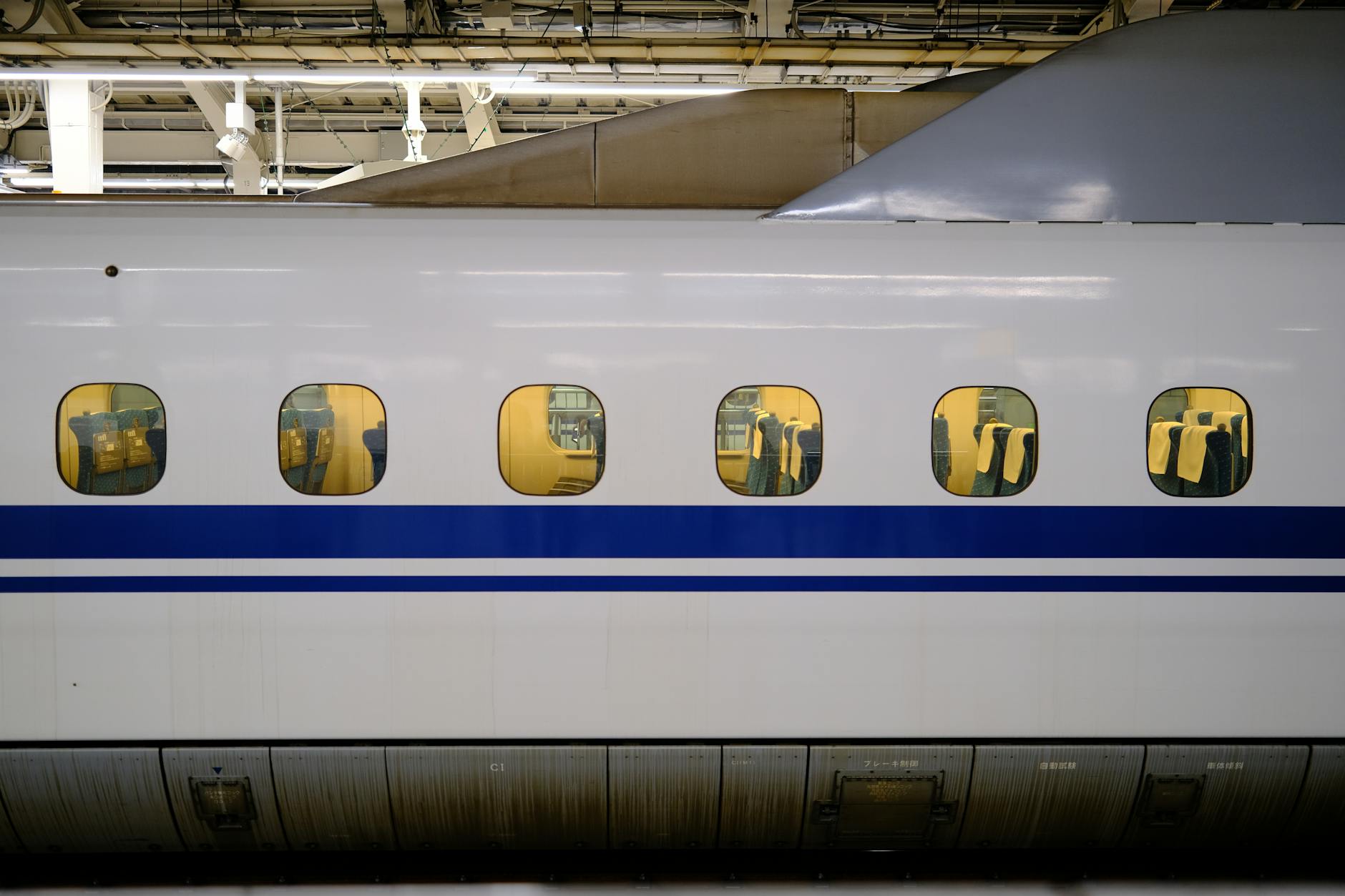
Take the Shinkansen (Tokaido/Sanyo Shinkansen) to Okayama Station (approximately 3 hours 15 minutes on the Nozomi; around ¥17,000–¥18,500 one way). From Okayama, take the JR Uno Line to Uno Station (approximately 50 minutes; around ¥580). From Uno Port, the ferry to Miyanoura Port on Naoshima takes about 20 minutes and costs ¥290 for adults (standard ferry). High-speed options are also available.

From Osaka or Kyoto

Take the Shinkansen to Okayama (approximately 45 minutes from Shin-Osaka; around ¥6,000–¥7,000), then follow the same Uno Line route described above. Alternatively, take the Shinkansen to Takamatsu via Okayama (transfer at Okayama onto the Marine Liner), and then take the high-speed ferry from Takamatsu Port to Naoshima (approximately 50 minutes; around ¥1,220 adult). The Takamatsu route is popular for those also visiting Shikoku.

Ferry Schedule Notes

  • Ferries run throughout the day but frequency reduces in the evening — check the Uno Ferry or Shikoku Ferry timetable before you go
  • The last ferry from Naoshima back to Uno typically departs around 6:00–7:00pm (varies by season)
  • The JR Pass covers travel to Uno Station but does NOT cover the ferry crossing
  • During peak travel periods (Golden Week, Obon, autumn), ferries can fill up — arrive at the port early
🎯 Pro Tip: If you plan to visit Naoshima as part of a wider Setouchi Triennale trip — the major international art festival held every three years in the Seto Inland Sea — book accommodation months in advance. The island gets extremely busy during festival periods, and rooms on Naoshima itself sell out very fast.

Best Time to Visit Naoshima Island

Naoshima is a year-round destination, but some seasons are significantly more enjoyable than others. Here's a breakdown to help you choose wisely.

Spring (March–May)

Spring is one of the best times to visit. Cherry blossoms typically bloom on and around the island in late March to early April, and the weather is mild and pleasant — ideal for cycling between venues. Golden Week (late April to early May) brings large crowds, so book accommodation well ahead if traveling during this period.

Summer (June–August)

Summer on Naoshima is hot and humid, with temperatures regularly exceeding 30°C. The sea views are stunning and the light is beautiful, but you'll need to plan outdoor activities for the morning or evening. Typhoon season (July–September) can occasionally disrupt ferry services, so keep an eye on weather forecasts. Obon (mid-August) brings domestic tourists in large numbers.

Autumn (September–November)

Arguably the best season overall. Temperatures drop to a very comfortable range (20–25°C in October), autumn foliage adds color to the island's hills, and the summer crowds thin out. October and early November are particularly magical for outdoor photography around the museums and coastline.

Winter (December–February)

Winter is the quietest season, and while the island's museums remain open, some smaller cafes and facilities reduce their hours. The weather can be chilly and grey, but there's a melancholy beauty to the Seto Inland Sea in winter, and you'll practically have the museums to yourself.

Setouchi Triennale

The Setouchi Triennale is a massive international art festival held across multiple Seto Inland Sea islands every three years (most recently 2022, next edition expected 2025). During the festival, additional artworks and installations appear across Naoshima and neighboring islands. It's an exceptional time to visit, but expect larger crowds and higher accommodation prices.

Pro Tips for Visiting Naoshima Island

  • Start early at Chichu: The Chichu Art Museum opens at 10:00am (closed Mondays). Arrive at opening to experience the Monet room in morning light and before tour groups arrive.
  • Pick up a museum passport: A combined ticket for Chichu, Benesse House Museum, and Lee Ufan Museum is available and offers savings over individual tickets. Ask at the Miyanoura Port information center upon arrival.
  • Wear comfortable shoes: The island involves a lot of walking on uneven surfaces, steps, and hills. Leave the fashion footwear for Kyoto.
  • Museums are closed on Mondays (except on public holidays, when they close the following Tuesday). Do not plan your main museum day on a Monday.
  • Respectful silence is expected inside the art spaces — especially at Minamidera and Chichu. Keep voices low and phones on silent.
  • Photography rules vary by venue — Chichu Art Museum prohibits all photography inside. Always check signage at each space before taking photos.
  • The island runs on a limited bus route connecting the port, Honmura, and the Benesse area. The bus runs infrequently (every 60–90 minutes), so a bicycle is strongly preferable for flexibility.
🎯 Pro Tip: Consider staying overnight on Naoshima, even if just one night. After the day-trippers leave on the last ferry, the island becomes beautifully quiet. Walking the coastal path near Benesse at dusk, with the Seto Inland Sea turning gold and pink, is one of those travel moments that stays with you for years.

Nearby Day Trips: Combine Naoshima with the Seto Inland Sea Islands

Naoshima sits in the heart of the Seto Inland Sea archipelago, and several neighboring islands make excellent companions to your visit. Most are easily reachable by ferry and are also part of the Setouchi Triennale art network.

Teshima

Just a short ferry ride from Naoshima, Teshima is home to the extraordinary Teshima Art Museum — a concrete shell without columns, filled only with water that seeps up through the floor and moves in the breeze. It's one of the most breathtaking architectural spaces in Japan. Teshima also has a rice terrace, a lovely cycling route, and the Teshima Yokoo House art installation. Budget a full day for Teshima.

Inujima

Inujima is the smallest of the art islands and feels the most raw and unspoiled. The Inujima Seirensho Art Museum is built within a converted copper refinery from the Meiji era and creates a deeply affecting experience around Japan's modernization and environmental legacy. Inujima is a half-day destination best combined with Naoshima or Teshima.

Takamatsu (Kagawa)

If you're arriving via Takamatsu Port, consider spending a night in Takamatsu. The city is home to Ritsurin Garden, one of Japan's finest historical gardens, as well as the birthplace of Sanuki udon. It's a relaxed, underrated city that pairs beautifully with the art island experience.

Okayama

Departing from Uno Port? Okayama is a wonderful base and destination in itself. The city's Korakuen Garden is one of the three great gardens of Japan, and Okayama Castle (nicknamed the Crow Castle for its distinctive black exterior) is nearby. Okayama is also the gateway to the scenic Kibi Plain cycling route and the historic town of Kurashiki.

Frequently Asked Questions About Naoshima Island

How many days do I need on Naoshima Island?

One full day is the minimum to hit the major highlights: Chichu Art Museum, the Art House Project in Honmura, and a walk past the Yellow Pumpkin. However, two days is ideal — it lets you explore at a relaxed pace, revisit favorite spaces, and experience the island's atmosphere after the day-trippers have left. If you plan to combine Naoshima with Teshima, budget three days for the whole area.

Is Naoshima Island suitable for children?

Yes, though with some caveats. Children will likely enjoy the outdoor sculptures, the Yellow Pumpkin, and cycling around the island. However, some museum interiors require silence and a level of engagement that very young children may find difficult. The Minamidera installation is conducted in complete darkness, which may be unsettling for young kids. Families with older children (10+) tend to find it more rewarding. Always check the minimum age requirements for specific museum bookings.

Do I need to speak Japanese to visit Naoshima Island?

No — Naoshima is very well set up for international visitors. The main museums have English signage, audio guides (available in multiple languages at some venues), and English-speaking staff. Ferry information and the island shuttle bus are straightforward to navigate. The Benesse Art Site Naoshima website has comprehensive English-language content for advance planning.

Can I visit Naoshima Island as a day trip from Osaka or Kyoto?

Technically yes, but it makes for an extremely long day. The travel time from Osaka to Naoshima (door to door) is roughly 2.5–3 hours each way, leaving limited time on the island. A better approach is to spend a night in Okayama or Takamatsu, which cuts the morning journey significantly and allows a more relaxed day on the island. If you insist on a day trip from Osaka, start as early as possible and be disciplined about your museum choices.

Is Naoshima Island expensive to visit?

Museum admission fees add up, but the island itself is not extravagant. A realistic budget for museum admissions (Chichu + Benesse + Lee Ufan + Art House Project) comes to around ¥5,000–¥6,000 per person. Add ferry costs, a bicycle rental, and meals, and a day trip might cost ¥8,000–¥12,000 total excluding getting to Uno or Takamatsu. Overnight stays at Benesse House are a luxury expense, but budget guesthouses and minshuku (Japanese B&Bs) in the village area offer more affordable options from around ¥8,000–¥15,000 per night.

🚗 Experience Japan's Car Culture

While you're exploring Japan, don't miss the chance to experience the legendary JDM car scene.
Our Daikoku PA Night Tour takes you
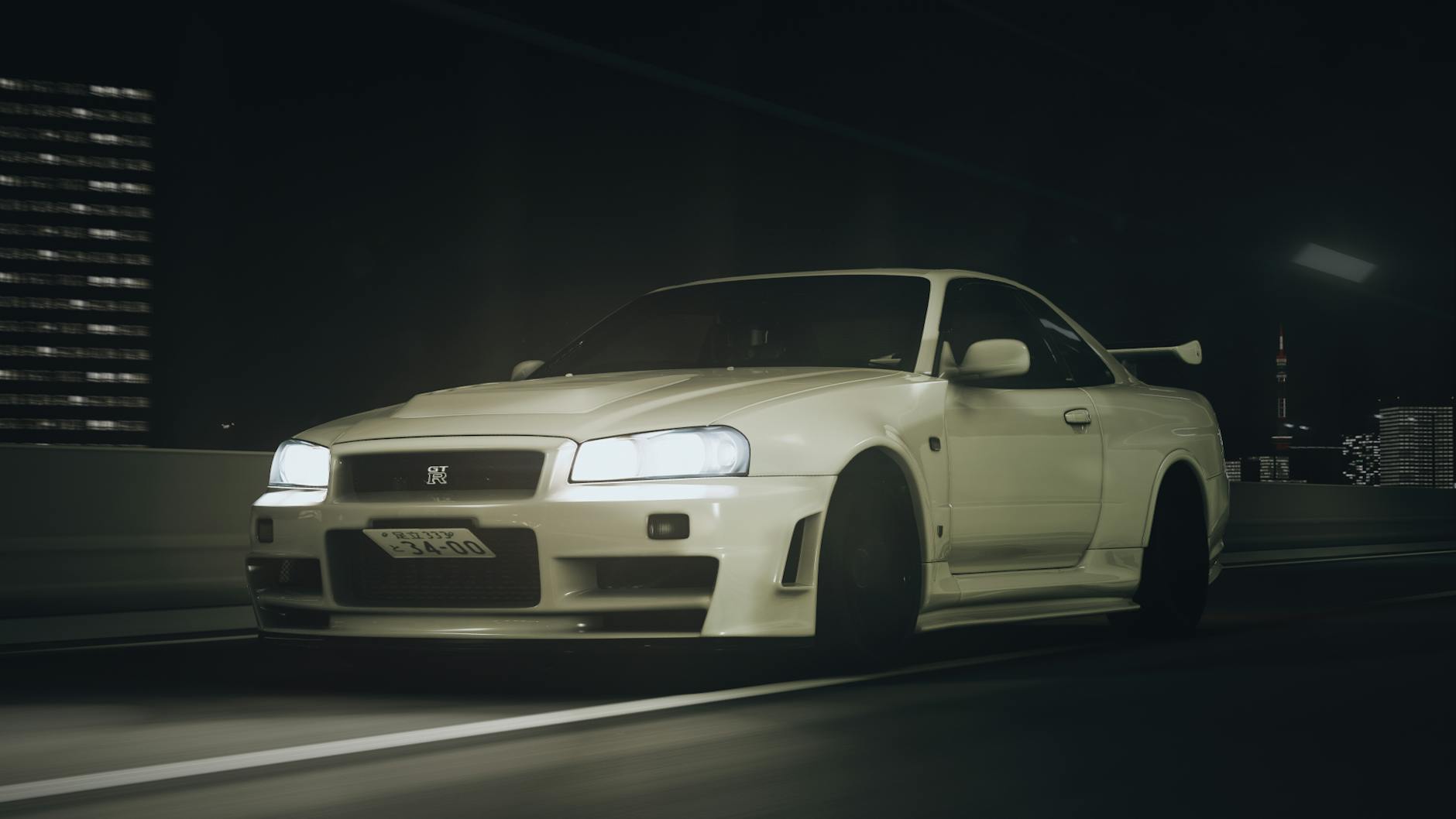
to Japan's most famous car meet — see Nissan GT-Rs, Toyota Supras, and hundreds of modified cars in their
natural habitat.

Book Your JDM Night Tour →

-Travel Guide
-, ,